
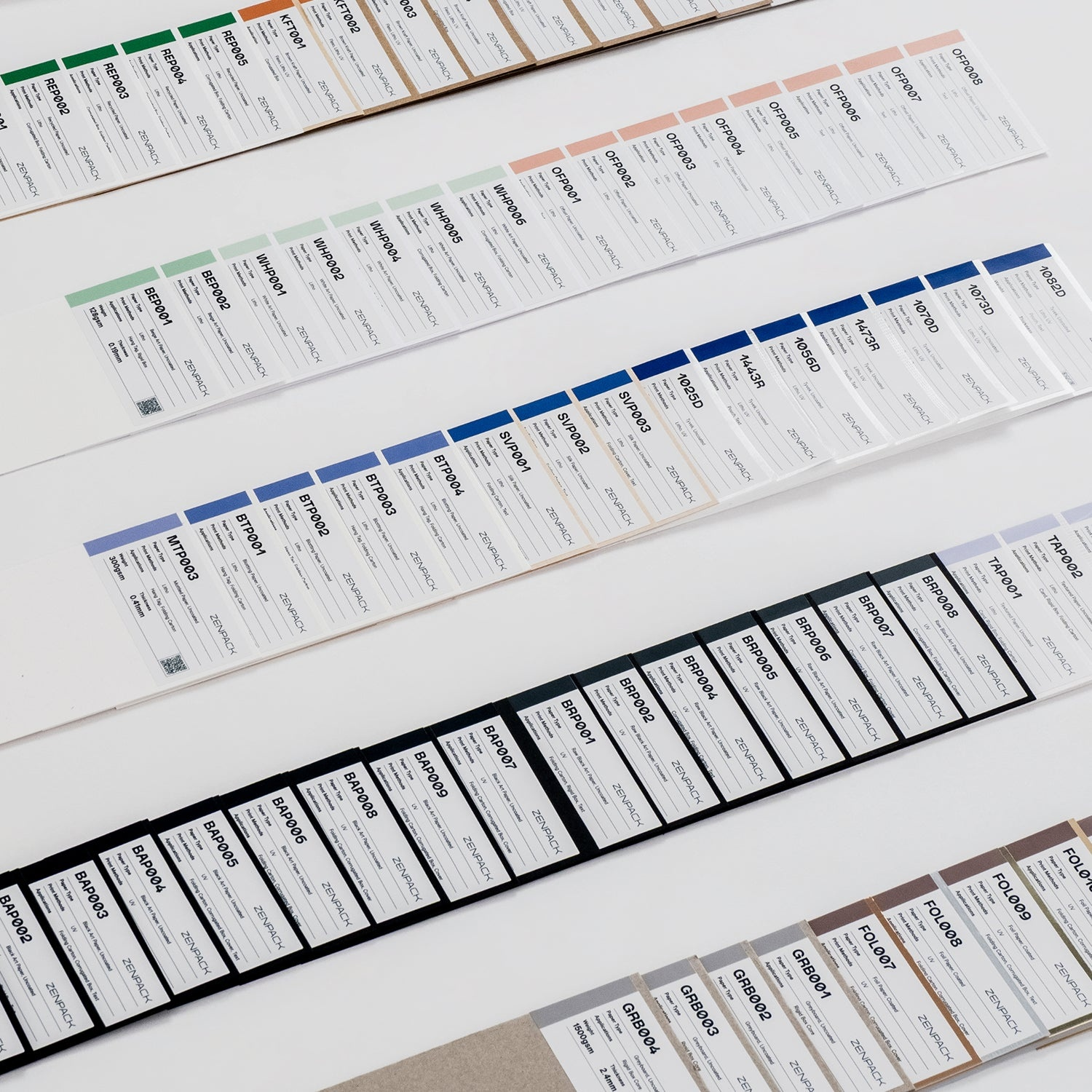
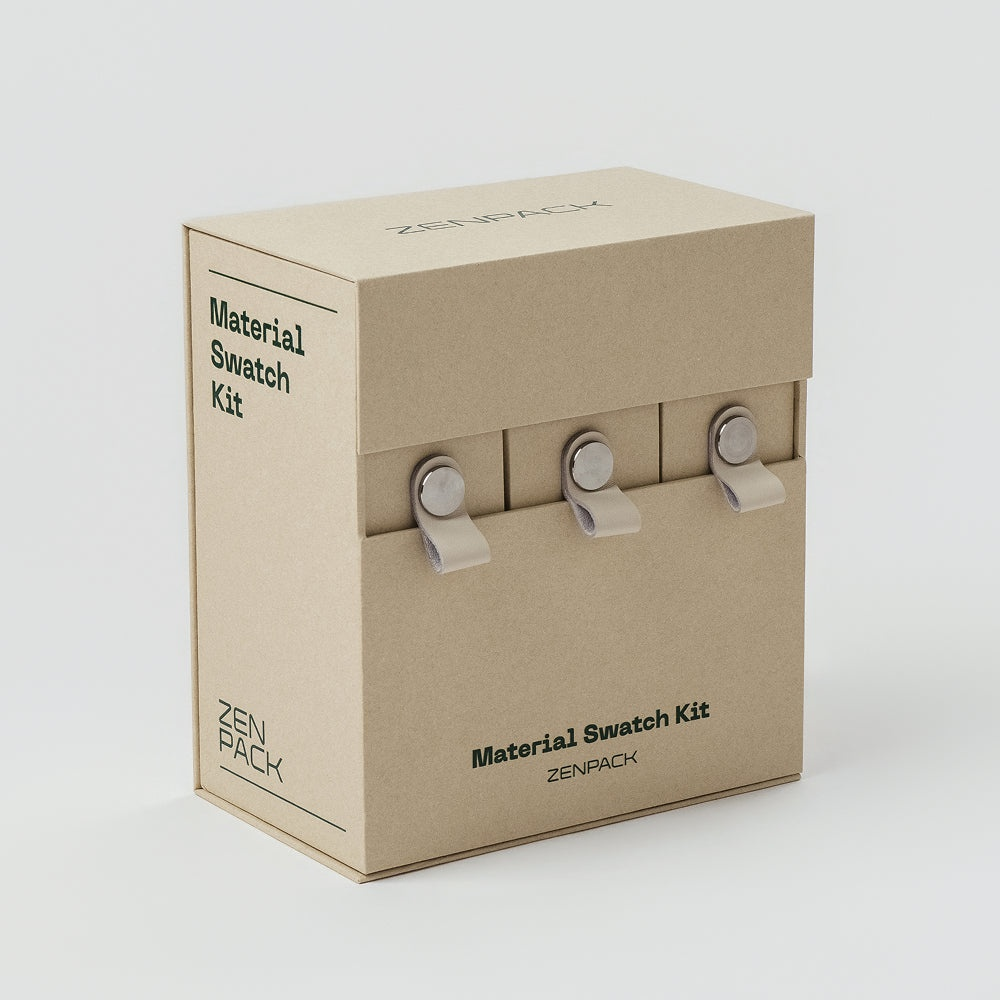
Labelled paper swatches show sample codes and different appearances. They illustrate material identification, not FSC status, verified recycled content or finished-pack recyclability. Third-party reference; not a Bravo Package project.
FSC claims, recycled content and recyclability answer different questions when selecting paper for a perfume box. They concern the sourcing claim for applicable forest-based materials, information about recovered inputs, and the acceptance and processing conditions for the finished pack in its destination. A specification may involve all three, but each needs its own supporting information. Paper colour, visible fibres and a natural texture do not establish any of them. Separate the questions before comparing paper samples and finished packaging.
Compare specifications through three separate questions
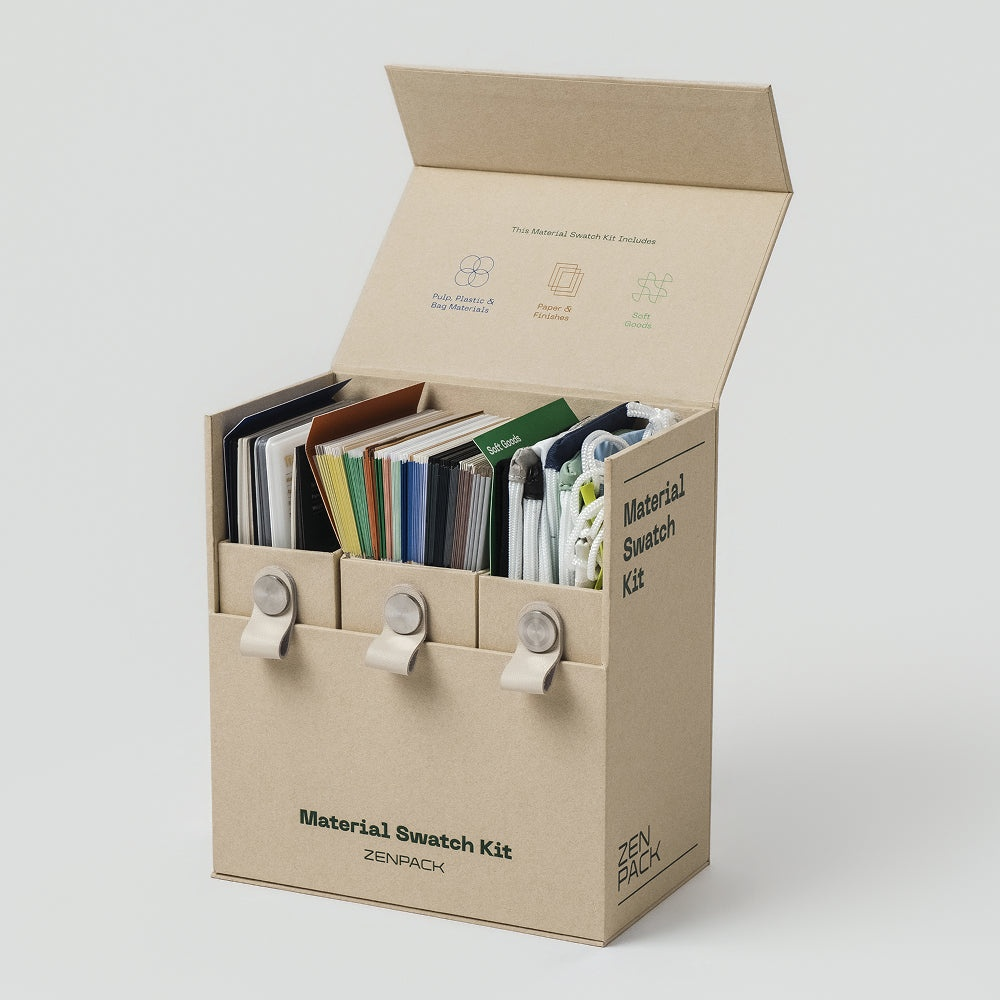

Use three columns in the brief: the FSC sourcing claim, recovered-material content and finished-pack recycling conditions. For each, record the question, the applicable material or component, supporting information and unresolved points. Keeping the columns separate prevents one available document from silently answering a different question.
For example, a sourcing claim alone does not tell a buyer the post-consumer content of a sheet. A recycled-content statement does not determine where a box with added coatings, adhesive and accessories is accepted. These attributes are not successive levels on a single environmental ranking.
| Attribute | Question to ask | What it does not establish |
|---|---|---|
| FSC sourcing claim | Which label and applicable forest-based material does the order claim cover? | A fixed recycled percentage or acceptance of the complete box. |
| Recycled content | What material does the content statement cover, and what pre-/post-consumer information supports it? | FSC status, sample performance or destination recycling acceptance. |
| Finished-pack recyclability | Is this converted construction accepted by the relevant destination programme? | A universal disposal route or the source of its fibres. |
Identify the particular FSC label
Official definitions: FSC label meanings and FSC UK label guidance.

FSC distinguishes three labels. FSC 100% identifies relevant forest-based material from FSC-certified forests. FSC Recycled concerns verified reclaimed forest-based material. FSC Mix involves FSC-certified material, recycled material and/or controlled wood. These are different sourcing claims rather than environmental grades.
Do not turn every Mix claim into one fixed percentage or infer permission to label any order merely because a factory holds a certificate. Confirm the specific material and order claim, then the scope of the proposed label. No Bravo certification or label authorisation is asserted here. Check the definitions against FSC’s official label guidance.
Specify the scope and origin of recycled content
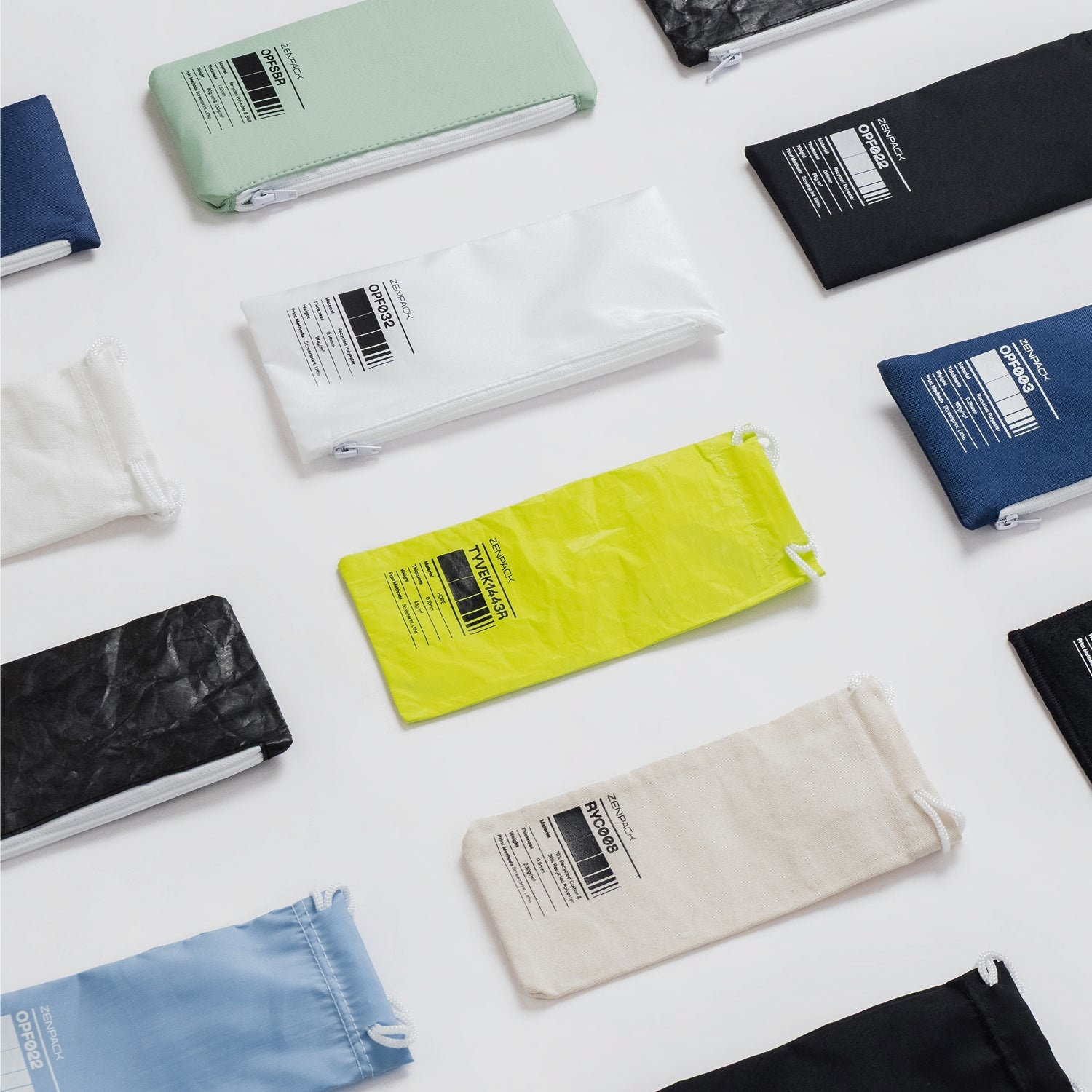
Ask what the stated percentage describes: a particular paper, another material or a different supplier-defined scope. Request pre-consumer and post-consumer information separately where relevant. Broadly, post-consumer refers to material recovered after end use, while pre-consumer concerns recovered sources before end use; the applicable documentation must establish the precise classification.
Speckles, shade and roughness are not percentage evidence. Keep the actual grade, printing requirement and structural use defined when comparing papers. Recycled content is not a ranking of strength, processing results or price. A selected candidate still needs a sample in the current packaging construction.
Check recycling conditions for the finished pack
Local acceptance reference: EPA guidance on common recyclables (United States).

List films, coatings, adhesive, windows, magnets, textiles and other additions before asking about the finished box. Information for unconverted paper cannot answer every question about that combination. Neither a paper appearance nor the mere presence of mixed materials provides a universal yes-or-no answer; check the actual construction and destination.
EPA’s public recycling guidance directs readers to local programme acceptance arrangements. It is US guidance, not a worldwide classification table for perfume packaging. Any project disposal information needs a defined region, finished-pack revision and applicable conditions. Biodegradability, compostability and recycled content should not be treated as interchangeable endpoints.
Separate attribute comparisons from sample performance

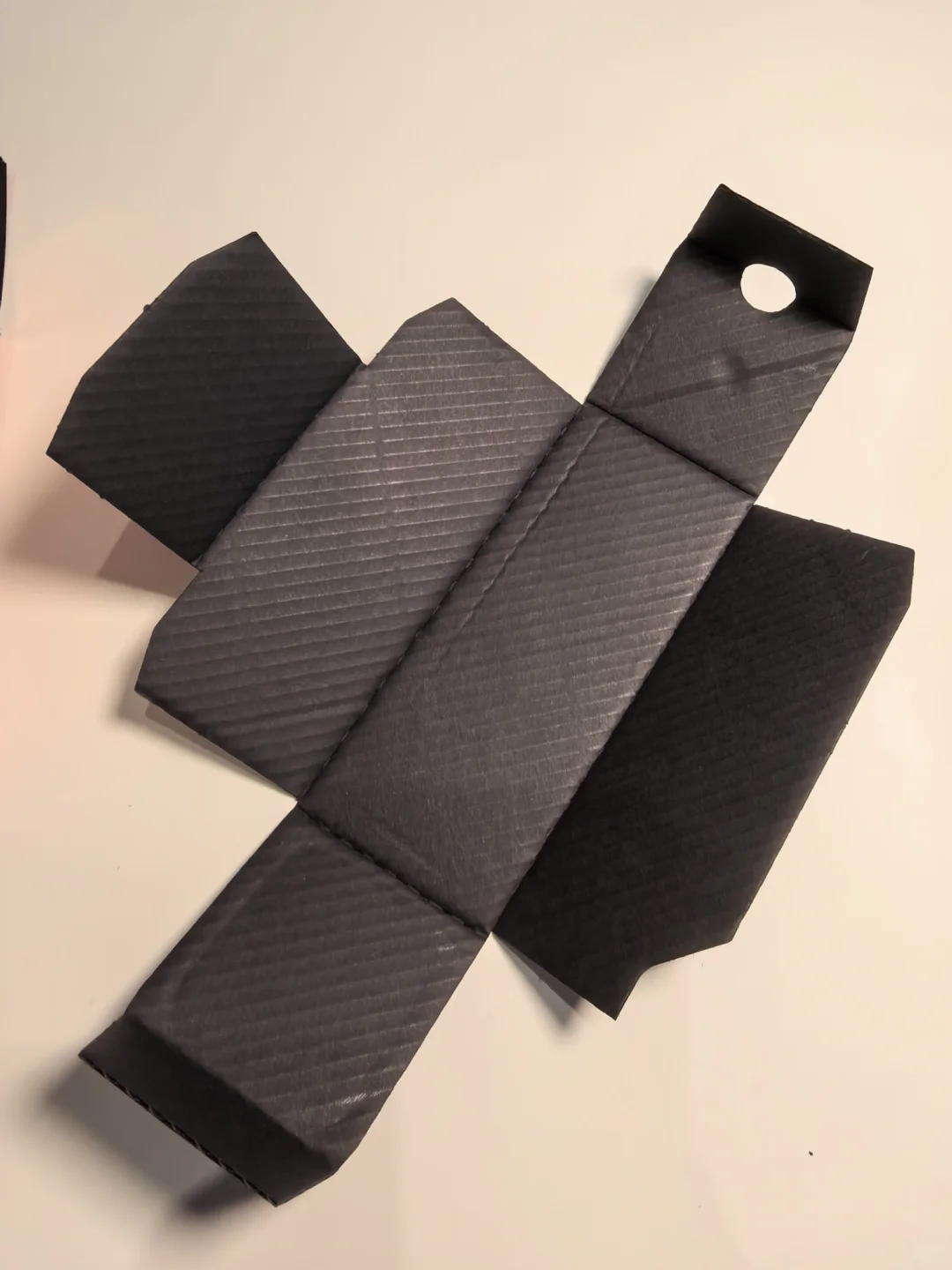
Place the three information categories for each candidate in the same comparison, then separately inspect the printed sample, folds, closure, insert fit, identification and removal. Retain supplier information alongside observations of the finished box. Similar colour or feel does not establish identical material sourcing.
A change to the paper, finish or joining method requires renewed checks of the affected items rather than inherited conclusions from an old sample. Protection and transport needs retain their own verification requirements. A sourcing certificate does not replace them, and no assumption that recycled paper is cheaper, virgin paper stronger or one label inherently lower-carbon is warranted.
Hand over claims with clearly defined scope

Include the SKU and revision, paper or component, exact FSC claim, recycled-content scope and origin, destination acceptance check, supporting documents and sample status in the handover. Mark missing information as pending rather than adding a green symbol before the questions are settled. Keep public wording within the confirmed scope.
Update the relevant fields after purchasing or conversion changes, reviewing documents and the new sample together. The discussion can then move from a vague “which is greener?” to specific answers about sourcing, recovered inputs, destination conditions and whether the current construction meets the packaging requirements.