

Third-party fragrance packaging reference shared by woowuziiiii on Xiaohongshu. The photograph does not establish order quantities, unit prices or supply conditions. No brand endorsement, affiliation or Bravo Package project is implied.
PERFUME PACKAGING · ORDER QUANTITY AND UNIT COST
Changing an order from 500 to 2,000 perfume boxes does not mean multiplying the first unit price by the new quantity. Nor does it establish a guaranteed discount. The quotations may reflect different preparation charges, material purchasing arrangements, production proposals or delivery scope. Ask the supplier to explain the actual basis of each offer.
The quantities here are comparison examples, not universal Bravo Package minimums, prices or savings commitments. Establish the configuration and charging scope before comparing unit prices and order expenditure.
Compare the same packaging configuration
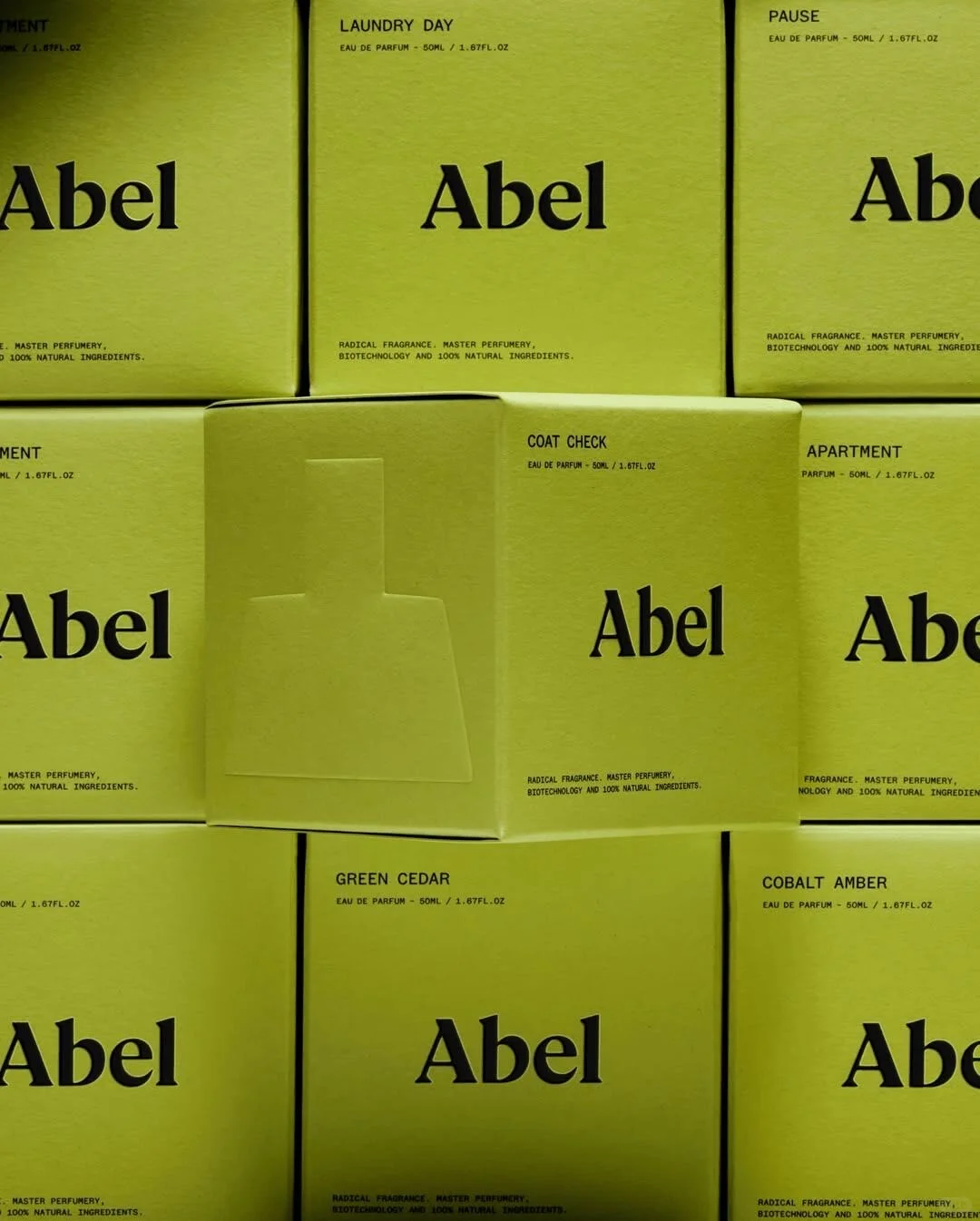
Identify the box, insert, accessories, finished dimensions, materials, artwork and finish revisions. Both quantity options should refer to the same stated configuration. A price for an empty box cannot be compared directly with a price for a complete packaging set and the whole difference attributed to volume.

Capacity names are not sufficient specifications. Two perfumes may require different bottles, caps or inserts. Confirm any proposed shared outer box separately. If increasing quantity also changes the structure, material, artwork, finish or assembly state, identify that as another proposal and list the changes.
Quotations issued on the same day can still cover different conditions. Record the applicable quantity, currency, validity period, destination, inclusions and unresolved items. Complete missing information before deciding whether the two figures are comparable.
Establish how preparation charges are included

Tooling, file preparation, samples or other preliminary work may appear as separate charges or be included in the product unit price. Ask which charges apply to this project, which revision they cover, how they are charged and where they appear in each quantity option.
If one unit price includes a preparation charge while the other quotation lists it separately, the apparent unit-price change does not describe an identical scope. Conversely, do not add a charge again if it is already included. Keep unexplained items open rather than entering zero.
Dividing a confirmed charge by the order quantity can help a brand allocate its own expenditure. It is not a universal formula for reconstructing a supplier's price. Do not assume that both quantities require identical tooling, production arrangements or preparation charges. Confirm potential reuse, storage responsibility and later-order charges for the actual work.
Ask whether the making or delivery proposal changes
Request an explanation of whether the larger order retains the original materials, making method, finishes and assembly state. Does it involve different purchasing or production arrangements? Which work does the price change relate to? Equipment names alone do not let a buyer reconstruct the factory's costs.
Increasing quantity may produce a similar unit price or require a revised proposal. Do not extrapolate a third quantity tier from the difference between the first two. The relationship offered by one supplier for one box cannot simply be transferred to another manufacturer.

Keep alternatives separate. Existing specifications, simplified finishes or another making method may be options to discuss, but each needs its own description. Identify what remains custom, what must remain standard and whether appearance or use changes. A saving from a different configuration is not wholly a volume discount.
Align quantities, charging units and delivery form

Clarify whether the unit price covers one outer box or a packaging set. List the components and quantity per set. Show quantities for different artwork versions or inserts separately; a single order total cannot replace that breakdown.
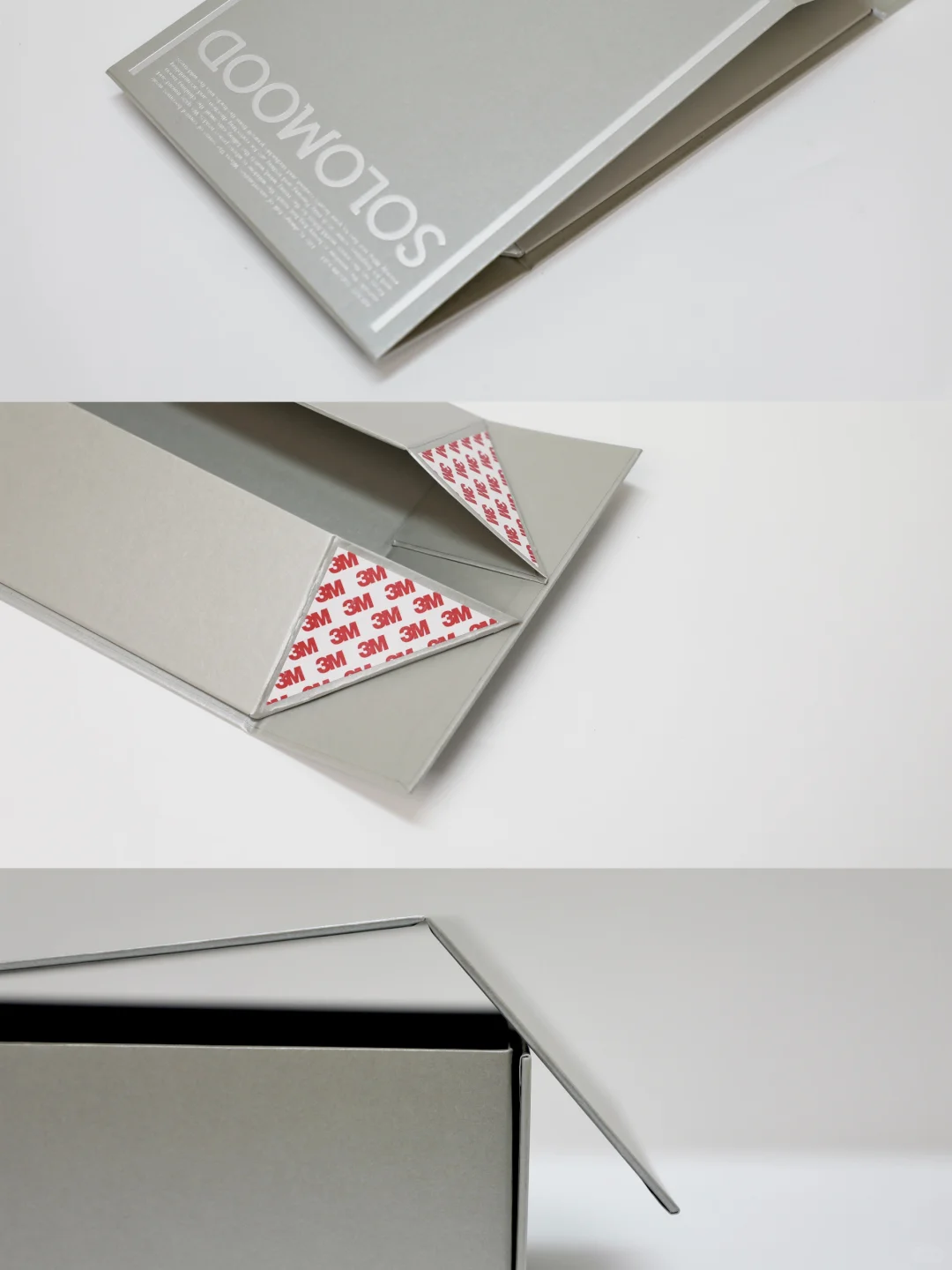
Record whether delivery is flat, folded or assembled, and which assembly, insert placement, labelling or other work is included. Freight proposals should identify the destination and delivery form. Ask about any differences in shipment volume, transport method or split deliveries under the actual offers.
Ordering and receiving everything together, committing to a total with staged deliveries, and placing a later replenishment order are different arrangements. An annual demand estimate does not establish an accepted price tier. Confirm committed quantities, quantities per delivery, payment, storage and what happens if files change or some goods remain uncollected.
A lower unit price does not mean less expenditure now
Use the quoted quantities and unit prices to identify the product amount. Separately list confirmed required charges that are excluded, leaving unknown items visible. Compare unit price, order amount and the expenditure the brand needs to arrange for this purchase. Do not merge them under one unexplained cost figure. Record tax and freight inclusions according to the actual offers and relevant service providers.

The brand also needs to review intended usage, storage space, available funds and the current version's planned use. If fragrance wording, capacity information, regional versions or campaign artwork may change, assess whether additional boxes would remain useful. An unverified sales forecast does not establish that buying more is better value.
These internal arrangements are separate from the supplier's price for making a box. Keep them visible without silently adding warehouse costs, possible obsolete stock or team time to one quotation while leaving another incomplete. Possible future losses should not be presented as events that have already occurred.
Put both quantity options into one comparison table
| Quantity area | Scope information | Confirm with the supplier | Avoid assuming |
|---|---|---|---|
| Configuration revision | Shared structure, materials, artwork and finish references | List any changes as a separate proposal | Do not call a configuration change a pure volume discount. |
| Quantity and units | Variant quantities, components per set and charging unit | Record the actual scope for each quantity option | Do not interchange boxes, sets and cases. |
| Product quotation | Currency, unit price, product amount and validity | Use the supplier's offer rather than extrapolation | Do not assume a fixed percentage reduction. |
| Preparation and other charges | Separate charges, included items and unresolved items | Check for omissions and double counting | A blank field does not mean free. |
| Delivery arrangements | Delivery form, destination, freight, staged supply and payment | Identify whether both tiers use the same arrangement | Annual demand is not an accepted order commitment. |
| Brand arrangements | Intended use, space, funds and version plans | Assess internally and record separately from the quote | A lower unit price does not justify extra stock by itself. |

Establish the information behind the table before judging whether the larger order suits the project. Differences are acceptable when they are visible. Request another quotation for a quantity that reflects actual needs if useful, keeping unanswered questions open rather than filling them with assumptions.
Reconfirm the offer after choosing a quantity

Check that the quotation, structural files, artwork, sample approval scope and order list identify the same revision. If quantity, variant allocation, printing, inserts or delivery arrangements change, ask whether the original offer still applies. A previous price tier is not a permanent condition.
Replenishment also requires a current scope check. Previously paid preparation charges or existing tools identify historical work to review. They do not establish that a new order has no charges, no minimum quantity or no need to check materials and files.
The useful explanation for the difference between 500 and 2,000 boxes comes from the two actual offers and their configuration, preparation and delivery conditions. Make the options comparable, then choose against real needs. That avoids accepting another packaging specification or purchasing arrangement solely because its unit price looks lower.