
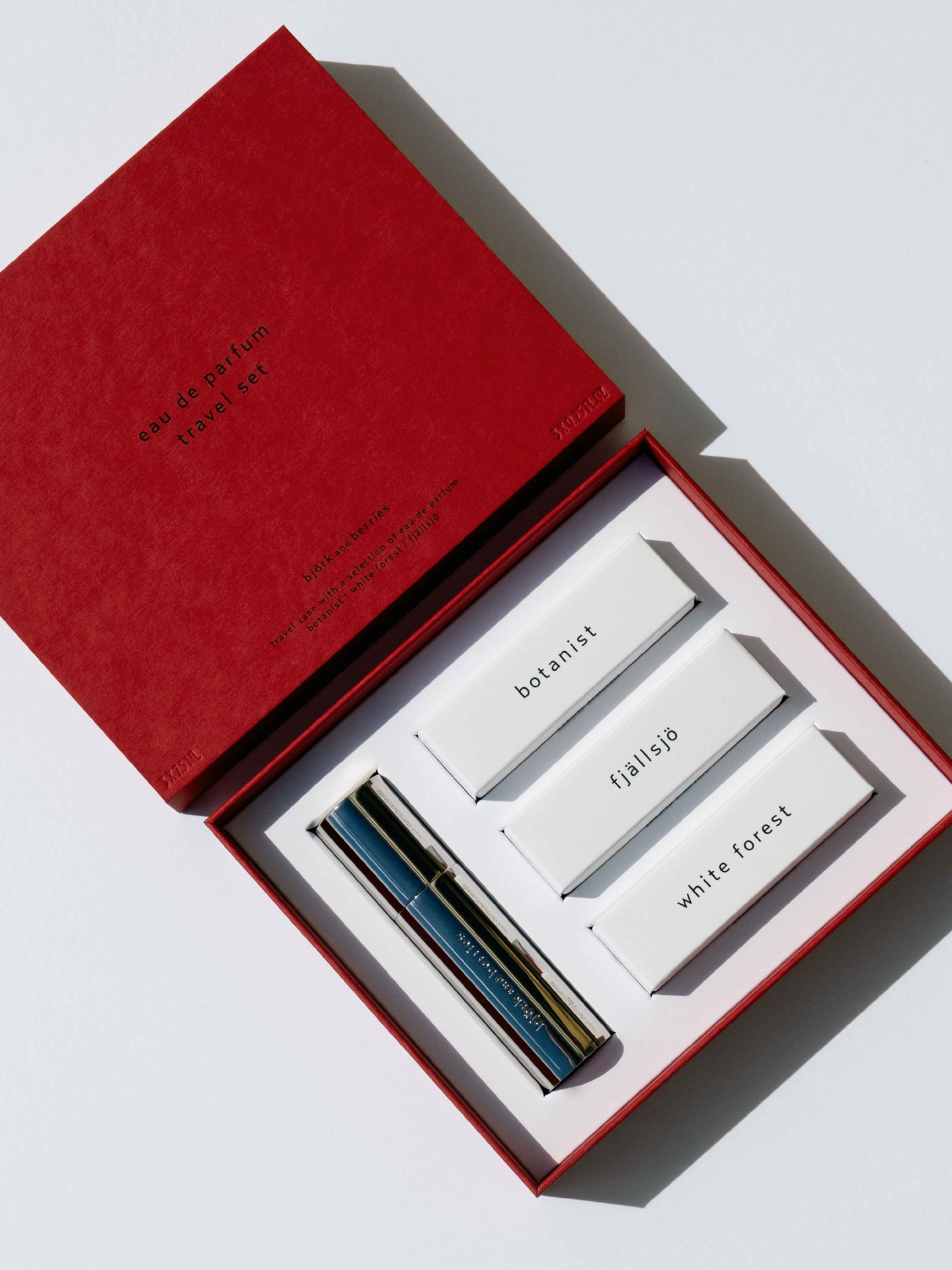
A red Bjork and Berries travel box shows a broad face, printed text, edges and individual white cartons. The visible surface does not establish lamination status or scuff resistance. Third-party reference; not a Bravo Package project.
A perfume box without film lamination is not necessarily untreated, nor has it automatically passed a scuff-resistance check. Paper, ink, varnish, local decoration and the formed construction define the actual specification. Matte appearance or a natural feel describes a target rather than a process. Establish the desired finish and contact situations, compare converted samples, and agree how marks and rubbing results will be evaluated. Neither a photograph nor a fingernail demonstration establishes transport performance.
Define what is absent and what remains
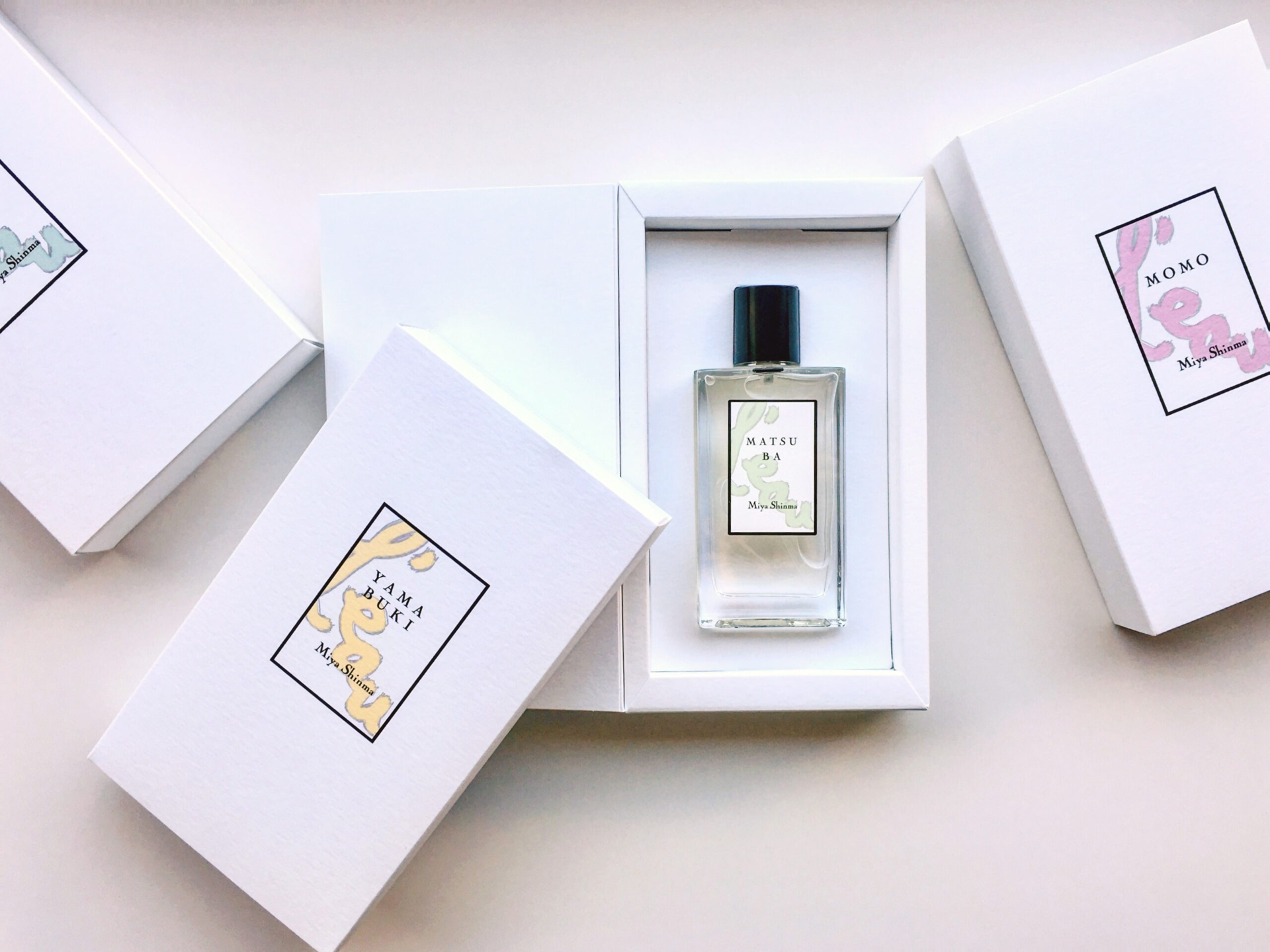
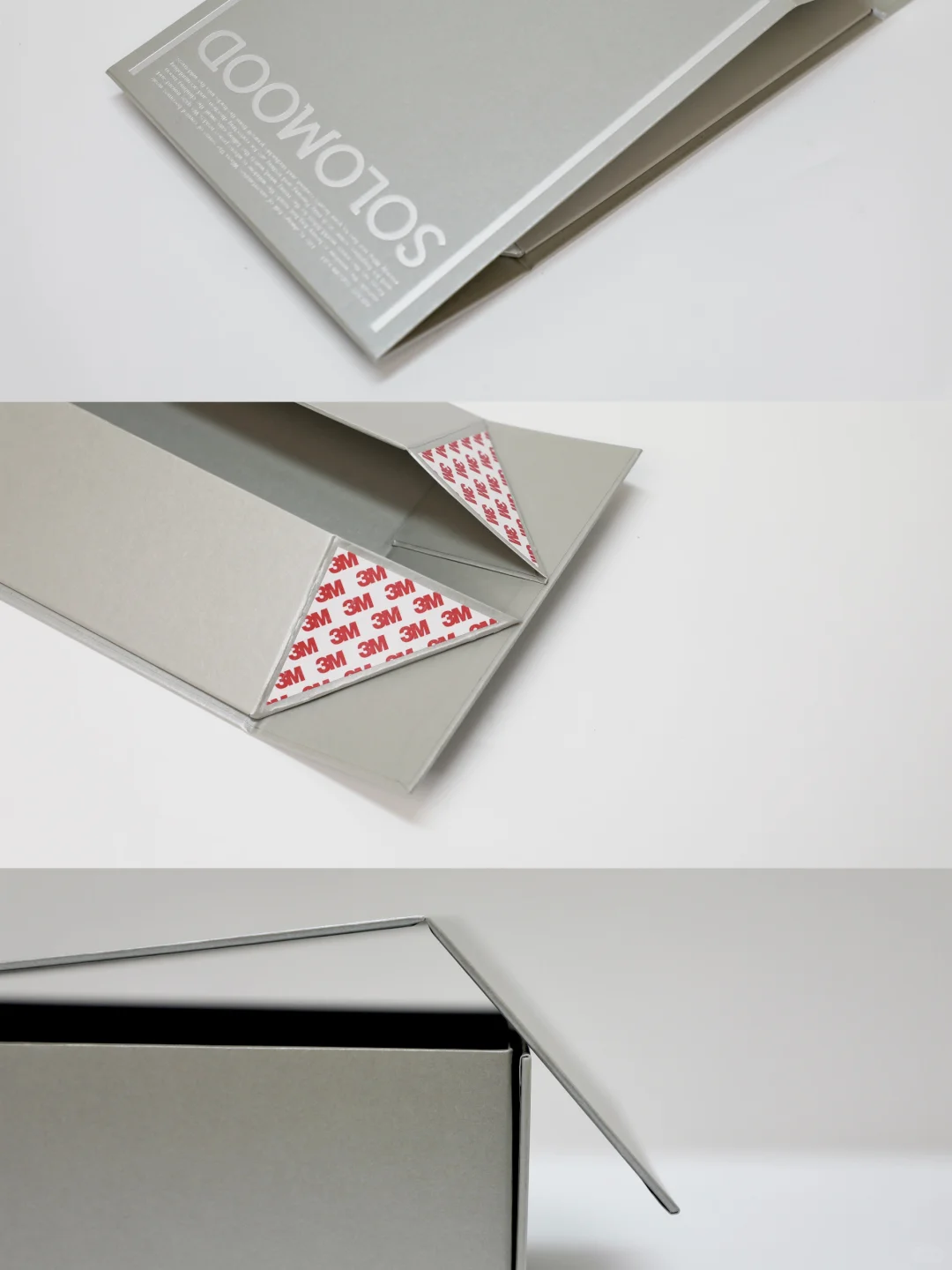
State which film layer is excluded and on which faces, while recording the paper, print, varnish, coatings and local decoration that remain. No film lamination does not mean no coating. Matte, soft or textured appearance cannot identify the process on its own. Supplier descriptions need to match the current specification and sample.
Use references to describe the desired texture, reflection and feel, separating visual preferences from surface requirements requiring verification. Natural colour or a papery feel does not establish whole-pack composition, recycling acceptance or resistance to rubbing. Leave unconfirmed treatments explicitly unresolved.
Map contact to the actual faces
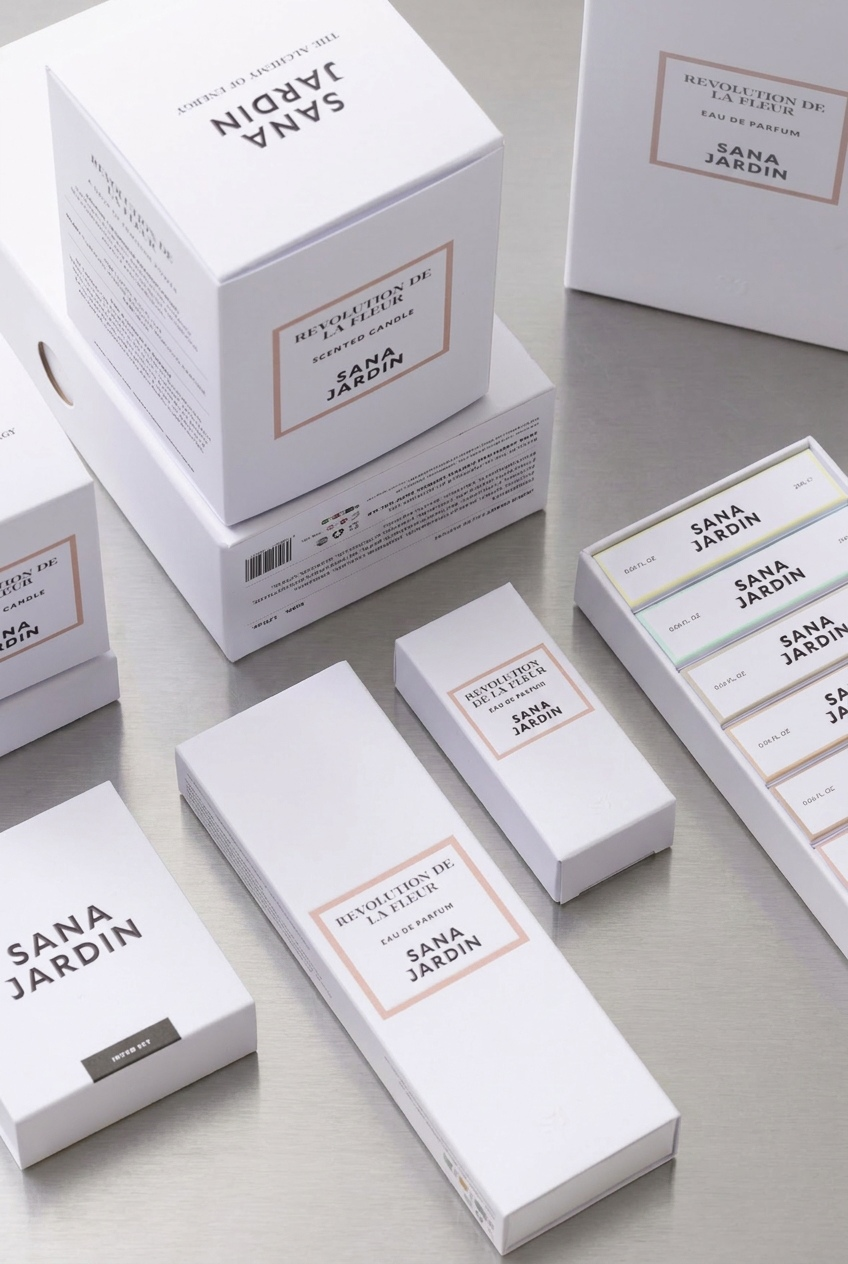
List what the surface contacts during assembly, stacking, handling and packing, including neighbouring packaging. Distinguish broad faces, folds, edges, corners and opening areas, noting text or decoration that must remain clear. Inspect more than the most attractive display face.
Record the sample’s initial condition and existing marks so earlier damage is not counted as a later comparison result. When a mark appears, locate it and identify the contact and stage before attributing a cause to paper, ink or a process. Transport remains a separate question for the complete packed configuration.
Compare converted samples within a defined scope
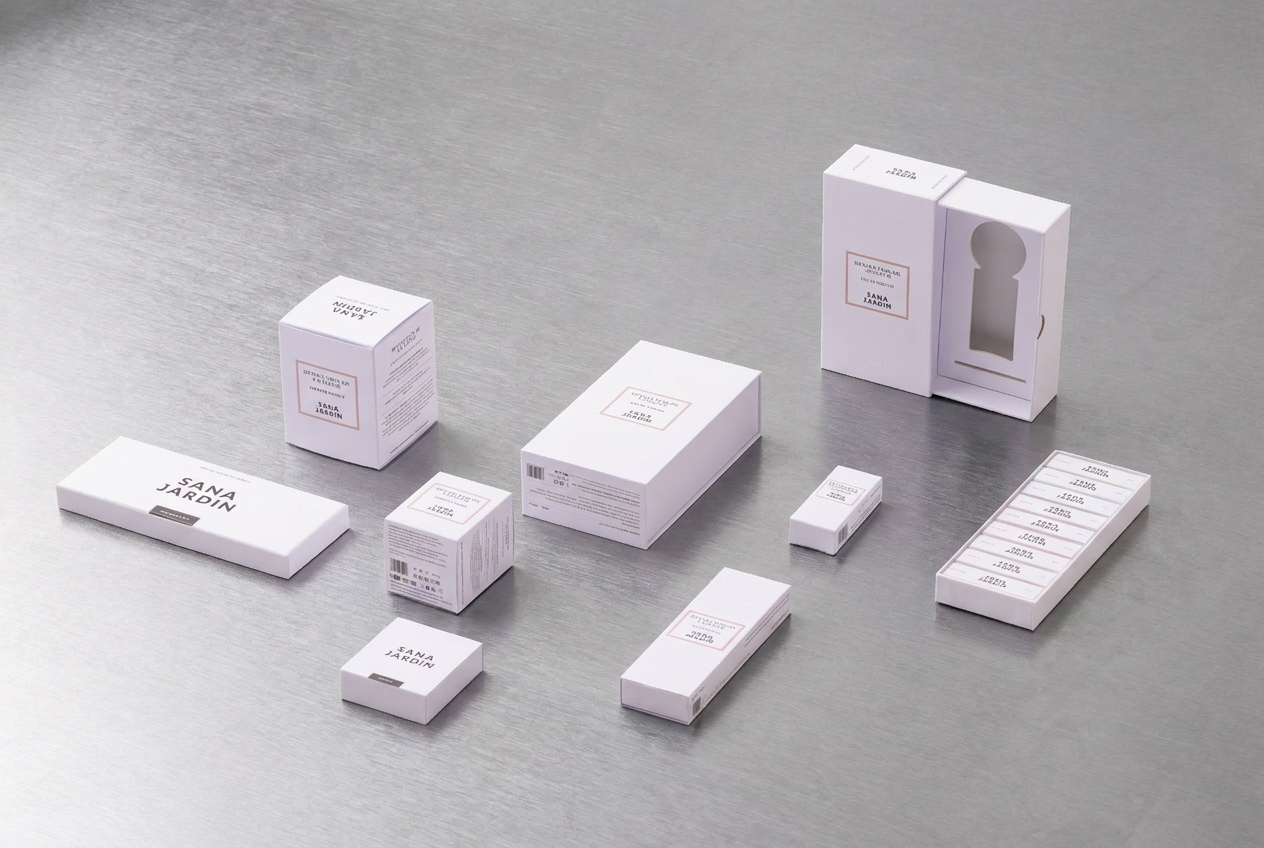
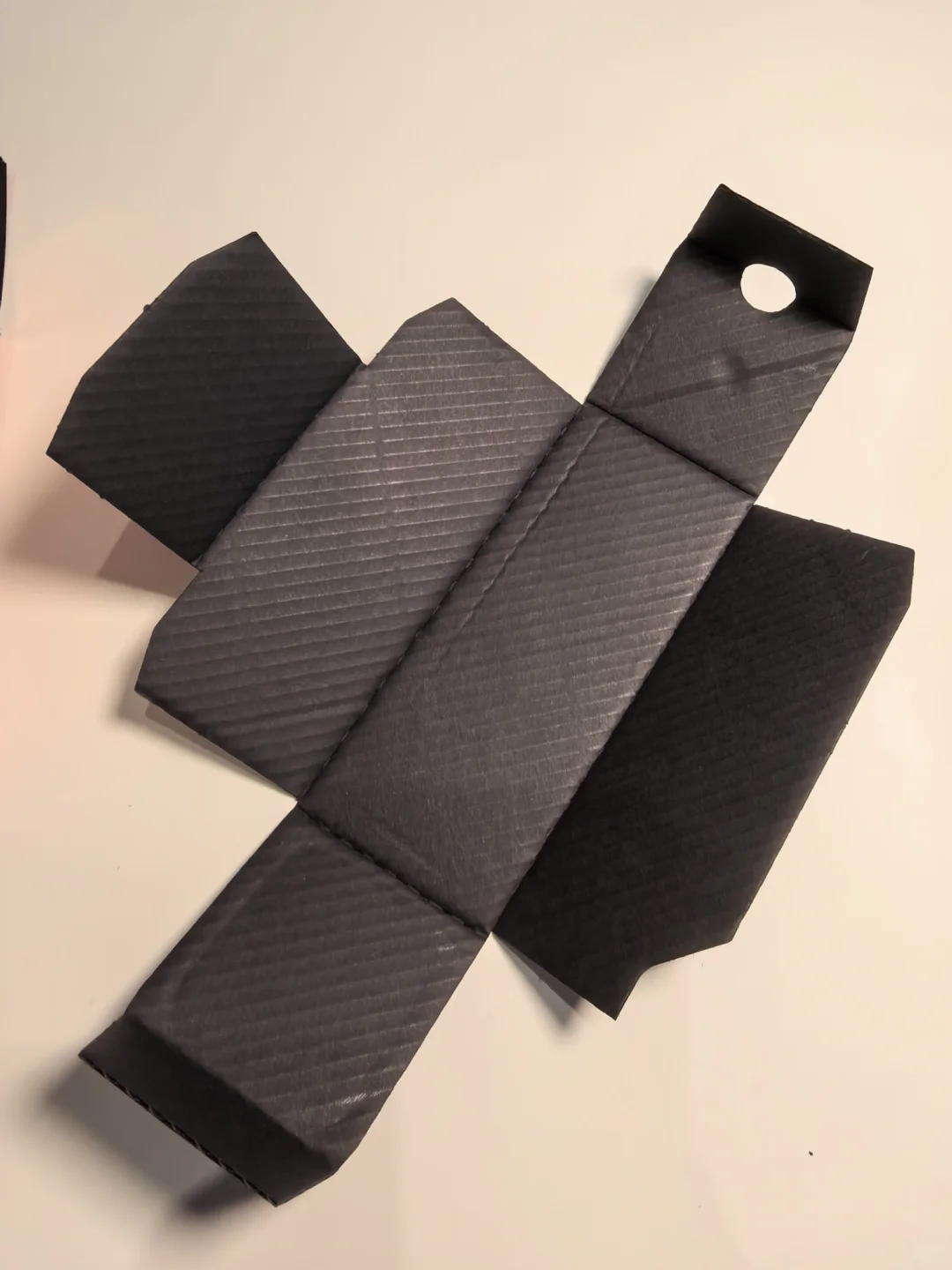
Keep paper, ink colour, printed coverage and other conversion details consistent where possible when comparing proposed surface options. Record any simultaneous changes instead of attributing every difference to lamination. Review both flat samples and formed, closed boxes, using the latter to inspect folds, corners and opening contact.
Record appearance, readability and feel separately. A preferred feel is not evidence of greater scuff resistance. Keep observation conditions consistent and retain the samples and photographs. A replacement treatment is a candidate to evaluate, not a promise of matching or exceeding the existing laminated specification.
Agree rubbing and evaluation conditions first
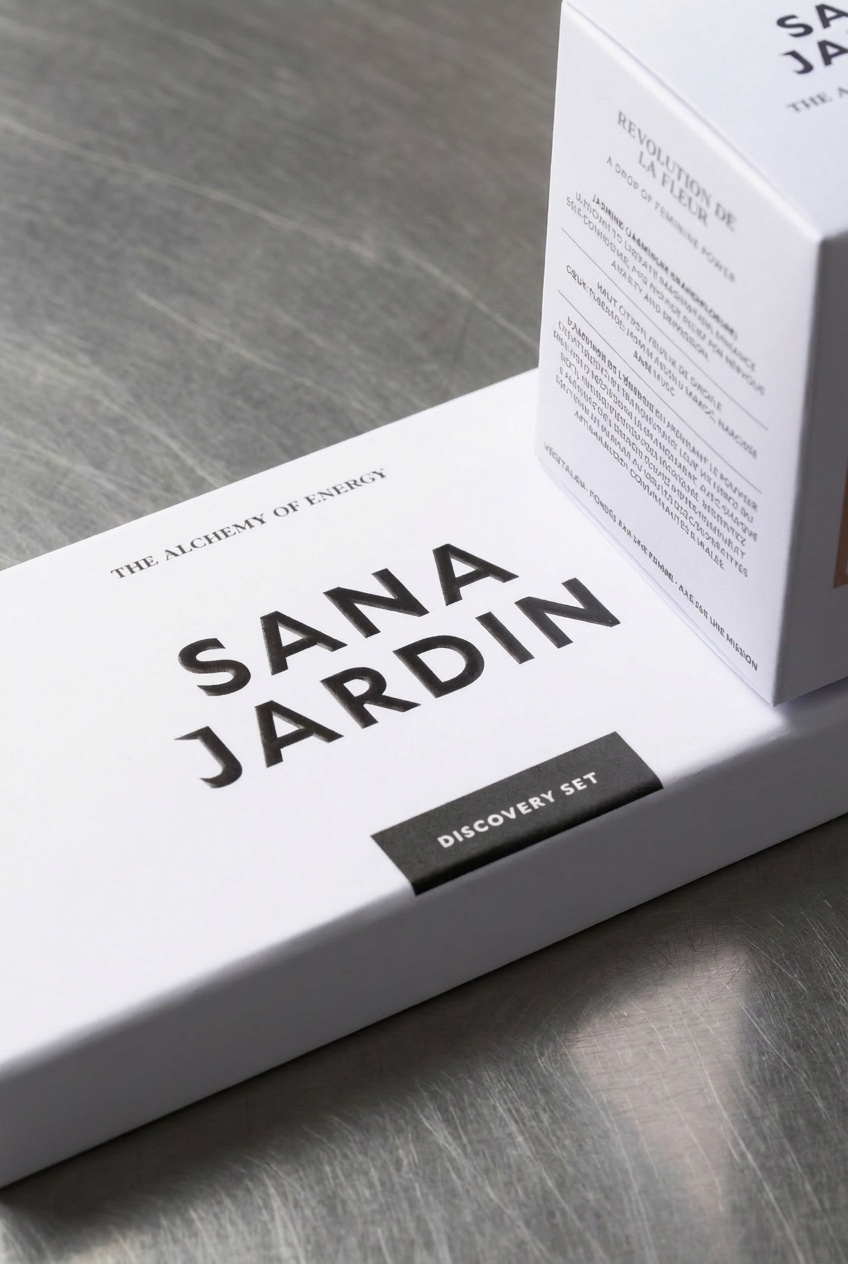
If a rubbing comparison is required, agree the contact material, load, speed, number of cycles, sample preparation, position and direction before starting. Specify how results will be observed and recorded. The project participants must confirm an appropriate method; this guide supplies no universal threshold or equipment settings and asserts no Bravo testing capability.
Results from different conditions are not directly rankable. Define whether evaluation concerns ink change, transfer, visible scuffs or information clarity, retaining before-and-after conditions. A few hand rubs or a fingernail scratch describes only that action. It is neither an agreed test nor evidence of damage-free transport.
Return to folds, edges and use
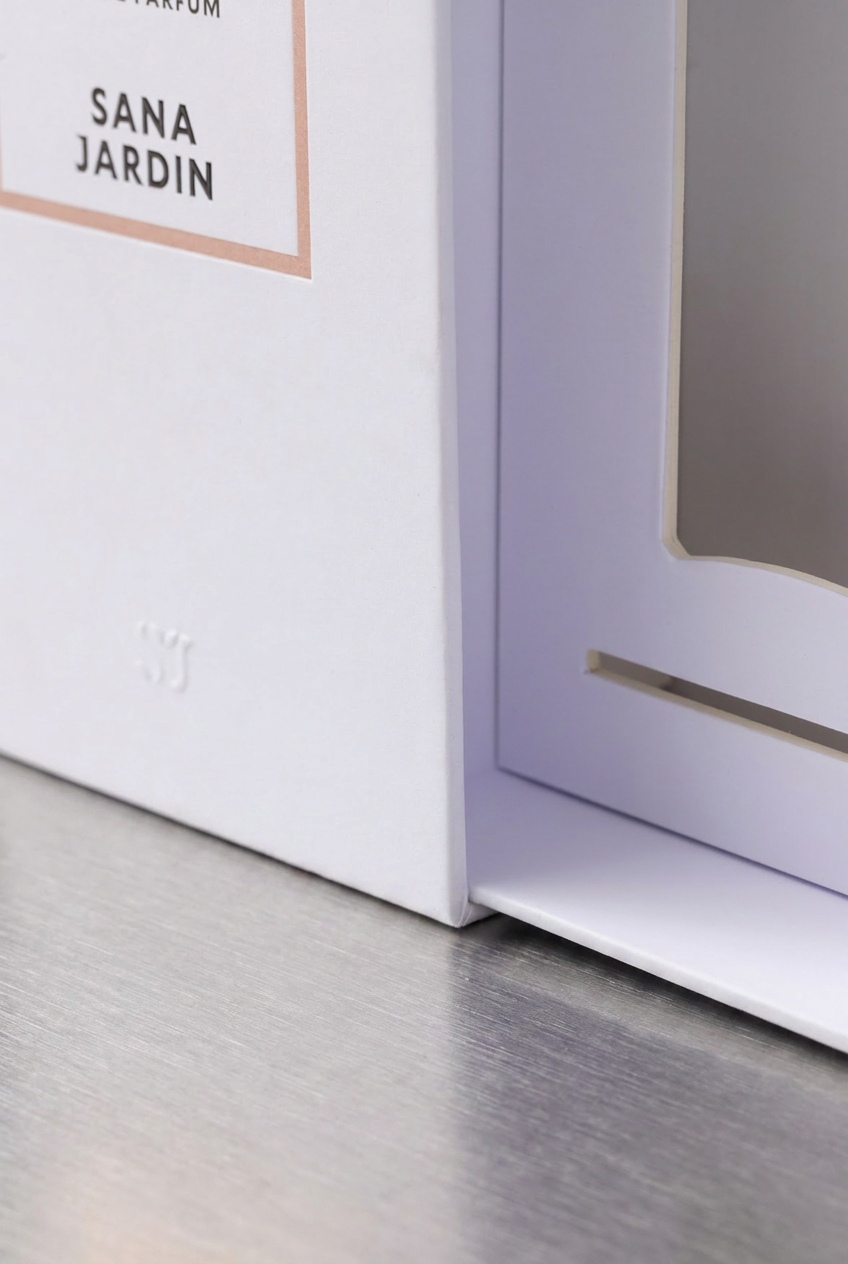
Beyond the surface comparison, open the complete sample and remove and replace the product as intended. Observe corners, folds, insert contact and neighbouring box faces. Record locations and actions rather than assuming dark printing always produces white marks or exposed paper always scratches.
If a finish, ink coverage or construction changes, identify which earlier results no longer apply and review the affected areas. Local repair or an extra treatment is not an automatic remedy. A new treatment changes the specification and requires renewed examination of appearance, information and use.
Approve the current finish and its checked scope
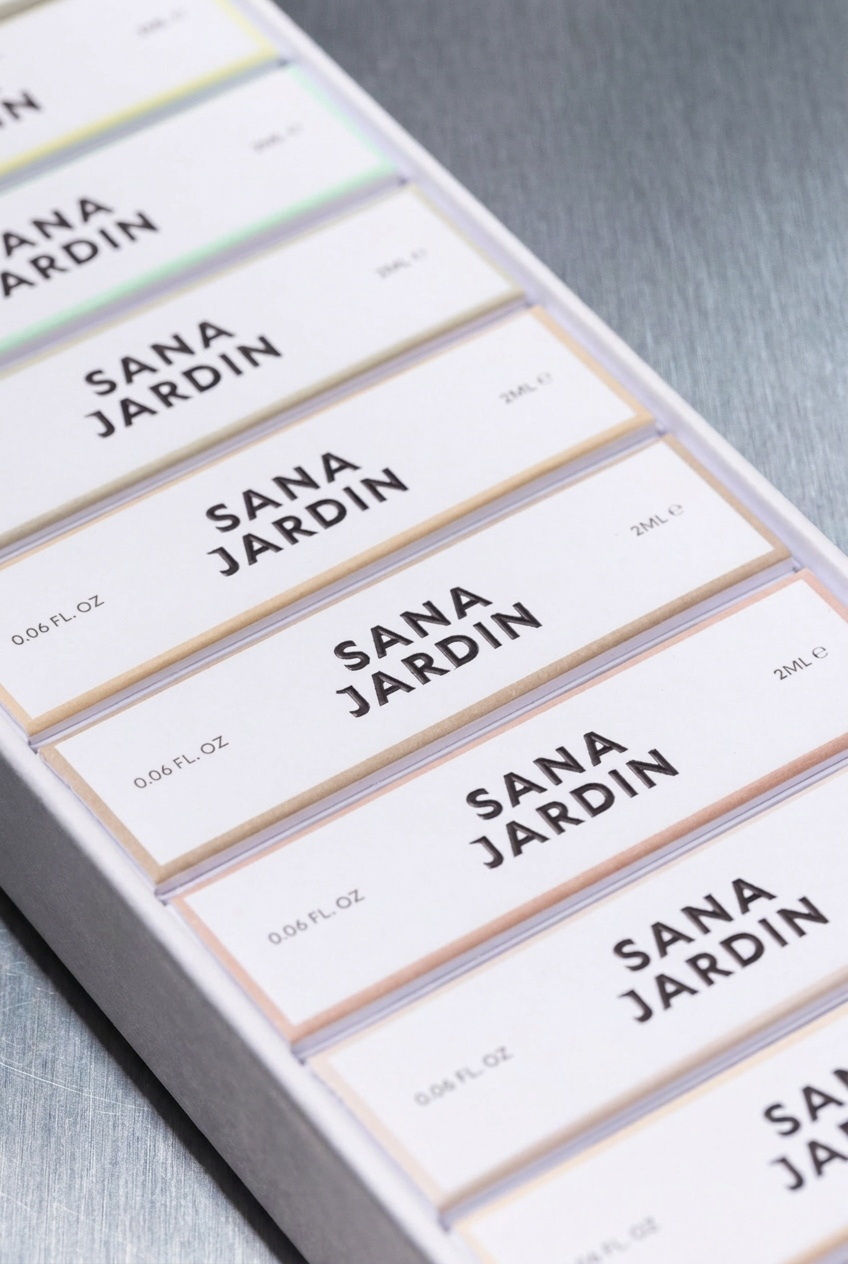
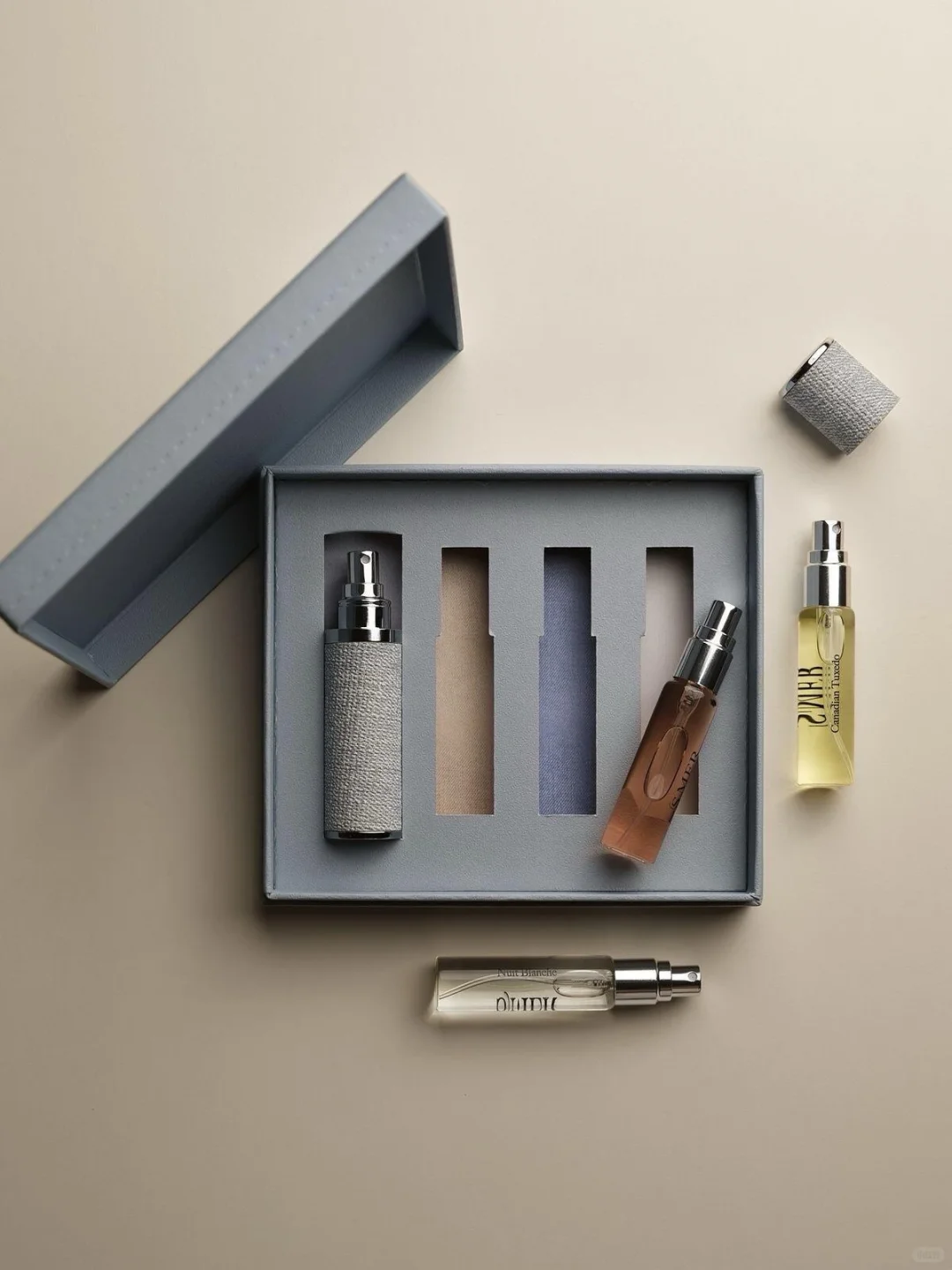
Keep paper, ink, surface treatment, component revisions, the finished reference sample, observation conditions and agreed findings in the handover. Distinguish accepted appearance from contact or transport requirements still awaiting verification. Describe acceptable and review-required locations instead of writing only “good abrasion resistance.”
A later change of paper, ink or treatment cannot inherit the old sample’s approval automatically. No film lamination is a specification choice. Approval should answer whether the current sample meets the agreed appearance and use requirements without attaching unsupported cost, recycling or protection guarantees.