
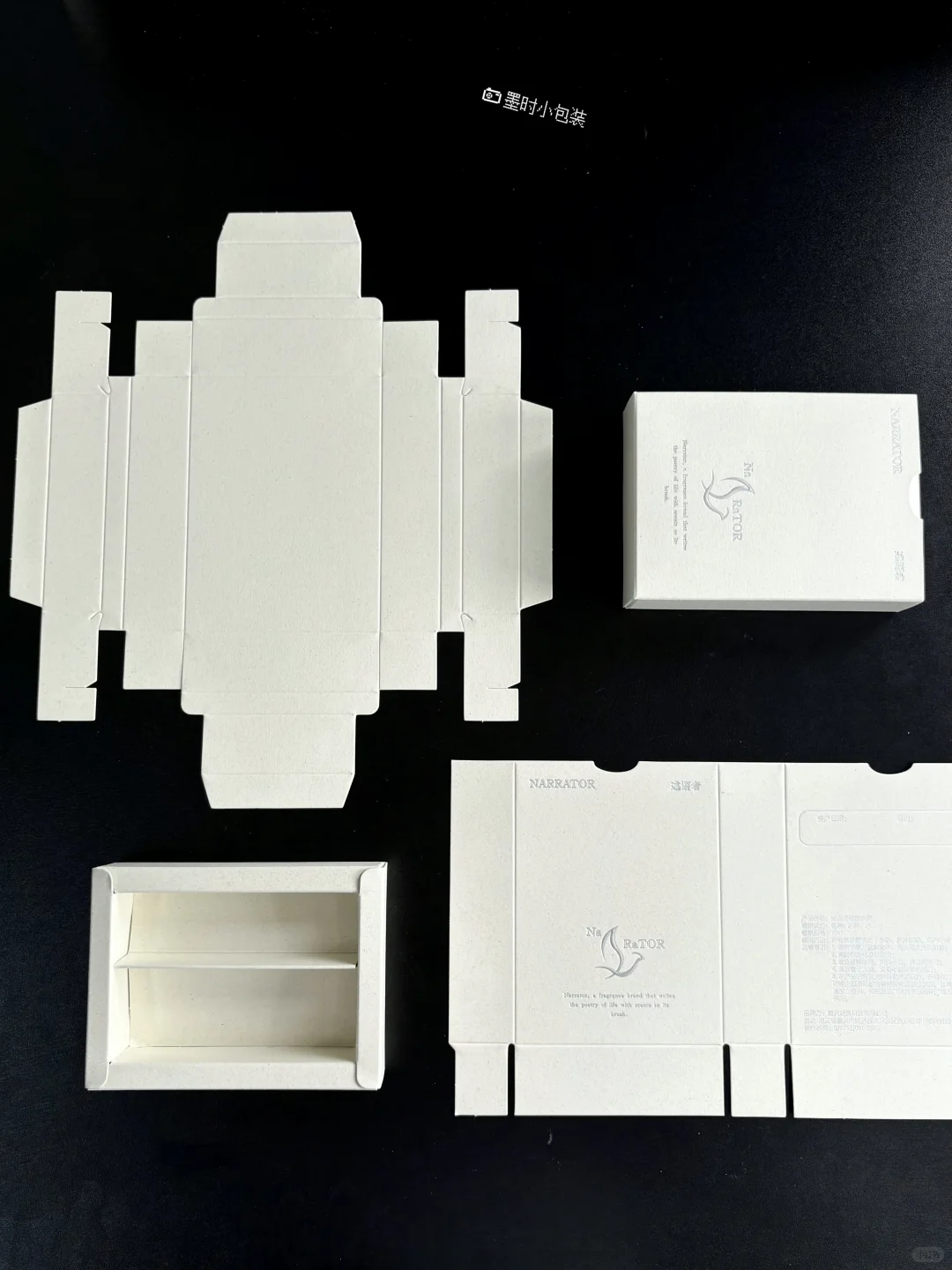
Third-party fragrance packaging reference shared by 墨时小包装 on Xiaohongshu. The photograph does not establish paper specifications, making costs or a budget recommendation. No brand endorsement, affiliation or Bravo Package project is implied.
PERFUME PACKAGING · SMALL BUDGET PRIORITIES
When money is limited, begin with what the packaging needs to do for the actual product and delivery route. Then compare paper, inserts and finishes against those requirements. There is no universal rule that the insert should receive a fixed percentage of the budget or that decorative work should always be removed first.
A useful starting sequence is to define the product and pack configuration, review structure and handling, and then choose the visual details within a complete quotation. This is a purchasing framework, not a technical specification or a promise that a particular material will protect a perfume bottle. The supplier and relevant project reviewers still need to assess the proposed pack.
Define the budget and the pack it must cover
Write down the available amount, currency, order quantities and what is included. Does the figure cover only finished retail boxes, or also inserts, artwork, development, samples, tools, assembly and delivery? Separate any bottle or filling costs so they cannot silently consume the box allowance. Record taxes and other exclusions where relevant to the quotation.
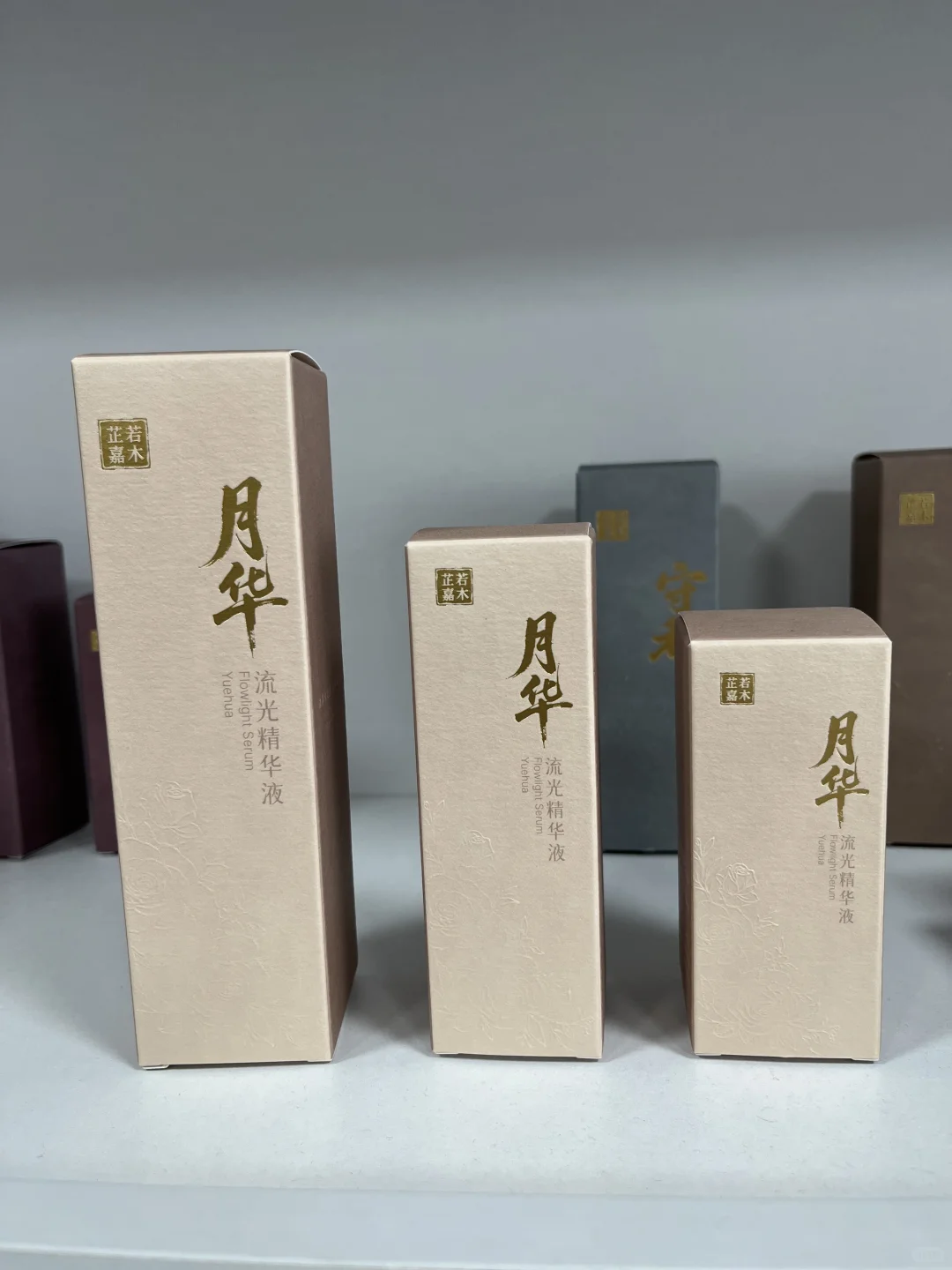
Describe every capped bottle, accessory and variant, along with the intended presentation and delivery form. State whether components arrive loose or assembled and who puts the product inside. A retail display box and the packaging used to ship the order need their own stated scope. Do not assume a photograph of an attractive box answers these questions.
Ask for a complete starting proposal. If it exceeds the allowance, the team can revise identifiable items rather than asking for an unexplained cheaper version. An incomplete low figure is not a usable budget simply because it fits the target.
Review fit and handling before selecting an insert
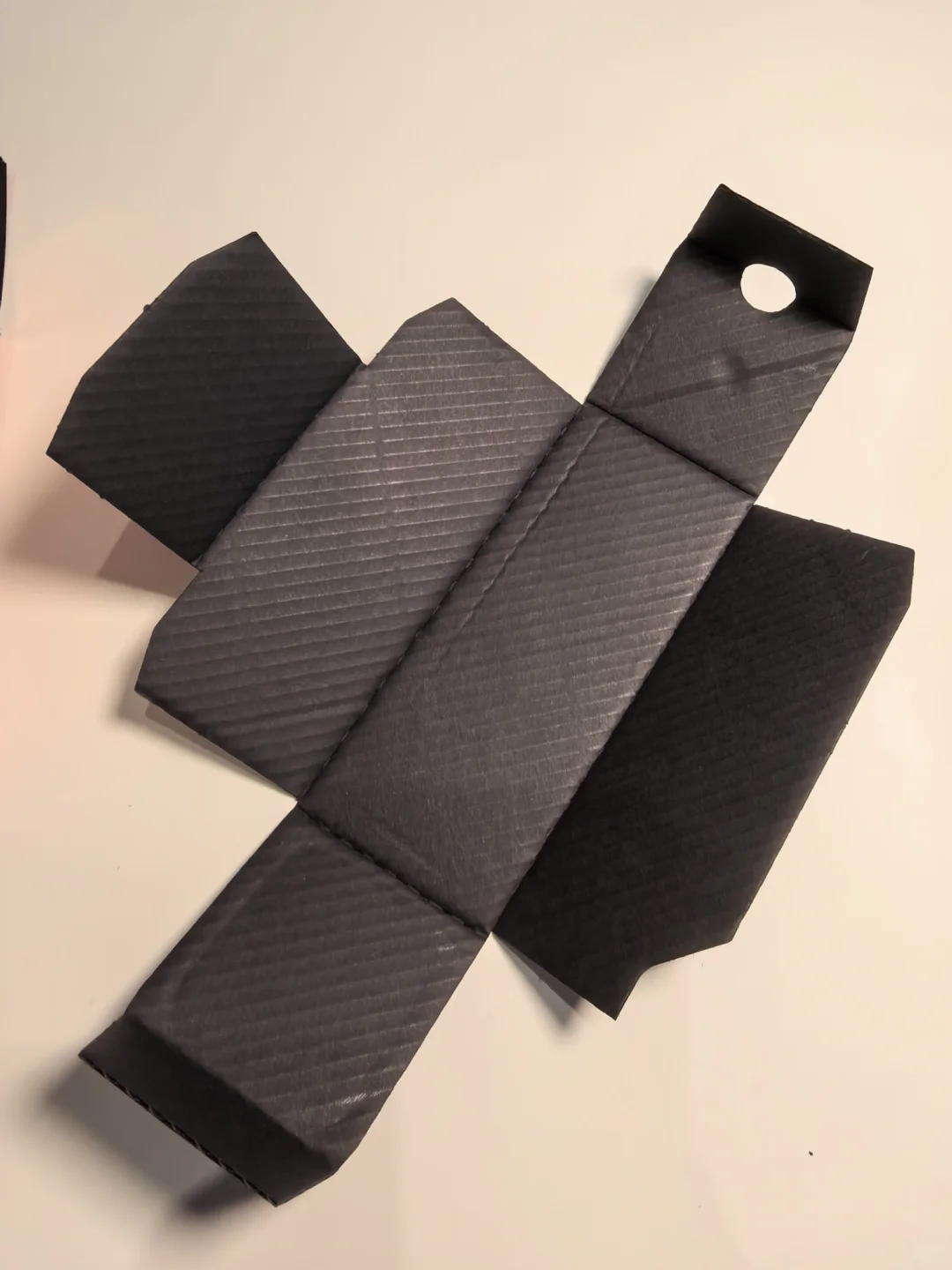
Give the structural supplier the actual capped product and relevant accessories. Discuss insertion, closure, presentation and removal, as well as the distribution conditions the project needs to address. A material name, bottle capacity or rendering cannot establish suitability. Ask who will review the design and what samples and validation the project requires.
An insert is one part of the proposed pack. Its interaction with the bottle, cap and outer box matters, and assembly needs to be practical for the responsible team. Record the approved file and revision so a later paper or finish change does not hide a change to the structure.
Request alternatives against the same requirements if the initial insert proposal is too expensive. For each, clarify development work, tools, quantities, assembly and confirmation steps. Replacing foam with paper, changing a cut-out or adding a liner is a design change to review. Do not treat any of those changes as a verified saving or an equivalent protective solution before assessment.
Choose paper from actual specifications and samples
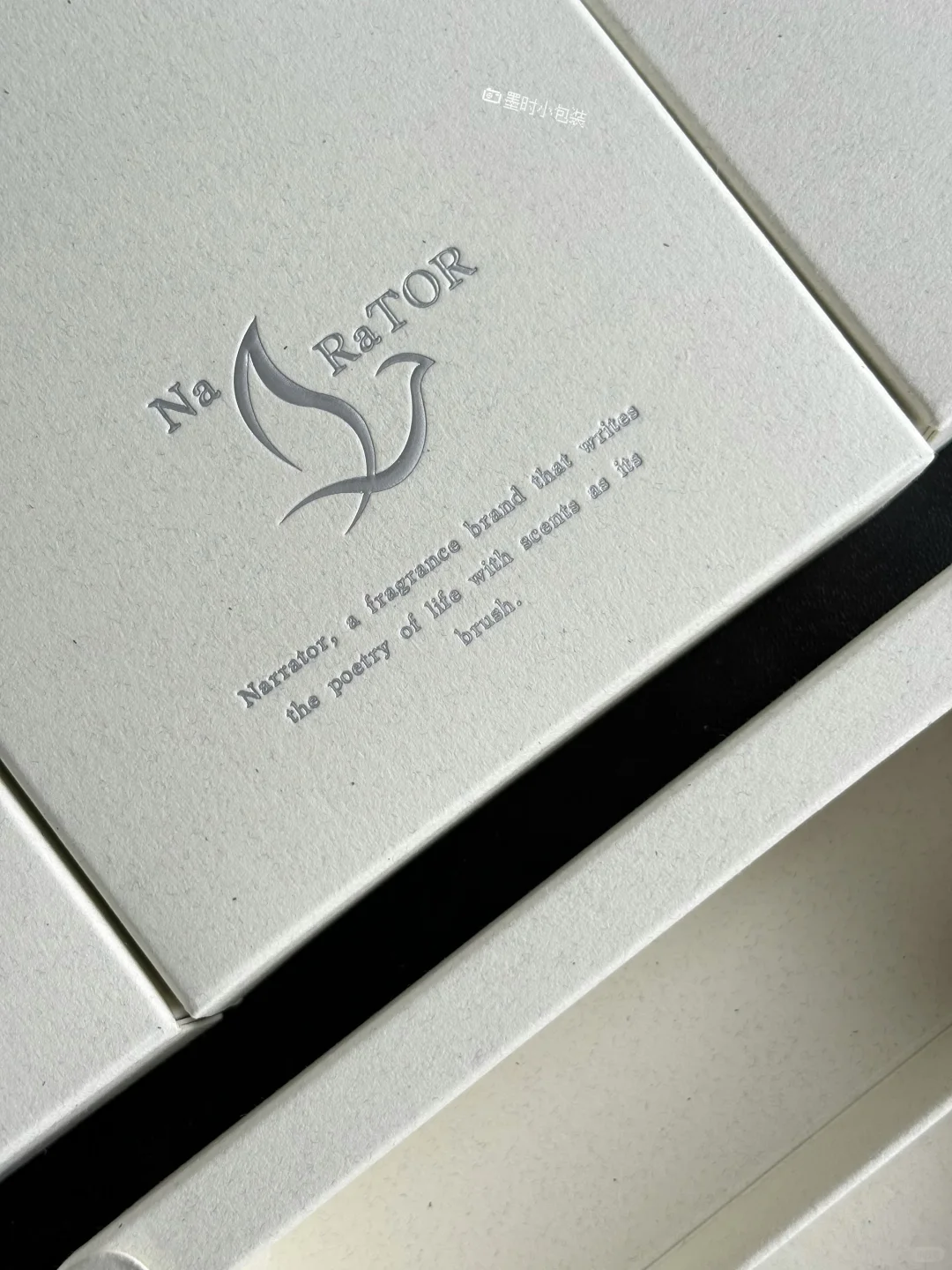
Ask which paper and board specifications the proposal uses, on which component, and in what construction. Names such as textured paper or white card cover more than one actual product. Record the supplier's specification and sample reference rather than relying on a description such as premium paper.
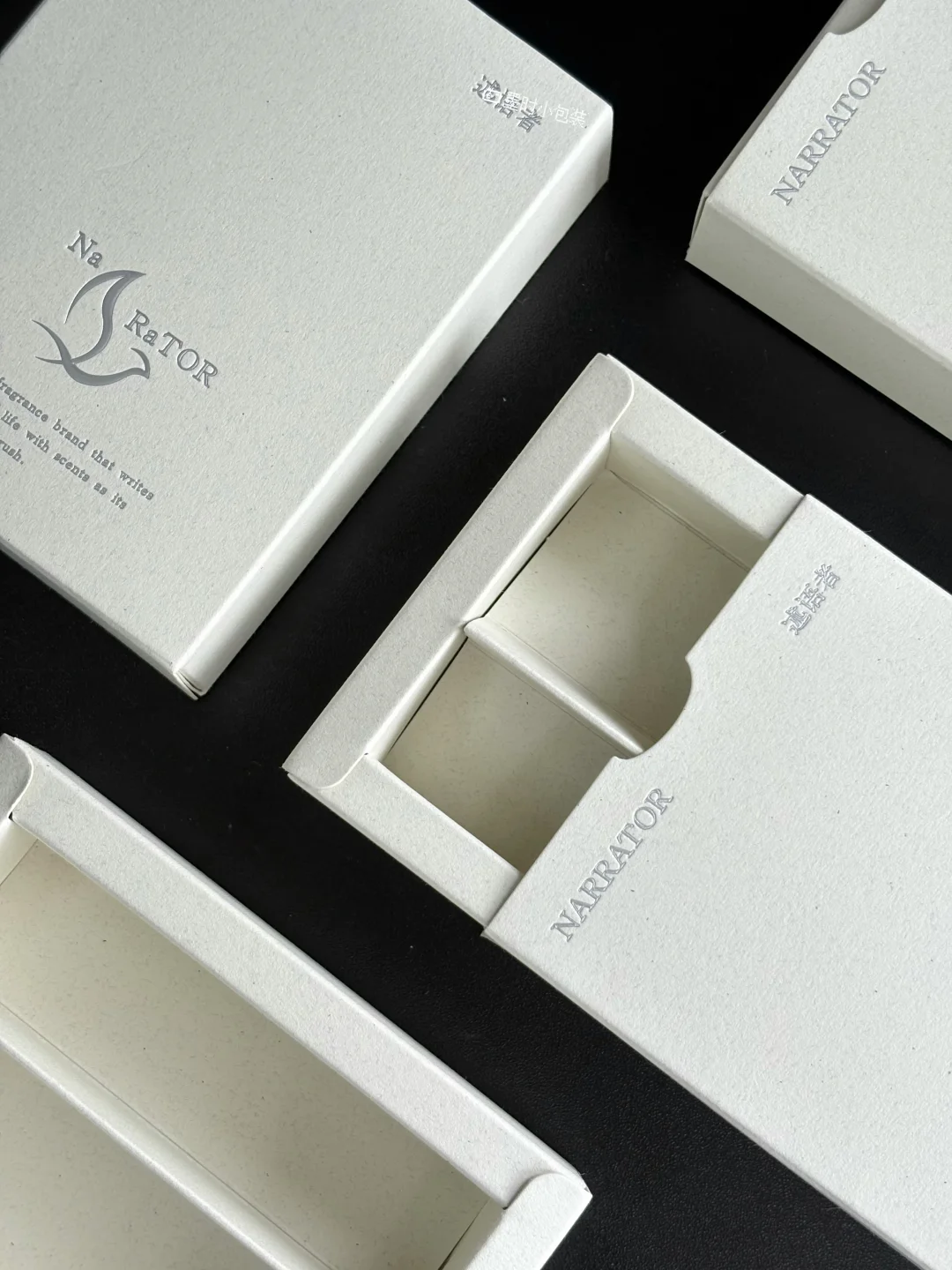
Compare the proposed appearance with the artwork, folds, edges and completed construction. A loose swatch can help review colour and texture, but it does not show the complete assembled box. Ask which differences between the reviewed sample and intended production need further confirmation.
If a textured surface is central to the design, compare it with an alternative paper and a stated finish option. Request actual prices and review samples. Do not assume that special paper is always more expensive, that heavier stock is automatically better, or that a particular grammage is suitable for every perfume bottle. Paper changes should return to the structural review where relevant.
Give each finish a specific purpose
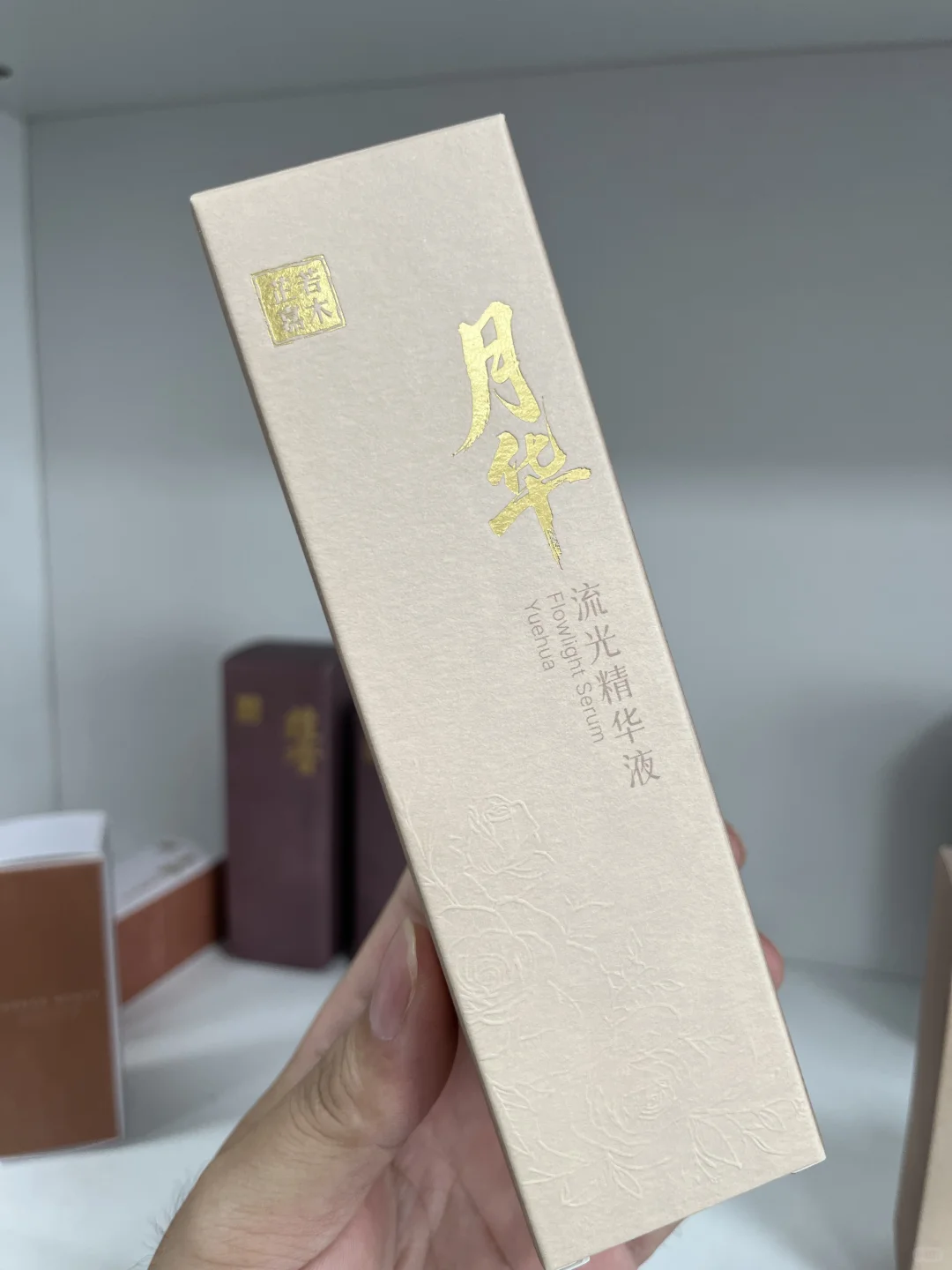
List the areas proposed for foil, embossing, coatings, films or other treatments. Connect each to a purpose: identifying the brand, presenting required information, establishing the intended feel, or meeting a stated handling requirement. Ask the supplier which treatment is proposed and what would change if it were removed or reduced.
Distinguish decorative preferences from requirements that the actual project has established. A foil logo may be a visual priority, but its area alone does not reveal its price. Similarly, a coating described as protective does not establish a particular resistance or test result. Review any relevant performance requirement with the responsible supplier instead of inferring it from a finish name.
Limit the comparison to a few clear options. For example, ask for the proposed artwork with and without a decorative treatment while retaining the same product configuration and quantities. Record any additional change the supplier needs. A meaningful comparison says what differs; it does not assume fewer finishes always yield the lowest complete price.
Compare complete options rather than isolated material prices
Keep a baseline proposal and list each alternative beside it. Identify changed paper, insert construction, decorative areas, accessories and delivery form. Request the cost difference and any new development, sample, tool, making or assembly work. If several items change together, do not attribute the whole difference to one material.
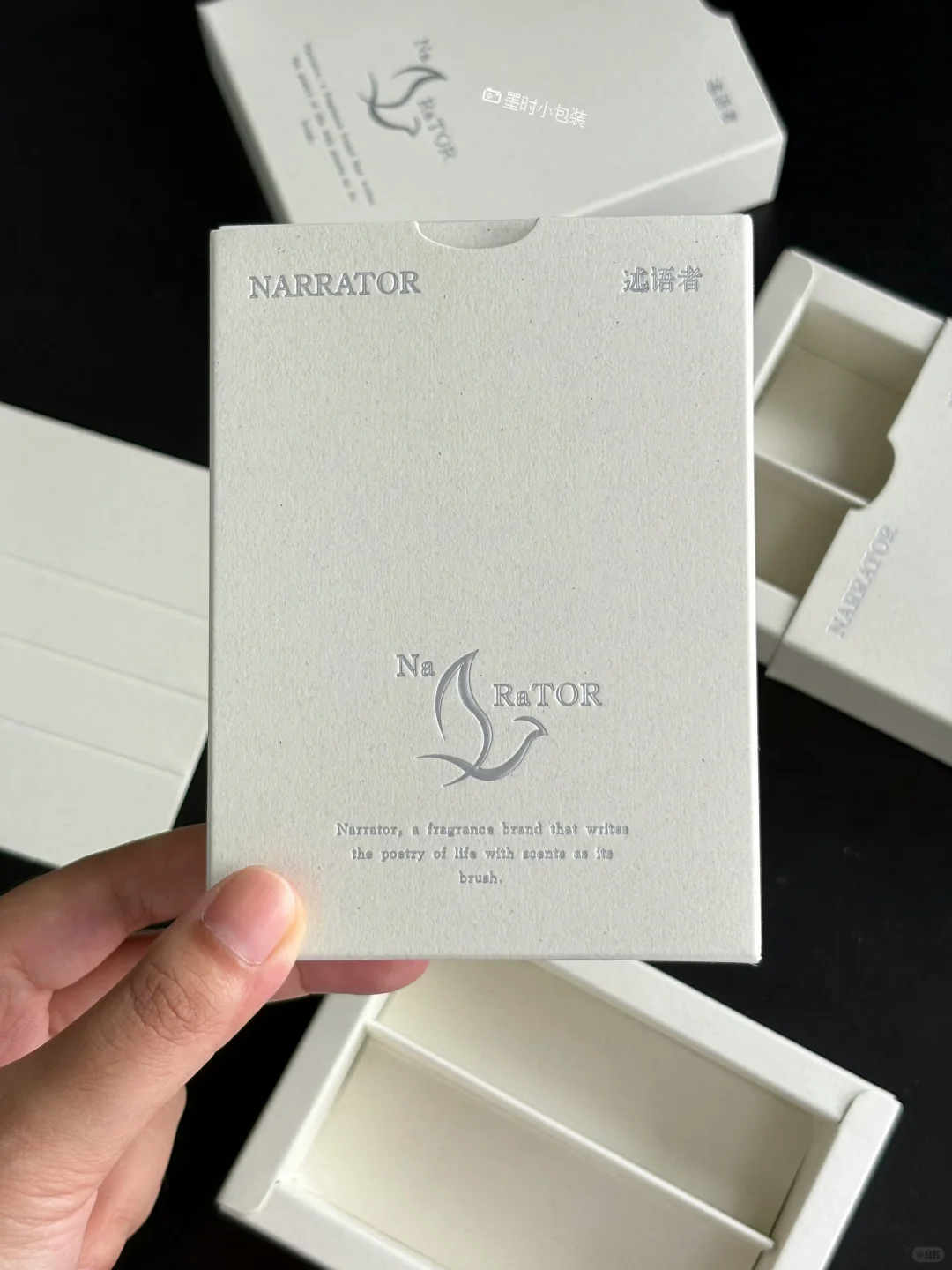
Compare both one-time and order-specific charges, using the same currency, quantities, variant allocation and destination. A lower quoted unit price may come with a different quantity or unfinished assembly. Keep those conditions visible rather than forcing unlike offers into a single ranking.
If every suitable reviewed option exceeds the budget, reconsider the project scope with the responsible team. Quantity, presentation, accessories or the launch assortment may need another discussion. Keep any resulting commercial decision separate from the technical approval of the pack.
Keep a short budget decision record
| Comparison area | Scope information | Confirm with the supplier | Avoid assuming |
|---|---|---|---|
| Budget scope | Available amount, quantity and included components | Confirm development, samples, tools, assembly and delivery | A box-only price is not the whole project cost. |
| Product and fit | Capped products, accessories and intended use | Review structure, handling and validation scope | A material name does not establish suitability. |
| Paper choice | Component, specification and sample reference | Compare the actual construction and artwork | Higher grammage is not automatic approval. |
| Insert choice | Design revision, material and assembly arrangement | Price alternatives against the same requirements | Changing material is not proof of equivalent performance. |
| Finish choice | Treatment, location and intended purpose | State removed, retained and changed work | A smaller decorative area does not establish a saving. |
| Final comparison | Baseline, alternatives and complete quotation scope | Record changes, approvals and open questions | A lower unit price may describe a different order. |
Confirm the selected combination before ordering
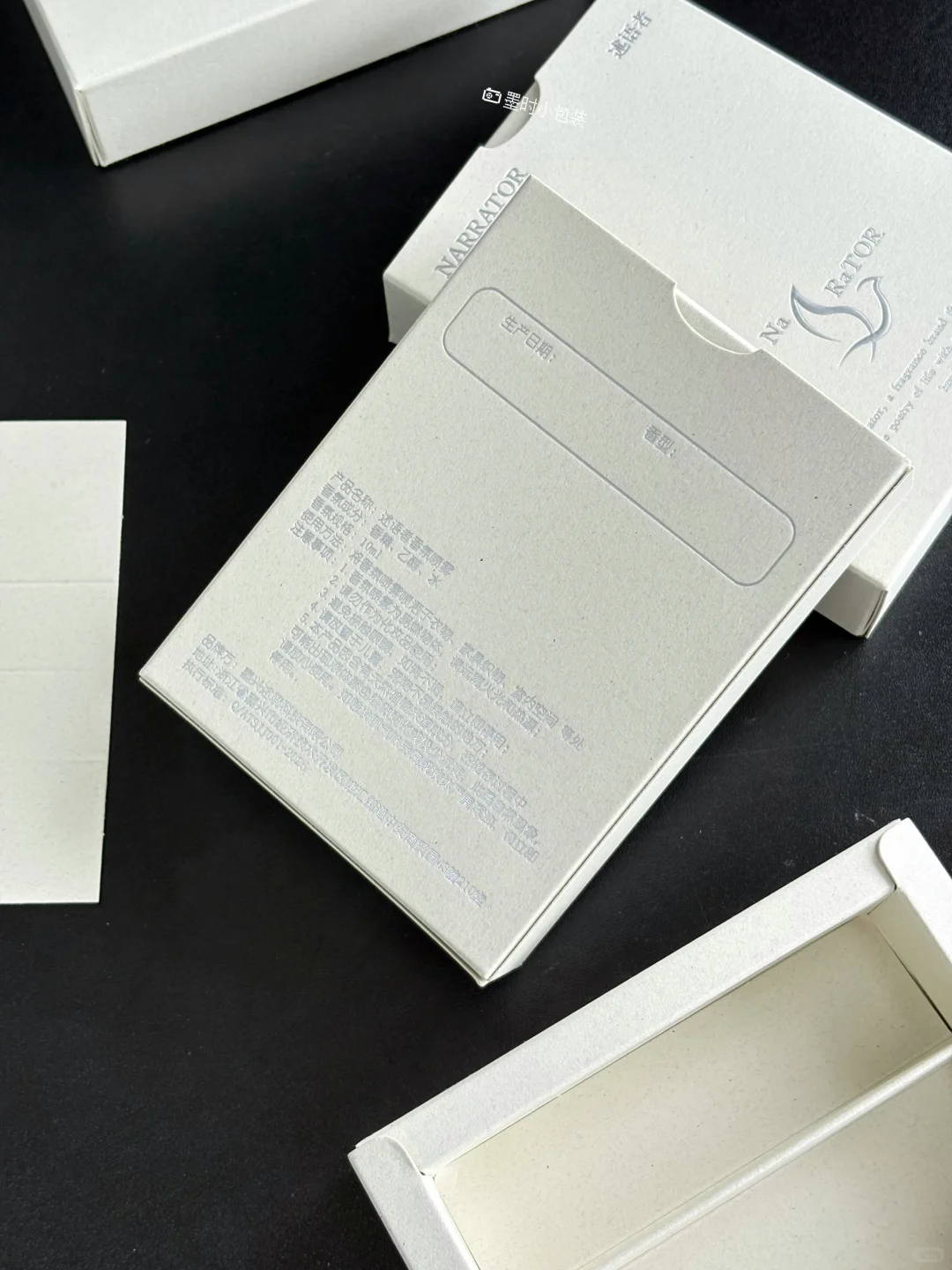
Bring the chosen paper, insert and finishes back into one proposal. Check that the current quotation, structural file, artwork, sample references and delivery instructions describe that same combination. Record unresolved differences and the person responsible for closing each one.
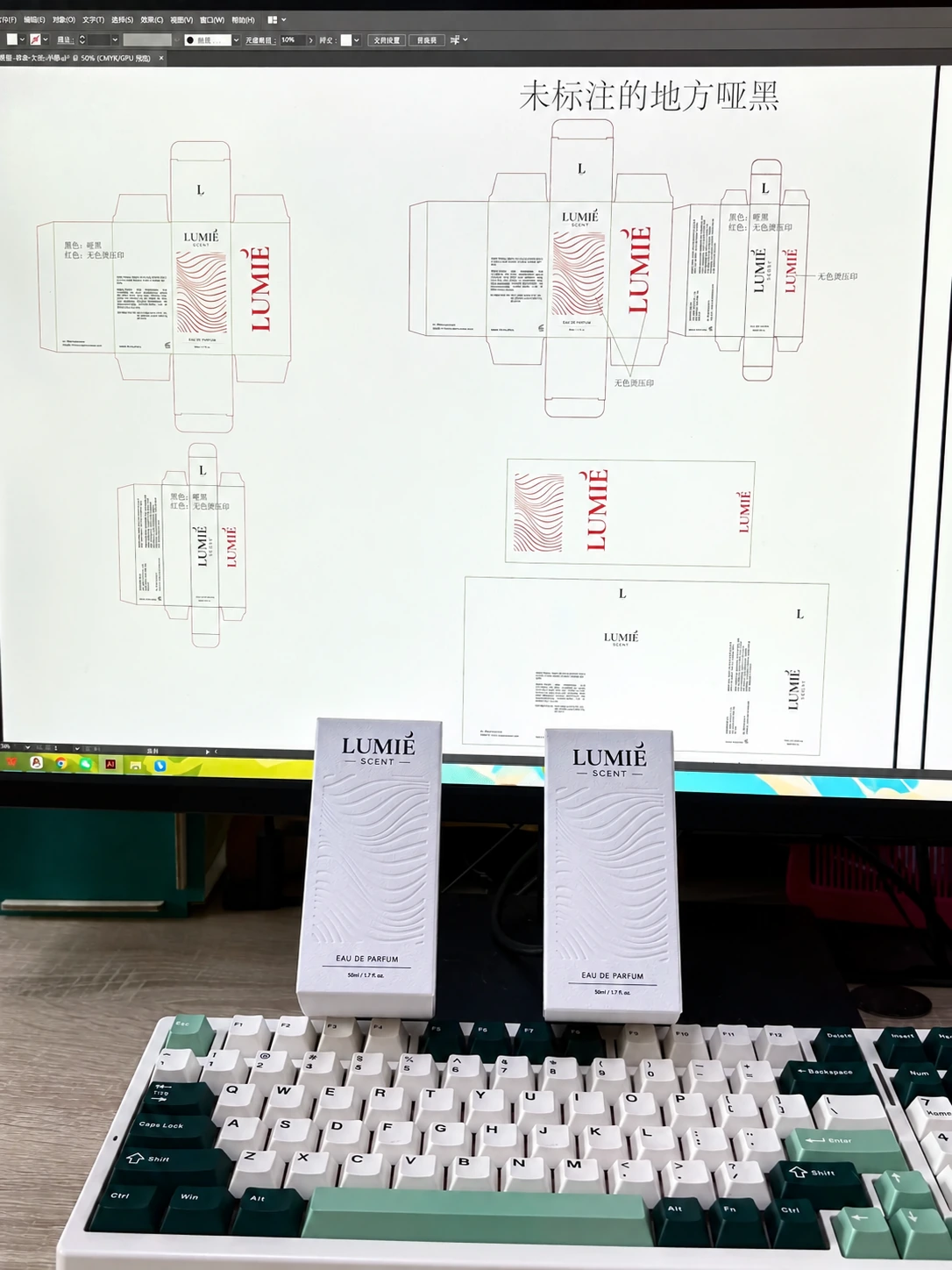
Budget discussions are most useful when they produce a clear choice the team can review. Spend on the requirements the project has actually established, retain the visual details that matter to the brand, and ask for quoted alternatives where priorities remain flexible. The result should be a confirmed scope within an understood budget, with any remaining limitations visible before the order proceeds.