
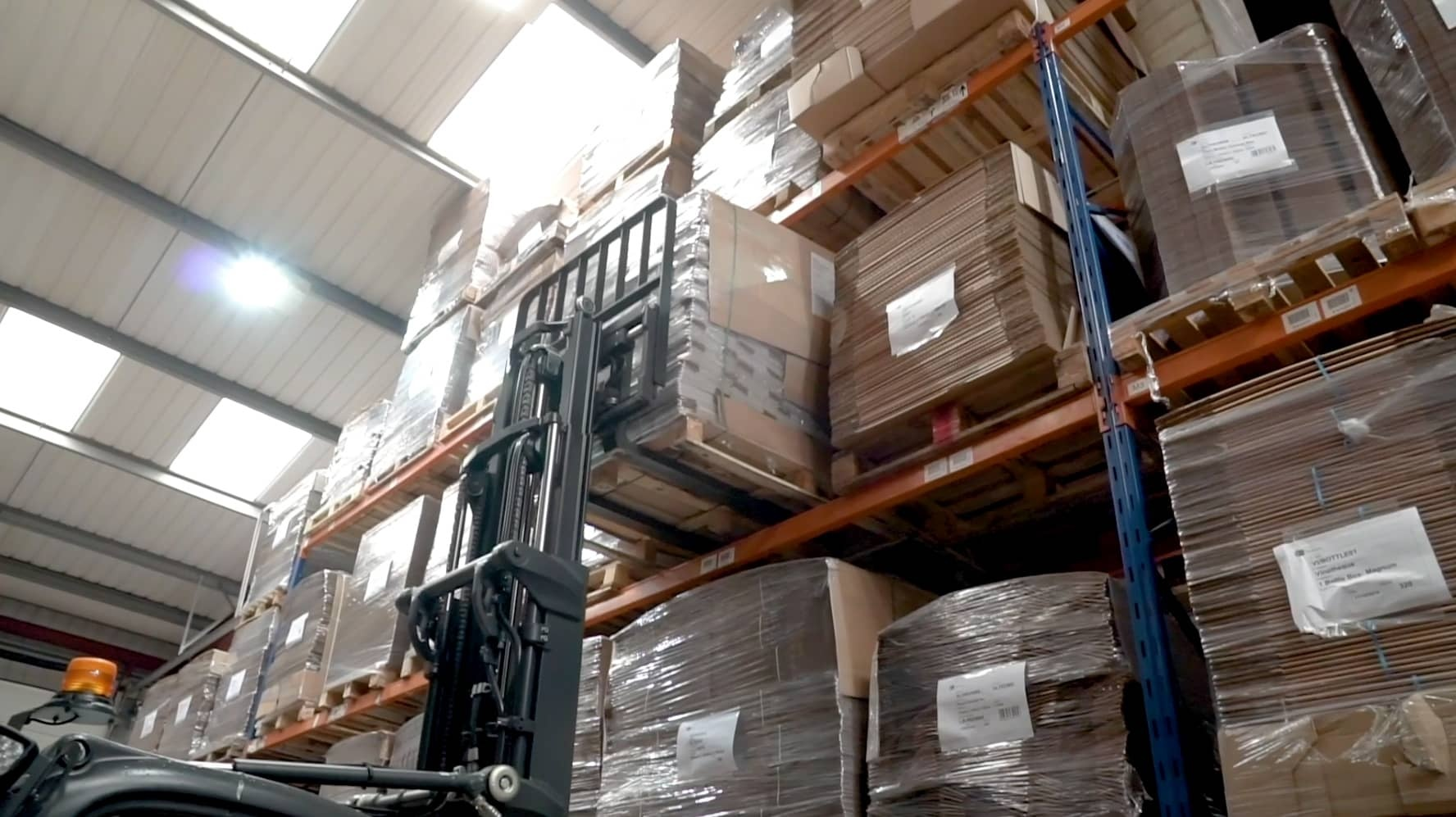
Wrapped bundles of flat cartons are visible on racks beside handling equipment. This generic storage photograph is not a documented perfume-packaging warehouse or an approved stacking arrangement. Third-party reference; not a Bravo Package project.
Before filling and assembly, perfume packaging needs clear material identification and a record of its physical condition. Check the SKU, batch, approved revision and delivery packaging, then agree storage location, opening and stacking arrangements for the actual materials and construction. Reinspect visible changes when issuing components for use. Record and separate warped, indented or softened items for review. Appearance alone does not establish the cause, and a surface that appears dry is not automatic evidence that the packaging is ready to use.
Identify batches and approved revisions on arrival


Link the box body, inserts, lids and other packaging components individually to material names, codes, SKUs, quantity units and approved revisions. Record delivery date, batch and outer wrapping condition, noting the locations of visible issues. Similar appearance or a supplier name does not replace revision identification, and a total carton count does not establish that every component is present.
Relate the delivery to the current approved sample or record, identifying receipt status and responsibility for subsequent checks. A digital inventory can trace quantities without proving that physical condition has been accepted. Keep presentation-sample approval, receipt and later stock release as distinct decisions.
Agree storage instructions for the actual packaging

Confirm the storage arrangements needed for the actual paper, surfaces, construction and dispatch state with the relevant parties. Identify location, protection, actual-condition records and inspection responsibility. Distinguish flat components from formed boxes rather than applying advice for another carton category or a broad paper name to every perfume package.
Review the proposed location for visible water exposure, compression or other conditions inconsistent with the agreed instructions, addressing them within the project. No universal temperature, humidity, moisture-content range or storage life is specified here. Unconfirmed surface treatments or drying methods are not proposed. Instructions should correspond to the identified materials and accepted use scope.
Preserve protection and identity after opening

Open the packaging needed for the planned issue, recording opening time, quantities removed and the condition of the remainder. Retain batch-linked identification so it is not lost with discarded wrapping. Protect remaining components using the agreed arrangement, distinguishing opened, returned and unopened stock in the record.
Handle components without dragging, forcing them into space or mixing them with unidentified materials. Check location and revision when returning items. These records help reconstruct changes in condition; they do not guarantee that one protective arrangement remains effective indefinitely. Confirm the appropriate arrangement when original packaging is damaged or needs replacement.
Confirm stacking quantities and contact arrangements

Define how formed boxes or flat components are supported, contact one another and are stacked, including areas where additional pressure should be avoided. The actual quantity and arrangement need an agreed basis. A photograph of tall racks or orderly stacks is not a specification to copy. Different constructions, dispatch states and outer packaging do not represent identical loading conditions.
When observing compressed corners, indentations or leaning, record their location and storage state without immediately assigning a cause. Body-weight loading, spraying or improvised flattening does not replace project assessment. One observation without deformation does not establish long-term stacking suitability. Retain revisions to the arrangement.
Reinspect on issue and separate exceptions

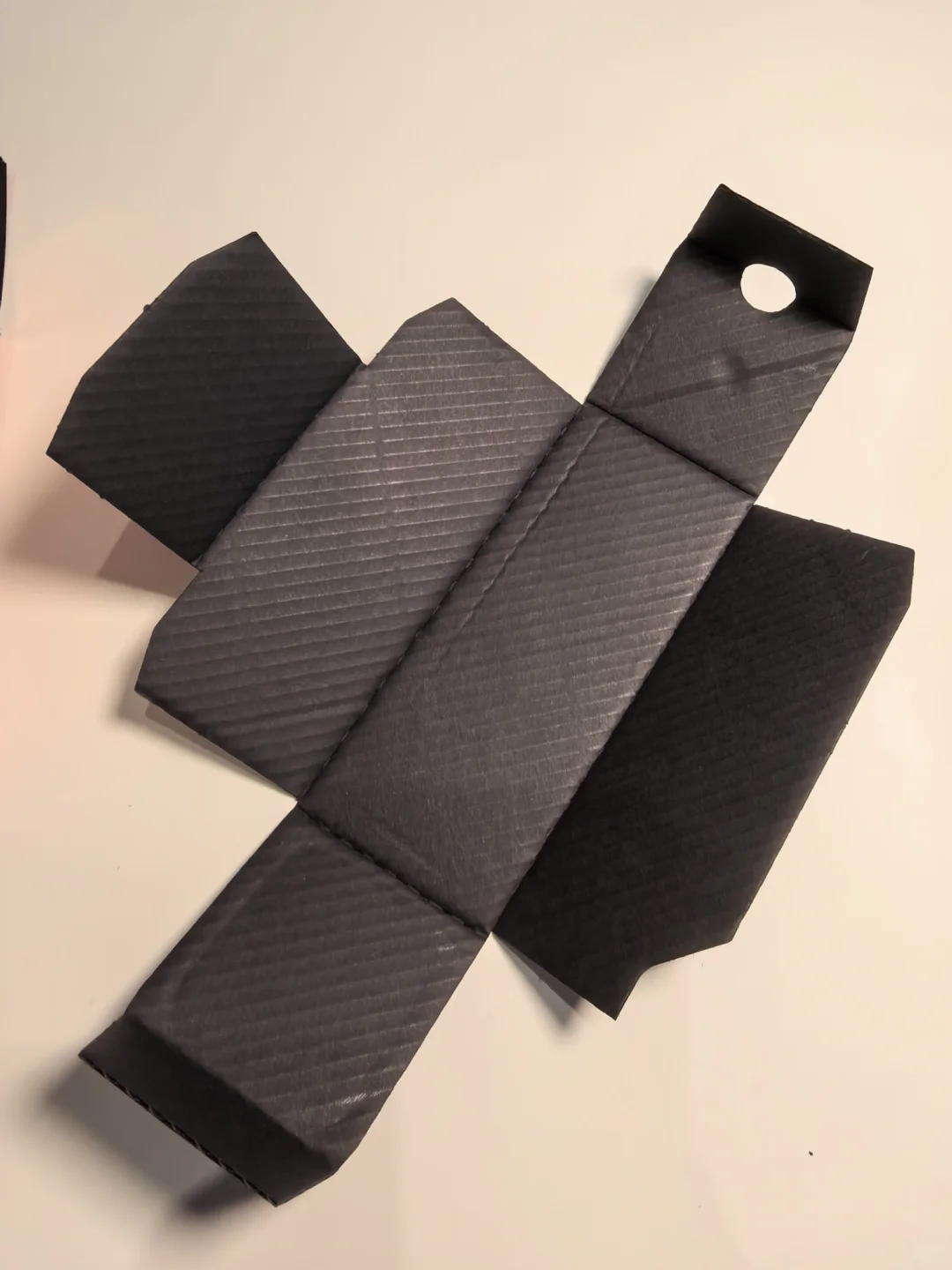
At issue, check the SKU, approved revision, batch, quantity and current condition together. Look for visible warping, indentations, scuffing, softening or differences from receipt records. Review components requiring assembly against the corresponding sample and actual product. Available stock quantity is not sufficient reason to move straight into assembly, and batch order does not override a condition check.
Mark exceptions and separate them from available materials, retaining photographs, time, location and opening records for assessment by the responsible parties. Appearance alone does not identify moisture, board quality or adhesive as the cause. An apparently dry item is not automatically reapproved. Record the responsibility and scope of disposition and release decisions.
Keep stock changes linked to revision history


Keep receipt, location moves, opening, issue, returns and exception records linked to component codes and approved revisions. Record quantity changes separately from condition changes so different revisions do not become one undifferentiated stock balance. Handover should identify outstanding confirmations as well as available quantities.
Review the relevant instructions and inspection scope after changing materials, protective packaging, storage location or stacking arrangements. Suitability after extended storage depends on current condition and project requirements, without a universal expiry period or automatic release of the oldest batch. The aim is traceable identity and condition for the materials used in each assembly run.