
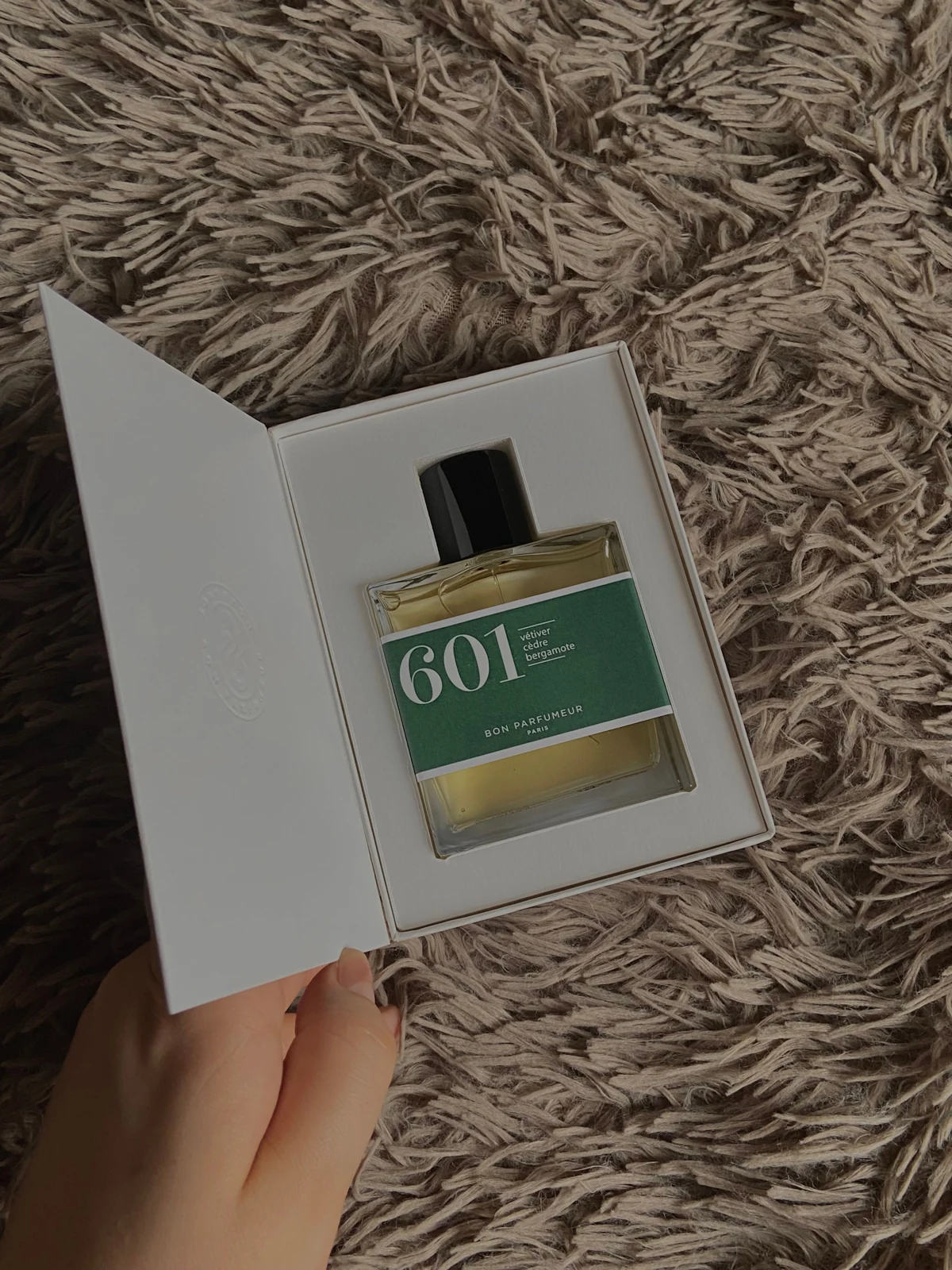
An open box, insert and bottle shown as a reference for discussing structure and handling. Photo by Diana Agapova on Pexels. The pictured finished package is not identified as a prototype or any sampling stage and does not prove fit or sample approvals. No brand endorsement, affiliation or Bravo Package project is implied.
PERFUME PACKAGING · SAMPLE TYPES
A beautiful perfume box on your desk does not necessarily mean your project has been sampled. It may be an existing box from another order, an unprinted structure made with substitute material, or a colour mock-up produced differently from the planned packaging. The useful question is: what can this particular sample help you approve?
Suppliers may use “reference sample,” “white sample,” “printed sample” and “pre-production sample” differently. Treat these terms as a starting point for discussion. Ask for the actual materials, file versions, production methods and remaining differences behind each label. A sample name cannot provide that information on its own.
Choose the question before choosing the sample
Start with the decision you need to make. An existing box may help you discuss an opening style. Checking whether your bottle can be inserted and removed requires something related to your product and proposed structure. Reviewing foil placement requires a clear distinction between a printed simulation and the actual finishing process.
Write the question in observable terms. “Check how the capped bottle is removed from the insert” gives the supplier a clearer task than “make a premium white sample.” Likewise, “check where this paragraph sits after the carton is folded” is more useful than “check the printing.” A single sample can serve several purposes, provided its limits are recorded for each one.
These four labels do not create a compulsory sequence for every order. Use evidence you already have, then arrange the next sample around unresolved questions. Skipping a label should never mean skipping a check that the project actually needs.
Reference samples show a direction
A reference sample often helps communicate a box format, an opening action, a surface feel or a visual direction. It might be an existing supplier sample or packaging collected by the brand. Label the specific attribute you want to discuss rather than asking the whole object to stand for an unwritten specification.
For example, liking the way an old gift box opens does not mean accepting its dimensions, board, insert and print colours. Similarly, a neatly made stock sample does not by itself establish that a new bottle will fit a new structure. Those are separate questions requiring project-specific information.
Record the relevant differences between the reference and your proposed packaging. Is the bottle different? Are the proportions, materials or finishes different? Identify which differences are acceptable for this discussion and which need further sampling. That keeps an early conversation about appearance from turning into an accidental project approval.
White samples focus the structural discussion
A white sample is commonly used to discuss an unprinted structure. However, an unprinted box is not automatically made with the final board, insert, components or forming method. Ask the supplier to identify those conditions and list any substitutions on the sample sheet.
Where possible, use the intended bottle, cap, label and other enclosed items when checking the structure. Look at insertion direction, removal, the relationship between insert and box, obvious interference when closing, and the intended opening experience. Describe a problem with its location and the product version used, rather than relying only on “too tight” or “looks fine.”
If you only have an empty bottle, an unlabelled bottle or temporary accessories, record that limitation. Do not describe the exercise as approval of the complete saleable product. Checking an opening action also does not establish transport or storage performance. Any required additional checks need their own agreed method and acceptance criteria.
Printed samples need a stated approval purpose
A sample with colour on it is not necessarily printed by the method planned for the order. Ask how it was output, which material was used and which artwork version it represents. Is it intended for content and placement checks, or also for agreed colour or finishing references? Establish the purpose explicitly.
A PDF proof, a printed sheet and a formed physical box expose different information. A screen review can help check layout content. A formed sample can reveal where text, seams and visible areas end up after assembly. Whether an output is suitable for a particular colour decision depends on the agreed conditions and reference. Avoid treating an entire output technology as either perfectly accurate or entirely useless.
For foil, embossing or local gloss effects, ask whether the process was actually applied. A printed imitation may help communicate position or visual relationships. It cannot establish that the feel, reflection or detail of the real process has been approved.
Keep the sample explanation attached when making comparisons later. Photographs can identify a problem area, but lighting, capture and display conditions affect what people see. Two phone photographs alone are not a sound basis for assigning a precise colour-match percentage or diagnosing a production cause.
Pre-production samples need a difference list
The value of a pre-production sample depends on its relationship to the intended production conditions. Which materials, files, processes and assembly conditions are already represented? Which are still provisional, substituted or made differently? A written difference list is more actionable than simply asking for a sample that is “the same as production.”
Identify the status or version of the materials and components, structural file, artwork, surface finishes, insert and assembly method. When the sample cannot fully represent the planned conditions, ask which observations may be affected and how those gaps will be checked. Projects do not all reach the same degree of representativeness at the same stage.
Approval should have boundaries. Accepting text placement does not approve an unfinished surface process. Accepting appearance does not mean an unperformed test has passed. Keep unresolved items visible, with an owner and a next action, rather than allowing them to disappear inside a general “sample approved” message.
Match the next sample to the remaining uncertainty
Use this comparison as a discussion framework, rather than a universal definition of supplier terminology.
| Sample term | Main purpose | Record these conditions | Do not assume |
|---|---|---|---|
| Reference or stock sample | Discuss format, feel or opening direction | Identify the borrowed attributes and project differences | Does not establish project dimensions, materials or complete fit. |
| White structural sample | Review structure, fit and handling | Identify materials, components, product versions and substitutions | Does not automatically represent print, actual finishes or transport performance. |
| Printed or finishing sample | Review content, placement and specified physical effects | Identify output method, material and actual versus simulated processes | Excludes unfinished effects and colour decisions outside the agreed purpose. |
| Pre-production sample | Review specified attributes under more representative conditions | List matching conditions and remaining differences | The label or signature cannot guarantee complete uniformity across production. |
Suppose structure and artwork are settled, but a surface effect is still simulated. Plan the next check around that effect. If the bottle or cap changes afterwards, reconsider the affected fit observations. An earlier signature should not carry every conclusion forward regardless of what changed.
Request sample pricing and timing against the defined scope. Ask which objects, methods, revision rounds and remake conditions are included. A supplier's particular fee, credit arrangement or schedule should not be assumed to apply to every project.
Connect the physical sample to its approval record
Give each sample an identifier linked to its receipt date, supplier, product and file versions, making conditions, findings and approval scope. Keep photographs that identify the object and mark specific issues where useful. The brand, designer and supplier should use the same identifier so that “the final sample” means the same object to everyone.
An illustrative entry might read: “Sample S03, dieline V4, artwork V6. Text placement and visibility after forming accepted. Foil is still a printed simulation; actual foil effect remains open. Fit checked with an unlabelled bottle; complete-product fit remains open.” This is a record format, not a reported customer case.
When files or components change, state which earlier findings still apply and which need another check. Retaining an identifiable physical reference alongside a consistent record can support later comparisons; agree how it will be kept and used.
Before ordering the next perfume packaging sample, put three things on one sheet: the decision to be made, the conditions represented and the differences still unresolved. That makes the sample useful regardless of the name attached to it.