
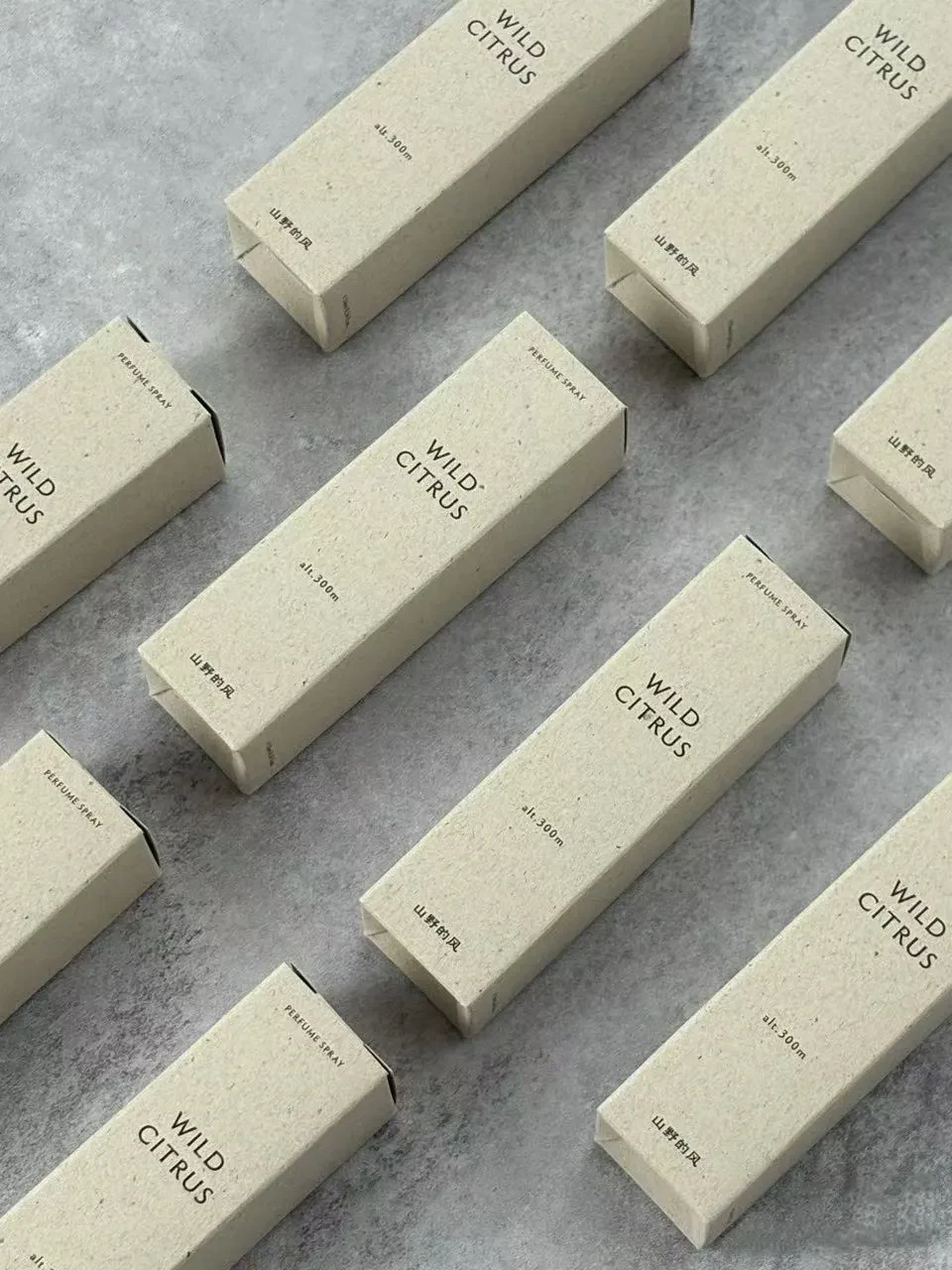
Third-party fragrance cartons shown as a visual reference. The photograph does not establish this project’s production duration or material specification.
For a perfume launch, the useful question is when your packaging will be ready for filling or assembly. A supplier’s production lead time may cover only part of that journey. Bottle decisions, artwork, sample delivery, approvals, packing and freight can all sit outside the number you were quoted.
When discussing your project with Bravo Package, start with the destination and the date you need usable packaging there. Then work through the decisions and handovers required to reach that date. The guide below helps you build that schedule; it does not promise a fixed turnaround for an individual order.
1. Define When the Clock Starts and Stops
Before comparing lead times, compare what each estimate includes. The first enquiry, receipt of artwork, structural approval, sample approval, completion of order conditions and release to production are different starting points. Production completion, inspection release, carrier collection and arrival at your destination are different finishing points.
If you ask when boxes can reach your filling partner and receive a factory completion date, inspection, assembly, packing, collection and transport may still remain. A note saying “delivery on Friday” does not resolve that difference.
Ask the supplier to state the conditions that must be met before the quoted period begins, the planned start date and the exact condition of the goods at the end. Confirm whether the estimate uses working days or calendar days, and check relevant holidays, approval cut-offs and collection arrangements.
2. Identify the Inputs Still Outstanding
If the box and insert must fit a bottle, an undecided cap or bottle shape can affect the next approval. Changes to decoration or accessories may also require fit decisions to be reviewed.
Mark each input as approved, under review or still to be supplied. Assign an owner and a target date: the brand may approve wording, a designer may update artwork on the dieline, a filling partner may send a bottle sample, and the packaging supplier may assess the structure. This makes the next dependency visible.
You can discuss a direction and an initial estimate before everything is final. Ask which tasks can use the information already available, which must wait, and what needs to be checked again after the final input arrives. For the underlying bottle and order information, use our perfume packaging RFQ checklist.
3. Schedule Sample Delivery and Approval
A sample being finished is different from a sample being approved. There may still be time in transit, receipt at an office, bottle trials, review by several people and a decision on revisions.
First agree on what this round needs to confirm. An unprinted structural sample can help you assess the structure and how the bottle goes in and comes out. Swatches and finish samples address surface choices. Printed samples can also be checked for the position and orientation of artwork. Ask how each sample differs from the proposed production materials and methods before deciding what its approval covers.
Record separate dates for confirmed sample inputs, sample completion, dispatch, receipt, feedback, the revision decision and approval of the current version. If reviewers are in different locations, nominate one person to consolidate comments.
If a sample needs changing, find out whether the change affects artwork, structure, material or another physical sample. Update the relevant dates rather than assuming the original schedule still holds. A fast sample service does not establish the arrival date for a complete custom packaging order.
4. Confirm Materials and Production Slots
Once the sample direction is workable, check the actual order’s material and component arrangements. Ask whether the specified paper, board, insert and accessories are available, and when any outstanding items are expected. A paper swatch on display does not mean that the right specification, colour and quantity have been reserved for your order.
Ask when the approved order can enter the relevant production stages, rather than relying on a statement about machine speed. Where an outside process, special material or the arrival of several components may affect assembly, ask the supplier to identify the dependency.
A short schedule can show material readiness, production, finishing or assembly, inspection, packing and readiness for collection. Some work may overlap; other stages depend on earlier completion. Have the supplier confirm that sequence instead of simply adding every duration together or assuming everything can run at once.
5. Agree on Production Release and Changes
Keep a record of the approved structure, components, materials, artwork, finishes, quantities and file versions. Ask the supplier which order conditions remain outstanding and which stage can start once they are met. Use the arrangements agreed for your project rather than assuming a universal payment or ordering rule.
Make the distinction between approval of a sample and permission to manufacture against the final version clear to everyone involved. Pending wording or a possible cap change should remain visible.
For a change after release, describe the affected detail, variants and quantities. Ask what has already been completed, what needs to be redone, the cost implications and the revised dates before authorising the change. Sending a new file in a message should not leave the team working to an old delivery date.
6. Include Assembly, Packing and Receipt
Confirm whether packaging will arrive flat, as partly assembled components or as boxes ready for filling. If your warehouse will assemble it, schedule instructions, trial assembly, staff preparation and component checks before the planned filling date. Boxes arriving without the inserts or cards needed to complete the pack may leave the team unable to start.
Before dispatch, confirm carton quantities, variant identification, the receiving location and who arranges collection. Check transport separately from production, including the planned handover and any arrangements still to be confirmed. An estimated transit time should remain an estimate.
Allow for the agreed receiving checks on quantity, versions, appearance and fit, as well as the handling of missing parts or issues that need investigation. Keep the packaging arrival date separate from the date assembly must be complete. Delivery arrangements for empty boxes also do not establish the shipping arrangements for filled perfume.
7. Build a Schedule Around Your Required Date
Start with the date the packaging must be usable for filling or assembly, then work backwards with the people responsible. This is a project worksheet, not a table of standard turnaround times.
| Milestone | What completion means | Owner and date | Open dependency |
|---|---|---|---|
| Ready to use | Receiving checks complete and components available | Brand or assembly partner: [date] | Receiving and assembly arrangements |
| Arrival | Goods received at the agreed destination | Carrier and receiver: [date] | Transport and receiving window |
| Ready for collection | Inspection, packing and handover conditions complete | Packaging supplier: [date] | Release and collection arrangements |
| Production complete | Agreed packaging and components made | Packaging supplier: [date] | Materials and process sequence |
| Production released | Final specifications, files and order conditions confirmed | Named approvers: [date] | Outstanding changes |
| Sample approved | Current sample and file version accepted | Brand approver: [date] | Review and revisions |
| Inputs ready | Required bottle samples and files available | Each input owner: [date] | Bottle, artwork or accessories |
Keep estimated dates, confirmed dates and current status visible. Discuss contingency according to the uncertainty in this particular project; a fixed allowance of a few extra days will not suit every order.
When a risk appears, request the affected milestone, the reason, the decision needed, the available options and the next update date. For a proposed split delivery, finish adjustment or substitute material, assess quantities, specifications, pricing, sample confirmation and transport before choosing it. An alternative is not automatically faster or cheaper.
8. Send a Useful Timeline Enquiry
We need the packaging at [destination] by [date], ready to begin filling or assembly on [date]. Our bottle is [final / provisional], the artwork is [status], and the quantities are [quantity per variant]. The pack includes [components], supplied [flat / assembled / open for discussion].
Please explain the conditions that start the lead time and the expected dates for samples, customer approval, production completion, packing and dispatch. Which materials or processes still need confirmation, and how would a sample revision affect the schedule?
Please distinguish the factory dispatch date from the estimated arrival date and identify the outstanding decisions most likely to affect our target.
A clear schedule helps the brand see which decision comes next and lets the supplier assess dates against the same assumptions. Share your bottle information, quantities by variant and required arrival date with Bravo Package to begin that discussion.
For the broader development process, read our guide to ordering custom perfume packaging. If the design is still based on inspiration photos, see how to start a perfume box project from reference images.