
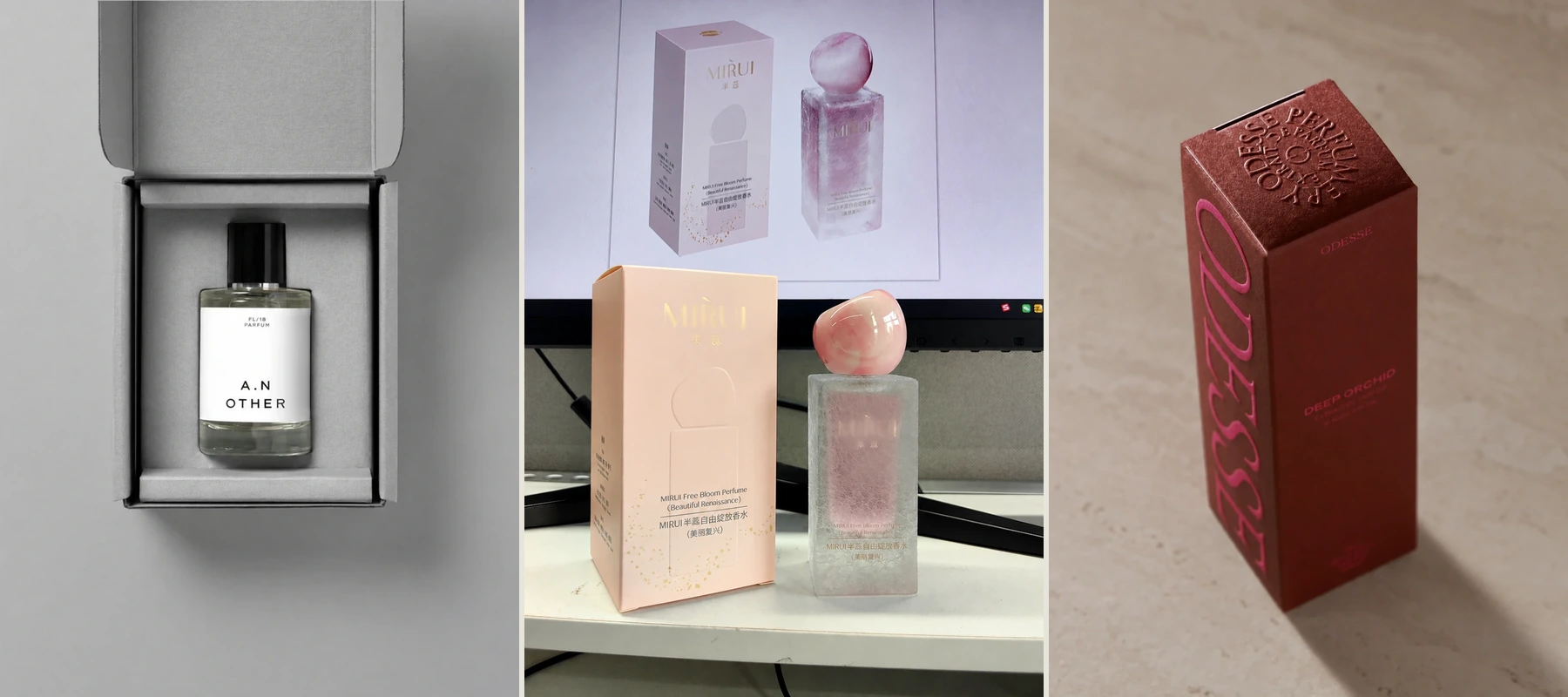
Ordering custom perfume packaging often starts with a collection of reference images and a request for a quote. Turning those references into finished packaging takes a few more decisions: bottle fit, inserts, materials, printing, assembly, and delivery.
You don’t need to know every packaging term before approaching a supplier. Start with clear product information and explain how the packaging will be used. Then work through the proposal, samples, and production details together.
This guide covers the process and the decisions you’ll need to make along the way.
1. Define What the Packaging Needs to Hold and Where It Will Be Used
Before discussing box styles or colors, list everything that will go inside the packaging.
A single perfume bottle, a discovery set, and a seasonal gift set require different layouts. Include any fragrance cards, travel sprays, or other accessories before structural design begins.
Explain the main sales or gifting context, too.
| Intended use | What to discuss early |
|---|---|
| Retail | Product presentation, readable information, opening, and bottle removal |
| E-commerce | Photography needs and how the retail box will work with shipping packaging |
| Gifting or product launches | Product combinations, unboxing sequence, cards, and bags |
| Sampling and discovery | Vial count, sizes, fragrance identification, and returning samples to their slots |
One packaging design may serve several purposes. Set the main priority first. If a gift box will also be shipped directly to customers, discuss its presentation and the complete shipping arrangement.
Clarify the supplier’s scope as well. Will they deliver empty packaging, or does the project also require assembly or packing the products into the boxes? Agree on who handles each task.
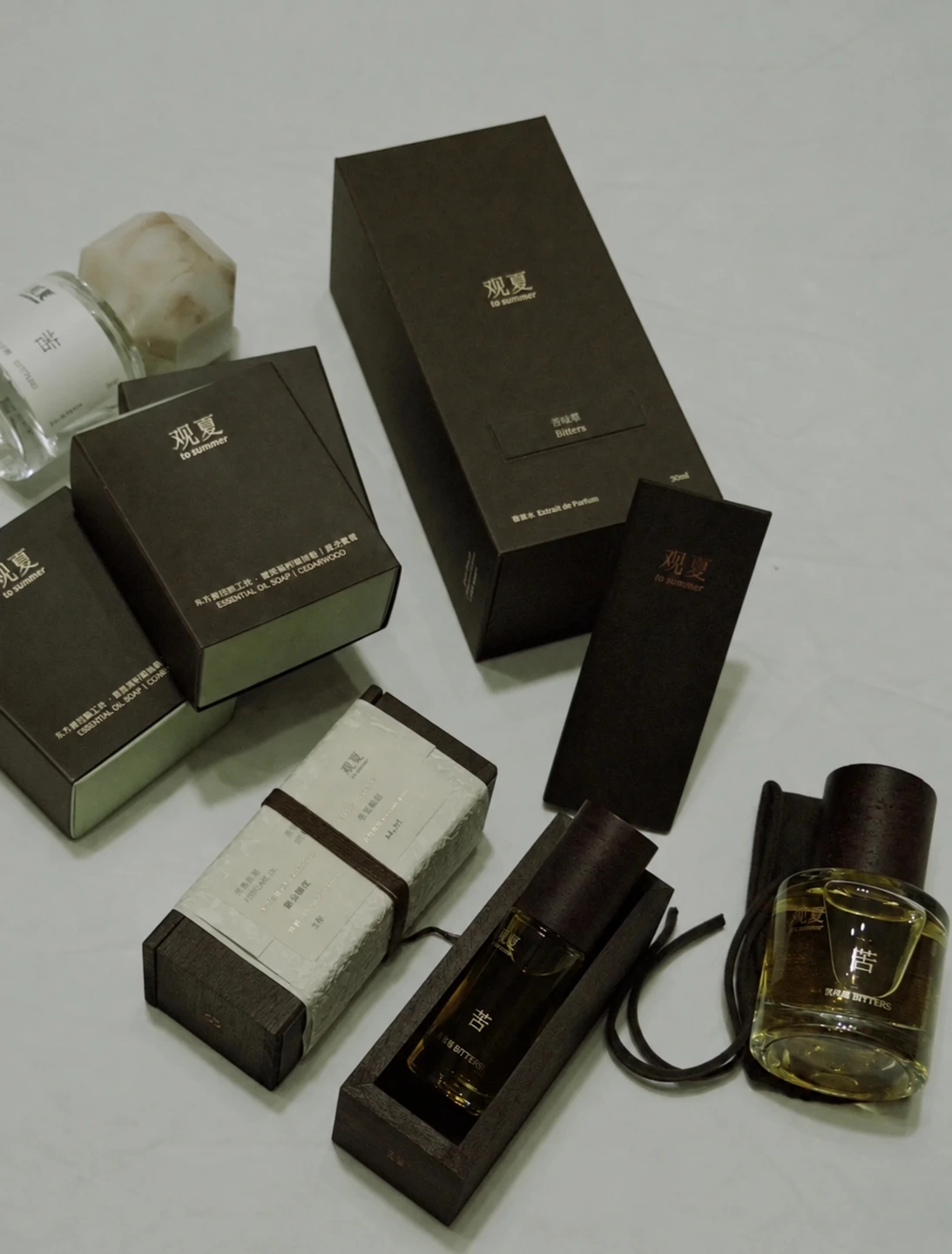
2. Prepare a Clear Project Brief Before Requesting a Quote
A useful brief helps suppliers assess feasibility and makes quotations easier to compare.
For a detailed list and a message you can copy, use our perfume packaging RFQ checklist.
Product details
Provide photographs and dimensions of the perfume bottle with its cap fitted, along with its weight. Include additional views if the cap, decorative parts, or bottle shape are unusual.
Bottle capacity alone is not enough to size the packaging. Two 50 ml bottles can require very different boxes and inserts. For later fit checks, use an actual bottle sample that represents the intended production bottle.
Quantities and variants
State the total quantity and the quantity required for each fragrance, size, or artwork version.
For example, “2,000 boxes across four fragrances, 500 per fragrance” is clearer than “2,000 perfume boxes.” Explain whether the variants could share a structure, material, or part of the printed design.
References and artwork status
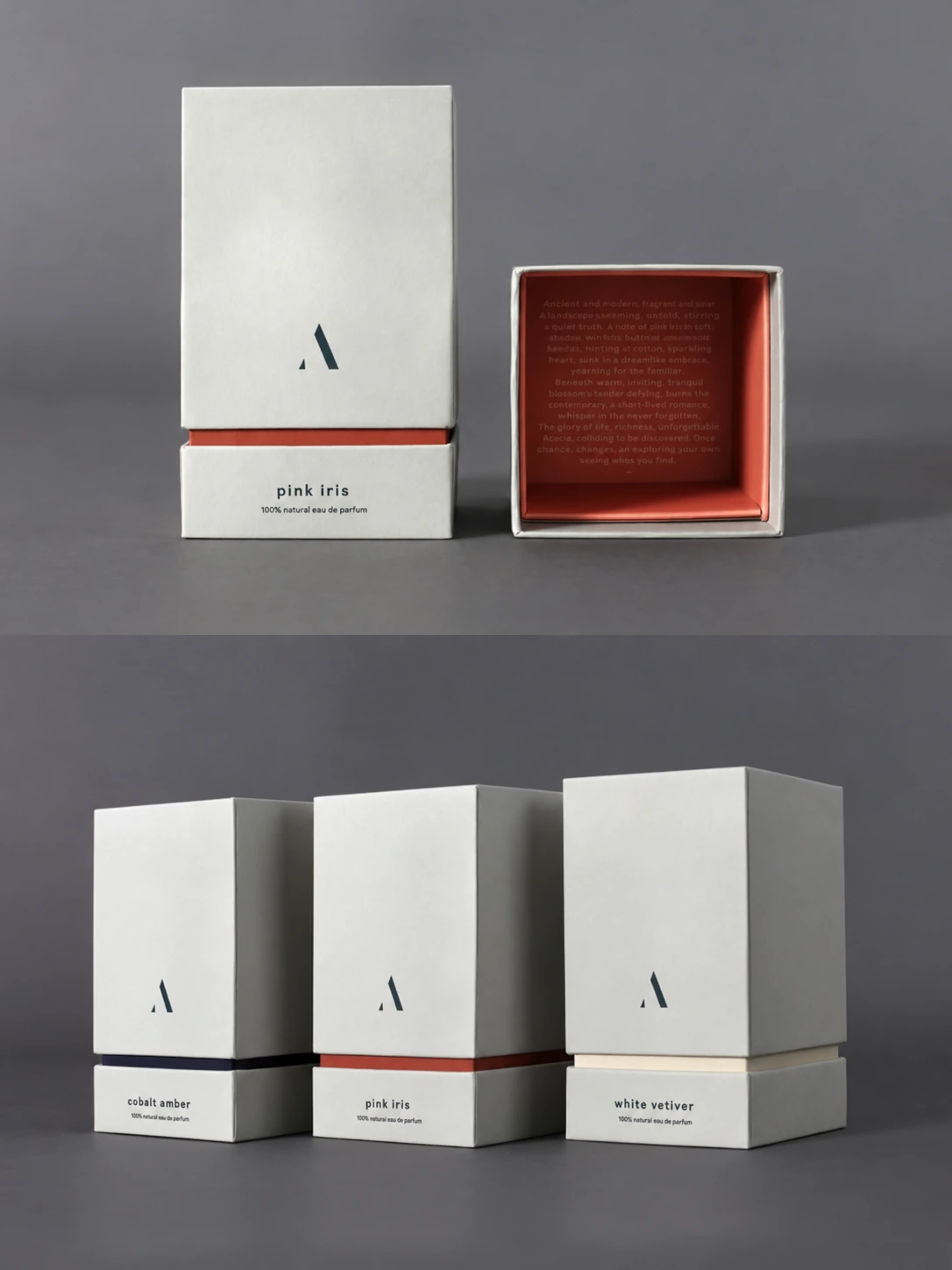
Share reference images and explain what you like about each one: the structure, texture, color, opening mechanism, or interior layout.
Let the supplier know whether you already have a logo, brand guidelines, or packaging artwork. You can start with reference images alone, but an initial estimate may need updating once the structure and materials are defined.
Budget and timing
Explain what your budget needs to cover and when the packaging must arrive at its destination.
If the delivery date supports a product launch, make that deadline clear. Treat design approval, sample approval, production completion, and arrival as separate milestones.
3. Agree on the Packaging Proposal and Quote Scope
Once the supplier understands the brief, you can discuss the outer box, insert, materials, and finishes in more detail.
The aim is to reach a proposal that both sides understand clearly.
Confirm structure and product fit
Discuss how the box opens, how the bottle is held, how it is removed, and where accessories will sit.
For a collapsible design, confirm its flat-packed form, assembly steps, and whether the insert needs separate installation. These details affect how the packaging will be handled in your warehouse or packing facility.
Confirm materials and finishes
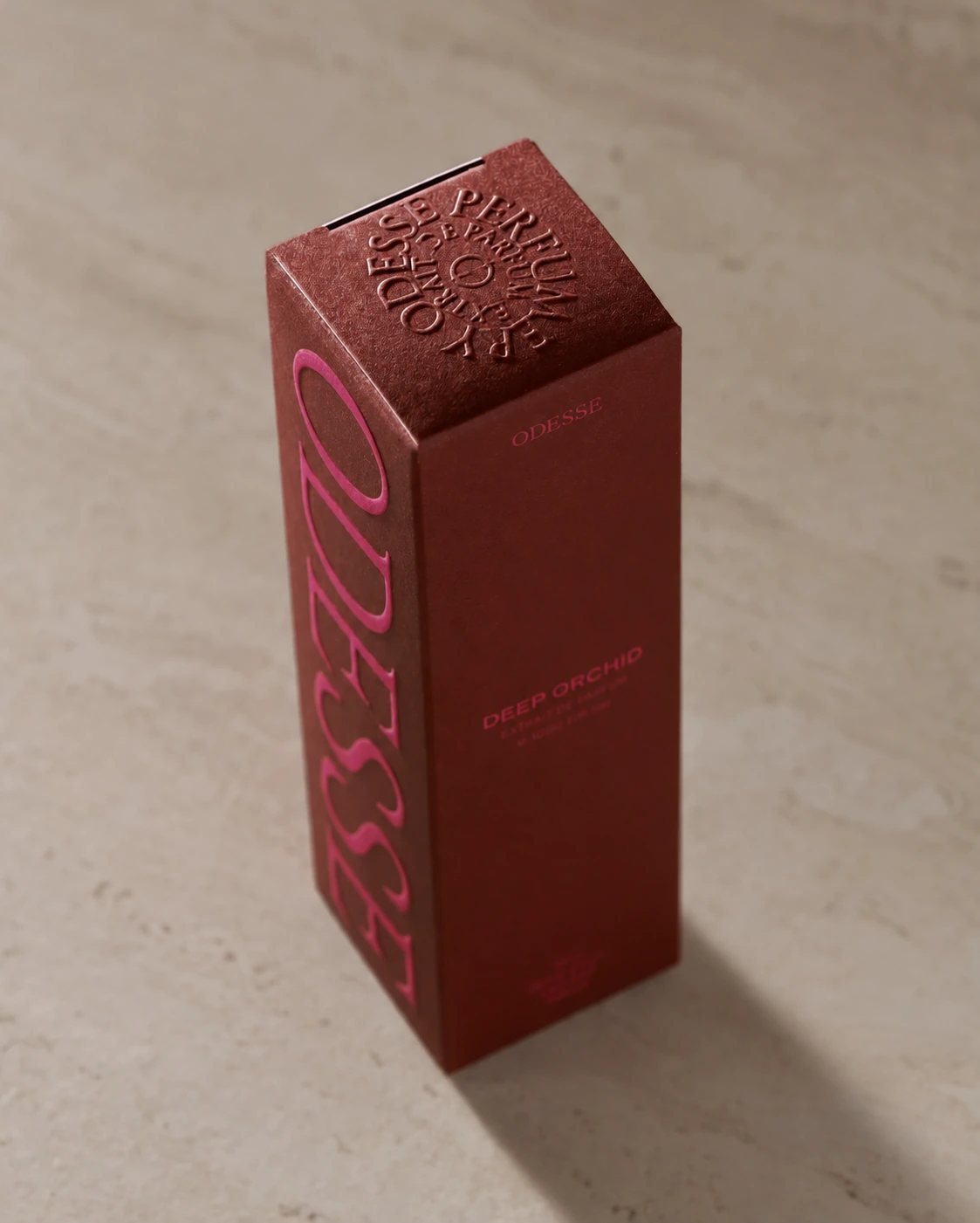
Reference images help communicate a direction, but they cannot fully show paper texture, stiffness, color, or surface detail.
Use material swatches, finish samples, or custom samples to assess the features that matter most. Ask the supplier to explain which aspects of a reference can be achieved and where the structure or production method may require an adjustment.
Check what the quotation includes
Before comparing prices, check that the quotations cover equivalent specifications and delivery conditions.
- Which components are included, such as the box, insert, sleeve, and cards.
- How sampling, tooling, and other development charges are calculated.
- The materials, printing, and finishes covered by the price.
- Whether the packaging arrives flat-packed, partly assembled, or fully assembled.
- Whether freight, taxes, and other charges are included.
- Which changes would require a revised quotation.
An initial estimate can help while some details remain open. Confirm the final price and scope against the approved specification before placing the production order.
4. Use Samples to Check Fit, Appearance, and Handling
Different samples answer different questions. Before sampling begins, ask what the sample is intended to verify and which features will differ from production.
An existing reference sample can demonstrate a similar structure or finish. An unprinted structural sample can help check dimensions, layout, and bottle removal. A printed sample can provide more information about the intended appearance.
When the sample arrives, check it in the way the packaging will actually be used.
Bottle fit and removal
Place the actual bottle in the packaging. Check for interference around the cap, shoulder, base, and decorative parts.
Remove and replace the bottle. Look for sufficient finger space and contact points that could rub against the bottle’s surface.
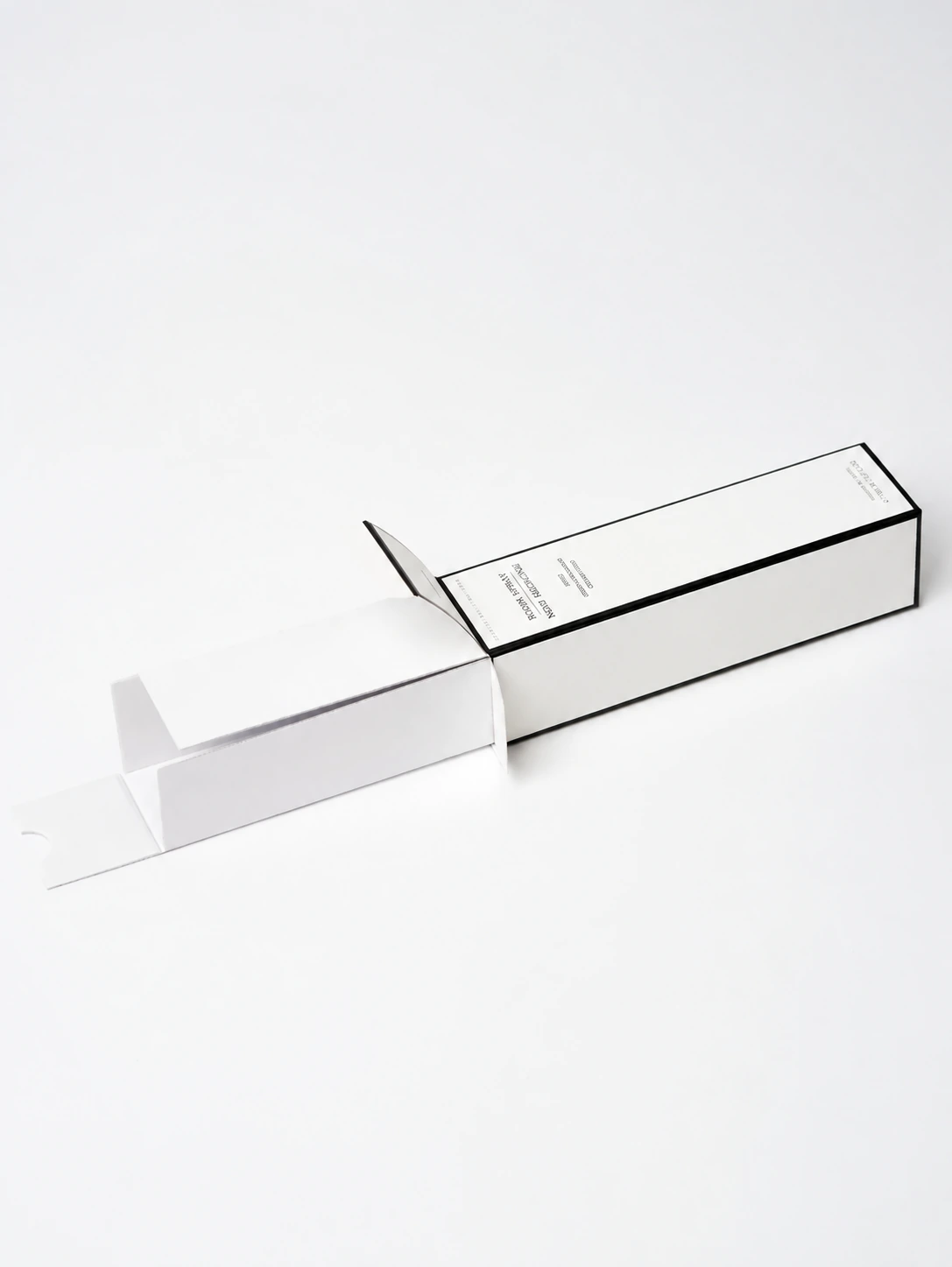
Opening and assembly
Operate the lid, drawer, sleeve, or closure several times.
If warehouse staff will assemble the packaging, ask the people doing that work to try it. Note any steps that are easy to reverse, miss, or complete incorrectly.
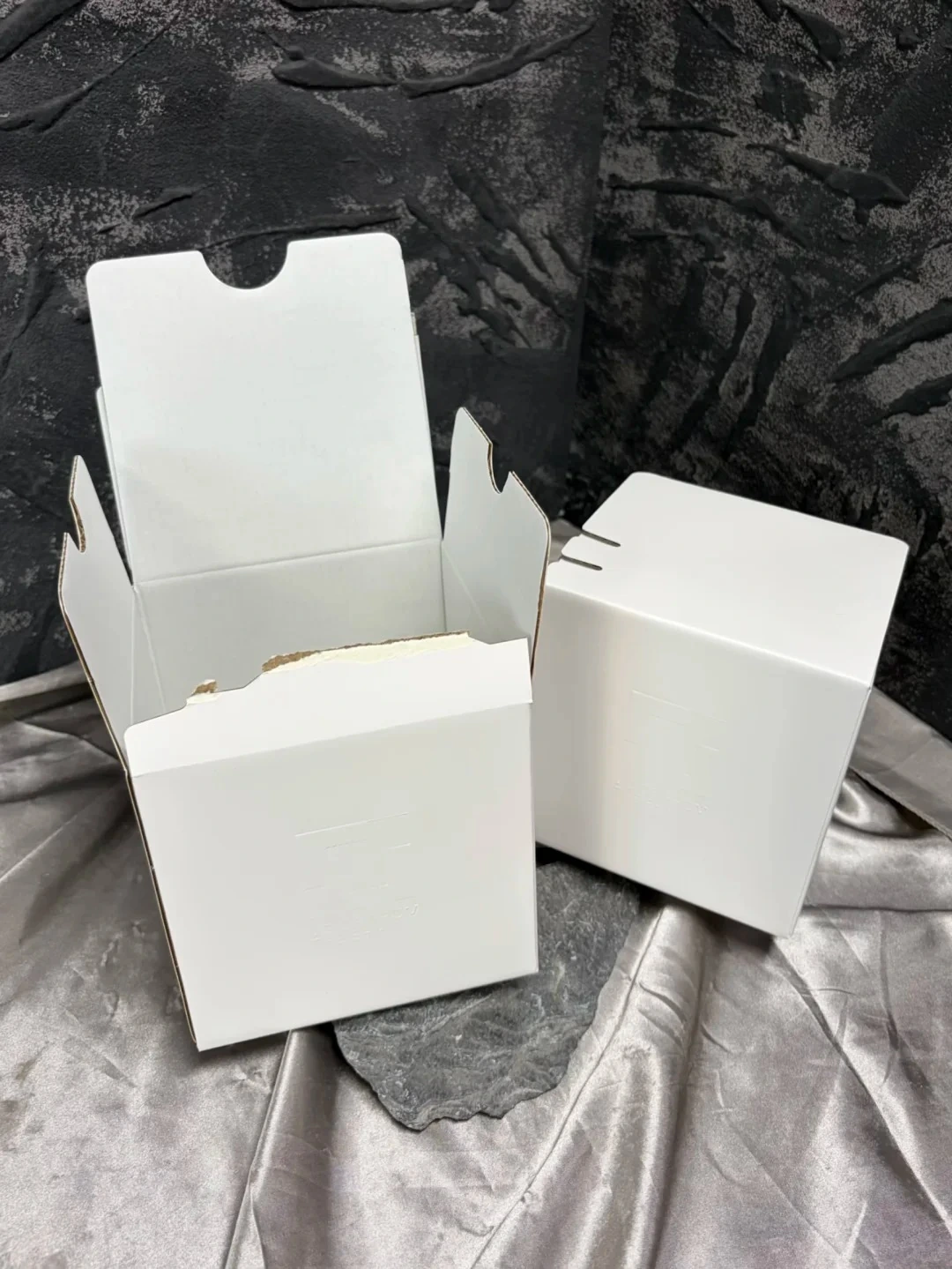
Appearance
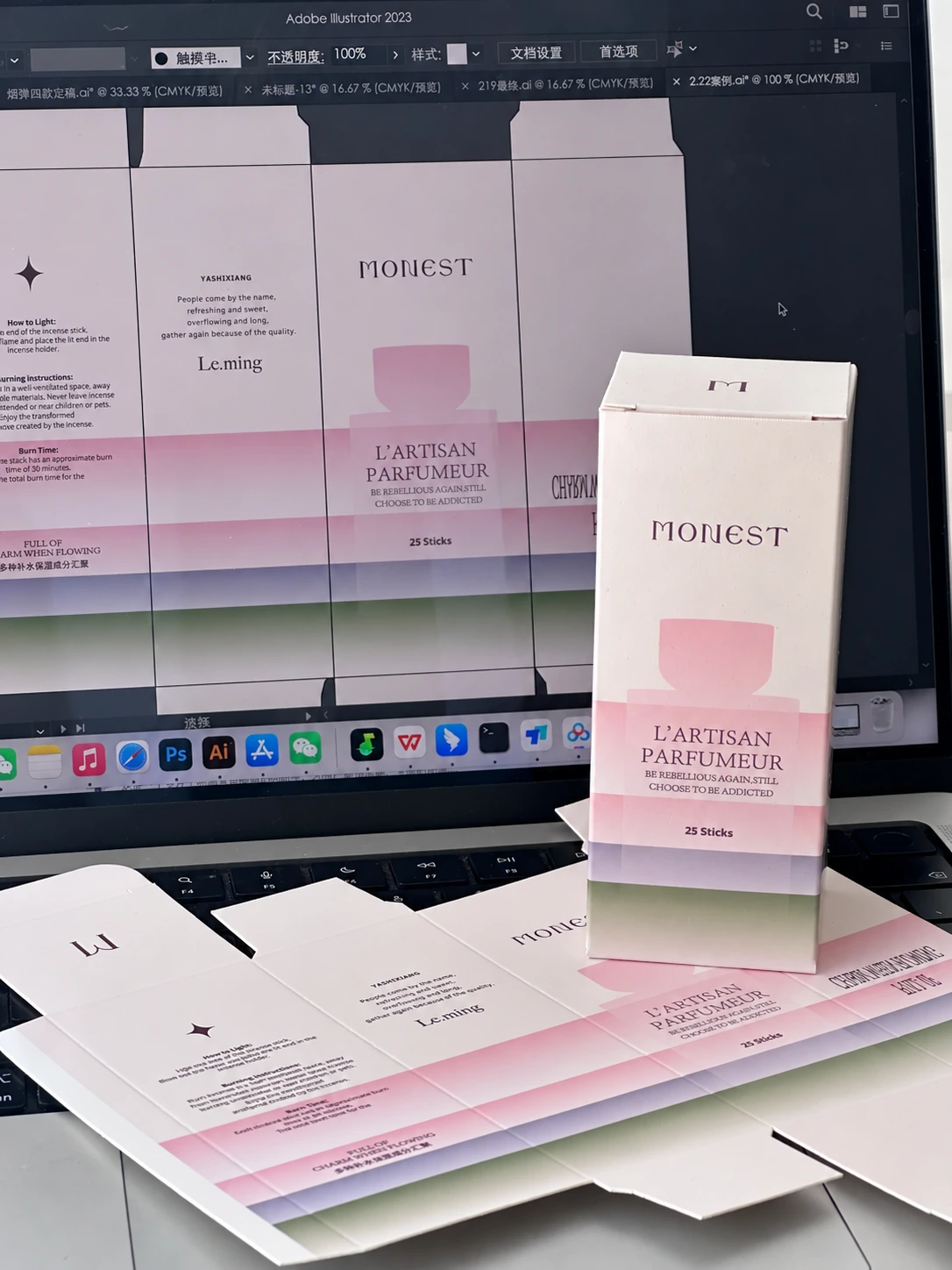
Check the text, logo, artwork orientation, color, finish placement, and surface condition.
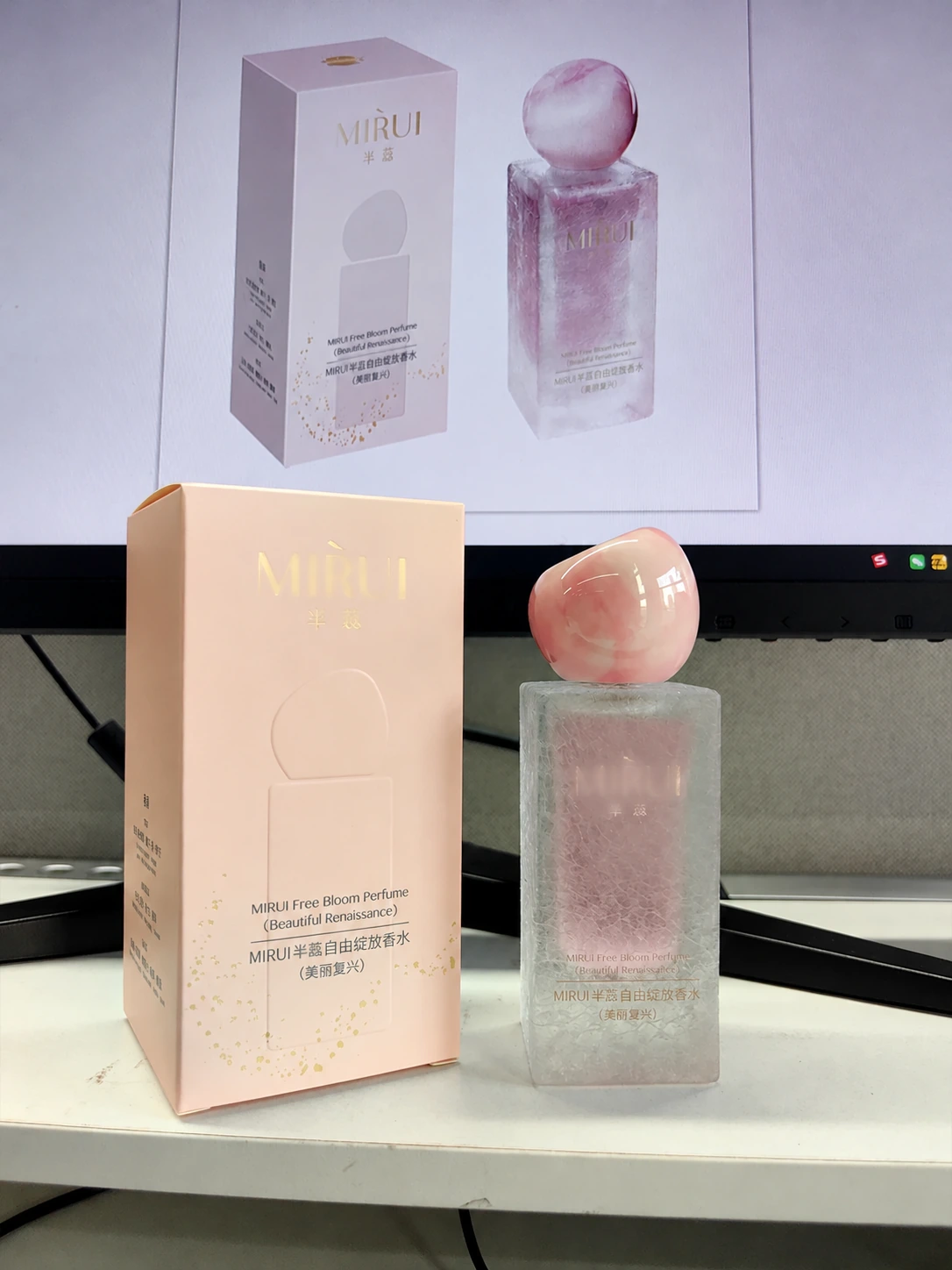
Where color or texture is important, agree on the physical reference or approval method. Screen images alone may not provide a reliable basis for that decision.
Shipping verification
Discuss how the retail box, insert, shipping carton, and cushioning will work together.
If shipping performance will be tested, agree in advance on the complete packing arrangement, test conditions, and what the results will cover.
Collect sample feedback into one clear revision list. After changes are made, recheck the affected features so that approval relates to the updated sample.
5. Lock the Specifications and File Versions Before Production
After sample approval, record the final decisions in a form that can guide production.
Confirm at least the following:
- Box and insert dimensions, structures, and component list.
- Material names, specifications, colors, and relevant physical references.
- Printed content, finishes, and their positions.
- Quantities for each fragrance or version.
- Final artwork, dieline files, and version identifiers.
- Assembly state, carton packing requirements, delivery timing, and agreed acceptance criteria.
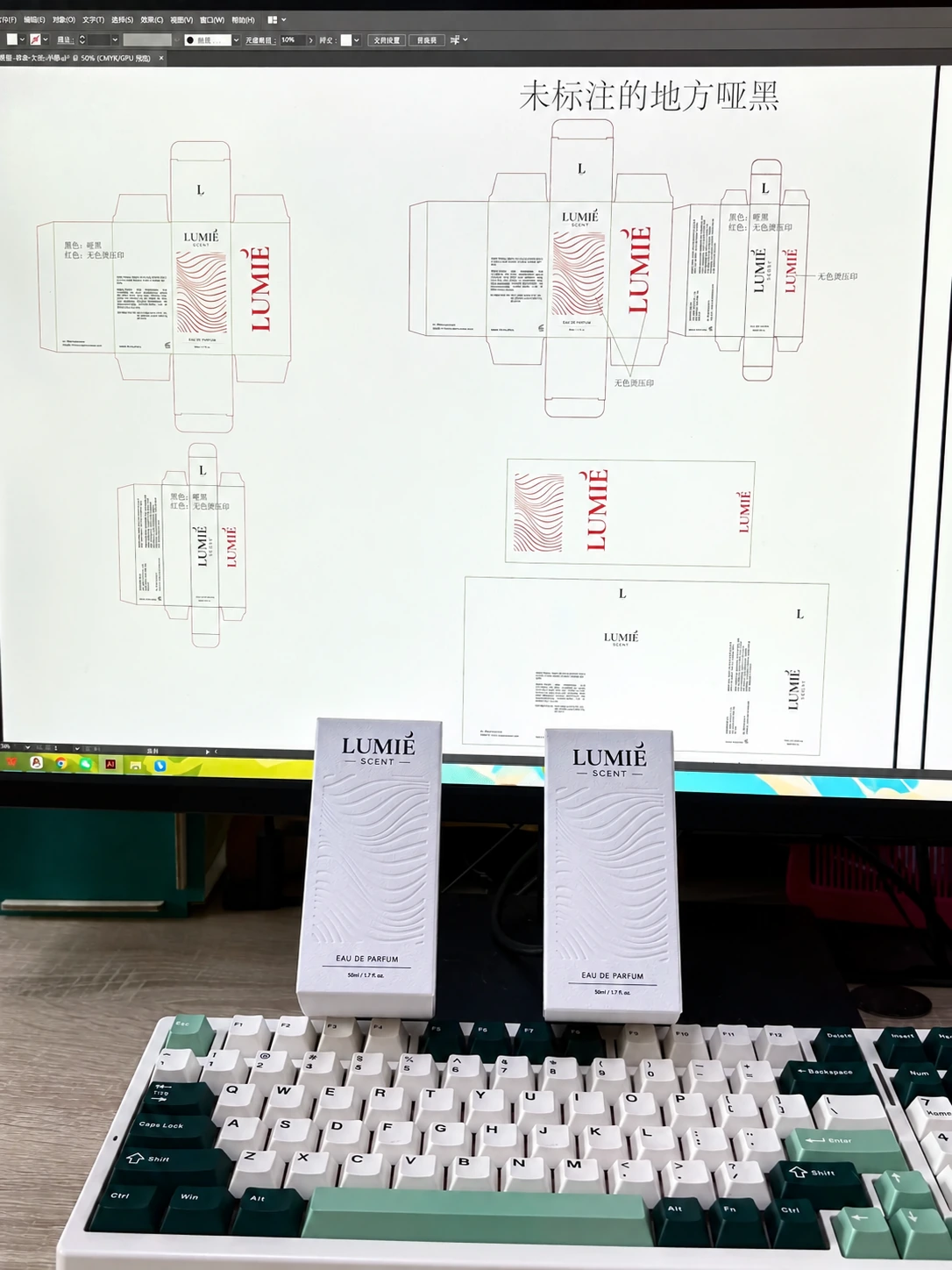
If the sample has been revised, identify the approved version and mark earlier files as obsolete.
Changes to the bottle, material, finish, or quantity may affect price and timing. Have the supplier assess the change before updating the approved project information.
6. Plan Assembly, Packing, and Receiving
Finished packaging still needs to reach your warehouse, filling partner, or packing facility in a usable condition.
For flat-packed packaging, confirm who will assemble it, what the process involves, and how inserts and accessories will be supplied. Request assembly instructions early enough for the team to try them.
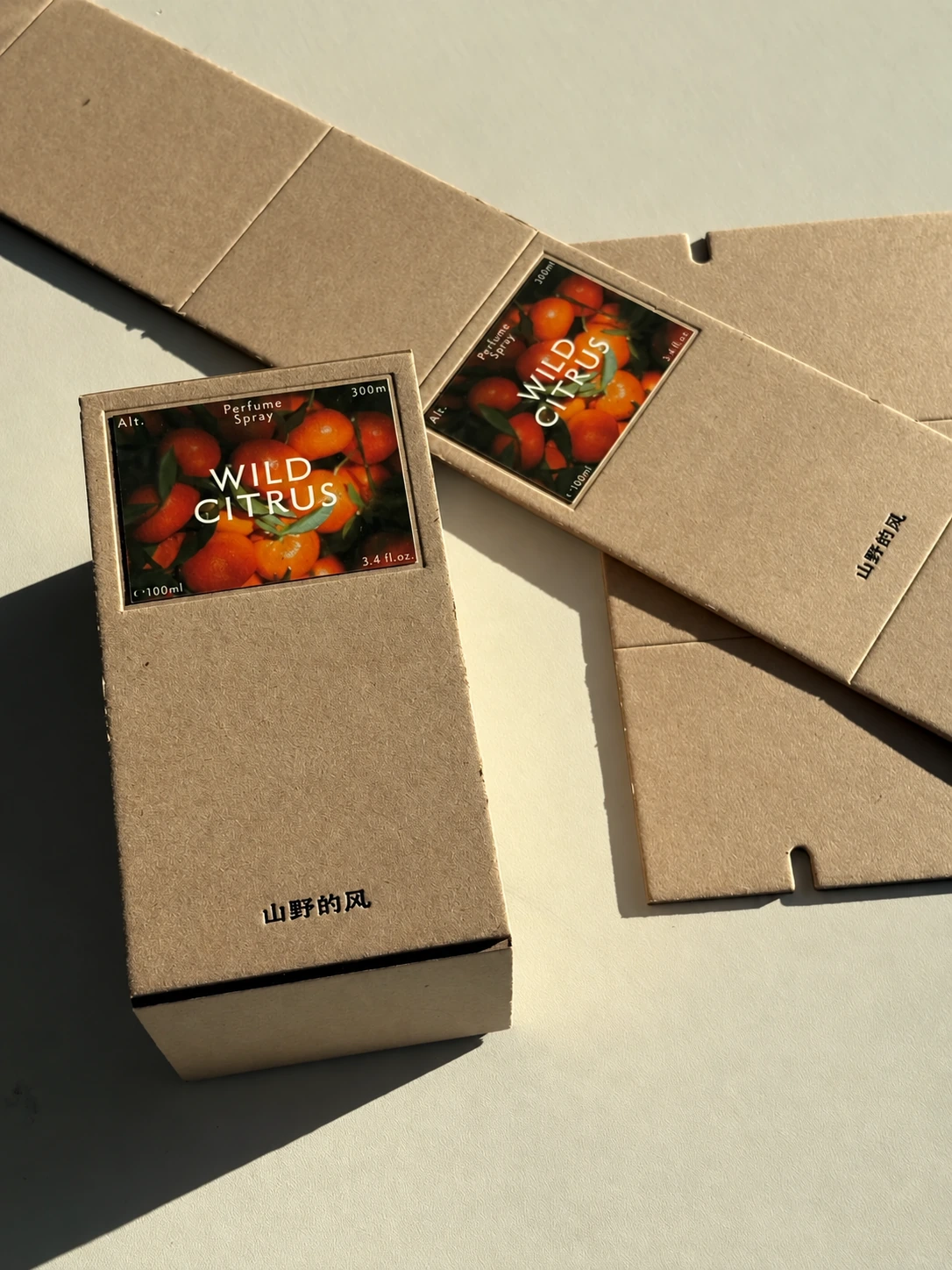
For assembled packaging, agree on carton packing and protection during storage and transport.
Before dispatch, check the quantity per carton, variant labels, total carton count, and whether components will arrive in separate cartons. Clear identification is especially useful when several fragrances are being packed.
On arrival, inspect quantities, variants, appearance, and bottle fit according to the agreed acceptance process. If you find a problem, keep the cartons, batch labels, photographs, and affected quantities available to help the supplier investigate.
Delivery of empty packaging and shipment of filled perfume are different packing conditions. Confirm the complete shipping arrangement and applicable transport requirements separately before distributing the finished product.
7. Use This Checklist to Start Your Project
You can begin a supplier conversation before every design detail is finished. Prepare the information below and identify the decisions that still need discussion.
| Project detail | Questions to answer |
|---|---|
| Product | What will go inside? Is the bottle finalized? Is a physical sample available? |
| Intended use | Is the packaging for retail, e-commerce, gifting, or sampling? |
| Quantity | What is the total quantity, and how much is needed for each variant? |
| References | Which structures, materials, or opening experiences do you like? |
| Artwork | Do you have a logo, brand guidelines, or packaging files? |
| Budget | Which components and costs must the budget cover? |
| Timing | When and where does the packaging need to arrive? |
| Delivery format | Flat-packed or assembled? Who will pack the bottles and complete assembly? |
A clear brief gives your first custom perfume packaging project a practical starting point. Proposal reviews, physical samples, and documented approvals then help turn the design into packaging that is ready to order and receive.
Explore custom perfume packaging formats or see our Solo Mood cotton paper perfume box case study.
Planning your perfume packaging project?
Share your bottle photographs and dimensions, estimated quantities, packaging references, and target delivery date with Bravo Package. Include what you have already decided and where you would like guidance to help start the discussion.