

Progress sample cartons display different printed names across several colours. This cross-category staging reference illustrates identity comparison; it is not a perfume assembly workplace or an error-rate study. Third-party reference; not a Bravo Package project.
Making perfume box assembly easier starts with a clear definition of the correct set, specific actions and visible handover states. A missing component, the wrong scent and reversed orientation are different problems. A closed box does not establish that its contents are correct. Bring the current SKU, component list, batch revisions and physical samples together for a trial assembly, then improve the instructions from what is observed. Any reduction in work needs an actual comparison rather than a promise attached to a process name.
Define missing, incorrect and reversed items separately

List the product, box, insert, card, label and other materials for each saleable configuration, specifying names, quantities and the corresponding SKU. Distinguish component, set and carton quantity units. Including a card does not establish that it belongs to the current scent, and similar collection artwork does not make components interchangeable.
Identify orientation or position against the actual component and face rather than writing only “place correctly.” State the applicable revision and completion condition. Weight, remaining materials and a closed outer box provide different observations; none alone establishes every component’s identity, quantity and orientation.
Provide the list, samples and revisions together

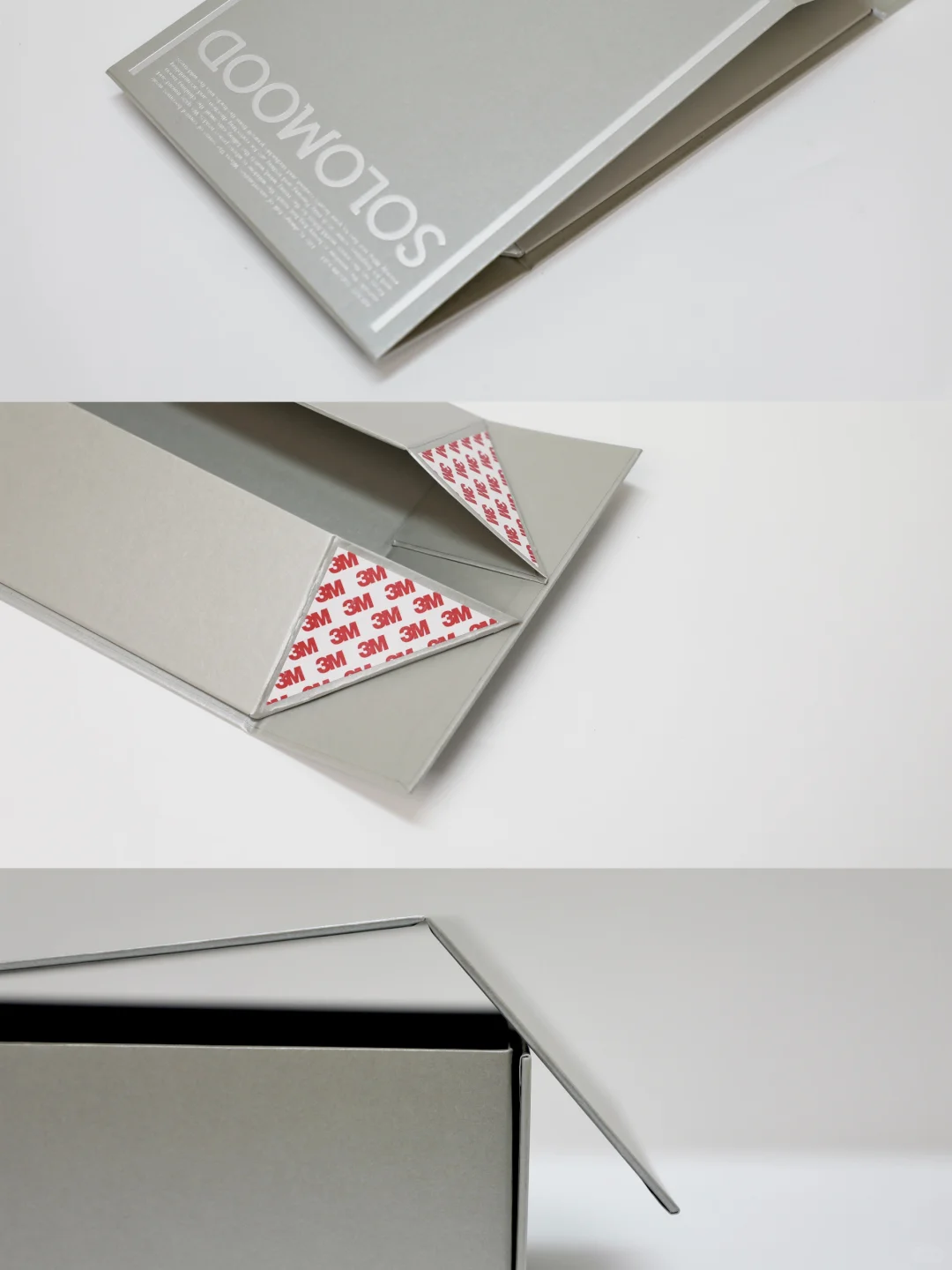
Link assembly instructions to the current work order, SKU and approved component revisions, using consistent names in photographs and samples. Show the distinguishing features of similar scents, different name lengths, cards and inserts. Operators should not need to remember which version is current. Distinguish accepted references from samples awaiting decisions.
Order changes, gifts and rework need an updated list and defined scope rather than an extra verbal instruction. Update the workplace document and sample together, removing superseded references from current use while preserving their archive relationship. A digital system may assist recording; no system is presented here as verified error prevention.
Make component preparation and workplace status clear

Before starting, check the materials required for the current set and identify picking locations and quantities according to the actual workflow. Similar items need distinguishable names and revisions rather than colour alone. Define states such as incomplete preparation, ready for assembly, assembled awaiting review and exception, with clear handover responsibility.
Keep remaining stock, returns and other SKUs identified rather than mixing them into current materials. Use non-personal test information for sample photography and order checks. Operators need to try the preparation arrangement. An orderly photograph does not establish that errors have been eliminated, and another product’s fixed workstation count or cycle time is not a specification to copy.
Trial the instructions with actual samples

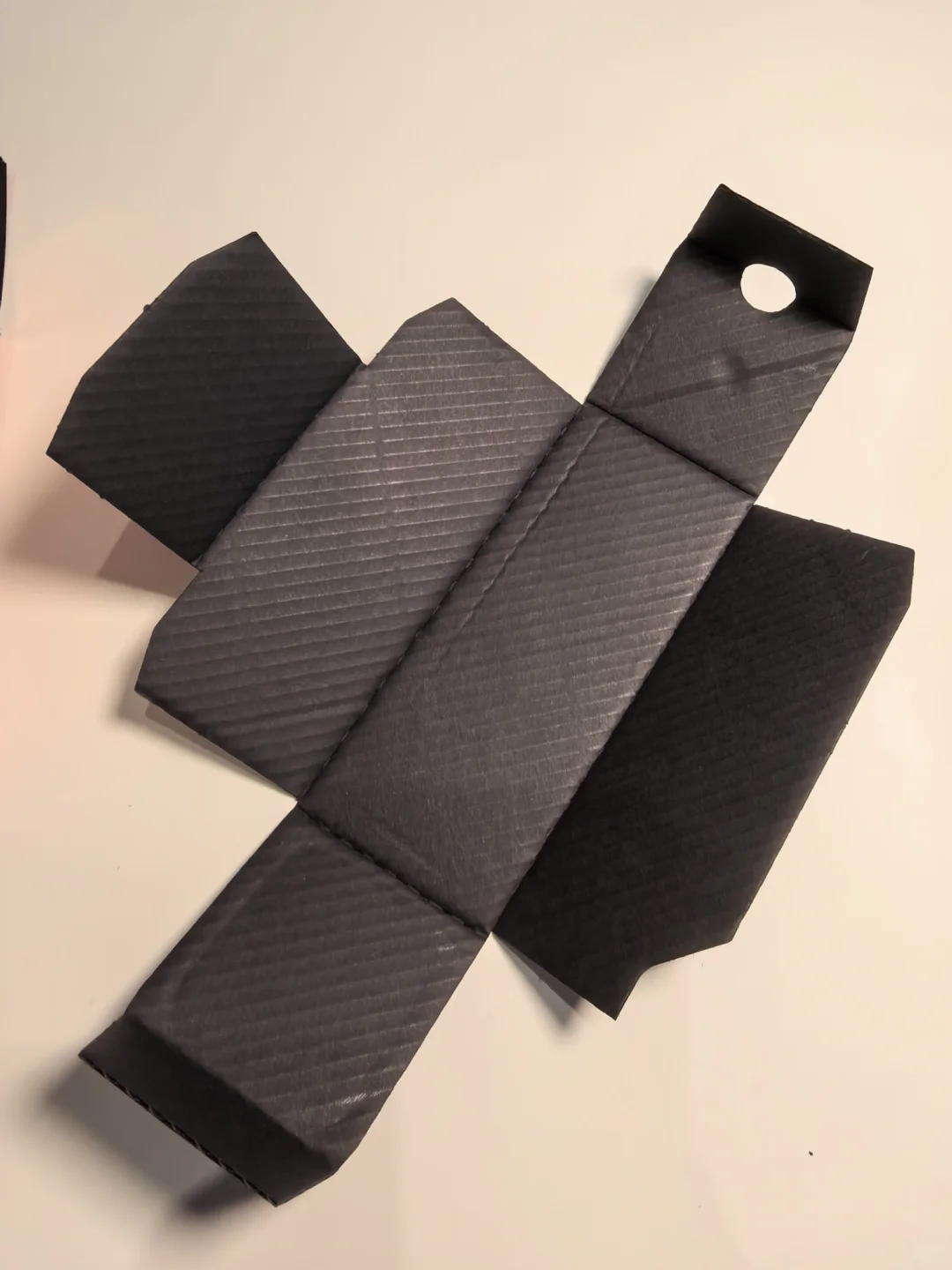
Begin with picking components and follow the sequence of unfolding or forming the box, placing internal parts, checking products and additions, closing and handing over for review. Use concrete actions and observable completion states, identifying faces and directions where needed. Have the operator follow the current samples, recording pauses, repeated handling, obstructions and confusing points.
To reduce steps, identify the action proposed for combination or removal, then compare trials using the same configuration. Confirm that identity, quantity, orientation and review scope remain clear. Fewer steps do not automatically mean less time or greater reliability. Do not remove a necessary check merely to shorten the instructions or invent an efficiency figure.
Manage changeovers, interruptions and rework

Before changing SKU or revision, review remaining materials, work in progress, documents and samples at the workplace. Identify the quantity and location of completed, pending-review and exception items from the previous task. Separate current materials from the new task and confirm changeover status before restarting. Similar outer boxes do not justify retaining old inserts or cards.
After an interruption, establish the stopping point, completed checks and outstanding actions. Rework needs its own instructions on how far to reopen and what must be checked again. Material discrepancies are investigation clues, not direct proof that finished sets are wrong or correct. Link handover records to the actual batch, quantity and time.
Use review findings to update current instructions


Match the review items to the list, recording whether the check concerns component identity, quantity, orientation, assembly state or appearance. Define completion of review, responsibility for discrepancies and the condition for the next handover. A generic “checked” entry is insufficient if it cannot identify the list and material batch used.
Feed findings from trials and actual use back into component names, lists or actions. After approval, provide the new revision to the workplace and handover participants. Retain the reason for change and confirmation scope without promising zero errors or an automatic speed increase. Executable instructions should let another operator understand the same sequence using the current materials.