

Warehouse handling shown as an editorial reference for checking stock identity, location and availability. Photo by cottonbro studio on Pexels. This is a general stock photograph, not a Bravo Package facility or a documented perfume packaging operation. It does not establish inventory accuracy, capacity or reorder quantities, and no endorsement by the pictured person or brands is implied.
PERFUME PACKAGING · REORDERS AND INVENTORY PLANNING
A perfume box reorder should start with usable packaging and the next packing requirement, rather than the largest quantity discount on the price list. The number of boxes physically in a warehouse may include old artwork, items awaiting review or stock already assigned to another batch. Those boxes are not all available for the next order.
Build the replenishment decision from current records, the intended product mix and confirmed supplier conditions. This guide offers a review process, not a universal reorder quantity or a promise to eliminate excess inventory. Forecasts and delivery dates remain assumptions until the responsible teams confirm the relevant arrangements.
Count what can actually be used
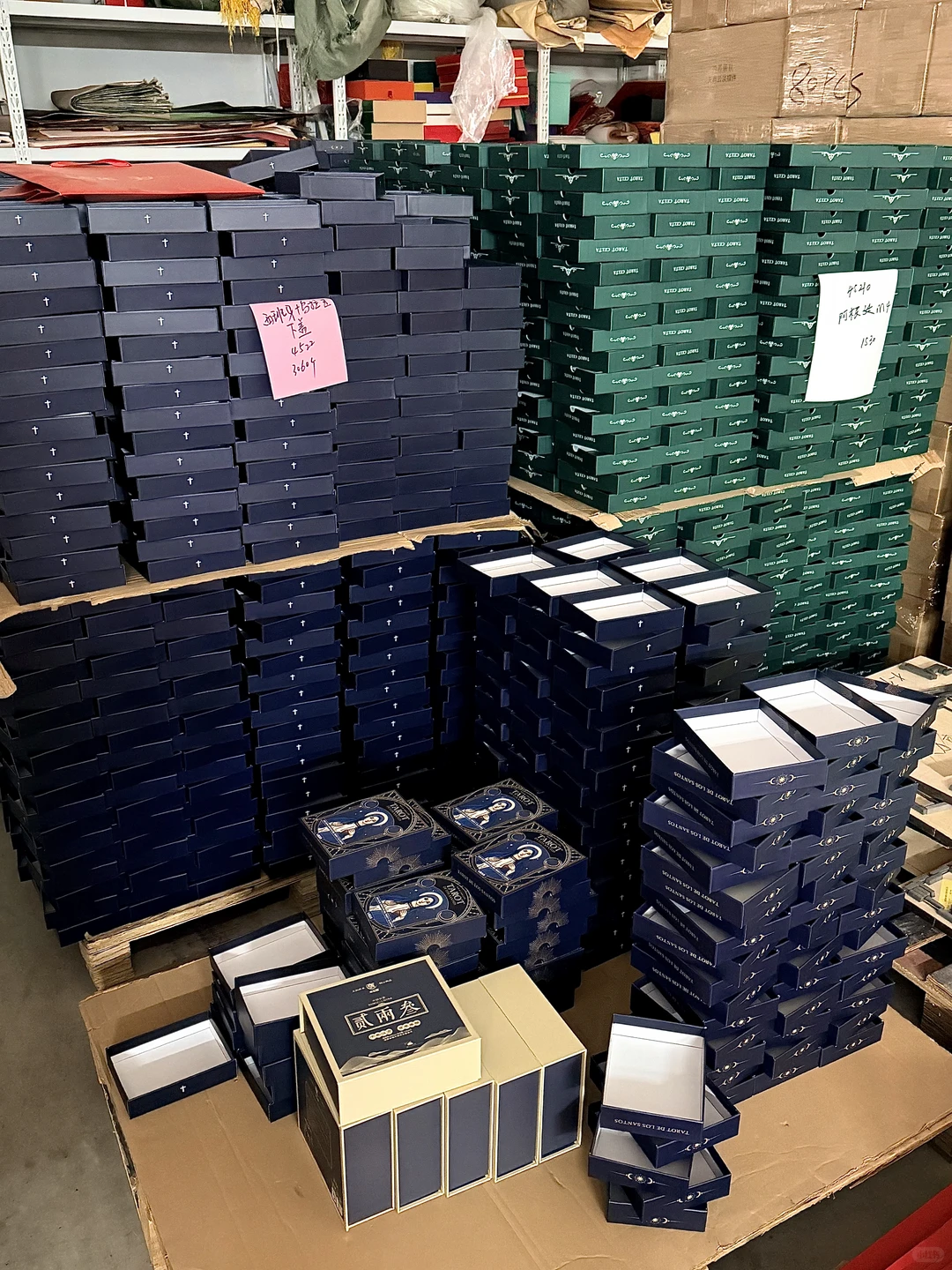
Identify boxes by product, size, artwork and structural revision, not just by a general description such as the white perfume box. Record location, batch and the date of the count. Distinguish available stock from allocated stock, samples, items awaiting inspection and items whose use has not been approved.
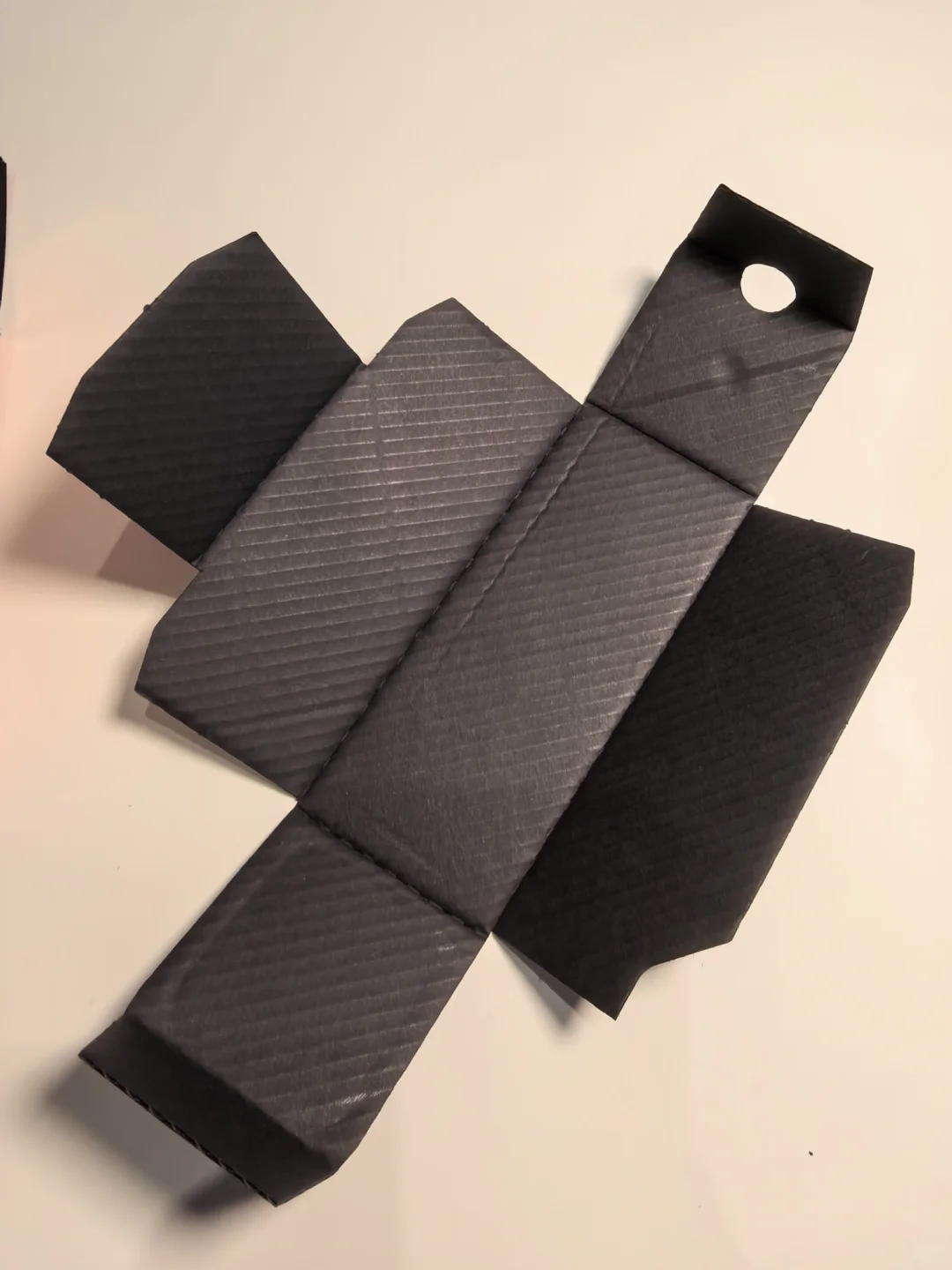
Check the supporting components as well. An outer box may need a matching insert, sleeve, label or card before it becomes a complete set. Record each component in its own unit and show the quantity needed per finished pack. A total of outer boxes alone does not establish how many complete packs can be prepared.
Ask the relevant reviewers whether older versions remain applicable to the intended product and market. Do not automatically discard them, and do not automatically treat unused packaging as suitable. Keep any decision to rework, reuse or retire stock separate from the count of currently available items.
Translate the packing plan into component demand
List the planned packing batches, dates and fragrance allocation. Distinguish confirmed requirements from a forecast or an optional promotion. Finished perfume sales and packaging consumption are related, but they are not the same record: some product may already be packed, while a planned packing batch may not yet have been sold.

Use the intended configuration for each batch. One bottle, a discovery set and a gift set may consume different components. State which parts are common and which belong to a particular fragrance or language version. Do not divide the total equally across variants unless that is the actual approved plan.
Review recent actual consumption alongside the plan, noting the period and relevant changes. A temporary launch peak, promotion, stockout or artwork transition can make a simple average misleading. Keep uncertainty visible rather than treating the last month's usage as a guaranteed future rate.
Check orders already placed and stock held elsewhere
Review open purchase orders before requesting another batch. Record the component revision, quantity, production status, expected delivery and receiving location. Confirm whether the stated date refers to completion, dispatch, arrival or availability after receiving checks. An expected incoming shipment is different from stock already available for packing.
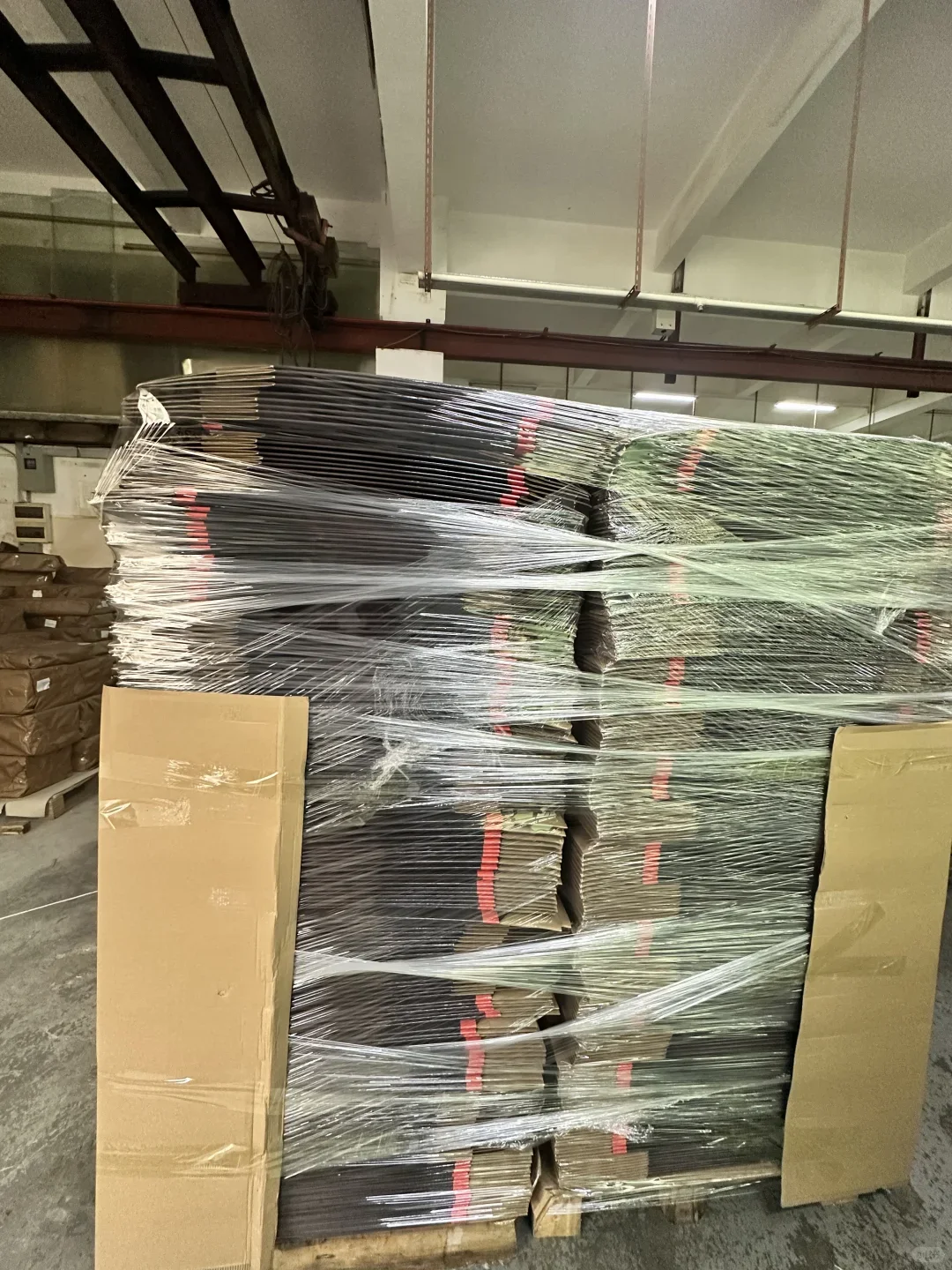
Ask about any packaging held by the supplier, filling partner or fulfilment provider. Confirm its identity, quantity, condition and allocation. A supplier saying that material is reserved does not necessarily mean finished boxes exist or that they can be delivered immediately.
Keep committed purchases visible even when the goods are not in your warehouse. Ordering a full batch and requesting staged delivery may reduce the quantity received at one time, but it does not by itself reduce the purchase commitment, change payment dates or permit cancellation. Obtain the actual storage, release and payment conditions.
Work backwards from the next required packing date
Ask the supplier to confirm the steps that apply to the reorder. Existing files and tools may be reusable, but changes to the bottle, artwork, materials or quantities can require another review. Record the information and approvals needed before the supplier can confirm its schedule.
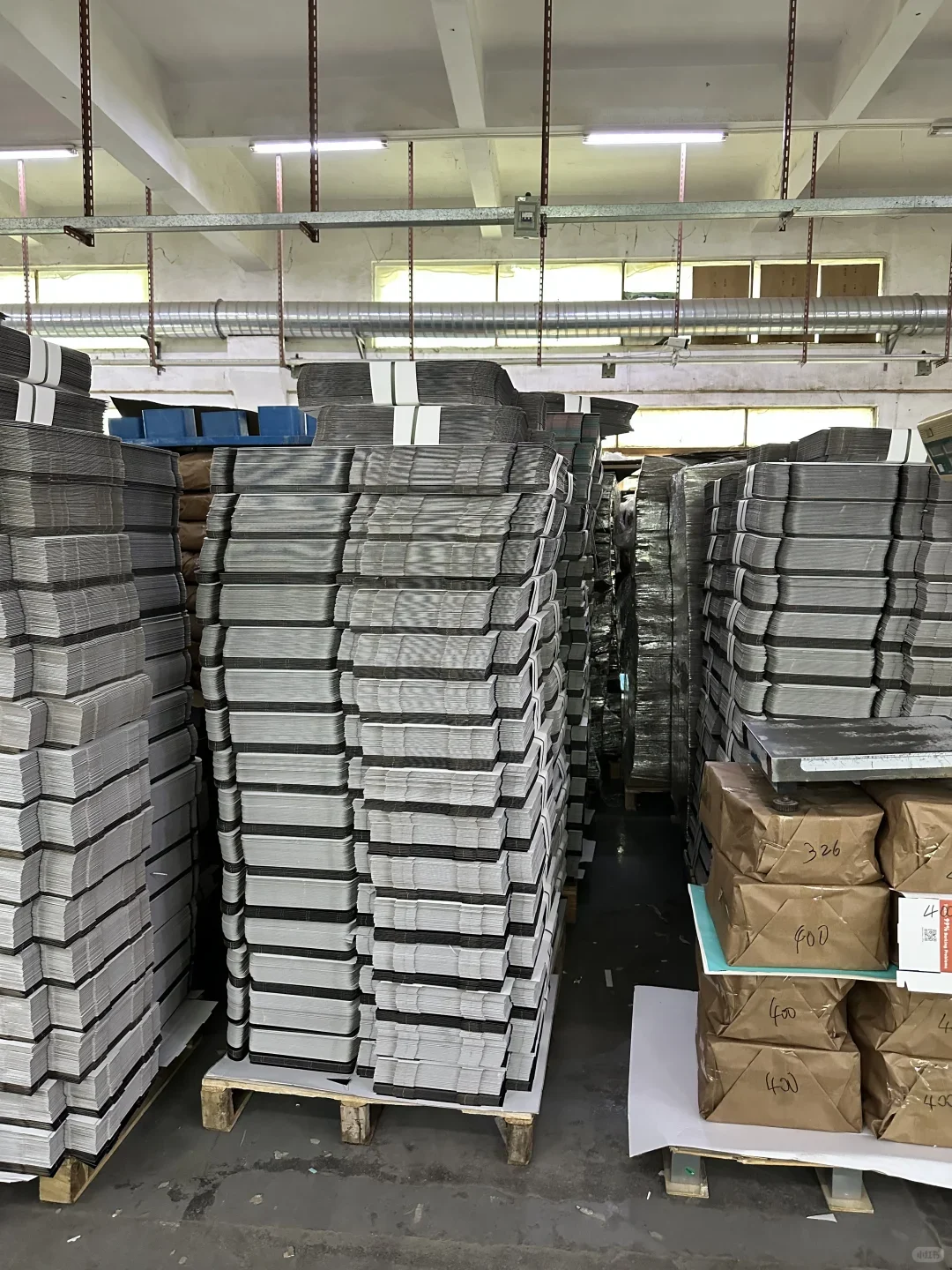
Include the receiving team's needs in the plan. Delivery, checks, component matching and any assembly can sit between dispatch and use. Clarify those tasks with the parties doing them. A quoted production duration alone is not a confirmed date on which the packaging will be ready for the filling line.
Agree who will review the record and when. A changing packing plan or revised supplier date should trigger a fresh check of quantities and commitments. The review point should suit the actual project; there is no single number of days that every perfume brand should use as its reorder trigger.
Compare quantity options with their complete conditions

Request quotations for the quantities that the current plan makes plausible. Keep component specifications, variant allocation, destination and delivery form clear. Compare unit prices alongside development or setup work, delivery charges, storage and other applicable order conditions. Do not choose a larger quantity only because its unit price is lower.
Show the expected remaining components after the planned packing batches under each option. Label the assumptions, including uncertain demand and future version changes. A possible future use is different from an allocated requirement. Avoid inventing a financial saving for leftover packaging that may not be used.
If the supplier offers a smaller batch, staged deliveries or shared components, clarify what is actually available and how it is charged. None of those arrangements is automatically preferable. Common outer boxes may still require separate inserts and labels, while more deliveries may have their own charges.
Keep a short reorder review record
| Comparison area | Scope information | Confirm with the supplier | Avoid assuming |
|---|---|---|---|
| Available stock | Revision, location, count date and status | Separate available, allocated and unresolved quantities | Physical stock is not all ready to use. |
| Packing demand | Batch dates, products and component use | Distinguish confirmed needs from forecasts | Finished sales are not the same as packaging consumption. |
| Incoming orders | Component, quantity, status and destination | Confirm what each promised date means | An open order is not stock already received. |
| Supplier-held stock | Identity, allocation and release conditions | Confirm storage, payment and delivery arrangements | Staged delivery does not erase a full-batch commitment. |
| Reorder timing | Reviews, production, delivery and receiving work | Assign owners and confirm the current sequence | A production estimate is not a ready-for-use date. |
| Quantity options | Quote scope and expected remaining components | Record assumptions and version changes | A lower unit price does not establish the best quantity. |
Review the plan after each relevant change
Update the record when stock is received, allocated, consumed or placed on hold. Keep the count and the order list aligned so one incoming batch is not counted twice. Record discrepancies and the person responsible for resolving them instead of silently adjusting the numbers.

After a packing batch, compare the actual component use and remaining quantities with the plan. Investigate differences before carrying an allowance forward. Do not apply an unexplained standard waste percentage to every reorder, and do not assume that every unused component is a loss.
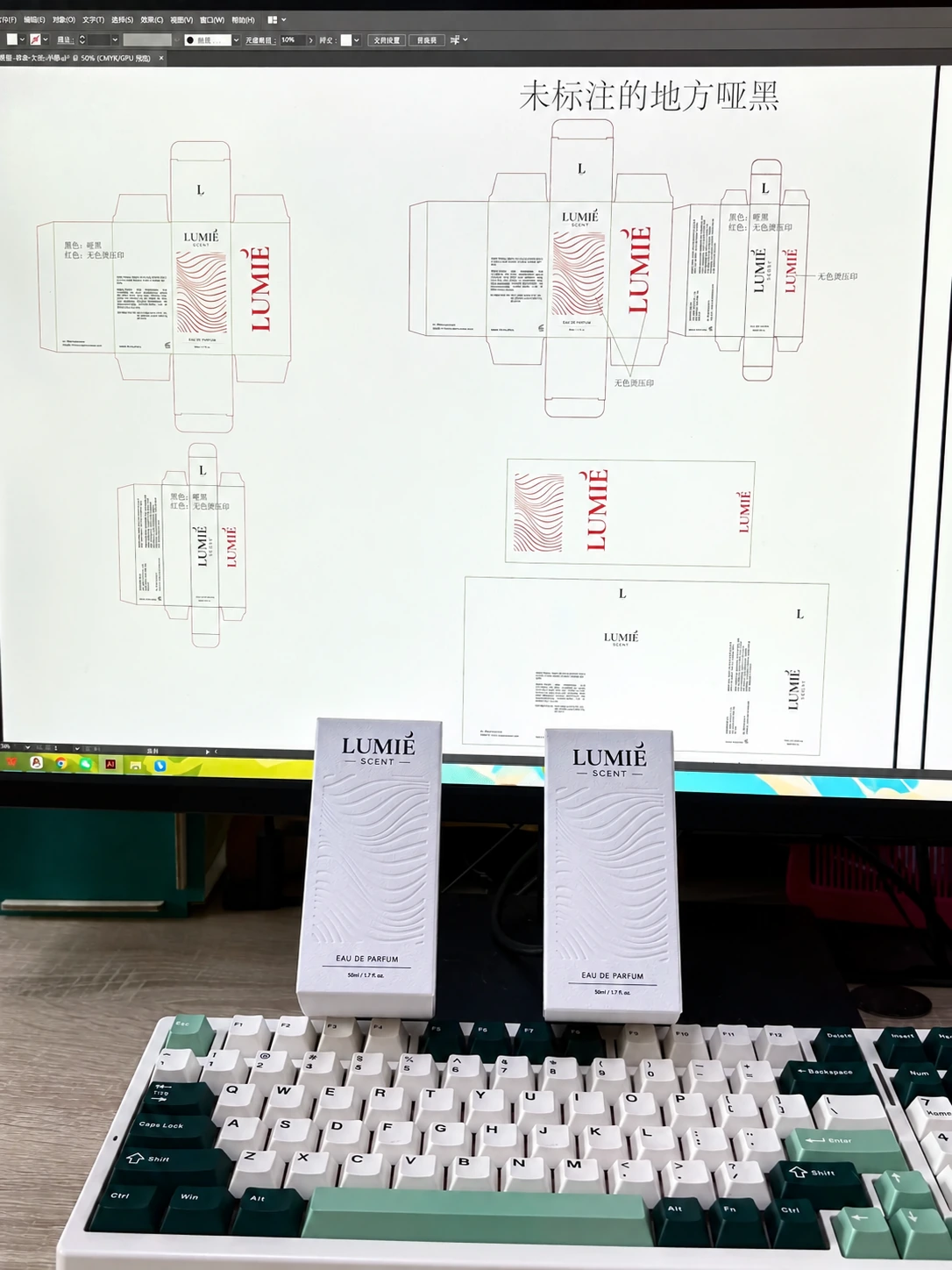
The practical aim is to place the next order against an understood requirement and an accurate view of existing commitments. Clear component records, current supplier replies and explicit demand assumptions give the team a basis for choosing quantities and reviewing them as the project changes.