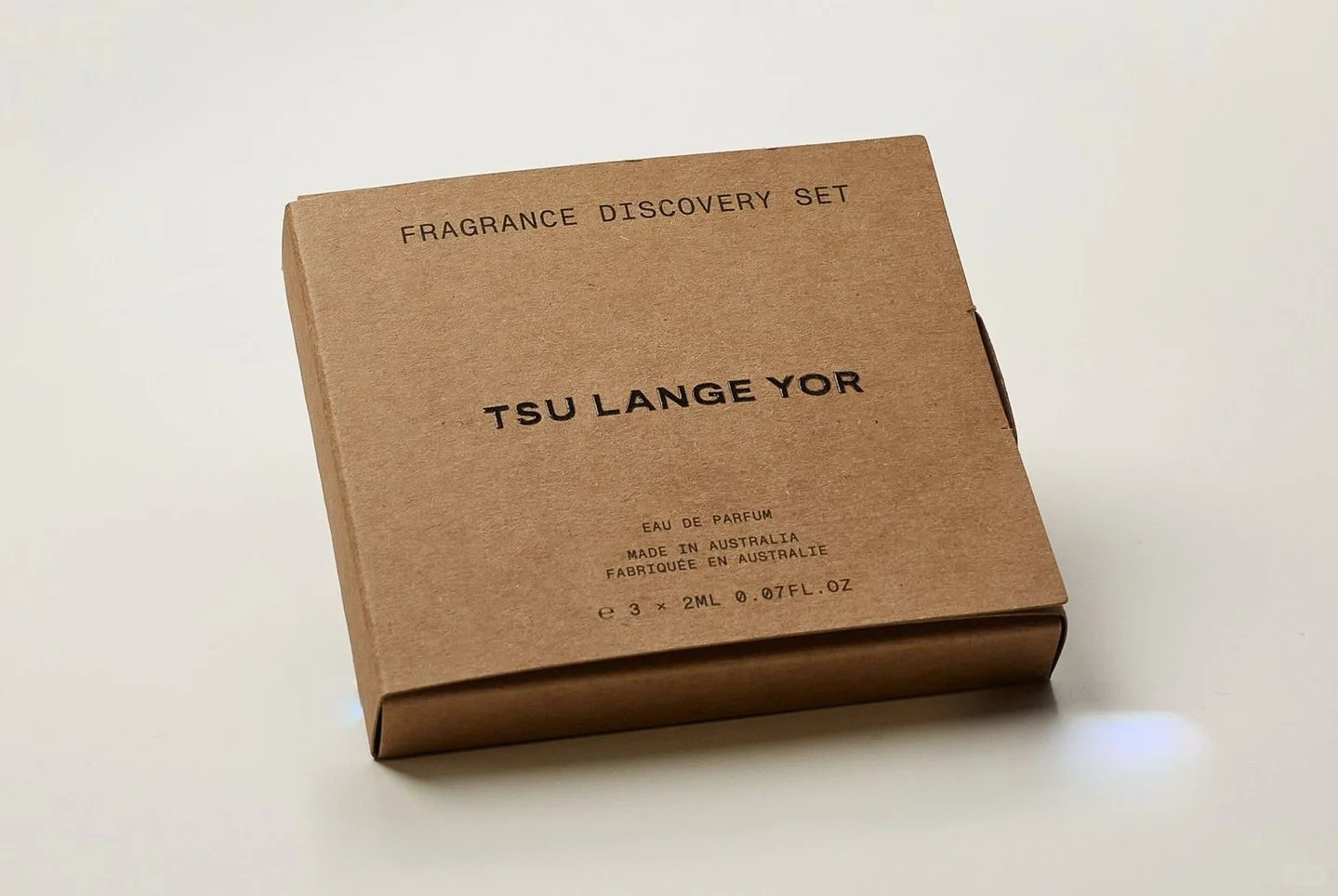
The closed pack is one view of a discovery-set configuration. Its appearance does not establish material specification, bottle compatibility or delivery state. Third-party packaging reference; not a Bravo Package project.
PERFUME PACKAGING · BOX STYLES
A perfume packaging proposal may describe a box as rigid, a drawer box and fold-flat at the same time. Those terms can describe different parts of the specification. One refers to construction, another to the opening action, and another to the condition in which the packaging arrives.
For a useful comparison, start with the product and the work needed to turn the delivered components into a complete pack. Then describe construction, opening style, bottle support and delivery state separately. This guide helps you prepare that brief before selecting finishes or comparing quotations.
Separate construction, opening and delivery state
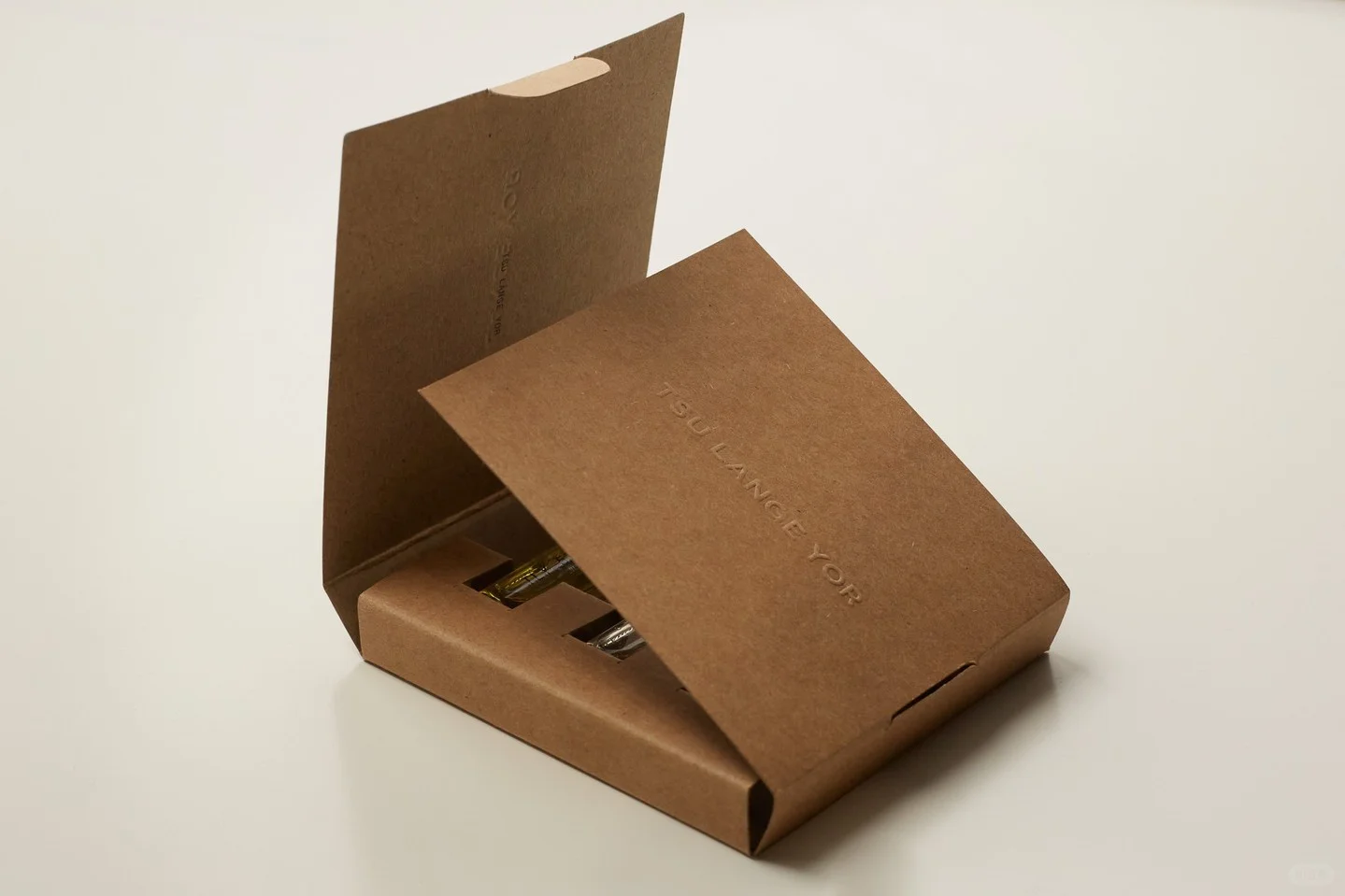
First, identify what forms the box body. Is the proposal a die-cut and creased paperboard carton, or a construction using a board body and an outer wrap? “Paper box” does not provide enough detail, and a similar-looking surface does not establish the same construction.
Next, describe how it opens. Tuck closures, a separate lid and base, a sliding drawer and a hinged cover involve different actions. A drawer specification still needs to identify its sleeve, tray and pull arrangement. A hinged format needs an identified connection and closure.
Describe bottle support independently. List the capped bottle, accessories, samples and printed inserts, then show where each belongs. The outer-box name cannot establish whether a particular bottle fits or how it is removed.
Finally, state what arrives: flat components, a pre-glued body supplied collapsed, or an assembled box. Assign the remaining work to a named party. The word “folding” alone does not tell a packing team what it will have to do.
Folding cartons: check folds and closures
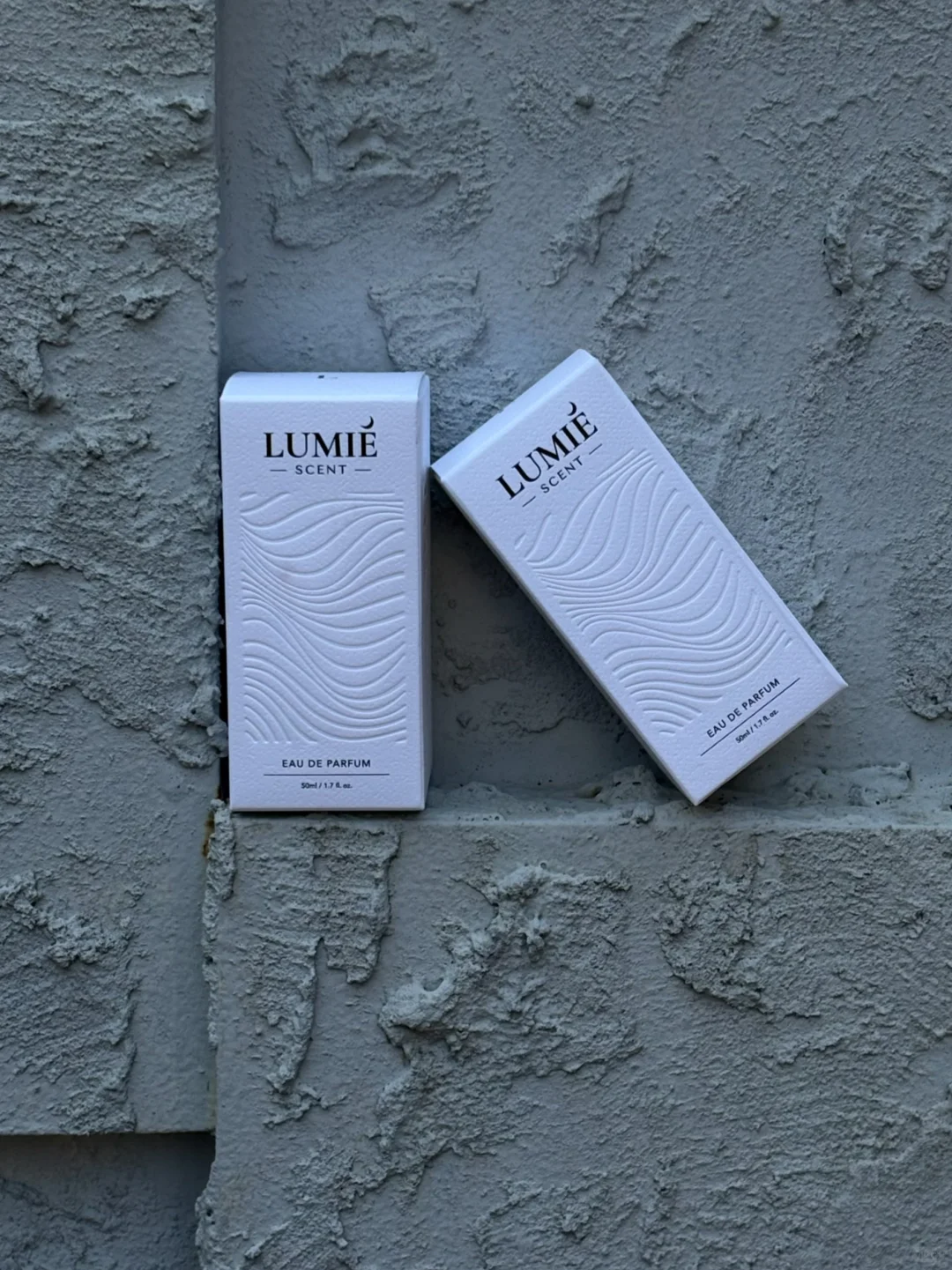
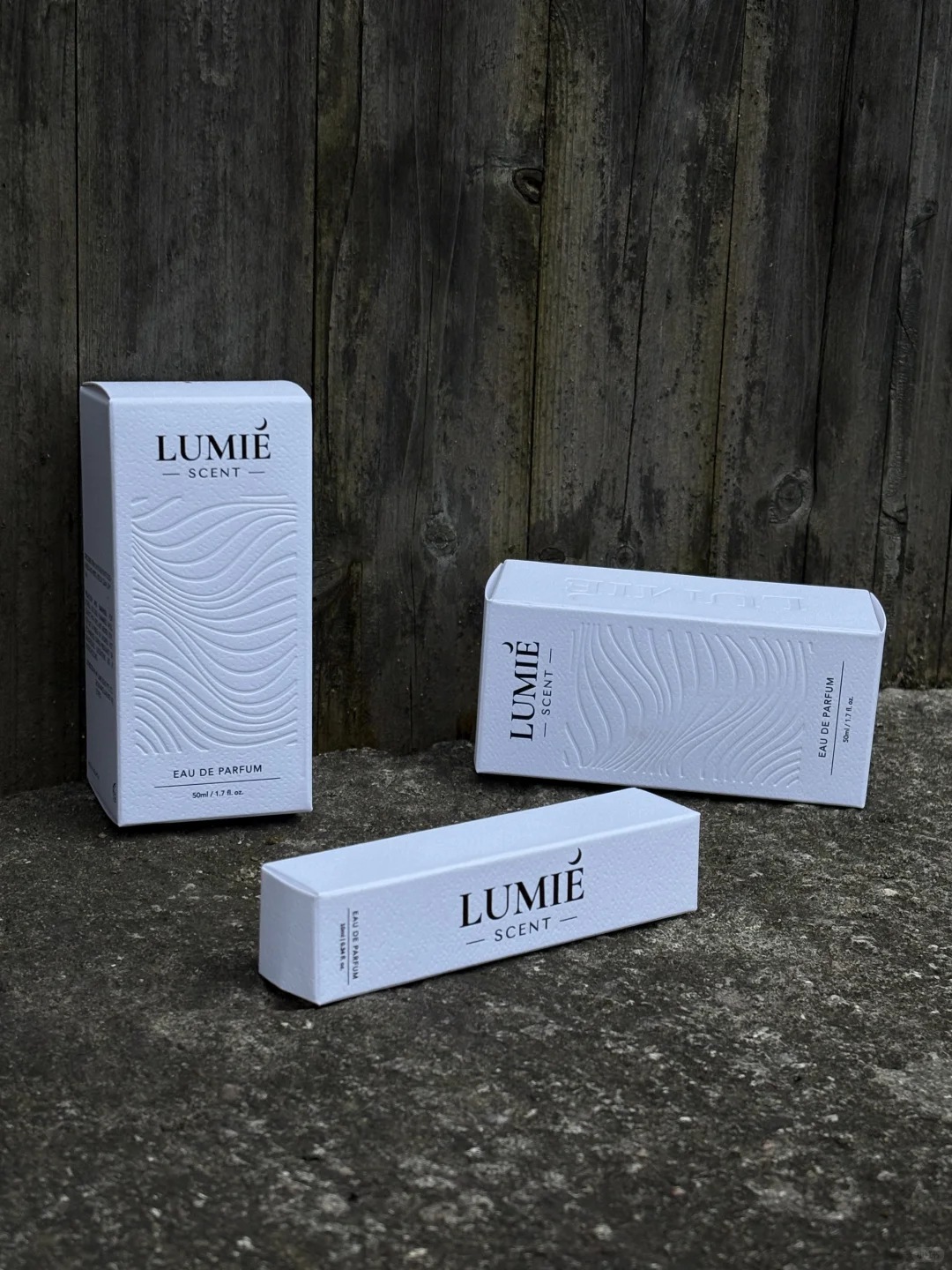
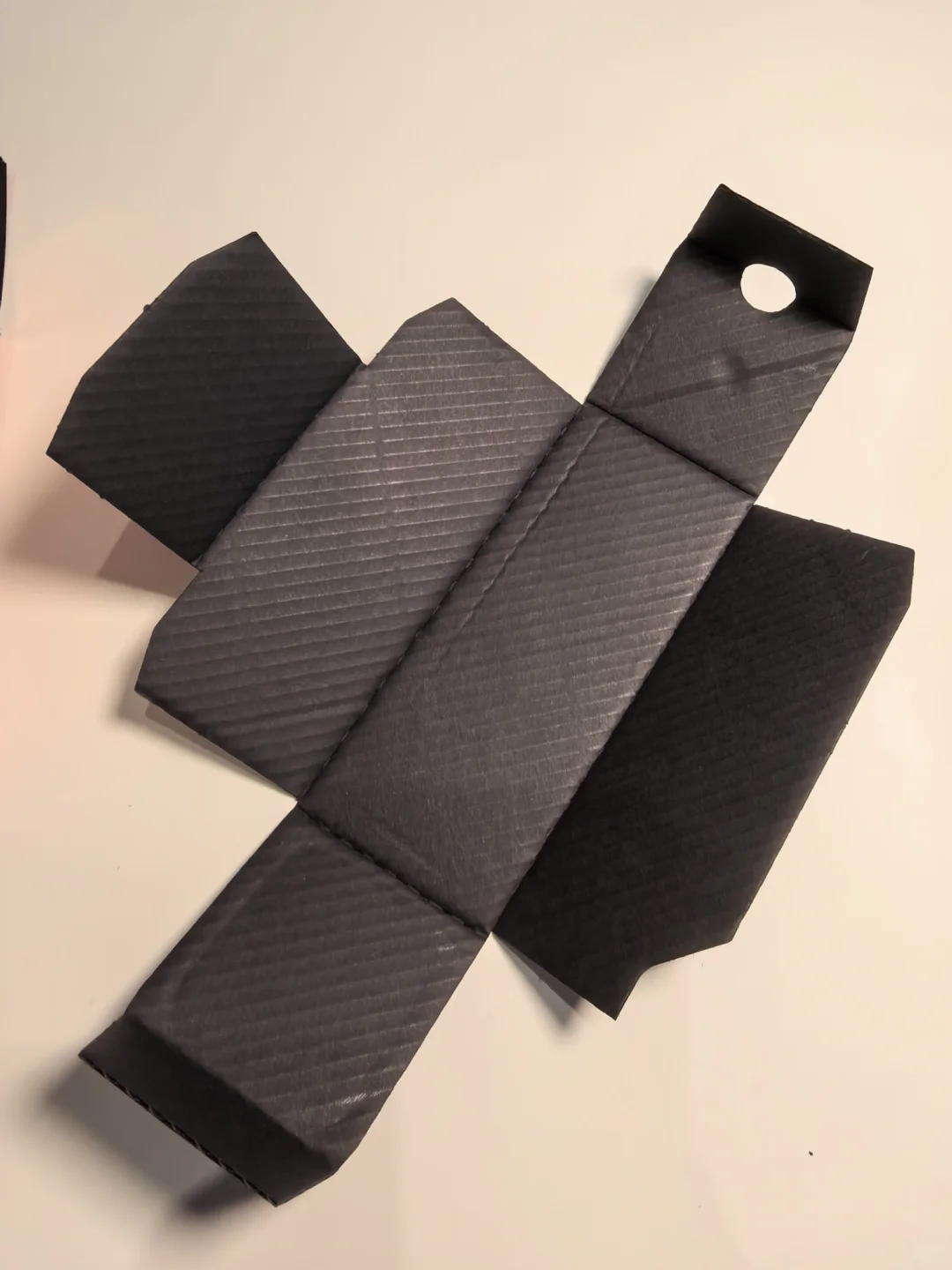
A folding carton takes its form through a die-cut, creased and folded paperboard structure. Depending on the design, it may include glued or locking features. A single-bottle pack and a discovery set can both use a carton, but each needs its own product and structural review.
Provide the maximum dimensions of the actual capped product, its weight and every item packed with it. Identify the insertion direction, closure, bottom and glue joint. If you want collapsed delivery, confirm which work is completed before shipment and which operations remain at the packing station.
Keep surface choices separate from structure. A photograph of textured paper is a visual reference, not a paper specification. A crisp-looking carton is also not evidence that it suits a particular glass bottle. Review loading, removal and closure with the actual product, checking for interference from the cap or accessories.
Record the sample revision. If the bottle, closure or carton changes, confirm which fit and handling checks need to be repeated rather than carrying over approval automatically.
Assembled rigid boxes: specify the body and wrap
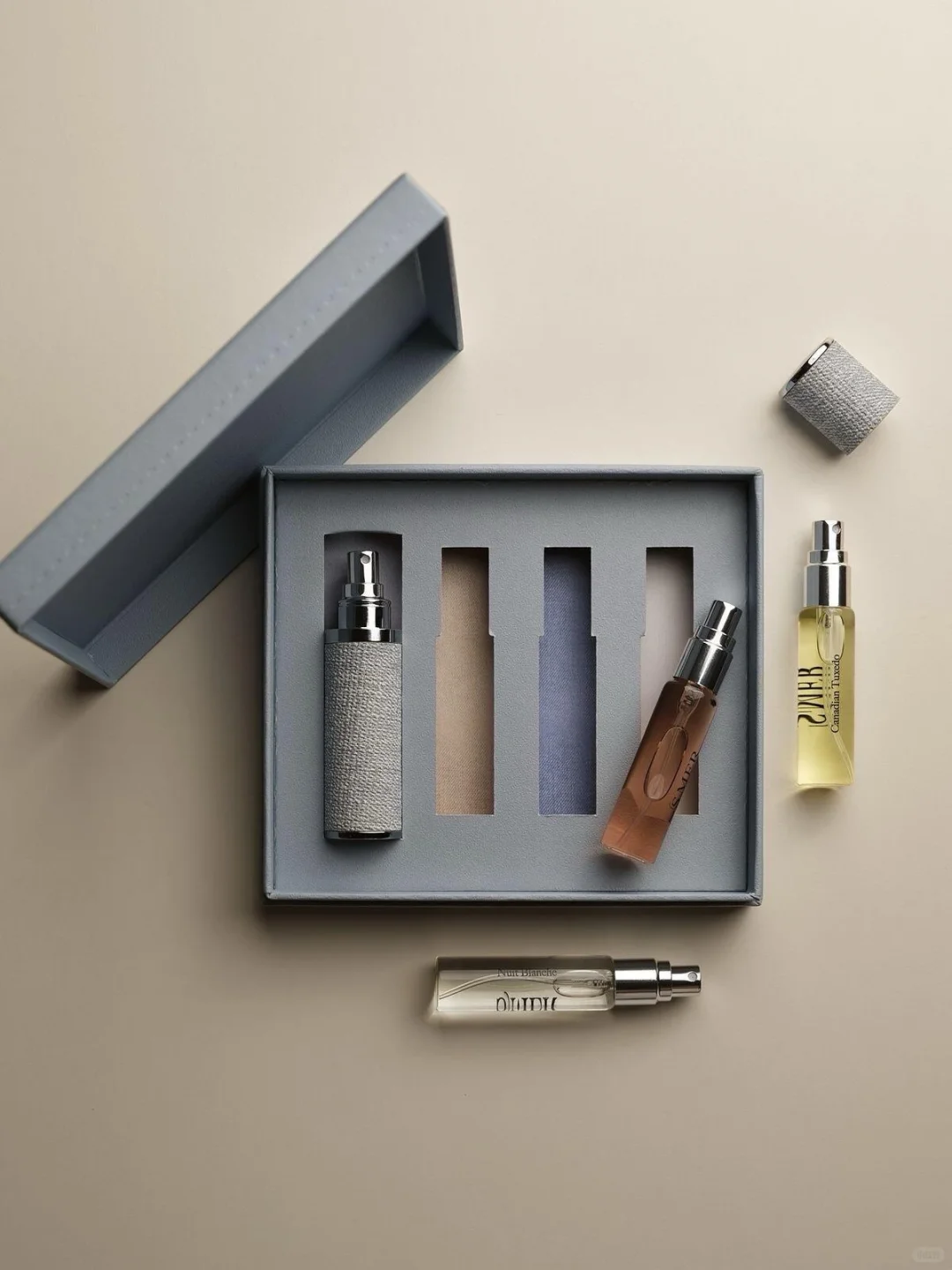
A typical set-up rigid box combines a board construction with an outer covering. A lid-and-base format, drawer or hinged presentation may use this construction. None of those opening styles defines the entire rigid-box category.
For a lid and base, identify the two parts, lid depth and intended opening feel. For a drawer, review the relationship between sleeve and tray, the pulling action and product orientation. For a hinged pack, identify the cover connection and closure components. Annotated photographs of a sample are often clearer than a box name on its own.
List the insert, cards, ribbon and other accessories separately in the quotation scope. A finished-looking empty box does not establish that the product can be loaded as proposed or that every pictured component is included.
Treat transport as a further requirement. The appearance of a rigid retail box does not approve a shipping arrangement. Identify the complete transit pack and agree the relevant checks for the intended route and handling conditions.
Fold-flat rigid boxes: review the erection process
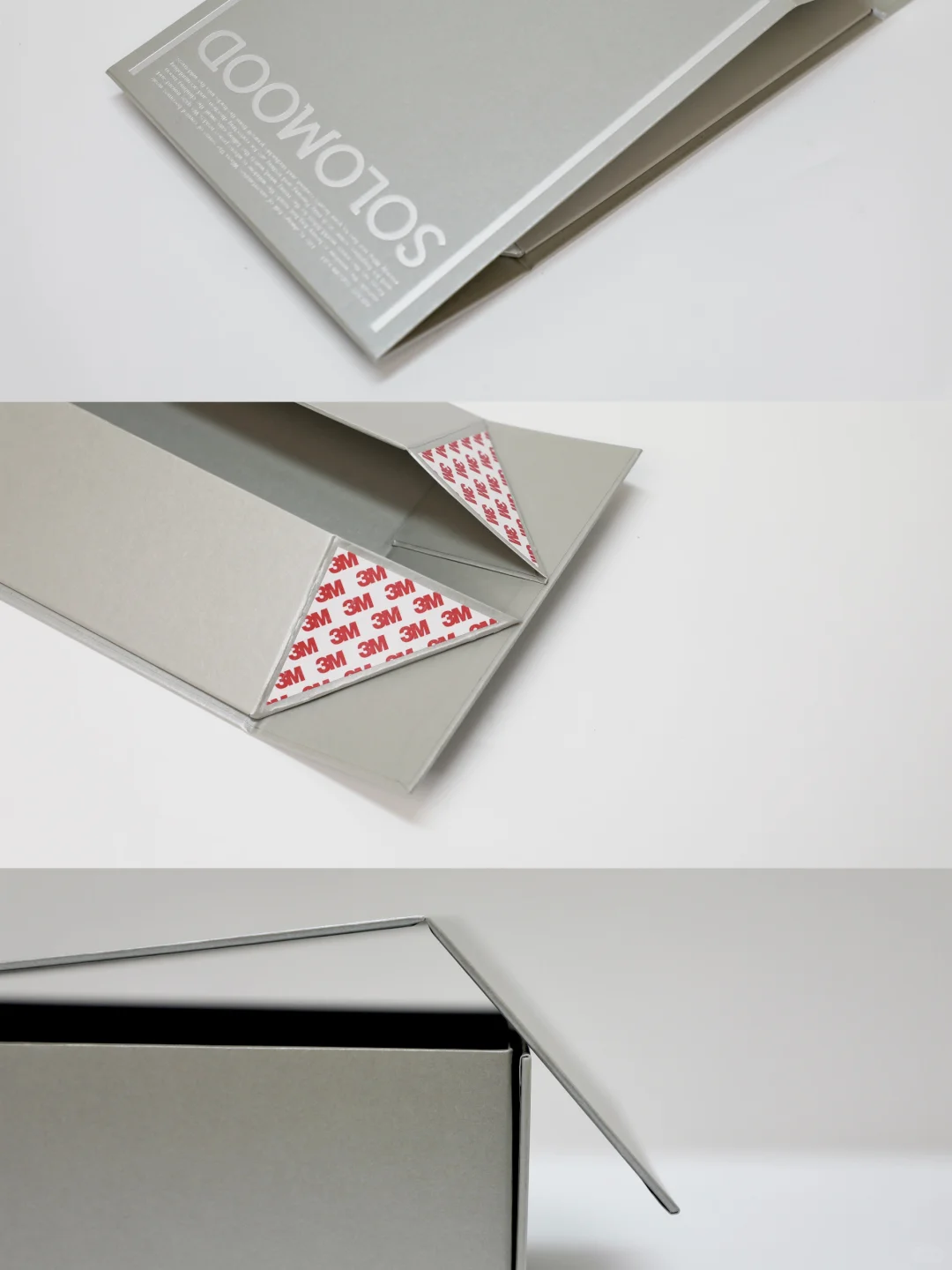
A fold-flat rigid proposal is designed to collapse in a specified state and take its working form later. Review it separately from an ordinary folding carton. Being able to fold does not make the construction, supplied components or assembly work equivalent.
Ask to see the same structure collapsed, erected and during assembly. Confirm how the walls are formed, whether adhesive liners or other fixing points need attention, and when the insert is installed. Also establish whether the box can be collapsed again after erection. Repeated folding should not be assumed.
Allocate each operation: supplier preparation, erection, insert placement and product packing. Confirm that the receiving team has the instructions, space and staff needed for the proposed work.
A flat photograph cannot establish a saving for your order. Compare actual shipping-carton dimensions and counts, freight quotations, storage requirements and assembly charges before deciding whether collapsed delivery changes the total project cost.
Review the insert and transit pack separately
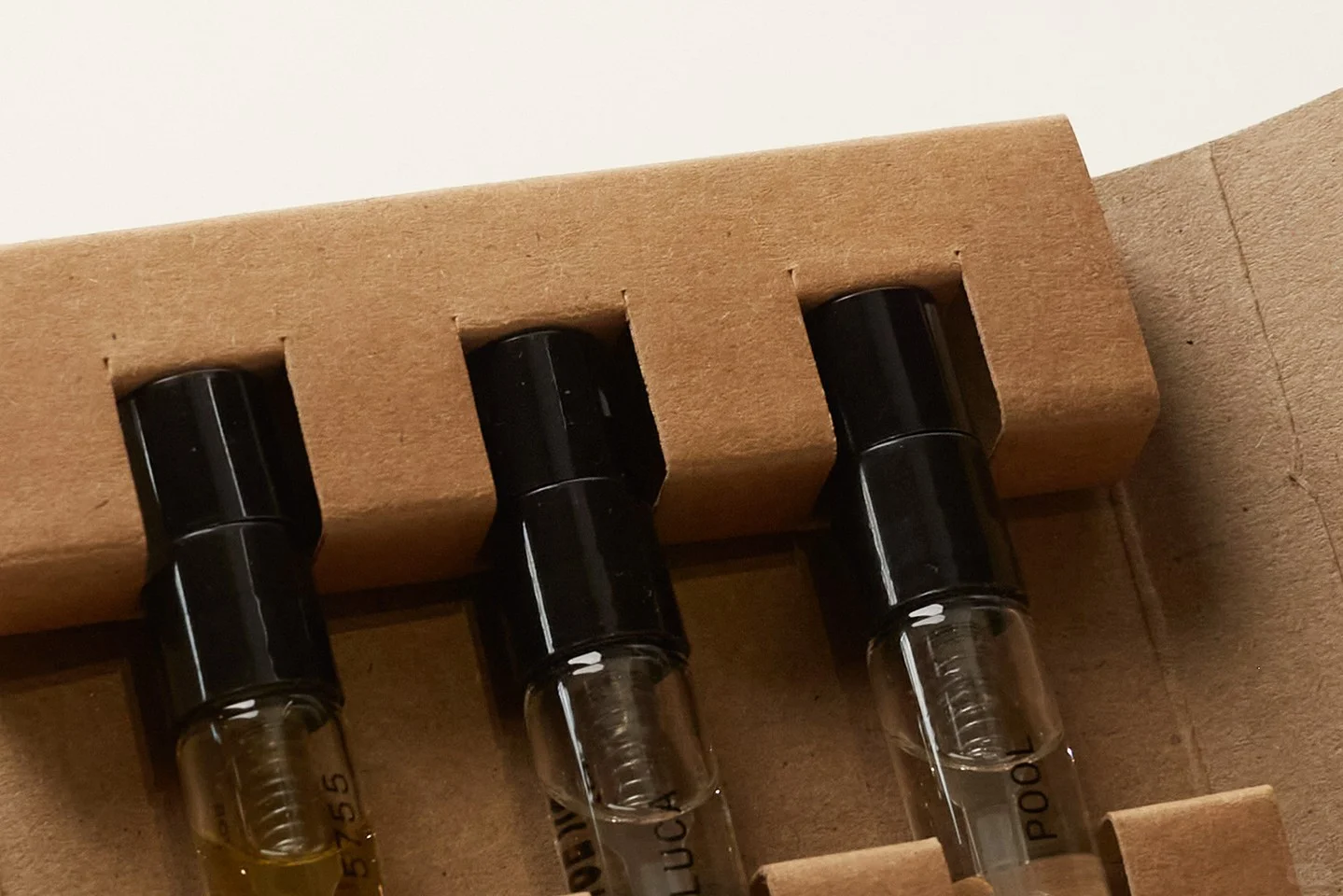
The same outer format can accommodate different insert proposals. Identify the material, opening, contact positions, insertion direction and access for removing the bottle. Check for interference with the cap, spray or decorative details. Equal perfume capacity does not establish equal bottle geometry.
Some proposals combine the outer packaging and product support within one paper structure. That is a design option to examine with the intended product, not proof that an arrangement shown for small samples will suit a heavier or differently shaped bottle.
Retail display and distribution also need separate descriptions. If the order requires an outer shipping carton, cushioning or a combined set, identify who supplies those items and where final packing takes place. An insert inside a retail box does not automatically complete the transport specification.
Compare complete configurations

Give each candidate a reference and record the same information for every proposal: product revision, body construction, opening style, insert and accessories, delivery state, supplier-completed operations, remaining assembly, transit pack, quantity and current files.
Find scope differences before comparing prices. One proposal might include an erected rigid box with its insert installed; another might supply a collapsed body and separate components. Similar external appearance does not make those offers equivalent. Bring the remaining operations, materials and delivery conditions into the comparison.
Mark unresolved paper, insert or closure choices as pending sample confirmation. A reference image communicates a direction; it does not resolve every item behind a generic style name. Keep the current structural drawing, sample and commercial scope connected to one configuration.
Confirm the style with an actual sample
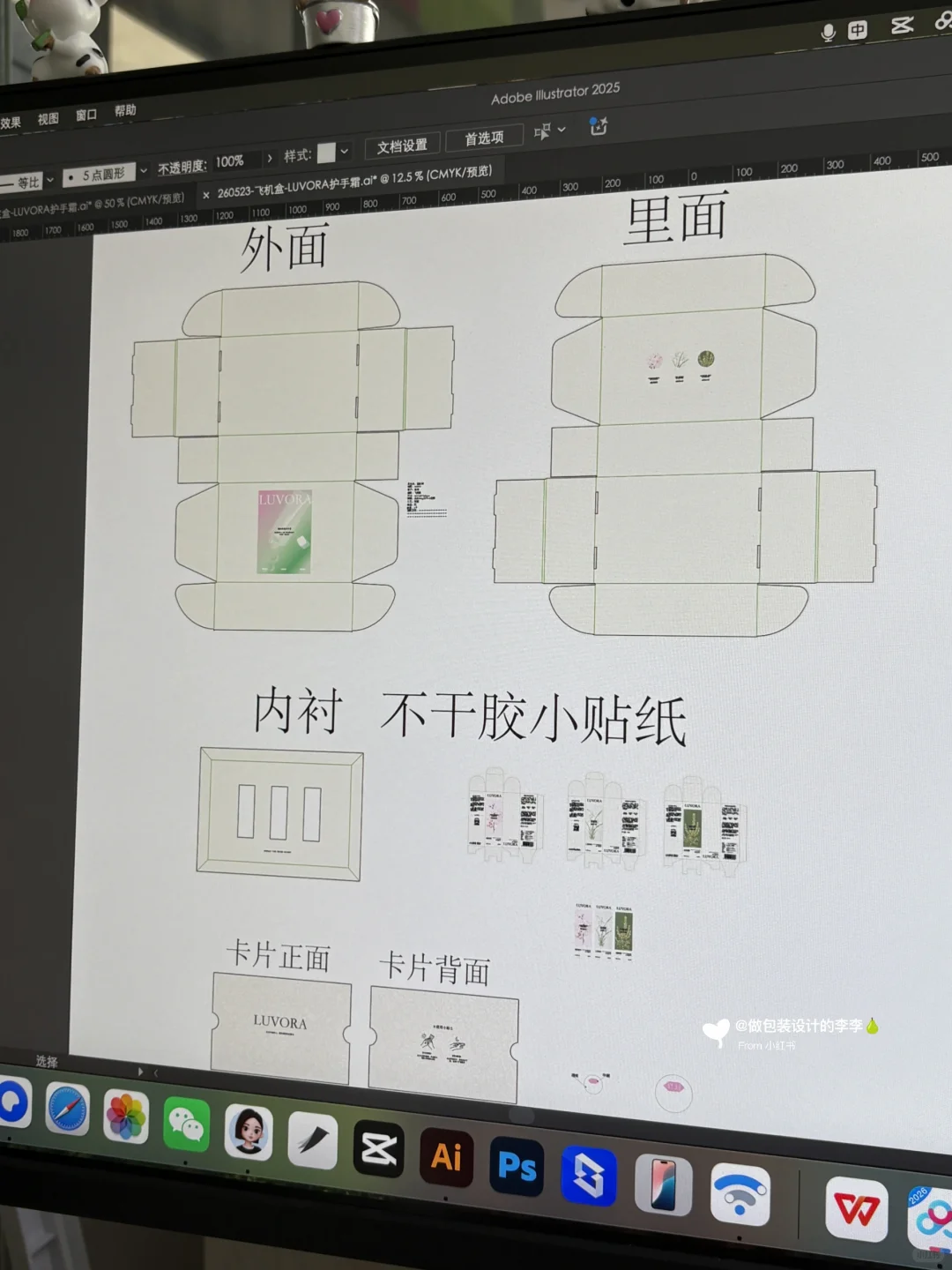
Use the bottle, cap and accessories intended for packing. Follow the expected sequence: erect the box, place the support, load the product, close it, open it and remove the bottle. Record interference, awkward actions and any additional fixing that appears necessary. Review the complete transport configuration separately where distribution is part of the project.
Make each approval specific. State whether it covers dimensions, insert position, opening action, surface appearance or delivery scope. Acceptance of one does not automatically accept the others. A new cap, accessory or insert revision may change the checks that are needed.
To prepare a brief for Bravo Package, bring together the actual product details, reference photographs, planned quantity and desired delivery state. Identify the decisions still open. That gives the box style, sample and quotation a common starting point and makes differences easier to resolve before the next order stage.