
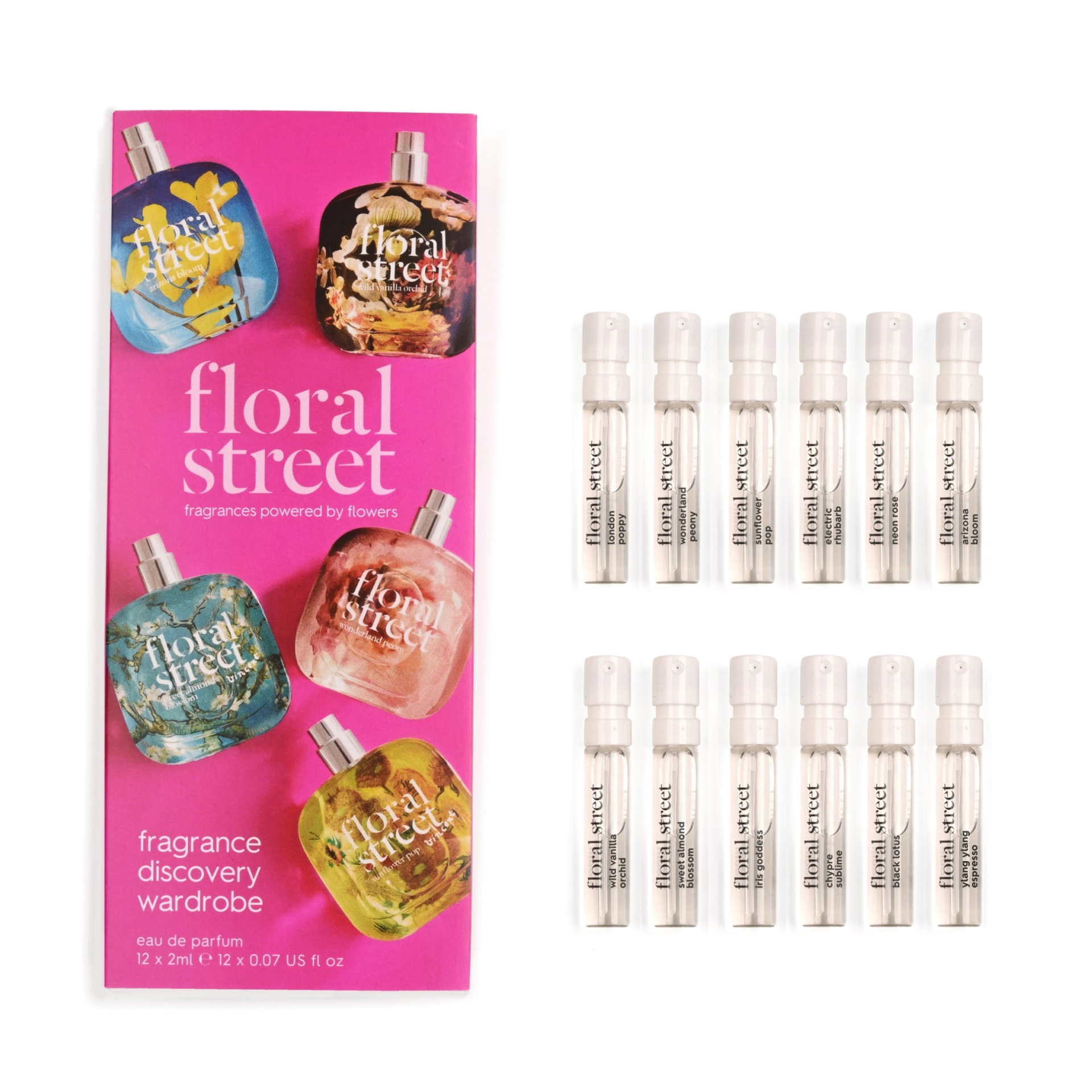
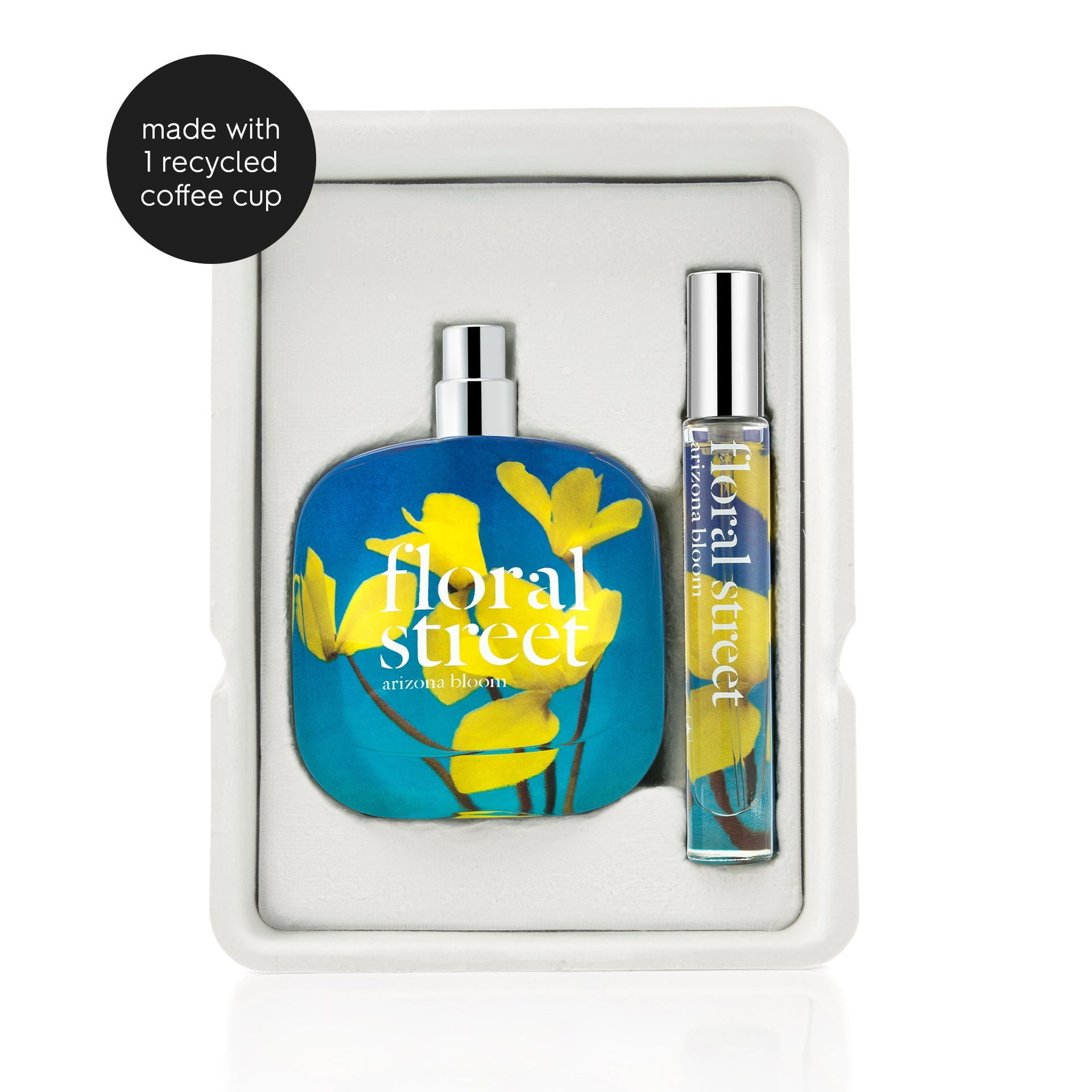
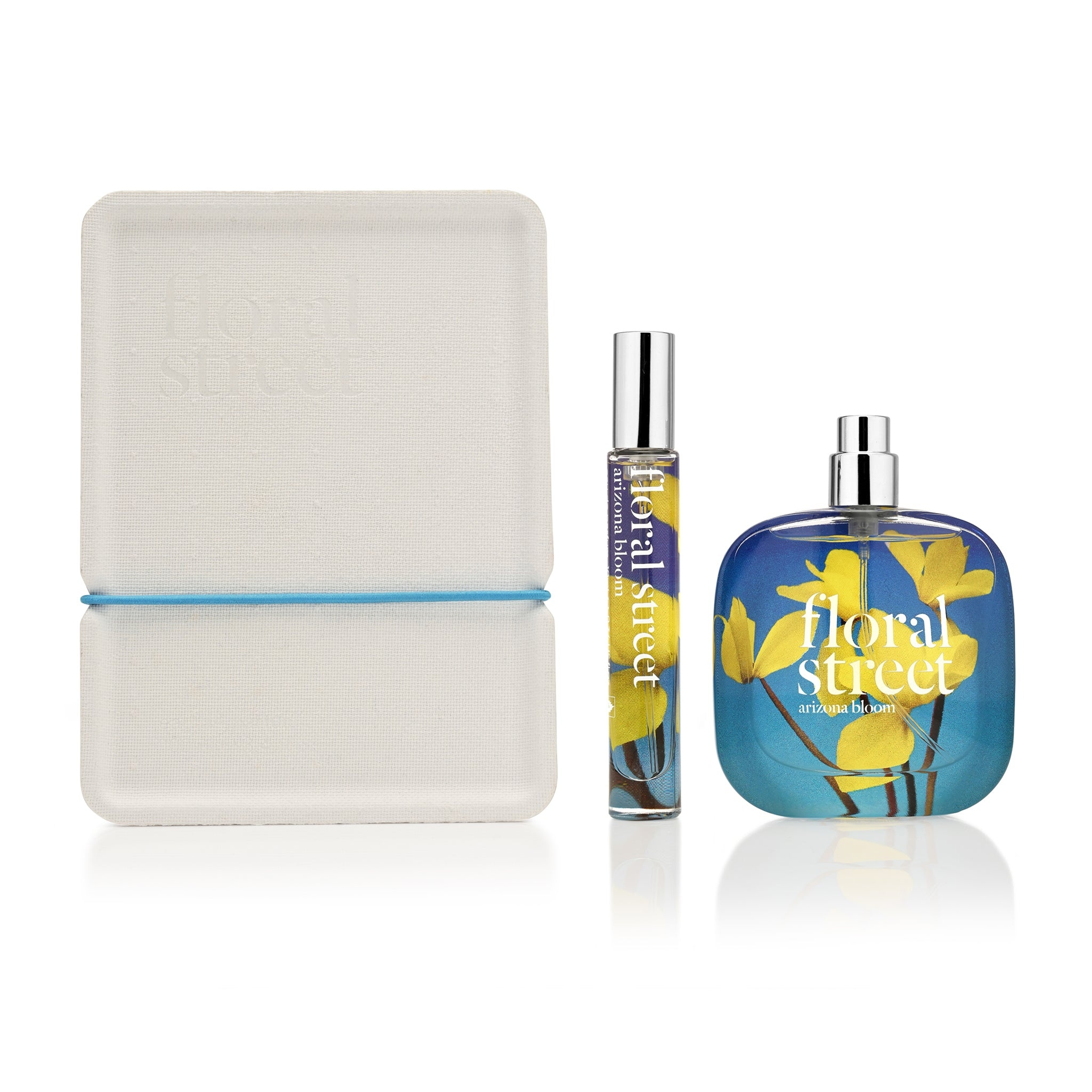
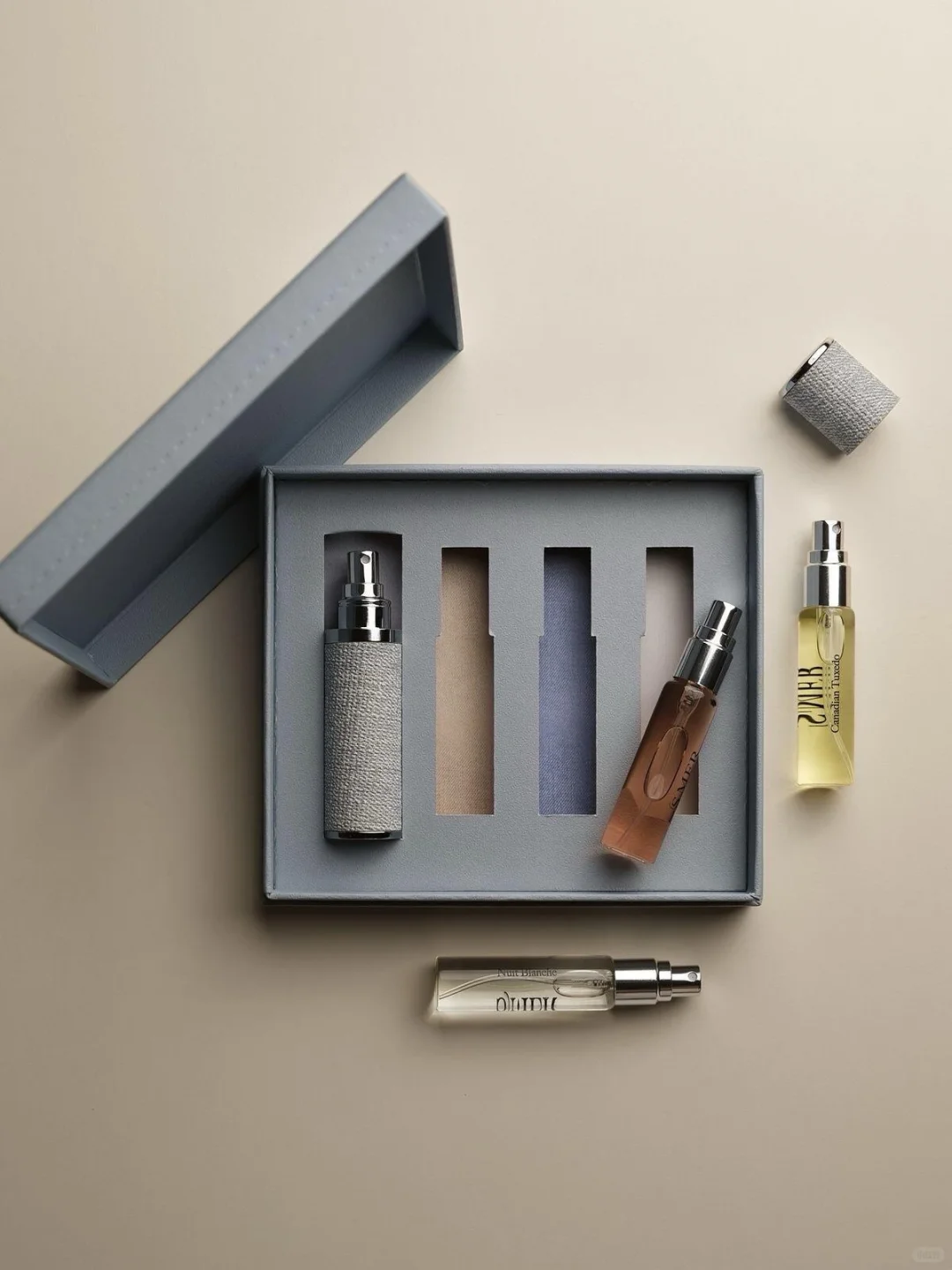
A Floral Street discovery carton appears beside twelve vials. The separated product presentation does not establish that an insert was removed or that the carton was tested for storage. Third-party reference; not a Bravo Package project.
A removable insert in a perfume gift box serves two stages: locating the original product as required, then leaving a box that can be understood and used for a defined purpose. Removing the insert is only the beginning. The removal path, box walls, adhesive residue, remaining space and intended storage items all need examination. A proposed second use does not replace protection of the perfume, and an attractive box or material name establishes neither a useful lifespan nor an environmental benefit.
Keep the original product requirements intact
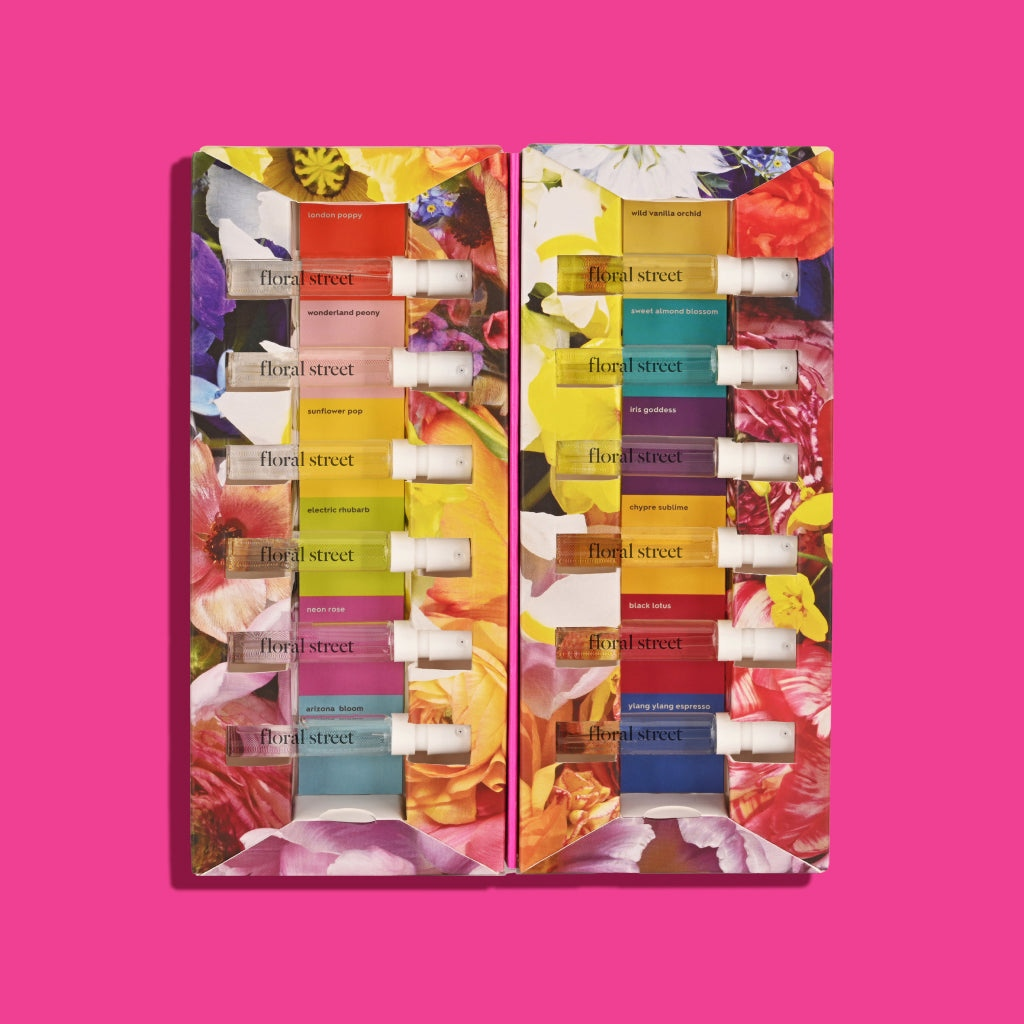
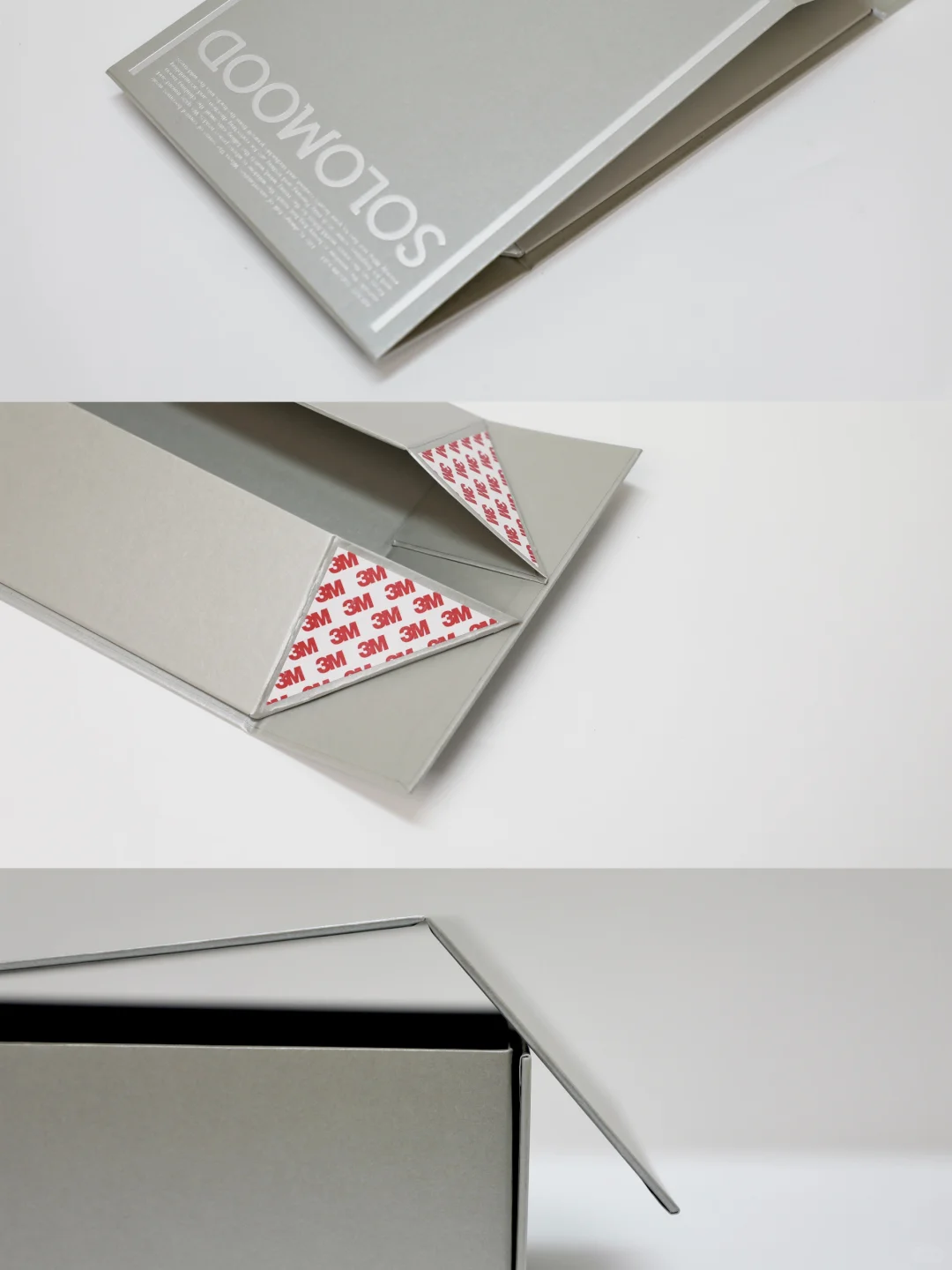
List the final capped bottle, additions and internal components, recording actual outlines, quantities, contact areas and removal requirements. A removable design must not leave positioning or closure unresolved merely to facilitate later storage. Review the original packed state and the post-removal state separately.
Identify the insert, dividers, base pad and their connections to the box. Paper construction does not establish damage-free removal, and a drawer does not establish that its insert lifts out independently. Revisit affected requirements if a change alters bottle position, lid space or assembly. Transport protection still needs the complete packed configuration.
Confirm the intended hand-removal path
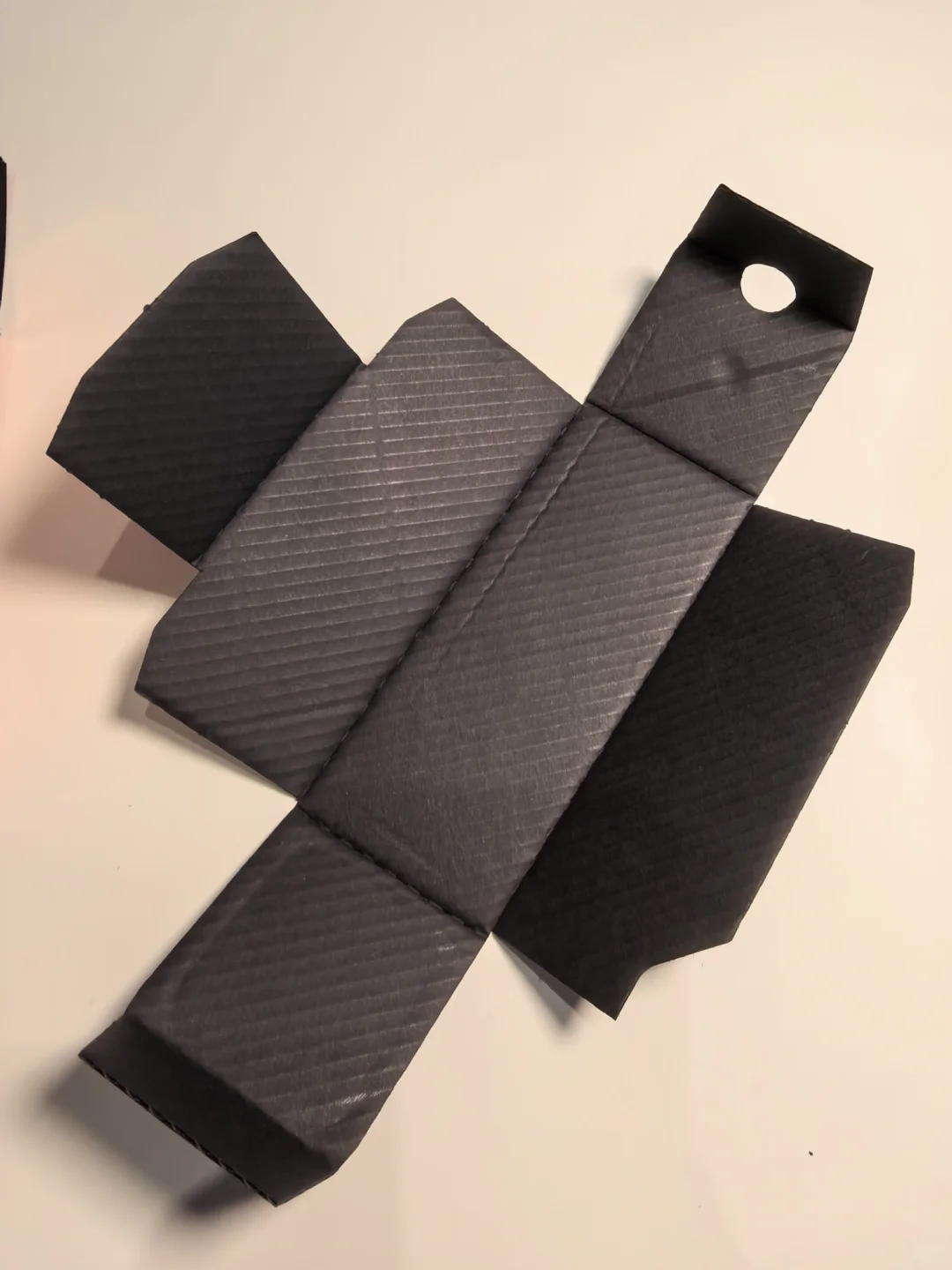
Provide a clear grip location and direction, then try the intended removal with the current complete sample. Observe finger access, whether other parts lift with the insert, and whether the action distorts the walls or tears a connection. Distinguish an intended user action from dismantling at a production bench.
Personal modifications involving a ruler, prying or re-gluing do not demonstrate easy removal. If the planned hand action fails, return to the connection or construction rather than expecting users to improvise tools. Removability describes a defined sample state, not a universal property of inserts.
Inspect the walls and residue after removal
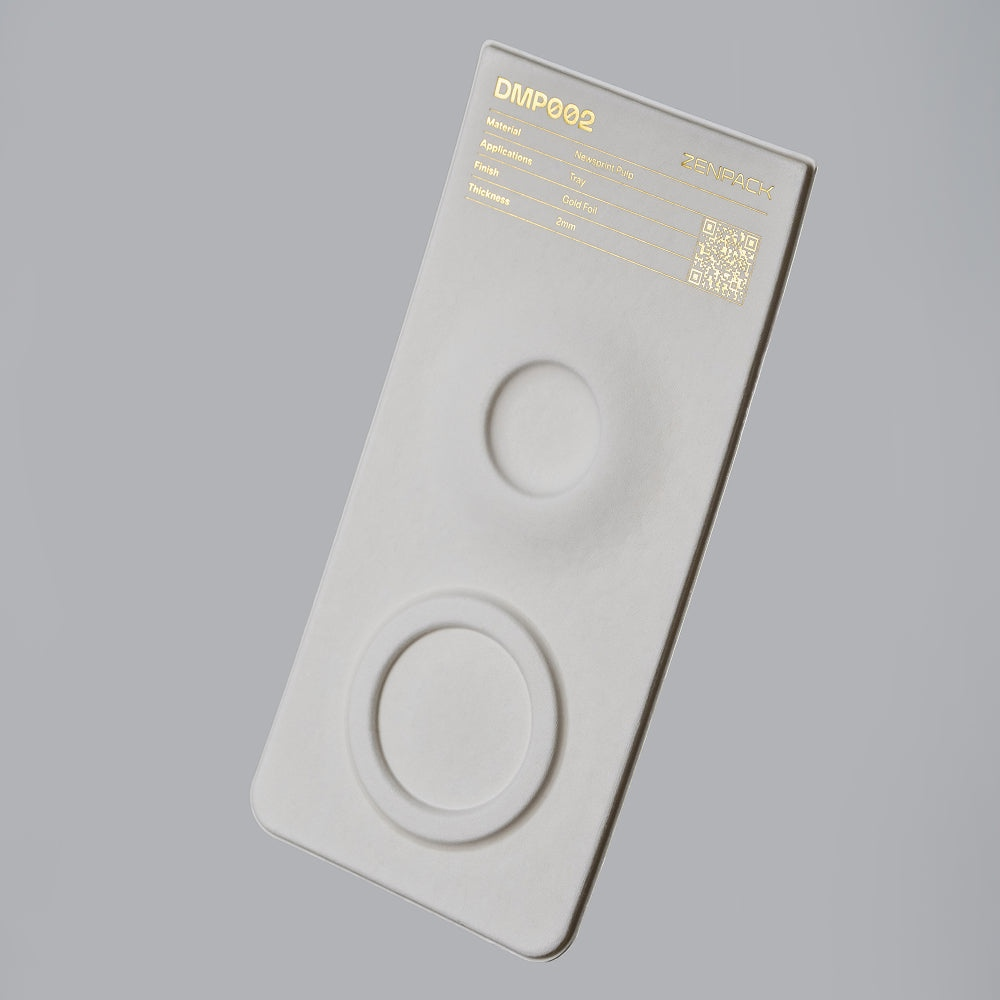
After removal, record torn surfaces, adhesive residue, exposed connections, lifted base pads and loose parts, identifying changes from the original sample. An intact exterior does not establish a usable interior. Remaining connections can consume space or obstruct access.
If the box needs repair to keep its shape, distinguish that from an intentionally designed transition. After proposing a change, repeat the removal and empty-box checks with a new sample. One successful removal does not establish repeated use. Do not promise residue-free or damage-free results or a fixed opening lifespan.
Measure usable space for defined small items
Select a specific non-food desktop use, such as identified cards or stationery, recording item dimensions, quantities and access direction. Measure the usable cavity and opening after removal rather than the external box. Account for remaining ledges, lid projections and retained dividers.
Place the intended items inside, close the box and remove them, checking obstruction and grip access. Dividing volumes cannot establish suitability. One storage proposal is not evidence for food, medicines, planting or an electrical conversion. Where photographs do not show the empty-box use, retain it as a design proposal awaiting verification.
Trial the transition and its explanation together
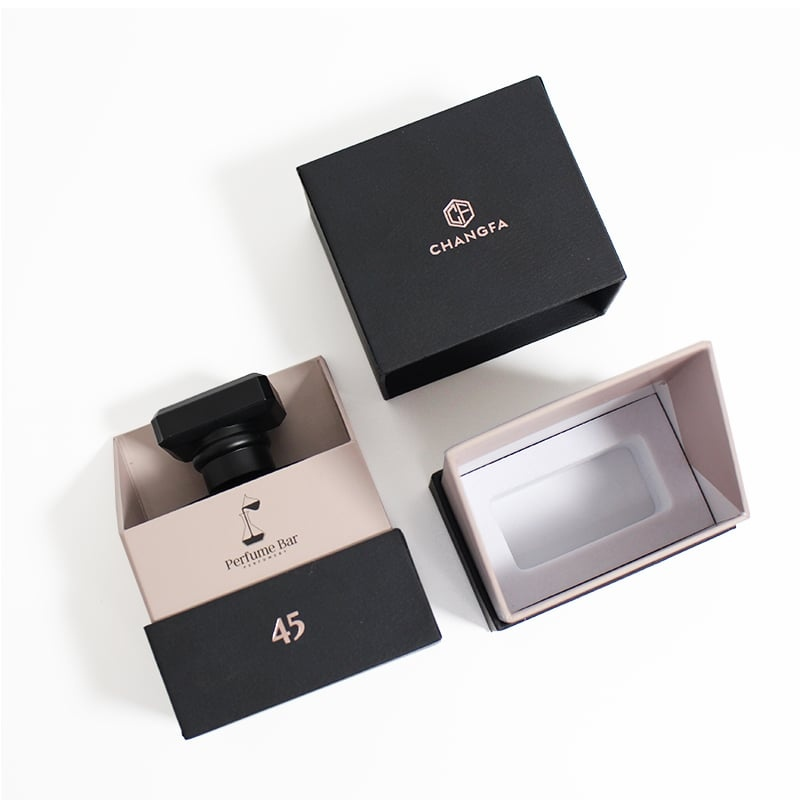
Explain when the product is removed, which component follows the intended removal path, what remains and the proposed subsequent use. Use names and illustrations matching the current sample rather than another box’s dismantling method. Have someone outside the design process interpret the instructions and record pauses or mistaken identities.
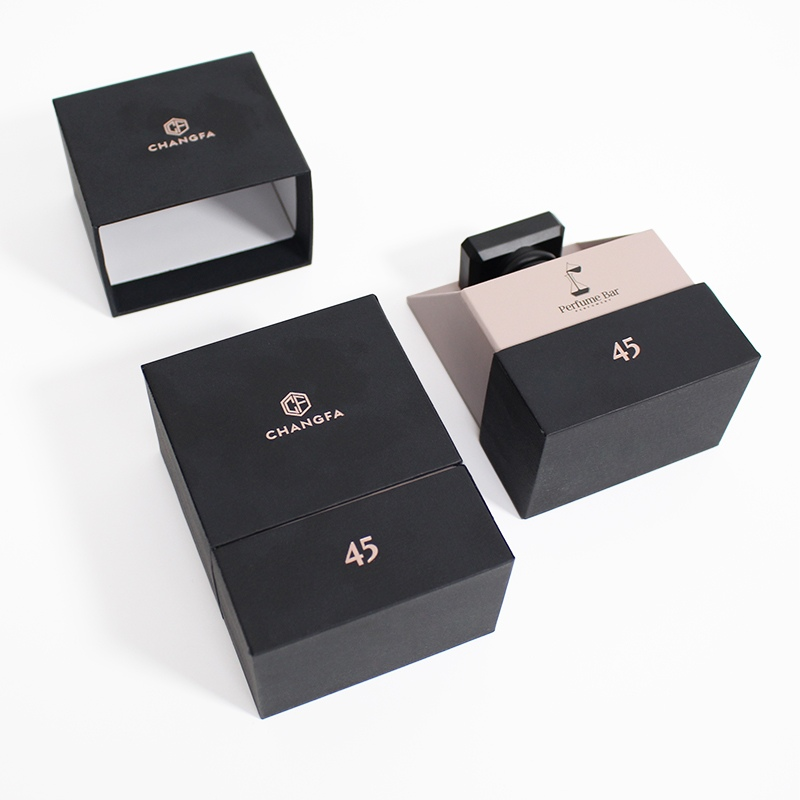
Taking out the bottle does not complete insert removal, and pulling a pack from a sleeve does not validate empty-box storage. The references here show samples, product positioning and visible opening states, without a complete insert-removal and actual-storage comparison. They are not verified second-use cases.
Approve and revise the two states separately
Link the original product configuration, insert connections, removal path, post-removal walls, usable dimensions, intended items and sample revision in the handover. Record original-pack confirmation separately from storage trials, keeping unresolved points visible. Similar promotional articles do not accumulate into test evidence.
After changing the insert, adhesive, facing paper or box construction, revisit the affected states. Removability and storage are specific design functions, not automatic environmental benefits, long-term durability or brand exposure. The record should show what the current sample can do and what remains unverified.