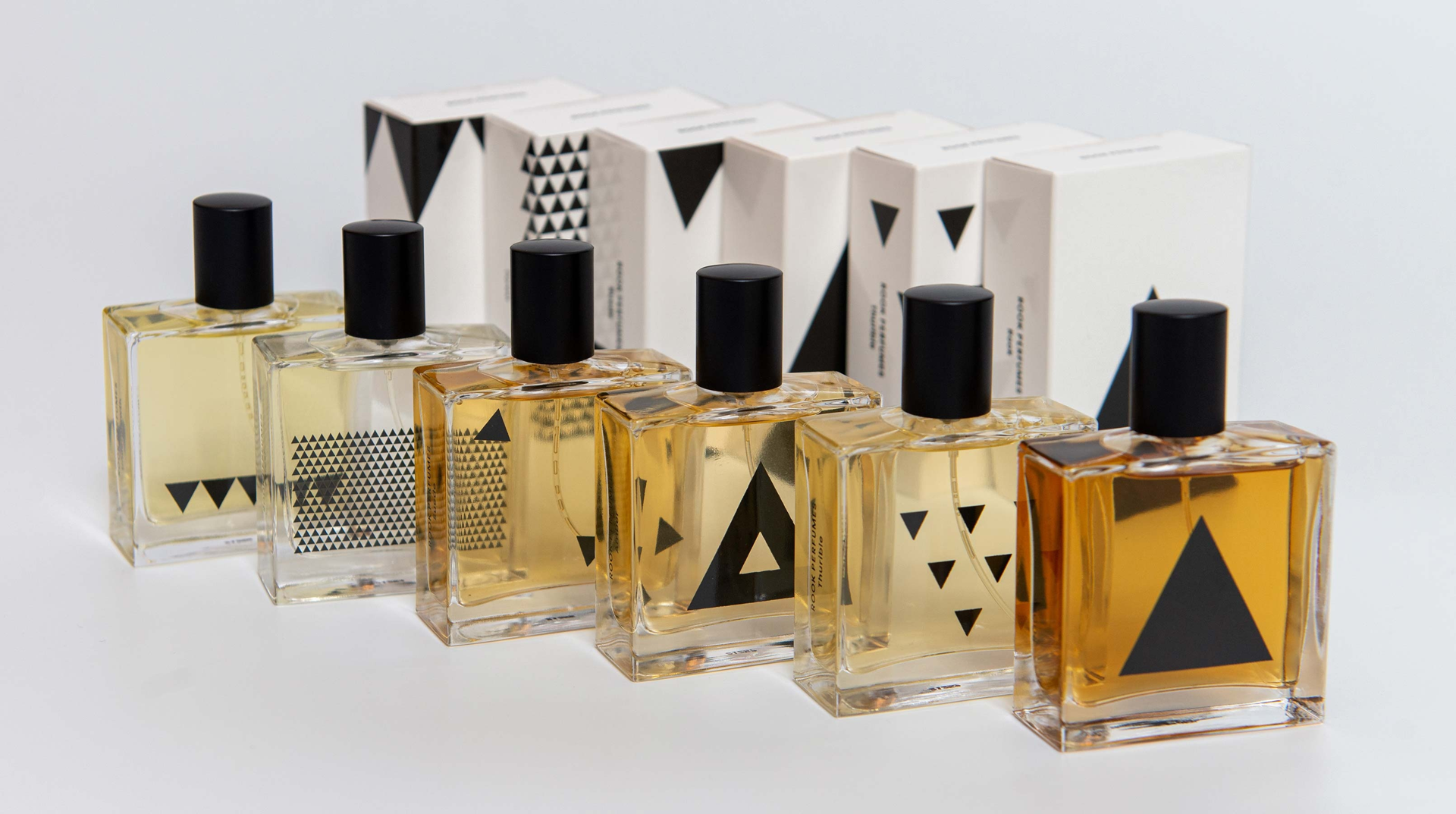
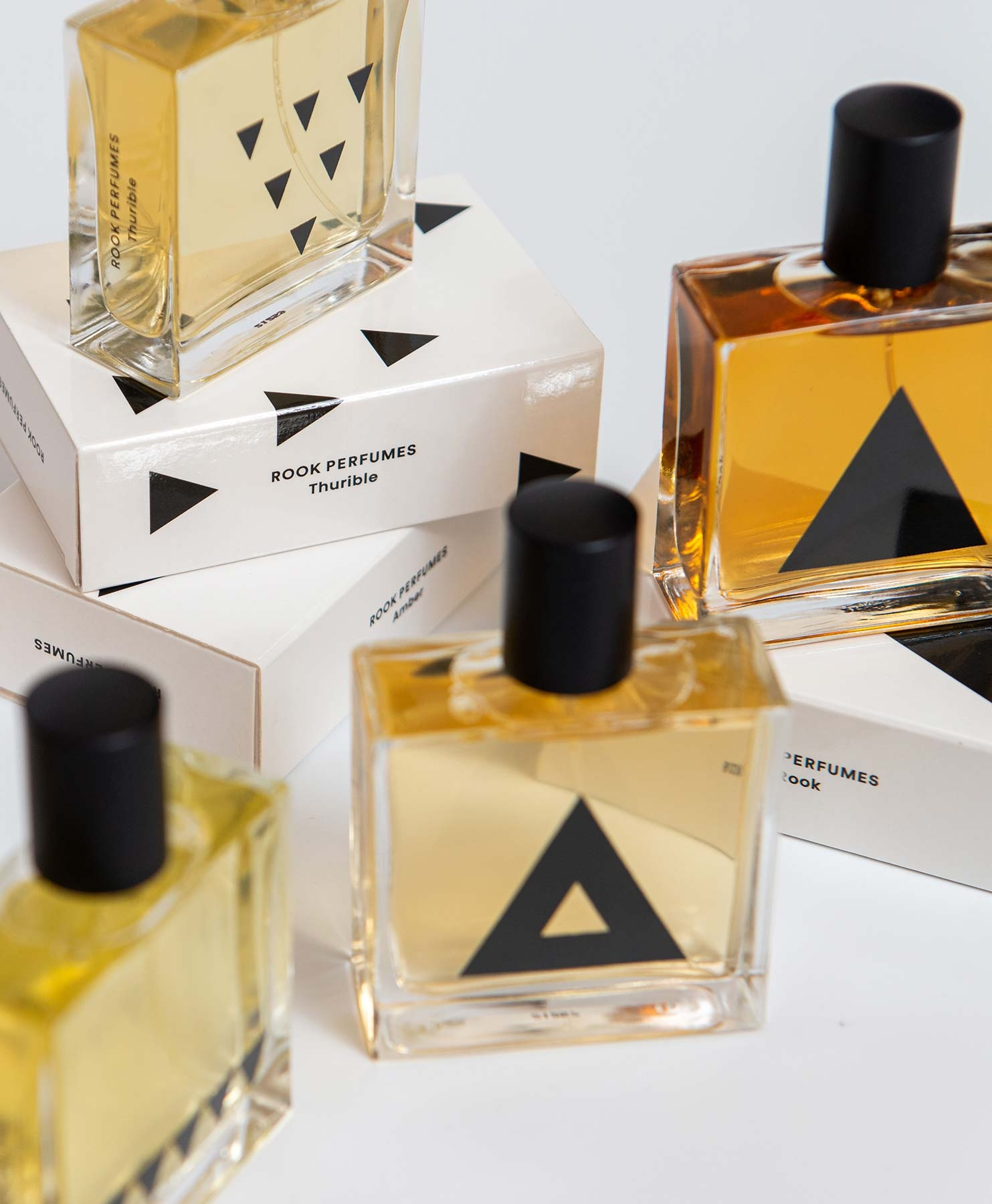
Rook bottles line up in front of printed cartons. This product photograph does not establish dimensional fit or sample approval. Third-party reference; not a Bravo Package project.
Approving a perfume packaging sample means stating what that particular sample establishes. A lid that closes does not establish transport performance, and attractive printing does not establish easy bottle removal. Separate sample identity, physical fit, appearance and the complete shipping configuration, then connect each observation to its location and revision. The result should be an approval with a clear scope, including the questions still open.
Identify the sample before judging it
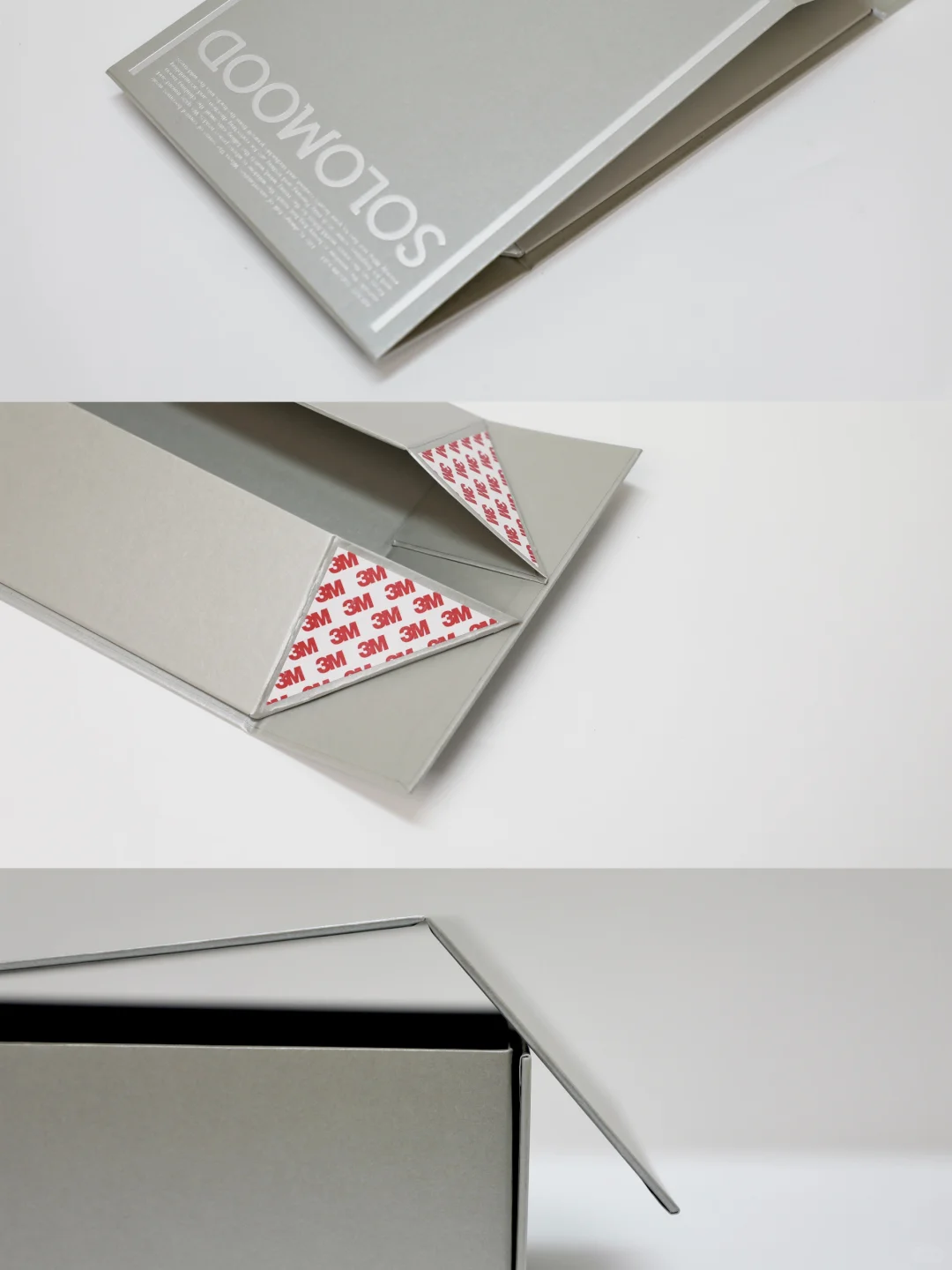
Before inspection, record the sample ID, date, artwork revision, intended product and complete component list. State whether it is a structural blank, a print or surface reference, or a complete sample close to the intended production configuration. List differences in materials, processes and inserts instead of assuming that unspecified details match.
Different samples answer different questions. A blank can help examine folding and space, but cannot approve final printed colour. A printed sheet cannot establish lid clearance after filling the box. Packaging sample approval is also separate from formula safety, primary-container sealing, incoming-batch acceptance and production-process checks.
Trial the actual capped bottle and additions
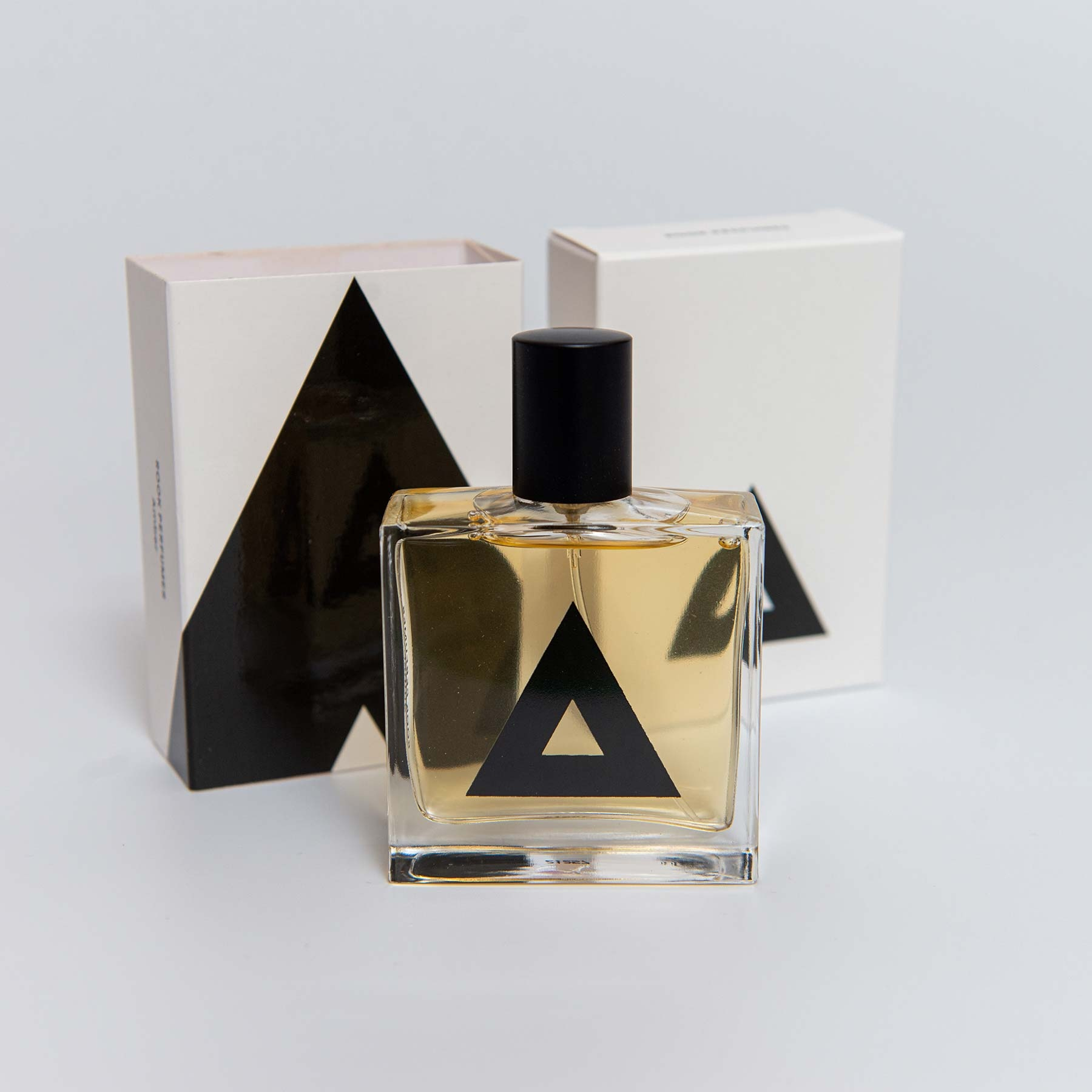
Use the intended sale configuration, including the final capped bottle and additions. Check bottle identity, size variant and card quantities. Load it in the intended direction and observe contact points, clearance above the cap, closure, finger access and removal. Record unusual squeezing, distortion or extra actions rather than relying on a photograph of a closed lid.
Map each product configuration to its corresponding sample. A visually similar bottle is not a substitute for the actual fit check. Being able to insert it does not establish support, repeated operation or transport protection. Recheck affected areas after changing the cap, insert or additions.
Compare appearance under defined conditions
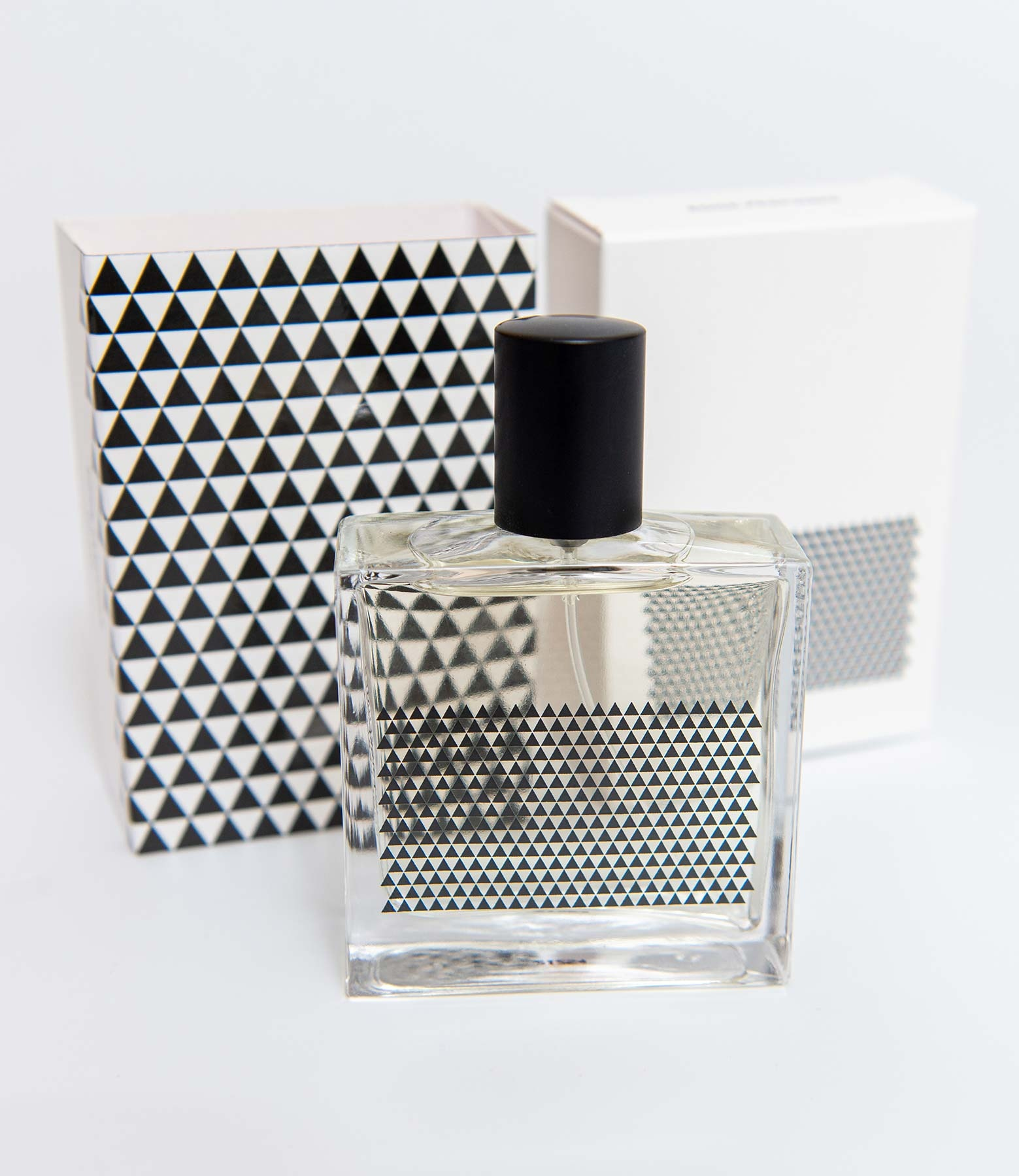
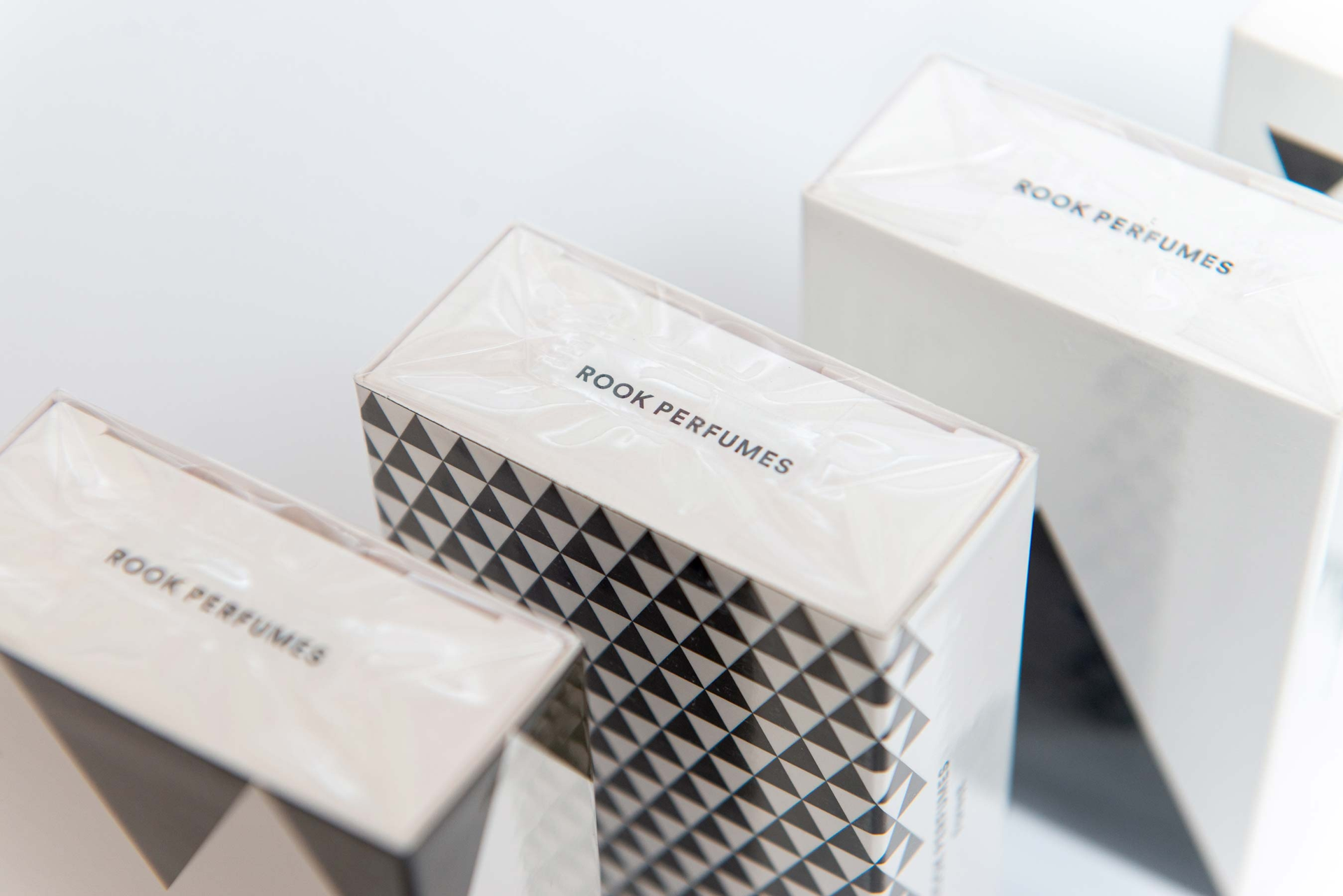
Compare colour, wording, surfaces and seams against the agreed current reference under defined viewing conditions. Inspect the formed front, narrow panels, folds, corners and opening rather than only a flat sheet. Match names, capacity, languages and codes to the final artwork. Where a code is checked, identify the physical sample and reading conditions.
Describe the location, direction and visible state of each issue, supported by an overall view and a detail photograph. Colour differences, scuffs or exposed edges may require investigation; a photograph alone cannot diagnose their material or processing cause. Do not introduce universal colour tolerances, dimensional limits or sampling thresholds without a project agreement.
Keep the approval scopes separate
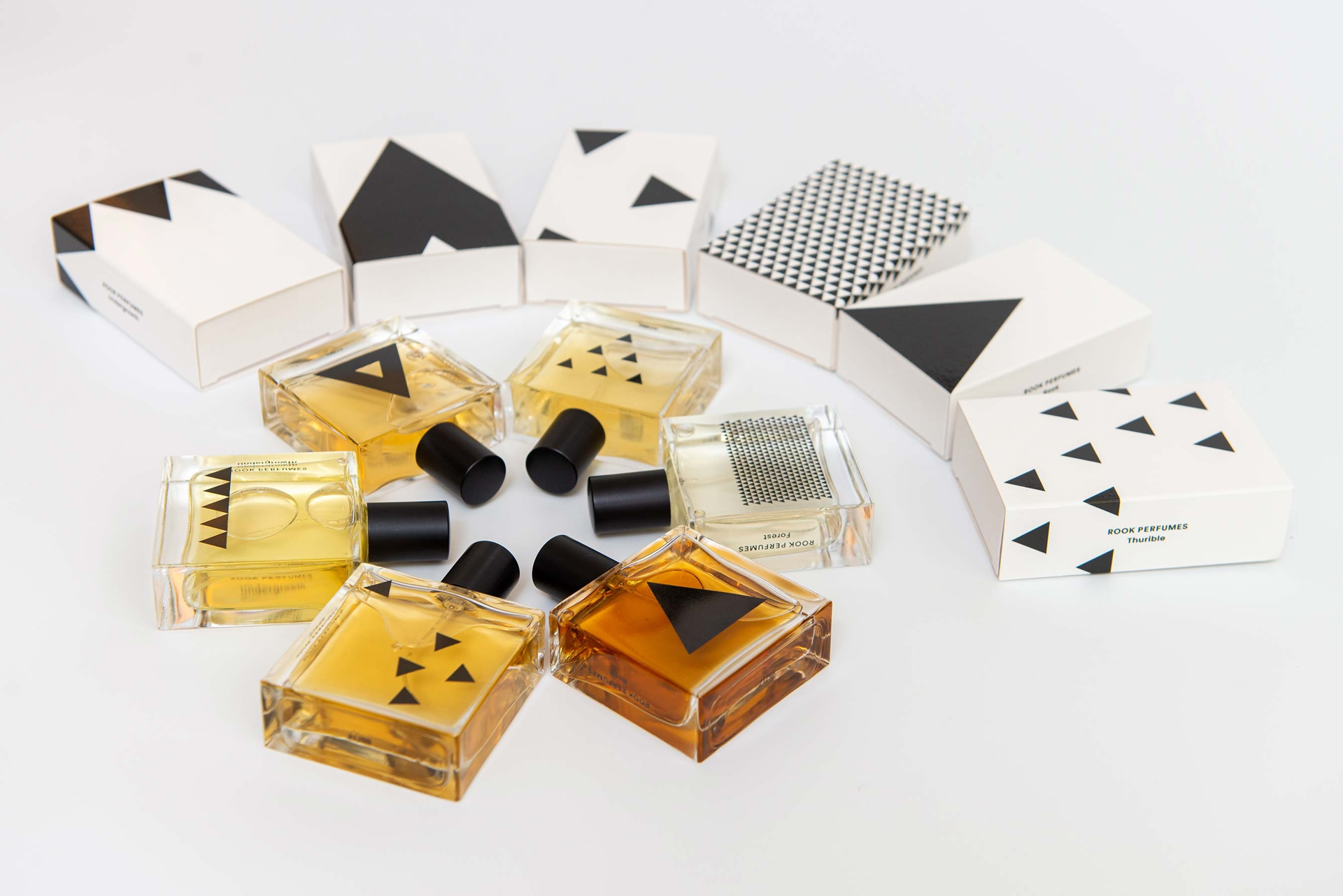
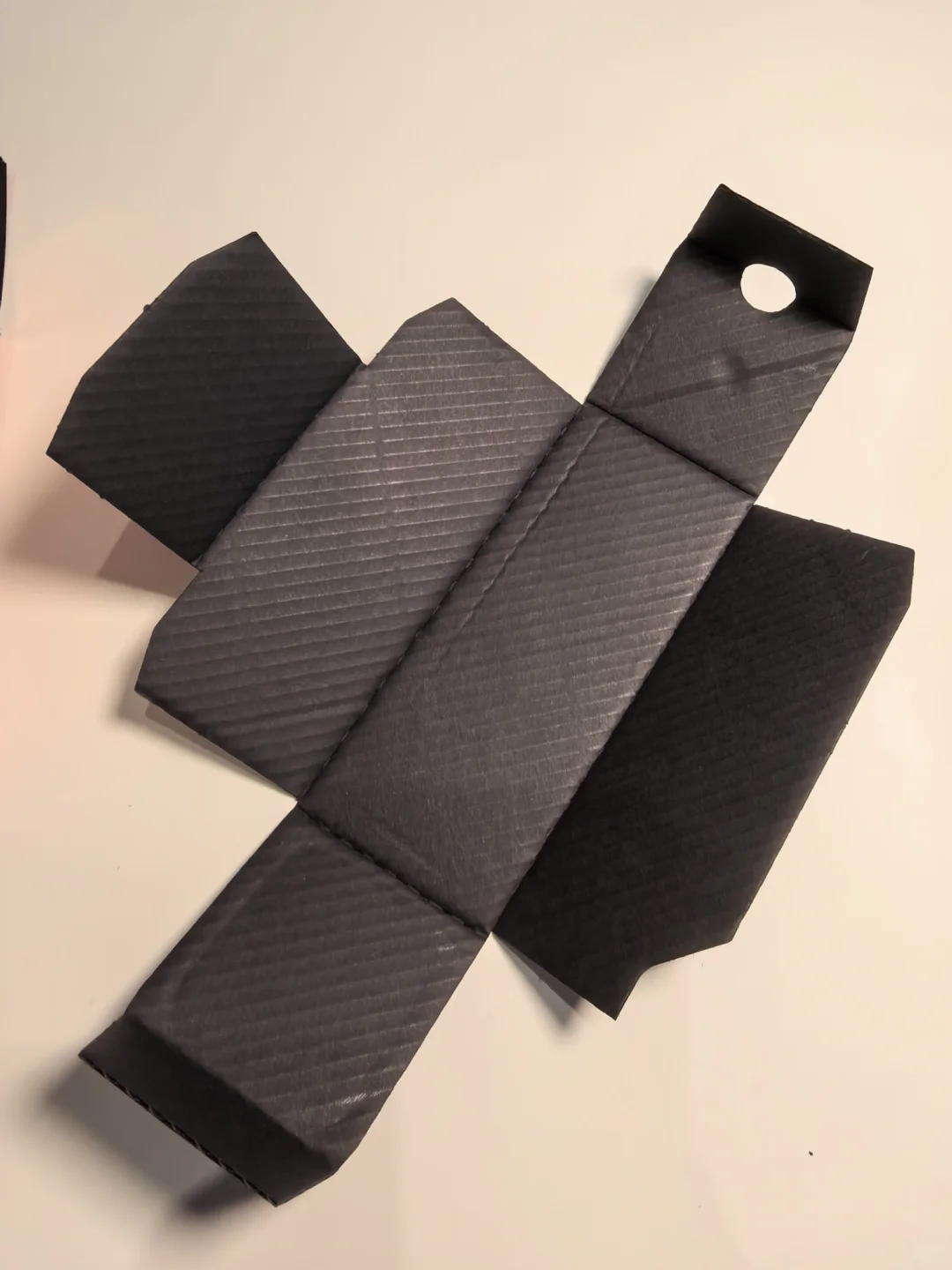
Keep separate entries for sample identity and differences, complete-product handling, formed appearance and the shipping configuration. For each, record the object examined, reference or conditions, observation, responsible person and open action. One sample can have an accepted appearance and an unresolved fit issue.
If appearance is accepted while the shipping configuration is not yet established, preserve that distinction instead of marking the whole package approved. A supplier completing a sample, a brand accepting its appearance and a later batch inspection are different records. Approval of one sample does not establish defect-free future batches.
Define transport verification separately
Link the actual product, retail box, cushioning, shipping carton, pack quantity, arrangement and closure to one revision. Record the complete trial pack, then define verification and acceptance appropriate to the project’s actual transport conditions. An intact carton or an uneventful gentle shake describes only what was observed at that moment.
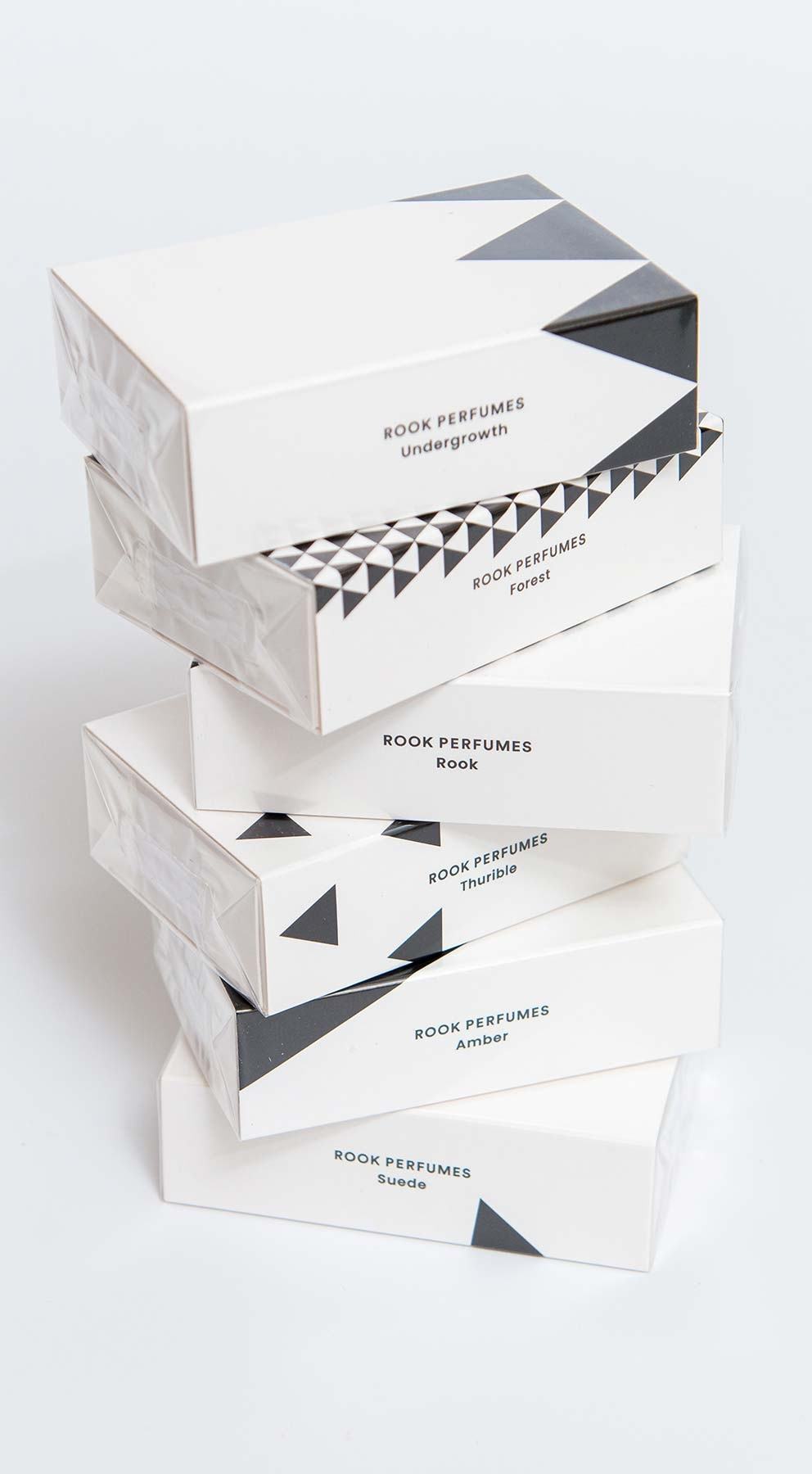
Before and after verification, examine the shipping carton, retail pack and product positions, recording changed locations and conditions. Retail-box appearance checks cannot replace transport evaluation, and a packaging photograph cannot establish cushioning performance. The Rook photographs here show finished-pack appearance, not an inspection session or evidence of transport testing.
Connect corrections to review and approval
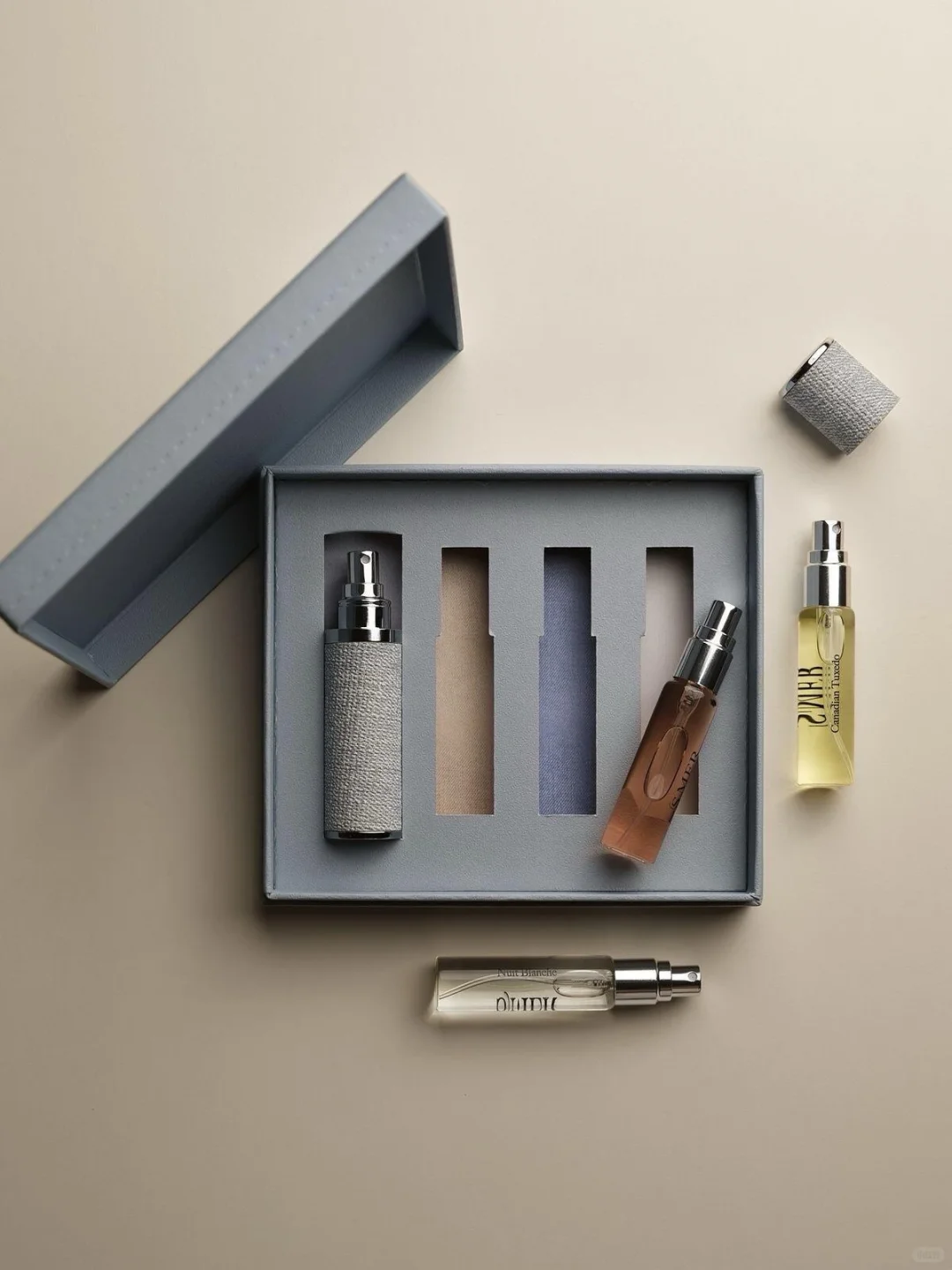
Attach the sample ID, artwork revision, location, photographs and proposed action to each issue. Distinguish accepted points, required corrections and unresolved questions. After revision, provide the corresponding new sample or clearly applicable review evidence, checking effects on adjacent panels, fit and closure. A chat message saying “changed” is not a located revision record.
At sign-off, state the approved scope, retained differences, unfinished items and effective revision. Keep the sample and written specifications together. When materials, processes, bottle identity or the shipping configuration change, decide which conclusions need renewed confirmation rather than carrying an old approval across every new configuration.