
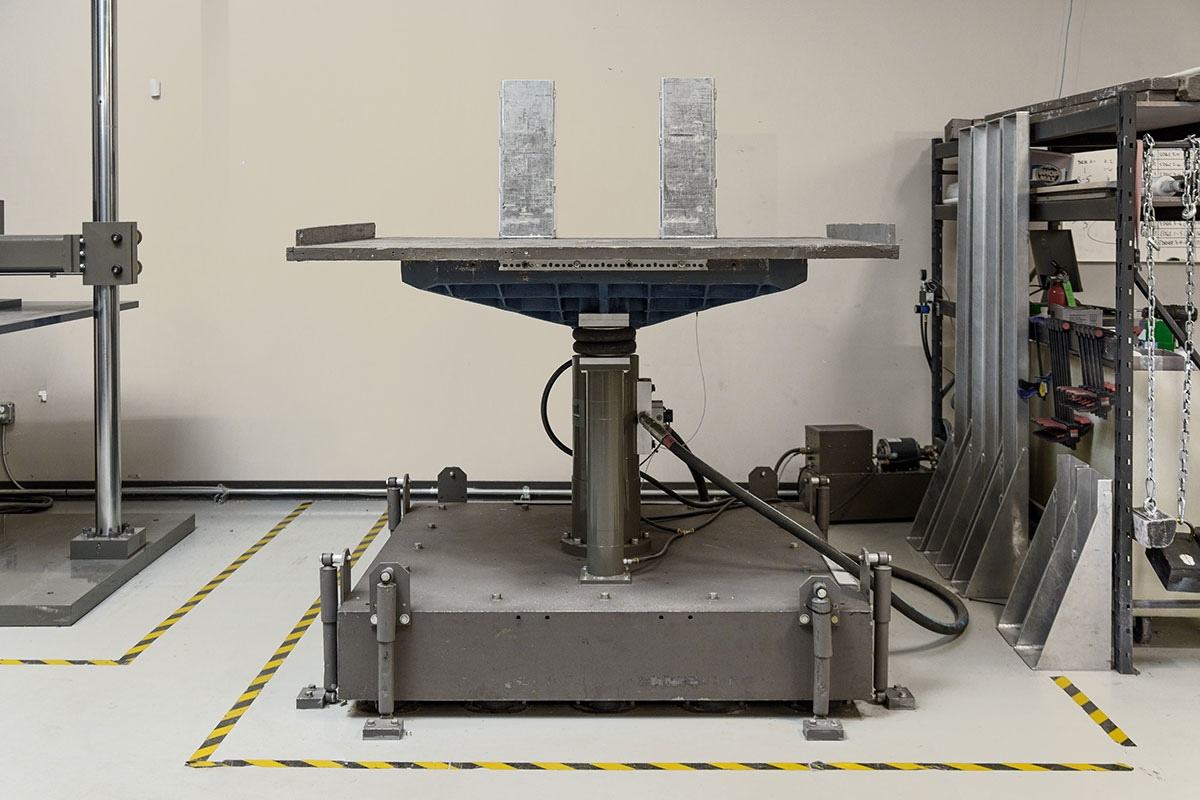
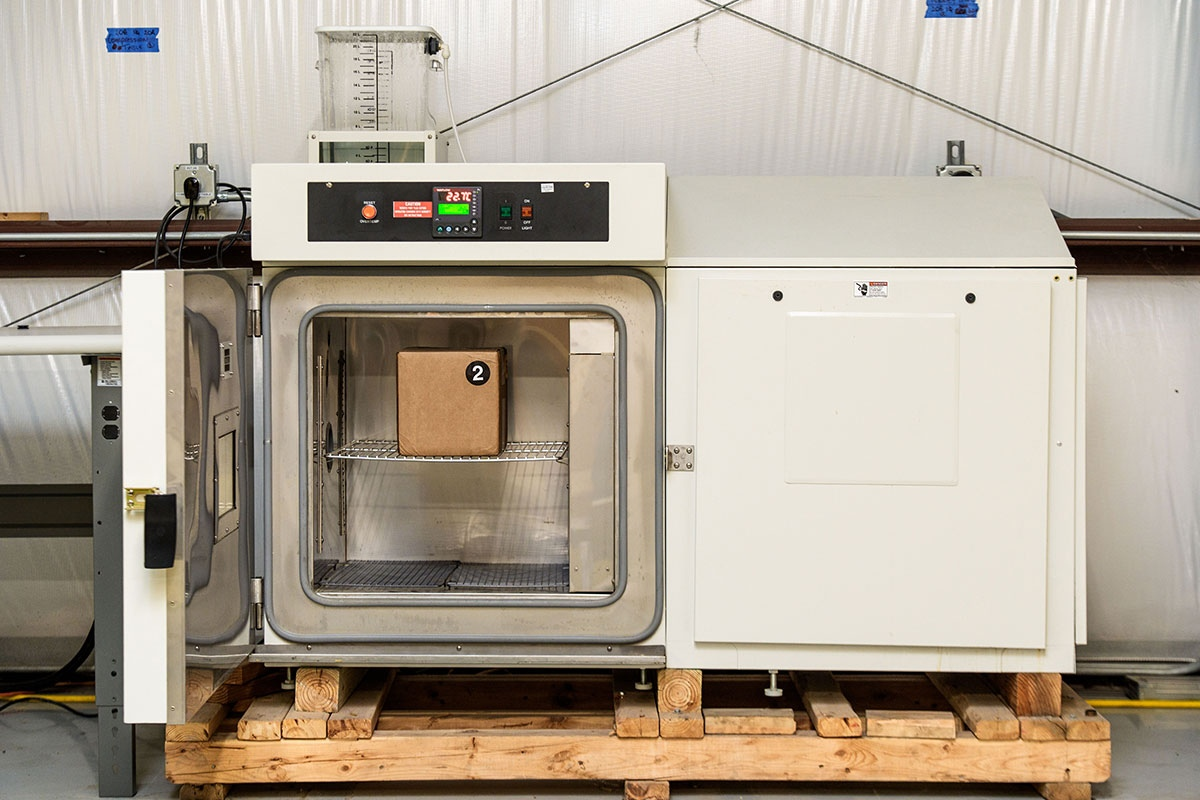
A vibration test system at Compadre Labs illustrates a testing category. Third-party Compadre Labs equipment; not a Bravo facility, commissioned test or perfume test result.
The packaging tests needed before production depend on the decisions still to be made. Bottle handling, formed appearance and the suitability of a complete shipping configuration are different questions. Define the object, actual configuration and acceptance basis before arranging checks or tests. A long list of test names is less useful than a plan explaining what each result will support and what remains outside its scope.
Start with the decisions to be made
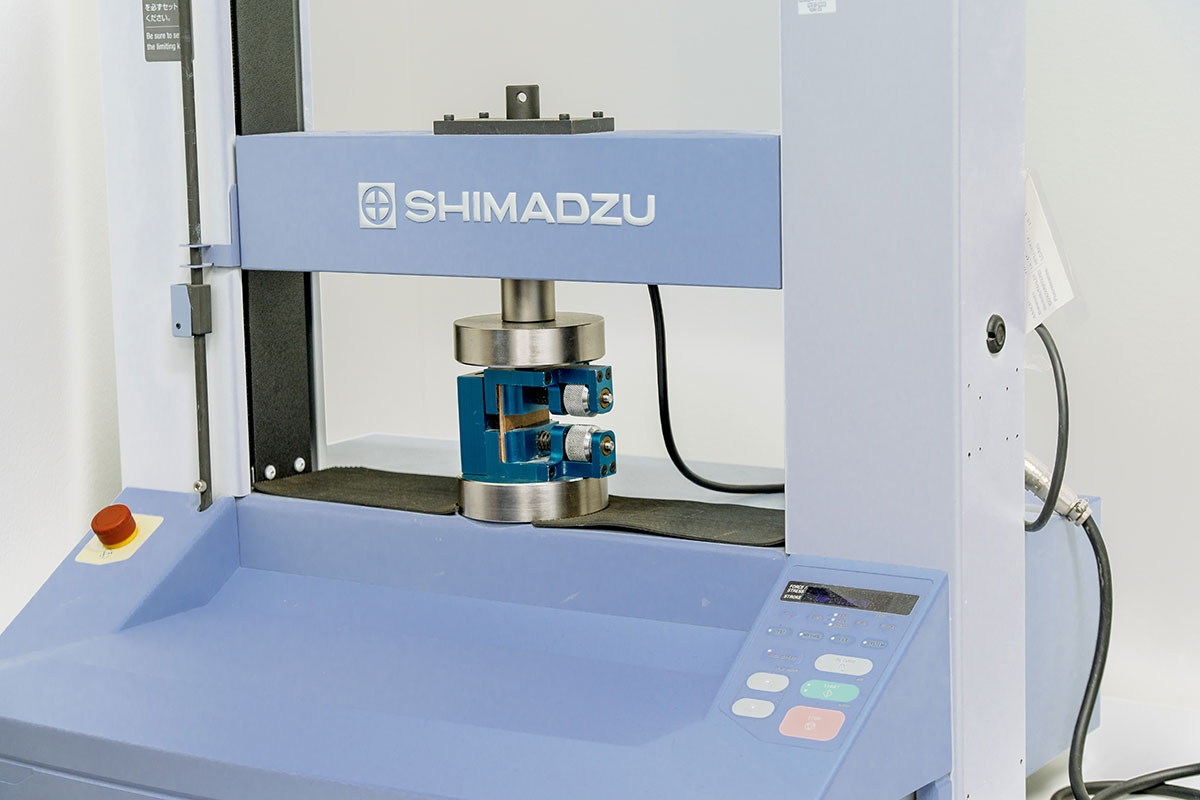
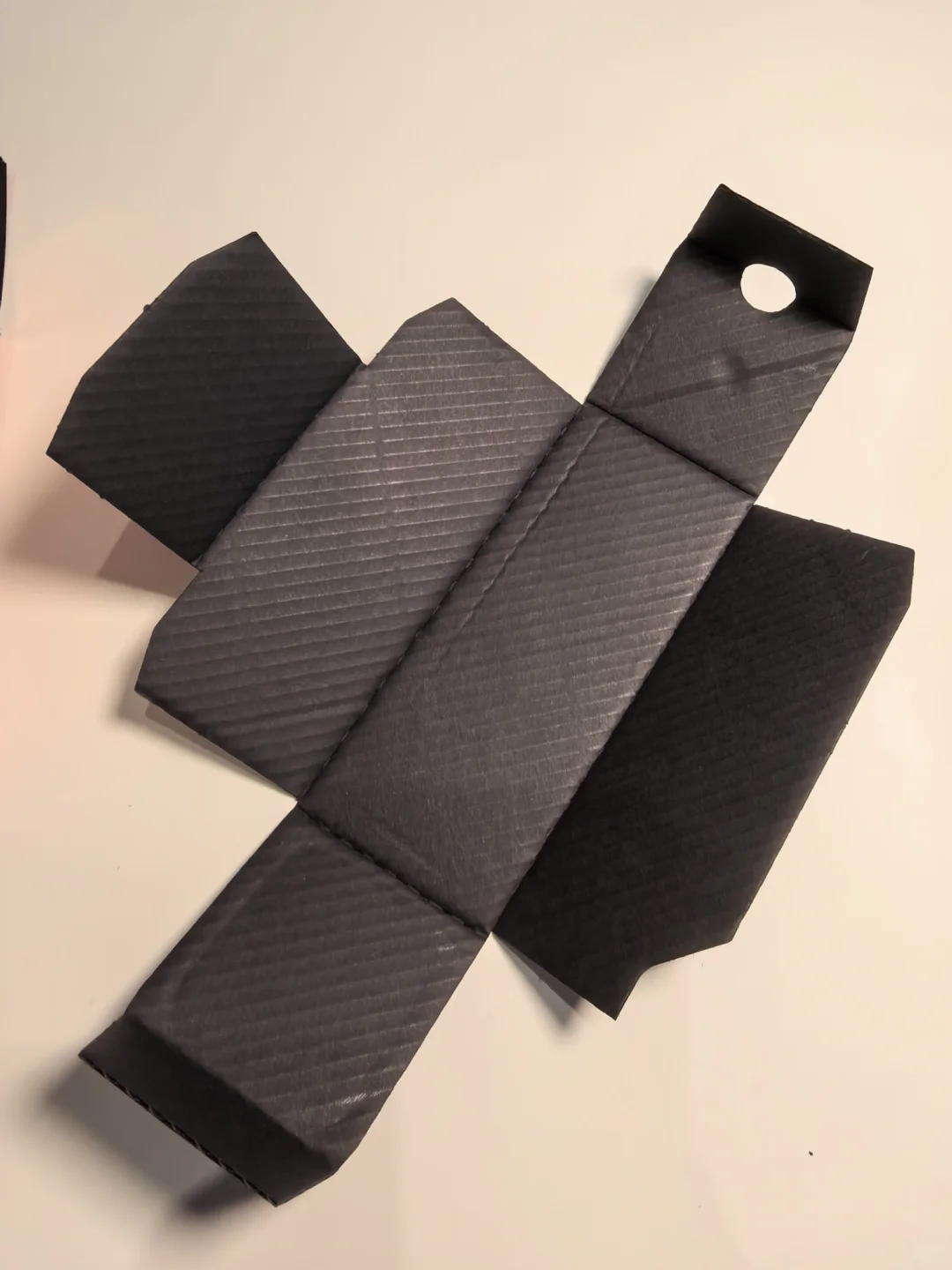
Distinguish design screening, approval of the current sample and evaluation of the intended shipping configuration. Frame questions around observable decisions: whether the bottle can be loaded and removed as intended, whether folded surfaces show unacceptable changes, and whether product and packaging condition after evaluation meet prior agreement.
Do not automatically copy another product’s test list. A test name does not establish coverage of the intended use. Keep simulations, informal observations and tests completed to an applicable procedure distinct. Neither one numerical result nor a report cover establishes approval of the whole package.
Define the configuration from product to shipping carton
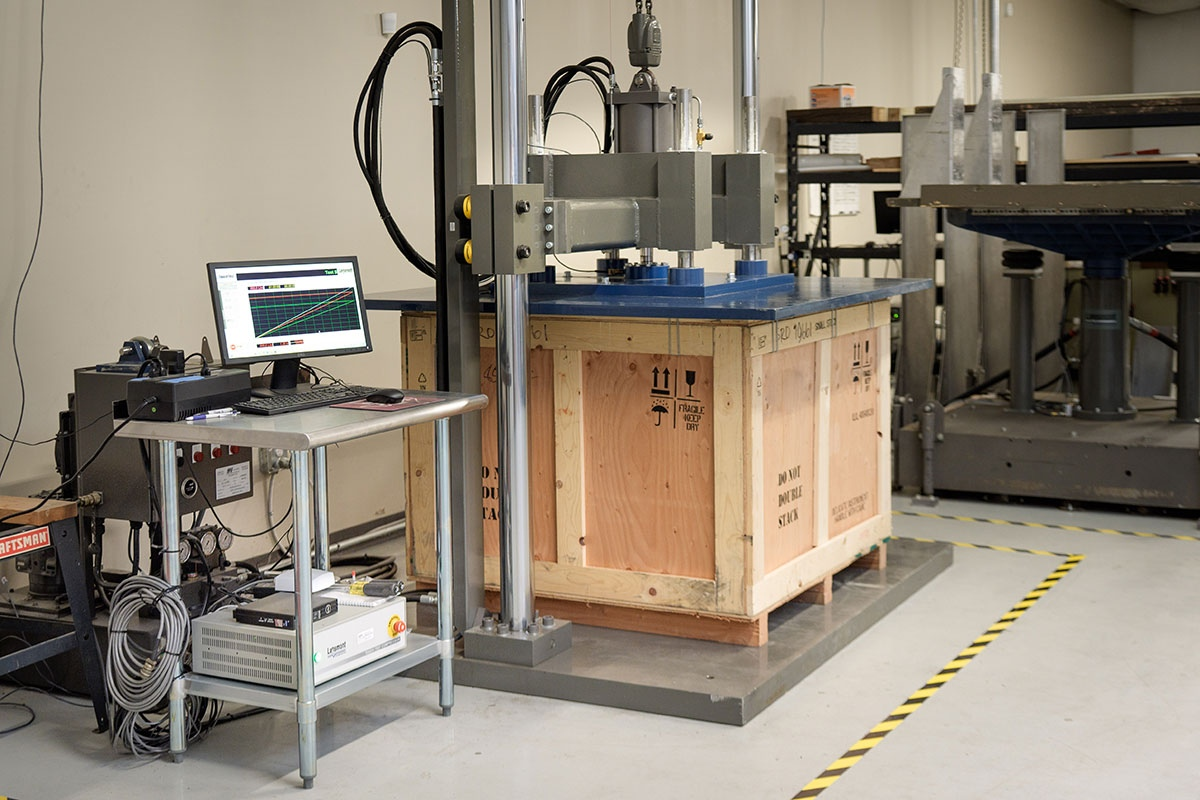
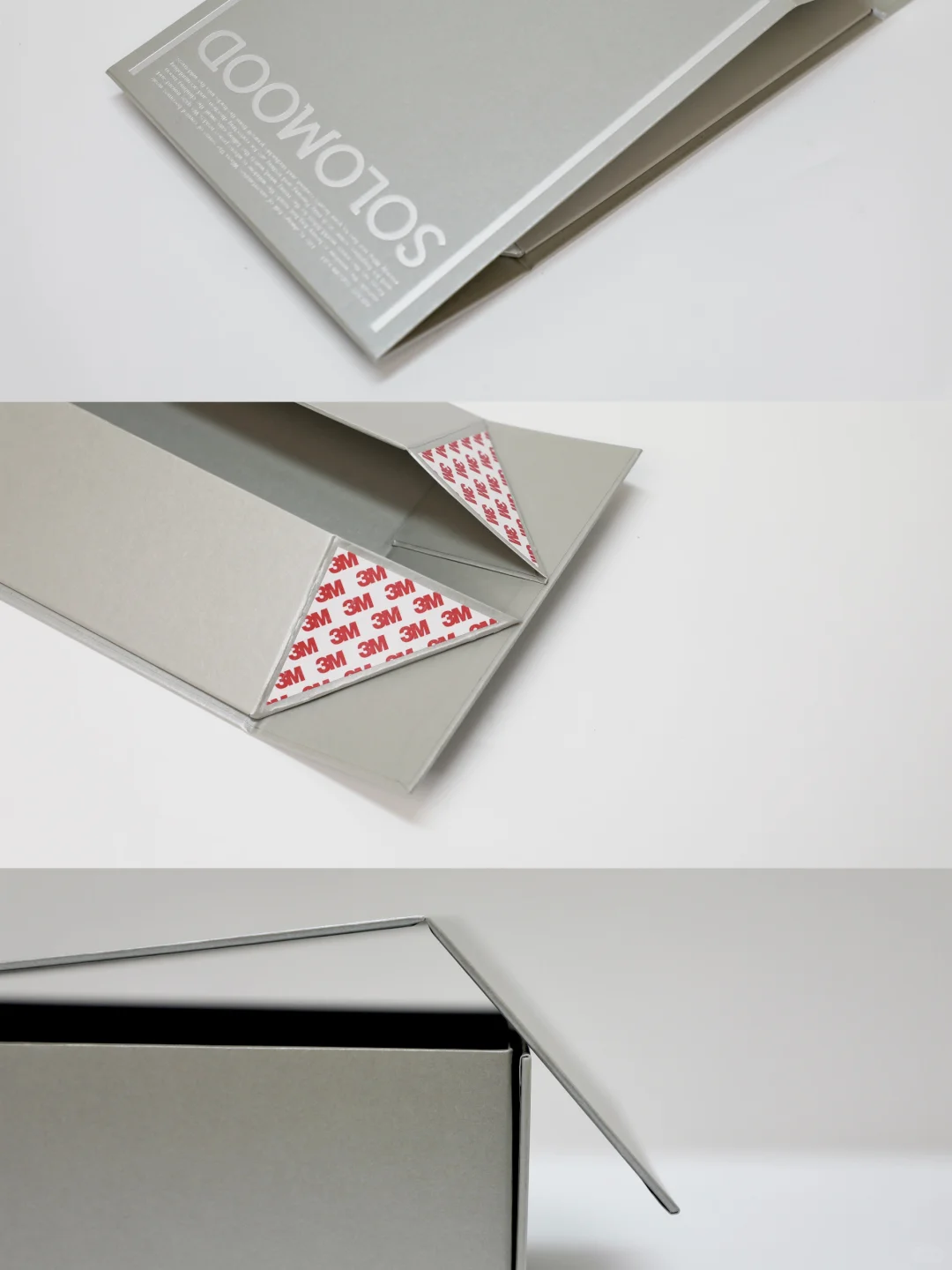
Record the final capped product, additions, retail box, insert, cushioning, shipping carton, quantity, arrangement and closure, linking drawings, materials and sample revision. Identify differences between the test sample and intended production configuration so that the project can judge representativeness and limitations.
An empty box, an unpackaged bottle and a complete shipping pack are different objects. A previously accepted sample does not establish that a later production run is unchanged. Changes to caps, internal parts, connections, paper or packing arrangement may require renewed confirmation. A complete record enables comparison; it does not replace verification.
Check intended handling and appearance
Load, close and remove the actual current product, recording finger space, contact locations and unusual actions. Under agreed references and viewing conditions, examine printing, fine text, folds, corners, seams and contact surfaces. Define acceptable states for the project rather than inventing universal thresholds during inspection.
These checks can establish a starting condition before transport evaluation and identify corresponding areas for review afterwards. Examine the retail pack and product even when the outer carton looks intact. A closure, gentle shake or wiping demonstration cannot establish transport protection, and the shape of damage alone cannot establish its sole cause.
Match the procedure to distribution
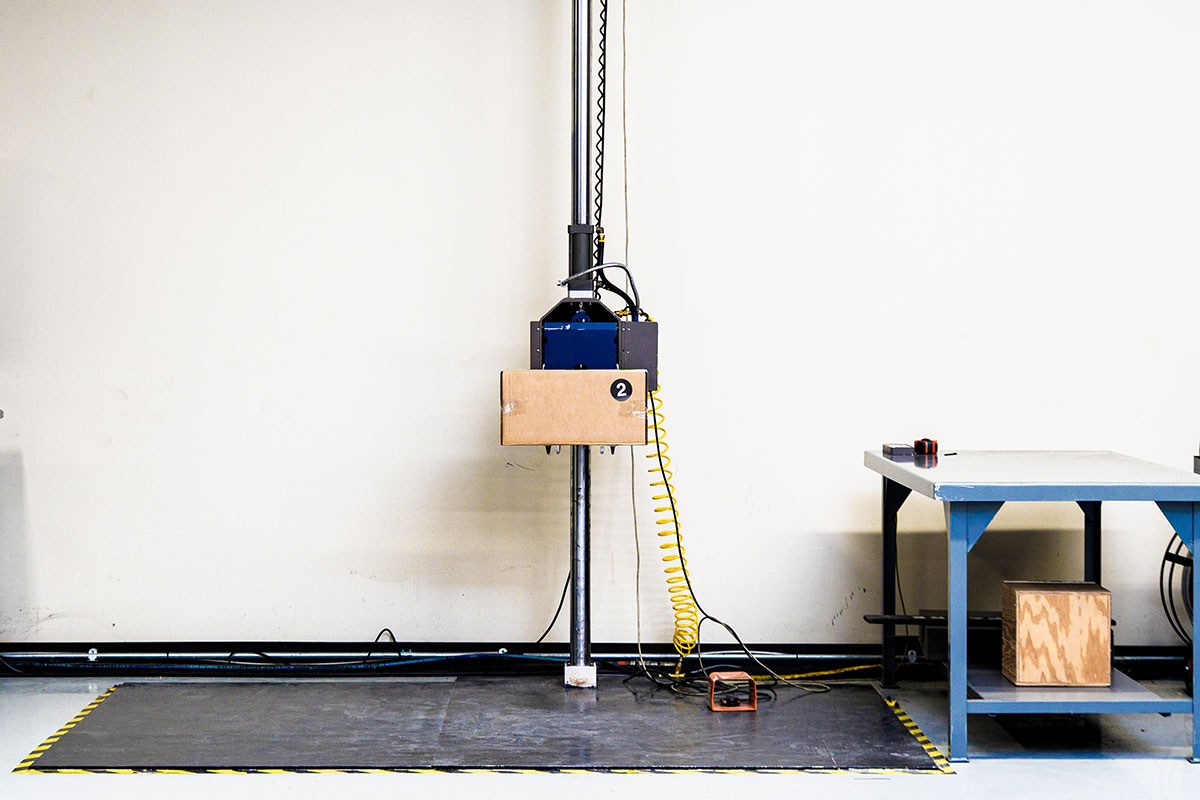
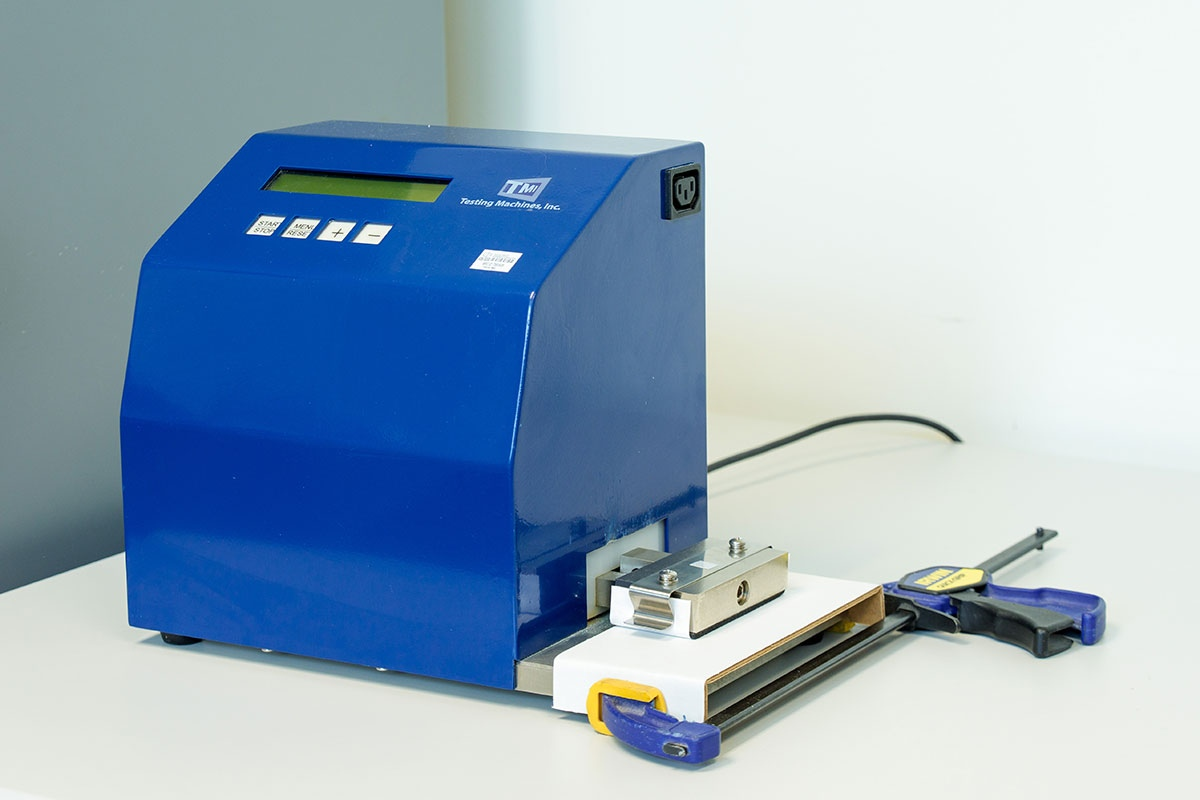
Describe the intended distribution path, handling and product concerns, then confirm the applicable current procedure and scope with the party responsible for testing. Different risks require different evaluation purposes. Substituting or omitting an element does not justify reporting completion of the original full procedure.
ISTA’s public procedure overview distinguishes non-simulation integrity screening in Series 1, partial simulation in Series 2 and general simulation in Series 3. These describe different approaches, not a simple ladder of increasing severity. Select the specific procedure for the distribution environment and confirm its current applicable text. This article supplies no test heights, counts or equipment settings.
Agree acceptance and reporting before testing
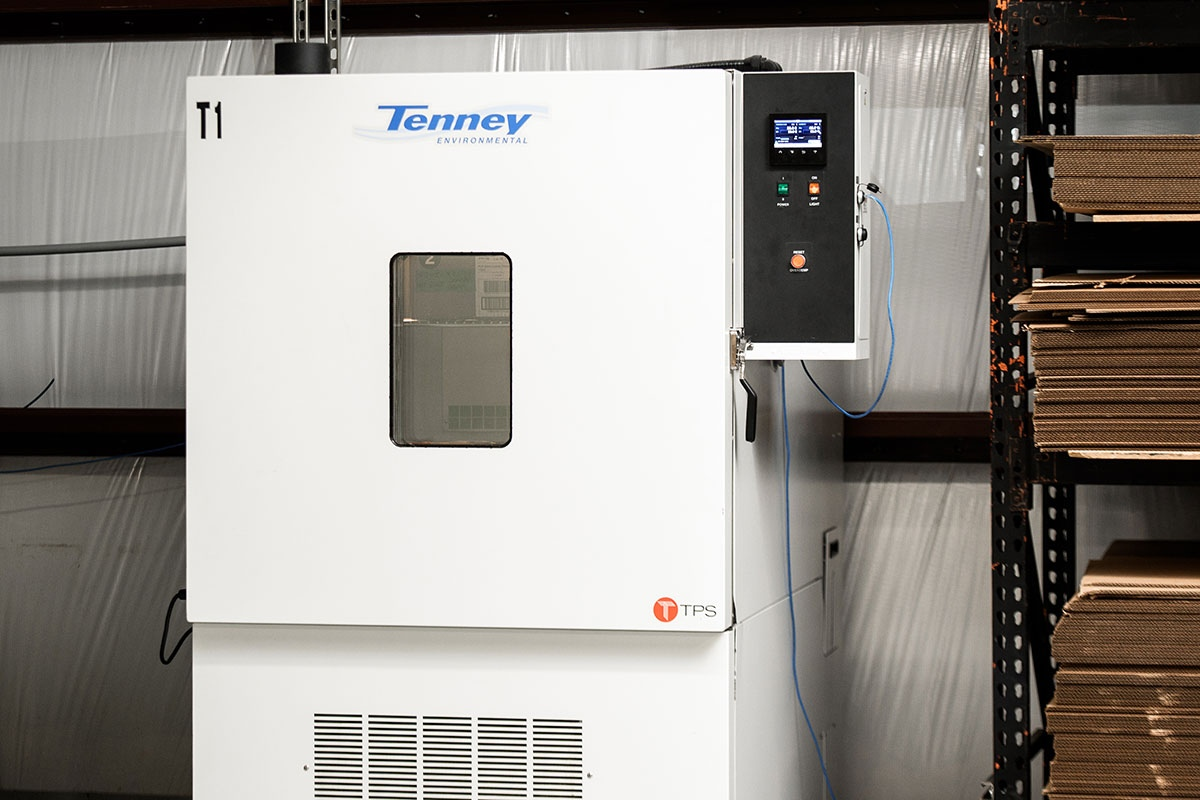
Before testing, define unacceptable states for the product and packaging, examination methods and report scope. Link the report to sample identity, complete configuration, procedure revision, executed conditions, before-and-after photographs, results and deviations. Keep unfinished or inapplicable items visible.
ISTA’s public design guidance connects distribution hazards, representative samples, acceptance criteria set in advance and documentation. Acceptance applies to the tested configuration and executed scope, not damage-free performance across every channel. Equipment photographs only illustrate testing categories. The equipment shown here belongs to Compadre Labs; it is neither a Bravo facility nor evidence of perfume test results.
Return changes to the original question

When an issue occurs, preserve the original configuration and damage locations before proposing explanations and changes for investigation. Thicker material, a replacement insert or a different arrangement cannot be declared a solution solely from experience. Review the revised complete sample against the affected questions.
The handover should identify the effective configuration, confirmed items, report location, open questions and responsible next actions. Reassess scope when the channel, quantities or materials change. A useful conclusion states what the current evidence supports rather than turning one test into a guarantee for every production order.