
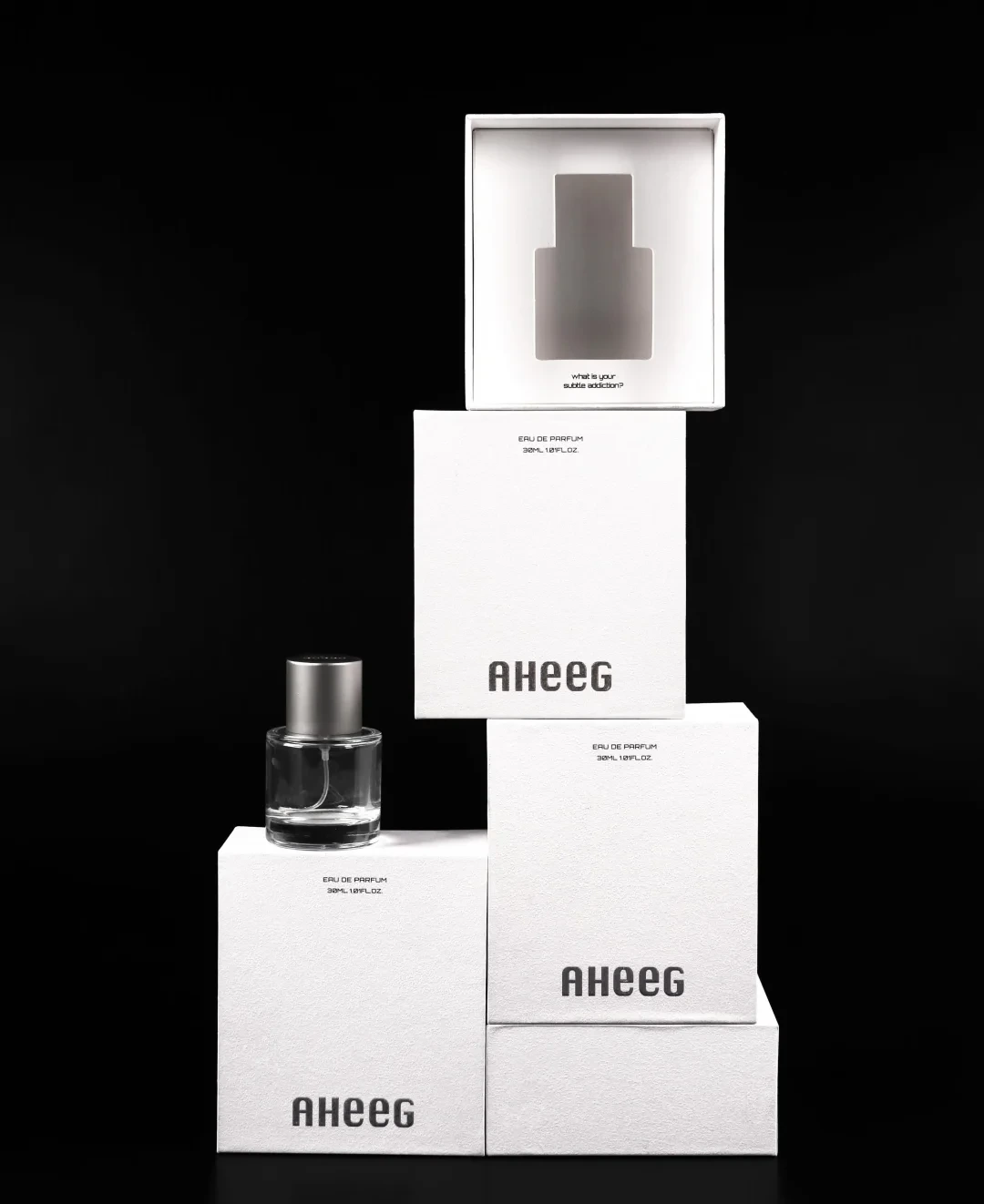
A finished perfume box can look convincing in a few supplier photographs while the shipment still contains mismatched inserts, outdated artwork or lids that will not close around the complete product. Photographs also leave an essential question unanswered: what part of the order was actually inspected?
A useful pre-shipment inspection connects the finished packaging to its approved specification, identifies the scope of the checks and records how outstanding issues were resolved. It gives the person responsible for release a documented basis for a decision.
This guide covers finished paper perfume boxes, inserts and accompanying packaging components. Inspecting empty boxes going to a filling partner is different from inspecting boxed perfume ready for distribution. Neither a visual packaging check nor a successful fit check replaces assessment of the filled product, transport verification or destination-market requirements.
1. Define the shipment before arranging the inspection
Start with the purchase order, production lot, packaging revision and quantities by scent or SKU. Identify exactly what is ready for inspection and what will be dispatched. If the order is split, keep the inspected shipment separate from quantities that are still in production.
List the components: outer boxes, lids, inserts, sleeves, cards, seals and any other agreed items. Specify whether they arrive separately or assembled, and whether the boxes are supplied flat, pre-glued, fully formed or filled with product.
Agree who will inspect, where it will happen, how samples will be selected and who receives the report. Name the person authorized to release the shipment. A finding should lead to an agreed decision, rather than an informal assumption that the goods can leave because a truck has arrived.
2. Put the approved references in one revision pack
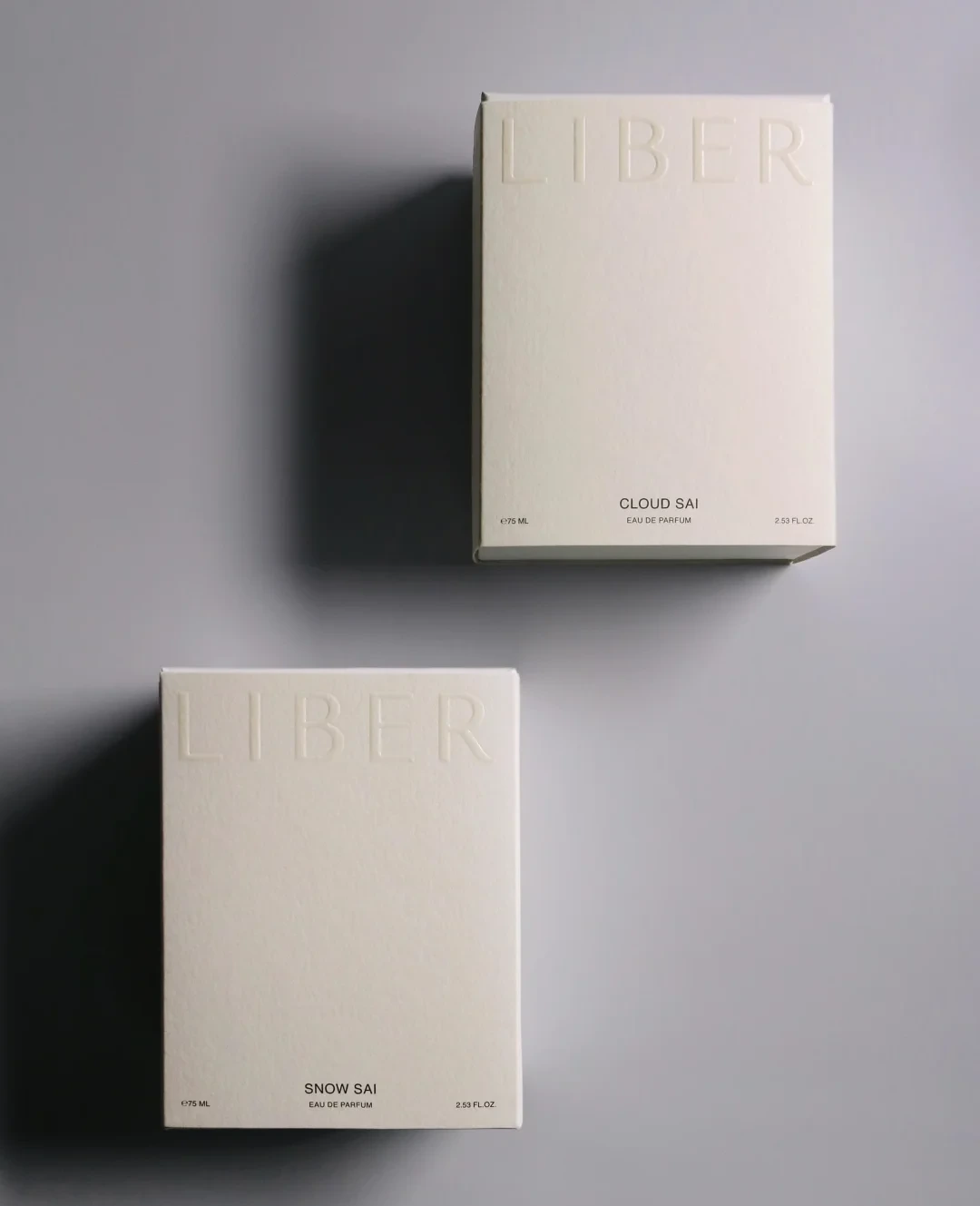
An inspector needs consistent references. An old sample, a later artwork attachment and a message saying “same as before” can point to different requirements.
Prepare the final order and specification; the applicable approved physical sample; the current artwork and dieline; a component list; agreed measurement locations and appearance conditions; the sampling and decision rules; and any approved changes or checks still outstanding.
State what each reference establishes. A digital proof approved for text does not, by itself, approve foil detail, paper feel or the finished structure. Resolve conflicts between the reference sample and the written specification before using either to judge production.
3. Agree the decision rules before looking at defects
Define the issues that matter to the project, how they will be classified and what action follows. A mark beside the front-panel logo may have a different consequence from one on a concealed fold. Missing components, incorrect scent information and an insert that prevents assembly also need explicit treatment.
If using acceptance sampling, document the lot, inspection unit, applicable plan, sample size and acceptance or rejection rules. Select samples according to that plan and retain their carton or location references. Supplier-selected display pieces are not a substitute for the agreed selection process.
NIST describes acceptance sampling as a way to decide whether to accept a lot. Its main purpose is not to estimate the quality of that lot. A passing sample therefore does not establish that every box was checked or is free from defects. Do not interpret an AQL value as permission to deliver a fixed number of faulty boxes.
Identify samples reserved for destructive checks and keep their disposition separate from saleable packaging. This guide does not prescribe a universal sampling percentage or test threshold.
4. Check quantities, variants and printed information separately
Compare carton counts and SKU allocation with the packing list. Check the contents using the agreed counting method and distinguish quantities physically counted from quantities taken from production or packing records.
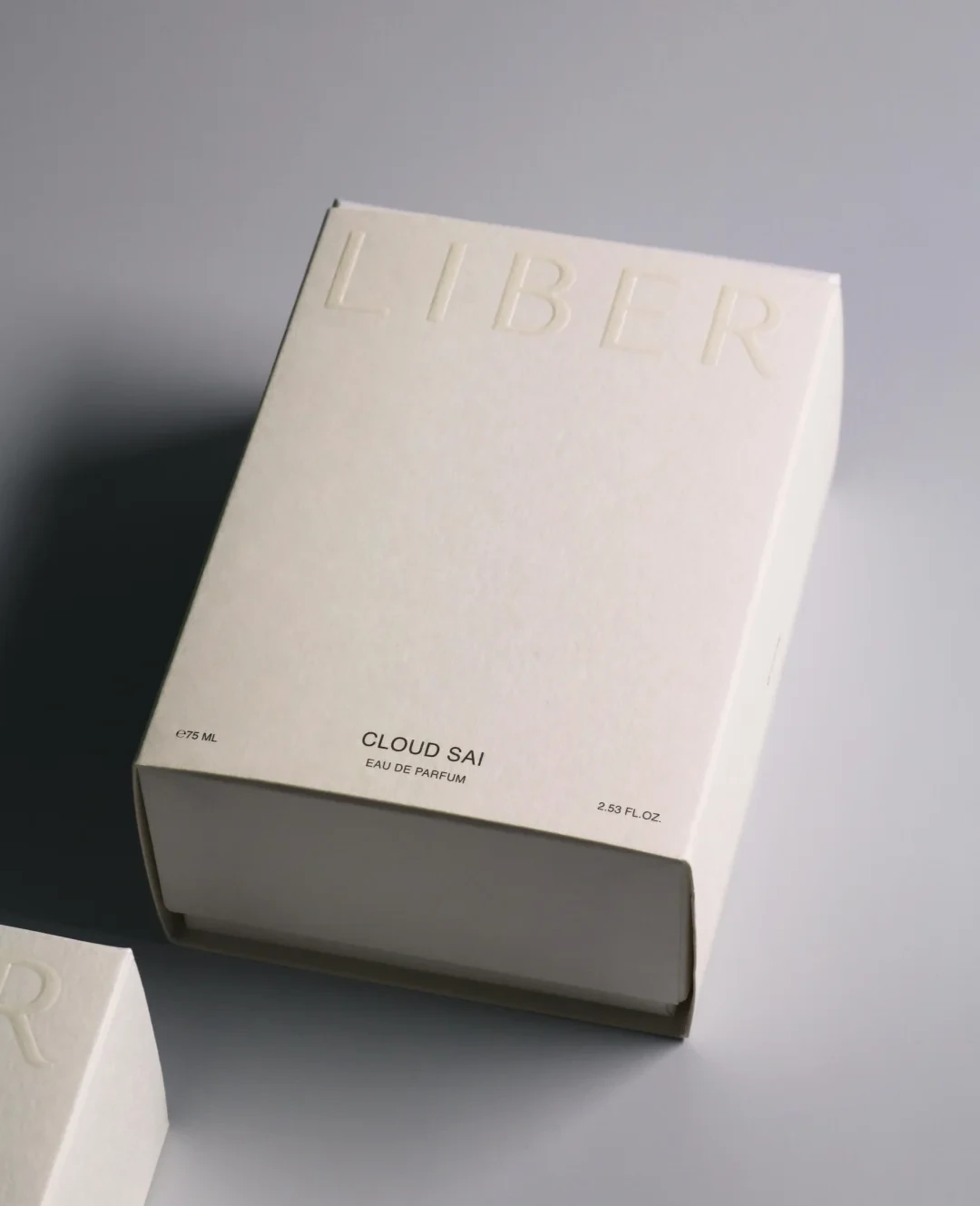
For each design revision, compare the product name, size, language, logo and other approved copy with the final file. Check inserts, cards and seals as well as outer boxes: a correct carton does not establish that its accompanying components match.
Where barcodes are used, verify both the printed identifier and the associated data before completing the agreed scanning checks. For a QR code, also check the destination content. A single successful phone scan does not replace any barcode verification required by the project or sales channel.
5. Inspect the inside, outside and formed box
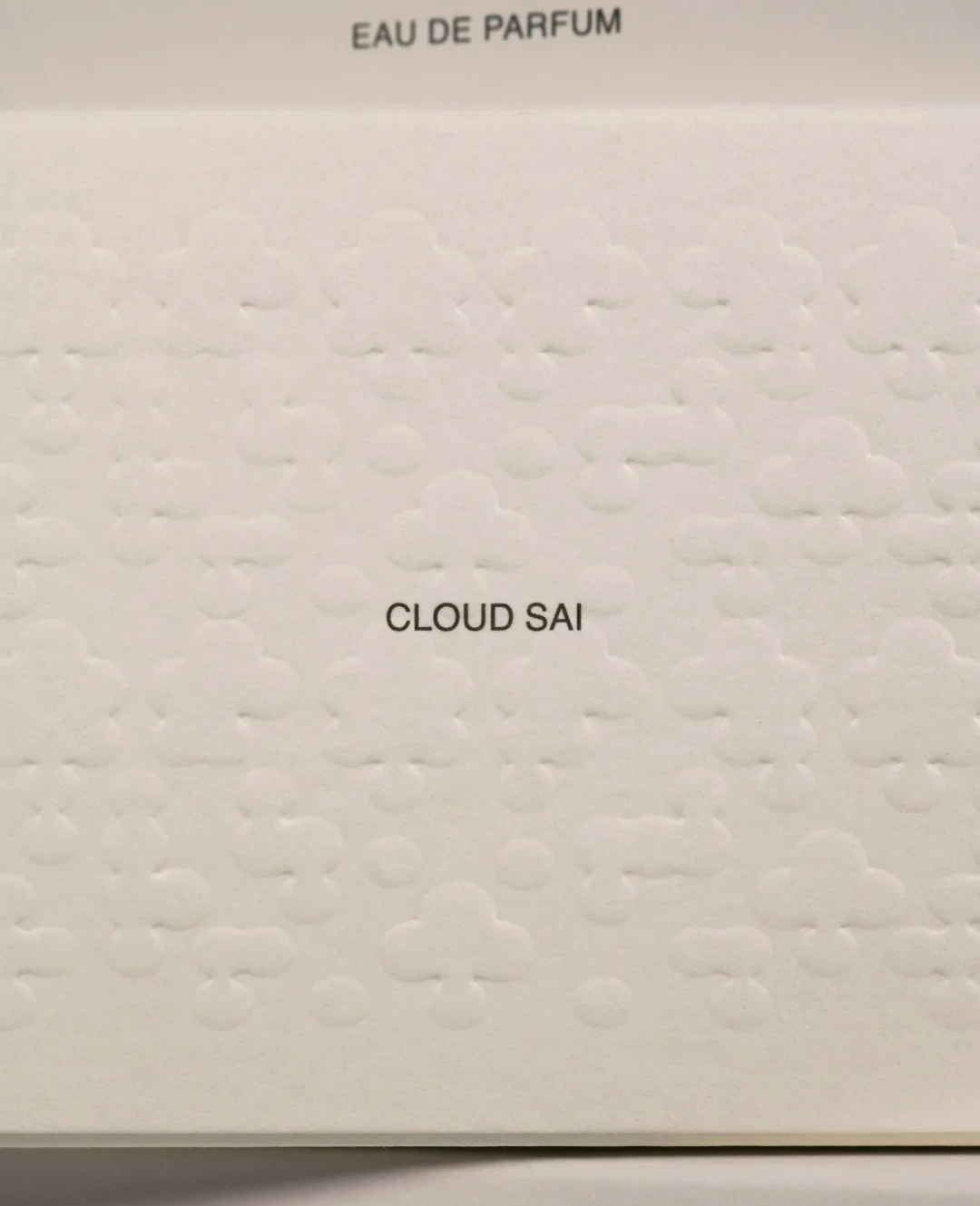
Use the agreed viewing conditions and physical references when reviewing print and finish. Look for missing print, contamination, displaced decoration, incomplete foil, lifted covering paper, scratches, glue marks and damaged corners. Photographs taken under different lighting are a poor basis for deciding whether a colour difference exceeds an agreed limit.
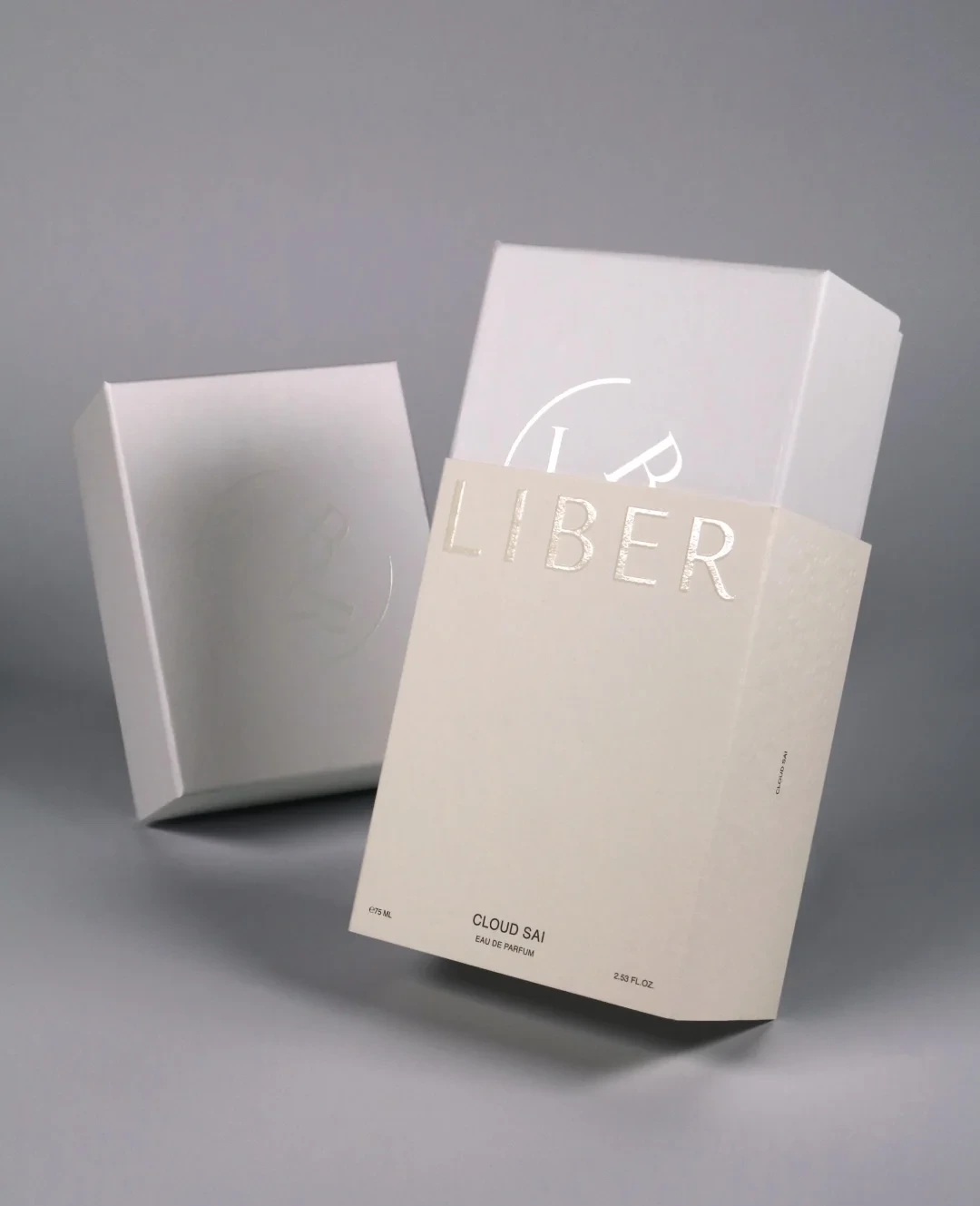
Form flat-supplied cartons using the intended assembly method before checking their creases, tuck flaps, glue seams and alignment. On wrapped rigid boxes, include corners, covering-paper joints, turned-in edges and lid contact areas.
Check the cavity and components for loose paper fragments or other contamination. Record unusual odour for assessment rather than treating a smell check as proof of material safety or compliance.

6. Combine measurements with complete product assembly
Label measurements clearly: finished outside dimensions, internal space and local mating dimensions serve different purposes. Record the agreed measurement location, tool, actual reading and applicable limit. “Size OK” is difficult to review later.
Check the relevant actions for the structure. A lid-and-base box needs its mating fit checked; a drawer box needs its travel and contact points reviewed; a folding carton needs forming, bottom closure and tuck engagement checked.
Then assemble the actual configuration, including the identified bottle, final cap, insert, card and protective materials. Check closure, removal and any interference. If the packaging supplier does not have the product needed for this check, report it as not completed. A substitute bottle should have its differences and the scope it represents recorded.
When a lid catches, record the first contact point and the action that produces it. Do not remove a card or squeeze the walls to obtain a passing result without recording the changed configuration. Successful assembly is not evidence that the complete shipment has passed transport verification.

7. Inspect the shipping configuration as well as the retail box
Empty boxes also need a defined packing arrangement. Confirm quantities per carton, orientation, dividers, bags and other protection against the approved configuration. Flat components and assembled boxes may need different arrangements.
Check carton identification, SKU allocation, quantities and agreed shipping marks. Where required, measure the packed external dimensions and weight, and compare them with the dispatch information. Differences should be reviewed by the responsible party before booking or shipping data are relied upon.
Observe carton seams, corners, moisture marks and handling damage. An intact-looking carton does not establish its stacking or distribution performance; any required performance assessment needs its own applicable method and complete configuration.
8. Make every finding traceable
A useful defect record identifies the order, lot, SKU, carton or selection location, sample number, inspection point, reference requirement, observed difference, photographs, quantity checked and quantity affected. It also states what remains to be decided.
Photograph the overall location and the detail. Add a scale reference or measurement record where relevant. A close-up of a glue mark without its position on the box gives the supplier little context for investigation.
Document sorting, rework, replacement or an authorized concession. A follow-up inspection should identify the corrected population, checks repeated and results. Preserve the original findings rather than replacing the first report with an unexplained “pass.”
ASQ notes that sampling can reveal defects without identifying where or when they occurred in the process. Record the observation first; establish the cause through further evidence.
9. A working perfume packaging inspection checklist
Order / lot: __________
SKU / revision: __________
Inspection location / date: __________
Delivery state and quantities covered: __________
Approved references and file revisions: __________
Sampling plan and actual selection scope: __________
Inspector / release decision owner: __________
| Inspection point | What to record | Result | Evidence / action |
|---|---|---|---|
| Quantity and components | Cartons, SKU allocation, component counts and packing configuration | Pass / issue / not checked | ______ |
| Artwork and identification | Approved copy, scent, size, revision, barcode or QR data | Pass / issue / not checked | ______ |
| Appearance and finish | Inside and outside, formed creases, corners, seams and decoration | Pass / issue / not checked | ______ |
| Dimensions and mating fit | Locations, readings, limits and reference specification | Pass / issue / not checked | ______ |
| Complete assembly | Bottle revision, full component list, closing and removal observations | Pass / issue / not checked | ______ |
| Shipping cartons | Orientation, protection, marks, packed dimensions and weight | Pass / issue / not checked | ______ |
| Documents and disposition | Required reports, omissions, isolation, rework and reinspection | Pass / issue / not checked | ______ |
Release decision: __________
Scope and outstanding conditions: __________
Authorized by / date: __________
A useful inspection record connects the approved packaging, the finished lot and the dispatch decision. When discussing a perfume packaging project with Bravo Package, send the bottle details, component list, quantities and inspection priorities so the proposed delivery scope and checks can be clarified.
Technical references
NIST, What is Acceptance Sampling? https://www.itl.nist.gov/div898/handbook/pmc/section2/pmc21.htm
ASQ, What is Sampling? https://asq.org/quality-resources/sampling