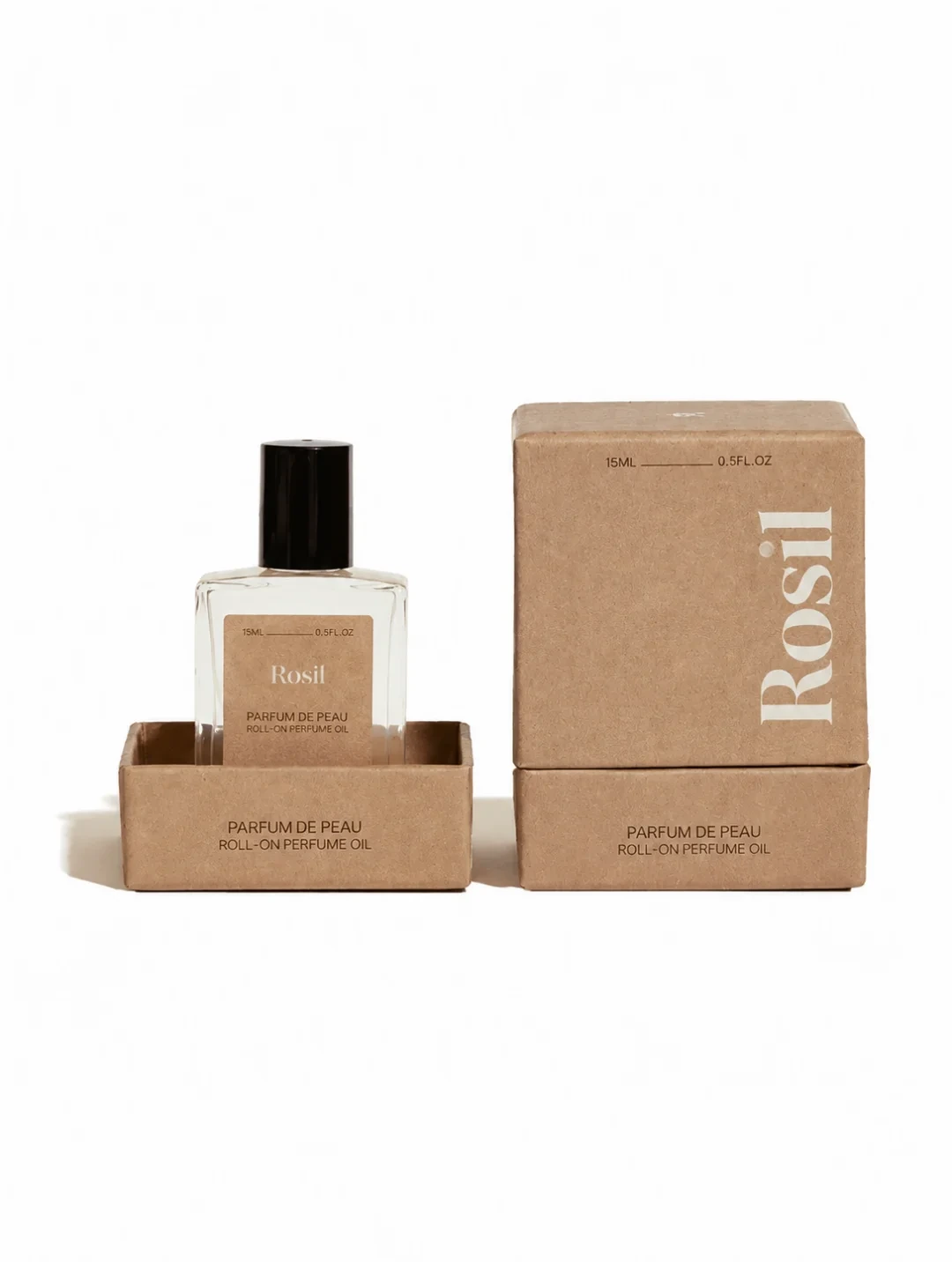
A white line along a fold, a crooked lid or a missing section of foil can make a perfume box look wrong. Telling the supplier that the workmanship is poor rarely gives them enough information to investigate. They need the location, the affected quantity, the condition in which the issue appeared and the approved reference you used for comparison.
This guide covers observations on paper perfume cartons, rigid boxes and their assembled components. Use it to describe a problem clearly. Acceptance, rework and replacement decisions still need to follow the specifications, samples and inspection arrangements agreed for your order.
1. Check the approved reference before naming a defect
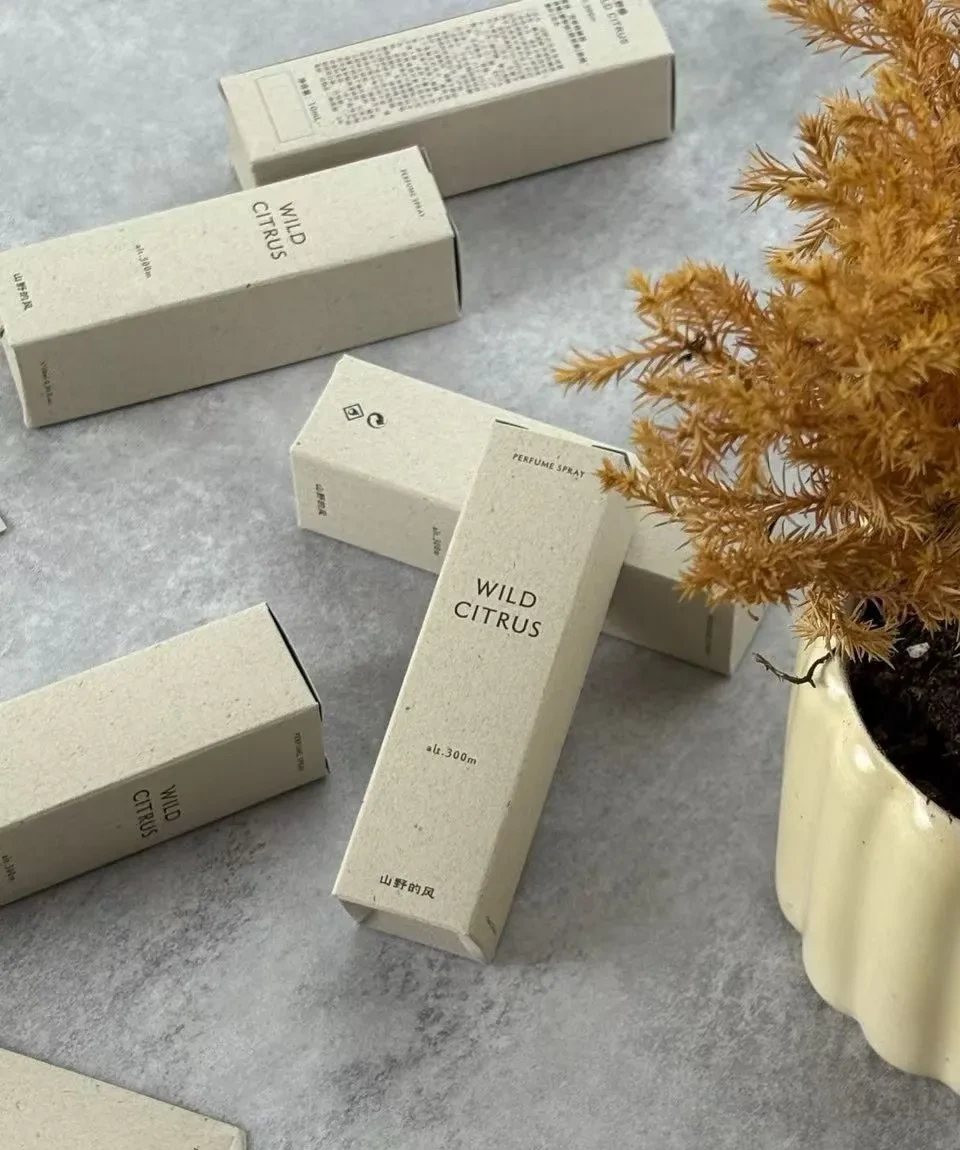
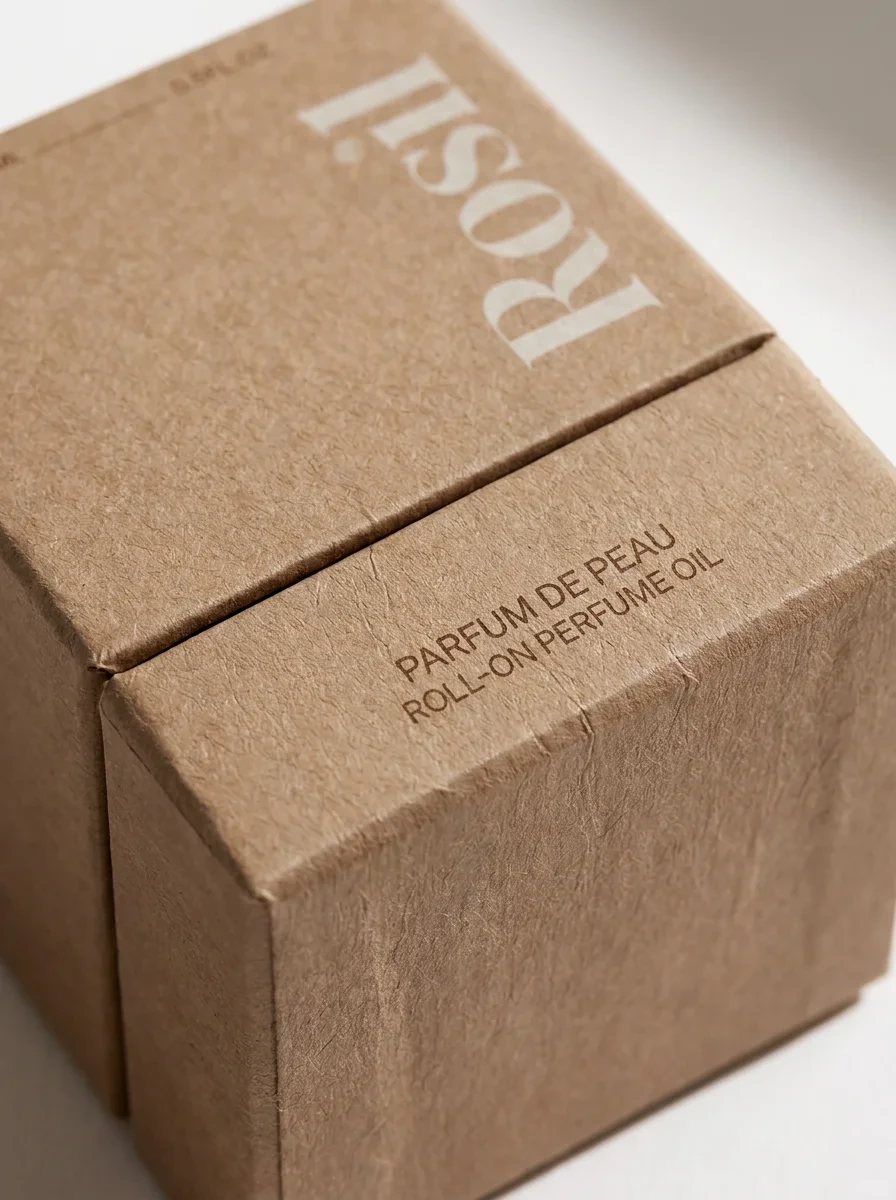
Visible fibres can be part of a textured paper. A white cut edge can reflect the specified board construction. A wrapped rigid box will also have seams. Compare the material and its appearance with the approved complete sample, rather than judging it against an undefined idea of premium quality.
Confirm that the box structure, artwork and material references are the same revision. Metallic decoration changes appearance with viewing angle, while embossing can appear deeper under directional light. Place the production piece and reference in matching orientations under repeatable viewing conditions. If only a digital rendering exists, record the missing physical reference as a limitation before making a judgement.
2. Separate fold cracking, whitening and scratches
A fine white line along a crease can look similar to a split paper layer, a cracked film or a rubbed surface. Record what is visible before assigning a cause. Take an overall photograph that identifies the panel, followed by a close view that shows the affected layer and location.
Note whether the issue was present on the flat blank or appeared during folding, tucking or bottle insertion. Repeatedly folding the same piece can introduce further damage. Keep an untouched affected sample and label any piece that has already been handled or tested. If the split occurs near a cut-and-crease junction or locking feature, mark that position on the structural drawing for the supplier to examine. Its location alone does not establish a material, tooling or operator fault.
3. Describe corners and seams precisely
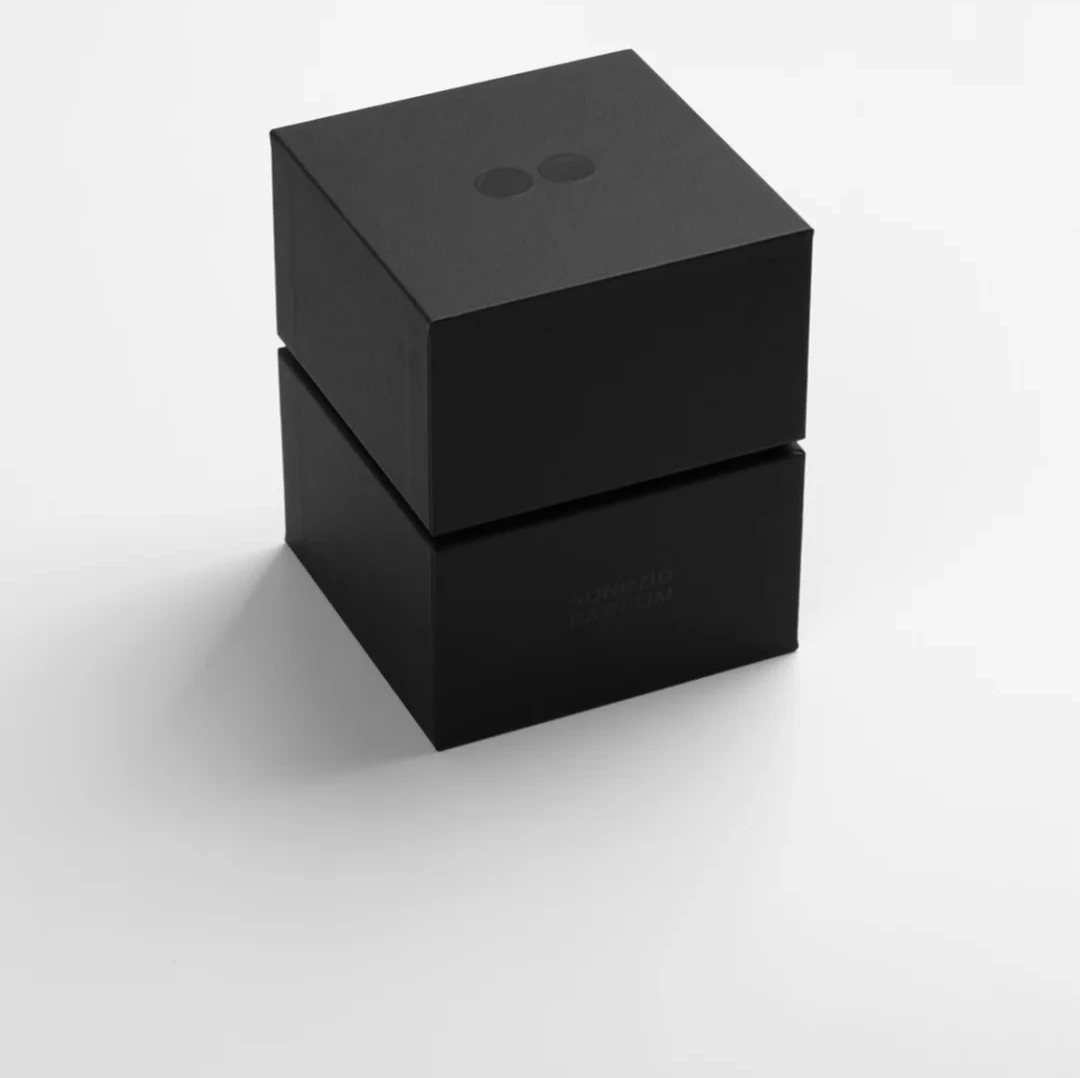
Exposed board, lifted wrapping paper, overlapping seams, open seams and crushed corners are different observations. “The wrapping paper is lifted at the rear right corner of the base before assembly” is more useful than “the corners are bad.” Where measurements are needed, use the agreed method and include a scale in the photograph. Do not invent a universal acceptable seam width.
Record both open and closed views when relevant. A lid seam and base seam may intentionally face different directions. It becomes a discrepancy when the approved arrangement differs from the delivered one. Ask to check a complete finished sample after a corner adjustment, since a local change can also affect how the lid fits.
4. Keep glue marks, blocking and bond separation distinct
A visible glue mark is primarily an appearance observation. Adjacent boxes sticking together introduces another question: does separation damage their surfaces? A lifted wrap or opening glue flap needs a description of the separating interface and the action that exposed it.
Photograph the original condition. State whether it appeared on opening the shipping carton, during assembly or after storage. Keep evidence of wet, crushed or damaged shipping cartons where present. Avoid adding adhesive, heating the box, peeling every bond apart or wiping it with solvent before the supplier has examined the evidence. The adhesive, substrate, coating and production conditions need checking against the materials actually used. Generic online drying times or temperature limits cannot diagnose your order.
5. Distinguish incorrect content from print alignment issues
A wrong fragrance name, volume or language version needs checking against the approved artwork. Correct artwork that becomes cut off or misaligned after folding calls for both flat and assembled views. Quote the file revision and the specific text or graphic affected; a compressed phone photograph is a weak substitute for the approved file.
Missing characters, doubled edges, ink spots and contamination can be marked on a panel map. Check the original artwork before treating intentional blank space as missing print. For colour concerns, return to the agreed physical reference and viewing method. A phone screen is not a colour standard. Barcode and QR content and readability also require separate checks: a sharp photograph does not demonstrate a correct scan from the actual box.
A label, additional foil or reprint may be proposed to correct text, but it needs approval. The brand should first confirm the revised information, then assess the coverage, adhesion, appearance and applicable labelling requirements. An unapproved correction is not a release decision.
6. Examine foil, spot UV and embossing without confusing glare with absence
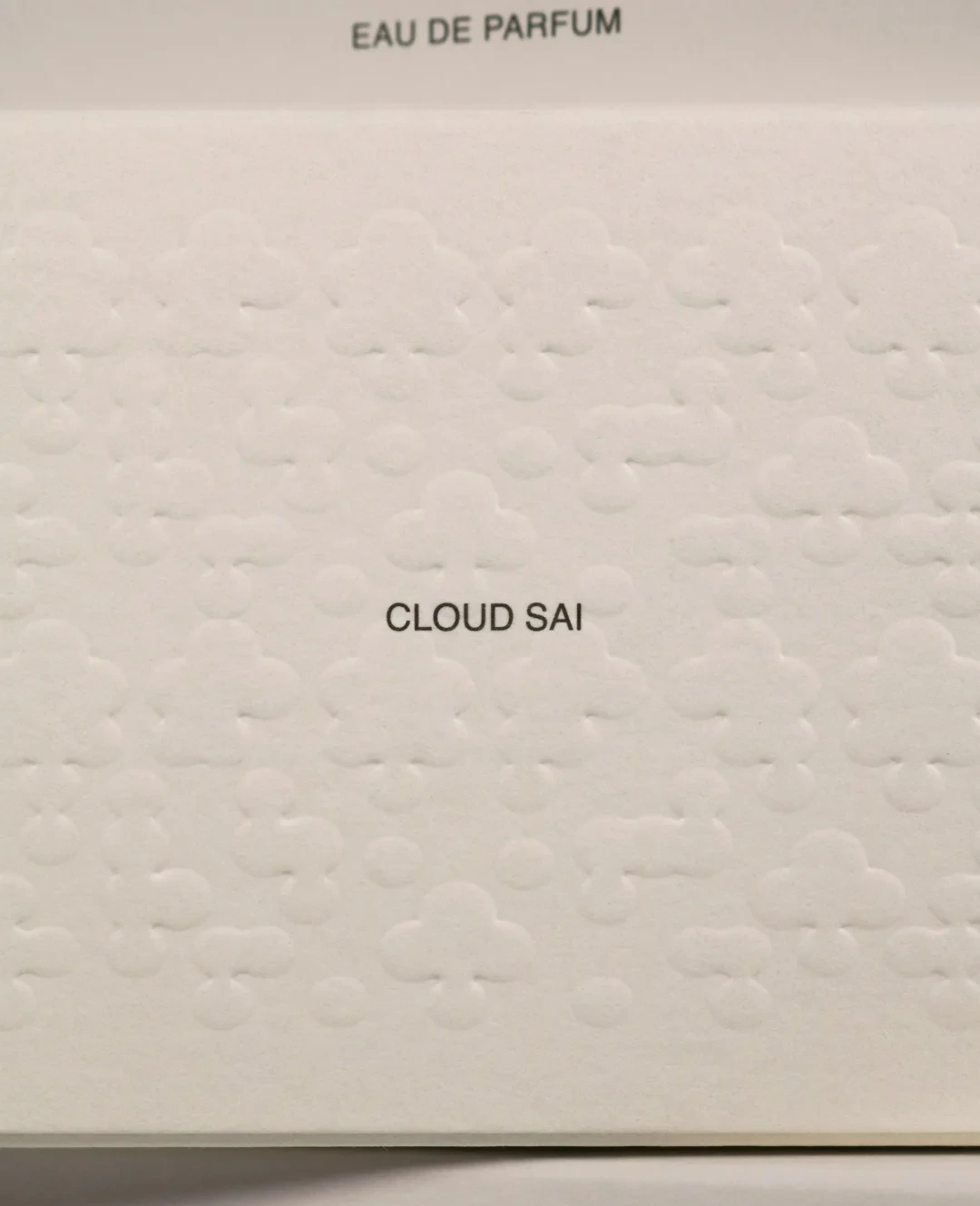
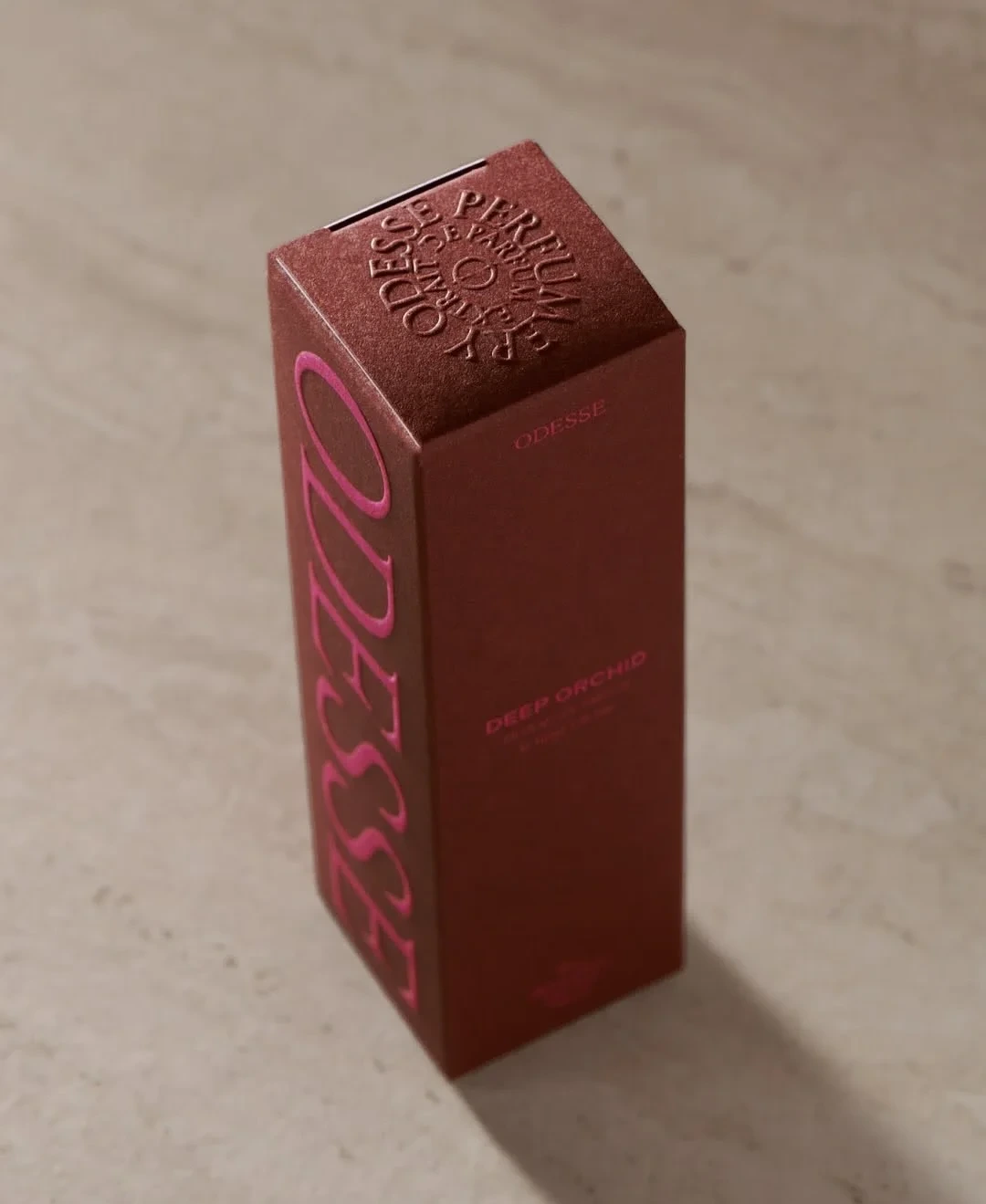
Broken foil lines, filled-in detail, displacement and surface loss should be recorded separately. Use a view that avoids strong glare to reveal the detail, then add an angle that shows the reflective finish. For spot UV, describe the coverage, obvious bubbles, edge condition and position relative to the artwork. For embossing, check its location, any paper cracking and its appearance and feel against the approved sample.
Photographs locate an issue; they do not establish adhesion, rub resistance or the production settings. Agree on the method, sample condition, acceptance reference and record before carrying out further tests. Unspecified fingernail, tape or solvent tests should not become a batch acceptance rule.
7. Compare empty and fully assembled boxes
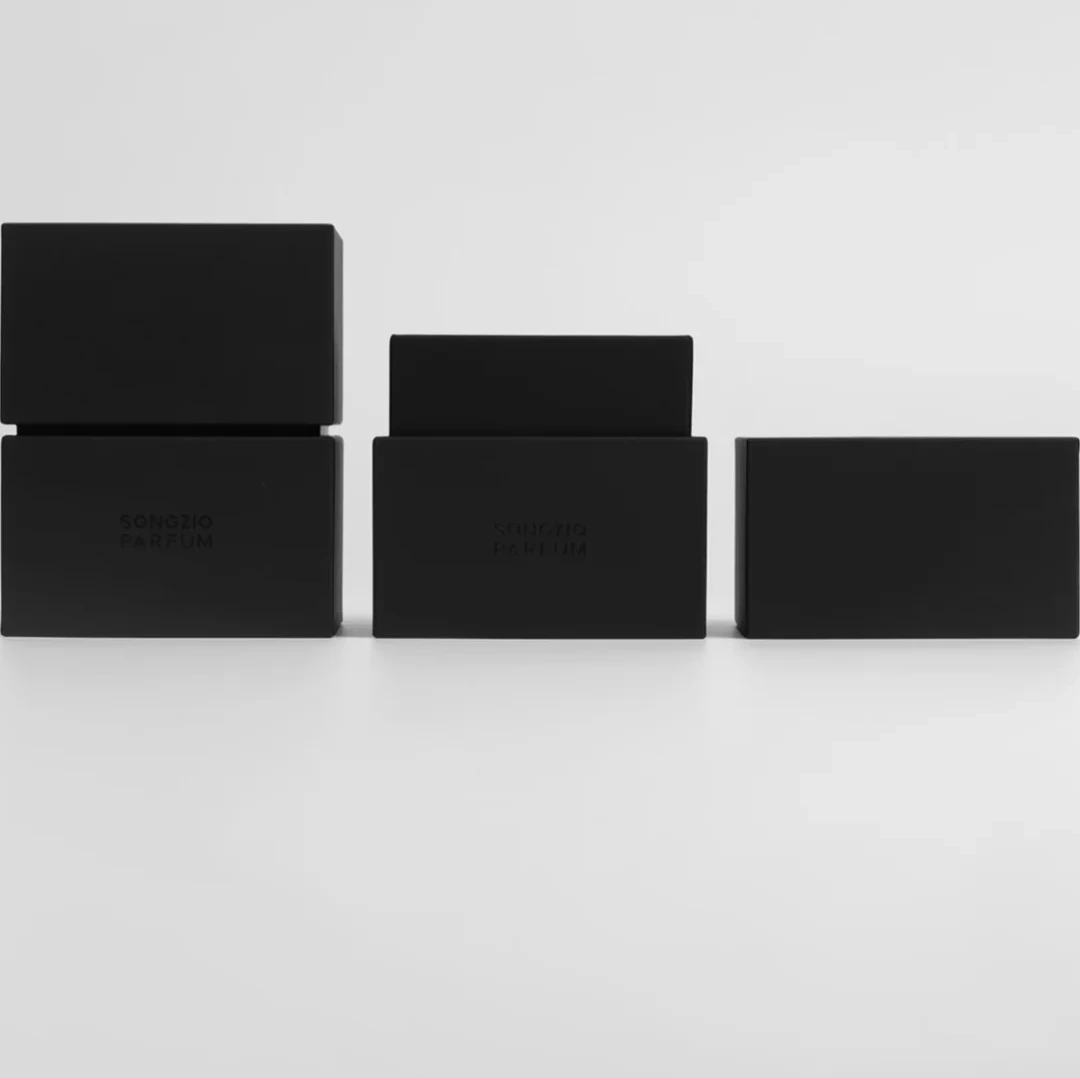
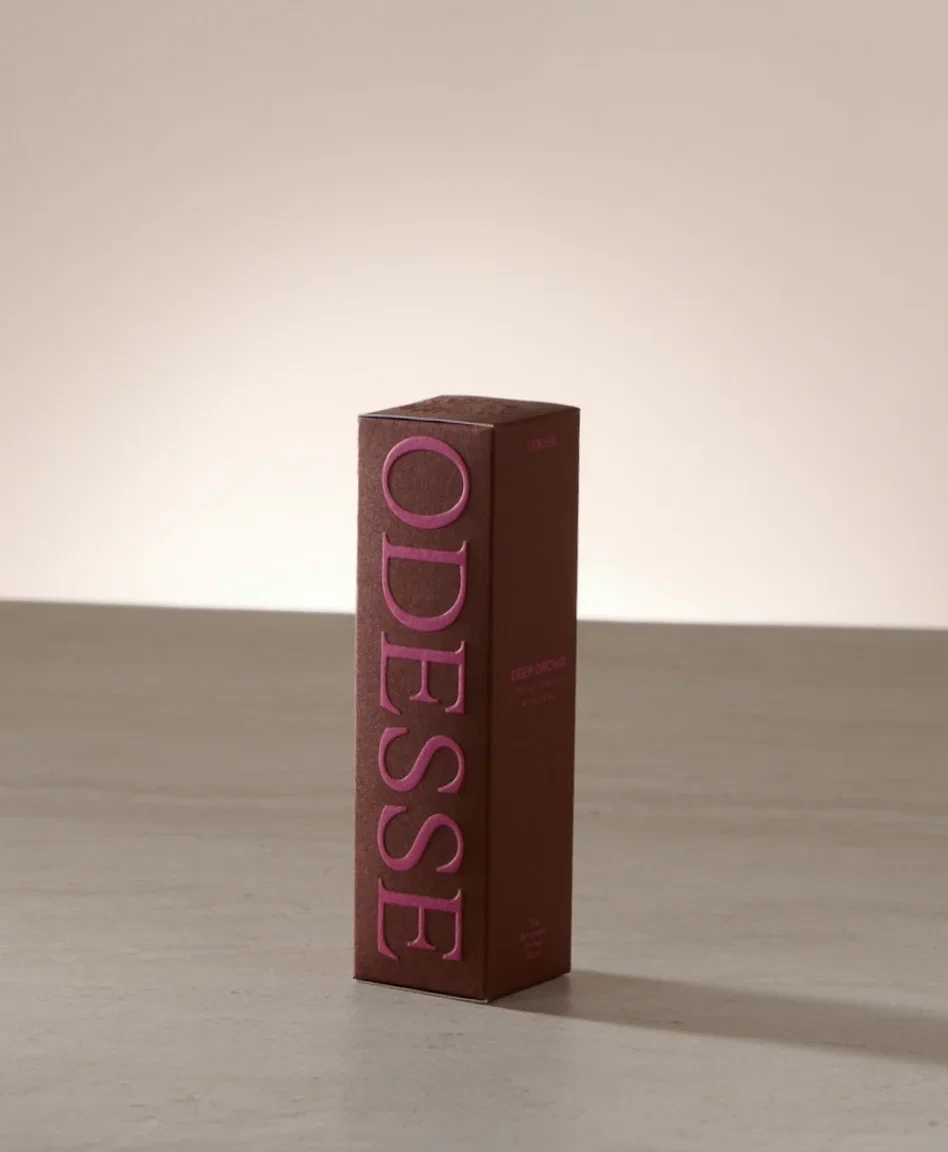
A lid sitting higher on one side, a base that rocks on a suitable flat surface or a drawer that remains proud when closed are useful observations. Record the empty box first. Then assemble the correct insert, perfume bottle and accessories in the intended sequence.
If the empty box closes easily but the filled box does not, report the entire component combination. Simply enlarging the lid may leave the underlying mismatch unresolved. Stop forcing a tuck, lid or insert when it interferes with another component. Preserve the sample and ask the supplier to check a complete assembly after any proposed change. Shipping protection requires validation of the actual dispatch configuration; the appearance of a rigid box cannot establish it.
8. Include missing parts and mismatched components
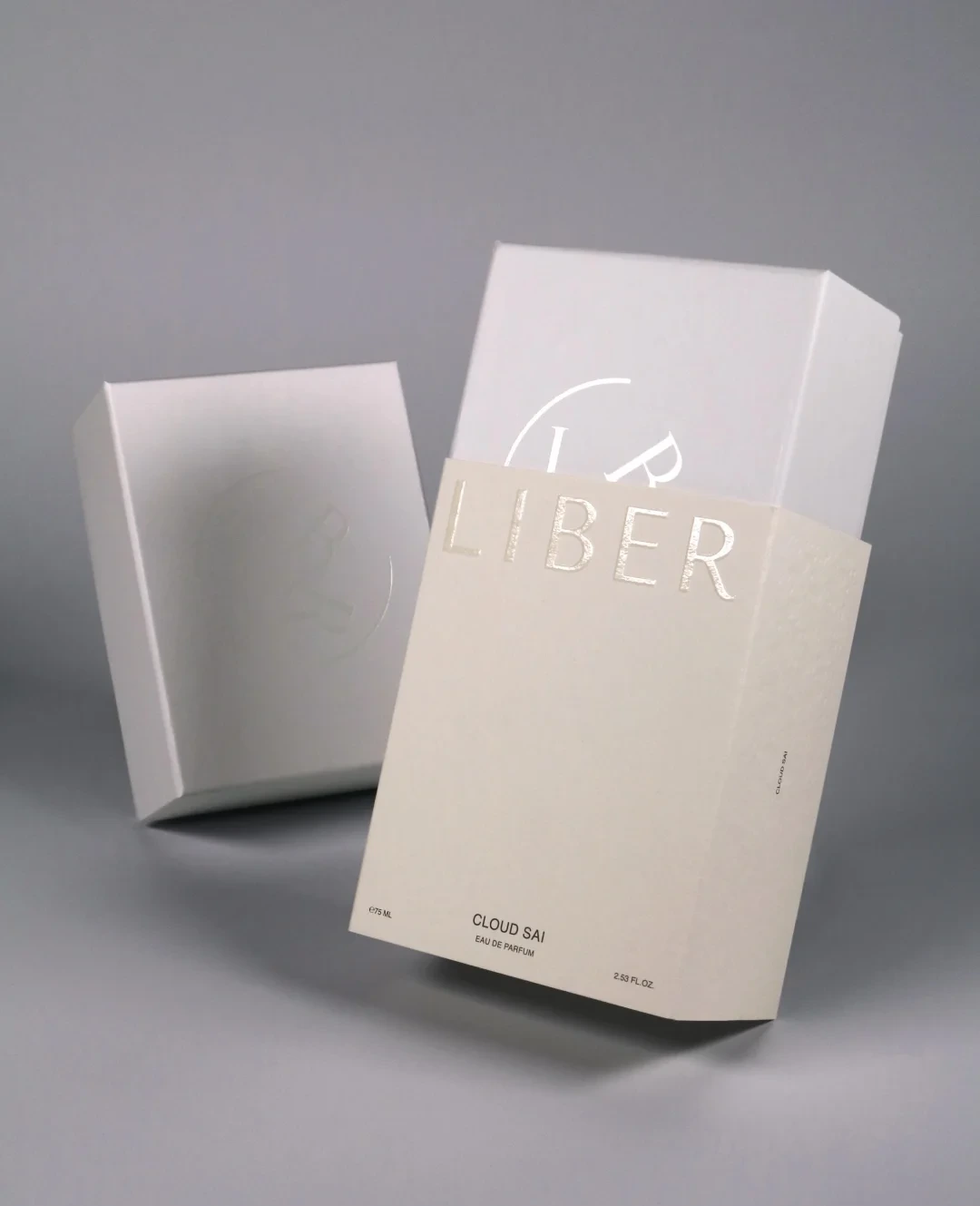
An undamaged box can still contain the wrong sleeve, an old insert revision or a card in the wrong language. Compare the box, insert, labels, cards and shipping identifiers with the approved component list. Similar-looking parts need an unambiguous way to identify the intended material and revision.
Separate material awaiting clarification and retain its carton and batch identifiers. One correct assembly does not show that every unit in the carton or shipment is correct. Agree on the follow-up inspection scope using the discrepancy actually found.
9. Create a report the supplier can track
| Record | Information to include |
|---|---|
| Item and revision | Box, fragrance, component identifier and approved file or sample revision |
| Observed scope | Actual quantity checked, affected quantity and carton or batch reference |
| Condition | Found on arrival, after forming, after filling or after storage; actions already taken |
| Observation | Location, visible condition, measurement record and effect on intended use |
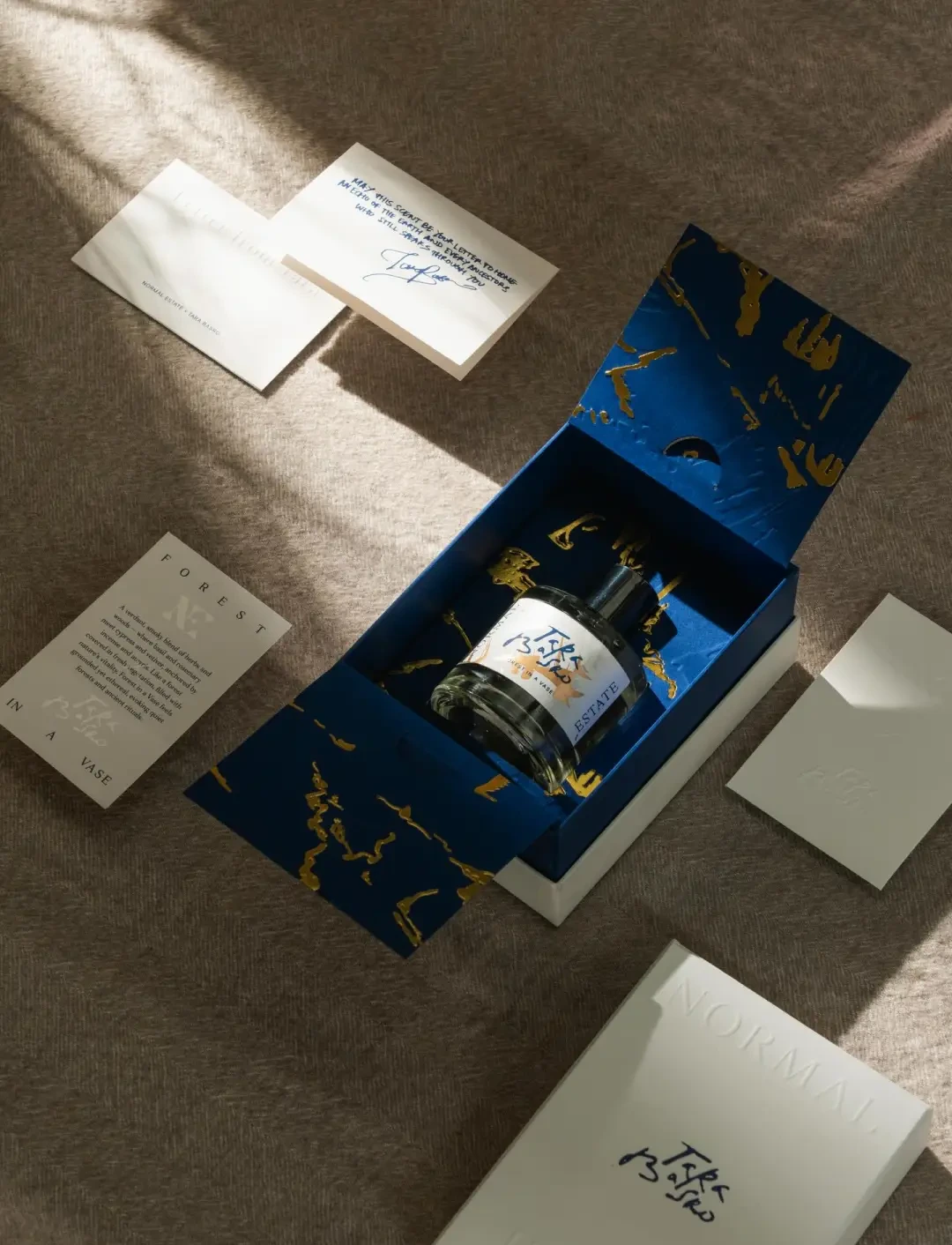
| Evidence | Overall view, close view, relevant short video and labelled retained samples |
| Follow-up | Investigation pending, information needed, correction awaiting approval or verification complete |
Use the quantities you actually checked. Do not turn a few photographs into an estimated defect rate for the entire shipment. Keep the observation separate from a suspected cause, and mark the cause as unconfirmed until there is supporting evidence. Internal records can retain the necessary order references without putting private customer or supplier information into public content.
10. Preserve the condition before deciding on a correction
If the packaging cannot close as approved, cannot accommodate the intended product, contains mismatched information or shows damage or foreign material needing investigation, identify and retain the affected pieces. Further forcing, cleaning or reworking can remove evidence of the original condition.
The next decision might involve a wider check, rework, replacement or acceptance of a documented appearance difference. Make that decision against the approved requirements and record it. Ask the supplier to state what they examined, the evidence behind their cause assessment, the proposed change and how it will be verified. A reply saying “improved” needs a follow-up check of the same location and the complete assembly.
Clear reporting turns an argument about workmanship into a problem that can be investigated and checked again. For a new or revised perfume packaging project, prepare the bottle details, component list, reference sample and marked areas for discussion with Bravo Package. Materials, finishes, inspection methods and delivery terms should be confirmed for the specific project.