
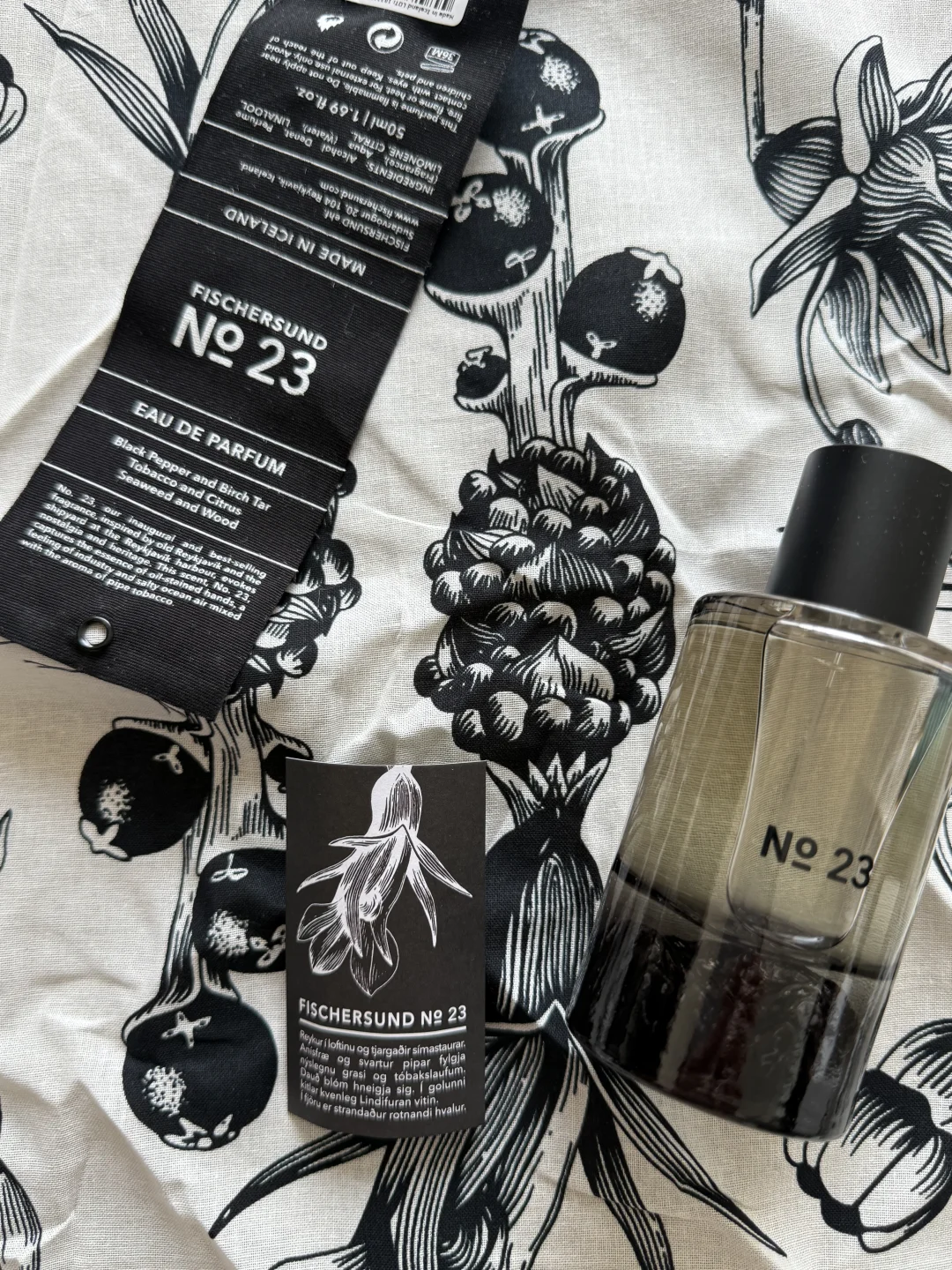
Third-party fragrance packaging reference shared by 美少女壮士 on Xiaohongshu. The photograph does not establish stock-box availability, label specifications or supply conditions. No brand endorsement, affiliation or Bravo Package project is implied.
PERFUME PACKAGING · STOCK AND CUSTOM OPTIONS
For a small perfume order, compare stock boxes with project labels against a custom packaging proposal. The decision depends on the actual bottle and accessories, required information, acceptable dimensional and visual restrictions, and component availability. Stock does not automatically mean suitable, cheaper or immediately available. Custom does not mean every detail is open to change.
Give both proposals the same project inputs, then identify what each meets, changes and leaves unresolved. This guide makes no universal minimum-quantity, price, timing or material-performance promise. Adding a label is also not a substitute for reviewing the final product information.
Start with the product and its intended use
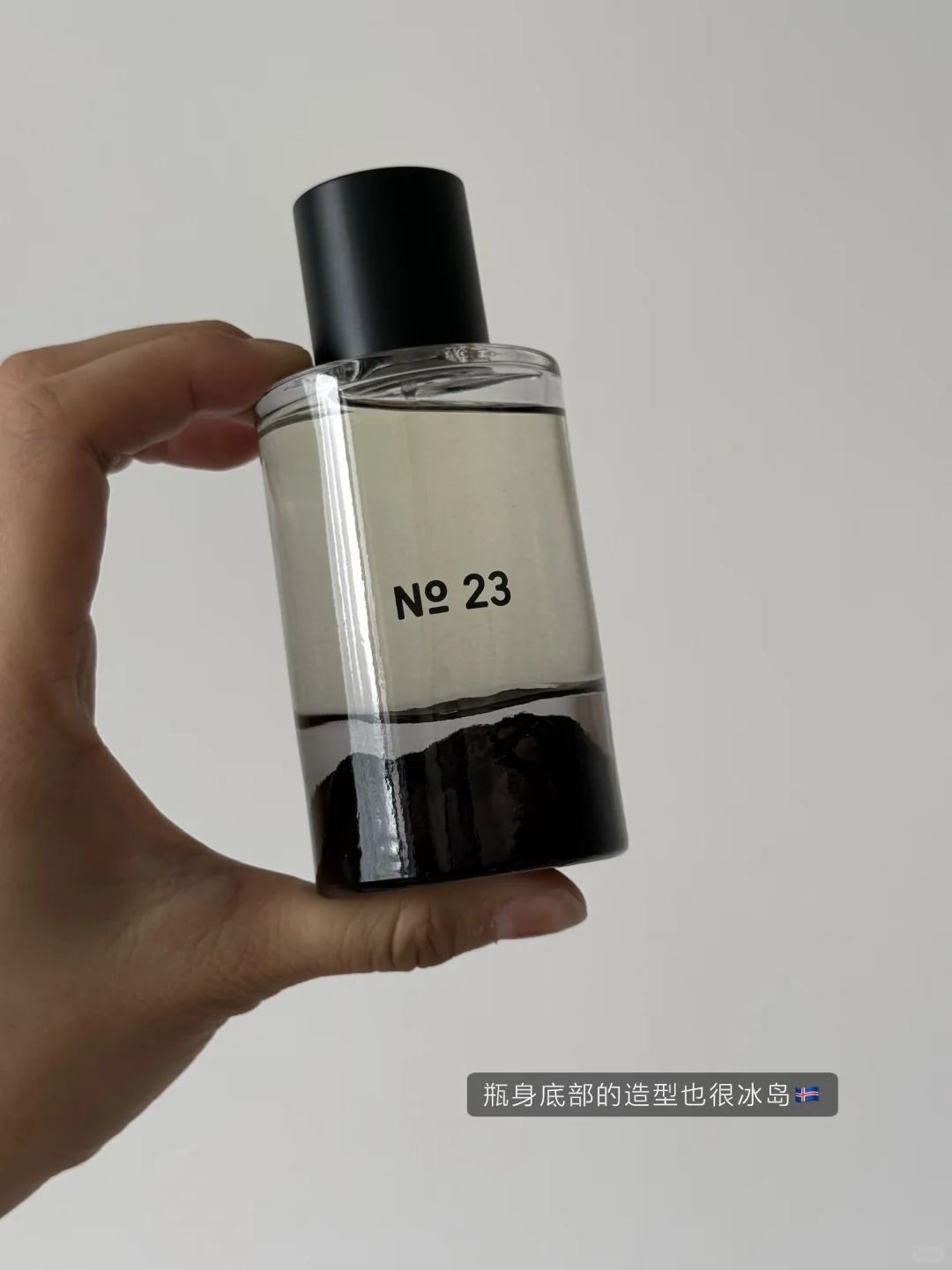
Provide the final bottle, cap, accessories and proposed set. Explain what goes in each box, how it is inserted and removed, and whether the packaging is for display, gifting or use inside separate shipping packaging. Perfume capacity does not replace the capped product's actual dimensions and shape.
Separate requirements from preferences. Identify closure, insert or divider needs, front-panel information and the intended opening experience. Ask for a proposal against the actual configuration. A product listing described as a perfume gift box does not establish that it fits this product.
If only drawings are available or the bottle remains provisional, state that limitation. Temporary samples and screen visuals can support discussion. Items without physical confirmation should remain open rather than being marked approved.
Establish what cannot change in a stock box
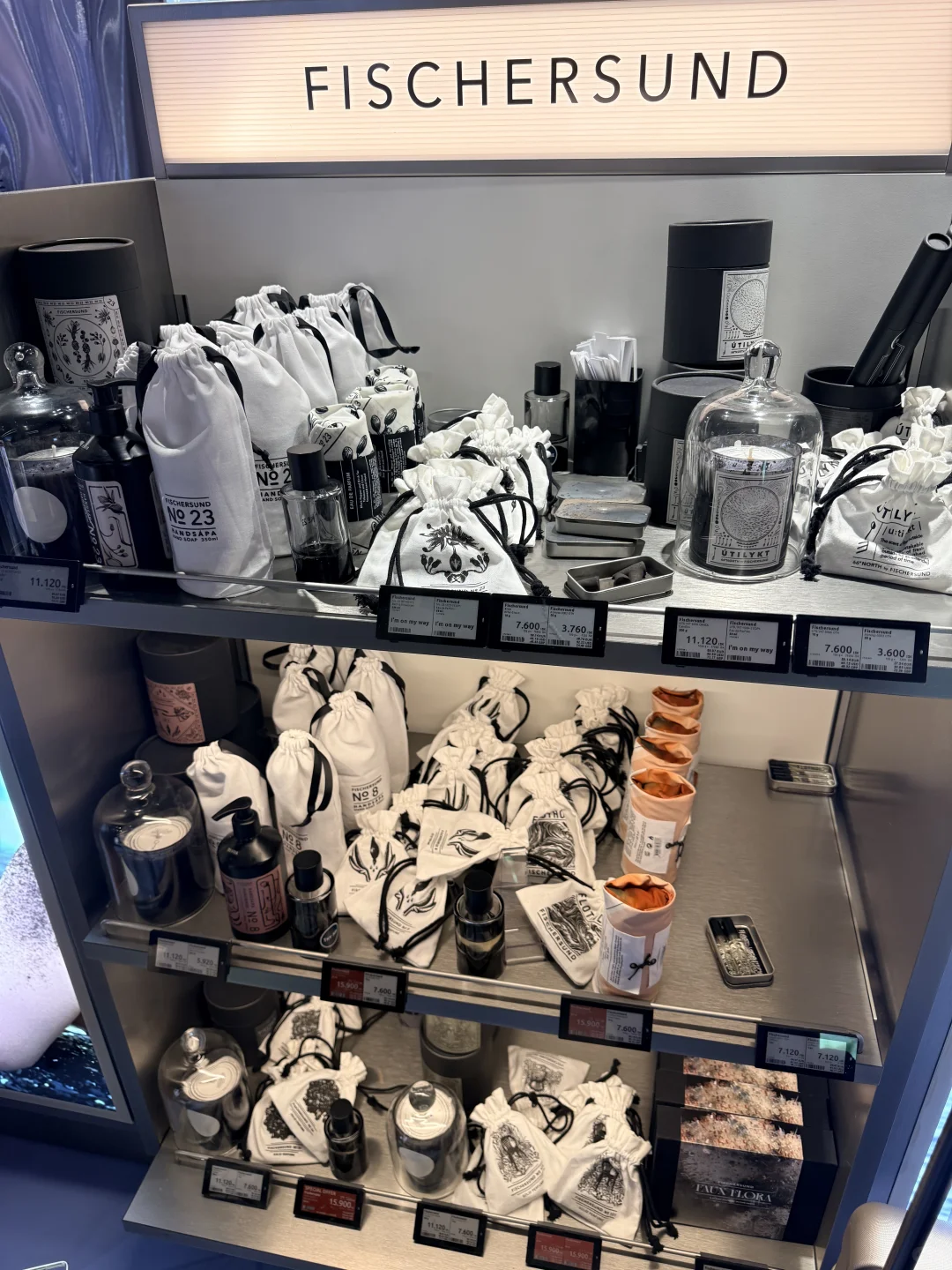
Obtain the exact specification, supplier reference and physical sample. Check dimensional references, format, inside and outside colours, fixed graphics and existing finishes. Ask what can be selected for this order, what requires separate work and what cannot change. Online dimensions and photographs do not replace examining the actual item.
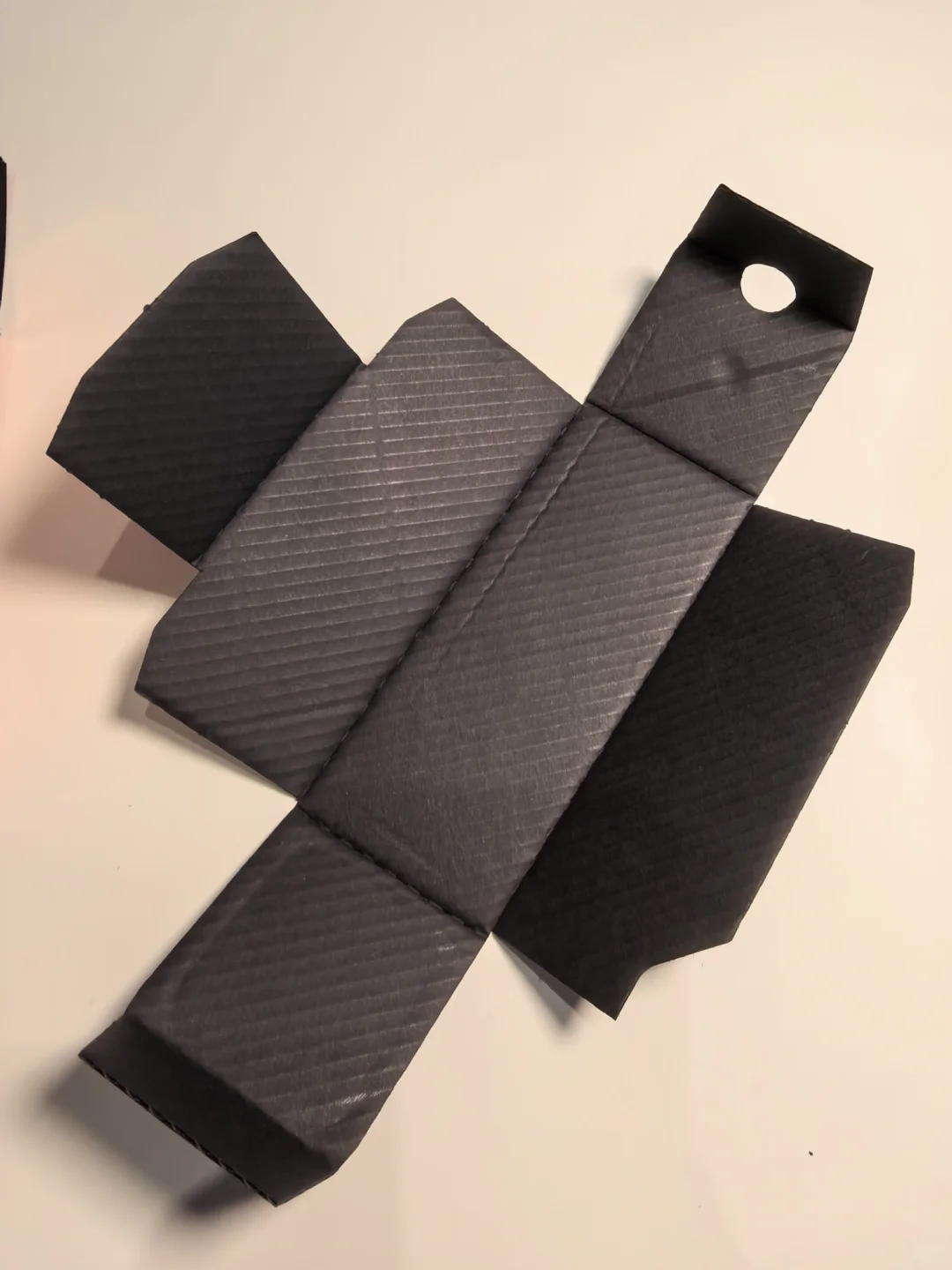
A suitable outer box does not complete the set. Does it need an insert, divider, card or accessory? Is each item supplied from stock, made for the project or provided separately by the brand? Record specifications, quantity conditions and responsibilities for additional components.
Confirm current availability, available quantity, batch scope and potential replenishment. Finding a suitable box for the first order does not establish identical materials, colour or construction later. Review the current item and specification again before replenishment.
Specify label production and label application separately
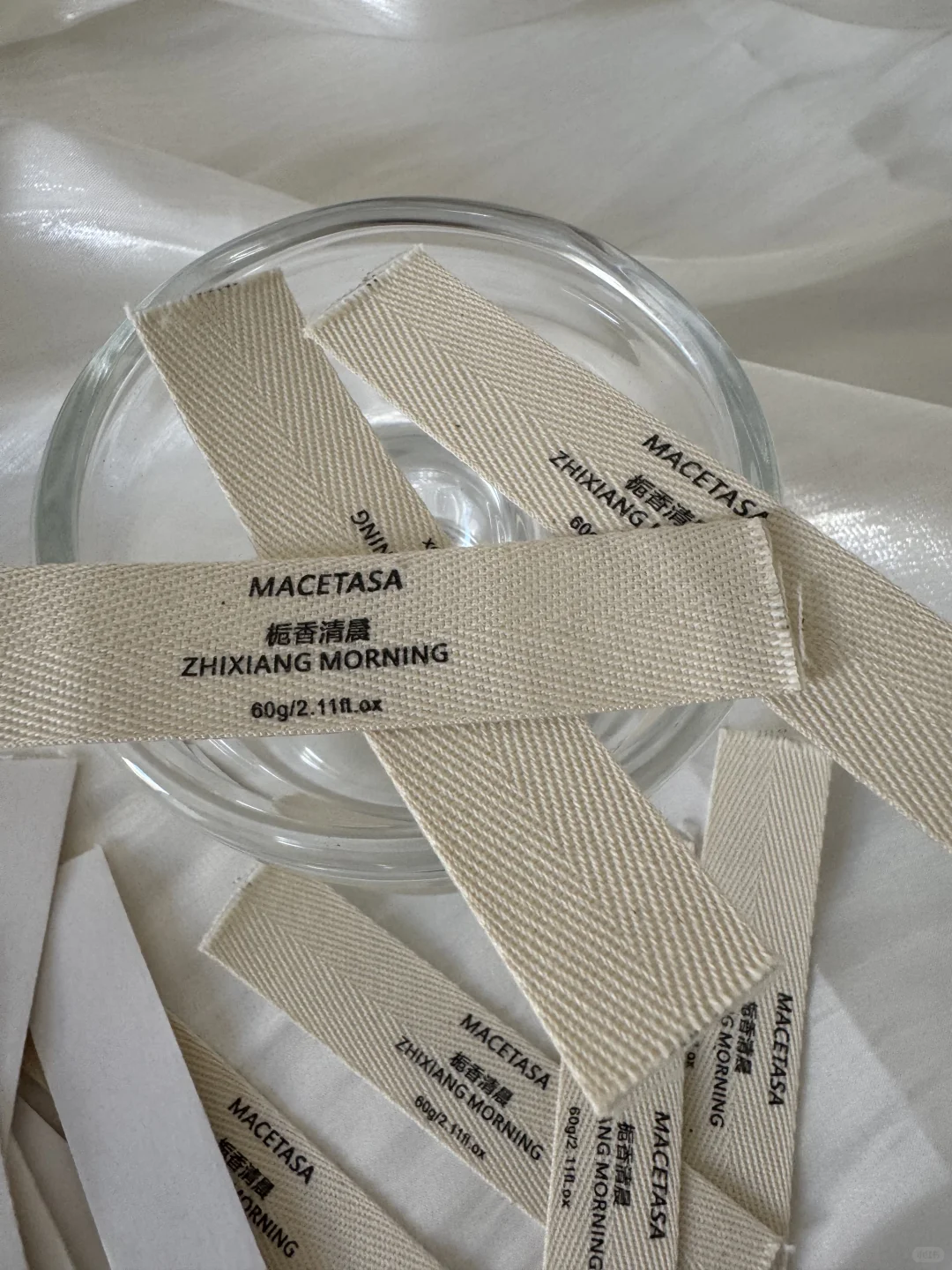
Identify label dimensions, shape, artwork, application face, position and quantity. Tell the label provider about the actual box surface and intended conditions of use. Ask it to explain the proposed solution and required confirmation. A statement that a label can be used on paper boxes is not a promise for every surface or environment.
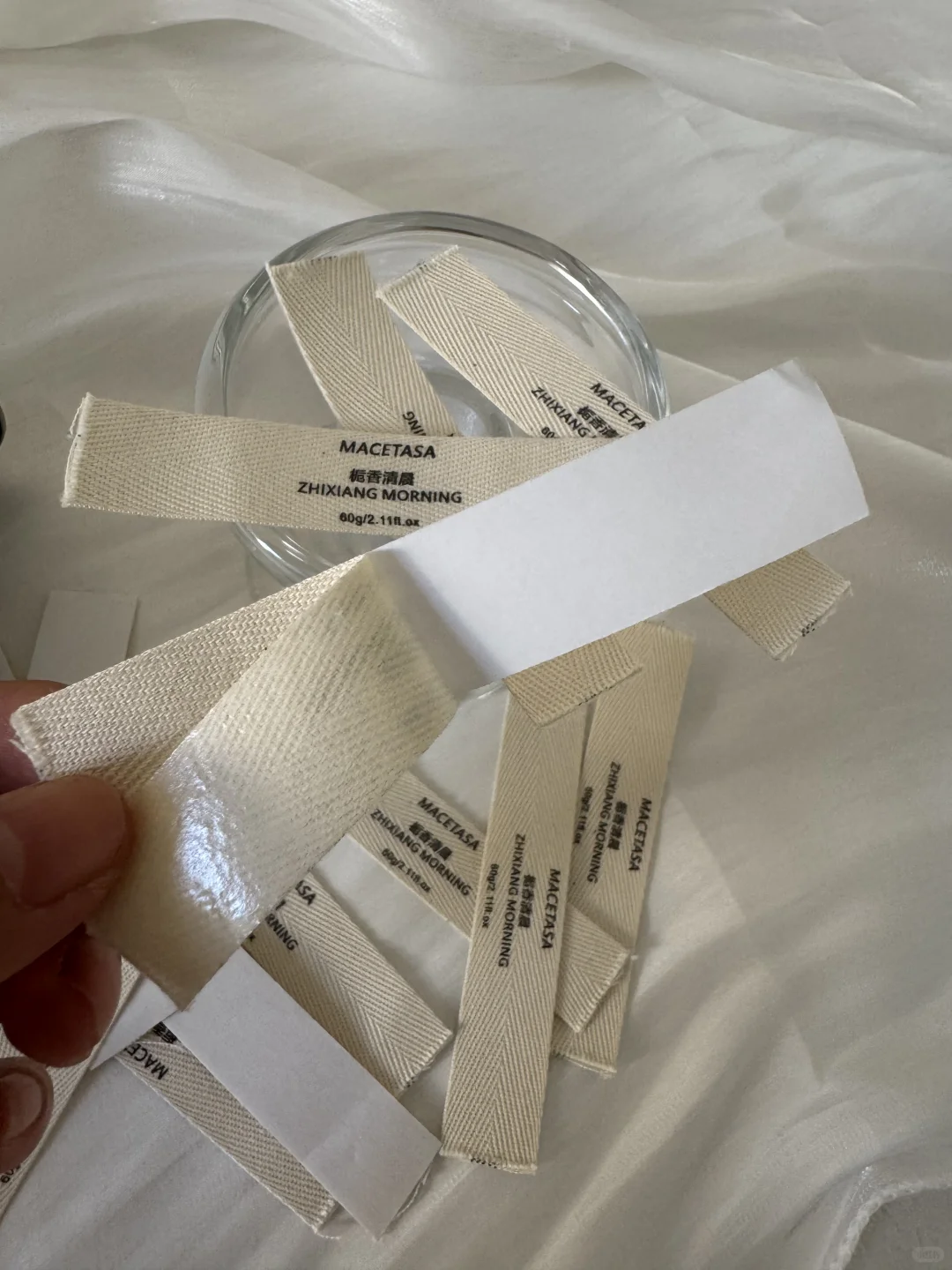
Separately establish who applies the labels: the label provider, box supplier, assembly partner or brand team. Will delivery consist of rolls, sheets, unlabelled boxes or finished labelled packs? Position approval, application samples, assembly and handling of unsuitable items need an explicit scope.
Review the proposed label on the actual box alongside the bottle, insert and cards. Check readability, obstruction, positioning, opening and product removal. For durability or other use-related requirements, have the responsible reviewers define the validation scope. Applying an office printout is not confirmation of the final label proposal.
Define the extent of custom work
Ask which structures, dimensions, materials, artwork, finishes and components can change, and which manufacturing conditions remain fixed. Custom may describe adding a logo or developing a structure. Those are different services unless the offer specifies otherwise.
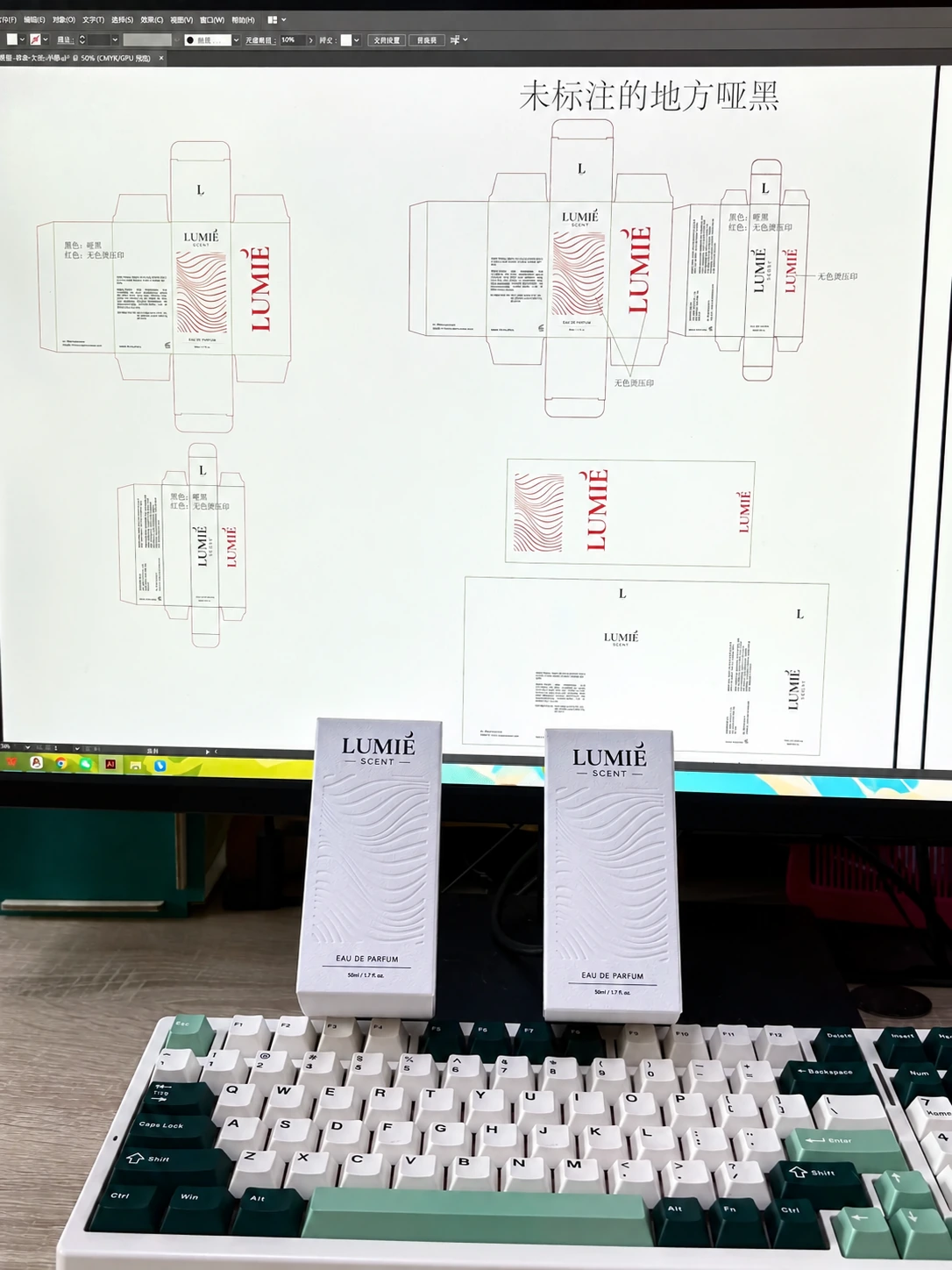
With an independent designer, clarify structural files, visual artwork and manufacturing review responsibilities. Who proposes changes, who approves samples and how are files handed over? Identify separate design, development, sample and tooling charges. Fully custom does not mean those services are all included.
If an existing structure or standard specification forms the basis of the proposal, list differences from the original target. It may be worth considering, but should not be described as every dimension and function having been developed to the brand's requirements.
Compare the same delivered scope
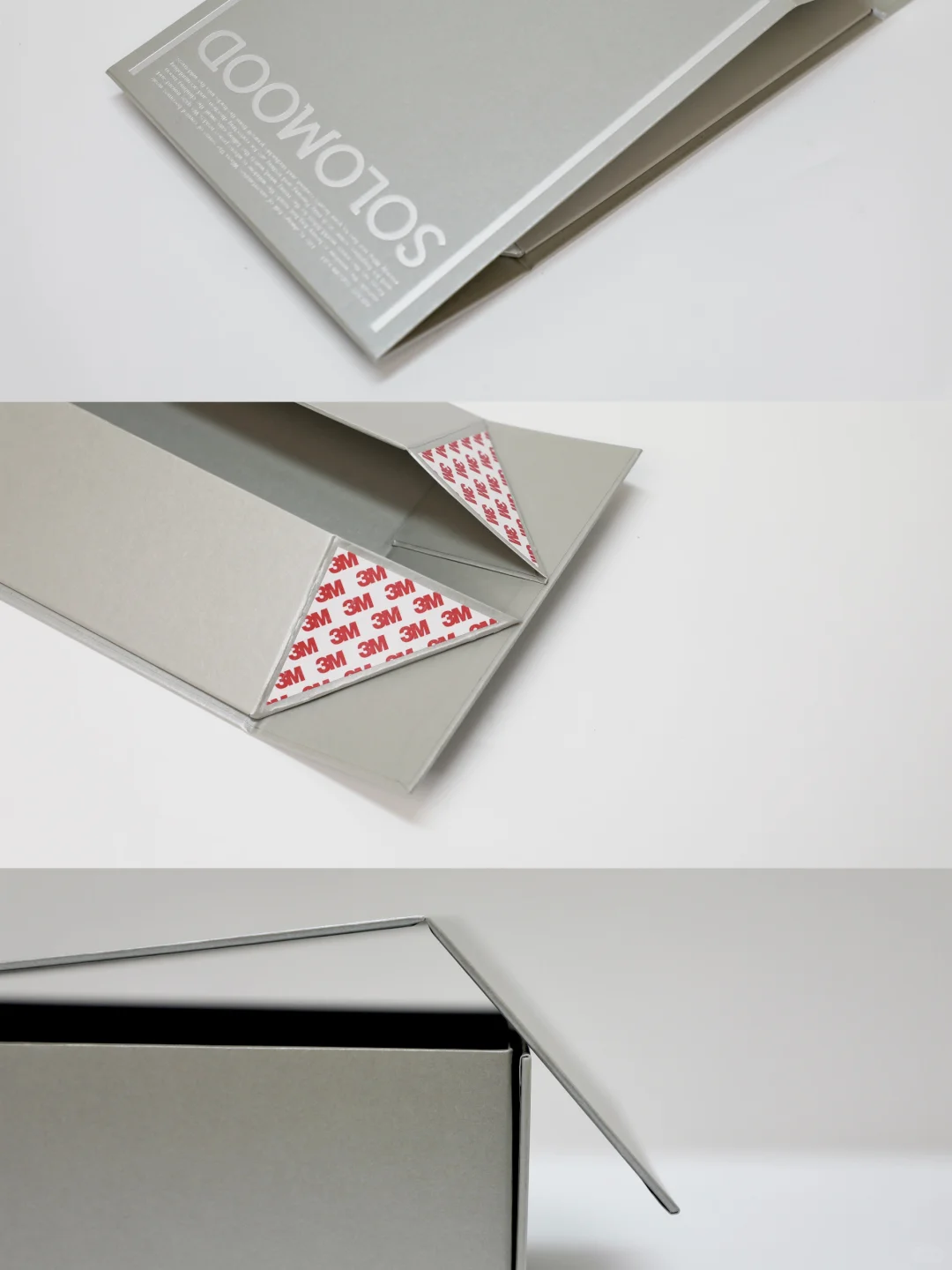
List quantities and quotations for the box, insert, labels, cards and accessories. Then check file preparation, samples, tooling, application, assembly, packing and freight inclusions. A stock offer for an empty box cannot be compared directly with a custom offer including inserts and assembly to judge which solution costs less.
Boxes and labels may have different ordering units, minimums or supply conditions. Separate each component's actual requirement from the available quantity. Acceptance of the order, stock availability and any fee changes following artwork revisions need current replies. Do not fill these fields from an advertisement promising zero minimums or low prices.
Compare timing against the actual work. A stock box proposal may still involve label production, component arrival, application and dispatch. A custom proposal also needs stated starting conditions for file, sample and order approval. These factors do not establish which option will always be faster.
Put both proposals into one comparison table
| Comparison area | Scope information | Confirm with the supplier | Avoid assuming |
|---|---|---|---|
| Product and use | Same capped bottle, accessories, contents and intended use | Check insertion, closure and removal separately with each physical proposal | A box name or capacity does not establish fit. |
| Box restrictions | Specification, reference, fixed colours and graphics, adjustable features | Identify stock elements, new work and unresolved items | A stock box does not complete the whole set. |
| Labels and information | Actual artwork, dimensions, position, surface and revision | Identify the applying party, delivery form and approval scope | Adding a label does not replace information review. |
| Components and assembly | Inserts, cards, accessories and individual quantities | Identify providers, assembly work and arrival conditions | Custom does not mean everything is included. |
| Quotation and delivery | Same currency, quantities, inclusions, destination and starting conditions | Compare the complete scope with unknowns visible | Do not compare an empty box price with a set price. |
| Replenishment and changes | Later availability, file revisions and possible changes | Review the actual items and supply conditions before reordering | First-order suitability is not permanent approval. |
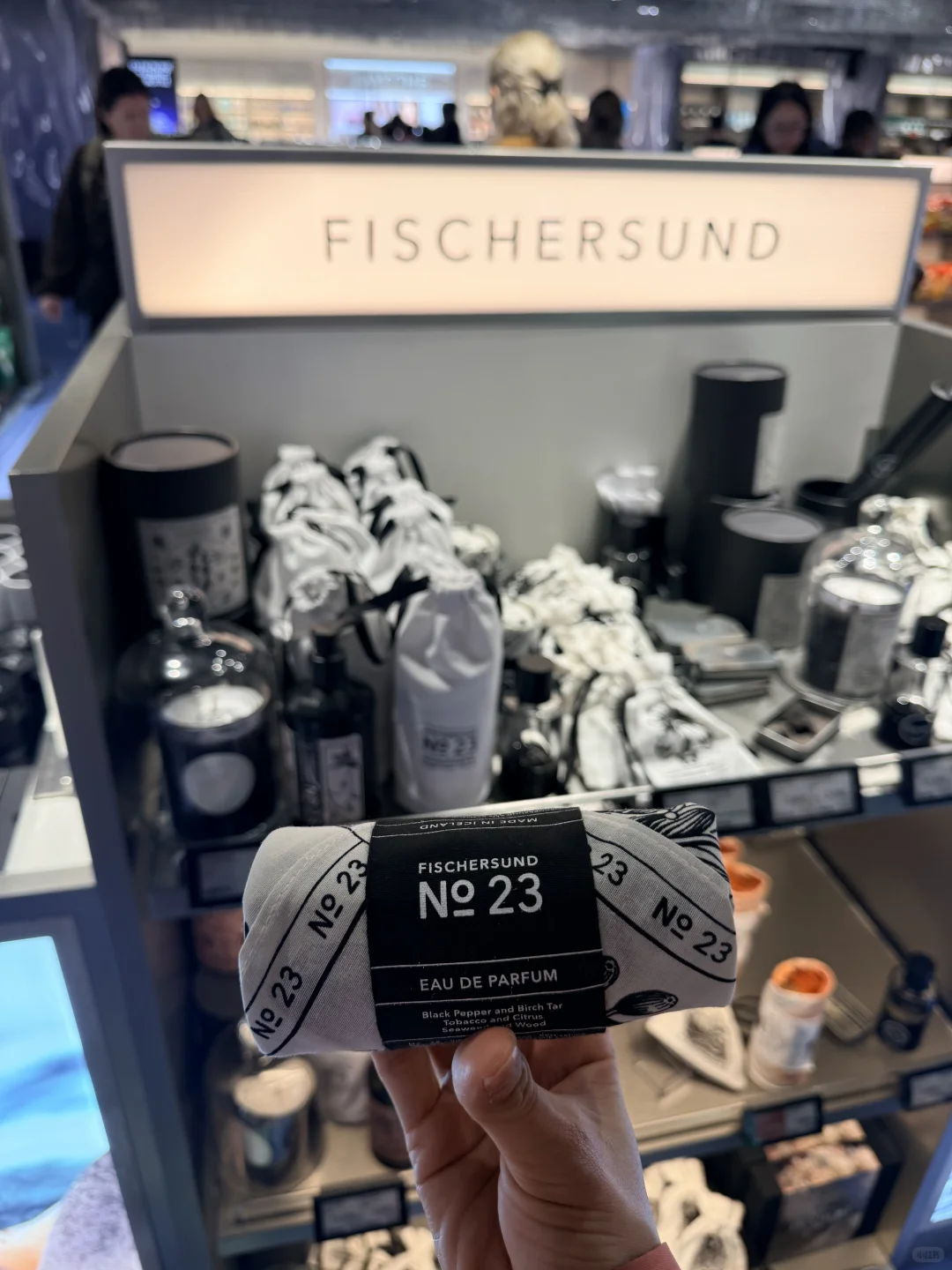
Request a proposal and its limitations against each row rather than a general yes. Where scope differs, keep the differences visible. Do not make the offers appear equivalent through invented allowances or omissions. Ask for another quotation against the same scope where necessary.
Manage the first order separately from later changes
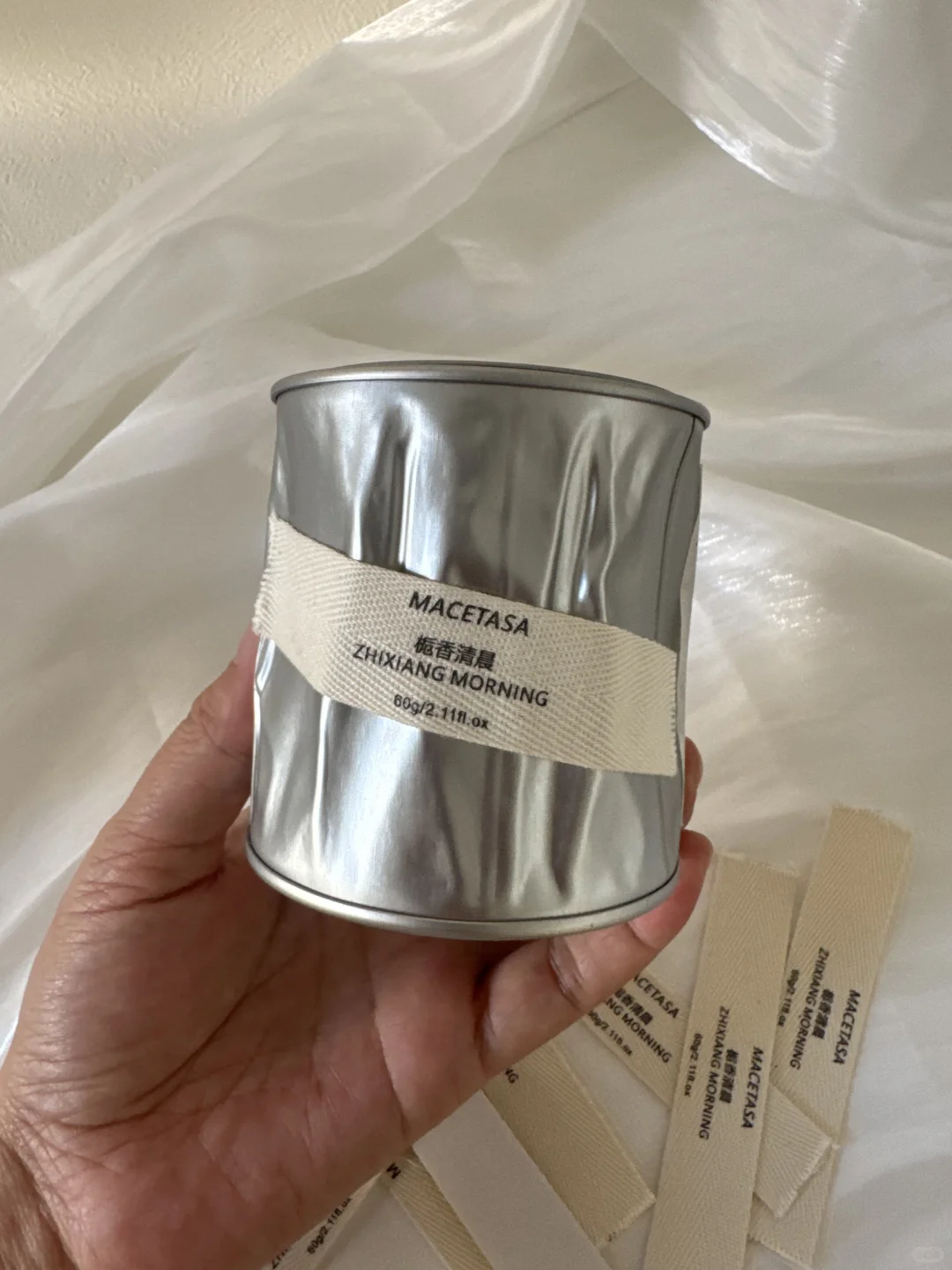
Labels may offer a way to discuss artwork changes, but replacing them does not complete every product or market-version change. The brand's responsible reviewers need to approve final wording, product information and intended application. Recheck the whole configuration when labels, bottles or sales versions change.
Keep the chosen box reference, label and insert revisions, physical samples, quotation scope and assembly arrangement. A later move from stock to custom, or from custom to a standard proposal, requires review of the new solution. The first order's sample does not establish suitability for another configuration.
There is no universal answer detached from the project. Stock boxes with labels need fixed conditions that meet the actual requirement. A custom proposal needs useful additional flexibility and clearly described charges and approval work. Compare the deliverables side by side, then choose against the need rather than the stock or custom label.