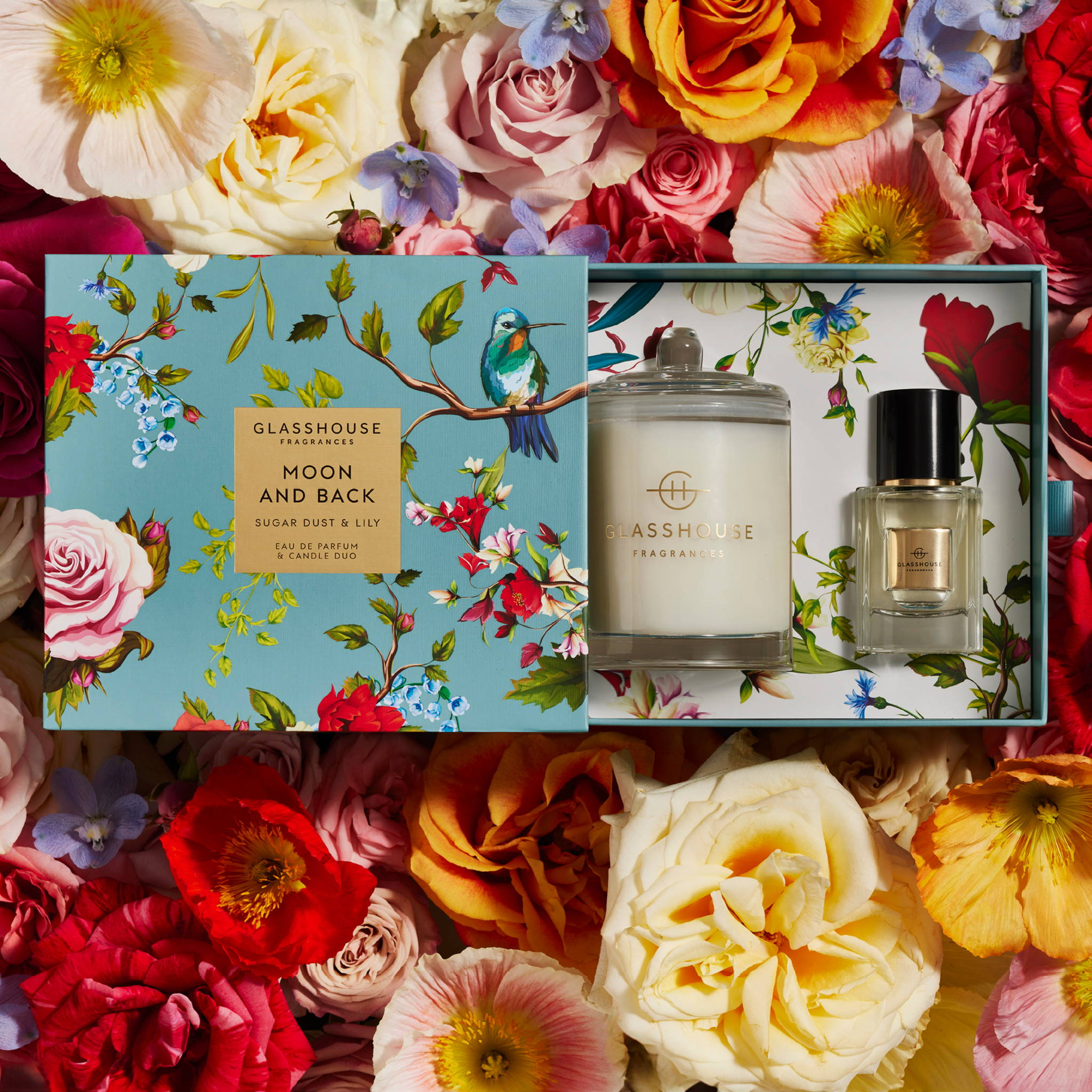
The Moon and Back presentation separates a lidded candle and perfume within one floral pack. Visible positions do not establish weights, measured gaps or protection; flowers outside are scene props. Third-party reference; not a Bravo Package project.
A perfume and candle gift set brings two different containers into one layout. Start with their actual weight, outlines and support requirements before arranging the visual composition. Record both products in their final filled and capped condition, and review them with the insert, outer box and included materials. Spacing needs to serve separation, clearance and access. A standard gap or material name cannot replace a complete sample review.
Record the actual filled products
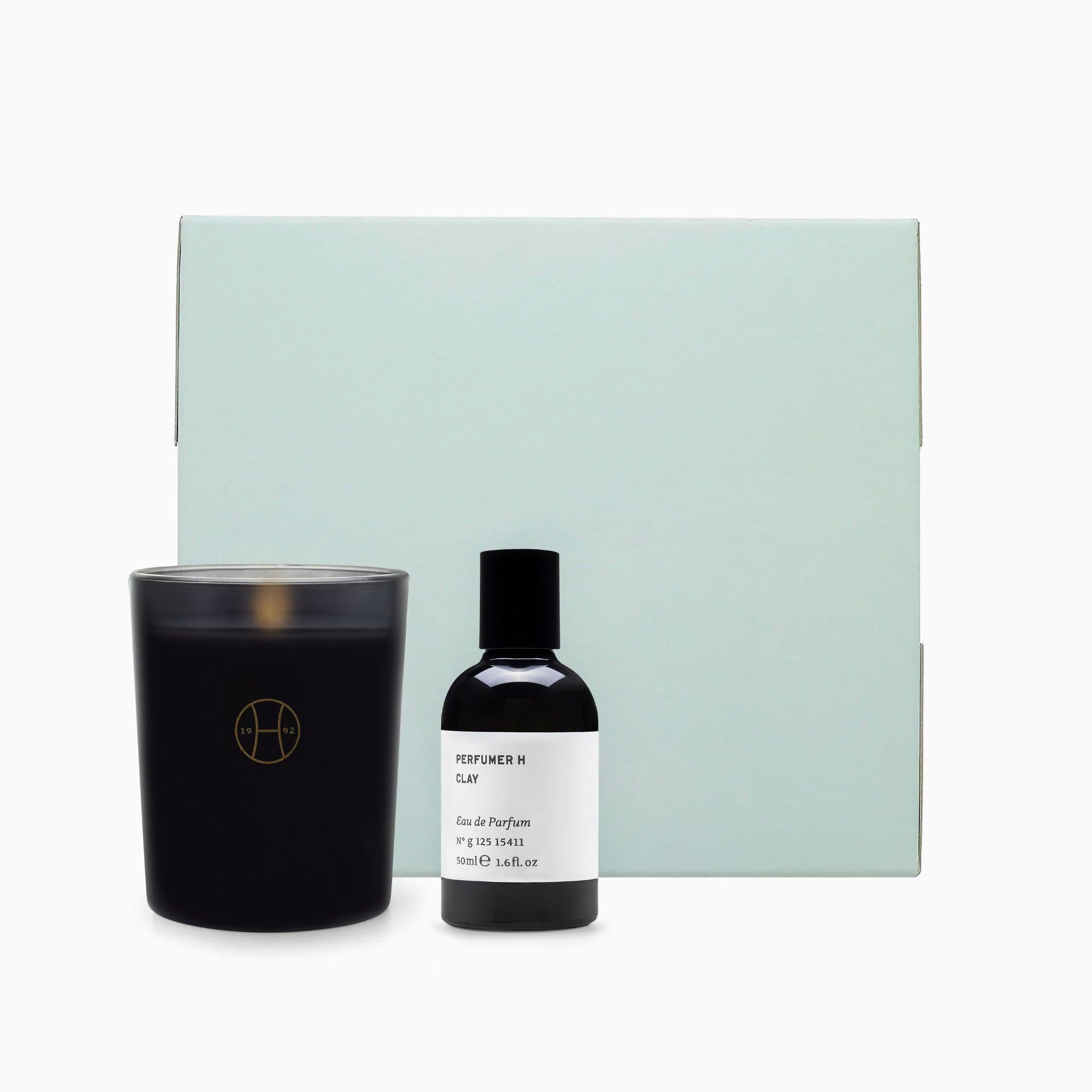
Define the approved perfume and candle names, specifications, quantities and gift-set SKU. Weigh the filled perfume bottle with its selected closure and the finished candle vessel with its selected lid separately. Record external dimensions, units, orientation and projections. If the candle has no lid or includes other accessories, identify that actual configuration. An empty bottle or cup is not a substitute for the final product.
Mark decorative surfaces, label edges, vessel rims, bottle necks and other areas needing attention. Preserve sample identities and revisions. Similar outlines do not establish similar weight, and a capacity label does not determine the finished item’s weight. Use these inputs to plan orientation and positions before fixing the outer box.
Separate visual composition from weight distribution
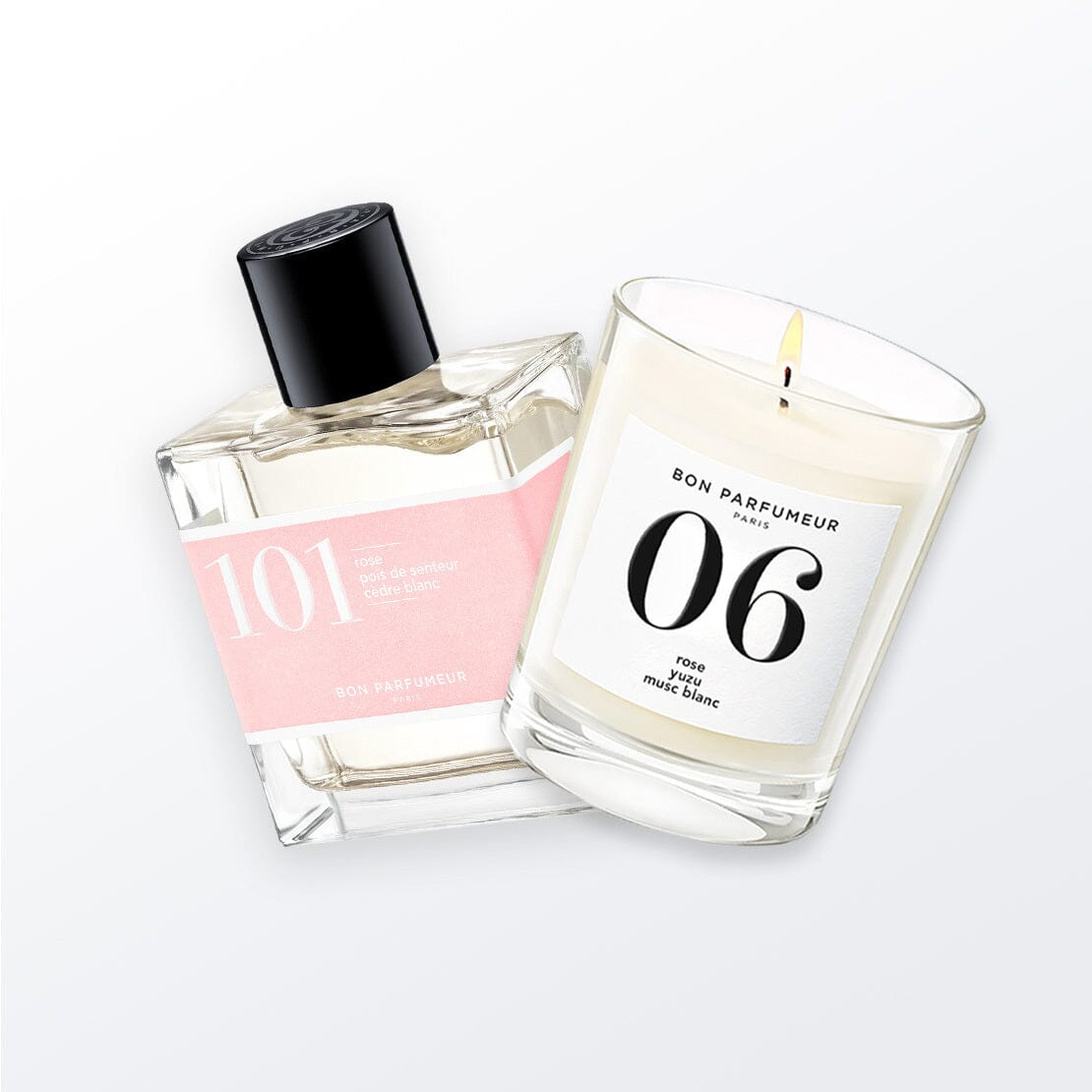
A bottle and candle cup can look balanced in a photograph while distributing weight differently in the assembled set. Compare their actual positions in the proposed layouts and observe the complete box being lifted, set down and opened in the intended manner. The heavier item does not automatically belong on a prescribed side.
Discuss support and the outer structure with the person responsible for the packaging structure, using complete products. Keep observations and revisions linked. There is no assumed counterweight ratio, centre-of-mass formula or material-strength value. Moving decorative paper is not evidence that a load issue has been resolved, and a stable-looking flat display does not establish every handling condition.
Plan spacing around contact and separation
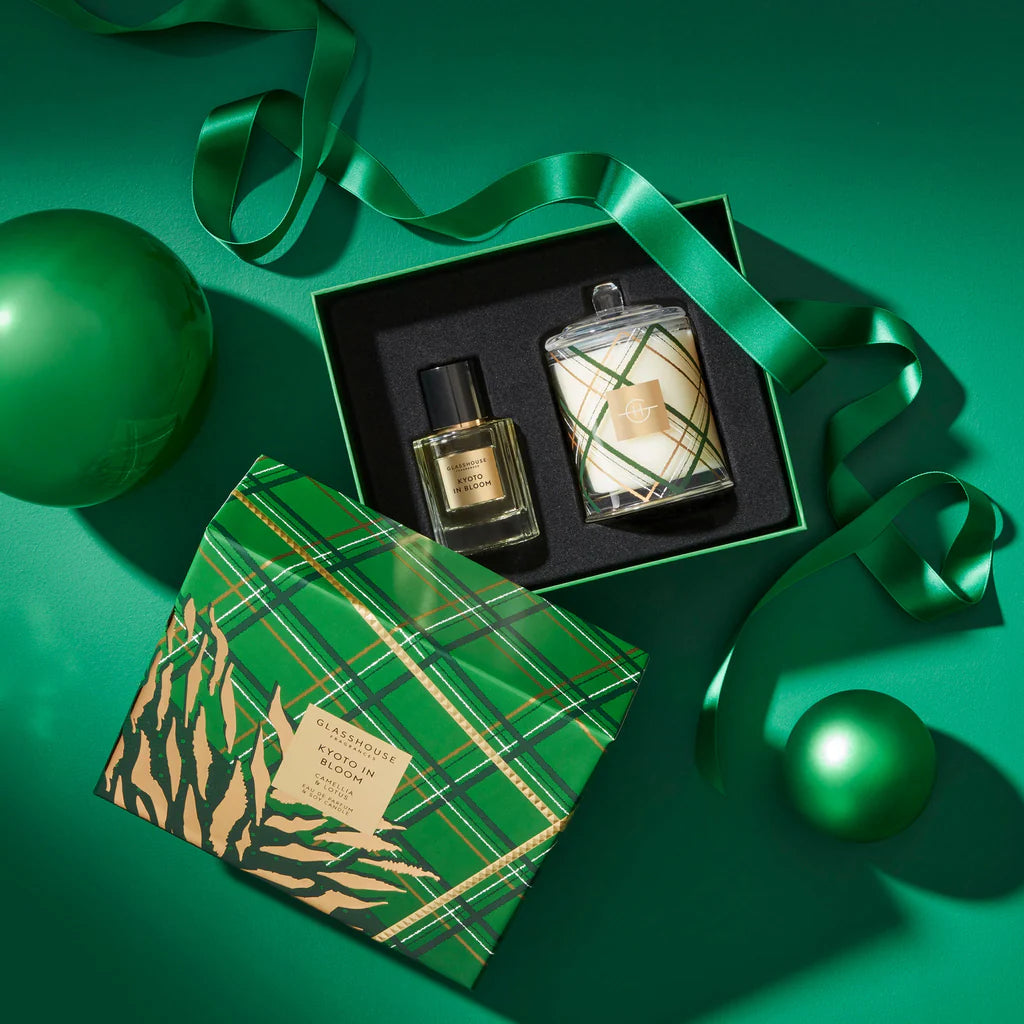
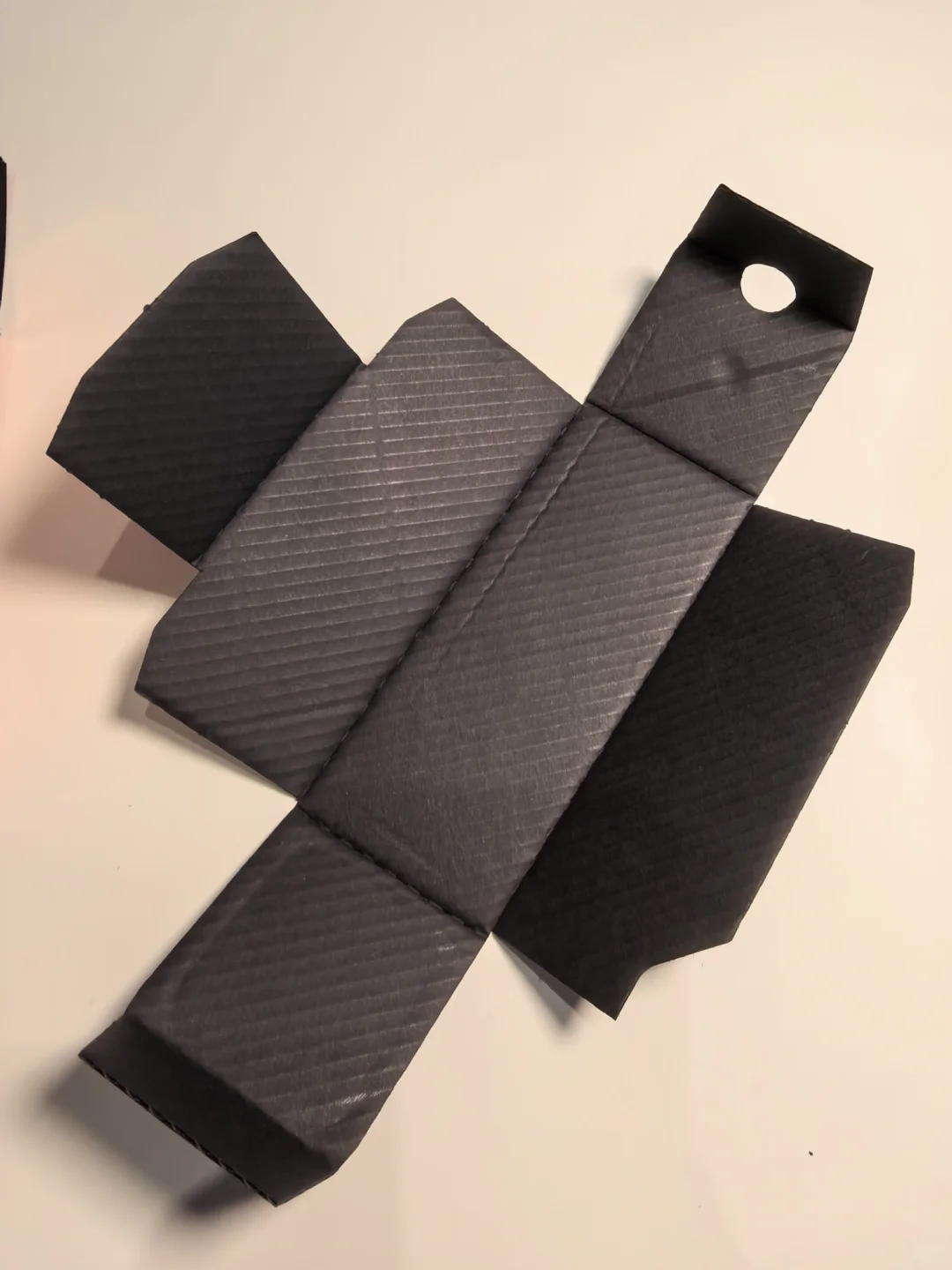
Identify acceptable support-contact areas and areas to avoid for each item, then review the relationships between bottle and cup, their closures, projecting parts and neighbouring components. Spacing is more than blank space between two outlines. It includes cavity depth, dividers, surface contact and the room beneath the lid.
An insert, partition or another structure may be considered, but its material name does not guarantee freedom from collision or scuffing. Do not copy a gap from a promotional photograph or apply a universal millimetre value. Discuss allowances against the actual containers, structure and assembled condition. After changing one position, review the neighbouring product and lid again.
Review removal and replacement separately
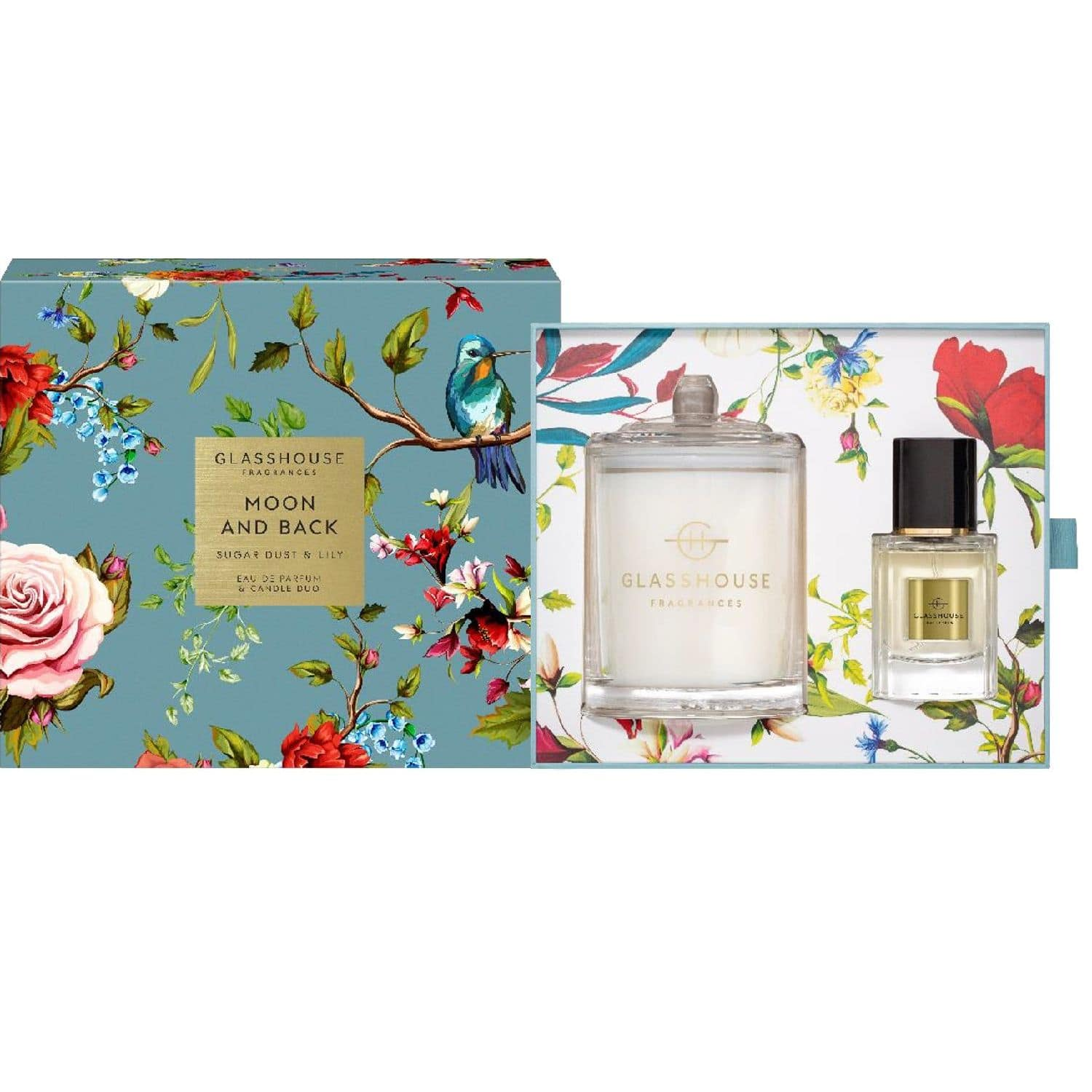
Try removing the perfume and the candle separately, then replace each one. Record finger access, the part being gripped and the movement direction. Do not assume that a bottle cap, pump, candle lid or decoration can be used to lift the entire product. Review the agreed handling action on the actual sample. If a card or neighbouring product must move first, decide whether that sequence is intended.
Check positioning and difficulty of removal together. Tighter does not automatically mean better protection. Cards, paper, ribbons and included tools may cover access points or press against products, so include them during the trial. An orderly arrangement and the correct number of cavities do not establish usable access.
Distinguish assembly checks from transport assessment
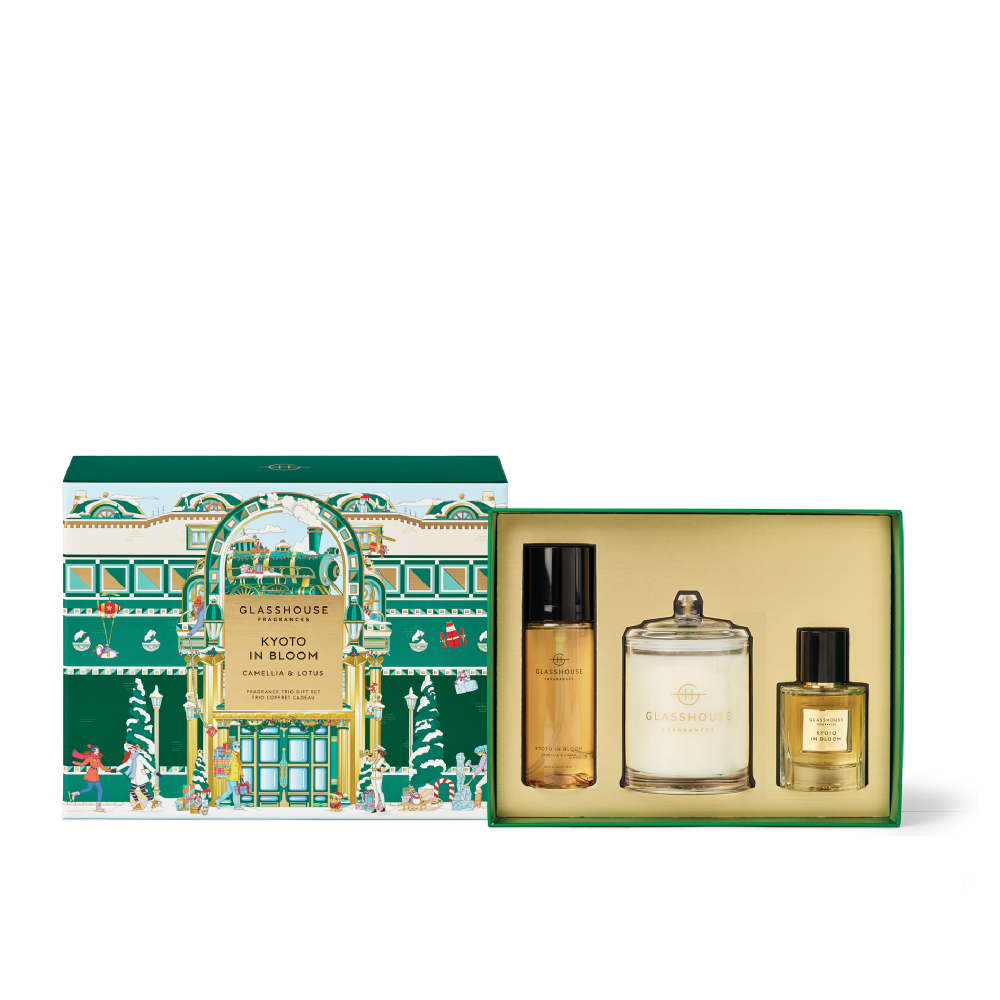
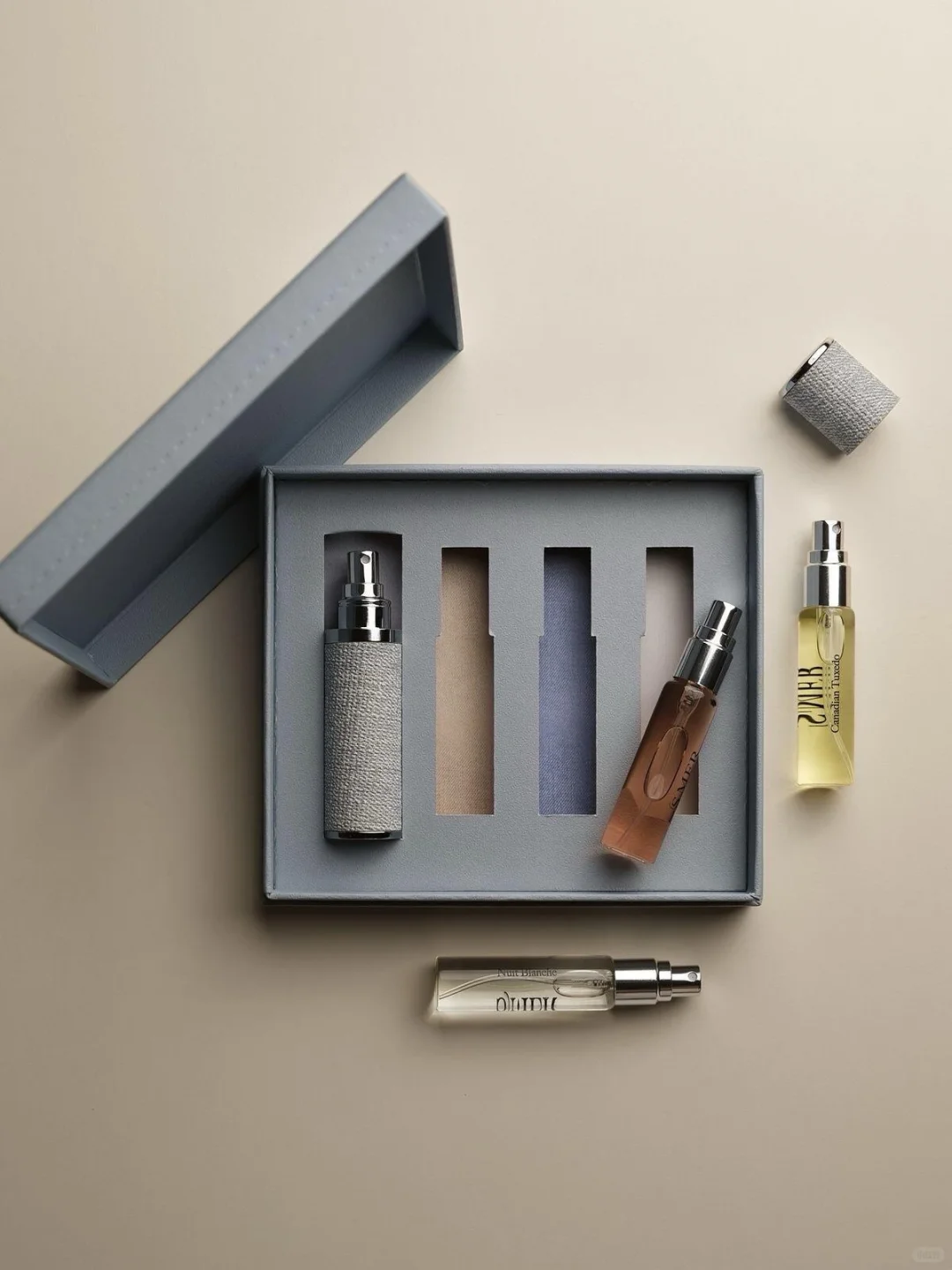
Build a complete sample with the filled products, insert, outer box and every included material. Review closing, opening, removal and the intended way of lifting the complete set. Record movement, interference, closure issues and awkward steps, then agree which changes and further checks are needed. Empty boxes and isolated detail photographs cannot replace this review.
Keep assembly observations separate from transport assessment. Where an outer shipping carton and distribution configuration form part of the proposal, discuss them with the gift box and insert as the relevant complete system. A light shake, tilt or single lift is not a transport approval. Board thickness, soft lining or a honeycomb description cannot independently establish glass-container protection.
Keep product identity and revisions connected
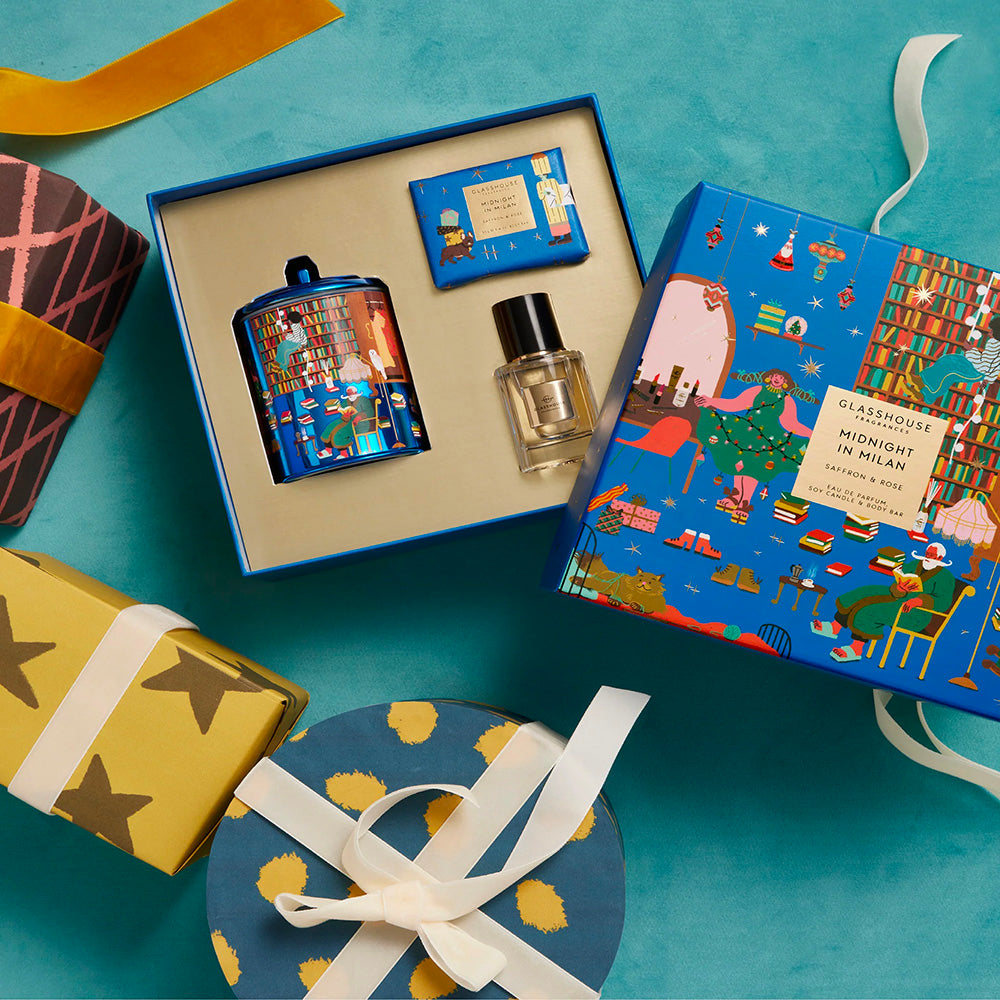
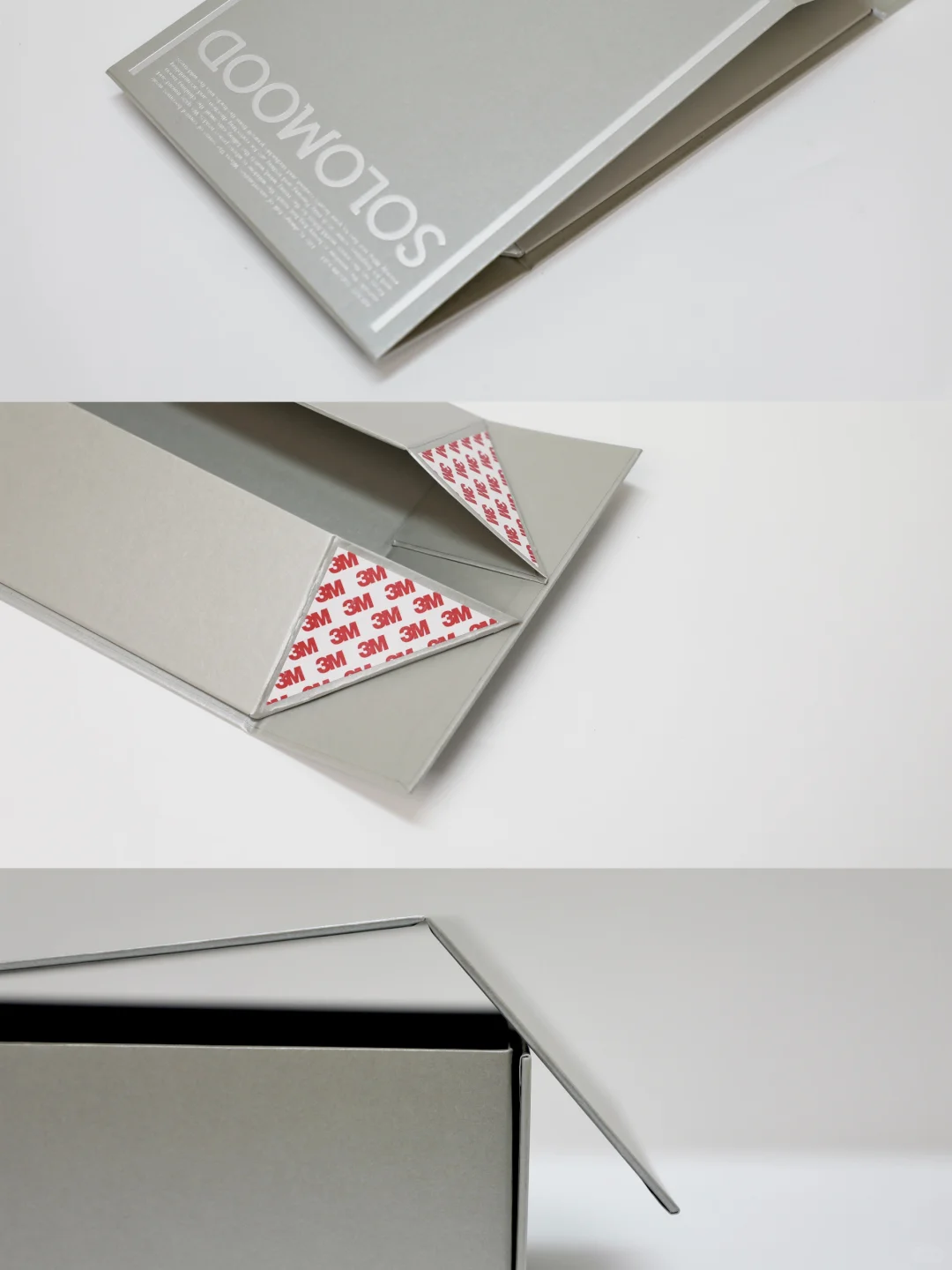
Alongside a coordinated visual identity, keep the perfume and candle names, intended uses and their respective information clearly assigned. Do not transfer one product’s instructions to the other. The photographed combination and outer identification should match the actual contents list. Exclude display props and record included accessories with their quantities and revisions.
Archive weight and outline records, contact and clearance views, layout revision, complete-sample identifier, removal and lifting observations, confirmed scope and unresolved items. After changing a vessel lid, bottle cap, filled product, insert or accompanying material, identify the effects and review the relevant sample. Reusing the box does not automatically preserve the earlier conclusions.