
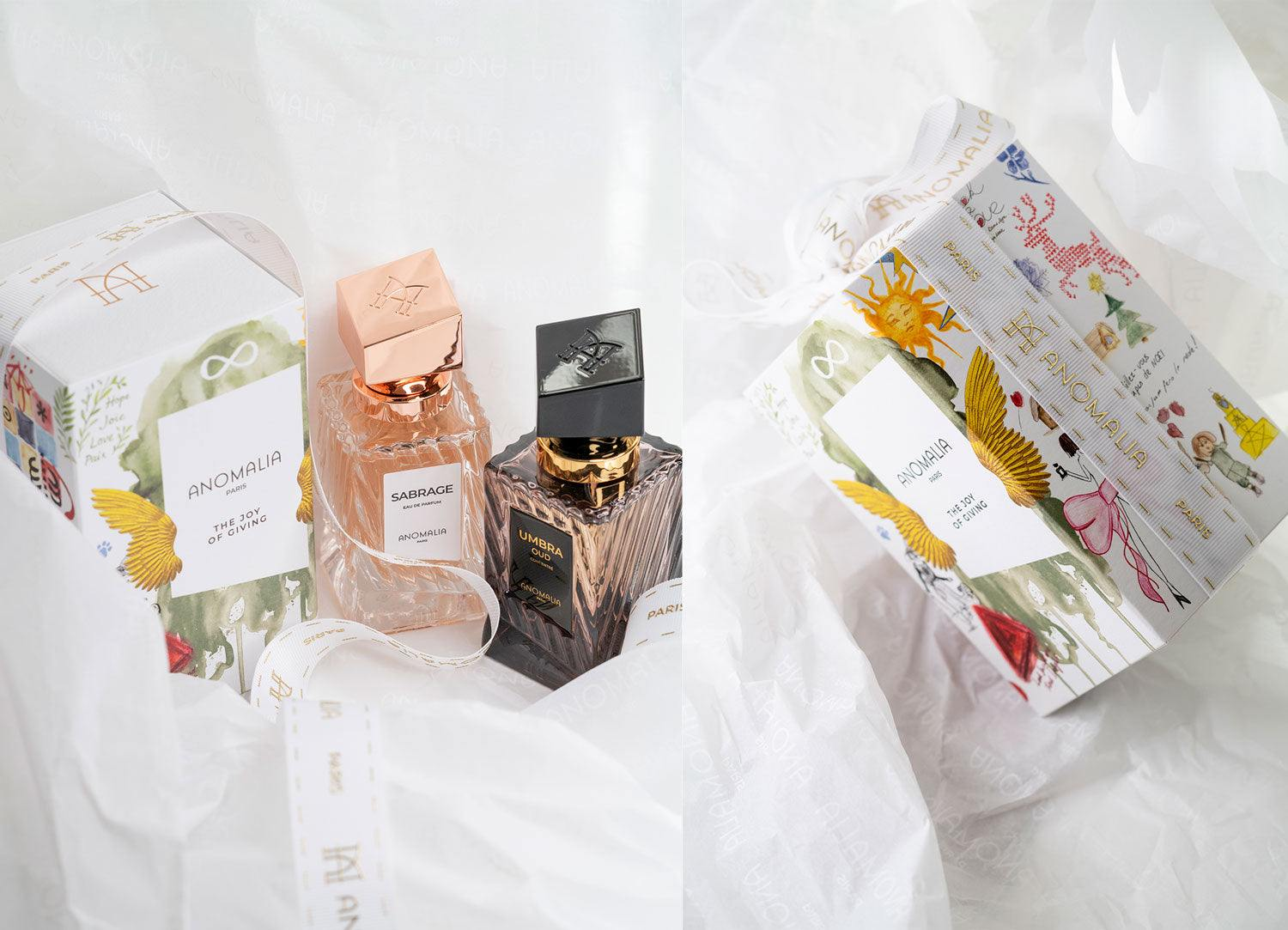
This original two-panel Anomalia photograph shows illustrated festive sleeves with fragrance bottles, ribbon and tissue. It illustrates seasonal presentation, without establishing unchanged box dimensions or tooling. Third-party reference; not a Bravo Package project.
A seasonal perfume presentation can begin with the regular box and insert, while a sleeve, band or card carries the changing theme. First confirm that the actual products still match the approved base configuration. Then review coverage, fit, removal and opening with the additional materials in place. Reuse is a proposal to verify. It does not establish compatibility with every new product or automatically preserve earlier performance conclusions.
Confirm the base configuration first
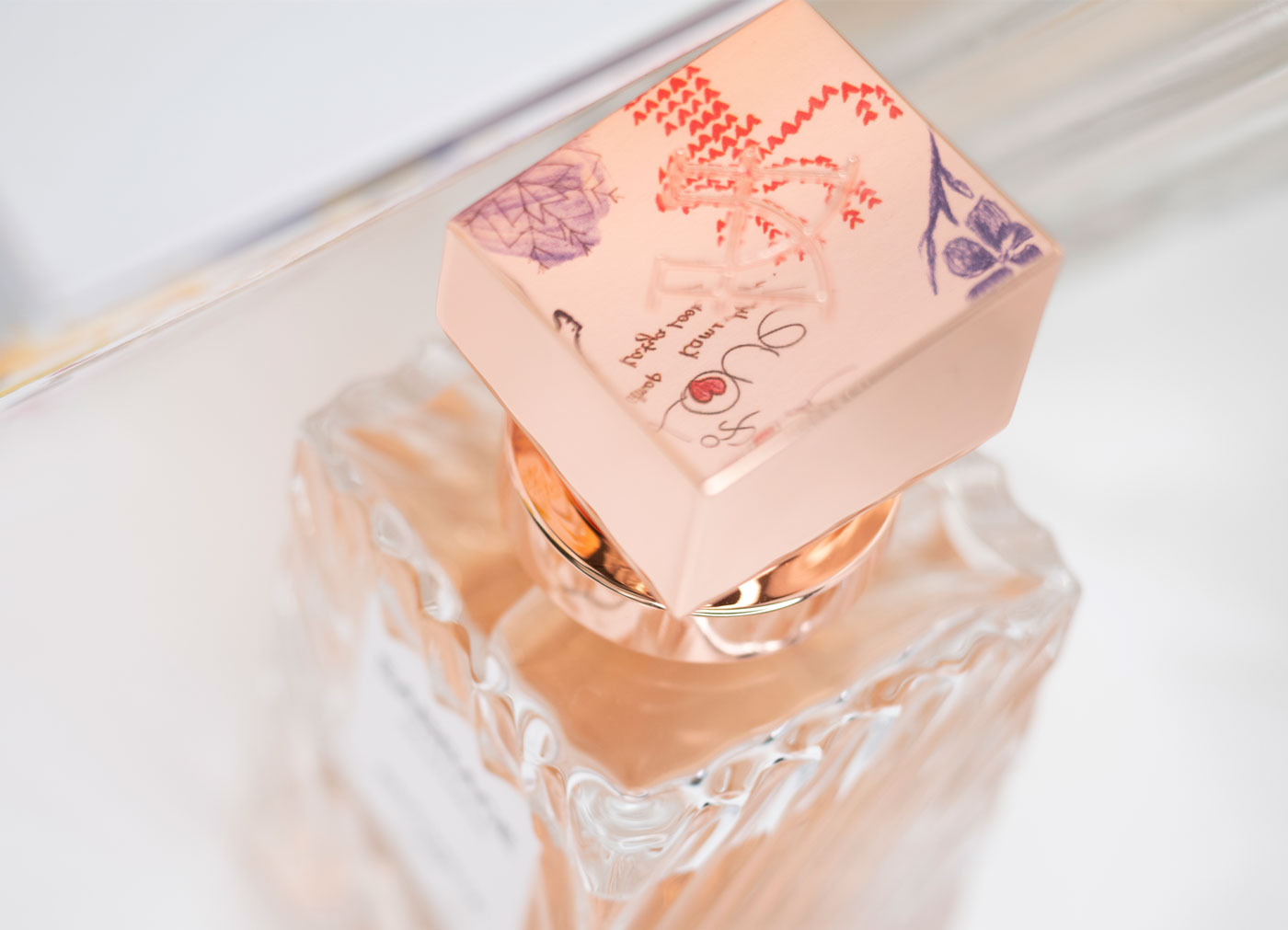
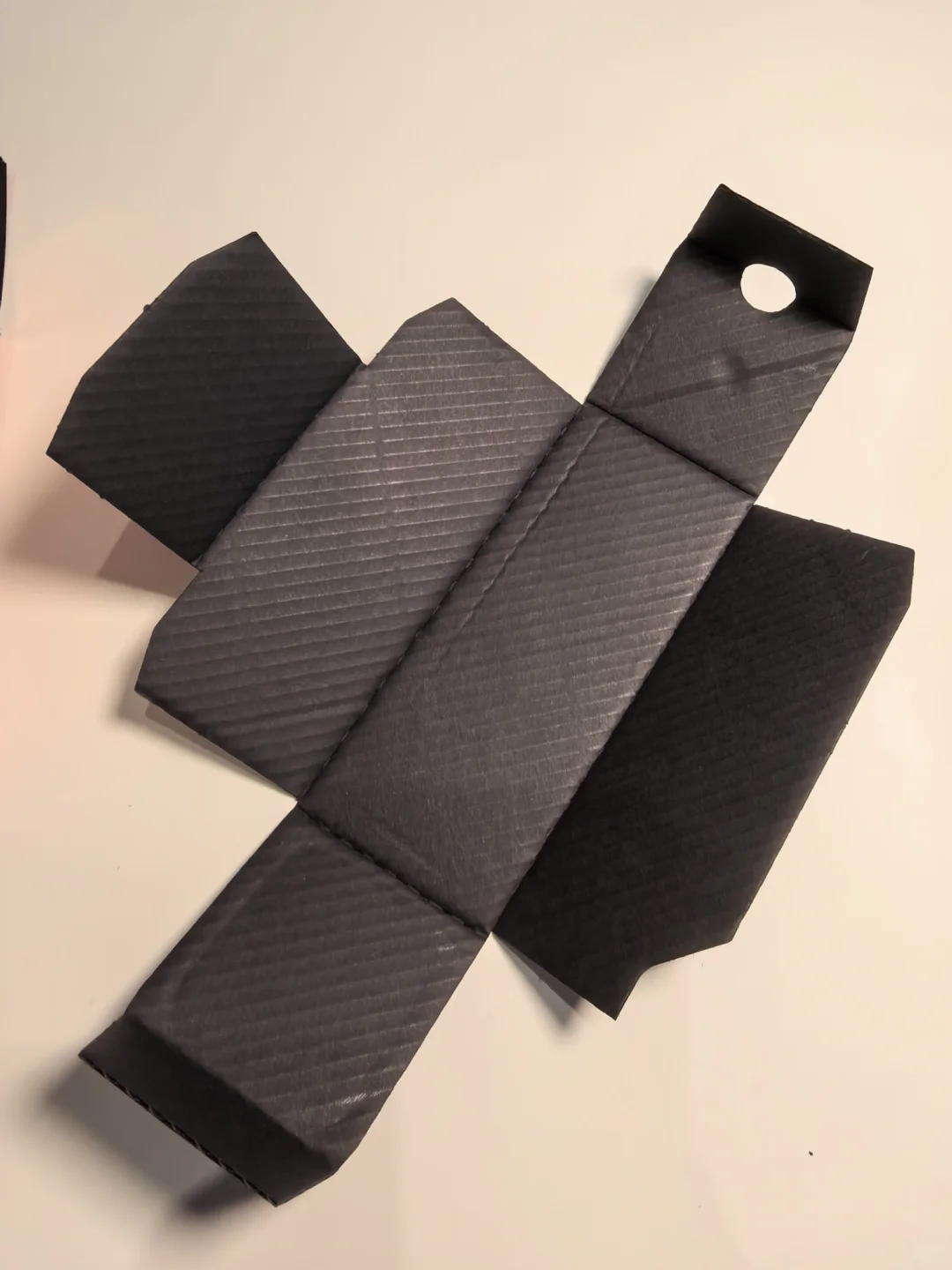
Record the outer box, insert, product and artwork revisions proposed for reuse. Check the actual scent, size, closure and included materials. Start from an identified formed box rather than an old render or a description such as “the same box.” Previous use does not establish suitability for a new combination.
If product count, bottle outline, label, insert or opening method changes, list the effects and review the corresponding complete sample. Distinguish a seasonal graphic change from a change to assembly or use. Identify the box dimensions, surface specification and structural files so that the retained elements are explicit.
Define the changing seasonal layer

Write the seasonal theme, greeting and connection to the brand before deciding whether a sleeve, band, card or gift bag carries it. Keep brand and product identification clear rather than replacing the scent name with seasonal artwork. Where markets or collections require different content, record the applicable configuration.
Names for these components can vary. Describe which faces are covered, whether the component forms a shell, where it slides off and whether it must be removed before opening. A narrow wraparound band and a more complete sleeve are not interchangeable merely by name. Define whether the added layer presents information, wraps or closes; do not assume it carries or locates the product.
Review information across the covered and moved states
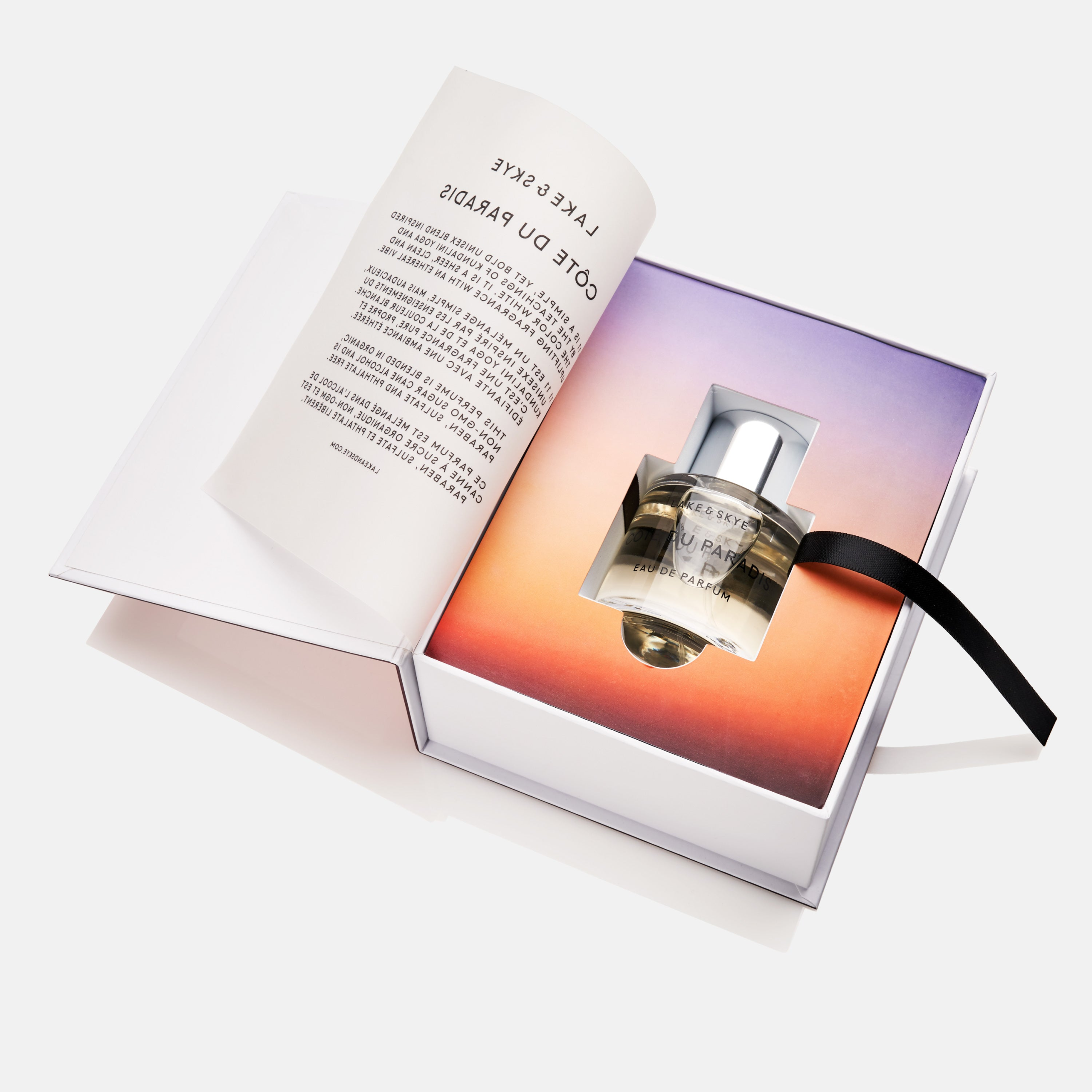
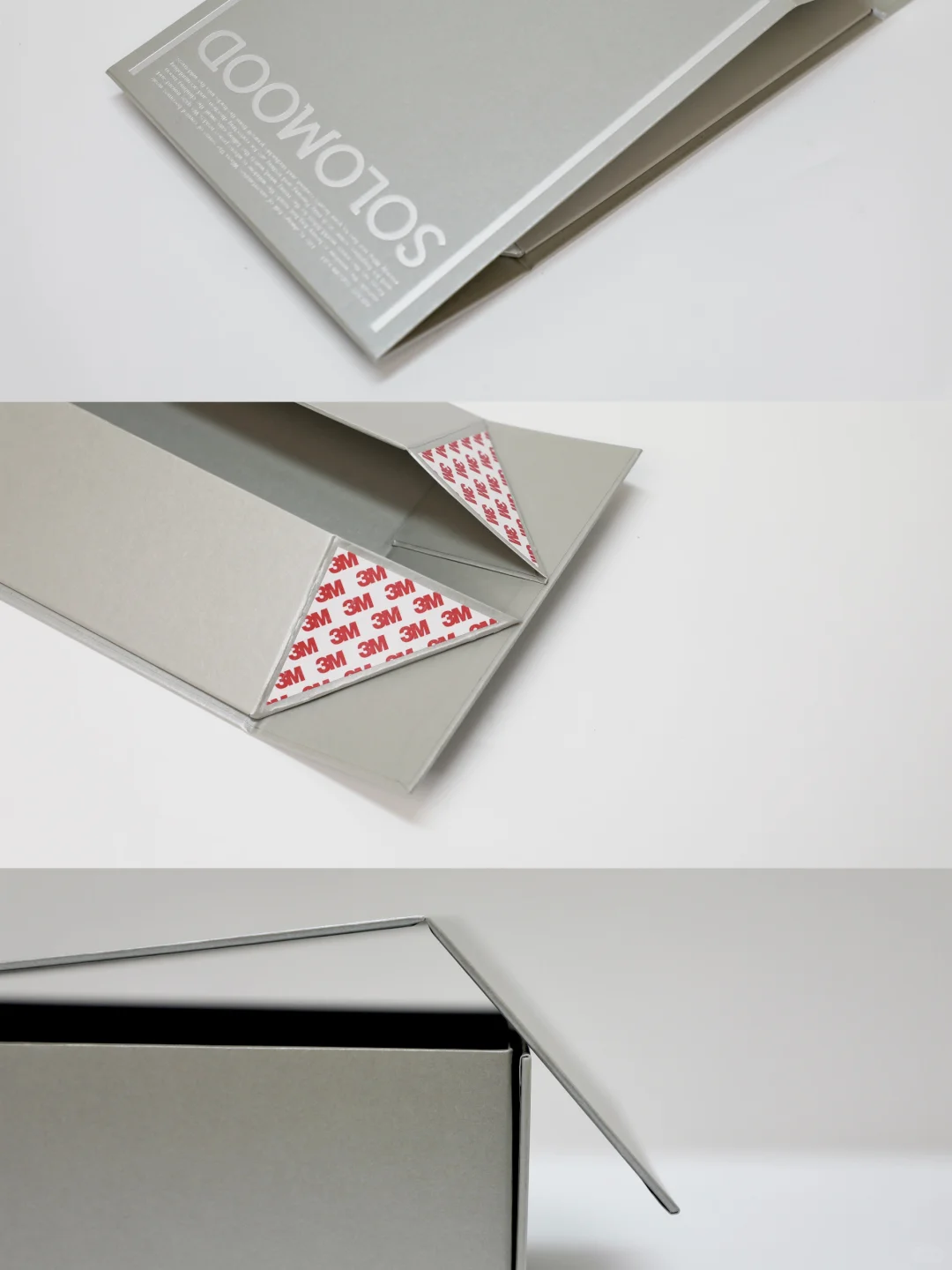
Place the seasonal component on the actual box and review the brand, scent, size and other information that needs to remain available. Check movement and rotation as well as the ideal centred position. If the sleeve carries its own copy, verify it against the regular product inside. Colour alone is insufficient to identify a scent.
Review names and revisions across box, sleeve, card and bag together. Define how covered information is accessed rather than assuming that every user removes all layers first. This review does not establish labelling compliance for a particular market, and an added QR code is not a reason to remove required wording.
Trial the fit, removal and opening on a real box
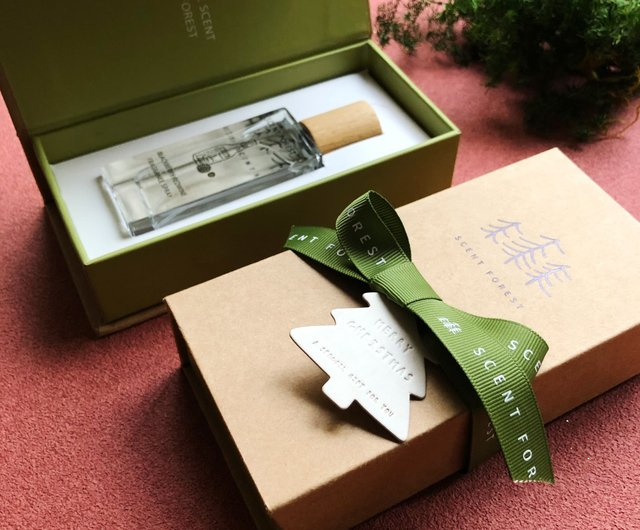
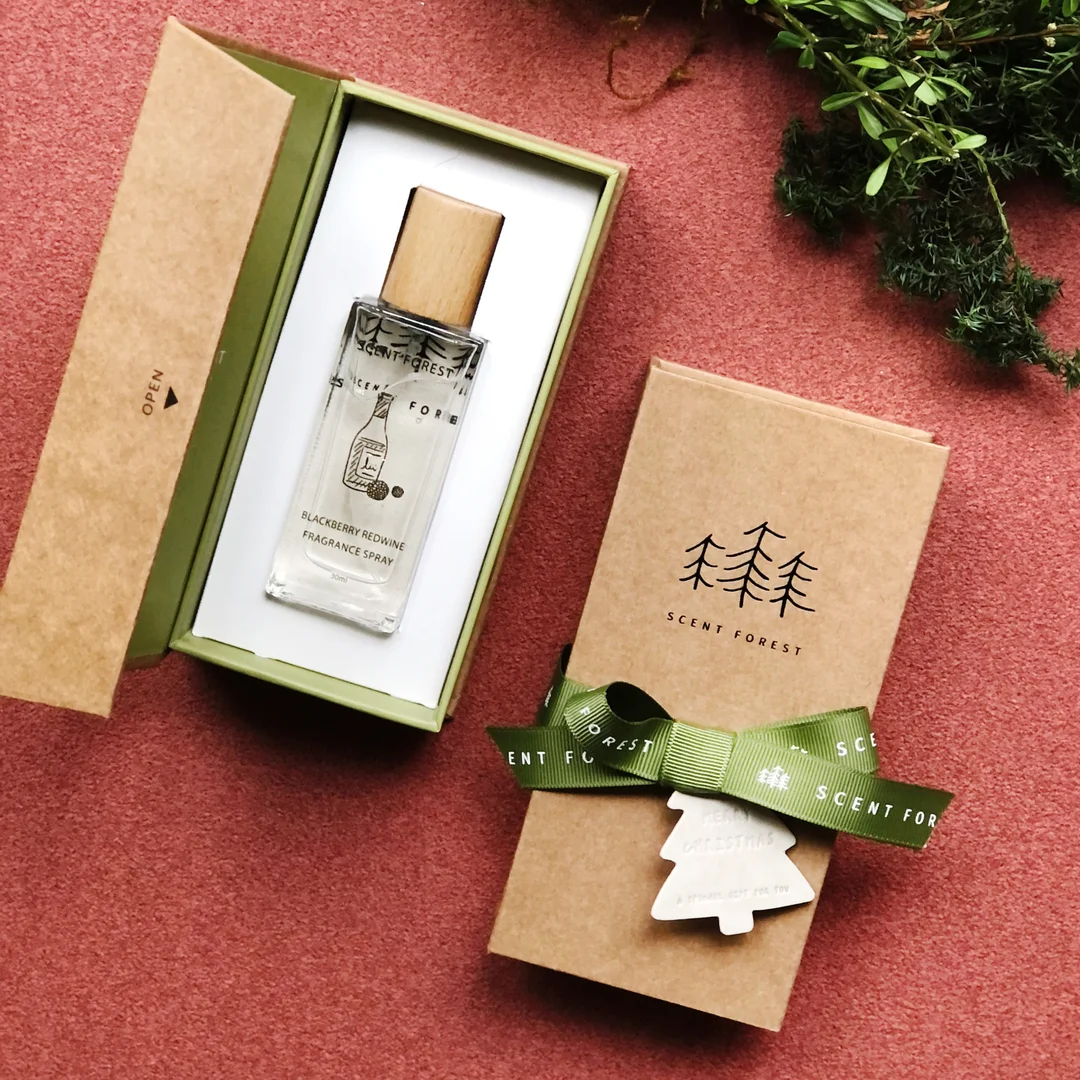
Try the proposed seasonal component on the actual finished box. Review looseness or tightness, corner marks, seams, removal direction and interference with opening. If repeat use is intended, remove the component, open and close the box, and replace it using the expected sequence. Record what was observed. No universal friction or fit value replaces these checks.
Watch whether a sleeve pulls the lid, a band covers the gripping area or a card occupies space under the lid. Review revised paper or surface specifications again; the same nominal dimensions do not establish the same sliding behaviour. Successful trial fitting alone does not demonstrate transit retention or long-term durability.
Review stickers against the actual surface
If a sticker is included, define whether it assists closure, displays wording or indicates an opening point. Trial the actual adhesive on the actual box surface and review removal, residue and visible changes to paper or decoration. Clarify whether reopening is needed. A band and a sticker serve different tasks; an ordinary sticker photograph does not establish authentication, tamper evidence, sealing or moisture protection.
Photographs can record visible changes when the sample and conditions are identified. One successful removal is not a compatibility guarantee for every surface. Record the sticker position, revision and whether it remains with the set in the component list rather than deciding during assembly.
Control seasonal versions and the complete assembly
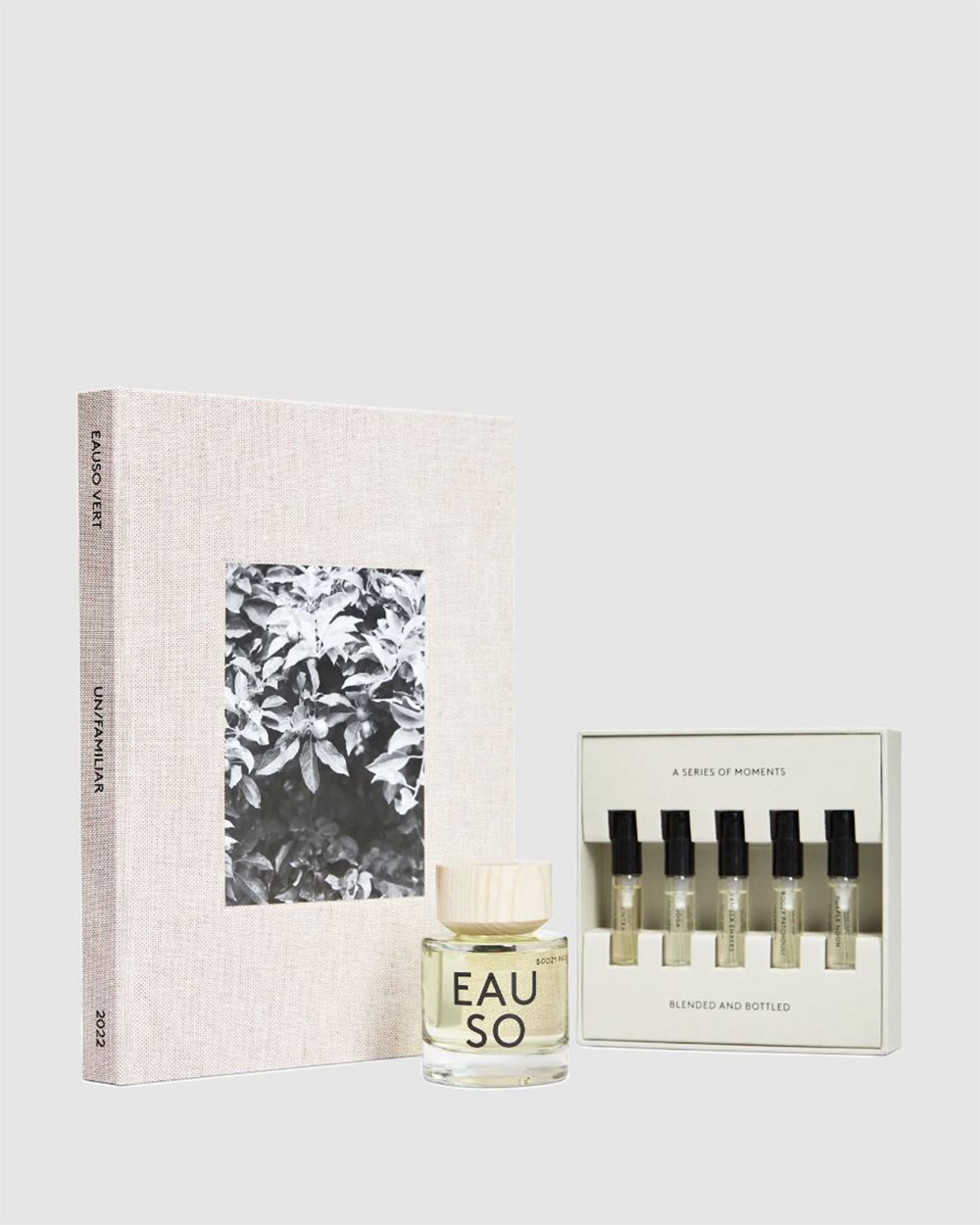
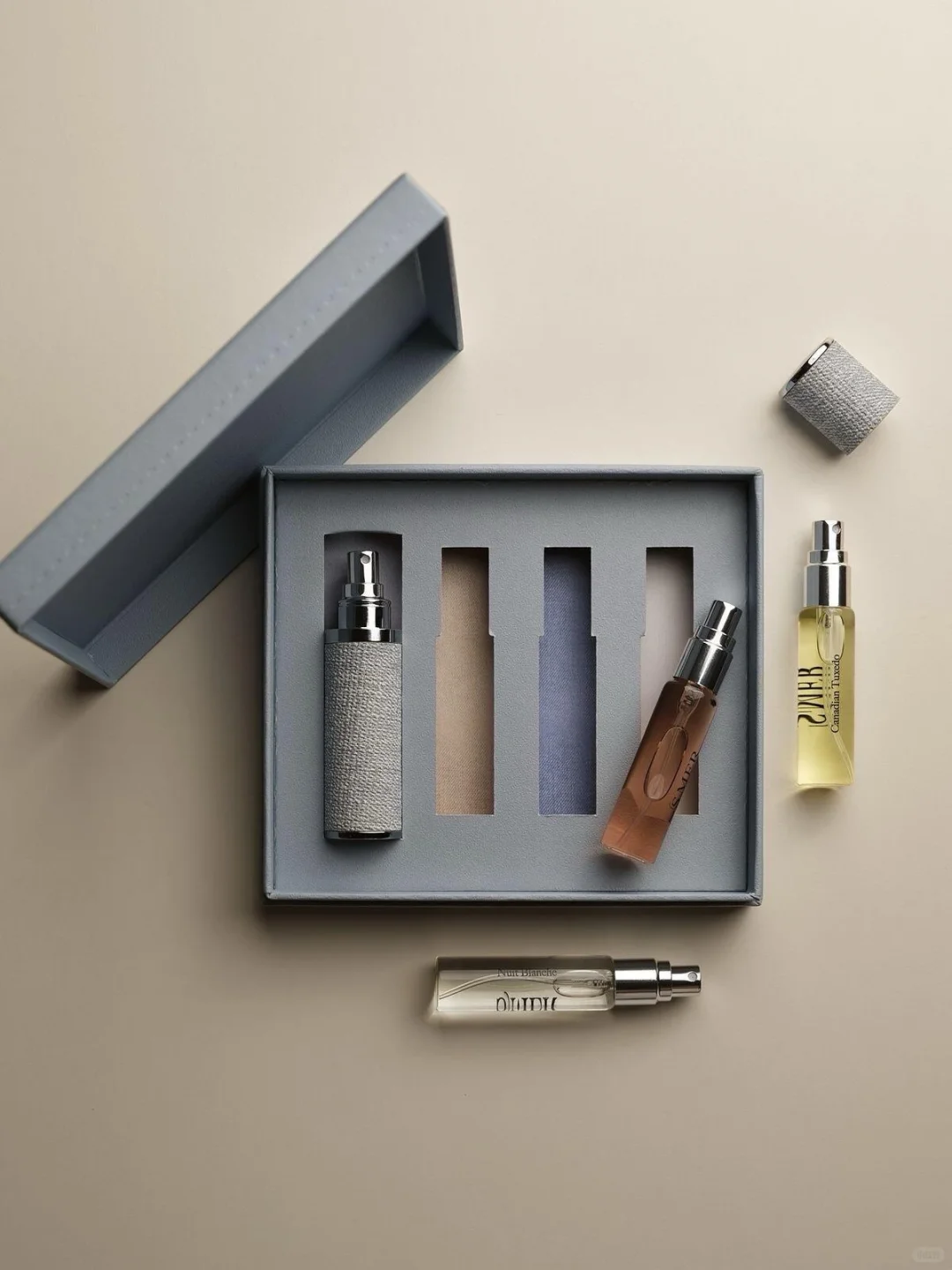
Identify regular base components and seasonal components separately, connecting each to the applicable SKU. Mark revisions that remain usable, require confirmation or are retired. Remaining stock is not a reason to apply an old band to another scent or a new size. Review greeting copy, campaign information and card content too.
Finish with a complete assembled sample and confirm the materials, product information and opening sequence together. Preserve files, sample identity, approval scope and unresolved items. Review additions or substitutions according to their effects. Cost or lead-time benefits require project-specific assessment; retaining the box alone does not guarantee either outcome.