
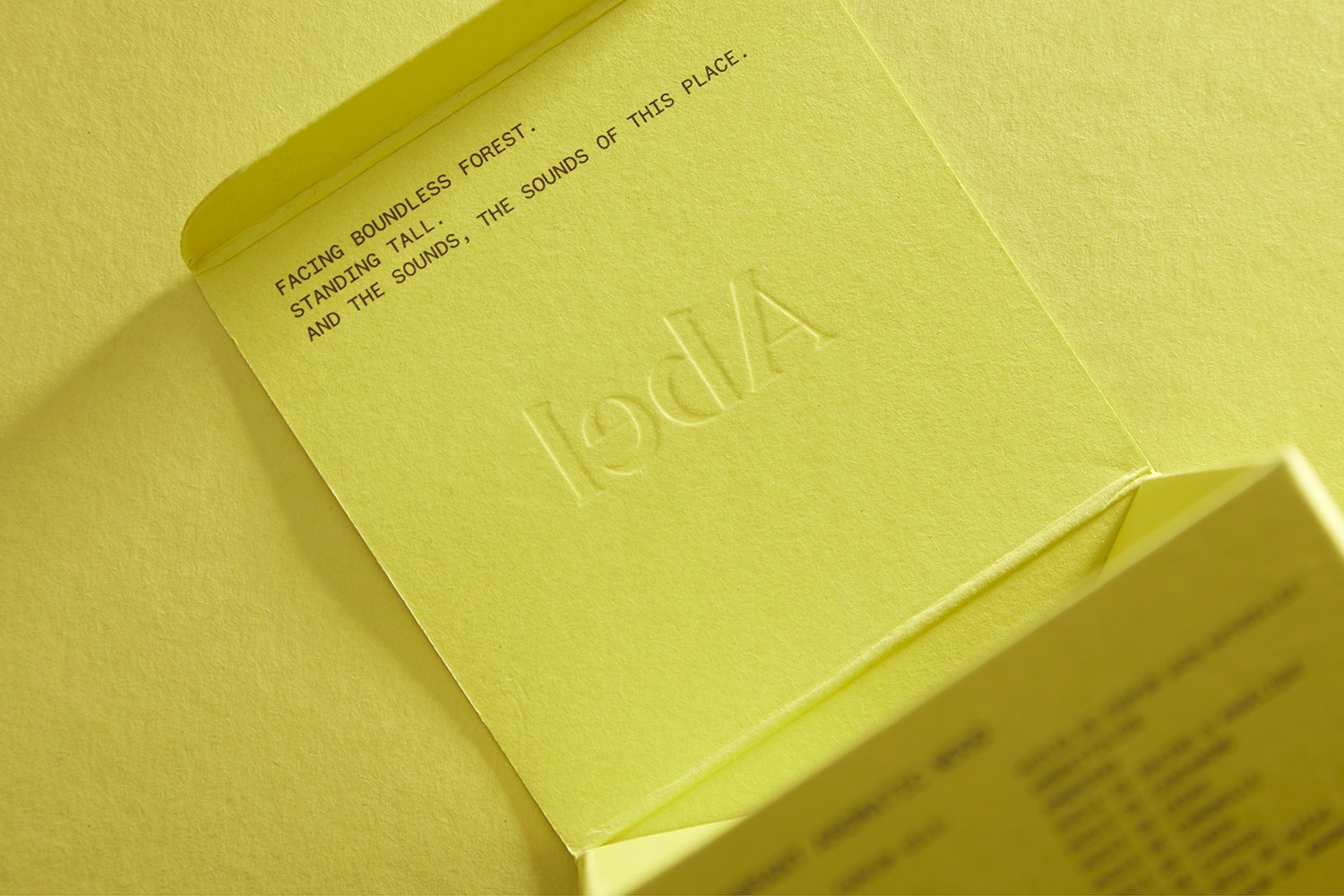
An Abel carton interior shows folded faces and printed text. Visible surfaces help locate specification areas but do not establish the composition or environmental performance of the complete pack. Third-party reference; not a Bravo Package project.
A sustainable direction for perfume box packaging starts with a component record that can be checked. Brown paper, a natural texture or a single symbol cannot establish the environmental performance of a complete pack. List the box, insert, coatings, adhesives, magnets, textiles, print and additions separately, then distinguish supplier statements from available documents and unresolved questions. Reducing or replacing materials is a design proposal that still needs samples to confirm protection, identification and use.
Map every component in the complete pack
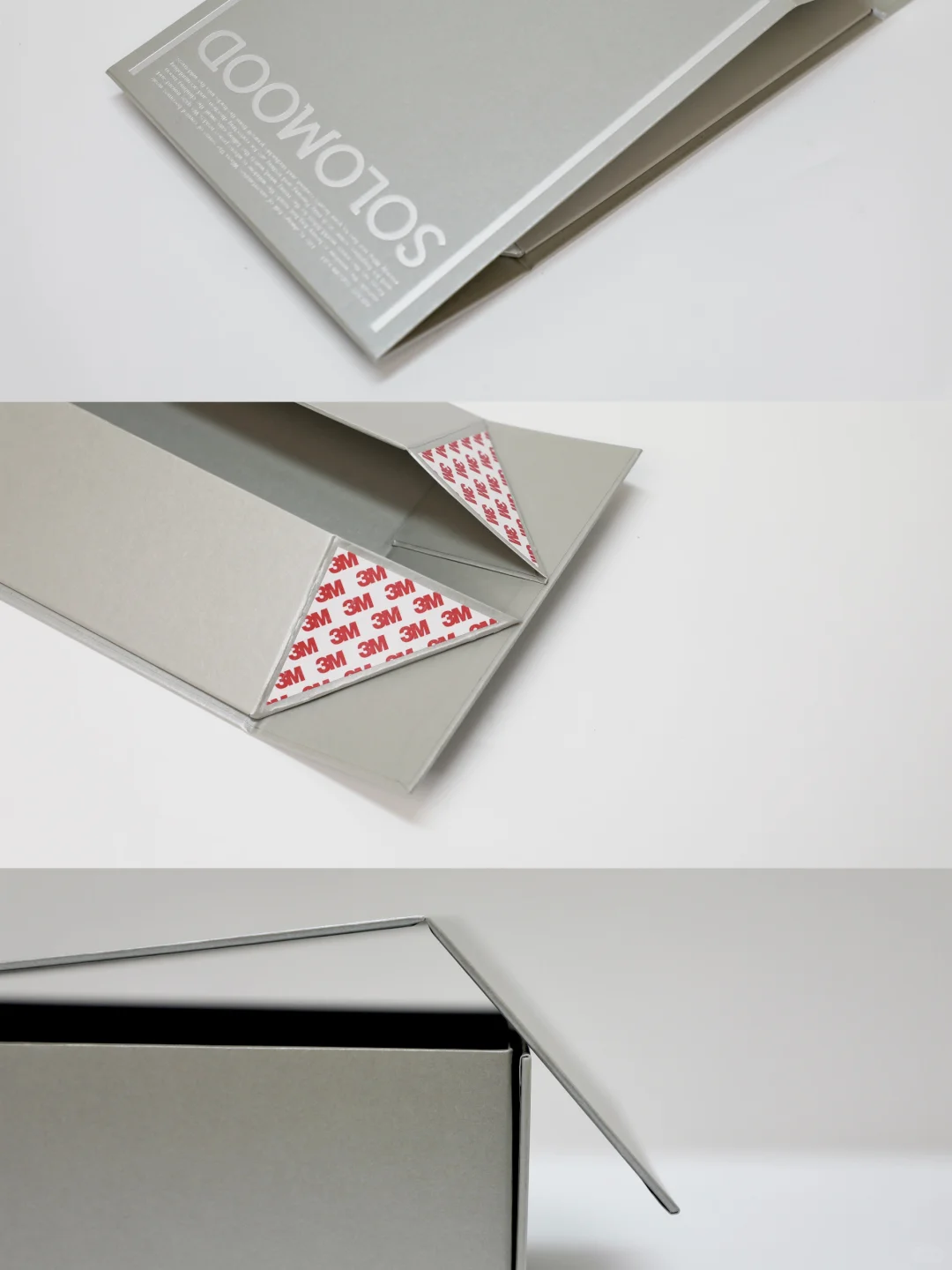
Build the list around the current SKU and packaging revision. Include the body, lid, insert, dividers, labels, cards, ribbon and other additions, recording each item’s name, position, quantity and connection to neighbouring parts. A paper appearance does not establish the absence of foam, plastic, magnets or coatings. A commercial insert name is not a composition statement.
Define the boundary between the outer packaging record and adjacent items such as the bottle or shipping carton. If only the paper box is documented, state that scope rather than extending conclusions to the bottle or distribution system. Keep unknown items visible and assign a confirmation request instead of filling the gaps with “eco material.”
Separate substrates, surfaces and connections


Record the supplier-described substrate, facing paper or textile, surface treatment and joining materials separately for the box and insert. Make adhesives, magnets, pull tabs, windows and printed decoration traceable items, noting their location and any component identifier. Mark hidden or undocumented details as pending confirmation.
Do not infer recycled content from paper colour or plant origin from visible fibres. Print and surface processes need to match the actual specification and revision. A natural-sounding name does not establish a disposal route for the complete box. Photographs can locate visible parts; they do not replace composition documents or a physical examination of the sample.
Keep supplier statements and evidence status distinct
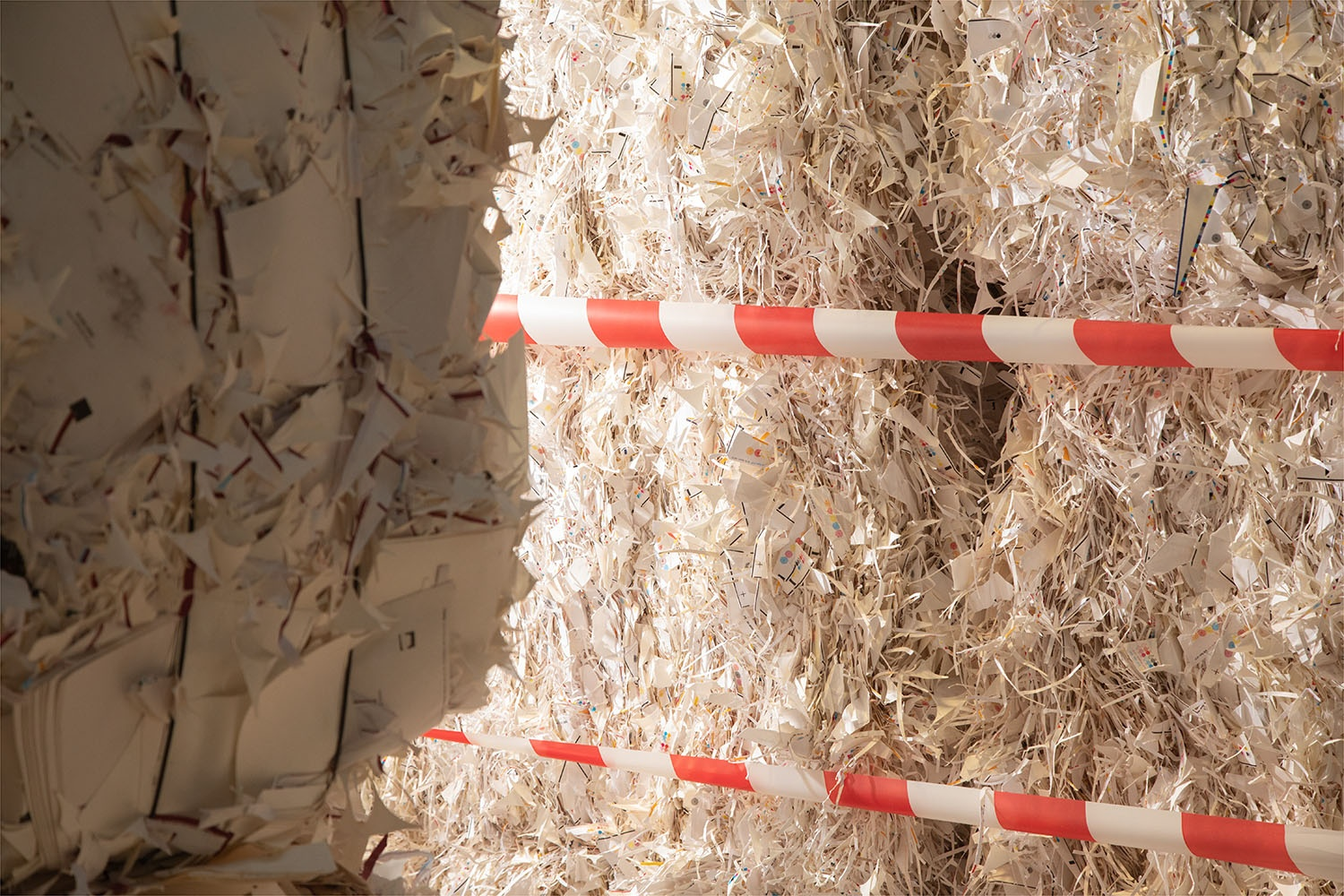
Give each material fields for composition, source statement, document name, issuer, date, applicable component and revision, and current evidence status. Distinguish documents received and checked from supplier statements alone, incomplete information and information not yet supplied. Confirm separately whether a document covers this purchase and the current processed condition.
Source, recycled content, certification and the treatment conditions for a complete pack are different questions. One does not answer the others. Do not transfer a symbol, website claim or another brand’s case to the current project. Public wording should stay within confirmed scope; unresolved statements belong on an internal question list rather than behind an all-purpose icon or QR code.
Make reduction and substitution testable proposals
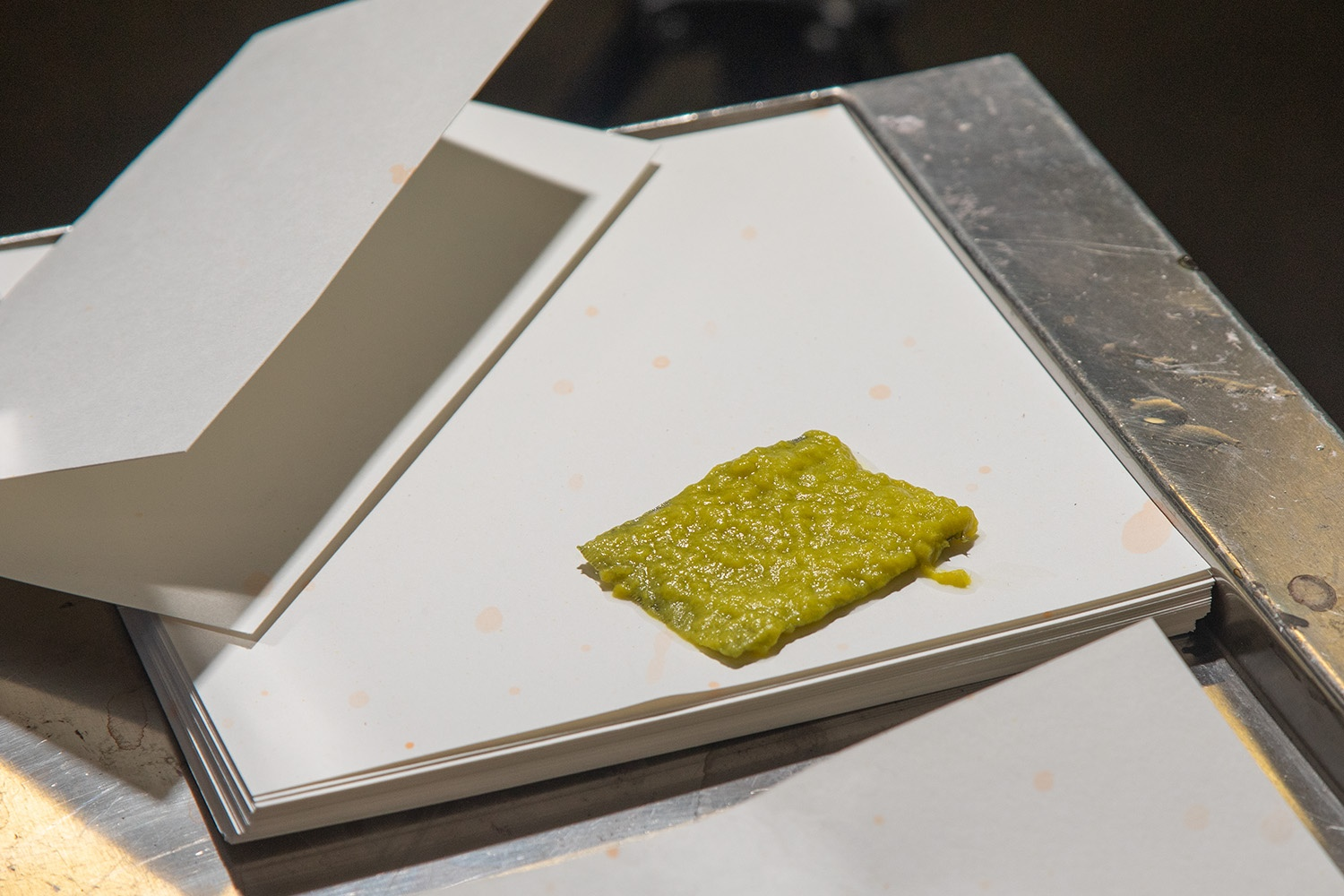
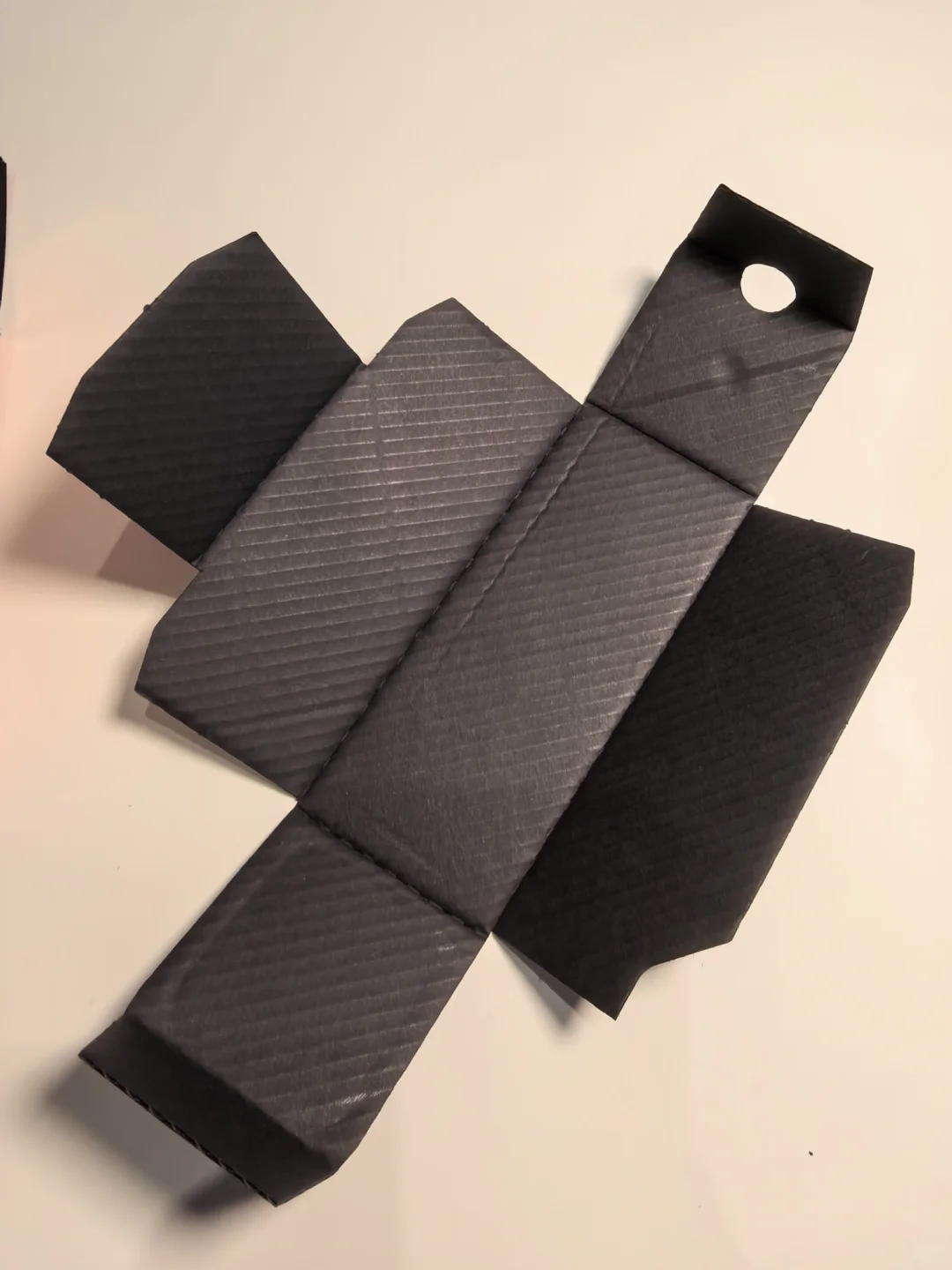
Choose a specific change, such as removing a duplicate card, revising a separate decorative item or evaluating a different insert construction. Show the before-and-after component lists and the functions that must remain. One fewer item does not automatically establish better overall environmental performance. Changing a component may also alter its connections, finish and assembly.
Use the actual product and complete components to check positioning, closure, removal, identification and assembly, with transport requirements assigned their own verification scope. Do not remove necessary protection first or infer strength and cushioning from a material name. Record new questions before proceeding rather than announcing a carbon reduction, compostability or recyclability result.
Observe separation without inventing recycling conclusions
During sample review, record which components separate by the proposed method, which remain attached and where further confirmation is needed. The sequence and contact points must reflect the actual construction and safe use requirements, rather than a universal tearing or tool instruction. A display sample taken apart for presentation does not establish an operation consumers can reliably perform.
Describe the observed connections without inferring local acceptance from the proportion of paper or the appearance of separated pieces. Recycling categories, treatment facilities and environmental claims need their own project-specific verification if they are to appear in the brief. This guide supplies no classification, degradation or composting guarantee for a complete box.
Approve the record alongside the current sample

Link the component table, supplier information, open questions, sample observations and proposed wording to one revision. Identify responsibility for composition information and design-use requirements, and show which changes remain unapproved. A new substrate, coating, adhesive or addition cannot simply inherit an old “confirmed” status.
Retain the reason for revision and the scope of renewed checks so purchasing, production and assembly can identify the current combination. The handover should explain what each item is, where its supporting information is held, what remains unknown and whether the revised sample meets the defined requirements. Those decisions give a sustainability brief substance beyond a natural visual style.