
A perfume box made by a new supplier may look like the previous version yet fail to work with the inserts, sleeves or cards already in stock. The old supplier may have understood the opening direction, assembly sequence and delivery arrangement without those details ever reaching the specification.
Before changing suppliers, assemble a current reference pack and identify what must stay the same, what may change and what still needs checking. Then review samples made under the proposed new arrangement. This guide covers paper perfume boxes and their accompanying components. It does not prescribe a standard transfer period or inspection threshold.
1. Define the problem and the components being transferred
Price, delivery and appearance problems need different evidence. Start with existing orders, recorded discrepancies, their actual impact and questions still unresolved. A late delivery might involve unapproved artwork, unavailable materials, unfinished production or goods awaiting dispatch. An appearance complaint needs a location, an approved reference and an inspection record.
Check whether unclear inputs contributed to the problem. If the cap keeps changing or purchasing and design use different artwork revisions, a new supplier may face the same information gap.
List the transfer scope by component and SKU. Will the new supplier make the complete box and insert, or only the outer box? Will existing sleeves, cards, seals and shipping cartons remain in use? Quotations, samples and stock decisions should all refer to this scope.

2. Build one current packaging reference pack
For each fragrance and size, connect the component list with the relevant files and physical references. Include the current product and SKU identifiers; component quantities and revisions; the actual bottle and final cap; available structural drawings, dielines, artwork and finish instructions; approved samples and their approval scope; known problems and approved changes; and the agreed delivery and packing arrangement.
Mark missing information as pending. Do not expect the supplier to infer paper specifications, internal dimensions or insert construction from photographs. An old file that still opens may no longer describe the current sample. Check the correspondence before sending it, and confirm which materials can be provided and who will provide them.
Record the condition and purpose of an old sample. Repeated handling, light exposure or wear may affect its usefulness as an appearance reference. A sample supplied to explain the structure should not silently become the sole colour standard for the new order.

3. Write down requirements previously handled through familiarity
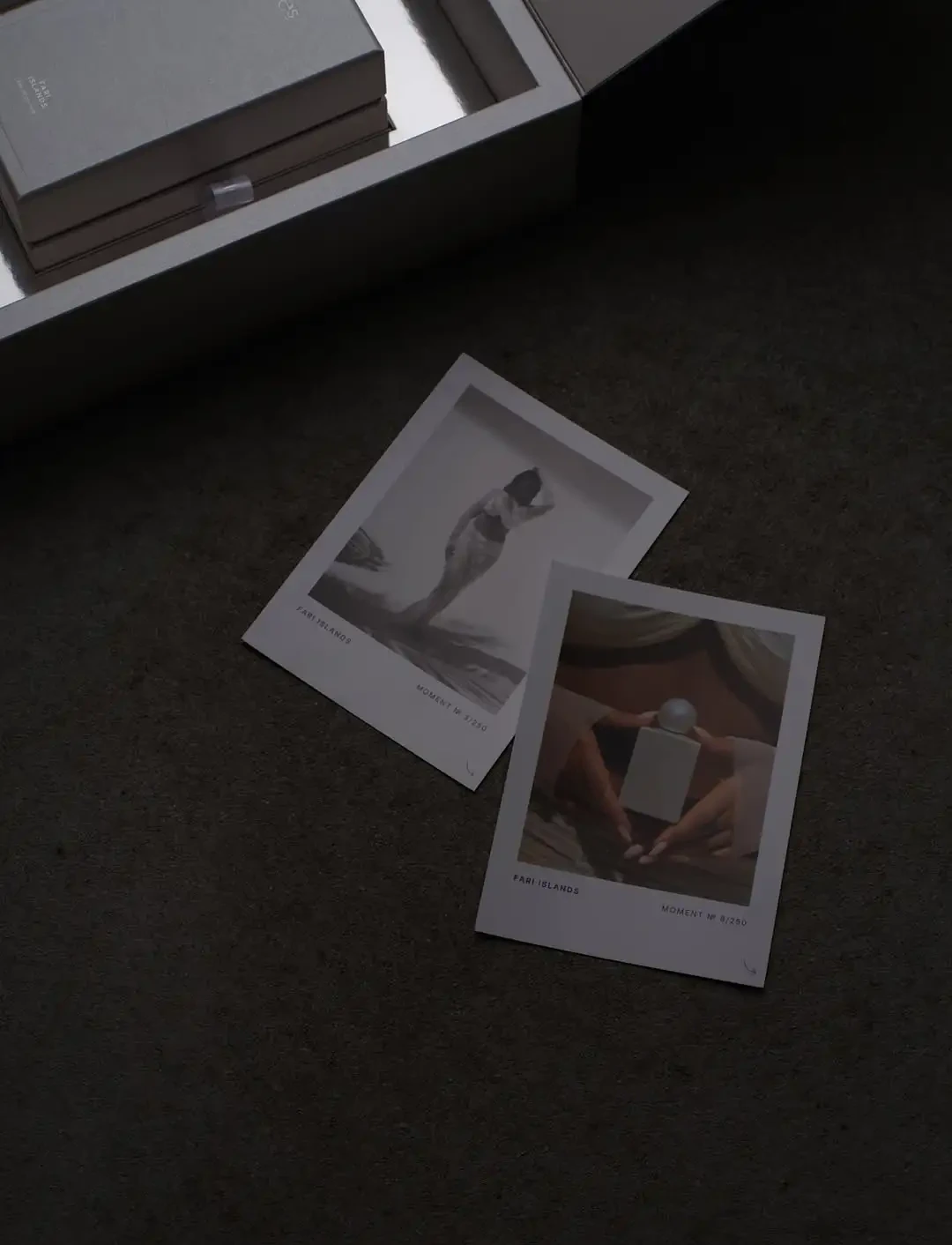
The previous supplier may know which panel faces forward, where the card belongs and which end of the sleeve receives the inner box. Explain these relationships with labelled photographs and short assembly steps. Ask the person receiving the information to confirm their understanding.
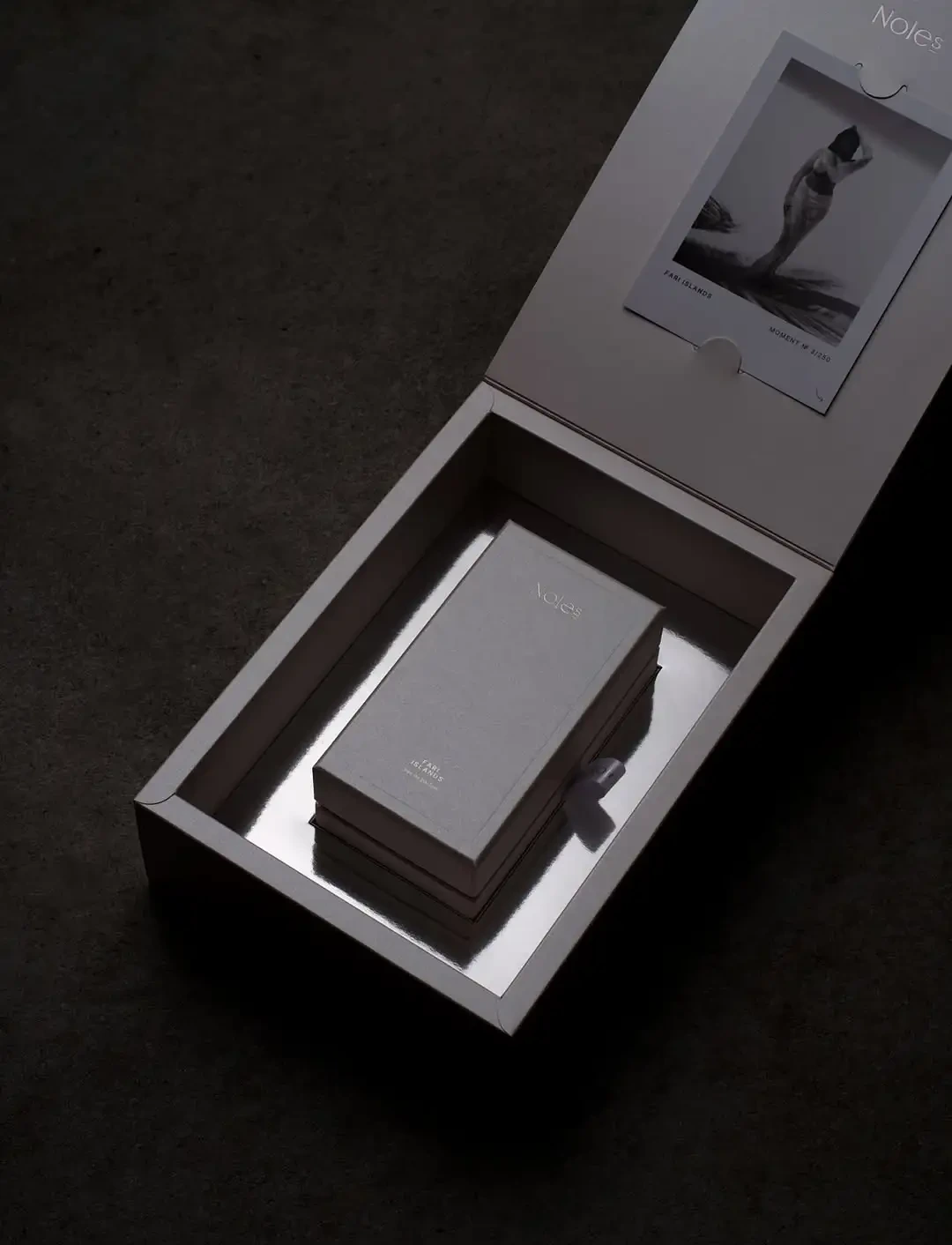
For a lid-and-base box, identify the intended orientation and mating fit. For a drawer box, describe the opening and return movement. For a folding carton, explain forming, bottom closure and tuck engagement. Include the sequence of inserts, cards and protective papers rather than showing only a closed pack.
Separate appearance references for paper texture, wrapping seams, printed information and reflective decoration. “The same premium quality” gives the new supplier little to compare. A phone photograph also cannot fully specify the colour and physical finish of a production sample.

4. Request a difference list alongside the quotation
Ask the new supplier to identify requirements they can work from, information they still need, proposed alternatives and points awaiting sample confirmation. Changes to paper, inserts, structure or delivery state should appear explicitly. Otherwise, both parties may approve a description such as “the same box” while expecting different results.
Compare quotations against that actual scope. Clarify structural review, samples and revisions, preparation for finishes, inserts, assembly, shipping cartons and delivery. Record separately anything still subject to confirmation. Check whether existing cutting tools, printing plates or other tooling can be obtained and whether they suit the proposed production conditions. A previous tooling payment does not, by itself, establish what the new factory can use.
Confirm sample milestones separately from the first production order. Where files or fit checks remain incomplete, identify which milestone depends on them. Do not carry the previous supplier's delivery promise into a new receiving or filling schedule without checking the new arrangement.
5. Check the actual combinations of old and new components
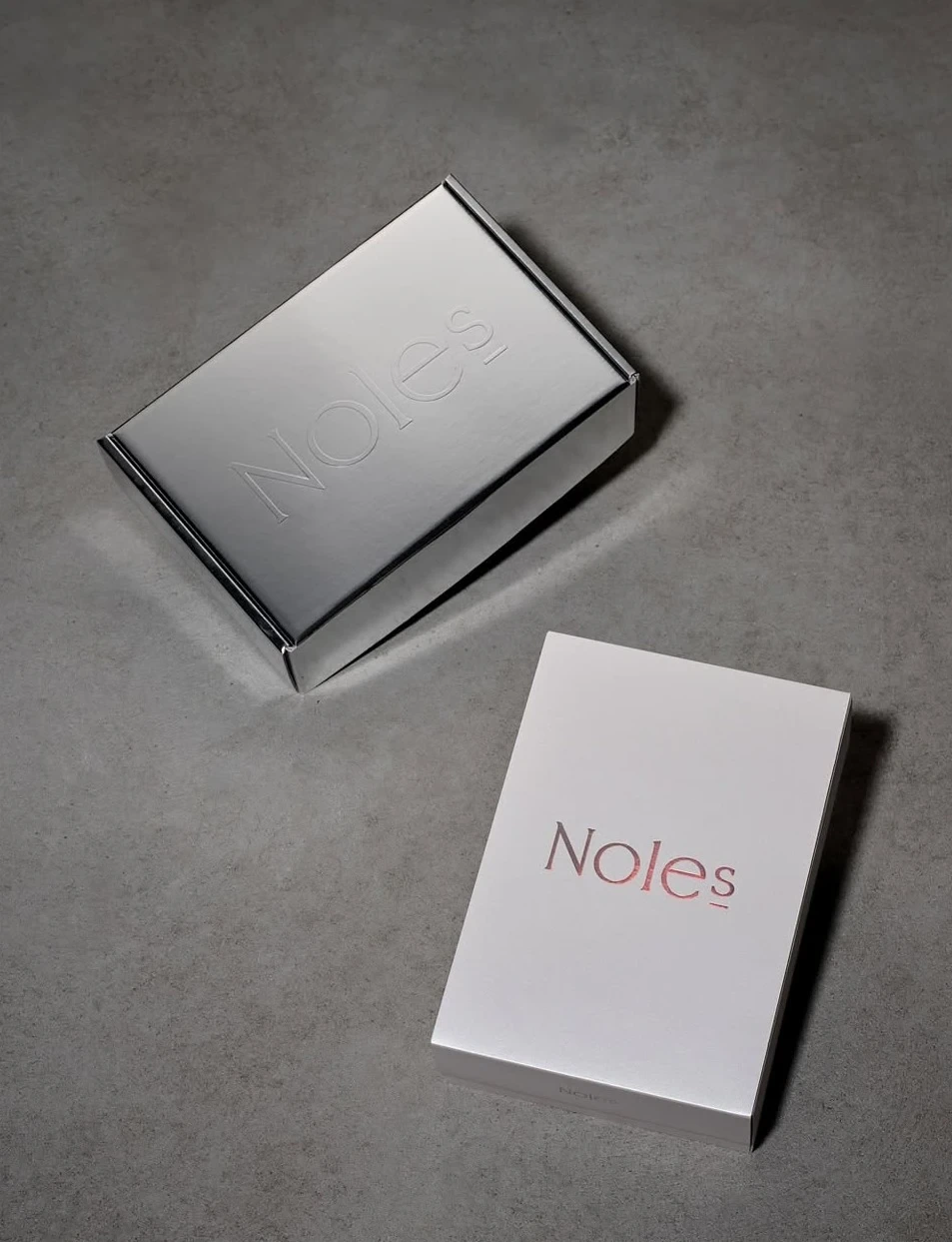
If old inserts, sleeves or cards will remain in use, list those combinations as separate review items. A new box with an old insert and the current bottle cap is a different configuration from a new box with a newly made insert. Approval of the supplier's complete new set does not cover every mixed combination.
Use the identified bottle and final accessories during assembly checks. Record insertion, closure, removal and any interference. An empty box that closes easily may behave differently with the complete contents inside. Removing a card or squeezing the walls to obtain closure changes the configuration and should not be recorded as approval of the original arrangement.
Keep dimensional and appearance checks, complete assembly and transport assessment distinct. For each, record the configuration, method, result, outstanding work and person approving it. Preserve the limits of sample approval rather than treating one successful assembly as evidence for every material or distribution condition.

6. Identify the boundary between existing stock and new deliveries
A changeover date needs a component and batch reference. Count existing boxes, inserts and cards, and review orders still in progress. Separate stock that can continue in use from material awaiting a decision or another disposition.
Receiving and packing teams should be able to identify the supplier, packaging revision and intended component combination. Retain the delivery list, batch information and component photographs at receipt. Connect issue or packing records with the combination actually used. Keep an internal receiving reference distinct from the supplier's production batch number.
If the old supplier will continue during a transition, confirm what each supplier can actually deliver and when. Parallel supply does not prevent component mix-ups. Both arrangements still need clear identification, storage and issue instructions.
7. Review the first production batch against the new approval
Check the new supplier's first production batch against the specification and samples approved for this transfer. The applicable review may cover quantities, file revisions, components, appearance, forming and complete assembly. Agree on sampling and decision rules beforehand rather than applying an online percentage after the goods arrive.
When a discrepancy appears, preserve its original condition and location evidence. State the actual inspection scope and observed effect. Ask the responsible party to investigate, propose a change and explain how the result will be checked. “Improved” needs a result that can be compared with the original finding. Identify known differences between the trial and production arrangements and any further confirmation they require.
| Handover item | What to record |
|---|---|
| Transfer scope | Supplier, components, SKUs and effective batch |
| Current references | File revisions, physical samples, approval limits and missing inputs |
| Difference list | Proposed alternatives, old and new combinations, unresolved questions |
| Quotation and milestones | Included work, additional items, sample and production dependencies |
| Stock boundary | Existing material status, identification, receipt and issue records |
| First-batch review | Applicable checks, observations, corrections and verification results |
For a perfume packaging transfer discussion with Bravo Package, prepare the actual bottle and components, available files and samples, planned quantities, receiving arrangement and known issues. These inputs make it possible to clarify what can be retained and what needs to be made or checked again.