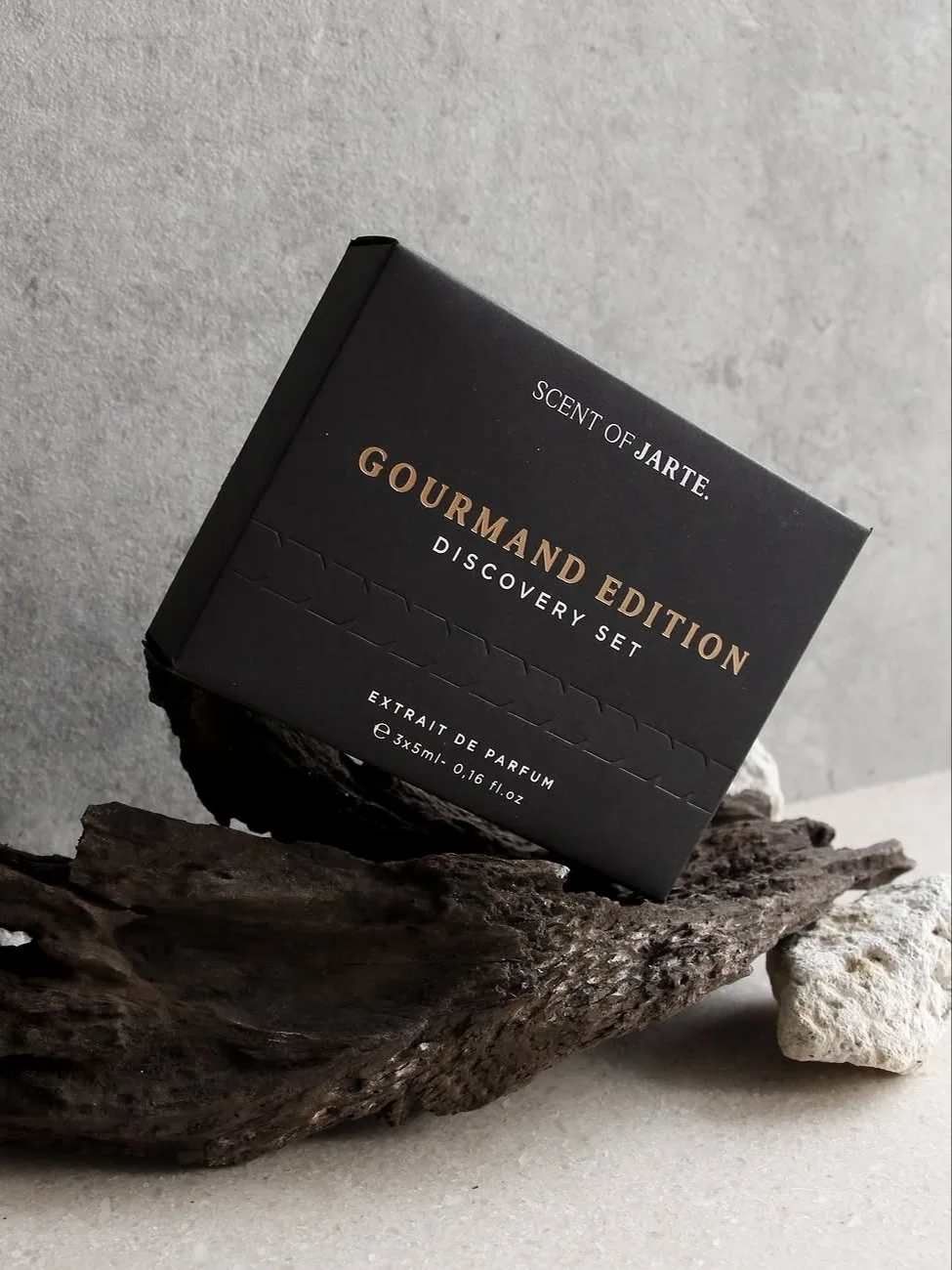
A neatly applied seal does not establish how a perfume box will look after opening. An attractive tear strip does not establish how the pack will survive packing, handling and delivery. A useful tamper evident packaging brief defines the unopened condition, the visible change expected after opening, and how people will compare the two.
Start with that expected change before choosing a material. It might be damage to a label, a message appearing in a designated area, or a strip removed from the carton. Confirm closure, evidence of opening and product authentication as separate requirements. A seal alone does not verify the contents or establish that a product is genuine.
1. Define what people should inspect
Identify the packaging unit that needs opening evidence: the retail perfume carton, a discovery set or a distribution case. These units can have different closure arrangements and different inspection responsibilities.
Describe the visible change and who will check it. For a visual inspection, people need to find the relevant area and understand its approved appearance. Keep unopened and normally opened reference samples. A material name alone gives the production and receiving teams too little information to make a consistent decision.
If the project also needs serial numbers, authentication or distribution tracking, confirm the associated data and procedures separately. Printing a QR code on a seal does not establish that its verification service works. Damage to a seal is also insufficient, by itself, to establish that the product is counterfeit.
2. Check the closure on an assembled pack
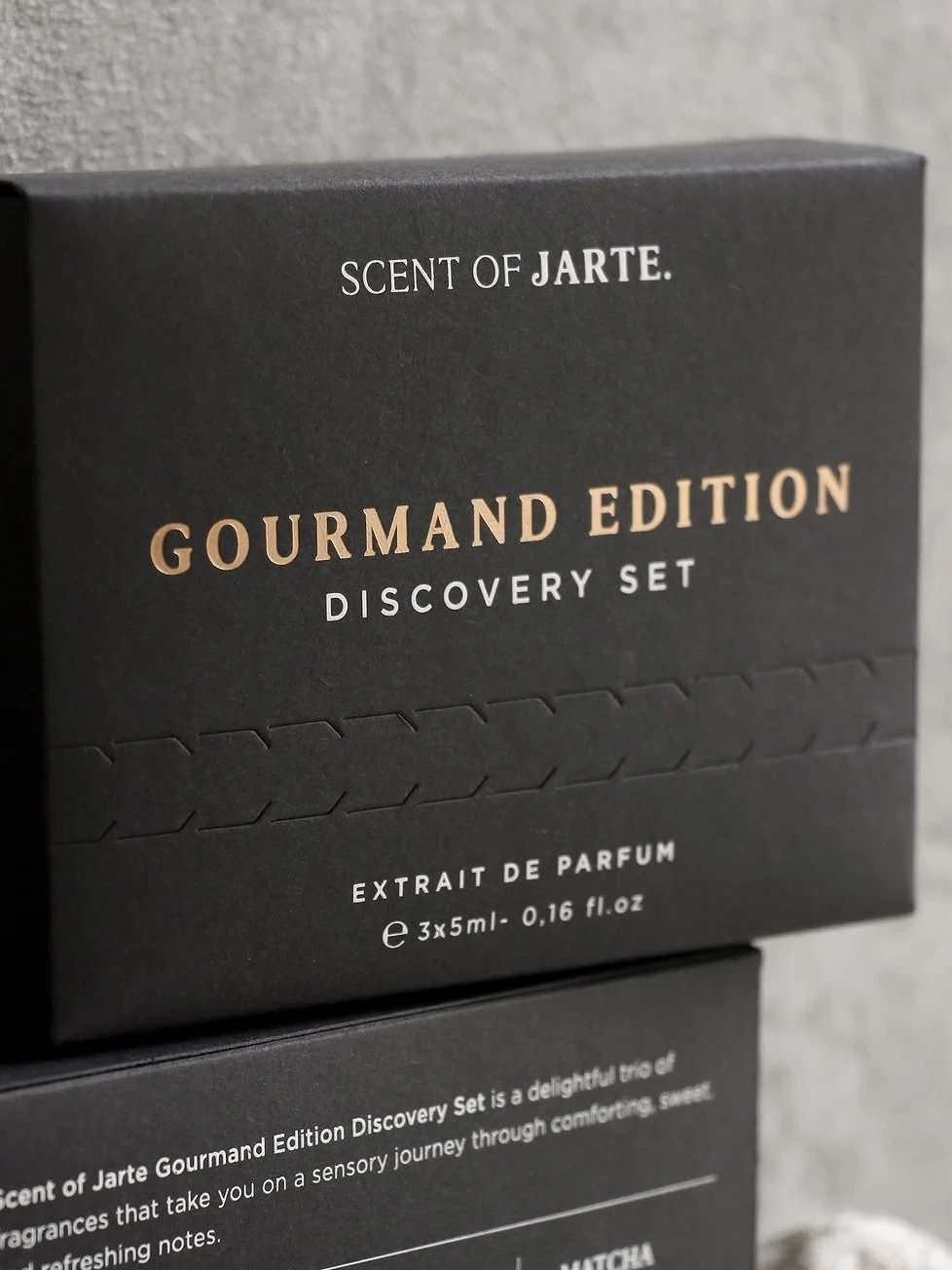
Use a sample containing the actual bottle and insert. A line that looks straightforward on a flat drawing may cross a corner, lid joint or change in surface finish after folding. Check the label ends, tear-strip starting point and inspection area in their finished positions.
Follow the intended opening sequence. The opening action should produce the change specified in the brief. If opening the lid leaves a decorative label unchanged, reconsider whether that label meets the project's opening-evidence requirement. Check the other construction joints against the approved sample as part of the complete pack review.
An empty carton is insufficient for this approval. Adding the bottle and insert can change panel loading and the condition of the lid joint. Record the construction revision used for testing so that an early sample does not inadvertently approve a later design.
3. Choose a mechanism by its intended result
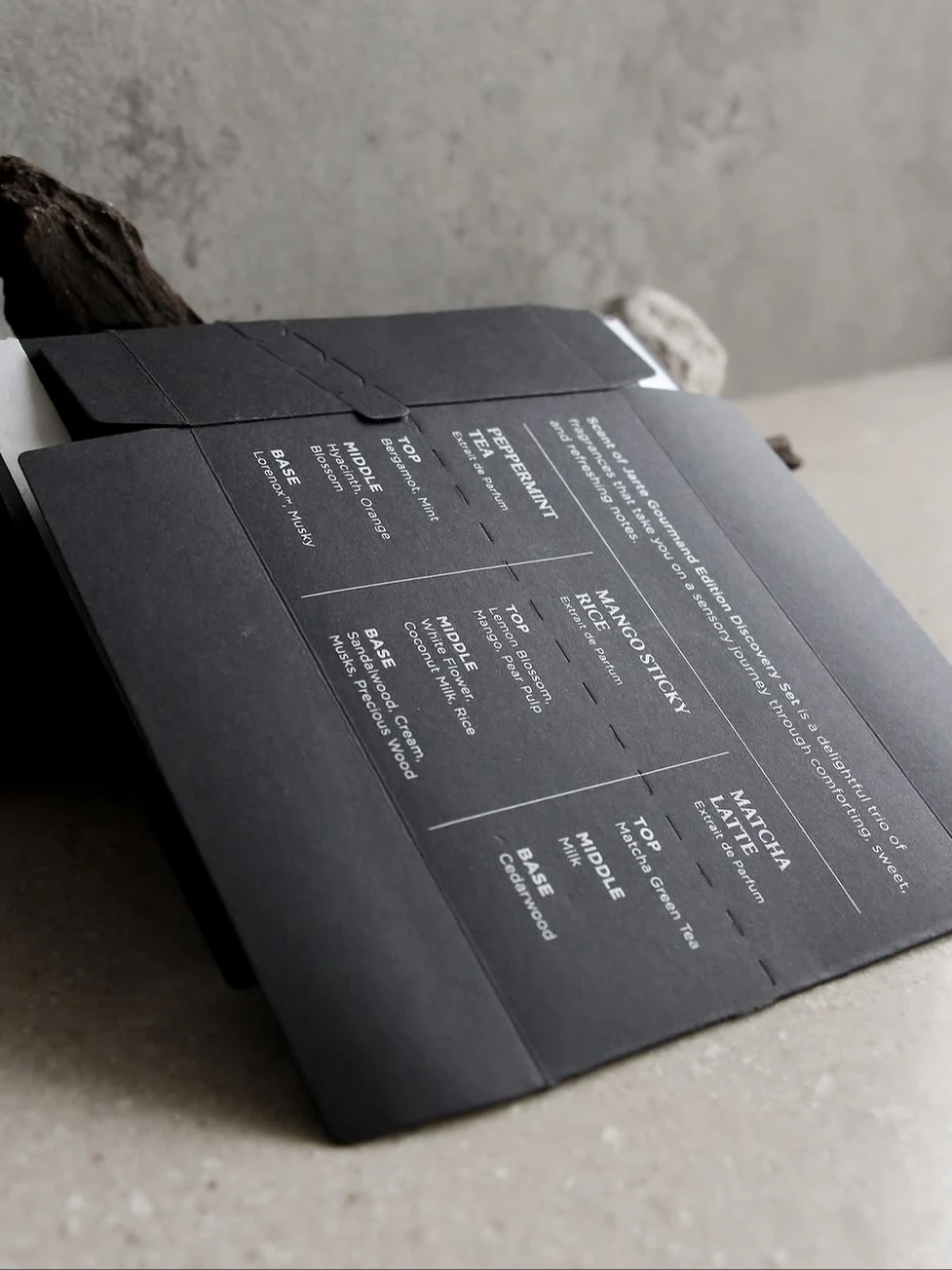
A destructible label is intended to show damage to its facestock. A tamper indicating label is intended to show a specified change on the label or application surface. A structural tear strip removes part of the carton during opening. Review samples of each proposed arrangement instead of describing all three with a single promise.
Transparent, paper, film and strong adhesive are incomplete descriptions of performance. On the actual pack, check whether the change is clear, whether people can locate it, and whether ordinary handling causes an unwanted early change.
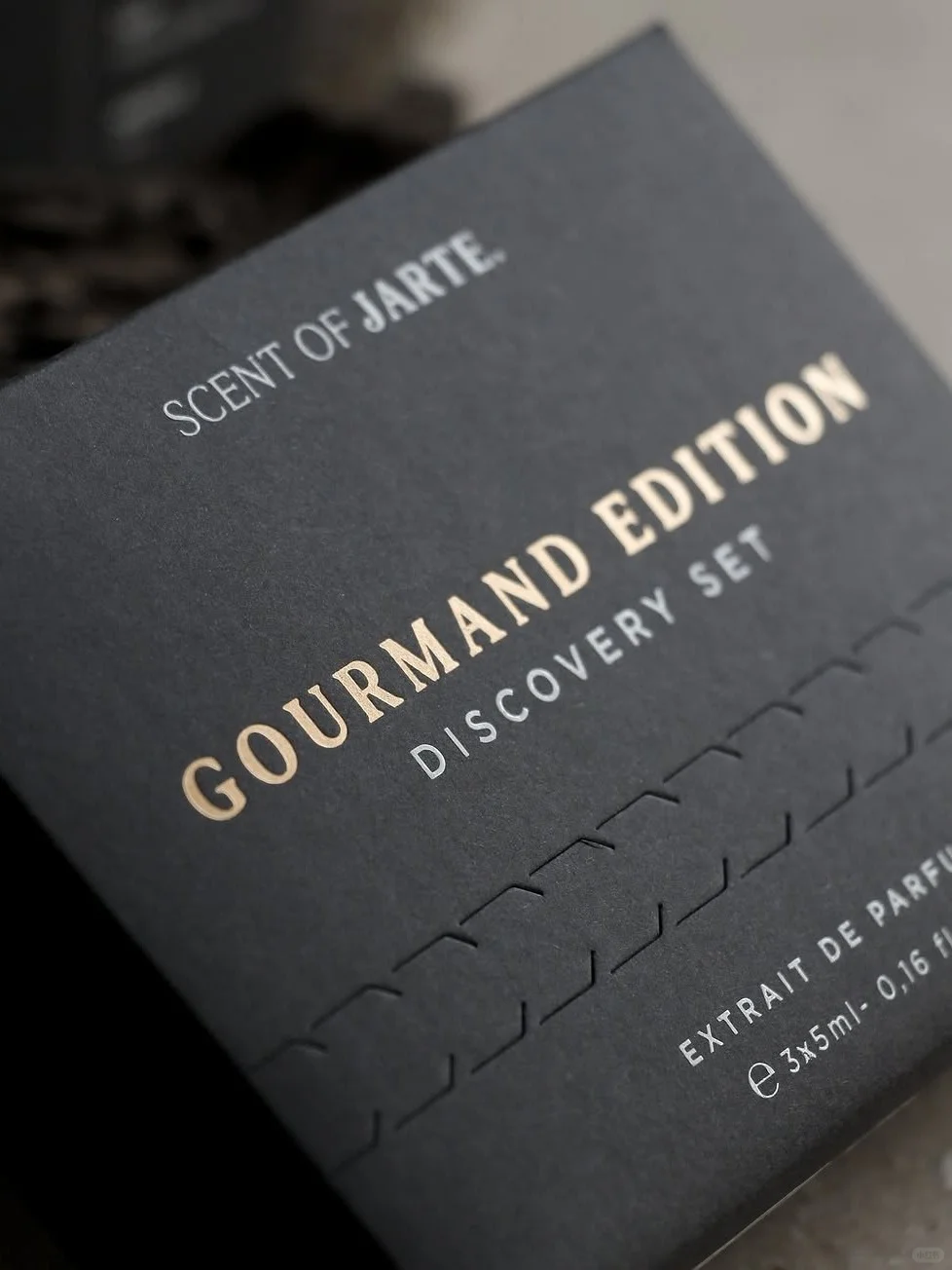
For a tear strip, review the starting cue, grip, path and resulting paper edges. Photographs can support a discussion of visible construction. They cannot establish opening force, delivery performance or the experience of every user. Select a label, tear strip or combination through the project brief and sample results.
4. Test labels on the actual finished surface
Provide the final paper and surface treatments with the label samples. Results on plain white paper do not establish suitability for a textured or laminated perfume carton. Include the complete application area if it crosses different finishes.
Record the label revision, carton revision, application stage and method. Establish conditioning and test conditions using the material supplier's instructions and the project requirements. There is no single waiting time or application pressure suitable for every combination. The record should let production reproduce the approved process.
In its technical information for a specific tamper indicating material, 3M calls for pretesting on the intended surface and explains that adhesion affects the indication mechanism. This supports testing the finished combination; it does not transfer that product's test data to every perfume box. Ask the relevant suppliers how to handle contamination on the intended finish rather than applying an unverified cleaning treatment to a printed carton.
5. Separate unopened checks from opening checks
Use the perfume box inspection plan to keep unopened controls and open a separate sample group using the agreed procedure. Inspect the controls for lifted edges, bubbles, premature damage, misalignment and an obscured inspection area. On the opened group, check whether the specified change appears and can be recognized.
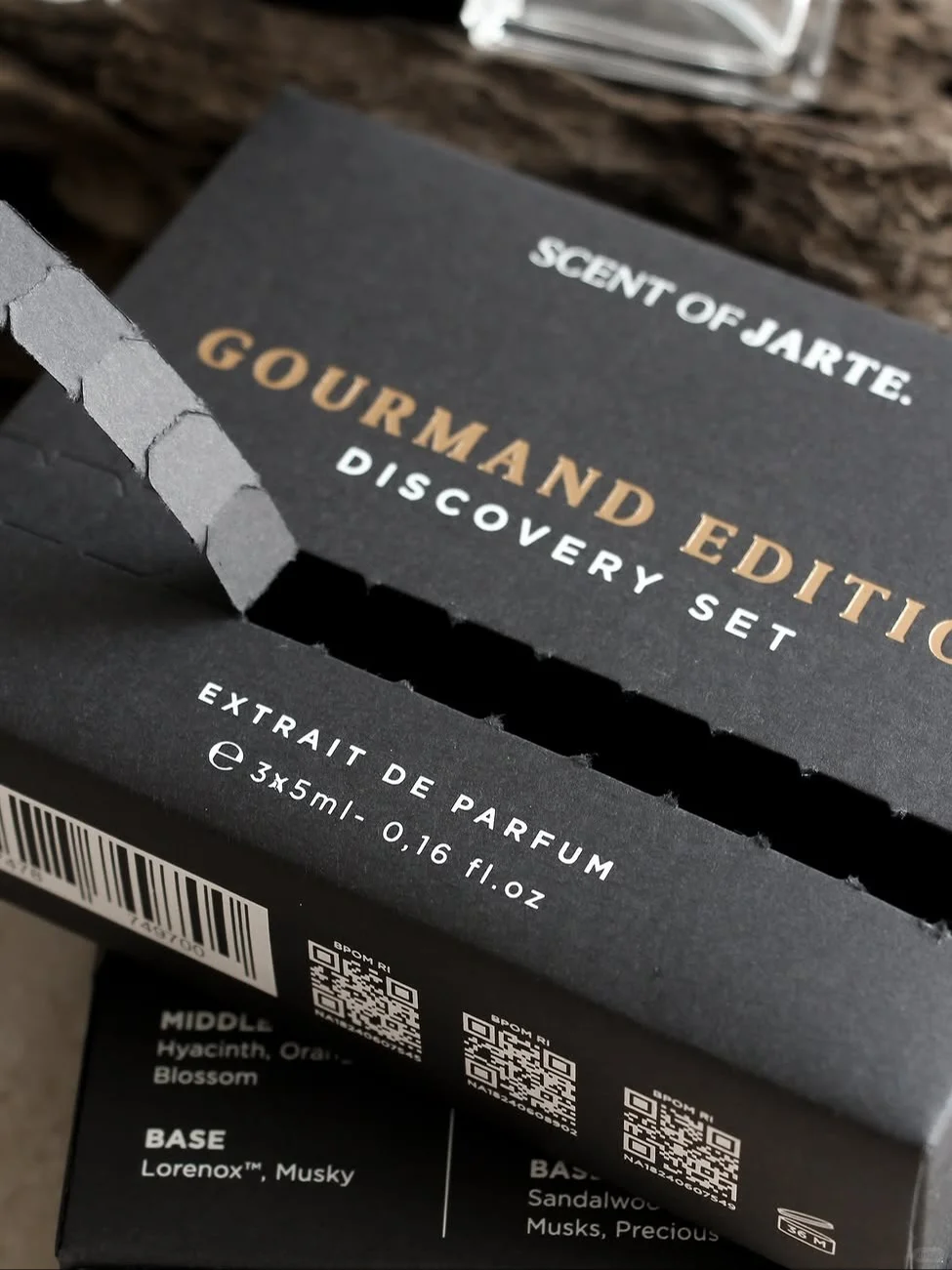
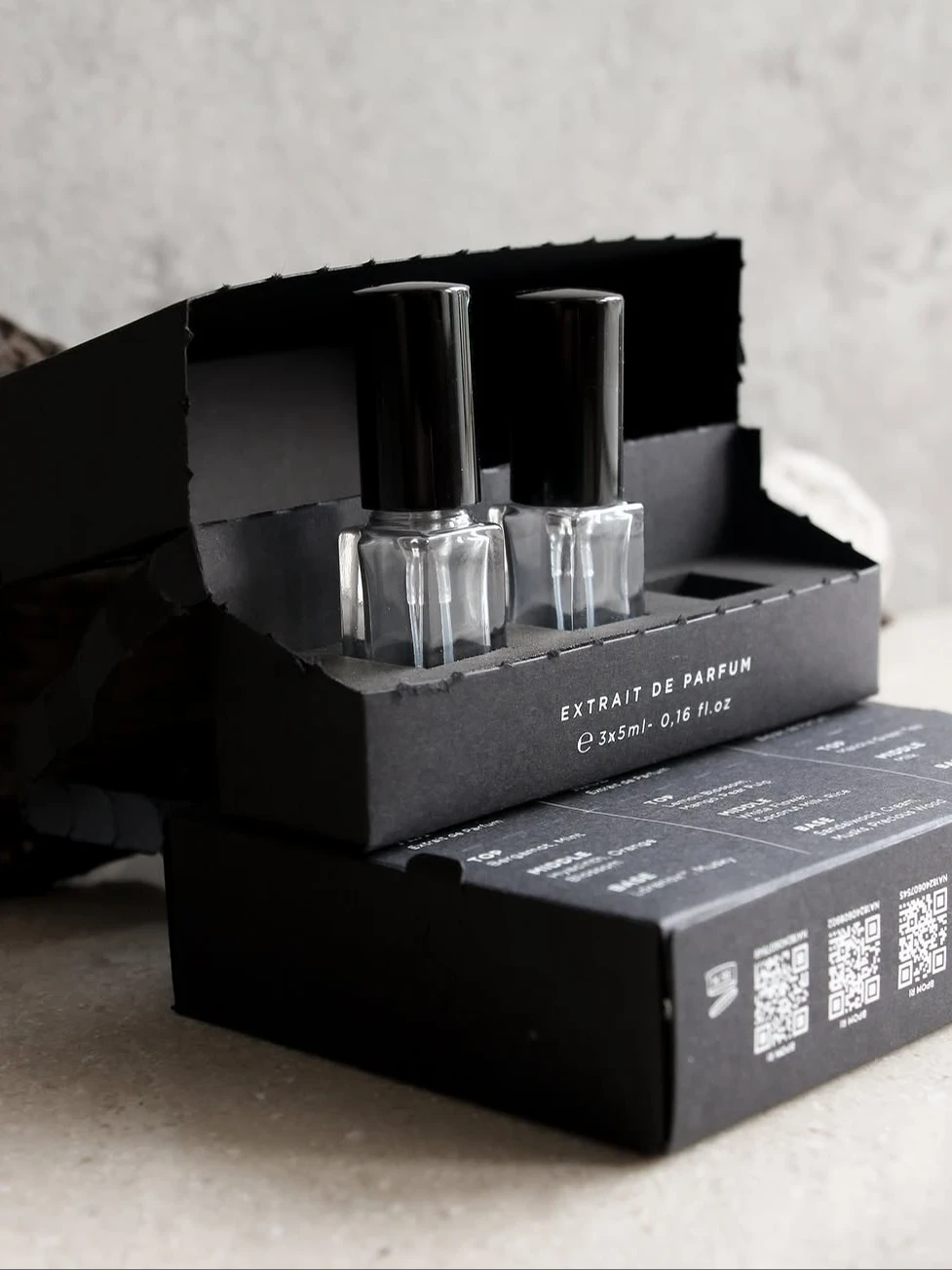
For tear-strip cartons, examine the starting point, the path across corners and access to the bottle after opening. Record where the strip departs from its intended path or where paper edges interfere with access. Give the supplier the observation and procedure, rather than treating an attractive opened-pack photograph as the entire approval.
Distinguish damage present before opening from changes caused by the opening operation. Similar marks can have different causes. A single damaged-pack photograph cannot replace the process record or establish that someone interfered with the contents.
6. Recheck after subsequent packing operations
Sealed products still pass through case packing, handling, storage and delivery. Include the project's agreed subsequent operations in the sample plan. Check whether adjacent packs rub the label, catch the strip or compress the carton in a way that changes the closure condition.
Record what the samples actually experienced. Do not describe transport or environmental testing as passed when it was never performed. A change to the surface finish, adhesive, carton construction or packing arrangement may require another review of the original approval.
When reviewing perfume packaging defects, preserve an abnormal sample in its original condition with its identification and process stage recorded. Replacing the label before documenting the issue removes useful evidence and makes the cause harder to investigate.
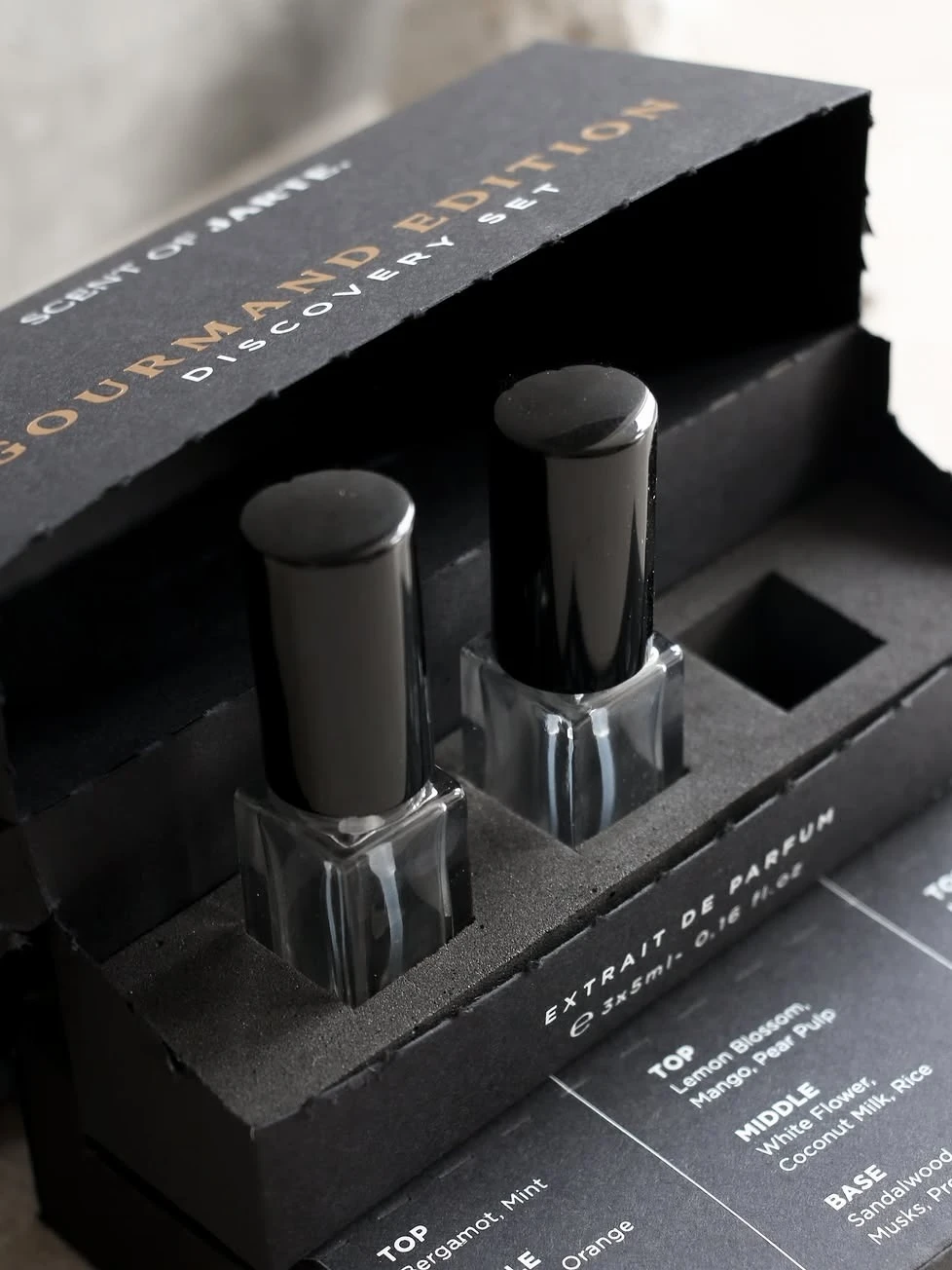
7. Keep artwork and codes compatible with the inspection
Check whether graphics obscure the intended indication. Dark printing on a label, reflective decoration or nearby text can affect visibility and should be reviewed on both unopened and opened samples.
When batch information, barcodes or QR codes share the closure area, review their retention and readability alongside the opening evidence. A barcode visible in a photograph has not necessarily passed a scanning check or a symbol-quality verification.
Instructions should match the actual opening action. Ask someone unfamiliar with the sample to follow the cues and observe where an explanation is needed. Adjust the structure or instructions accordingly. Avoid absolute security claims as a substitute for project testing.
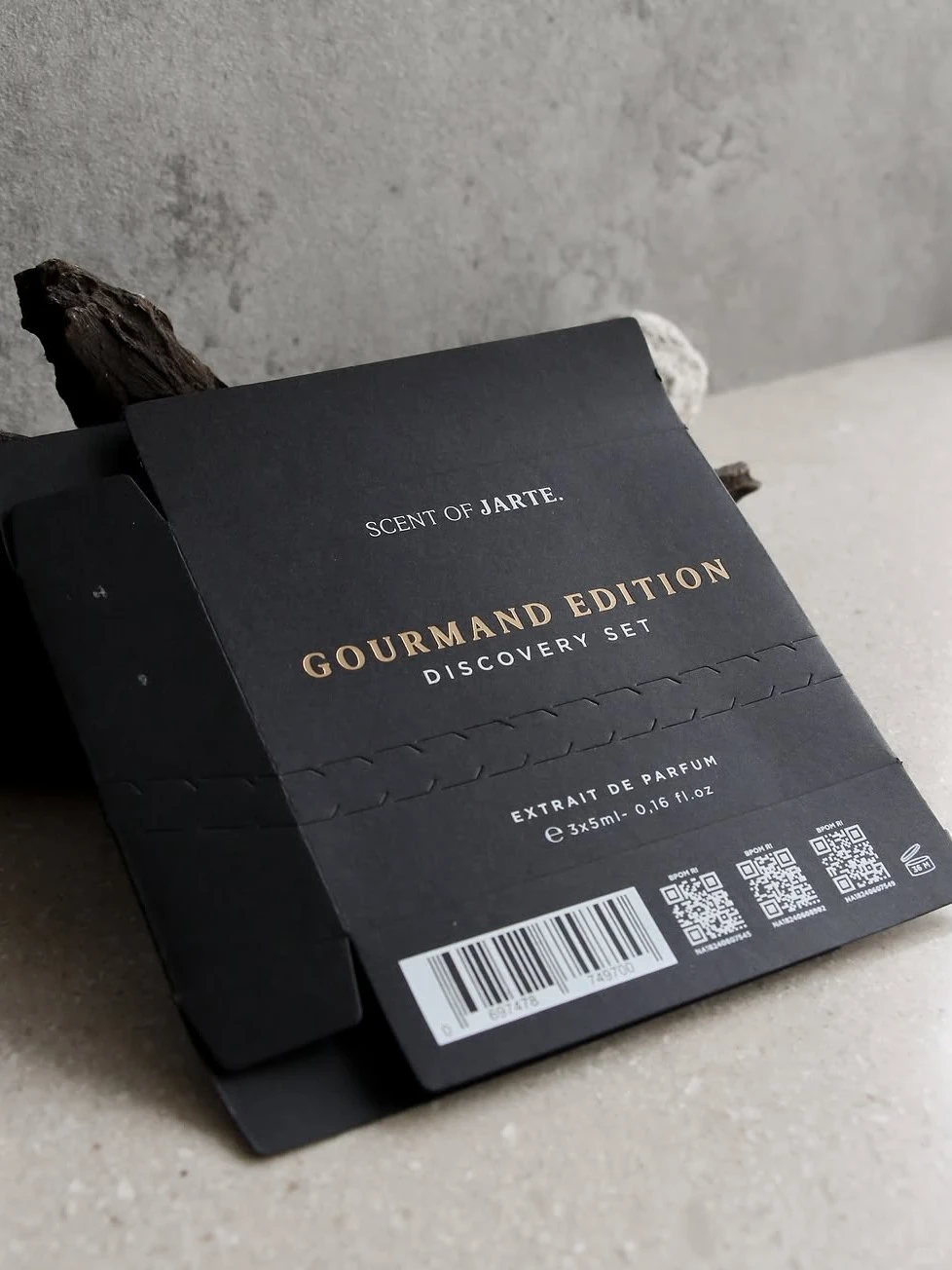
8. Create an approval record production can repeat
| Approval item | Record to retain | Handover check |
|---|---|---|
| Packaging unit | Retail carton, set or case and its revision | Match the order and assembled sample |
| Closure combination | Surface, label or tear-strip specification and revision | Match approved samples and material records |
| Application process | Stage, method and applicable conditions | Review against production records |
| Reference conditions | Unopened and normally opened samples | Compare the same inspection area |
| Subsequent operations | Packing and handling steps actually performed | Retain observations and exceptions |
| Decision | Sample identifiers, result, owner and required changes | Keep unresolved items open |
Keep the structure, materials, process and decision criteria together. A label photograph alone is a weak basis for a reorder or design change. Before production, confirm that manufacturing and receiving personnel can access the same approved reference samples and revision record.
Bravo Package can help evaluate perfume-box closure locations, structural tear strips and finished-surface combinations through sampling. Share the box construction, assembled bottle and insert details, surface finish and intended opening indication. Confirm the combination through project samples before moving into production.
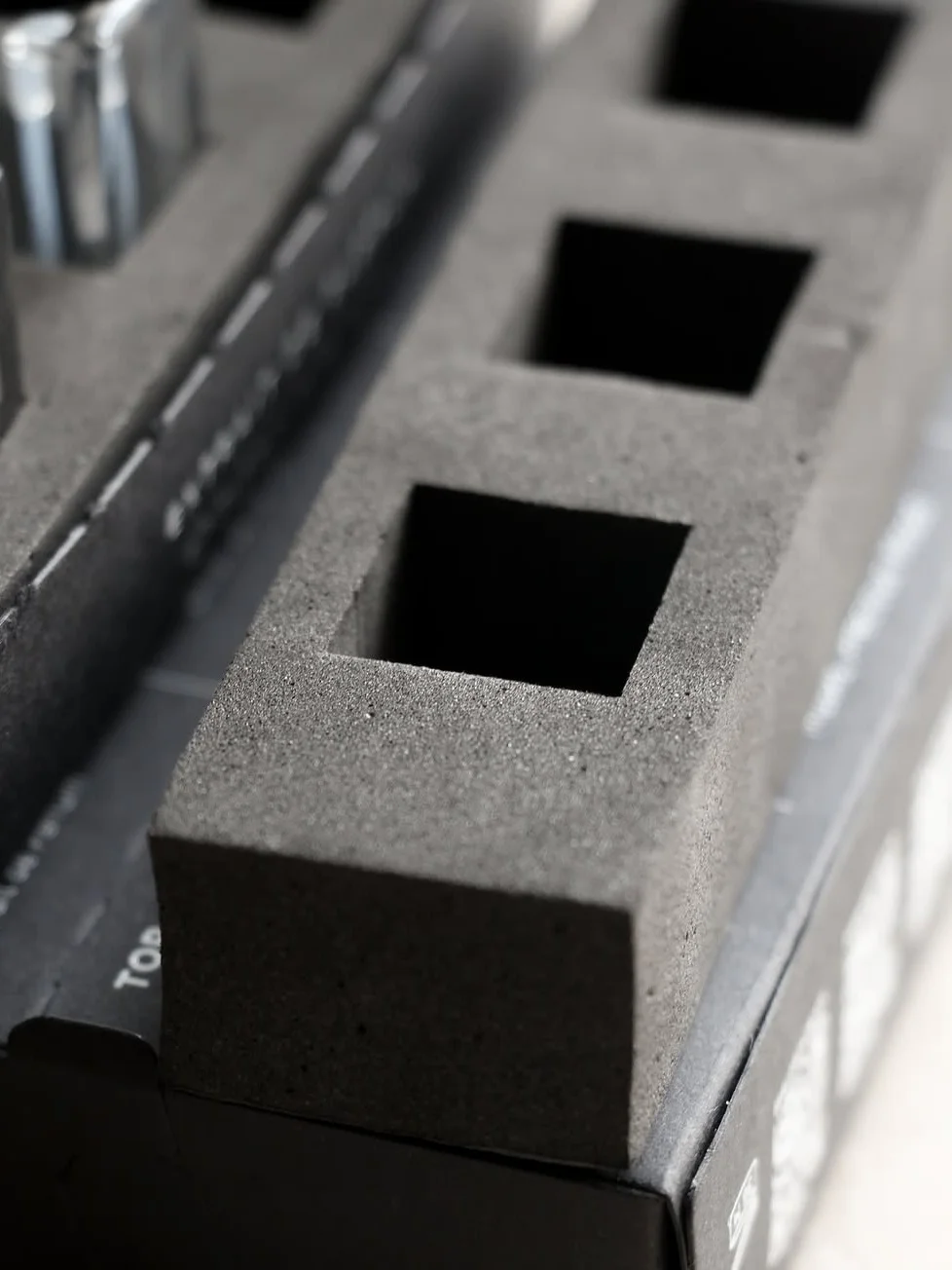
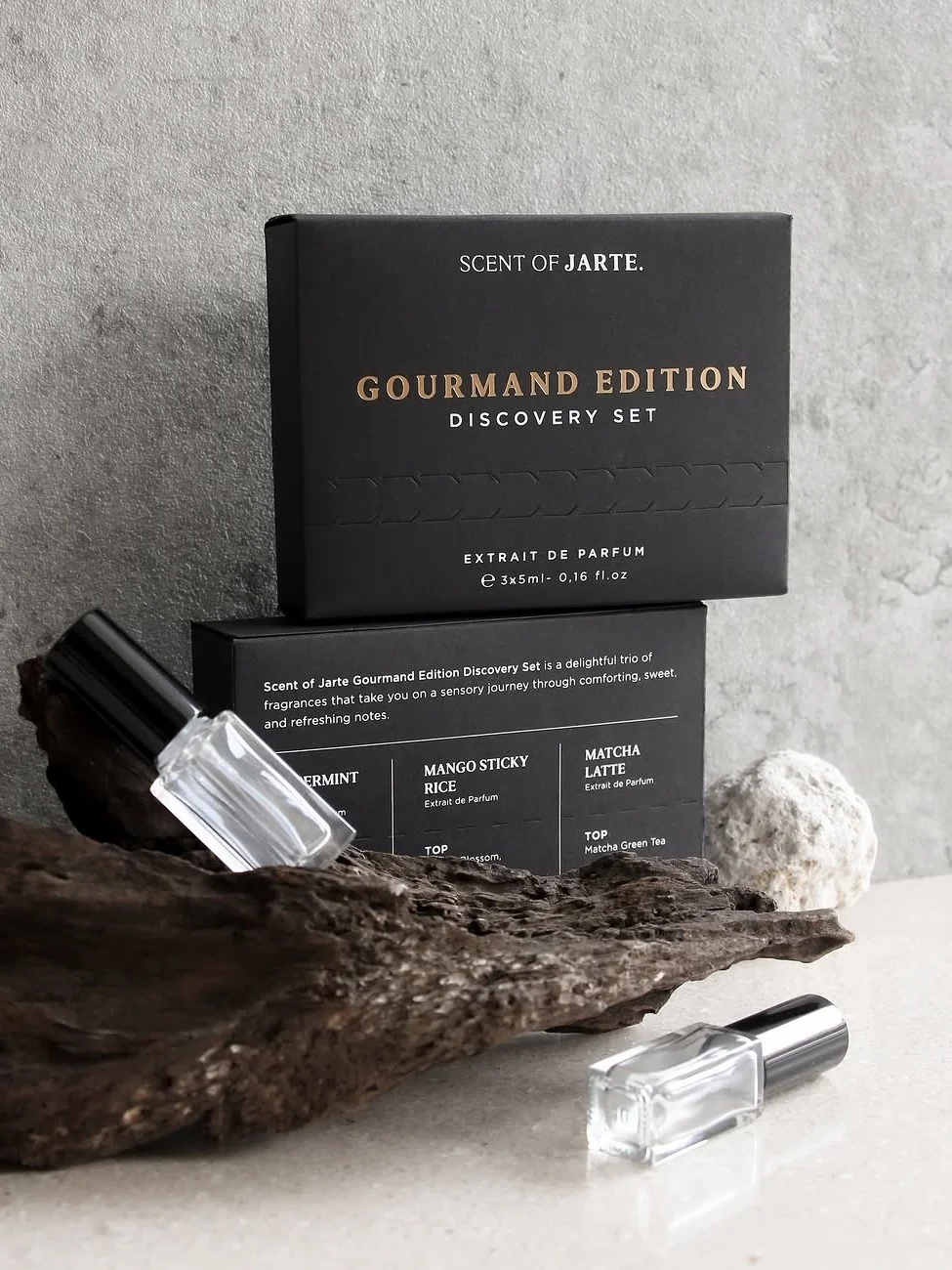
Photography reference: SCENT OF JARTE packaging, shared by Paper Park on Xiaohongshu. Shown for construction discussion; these are not Bravo Package manufacturing or test records.