

Every approval should specify the sample and what passed. Unprinted samples, print proofs and finished preproduction samples answer different questions. Assign each a date, an approver and a way to reopen the check if the specification changes.
Give the converter the product and assembly plan
Provide the actual product, accessories, protective pieces and instructions. Explain how it will be sold, packed and delivered. Confirm whether cartons arrive flat or assembled and where filling, sealing and shipping take place. Show any tamper-evident label area. Link dimensions, product samples, dieline and quote, and agree which operations wait for sign-off.
For a new fragrance bottle at BravoPackage, send the capped dimensions and a physical bottle. Use the first sample to check loading and removal. Review color, foil placement and paper feel on later samples. Photos help resolve artwork placement early. The physical sample is where you check opening and fit.

Approve structure on an unprinted sample
Ask purchasing, packing staff and retail staff to try the closure, insert and leaflet. Check for a flap rubbing the product or an insert gripping it too tightly. Record any difference in board caliper, grain or insert stock from production. Request a new dieline after structural revisions and record critical dimensions and contact points with loaded photos.


Review artwork and color on appropriate proofs
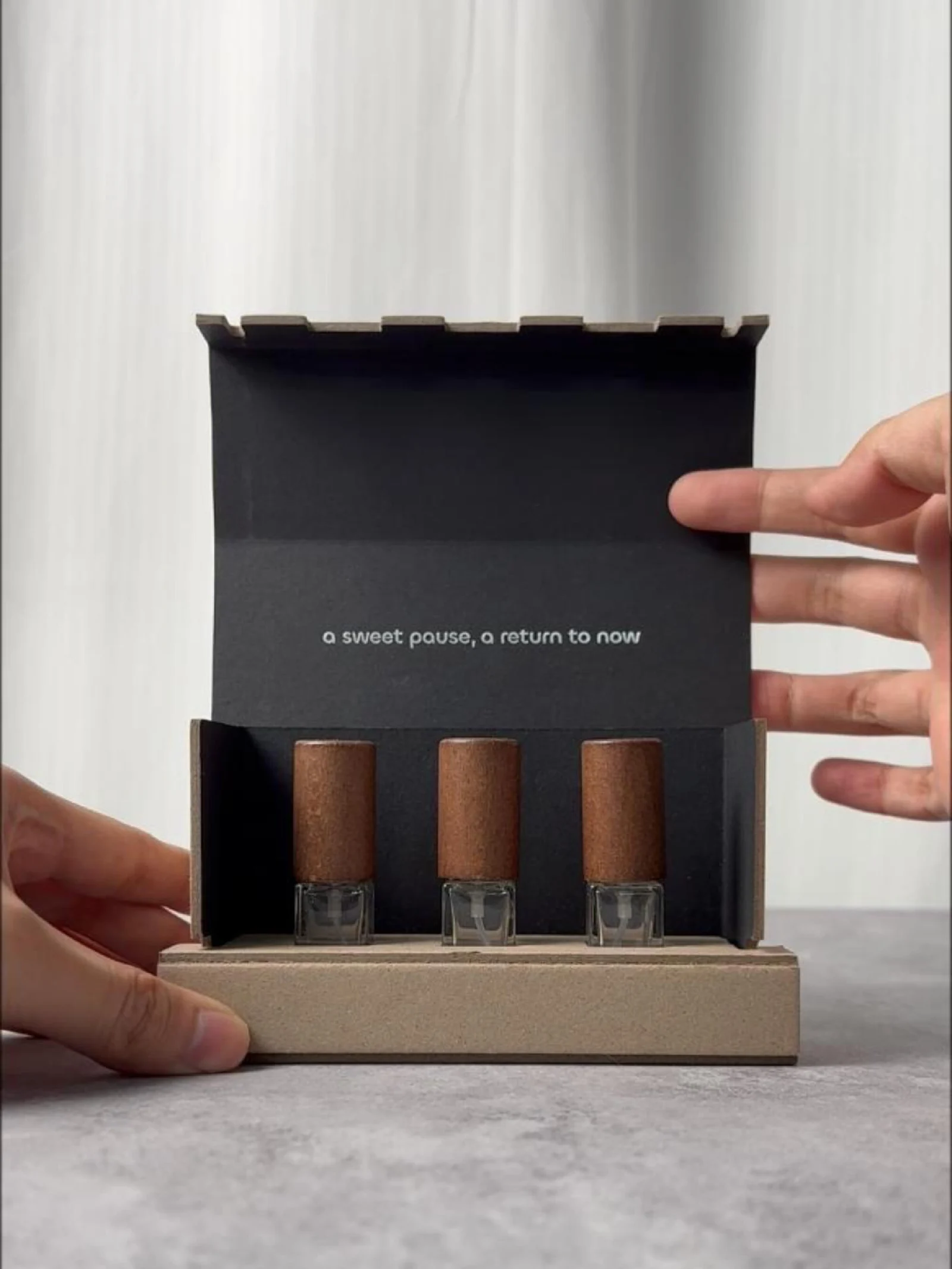
Use the digital proof for text, barcodes, orientation and finishing marks. Determine whether a physical sample is a digital mockup, a contract proof or an actual press sheet. Confirm which production finishes it includes. Approve copy, color and finish placement separately and list anything awaiting a sample on actual paper.


Run the complete packing process on preproduction pieces
Use the finished sample with the print, die-cut, crease, glue and insert in place. Load and remove the product, close it again, apply the seal and check bottom support. Document differences in material, tools, equipment or assembly. A thicker board can tighten the closure even with unchanged drawings. Check the complete packing route and any agreed transport wear.


Compare production with the approved references
Keep dated, versioned samples and approval scope on both sides. Check first pieces, in-process lots and delivered cartons. Inspect color, seams, formation and product fit. Record faults by lot, operation and position. Reopen the relevant checkpoints when stock, tooling or coating changes.
