

A useful request for quote gives every supplier the same scope. Two boxes can look alike while requiring different materials and labor because they are packed, shipped or delivered differently. Describe the product and the sales channel first. Then identify the requirements the supplier has to meet and the decisions you want its help with.
Provide product dimensions and sales conditions
Send approved product samples with dimensions, weight, packed weight target and accessories. Highlight protrusions, permitted orientations, cap areas that cannot take pressure and labels that may scuff. Describe retail display, bulk shipping or individual parcel fulfillment and show where the customer opens the pack. Include the available clearance in an existing shelf, shipping carton or packing machine.
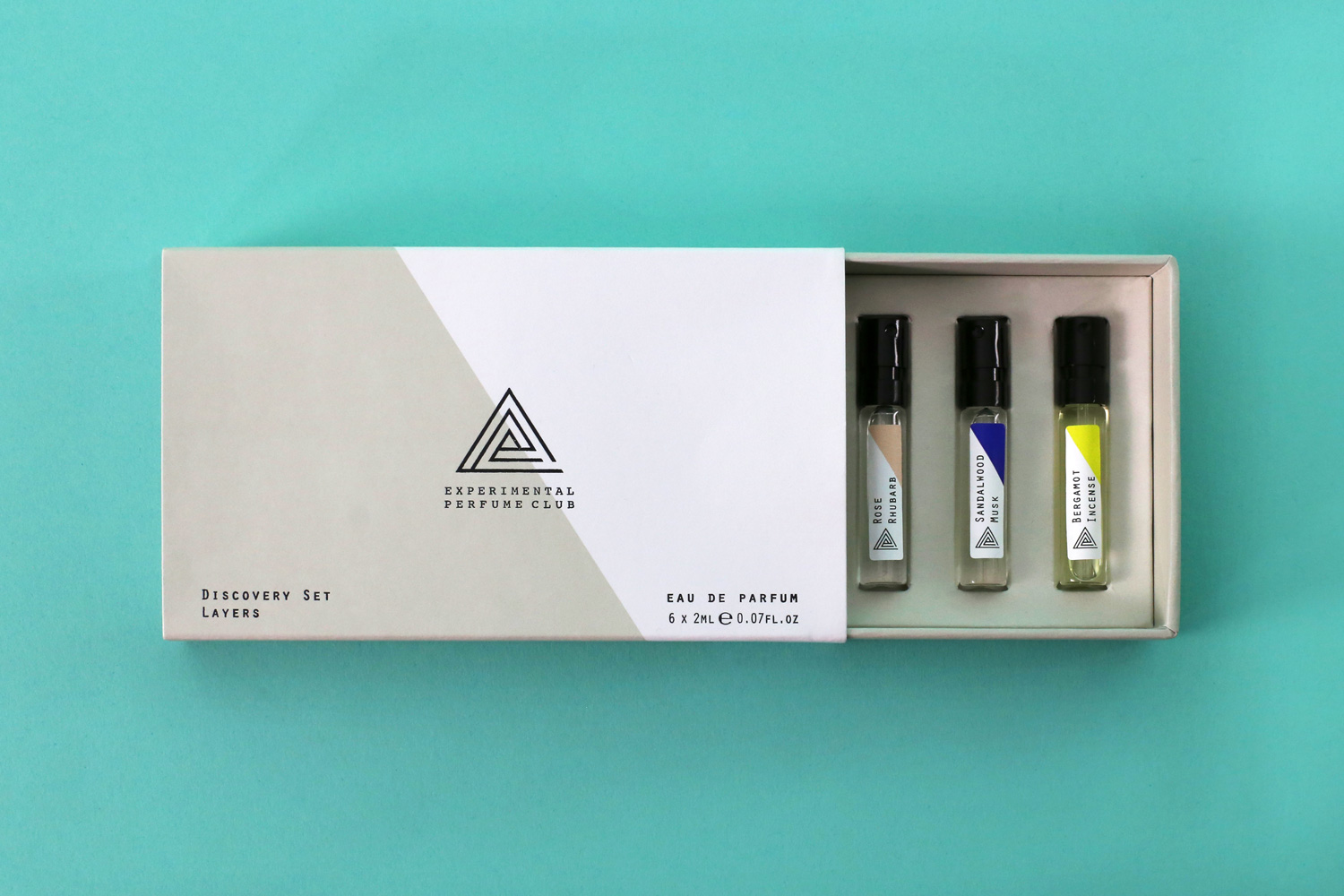
For a BravoPackage fragrance discovery set, give us the capped vial dimensions, vial count, quantity by scent and target delivery date. Share whether you prefer a card holder or hinged box. A layout showing the intended reveal order and how each vial should come out lets us price assembly options in the first round.


State quantities, priorities and dates
Include total quantity, quantity per SKU, expected reorder schedule and required arrival. Identify shared panels and artwork that varies by SKU. Rank priorities such as stability, brand color and gifting feel. Ask how proposed minimums and tooling apply per SKU and what happens to unused stock. For an event, agree whether a partial delivery helps and who approves substitutions.


Annotate the part of each reference you want
Circle the drawer movement, paper texture, color or matte appearance you want to carry over. Mark anything that requires a physical check, such as a ribbon blocked by the installed bottles. If artwork is still in development, price two materials or packing states first and ask for separate prices for foil, lamination and inserts.


Compare like-for-like quotations
Request a breakdown for structure, stock, printing, finishing, inserts, tooling, samples and freight. Check quantities, taxes, inspection, delivery point, packing and payment terms. Ask which materials the sample uses, who owns tooling and which costs recur. Include your assembly labor, storage space and units per shipper in the comparison.

Work backward from launch
Schedule approval, production, inspection and dispatch from the launch or filling date. Approve fit, loading, closure and transit on the unprinted sample, then approve color and finishes. Retest the affected items after structural, stock or printing changes. Put sample numbers, revisions, delivery state, inspection items and claims deadlines on the order. Keep affected units and lot labels if goods arrive damaged.
