

Start with a specific purchasing question. You may want to protect carton corners in transit, make the size easy to spot or help a customer remove a bottle cleanly. Compare physical packs for a similar weight, price and channel, then turn what you can verify into requirements a converter can quote and sample.
Select comparable packs and document their context
Collect a mainstream pack, a different structure and one near your target price. Record the channel, whether it was sold alone or in a set, the shipping carton and the condition on arrival. Compare orientation on shelf, the product listing and the unboxing. Photograph the front-facing panel and include a scale. Separate what you observed from any claims about stock or performance.


Measure and inspect each pack consistently
Record outside dimensions, usable cavity, packed weight and the parts used for closure and cushioning. Inspect folds, bottom locks, seams and finger clearance. Photograph each measurement point. Recreate ordinary handling and record what changed and whether it affected use. Describe how the stock feels and ask the supplier for specifications or evidence of any required performance.


Turn the preferred detail into a verifiable requirement
If lifting the bottle should leave the insert seated, specify the removal direction and finger access. Give the supplier bottle weight, maximum dimensions and how the packer loads it. Ask for structure, tooling, material layers and assembly steps. Write functional priorities first, followed by color, surface and type requirements so the quotes cover the same brief.
When showing a reference drawer box to BravoPackage, bring your own bottle. Specify how far the drawer should slide before the label is visible and whether it needs a stop. Mark the finger access and clearance at the cap. We can sample the action around the weight and shape of your bottle.

Use a common load and handling sequence
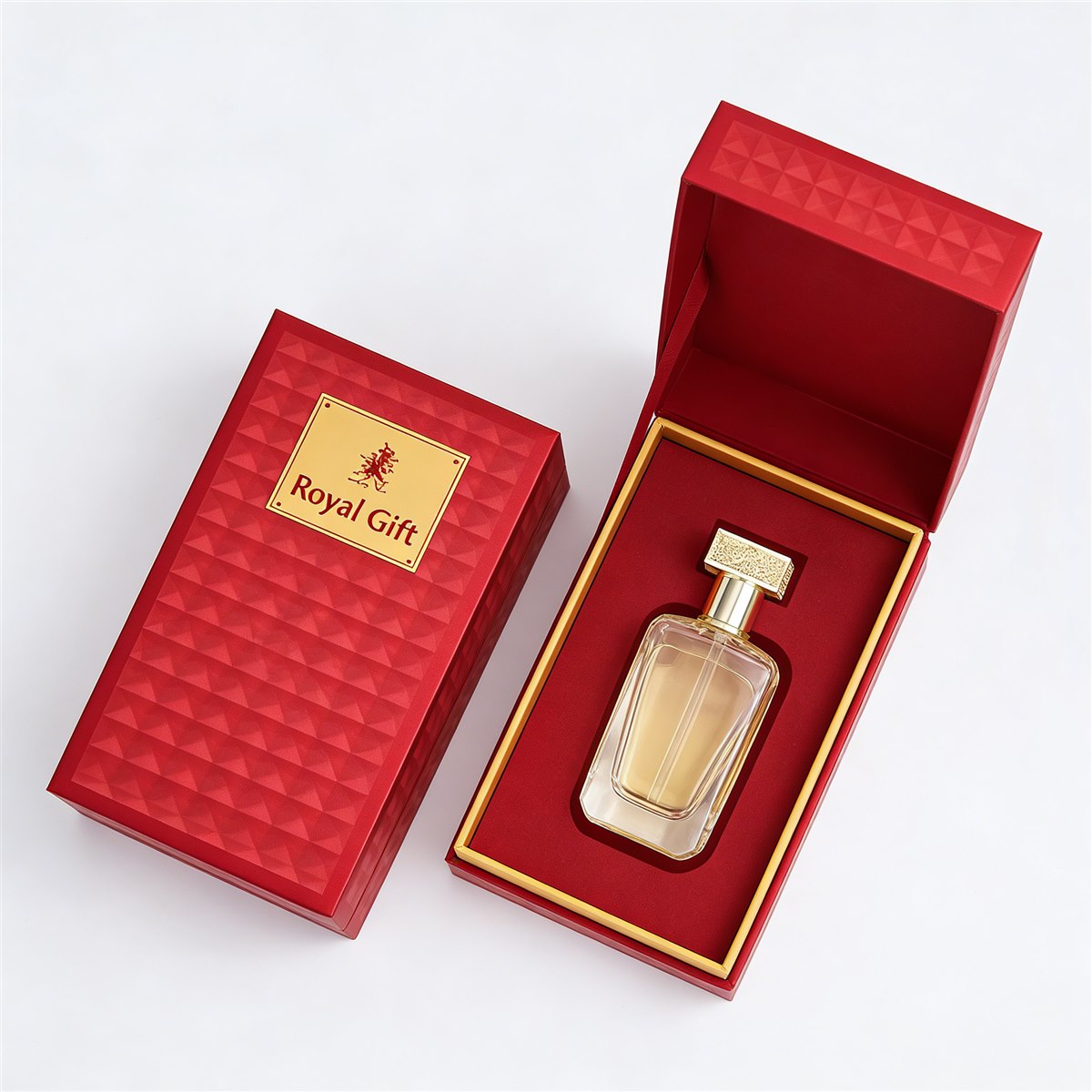
Load candidate designs with the product and hold the shipper, cushioning and sealing method constant. Record assembly time, closure and starting condition. Compare results after the agreed handling or transit simulation. A quick drop can screen candidates. Formal acceptance needs an agreed test suited to the parcel and channel. Photograph failures and ask the supplier to identify changes in the next revision.


Keep your evidence for purchasing and reorders
Label what the reference demonstrates. Distinguish mandatory features, allowable substitutions and open decisions. Confirm that the quote includes every component and assembly step. Test proposed material and insert substitutions against the original purchasing objective. Retain the approved sample reference and date.
