

A pack that looks right in the sample room may cause problems on shelf, at a packing bench or in transit. Recreate a shopper's selection and a warehouse dispatch before ordering. Use the same product configuration and test conditions for the options you compare.
List what each channel has to do
For retail, confirm shelf height, price-tag position, display orientation and units per facing. For e-commerce, check thumbnail size, shipping layers and the first face a buyer sees on opening. Confirm reseller labels, master-carton dimensions and barcode rules. Test high-impact problems first, such as a pack that fails to fit the shelf or tips in the shipper.

Put samples in the actual display conditions
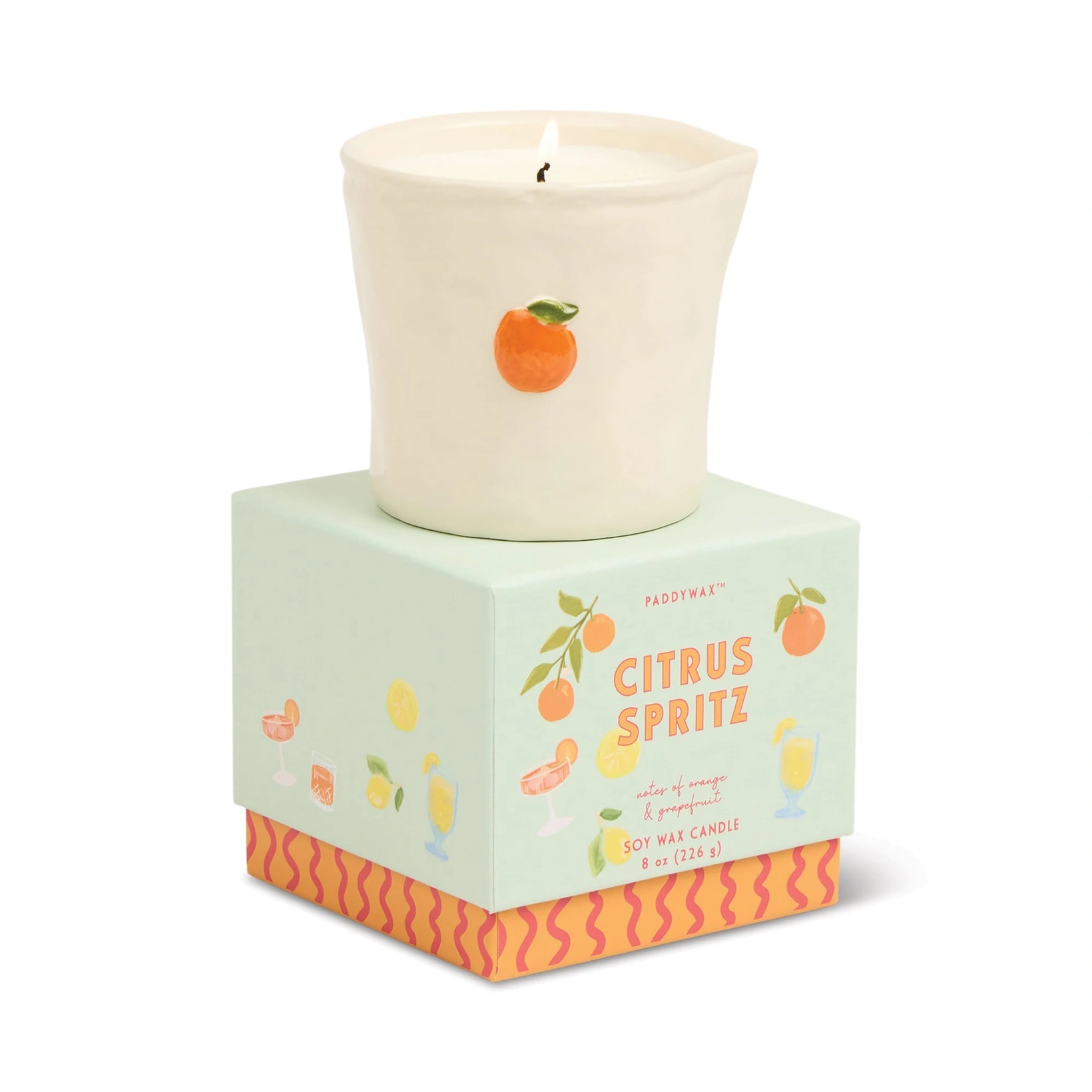
Display finished samples near comparable products under representative light. Check whether customers can find the scent and size and take and replace the pack with one hand. Check for a shelf tag covering the variant name. Photograph the pack and preview the intended listing on a phone. Use the production type size and main colors in the sample.


Run a short packing trial
Have staff fill the carton with the insert, promotional card and seal, then pack it in the shipper. Record steps, awkward maneuvers and orientation mistakes. Scan after folding, finishing and labeling. If reducing shipper size, compare case counts, cushioning space and equipment fit alongside labor and damage risk.
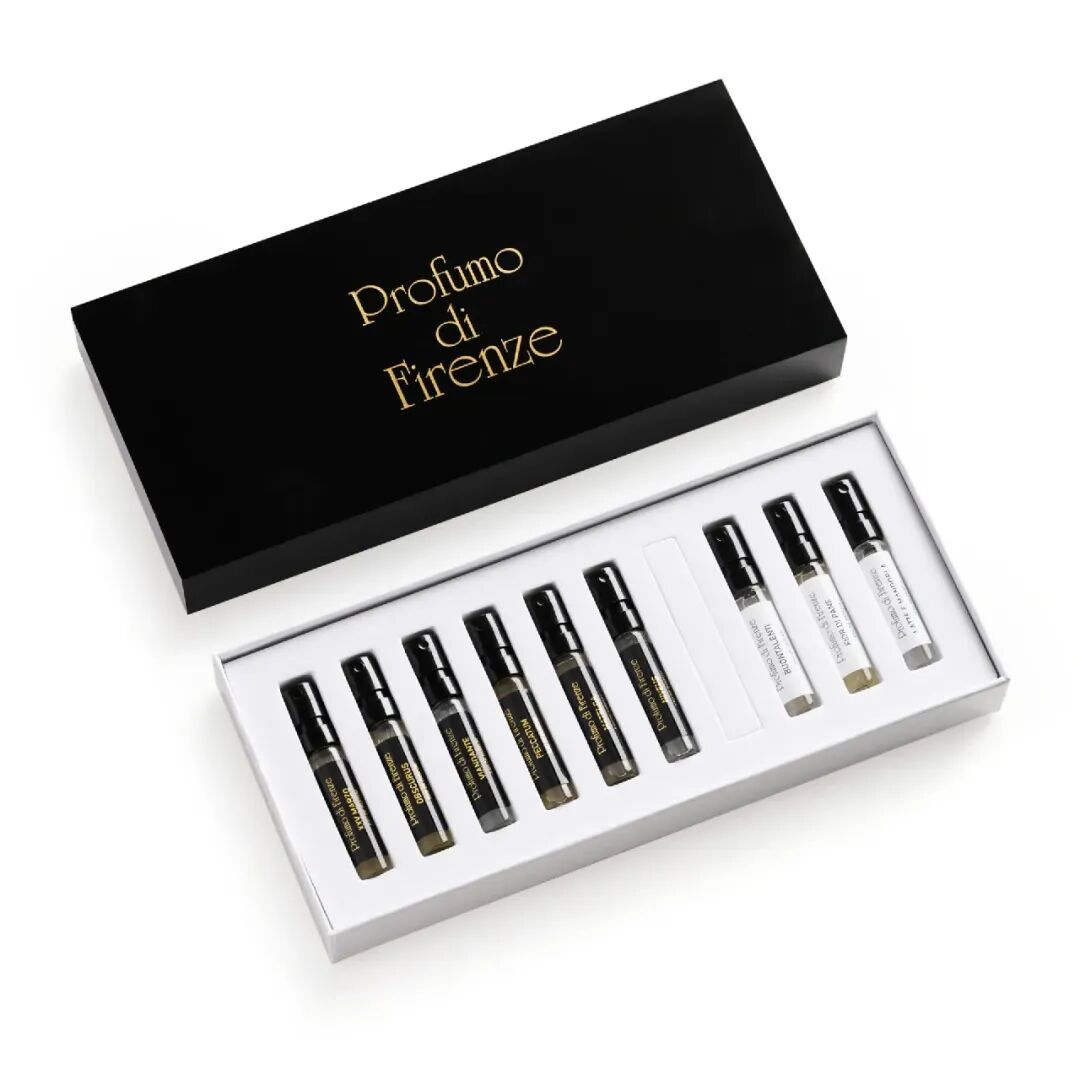
For a BravoPackage perfume sold in store and online, run both paths with the same group of loaded samples. Let store staff replenish a real shelf. Let warehouse staff apply the standard label and fill and pack the mailer. Record which details affect scent selection and which slow packing before deciding whether the channels can share an insert.

Agree how to test the delivery configuration
Use real packed weights and components. Name the failures you need to screen, such as breakage, loosened parts, leaks or dents. Try ordinary handling first. For formal distribution testing, agree the procedure and pass criteria with the test provider. Open tested parcels and photograph the first damage to the product, insert, carton or label. Retain the configuration and lot record for retesting after changes.


Carry the approved conditions into the pilot order
Document display orientation, finished dimensions, cushioning, barcode, proof revision and release conditions. Track placement, packing and returns by SKU during the first run. Mark problem panels or actions on a sample. Recheck display, scanning and fulfillment before extending the same structure to a new channel.
