

A range has to look like one brand and let shoppers tell the scents, sizes and formats apart. Define which elements stay fixed and which change by SKU. Test the formats that are easiest to confuse or hardest to produce before expanding the system.
Define fixed elements and variant cues
Set the mark, product-name position, type scale and reading order. Use text and color together to distinguish scent, and assign volume and format a stable position. Draw the assembled panels and note what can change. Separate product lines can use different imagery while preserving familiar brand placement or structure. Make the volume unmistakable between a full size and travel size.


Test the most different sizes together
Compare a core SKU, the smallest carton, the longest name and a special stock or structure. A layout may need more than proportional scaling. Check side copy, barcodes, opening direction and sleeve or window coverage on loaded samples. Approve print and color separately for different materials.
For a BravoPackage perfume range with single bottles, discovery sets and seasonal gifts, start with two formats farthest apart in size. Apply shared placement rules and see whether the narrow carton feels crowded or the larger box buries the size. Fit each insert to its product.

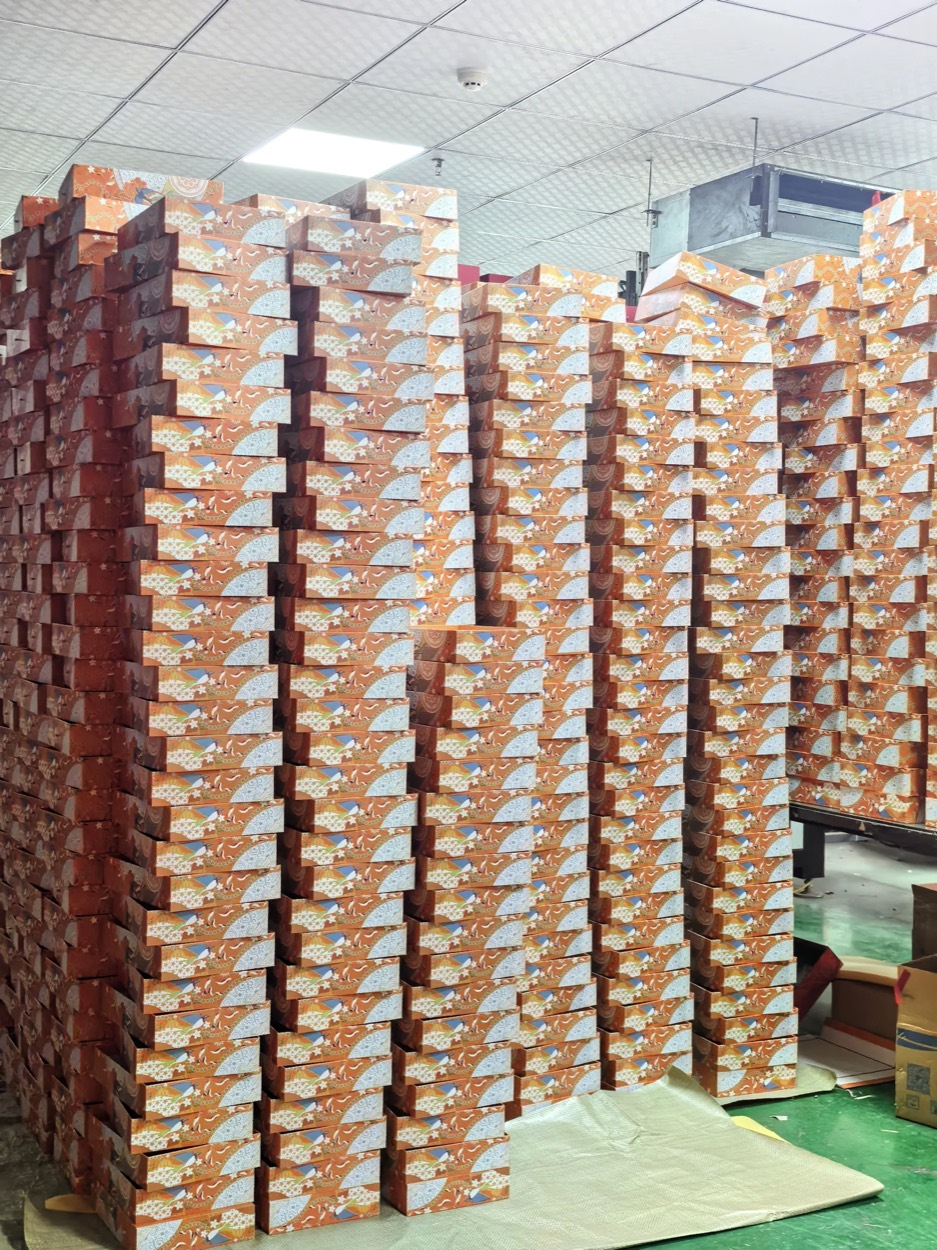
Convert colors and finishes into repeatable specs
Keep a physical brand-color target and record variant inks and substrates by SKU. Proof separate stocks so they still read as one range. Ask whether foil and spot-coating tools and registration setups can be reused. Identify each label, carton and insert so production can release the correct parts together.


Connect each SKU to the pack and listing
Record name, size, identifier, packaging artwork, market and approval date. Check any identification requirements after a quantity, volume or branding change and update listings and orders. Compare neighboring packs on shelf and phone. Reconcile cartons and labels with the products they hold.

Use small runs to qualify new additions
Compare the new SKU with its closest existing one. Check name, size, color and placement. Record the reference, lot and accepted differences. If materials or suppliers change, test whether old and new packs can sit together. Preserve key front-panel cues while moving new information to a suitable secondary panel.
