

Descriptions such as natural, restrained or refined help set a direction. A converter needs board, viewing panels, colors, finishing and an opening sequence to quote and sample it. Start by deciding what the buyer should recognize and experience.
Select something real for the pack to show
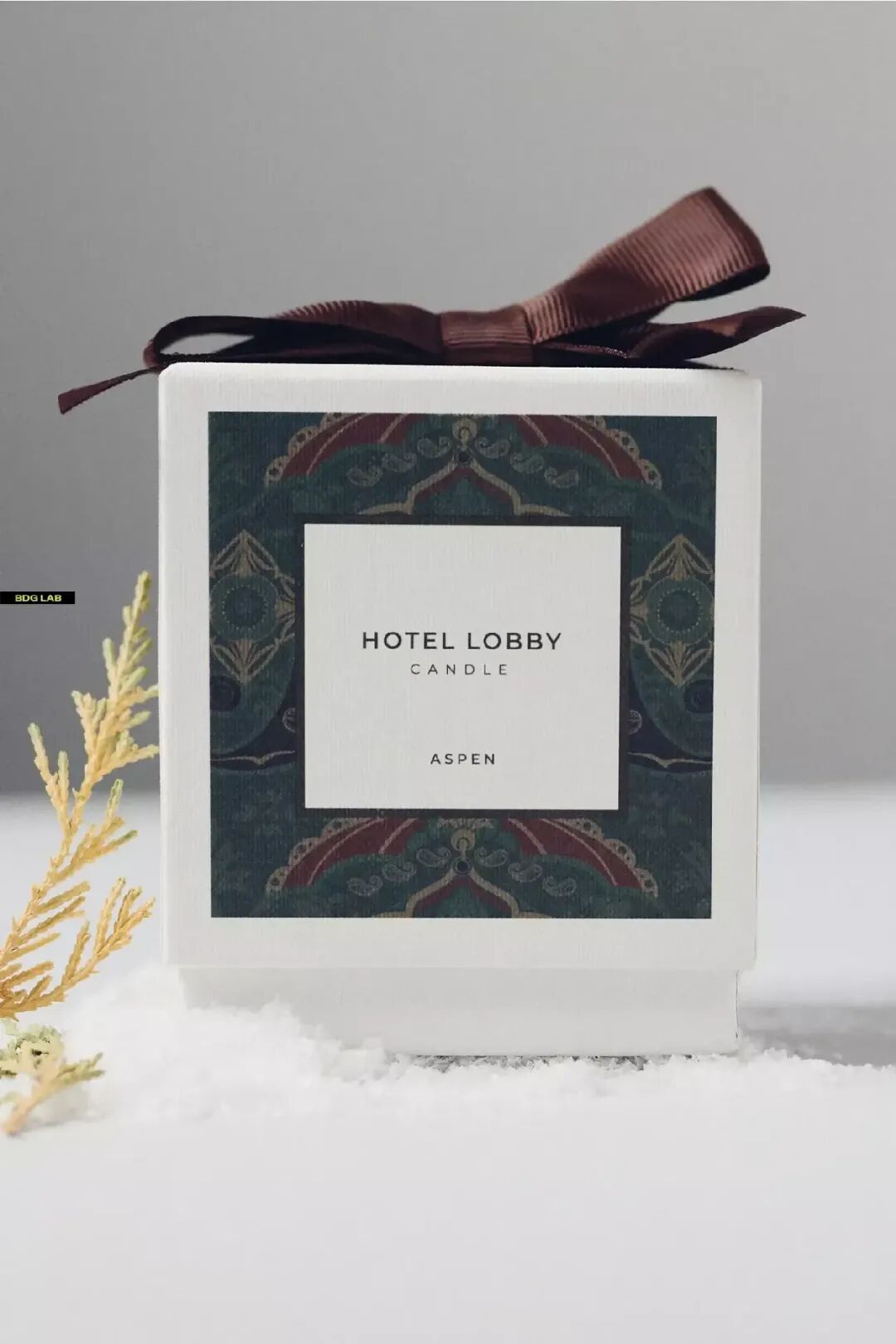
Choose a visible feature such as the glass shape, cap texture or accessory arrangement. Use space to organize information, a window to reveal the product, or the lid to highlight it. Describe the expected result at the counter. The buyer might read the name first and notice texture on handling. Provide physical color targets and identify the brand elements shared across the range.


Compare two ways to produce the same effect
Try dyed stock and a flood on white board for a dark pack. Compare cut edges, folds and wear. A small foil detail and exposed metallic substrate give different reflections and boundaries. For texture, compare natural grain and local embossing. Keep size, artwork and product fixed while changing one main factor, and tell the converter where the finish will fold or be touched.
To pair a frosted perfume bottle with its paper box, BravoPackage suggests trying a warm white textured wrap and a smoother paper with a restrained emboss. Keep the bottle, dieline and logo size fixed. Compare shelf legibility, closed corners and unit cost, then retain the winning proof for future versions.


Map finishes on the released dieline
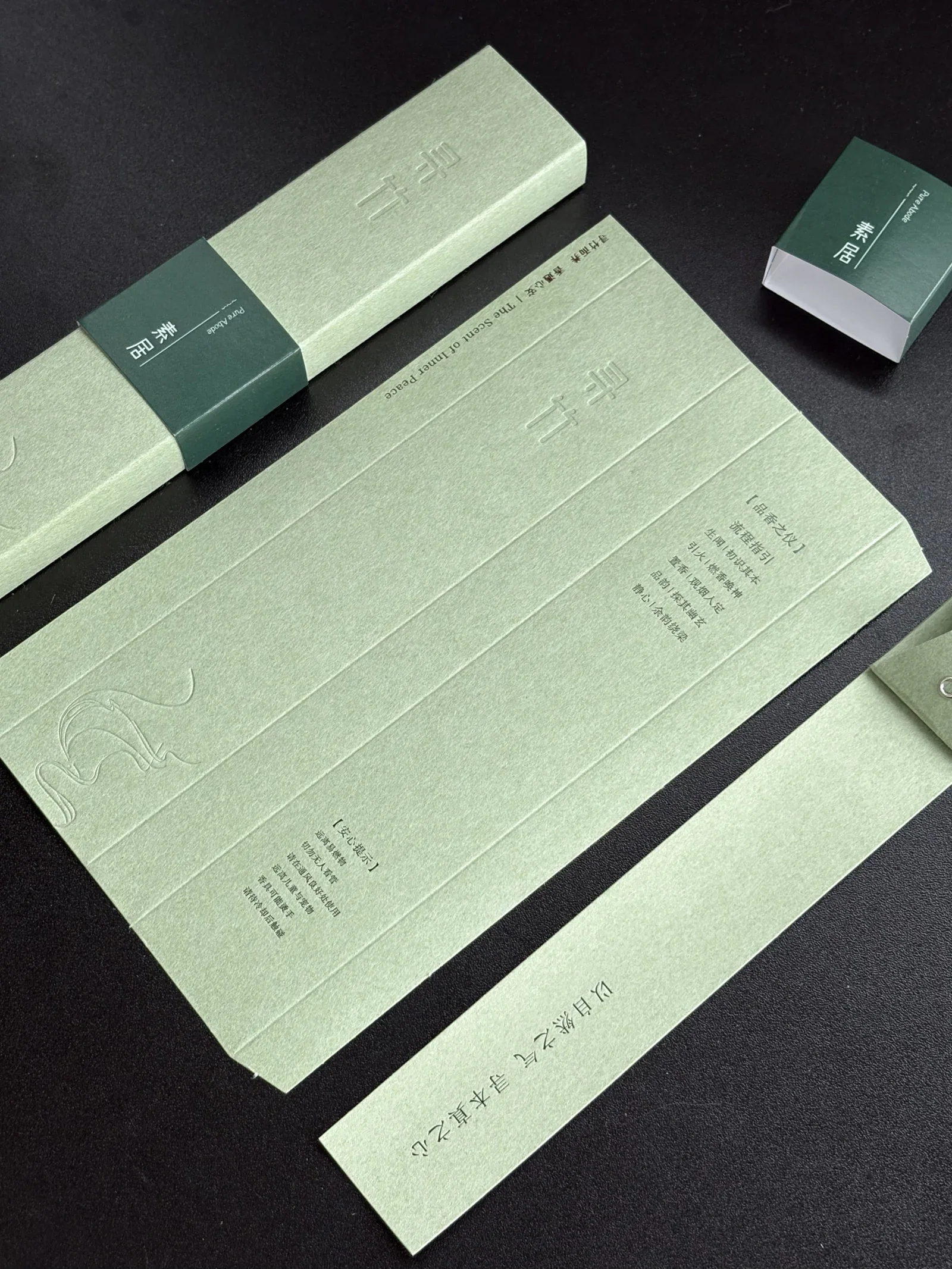
Identify fronts, backs, gripper margin, scores, seams and load points. Separate spot ink, foil, texture and coating. If a mark crosses a fold, proof an alternative away from it. Check foil visibility under other finishing layers, dark creases and readability on reflective board. Confirm authorization for any certification marks or claims.

Compare quotes and samples with the same setup
Request a flat sample and a loaded carton. View under identical light, then in the sales setting. Rub the same contact points. Itemize board, decoration, waste and delivery dates so you can see what a process contributes. Check smaller and wider formats before extending the range.
Retain specifications that can be repeated
Keep released artwork, stock, color proofs, finished references and inspection locations. Check color, scuffing, decoration edges and the reveal order. Return to sampling if a finish is clear under showroom lighting and hard to read in ordinary use.
