

The same product may fit all three structures, but they change receiving volume, assembly, removal and shipping. Compare the actual packing and delivery routes to see what each box will cost and how it will work.
Confirm who forms the box
A tuck-end carton is usually folding board with top and bottom flaps. It can often ship flat and be erected at the packing line. A lid-and-base box has two pieces, and rigid versions usually arrive formed. Ask about flat shipment, nesting and labor. Test whether nesting scuffs dark wrap paper.


Define what you mean by a one-piece box
A one-piece box can mean a die-cut corrugated mailer with an integral flap or a rigid hinged box whose lid is attached by its wrap or ribbon. Identify the lid, base, hinge and closure. Say whether the lid stays attached. Evaluate a hinge for repeated use or focus on transit sealing and a clear opening point for single-use packs.
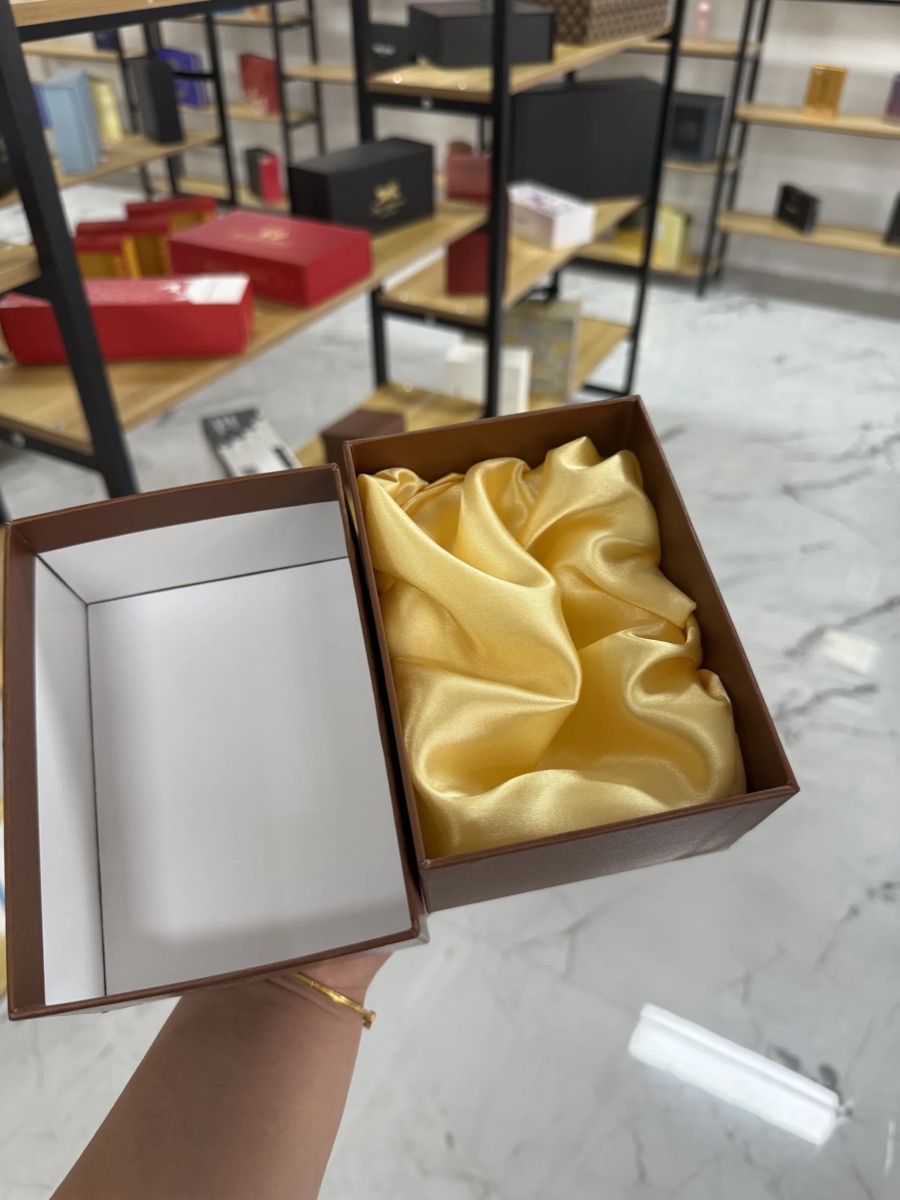


Screen options by weight and orientation
Check tuck clearance and squareness on light cartons. For heavy glass or sets, test the base and insert together. A close lid can bind and a loose one can move in transit. Check that a hinged lid clears the bottle and tray and that the hinge and side panels hold. Run suitable samples on existing packing equipment.

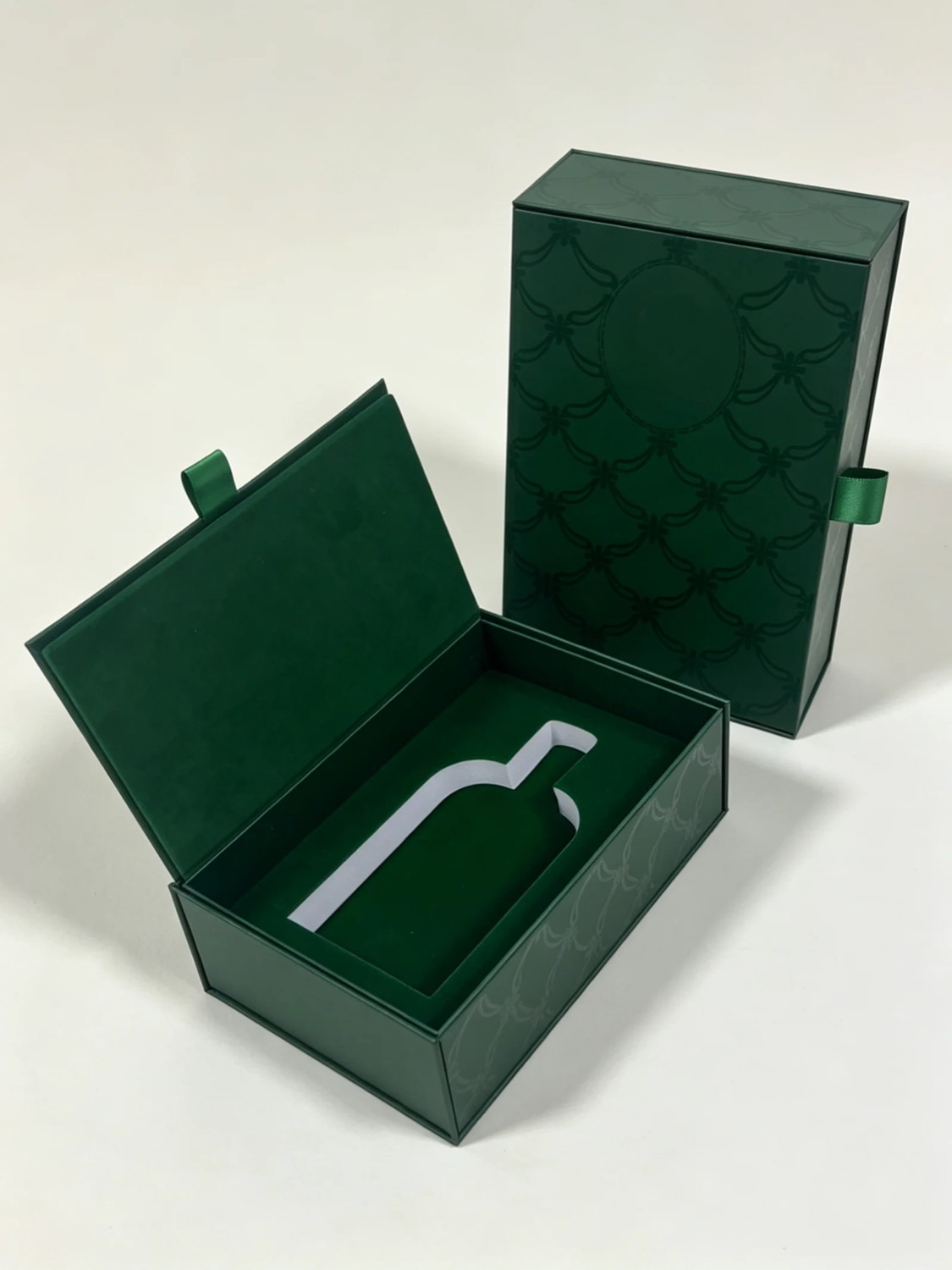
Compare the complete delivered cost
Ask the converter to price material, inserts, delivery state, case count and assembly. Time the same crew across designs and record extra labeling, sealing and inserts. Calculate real units per transport case. Confirm tooling changes on revisions or reorders.
For one BravoPackage perfume bottle, use full loads across all three options. Time the tuck carton. Check whether lifting a lid also lifts its base. Check where the hinged lid stops. Recalculate storage and freight once the insert is fitted and the delivery state is known.

Approve each structure as it will be used
Work through receiving, assembly, loading, closure, opening and removal. Verify finished dimensions and look for loose components when inverted, crooked lids, springing tucks and damaged edges. Keep references for fit, opening angle, color and paper condition. Record case count and delivery state on the order.
