

Forest & Brooks presents three clear packing tasks: eight small tealights in a shared black box, three candle tins paired with a dark green botanical long box, and individual vessels with fragrance-related colored cartons. Brand wording connects the range, while the constructions remain distinct. Considering discovery, gifting and individual purchase separately helps define the roles of box, support and information before looking for realistic shared components and cost savings.
Visible details in the photographs inform this case study. Proposed paper, printing and structural options are custom packaging recommendations, rather than confirmed production specifications for the brand.
Define the three loading tasks separately
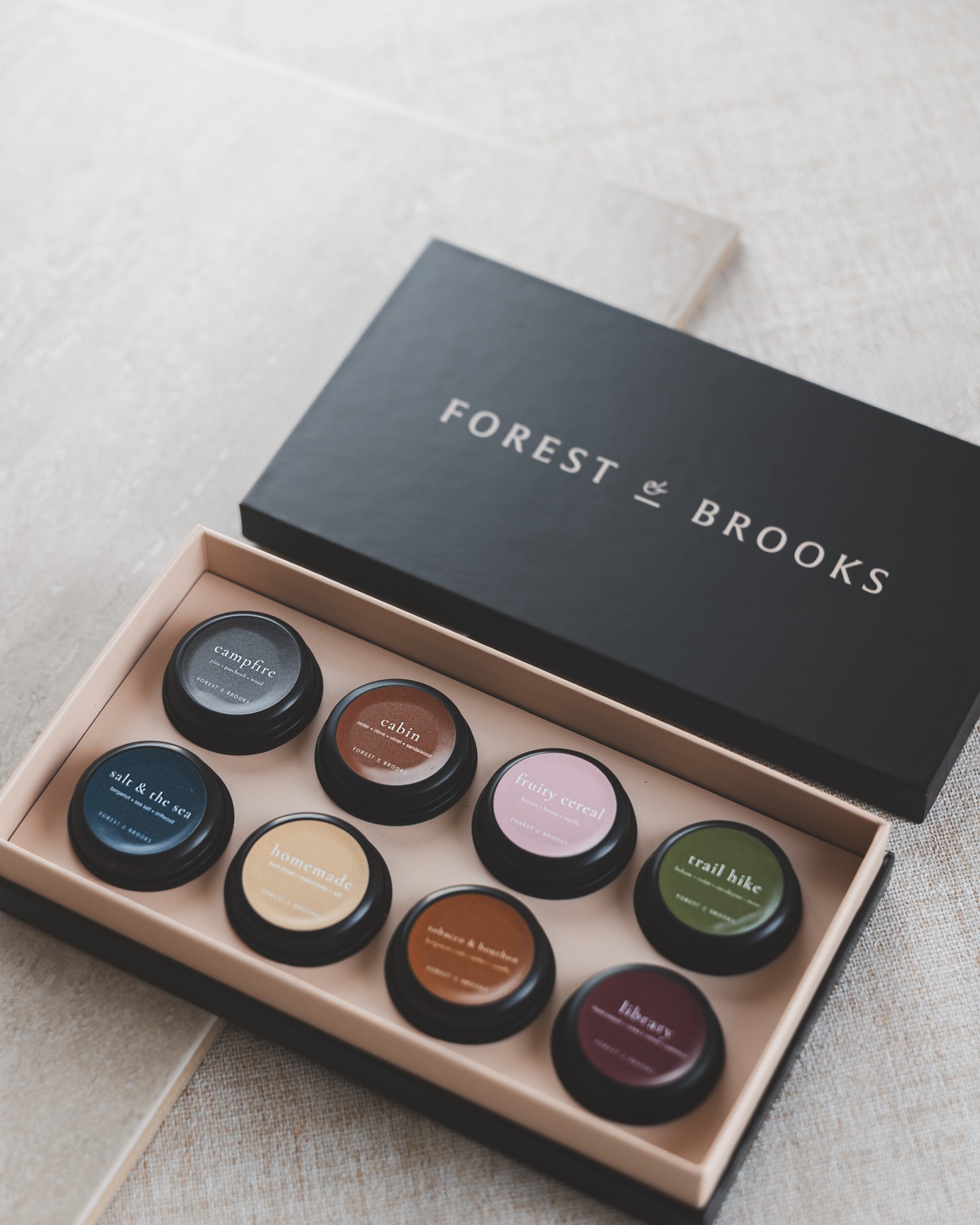
An open eight-piece Discovery Set shows small round cups and their arrangement. NL BERRY presents a three-tin gift, while Carrot Cake, Sandalwood Suede and Mulled Cider pair individual candles with cartons. These quantity differences require different constructions.
Typeface, naming tone and selected colors can be shared without calling every package one universal gift box. Eight-piece packs restrain multiple small objects; three-tin boxes separate heavier vessels; individual cartons set clearances around one product.
Establish actual contents before developing appearance. Discovery and gifting may serve different purchasing purposes, and structure and information should reflect them. A visually attractive arrangement is a starting reference, not a complete brief.
The eight-tealight box emphasizes comparison and arrangement
A black exterior contrasts with a natural-toned interior, with eight small tealights in individual positions. Branding stays on the lid while product identification moves onto the cups. Opening reveals the group clearly.
Natural-toned support positions are visible, but their layer count and manufacturing method are not established. Test cup movement, extraction and whether remaining items stay stable after one is removed.
Eight positions also need sensible spacing and grip clearance. Dense packing can hinder access; excessive space increases volume and material. Load actual cups to find the balance between restraint and compactness.
Discovery information should support fragrance comparison
When several small cups appear together, accurate names and identification matter more than color alone. Users need to connect each trial with a fragrance they can later purchase.
A lid reference, accompanying card or another suitable location can provide a clear guide, depending on the actual product. Information need not be repeated everywhere, but should remain easy to retrieve during use.
If customers choose the fragrances, assembly must match their selection precisely. A common outer box provides flexibility while increasing pairing responsibility. Similar branding makes clear names and numbers on the small cups particularly important.

Botanical graphics give the three-tin box a gift character
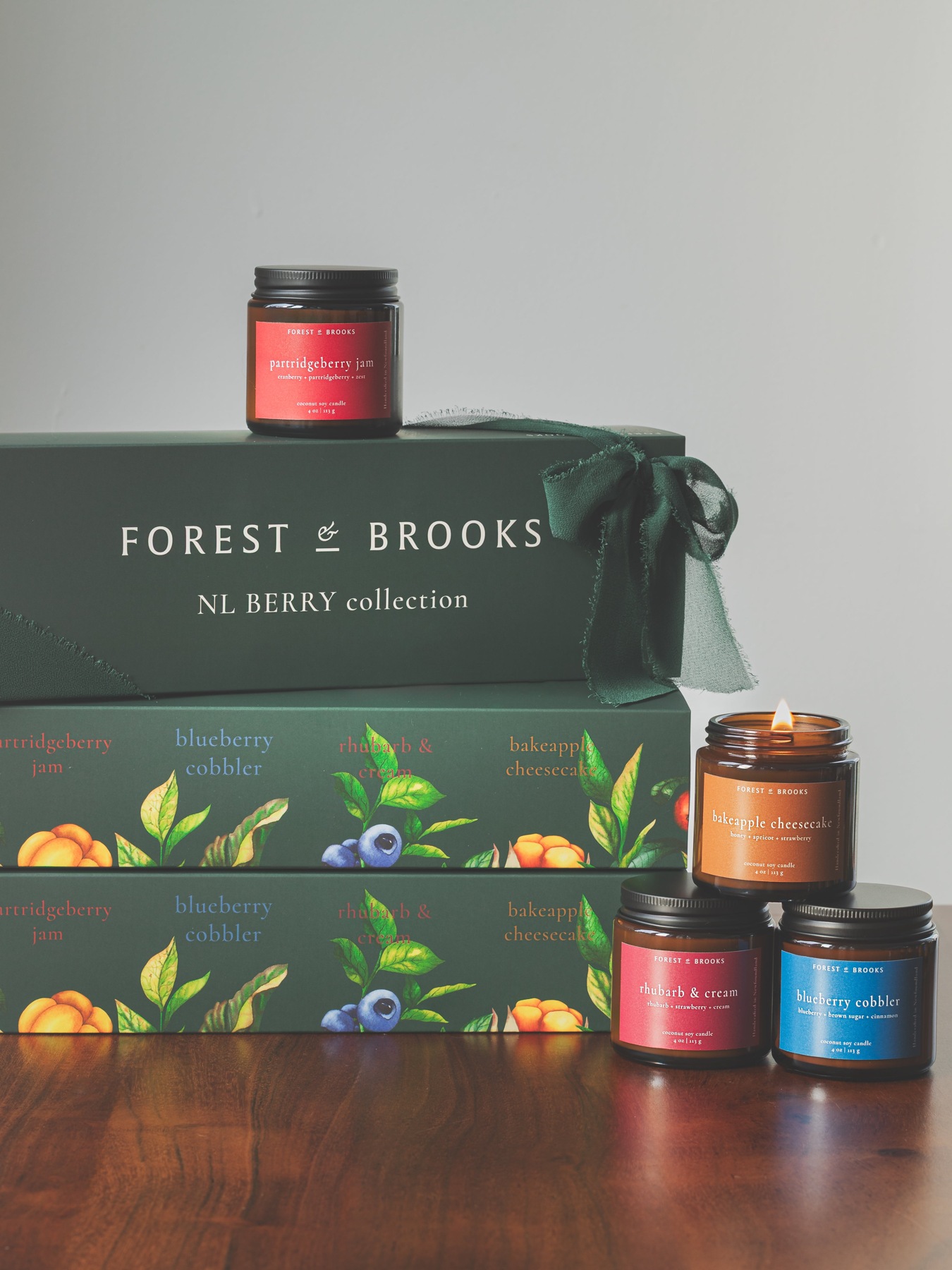
The dark green NL BERRY long box uses plant and fruit-like graphics with concentrated branding. Different tin colors distinguish its contents while the outer package presents them as one gift.
Confirm separation and balance. A long box changes base span and end loading, so three individual-carton spaces placed side by side are not automatically a finished structure. Test lifting, placement and transit with real product weights.
If ties or accessories appear in a presentation, confirm whether they are standard supplied components or styling. Real accessories need fixing and assembly allowances rather than being left for production to resolve after artwork approval.

Individual fragrance boxes provide direct identification
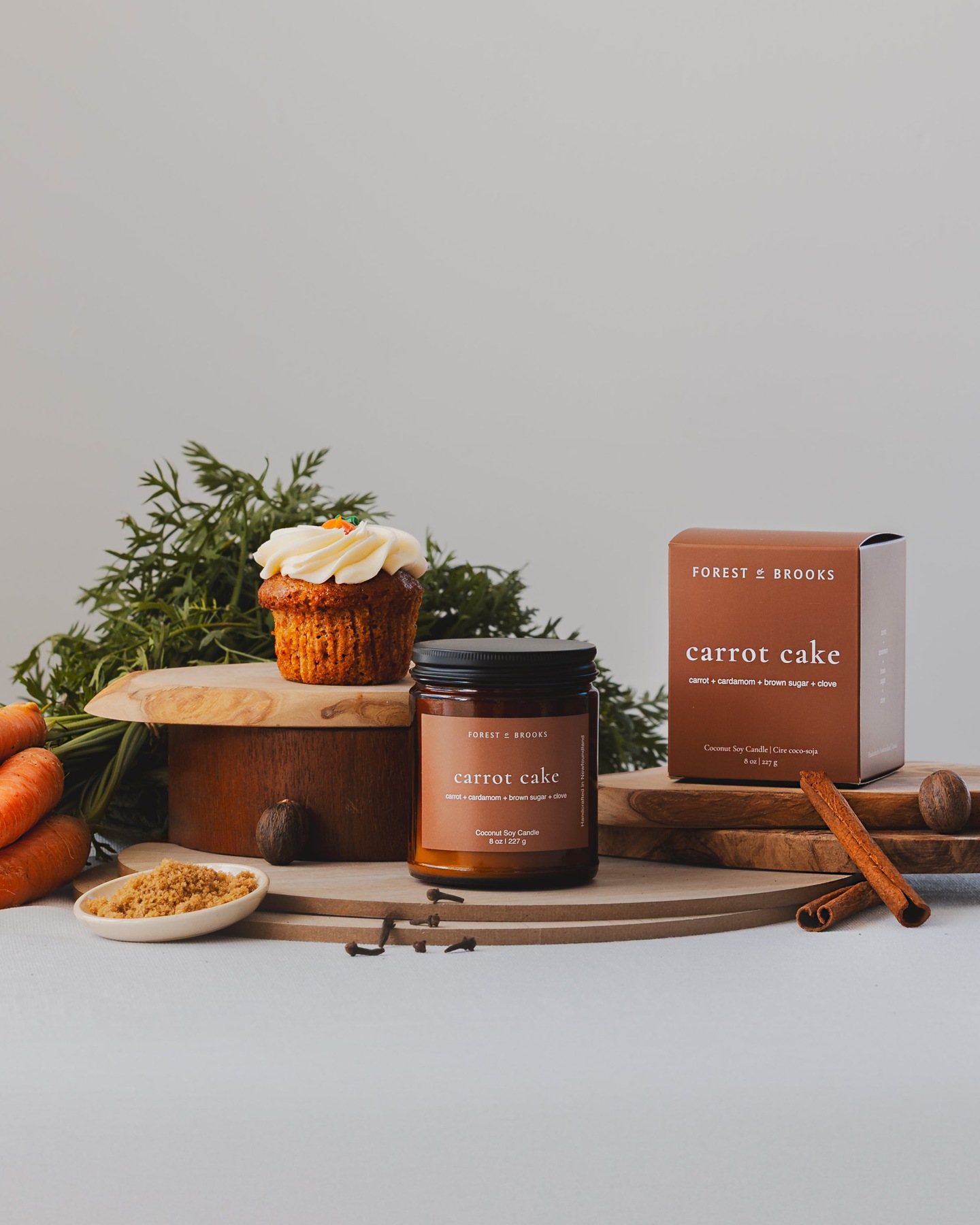
Warm or deep carton colors create different relationships with amber vessels. Brand, fragrance and supporting information occupy relatively stable positions so an individual purchase remains identifiable outside a set.
Food props in Carrot Cake and Mulled Cider scenes suggest fragrance, not included contents. A design can use that atmosphere while descriptions distinguish candles from props. Food in a photograph does not establish food supplied in the box.
Test name lengths and color contrast at actual size. Smaller individual information areas cannot hold every story on the front. Prioritize name and capacity, placing longer content on sides or supporting material.

Choose surfaces and printing by their specific demands
Black discovery boxes need scuff, fingerprint and lettering-contrast checks. Green illustrated boxes need fine-line and cross-panel continuity checks, while individual colored cartons require consistency. Their best surface solutions may differ.
For eight-piece, three-tin and individual formats, compare a black-paper-wrapped greyboard lift-off box with a white paperboard folding box and die-cut paperboard insert. The first provides rigid gift volume; the second supports flat storage but needs support-position tests. Compare coated and uncoated wraps for the botanical long box, checking fine lines, dark green folds and reversed type. Use actual cups and tin weights to test fit, base spans and extraction, grouping materials by construction.
Plan botanical graphics around folds and glue seams. Decorative elements that tolerate interruption can cross corners, while principal names stay on stable panels. Assembled samples reveal these relationships more clearly than flat artwork.

Assembly order determines production practicality
Eight small cups need individual matching and loading, three-tin gifts need position and label-orientation checks, and individual cartons need vessel-to-box matching. Give each format a clear placement diagram and checklist rather than relying on personal habits.
Restraints must secure products without making loading or removal difficult. Tight fits increase labor and affect users; loose ones lose their arrangement during transit. Record time, errors and material waste in small packing trials, then revise the construction.
Verify transport protection separately. A complete-looking gift opening does not prove resistance to shipping impact. Clear responsibilities for display, internal restraint and outer shipping help avoid unnecessary material accumulation.
Share brand rules rather than every construction
Brand wording, fragrance naming and selected colors can continue across the three categories while each is sampled separately. Matching individual vessels may permit a common die; eight-piece and three-tin formats need their own loading-based costs.
Compare inserts, dividers, labor, empty-box storage and shipping volume. A universal solution needing added fill or labor may be less economical than a suitable dedicated structure. Sales quantities and replenishment schedules also influence the choice.
Forest & Brooks gives discovery, gifting and individual products appropriate forms and connects them through branding. Boxes need not be identical, but selection, opening and removal should be equally clear. Treating structural differences as design conditions makes long-term expansion easier.
Define a simple recheck for sets: close, gently move and reopen the pack to inspect the arrangement. If it is orderly only immediately after loading, adjust the restraints rather than relying on photographic rearrangement. Practical checks help deliver a consistent experience.
Three Things to Bring to Your Packaging Sample Brief
- Design eight-tealight, three-tin and individual packs as separate structures.
- Verify restraint, comparison and removal together, using names rather than color alone.
- Sample different surfaces separately and include assembly and shipping in total costs.
For discovery sets, gift collections and individual candles, list loading and use tasks first, then connect independent structures through common brand rules.