
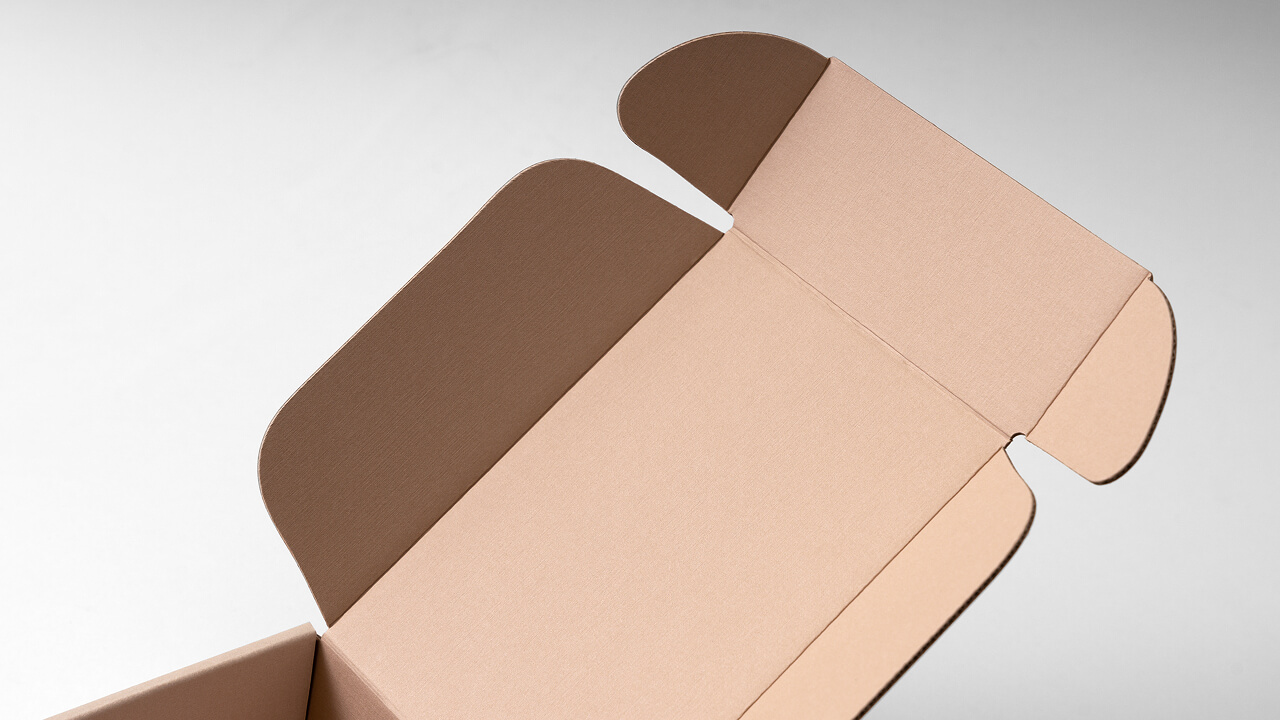
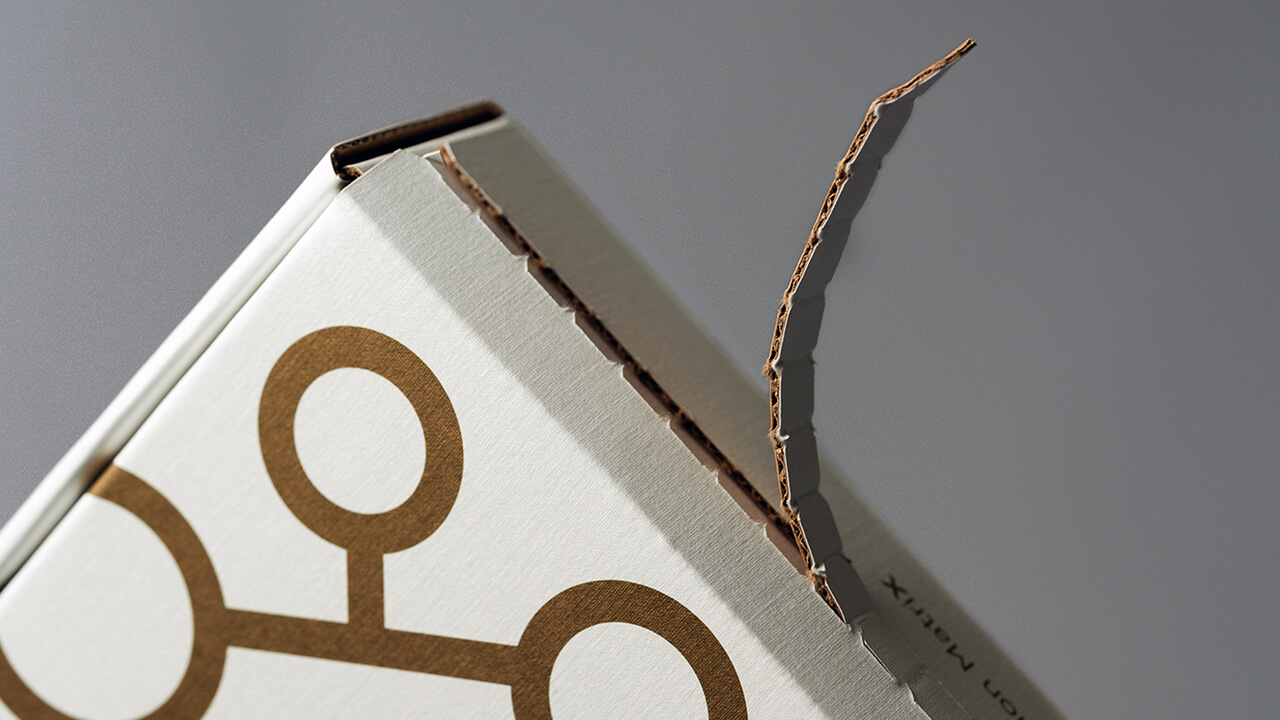
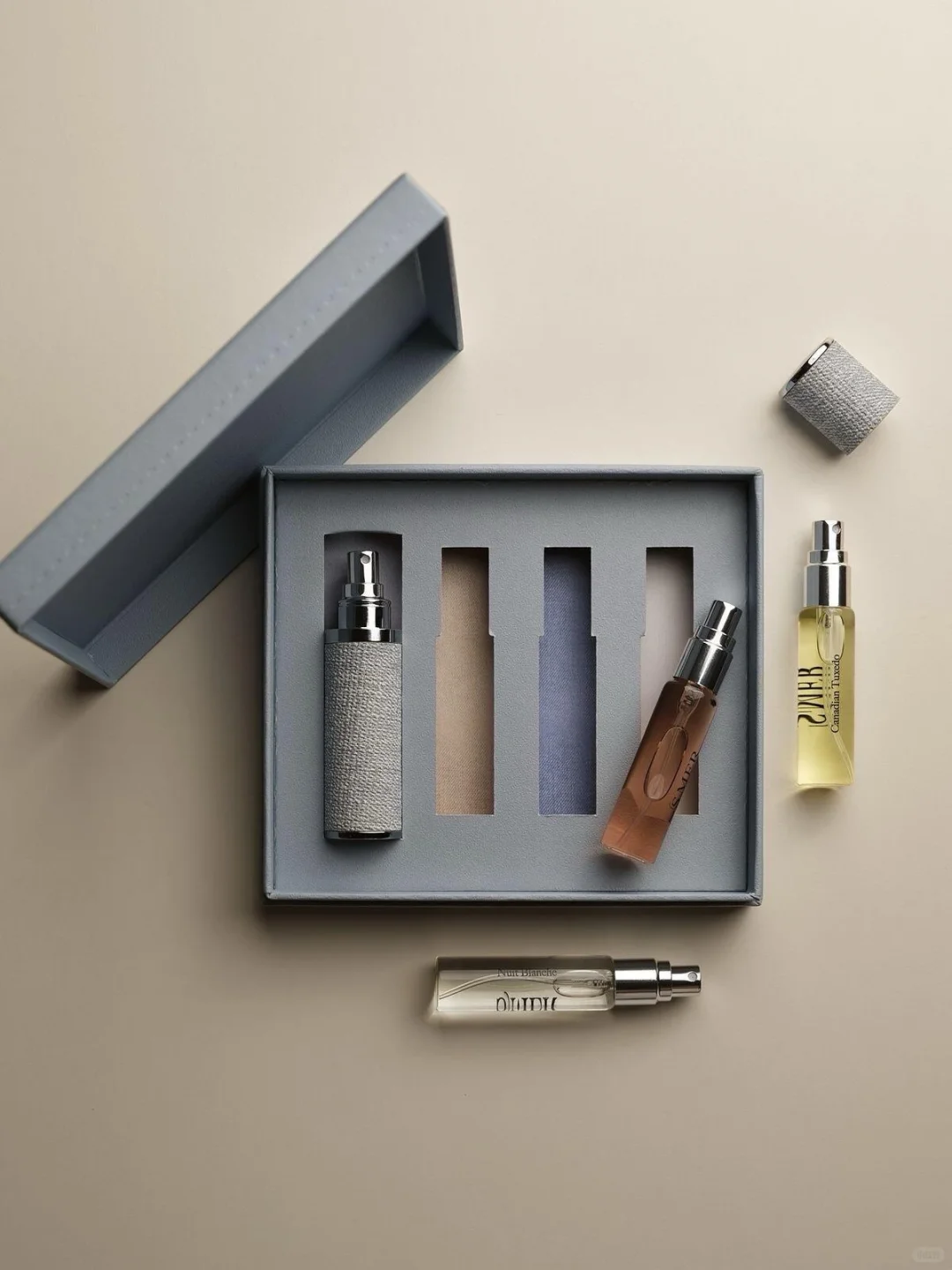
This Ffern fragrance shipping-outer detail shows the lid and side flaps. It is not evidence of a decorative perfume gift box carrying a shipping label directly; no label or contents are shown. Third-party reference; not a Bravo Package project.
Whether a perfume gift box can carry the shipping label directly depends on more than its resemblance to a mailer or an available flat panel. First decide whether the gift box itself is part of the presentation the customer should receive intact. Then define the actual contents, internal arrangement, closure and label contact. Review presentation and transport protection as separate requirements, using a fully packed sample and project-specific assessment before deciding whether an additional shipping layer can be removed.
Define the condition the customer should receive
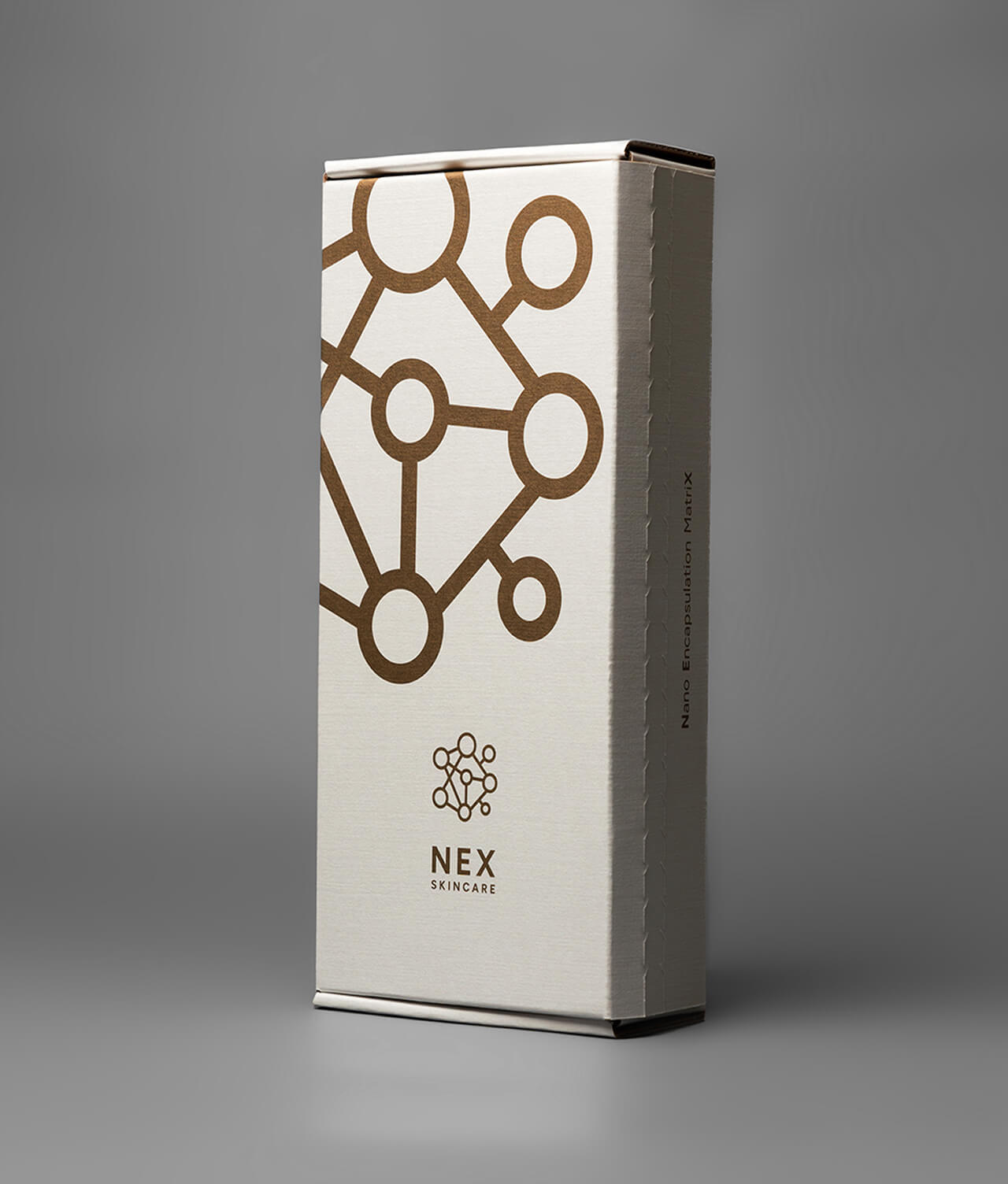
A gift box may be both a product container and a presentation object intended for gifting. Establish whether label coverage, handling marks and traces left by attached materials are acceptable. Identify the box faces, branding, decoration and intended uses that need to be retained before asking whether a label can be removed later.
This is a delivery requirement, separate from transport performance. If a specified appearance must be preserved, include a way to protect that appearance in the configuration discussion. A photograph of a pristine box records one presentation state. It does not demonstrate its condition after dispatch or justify removing surrounding packaging.
Specify the complete direct-dispatch proposal
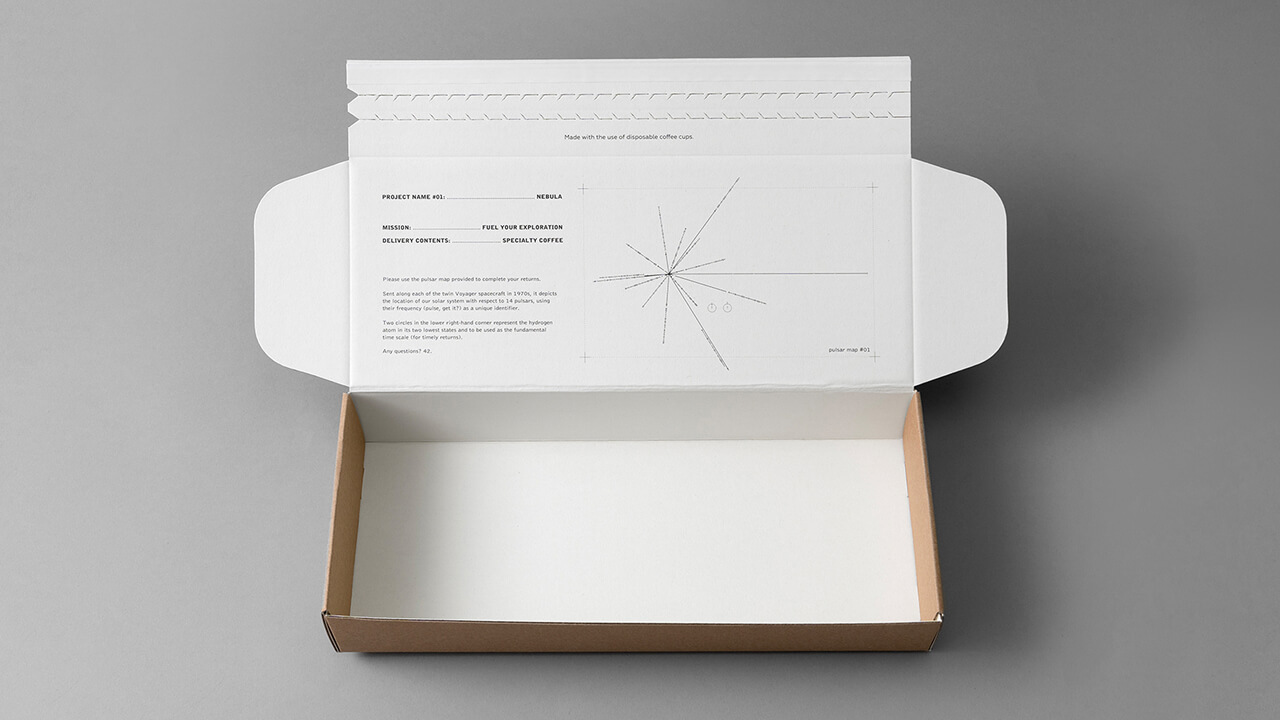
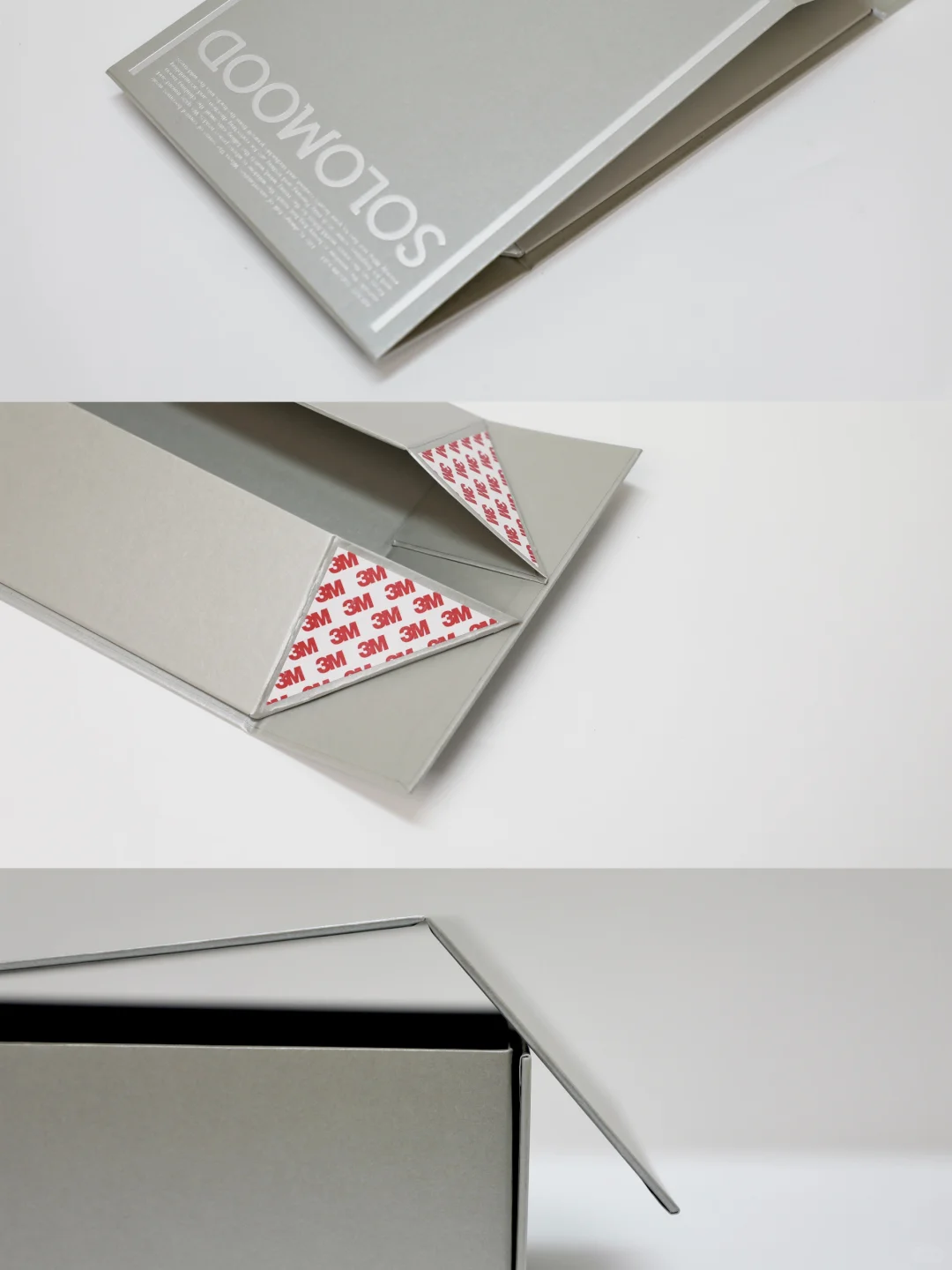
Record the actual perfume in its final closed state, quantity, gift box, internal components, cards or other additions, and the proposed closure and shipping label. Identify component names, specifications, revisions and positions. Closing an empty gift box does not establish suitability with the real contents. Adding a gift or changing bottle capacity creates a different configuration.
Retain separate records for direct labelling and an additional outer-box option, discussing them against the same product and intended use. Comparing the price of one box alone is insufficient, and removing a component does not guarantee lower total cost or faster packing. Keep unresolved steps visible in the proposal.
Review the actual label contact and coverage

Define the intended label face and review the available area on the actual closed sample. Check edges, seams, covered text and the relationship with decorative components. Identify the label and application method; a white rectangle on a rendering is not a completed review. Use non-personal sample information for photography and trials.
Where relevant, inspect the surface after application, removal or opening, recording the acceptable condition. Do not assume that a particular coating, paper or label permits clean removal. A label crossing a lid is not, by itself, an assessed closure method. Confirm label position together with the complete closure proposal.
Check packing, closure and recipient access
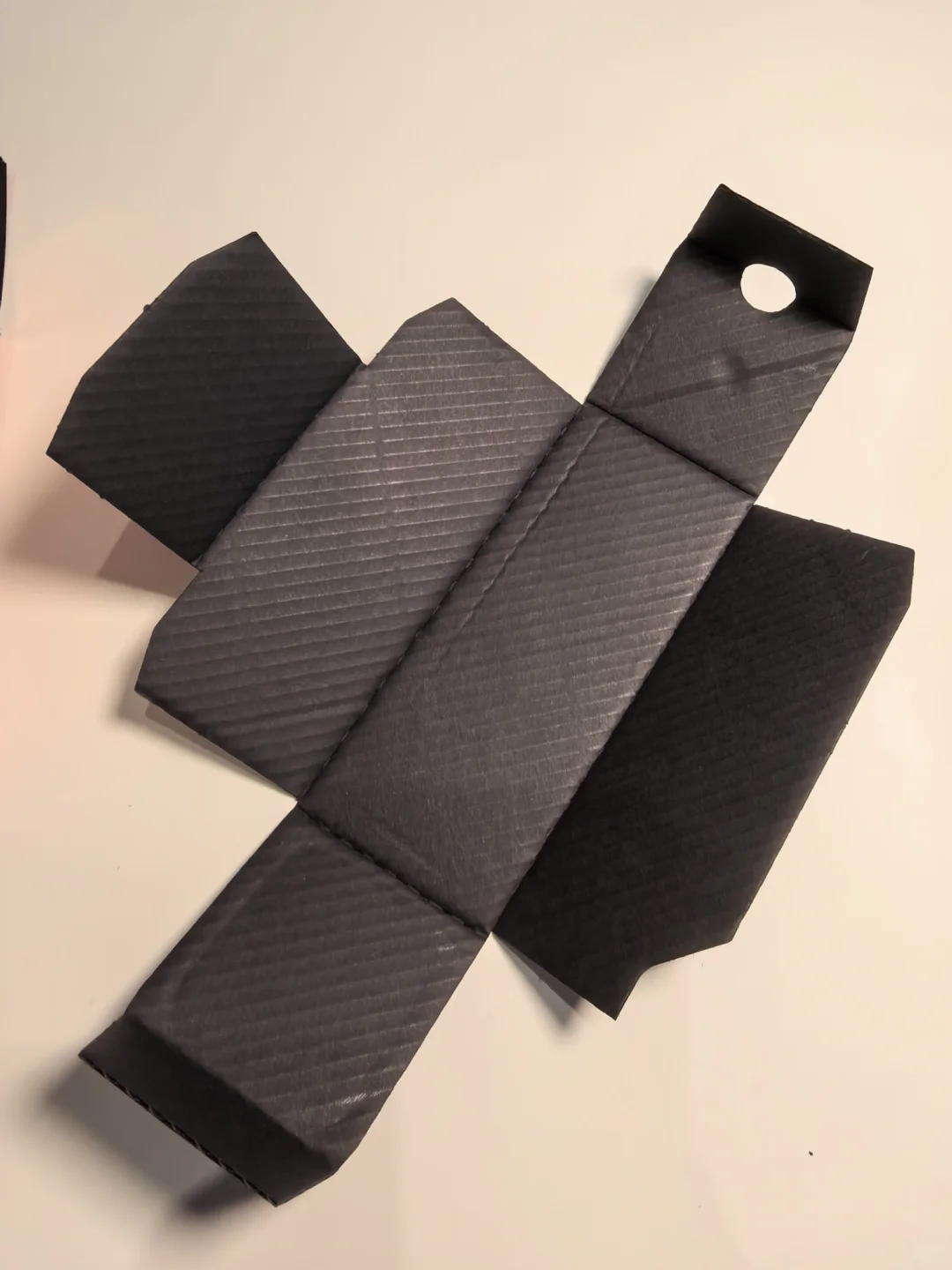
Load the actual product, internal components and accompanying materials, complete the intended closure and labelling sequence, then open it as the recipient would. Review the lid, tabs, drawer, ribbon or other parts in use. Check whether the label obstructs an opening or information that should remain available. A box-style name does not describe the actual closure completely.
Record the opening sequence, product removal and presentation after opening. Compact packing, an apparently stationary product or convenient access answers only the corresponding review question. None establishes protection on its own. If a closure or internal component needs changing, revise the configuration and repeat the assembly review.
Assess the complete sample under defined conditions
List presentation and internal product condition as separate assessment items. The relevant project parties should define the intended conditions, verification method, sample revision and acceptance responsibility. Record observations for the outer enclosure, gift box, product and additions separately. An informal handling action or one intact arrival does not cover every dispatch situation.
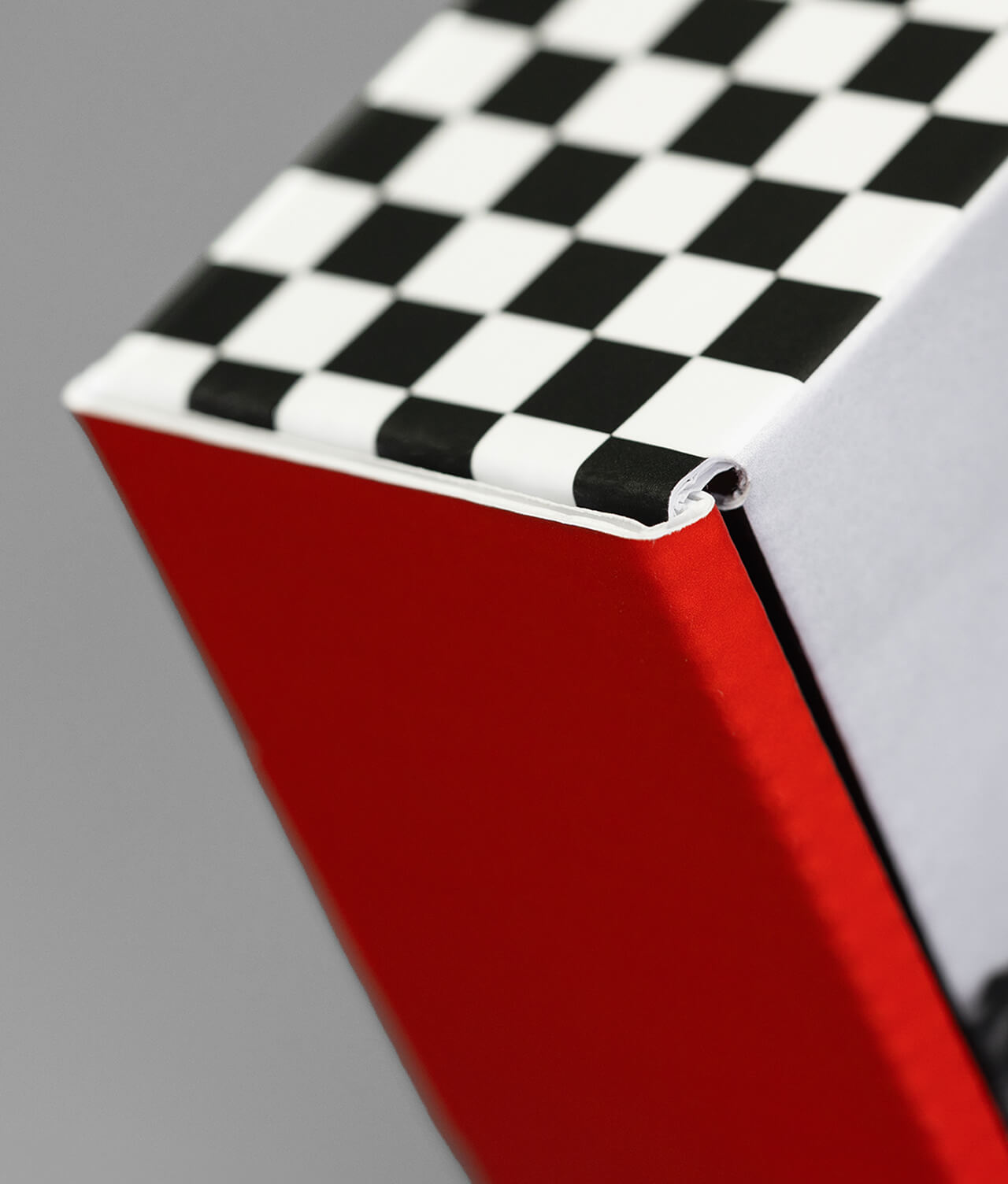
No layer count or universal weight threshold determines direct-dispatch suitability here, and no carrier eligibility conclusion is offered. Photographs of postal boxes, opening lines or closure edges can identify areas to review. They do not establish that the current perfume gift box has passed transport assessment. Retain the applicable configuration and excluded conditions with the result.
Approve the dispatch route and control revisions
Archive the selected dispatch route with its complete materials list, label position, closure steps, packed sample and assessment records. If a separate shipper is retained, specify its relationship with the gift box. For direct dispatch, identify the particular product, configuration and approval scope rather than permanently classifying a box style as ready to ship.
Review the affected items when changing products, adding gifts, replacing labels or surfaces, or modifying closure and internal components. Returned or re-dispatched packaging may be in a different condition and needs its own record. The documentation should allow the accepted arrangement to be reproduced while retaining the separate requirements for gift presentation and dispatch.