
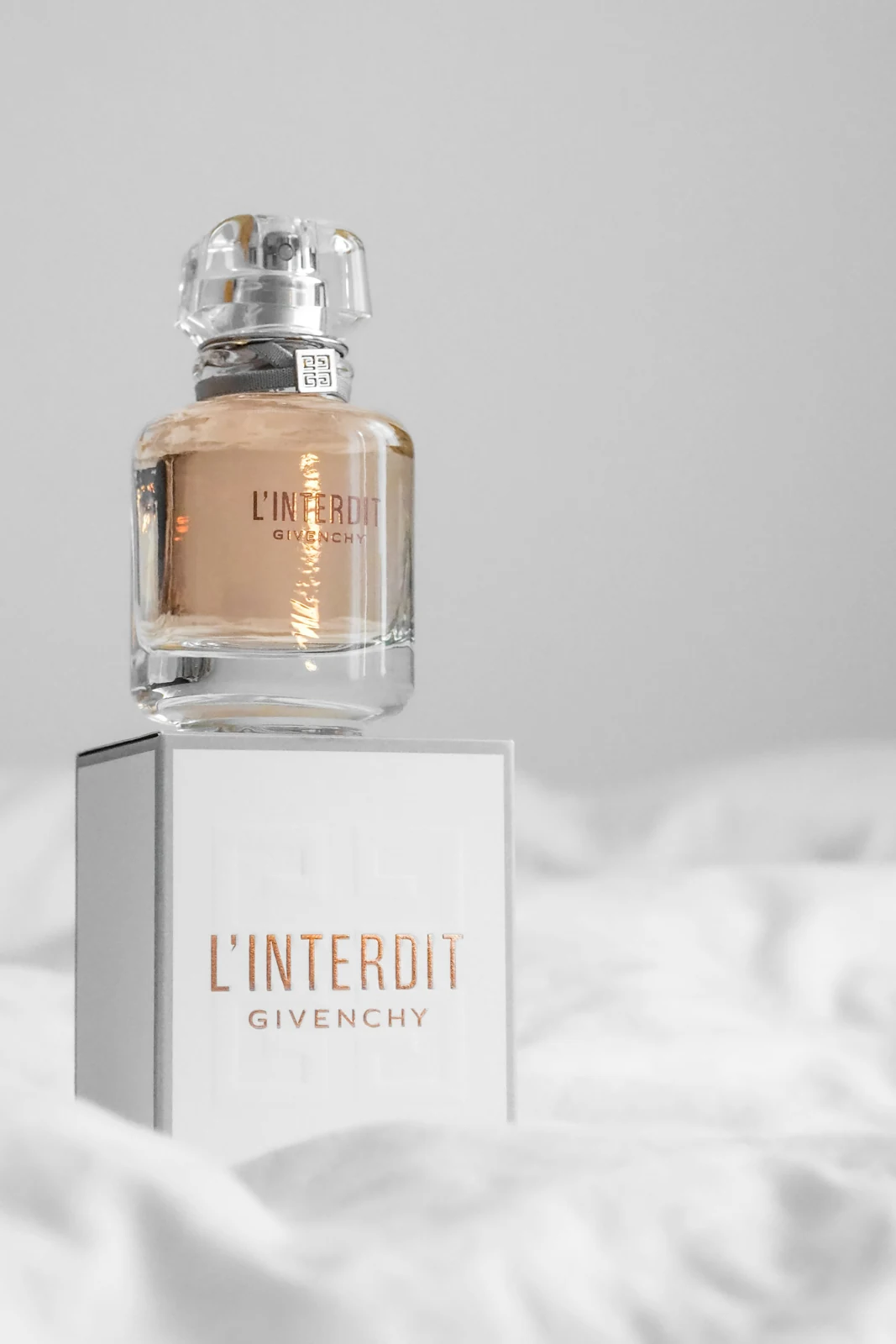
A bottle and its printed carton shown as an editorial reference for identifying separate product and packaging specifications. Photo by Laura Chouette on Unsplash. The photograph does not establish materials, processes or prices, and no brand affiliation or Bravo Package project is implied.
PERFUME PACKAGING · QUANTITIES AND ORDER SCOPE
“MOQ 500” does not tell you how many perfume box designs you can order. It may apply to a stated configuration, or be a general invitation to enquire. To understand whether two designs, three capacities or several languages can be combined, the supplier needs to explain which item the minimum governs and what can actually be shared.
The number 500 here is an example requiring clarification, not a universal Bravo Package commitment for every structure, finish or design. Confirm quantities, prices and delivery conditions in writing for the actual project.
Attach a scope to the minimum quantity
Alongside your quantity question, provide the box format, finished dimensions, materials, artwork, finishes, insert and quantity per variant. Ask the supplier to connect the proposed minimum to those conditions. Does it apply per design, structure, size, component, or a specified combination within the order?
Ask what happens below that quantity. Is the current configuration unavailable, or could the supplier discuss a different quotation or making proposal? Would that change materials, finishes, assembly state or scheduling? Accepting an order does not necessarily mean retaining every original condition.
If the reply contains only a number, keep its scope open. Do not decide for yourself that every design must reach it, or that all designs can be added together to reach it. Either interpretation could differ from the actual offer.
A product family is not necessarily one configuration
Two similar-looking boxes may have different structures or inserts. List a 30 ml and a 50 ml product as separate inputs, identifying the capped product, structural file and insert revision. Capacity alone does not establish box dimensions, and a shared fragrance does not establish interchangeable packaging.
Different products may also be intended to share an outer box. Confirm their internal configurations separately. Do different bottles, caps or accessories require different inserts? Does the proposed shared box still support the intended insertion, removal and presentation? Relevant reviewers need to assess the actual items.
Mark conditions as identical, proposed for sharing, different, or awaiting confirmation. Visual similarity helps communicate a direction; it does not prove that structural, tooling or material purchasing conditions are the same.
Identify artwork, language and colour differences
Matching dimensions and materials do not settle whether different printed designs, languages or finish positions can be combined. Supply the actual layouts and identify the changes. Ask what can be arranged together and what needs separate preparation or pricing. One hero image with a note to change the other wording leaves important scope unstated.
A design system with shared brand elements may be worth discussing, but it does not automatically create one manufacturing batch. Terms such as mixed designs, combined printing or combined orders can describe different arrangements. Request a concrete reply stating the variants, quantity per variant and scope of the proposed work.
Combining brands or projects also raises file handover, approval, production and shipment questions. Do not assume that a supplier offers such a service, or that knowing another buyer establishes an accepted arrangement. Without a specific offer, the option remains unresolved.
Components can have separate quantity conditions
A packaging set may involve several providers. An acceptable outer-box quantity does not establish availability of a custom insert, magnetic component, ribbon, card or label at the same quantity. List each provider, specification, quantity per set, minimum and quoted quantity.
A proposal may use an existing component or another presentation for the first order. Check suitability before treating availability as a solution. A stock item is not automatically appropriate for the perfume bottle or an equivalent replacement for the original specification.
Separate set quantities from component quantities. If two fragrances are proposed to share an outer box but require different inserts, show the combined outer-box requirement and the two insert requirements separately. This is a way to describe the request, not evidence that combination has been approved. Each line still needs confirmation.
For lower quantities, ask what the alternative changes
If the full custom proposal does not suit the required quantity, ask about standard dimensions, existing structures, stock packaging with labels, simplified finishes or another available making method. Each option should identify what remains custom, what must remain standard and what differs from the original target.
A stock box with a project label still raises questions about the label quantity, application work and current product information. A different print or cutting method does not establish that the whole set has no preparation costs, no component minimums or exactly the same appearance as the original proposal.
Keep sample, internal-display and sale-packaging purposes distinct. Being able to produce one sample does not prove that any small number of finished packs can be supplied under the same conditions. Ask which sample-service conditions differ from a production order.
Put quantity conditions into one confirmation table
| Quantity area | Scope information | Confirm with the supplier | Avoid assuming |
|---|---|---|---|
| Order total | Combined SKU quantities and proposed order scope | Ask whether the total supports any combination arrangement | Meeting a total does not automatically satisfy each variant. |
| Quantity per variant | Designs, languages, colours and individual quantities | Confirm minimums and permitted combinations for each | A shared visual system does not prove shared preparation. |
| Structure and size | Box, insert, capped product and structural revisions | Identify identical, proposed shared and different conditions | Similar dimensions do not establish the same configuration. |
| Materials and finishes | Substrate, treatments, coverage and actual files | Confirm which conditions change if work is combined | The same finish name may cover different work. |
| Components and units | Quantity per set, component minimums, pieces, sets and cases | Check ordering units, quantity increments and delivery form | Case packing is not an explanation of MOQ scope. |
| Quotation and later orders | Current revision, quantities, fees, schedule conditions and reorder terms | Obtain the actual proposal and open items | One accepted combination is not a permanent arrangement. |
Ask for replies against these details rather than a general yes to mixed designs. Keep unanswered rows visible, with a person responsible for clarifying them. Quantity approval, quotation and sample files should identify the same configuration; a later revision may change the basis of the discussion.
Beyond the minimum, confirm any ordering increments, how delivered quantities will be recorded, whether variants will be identified separately and how additional material needs are requested. Do not add a universal allowance yourself, or equate a supplier's internal production input with the quantity the brand will receive.
Recheck on reorders, revisions and supplier changes
Exchange current artwork, structure, material and component information before replenishment. Do previously combined variants still meet the same conditions? If one quantity falls or another box changes size, does the proposal need revision? The quotation should address this order's actual list rather than an old statement of MOQ 500.
Existing tooling, historical designs and previous payment records help identify potentially reusable work. They do not guarantee unchanged minimums or charges. A new manufacturing partner also needs to confirm its own scope; an arrangement accepted elsewhere cannot simply be transferred.
The title question therefore has no answer detached from a project. A useful answer identifies the dimensions, files, materials and finishes, the quantity for each variant and component, the accepted combination conditions and the remaining differences. With that information, 500 becomes a usable quantity in an offer rather than an advertising number to interpret.