
Agree on press checks before the run. You can attend or arrange for the supplier to return marked sheets and measurements. Verify the approved artwork and materials, then check that output stays consistent beyond the first good sheet.
Bring the approved references to the press
Confirm order, file or plate revision, stock and press condition. For a ganged run, identify every SKU and quantity. Find out whether the approved reference is a dry flat sheet or a finished carton. For finishing work, keep both a press sheet reference and a finished sample, with each approval scope recorded.


Inspect the first stable sheet
Once the press stabilizes, review color direction, position and register on the whole sheet. Then check highlights, solids, fine text and reverses. Compare shared brand colors across variants and across the sheet. Use agreed light and recheck at the specified time if wet and dried appearance differ.


Understand where and how the printer measured
Agree the color-difference formula, measuring condition, reference and locations. Control strips track the process. Measure critical brand regions on the artwork as agreed. Check trends from automated controls and still look for marks, scratches and registration faults. Assess visual effects alongside readings, especially on metallic or laminated work.
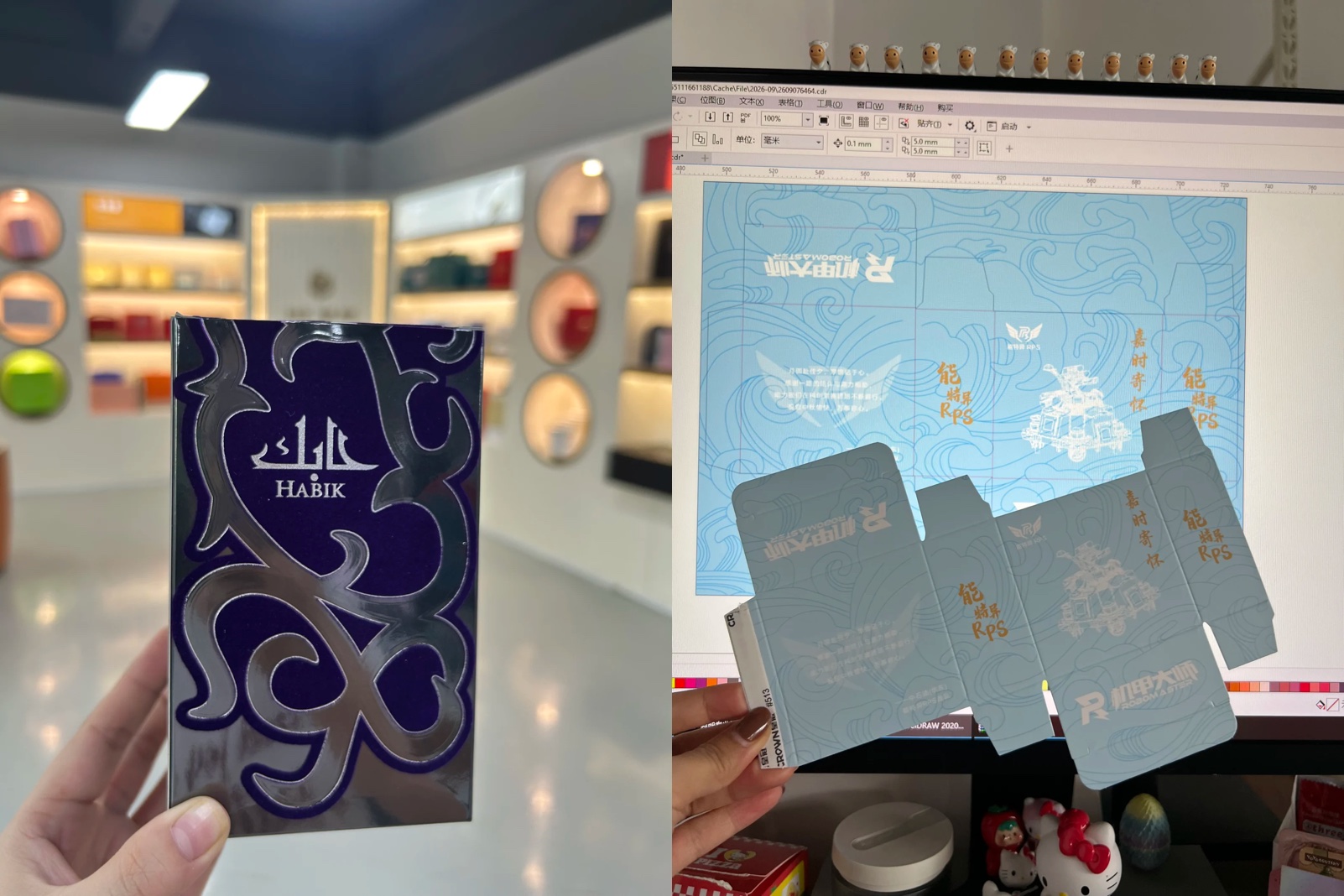
For a BravoPackage perfume carton, agree which details the printer should photograph. An inside lid solid can show evenness, a spine can show the smallest type, and a scent stripe can be photographed alongside its approved sample. Check crease issues on a finished carton. Retain both the approved sheet and a converted sample.

Sample during the run and isolate affected sheets
Keep samples from the middle and end, and after paper changes or restarts. Identify defects by sheet, press and time. Hold suspect sheets before lamination or die-cutting, resolve the issue and resample. Preserve a way to match unfinished sheets to finished units.


Tie approval and exceptions to the lot
Record order, plates, paper lot, press, date, first approval, subsequent checks and exceptions. Photograph critical inspection points for receiving. Inspect converted folds, rub resistance and assembly alongside print. Reassess approval after a press or substrate change.
