
Once the artwork is approved, the converter still has to prepare the press, print the stock, add finishes and form the carton. Ask for a process plan that identifies what you approve at each stage and when samples are available. That makes the scope of a late change easier to judge.
Prepare the artwork for production
Prepress checks the dieline, orientation, color and bleed. It then imposes the jobs on the sheet for the press size and feed direction. For a ganged run, confirm quantities, shared spot colors and each file revision. Digital and plate-based jobs have different setup. Request an imposition proof if several versions share a sheet.


Approve the initial sheets and monitor the run
After the press stabilizes on the actual paper and ink, inspect corresponding panels, pale textures and adjoining colors. Check type, register, marks and stock. Confirm scent, volume, barcode and brand color by SKU. Keep in-process samples and recheck after stock changes or restarts. Separate suspect sheets before finishing.


Check finishes in the proposed order
Lamination, coating, foil and embossing depend on equipment and materials. Confirm the sequence, material grades and registration points. For spot gloss over a matte laminate, review the print and the combined finish. Verify gloss and edge quality. Ensure coated areas leave the glue and batch-code locations usable.

Die-cut, crease and glue the printed sheet
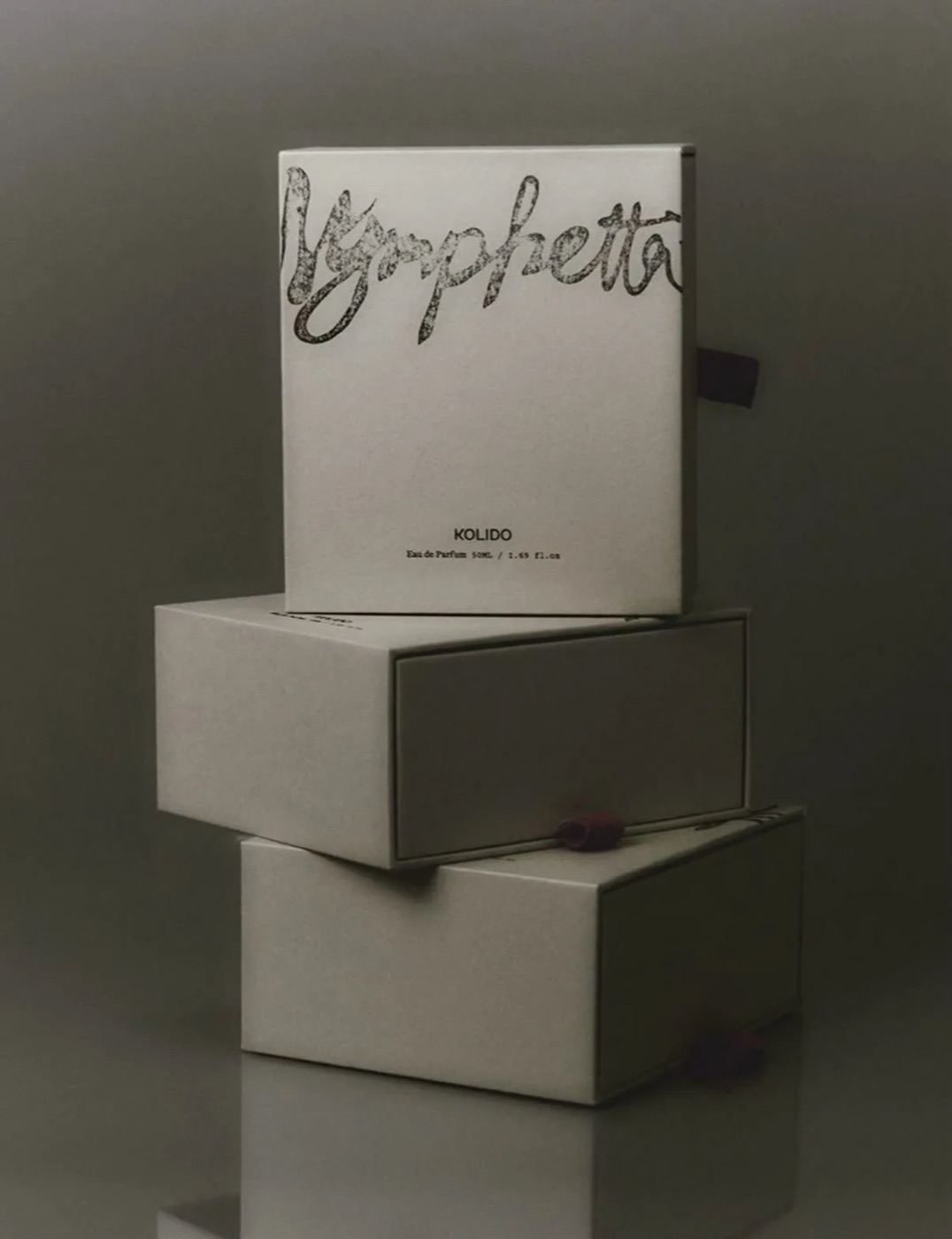
Check graphics against the cut, folds for cracking and tucks for clearance. Have staff form flat deliveries at production speed. For glued or assembled packs, inspect squareness, bond and seams. Load the product, insert, leaflet and seal in the actual order.
At BravoPackage, a perfume gift-box sample includes the outer box and insert. Check the logo again after die-cutting and wrapping. Load the capped bottle and inspect corners, graphics and drawer travel. If the bottle leans, a loaded photo can help trace the cause to the insert opening or glue position.


Tie changes and approvals to the process
Track copy and layout, printed sheets, combined finishes and a complete fit check. Record the current stage and outstanding approvals. If stock or artwork changes, ask whether plates, cutting dies or completed materials are affected. At receiving, compare color, finish, shape and fit with the reference and record results by lot.