A Guide to Packaging
Printing & Surface Finishes
Explore how common packaging effects are made, where they work well and what to check before production. From color and metallic reflection to relief and touch, understand the details behind your packaging design.
How printing and finishing work together
Printing creates color, text and images. Foil, relief, coatings and films then change reflection, texture or surface behavior. Plan the paper, artwork and sequence together: a paper’s natural texture is different from an added finishing process.
No matching finish found. Try a different keyword.
Printing & Color
Understand how colors are specified and how different print methods apply them.
CMYK Printing
What is it?
CMYK printing combines cyan, magenta, yellow and black inks to reproduce photographs, illustrations and many other colors. It is a color system; offset and digital printing are production methods that may use it.
Appearance & packaging applications
Use it for illustrated perfume cartons, gradients, photography and product information. Paper color, absorption and finishing all influence the printed result.
How does it differ?
A gold-colored CMYK mix does not produce the reflection of a metallic ink or foil. An RGB screen preview is not a reliable printed color reference.
Paper & material considerations
Coated stocks can support crisp detail. Proof images and dark areas on the actual stock when using uncoated or textured papers.

Spot Color Printing
What is it?
A spot color uses a separately mixed ink for a defined color, rather than relying only on four-color simulation. It is often chosen for a brand color, solid background or graphic element.
Appearance & packaging applications
Useful for consistent brand elements across a product range. The final appearance still depends on the ink, substrate and printing conditions.
How does it differ?
A spot color is not automatically metallic. Ordinary spot inks and metallic inks should be specified separately; spot colors can also be combined with CMYK.
Paper & material considerations
Approve the color on your chosen paper. Colored or dark stocks may alter its appearance or require an appropriate underprint.

Screen Printing & White Ink
What is it?
Screen printing transfers ink through the open areas of a mesh stencil. White ink is an ink color, not a printing method: other processes can also print white.
Appearance & packaging applications
Explore screen printing for opaque lettering, solid graphics and special ink effects, including light details on dark paper. Results depend on the screen, ink and equipment.
How does it differ?
Screen white, offset white and digital white are different options. Compare coverage and detail on the actual paper rather than assuming they will look alike.
Paper & material considerations
Test coverage and adhesion on dark, colored or textured stocks.

Metallic & Optical Effects
Compare decorative transfer, metallic inks and changing reflections.
Hot Foil Stamping
What is it?
A heated die and pressure transfer a decorative layer from a carrier onto the paper. Foil is available in gold, silver, colors and a range of surface effects.
Appearance & packaging applications
Use it for logos, lettering, borders and selective accents. Gloss foil creates strong reflection; matte options give a softer appearance.
How does it differ?
Foil stamping transfers a decorative layer, while metallic ink is printed. Flat foil does not automatically create raised relief.
Paper & material considerations
Transfer quality varies with smoothness and texture. Recesses in a textured paper may interrupt coverage.


Metallic Ink
What is it?
Metallic inks contain metallic pigments that create a reflective printed color. Appearance depends on the ink, paper and any subsequent surface treatment.
Appearance & packaging applications
Consider them for metallic graphic areas, patterns and color accents integrated with the print design.
How does it differ?
Metallic ink, a non-metallic gold-colored ink and gold foil are different choices. Compare the same artwork on the same stock before selecting a route.
Paper & material considerations
Absorption, smoothness and background color affect the result.

Cold Foil Transfer
What is it?
Adhesive is applied in the required pattern, then a decorative layer is transferred to the substrate. The transfer route differs from hot stamping with a heated die.
Appearance & packaging applications
Suitable systems can produce flat metallic decoration and combine it with overprinting for different color effects.
How does it differ?
Cold foil is a transfer process, not a fixed color. Hot, cold and digital transfer should be evaluated against the design, stock and available equipment.
Paper & material considerations
Adhesive, surface smoothness and absorption must work together. Confirm any required primer with the printer.

Digital Foil & Embellishment
What is it?
Digital imaging controls an adhesive or embellishment layer, which may then be combined with decorative transfer. Different systems use different imaging and transfer technologies.
Appearance & packaging applications
Explore flat or raised metallic details, variable designs, short runs and personalized editions.
How does it differ?
Digital foil is not a general synonym for cold foil. Material compatibility and achievable detail remain system-specific.
Paper & material considerations
Confirm the substrate, printed ink layer and any surface preparation with the equipment provider.
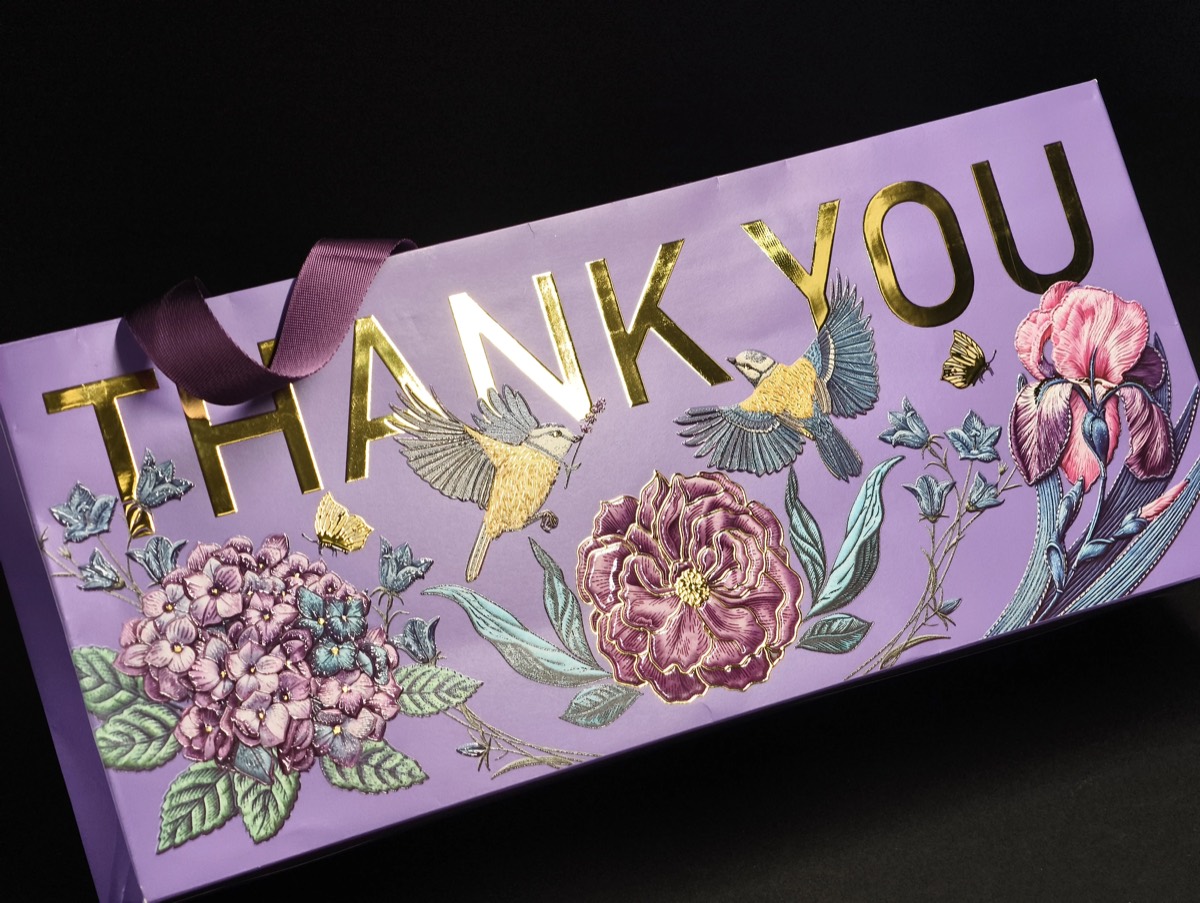
Holographic Decoration
What is it?
A decorative layer with diffractive structures produces color shifts or patterns as the viewing angle changes. It can be applied through different transfer or material routes.
Appearance & packaging applications
Use it for selected accents, special editions and decorative patterns where changing reflections support the design.
How does it differ?
Holographic describes an optical effect, not one unique process. A rainbow reflection alone does not establish a security or anti-counterfeit function.
Paper & material considerations
Review the effect on the selected background and ensure reflections do not obscure important text.

Relief & Texture
Discover how paper shape and surface texture create visual and tactile depth.
Embossing
What is it?
Matched tooling and pressure raise selected areas above the surrounding paper surface. Embossing may be used without color or combined with print and foil.
Appearance & packaging applications
Use it for logos, patterns, emblems and details that benefit from both light and touch.
How does it differ?
Embossing raises the paper; debossing recesses it. A raised varnish layer creates height by adding material rather than reshaping the paper.
Paper & material considerations
Thickness, fiber structure and surface characteristics affect forming. Different stocks require different tooling and depth trials.

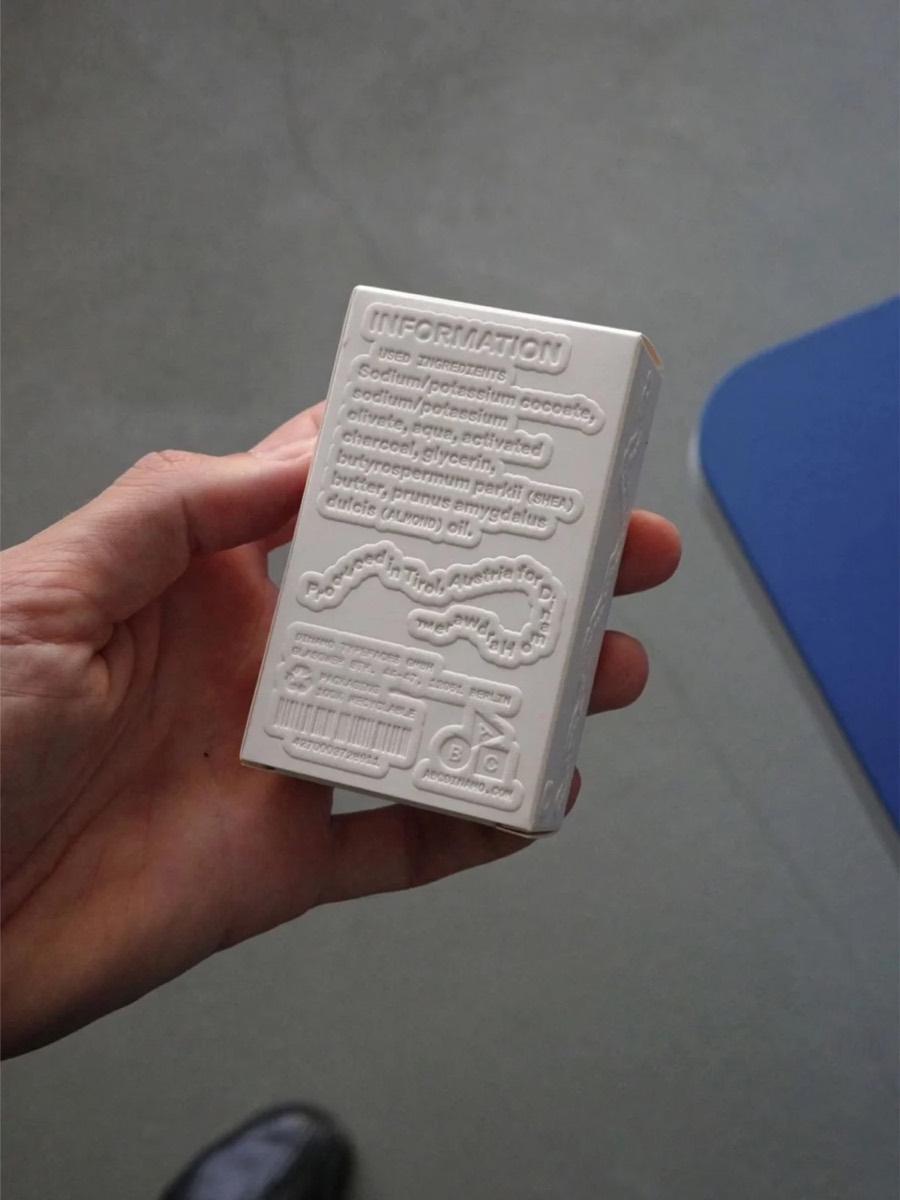

Debossing
What is it?
Tooling presses selected artwork below the paper surface. Recessed edges, shadows and the original paper texture work together to define the design.
Appearance & packaging applications
Useful for blind logos, lettering and patterns in material-led packaging.
How does it differ?
Debossing is not engraving. A paper’s existing all-over texture should be distinguished from a locally applied recessed design.
Paper & material considerations
Test depth and edge definition on the exact paper. Soft or fibrous stocks can respond differently from dense coated surfaces.

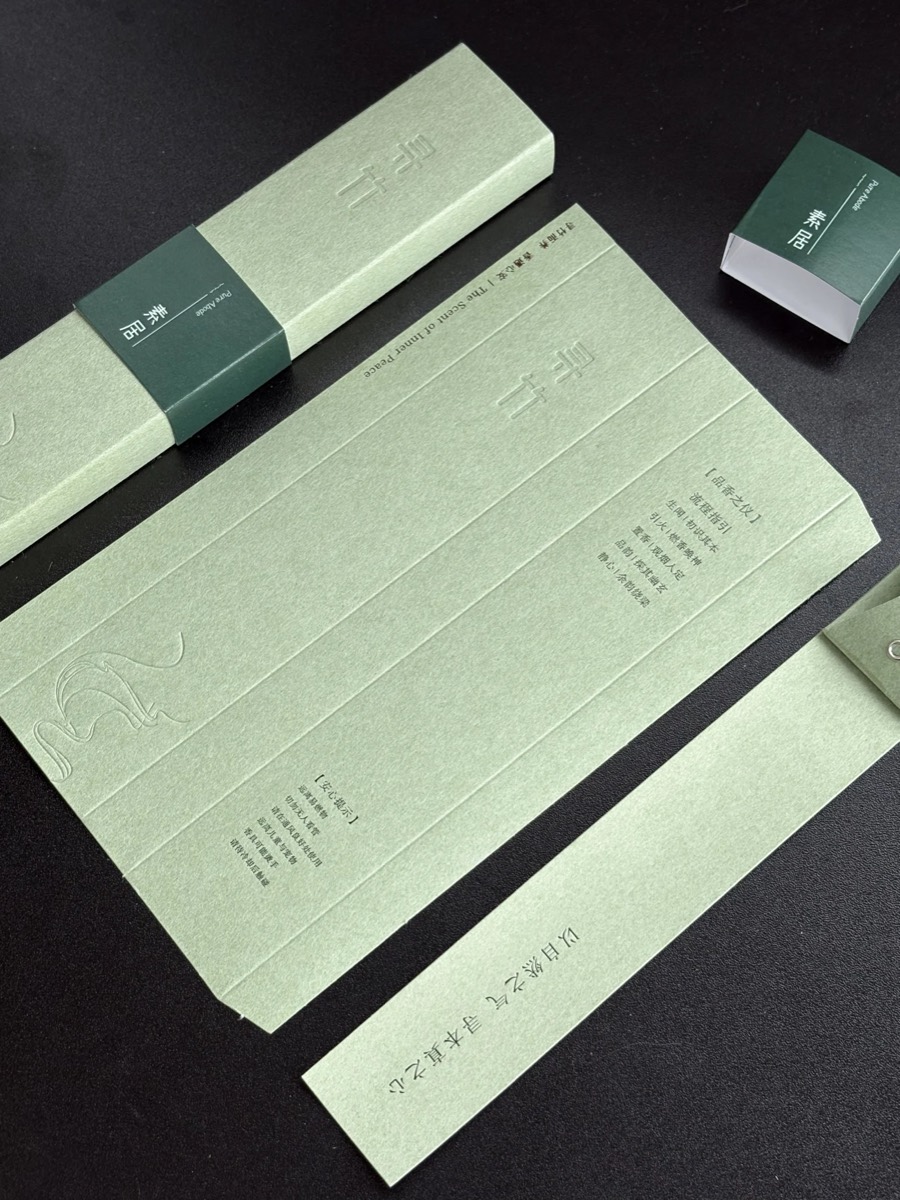

Foil Embossing
What is it?
Foil decoration and raised paper relief are combined. Appropriate combination tooling can align the metallic detail with the relief; agree the production route with the converter.
Appearance & packaging applications
Explore it for dimensional logos, emblems and decorative patterns that combine reflection with touch.
How does it differ?
It differs from flat foil and from a raised metallic coating built up on the surface.
Paper & material considerations
Test both paper forming and foil transfer. Texture, thickness and artwork complexity must be considered together.


Texture Embossing
What is it?
Textured tooling or rollers form a repeated or broad-area pattern in the paper surface. The emphasis is on overall texture rather than a single raised logo.
Appearance & packaging applications
Consider it for fabric-like textures, fine patterns or a surface motif associated with the brand.
How does it differ?
A purchased textured paper may already have its texture from paper manufacture or earlier converting. That is different from adding texture during box production.
Paper & material considerations
Check how the paper responds and how the texture interacts with printing, foiling, wrapping and folding.

Coatings & Laminations
Distinguish film from coating, then explore sheen, touch and selective effects.
Matte & Gloss Film Lamination
What is it?
A thin film is bonded to the paper to change surface appearance and handling characteristics. Performance depends on the film and adhesive system.
Appearance & packaging applications
Matte films reduce strong reflection, while gloss films create a clearer sheen. Both can alter the appearance of printed colors.
How does it differ?
Lamination adds a film; varnishing applies a coating. A matte appearance alone does not reveal which process was used.
Paper & material considerations
Check bonding, flatness and compatibility with folding, wrapping, foiling and other later operations.


Soft-touch Film
What is it?
A film with a specially designed surface gives paper a soft, fine tactile character. It is a lamination option, distinct from soft-touch coatings and the natural feel of a paper.
Appearance & packaging applications
Useful where handling is part of the packaging experience. A physical sample is essential because a photograph cannot communicate touch.
How does it differ?
Soft-touch paper is a material; soft-touch film is a bonded surface layer. An ordinary matte film is not automatically soft-touch.
Paper & material considerations
Test adhesion and later finishing on the selected printed paper.

Spot UV Varnishing
What is it?
A UV-curable varnish is applied to selected areas. UV refers to the curing method; it does not specify one universal sheen or coating thickness.
Appearance & packaging applications
A common use is a glossy logo or pattern against a matte background. Other effects depend on the chosen varnish system.
How does it differ?
Ordinary spot UV is not the same as raised UV. A thicker coating also differs from paper relief created by embossing.
Paper & material considerations
Test adhesion to the paper or film surface and review the assembled pack.


Water-based Varnishing
What is it?
A water-based coating system treats the paper surface. It may be selected for appearance or handling requirements, but performance is formulation- and process-specific.
Appearance & packaging applications
Available formulations can produce different sheens and surface characteristics without adding a laminated film.
How does it differ?
Water-based describes the coating system; matte describes appearance; rub resistance describes performance. These terms should not be used interchangeably.
Paper & material considerations
Confirm absorption, coat uniformity and compatibility with gluing, foiling and folding.

Raised UV Varnishing
What is it?
Specific varnishes and application methods build a perceptibly raised layer on the surface. Possible routes include suitable screen-printing and digital systems.
Appearance & packaging applications
Use it for lettering, patterns and tactile accents with a visibly thicker surface treatment.
How does it differ?
Raised UV adds coating material; embossing changes the shape of the paper. Ordinary spot UV does not automatically achieve the same height.
Paper & material considerations
Confirm adhesion and assess bending, stacking and rub performance around thicker areas.

Drip-off / Strike-through Coating
What is it?
Compatible base and top-coating systems create different surface responses in defined areas. Confirm terminology and the exact system with the coating supplier.
Appearance & packaging applications
Explore contrasts between gloss and fine-textured or matte-looking areas, best judged under angled light.
How does it differ?
This differs from simply applying a glossy varnish to a spot area. A frosted appearance alone does not prove that drip-off coating was used.
Paper & material considerations
Validate the board, inks and coating combination together. Metallized board is one possible substrate, not a requirement.

Similar appearance. Different processes.
| Options | Main difference | How to compare |
|---|---|---|
| Foil / metallic ink | A transferred decorative layer / printed ink | Use the same artwork, paper and lighting. |
| Embossing / debossing | Raised paper / recessed paper | Inspect angled light, touch and the reverse face. |
| Lamination / varnish | A bonded film / an applied coating | Confirm the material, then check sheen, folds and adhesion. |
| Soft-touch paper / film | The paper material / an added film | Review the unprocessed stock and finished sample separately. |
The photographs show different reference samples, not a controlled comparison. Use matched physical proofs when choosing between processes.
Where this library begins and ends
This guide focuses on paper packaging decoration. Offset and digital printing are production methods; flexography and gravure may also be relevant for labels or high-volume web applications.
Die cutting, creasing, windowing, wrapping and gluing belong to box construction and assembly. Flocking, pearlescent coatings, scented finishes and security printing are more specialized subjects that require separate material and production checks.
Scratch-resistant film is a performance option within lamination. Blind relief is a design treatment within embossing or debossing. A paper’s own cotton feel, pearlescence or texture should be discussed as a material characteristic.
Turn an idea into a clear production brief.
- Confirm the box structure, stock and print route before planning finishing combinations.
- Keep the dieline separate. Name foil, emboss, deboss and coating layers clearly.
- Supply a physical reference for the effect you want. Confirm limits for strokes, gaps, area and depth with the converter.
- Include the smallest lettering, fine lines, solid areas and details close to folds in the proof.
- Review the assembled pack for color, sheen, touch, registration and handling, then keep an approved reference.
Have a reference, but not the process name?
Share your reference images, preferred paper, artwork and approximate quantity. Tell us whether it is the color, reflection, relief or feel that you want to achieve.
Discuss Your Packaging Finish