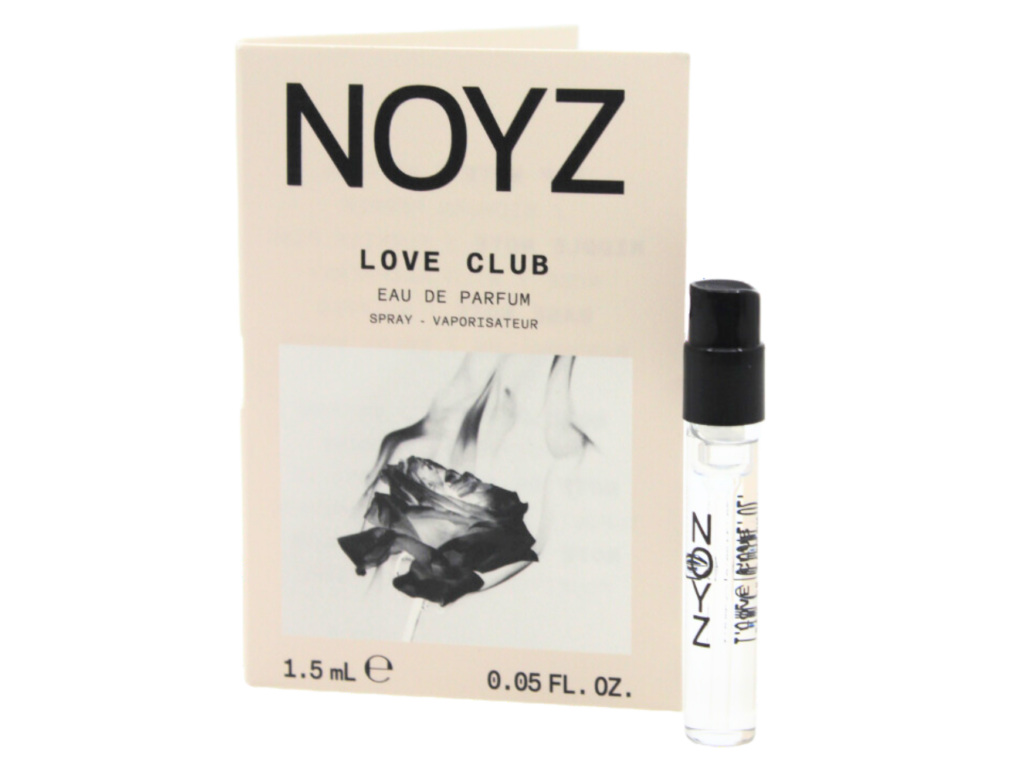
A single vial and its information card need matching identities and an agreed loading method. Third-party reference; not a Bravo Package project.
PERFUME PACKAGING · SINGLE VIALS
Choose a single-vial pack around the complete bottle, its intended handover and the way someone will remove and identify it. A folded card, an open-ended sleeve and a small carton provide different layouts. Compare their actual components and assembly requirements before deciding which format belongs in the project.
Separate scent blotters from packaging for sealed vials
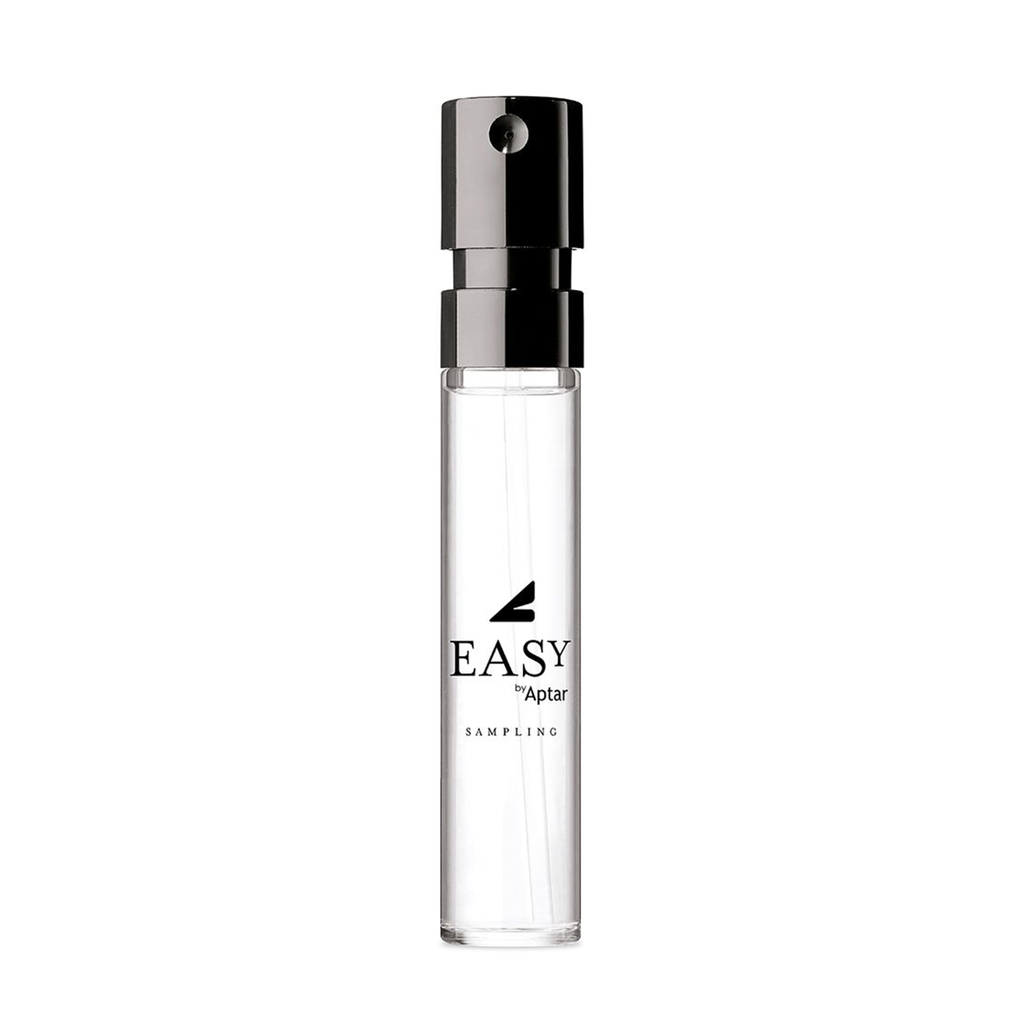
A card sprayed directly with perfume is a different object from a card holding a sealed sample bottle. A sleeve for a flat scented insert is also different from a sleeve designed around a three-dimensional vial. Calling all of them “sample cards” can conceal important differences in the brief.
When the paper is part of the smelling experience, arrange checks using the actual paper, printing and intended application. When it holds a sealed vial, focus on retention, removal and information. One consumer report about a paper smell cannot establish a particular material or ink as the cause, and appearance cannot verify paper composition.
Describe the requirement precisely: “One labelled spray vial, included with a full-size order, removable and identifiable on its own.” If the product uses a dabber, roller or another dispensing format, identify that configuration instead. A slender sample bottle should not automatically be described as a spray.
Use a folded card to connect information and removal
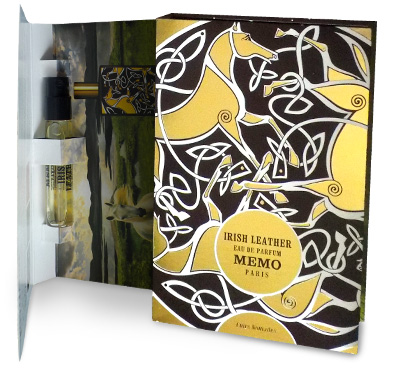
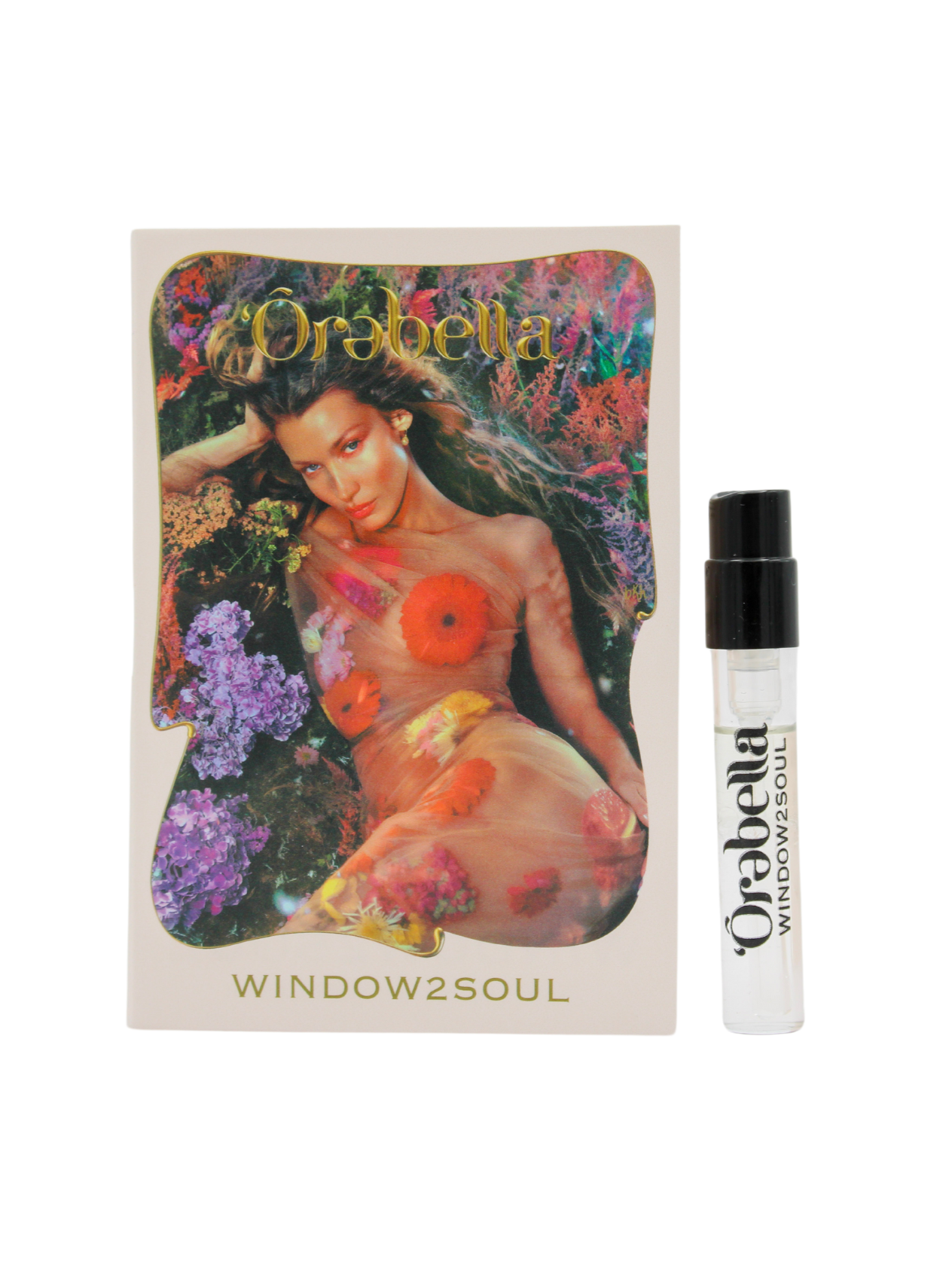
A folded card can distribute the brand identity, scent name and product information across its outer and inner panels. It may also incorporate a bottle position or a separate attachment. Its suitability depends on loading the complete vial, removing it and closing the card without interference, rather than the flat artwork alone.
Ask the supplier to trial the actual bottle, cap and label versions. Check where the retention feature touches the product, whether removal pulls on a label or cap, and whether the folded panel presses against the dispenser. Confirm that the bottle does not hide information someone needs to read. Determine openings through physical samples rather than a universal clearance recommendation.
If the card is intended to remain as a scent reference, check its readability after the bottle has been removed. Match a readable bottle name or code to the card so the two can be reunited later. Colour can support identification, but should not carry that task alone. Essential identification should remain available without scanning a code.
Define a sleeve by its openings and exit path
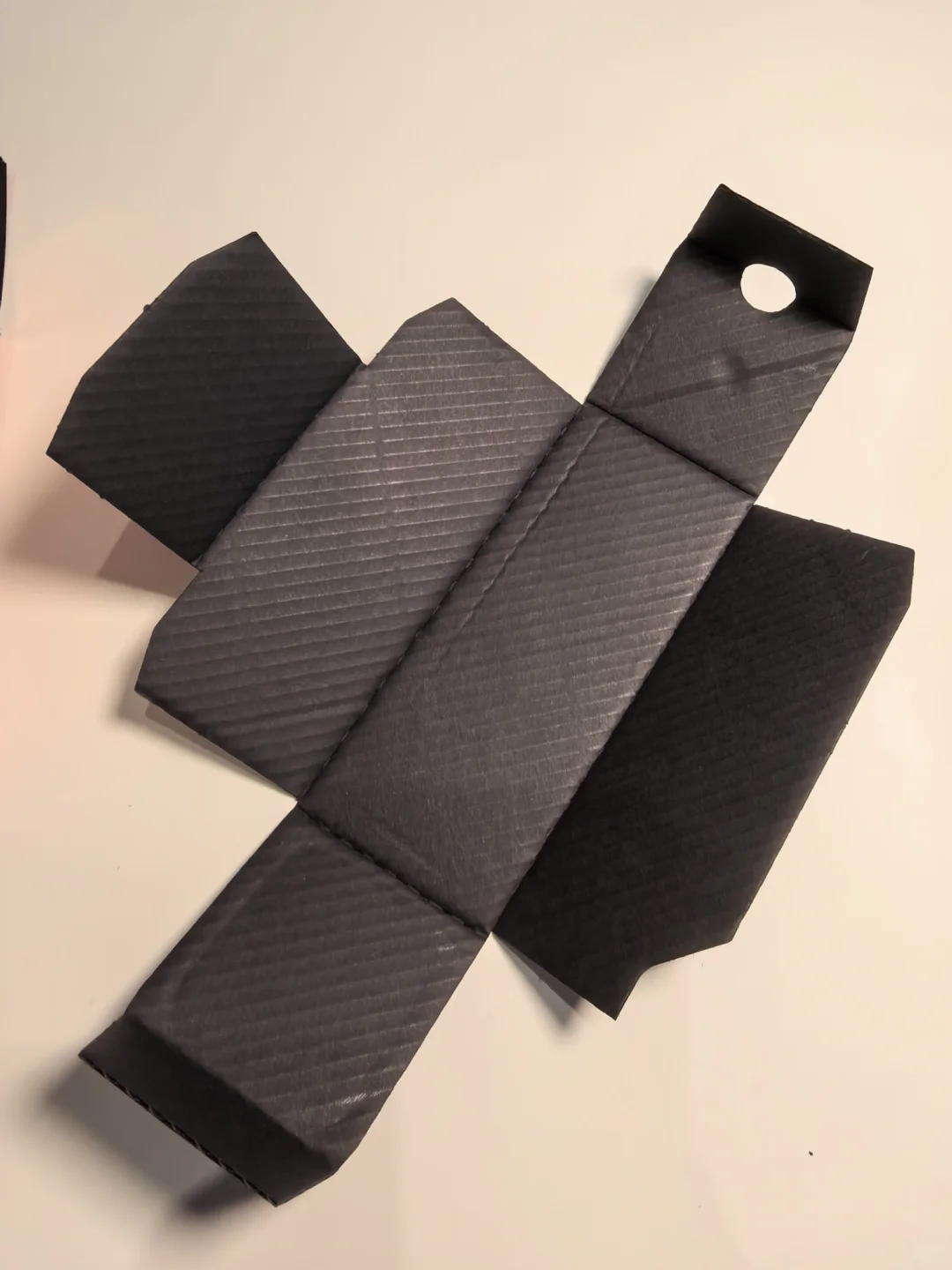
A sleeve may be formed by wrapping, folding and joining paperboard. First establish whether it contains a flat card or a physical bottle. A decorative envelope for a fragrance invitation is not an approved vial holder simply because it has the right visual style.
For a bottle sleeve, record which ends remain open, where the bottle enters and where it exits. Identify any stops, tabs or additional retention components. A bottle staying in place when gently held does not validate its behaviour during delivery. Equally, an open end does not by itself prove the bottle will fall out. Agree checks for the intended handover and dispatch arrangement.
Review glue areas, folds and information positions together. A label edge, cap diameter or revised bottle profile may change the loading and removal path. If a sealing sticker is required, list it as a separate component and check how the user removes the bottle after opening it.
Compare a carton as a complete assembly
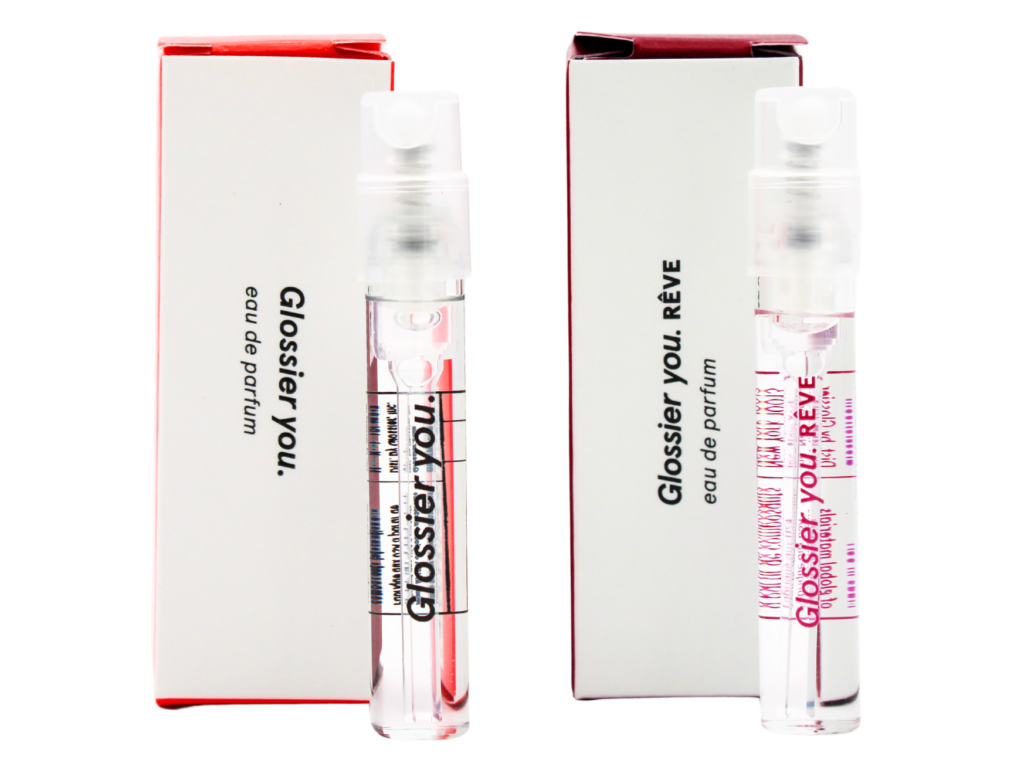
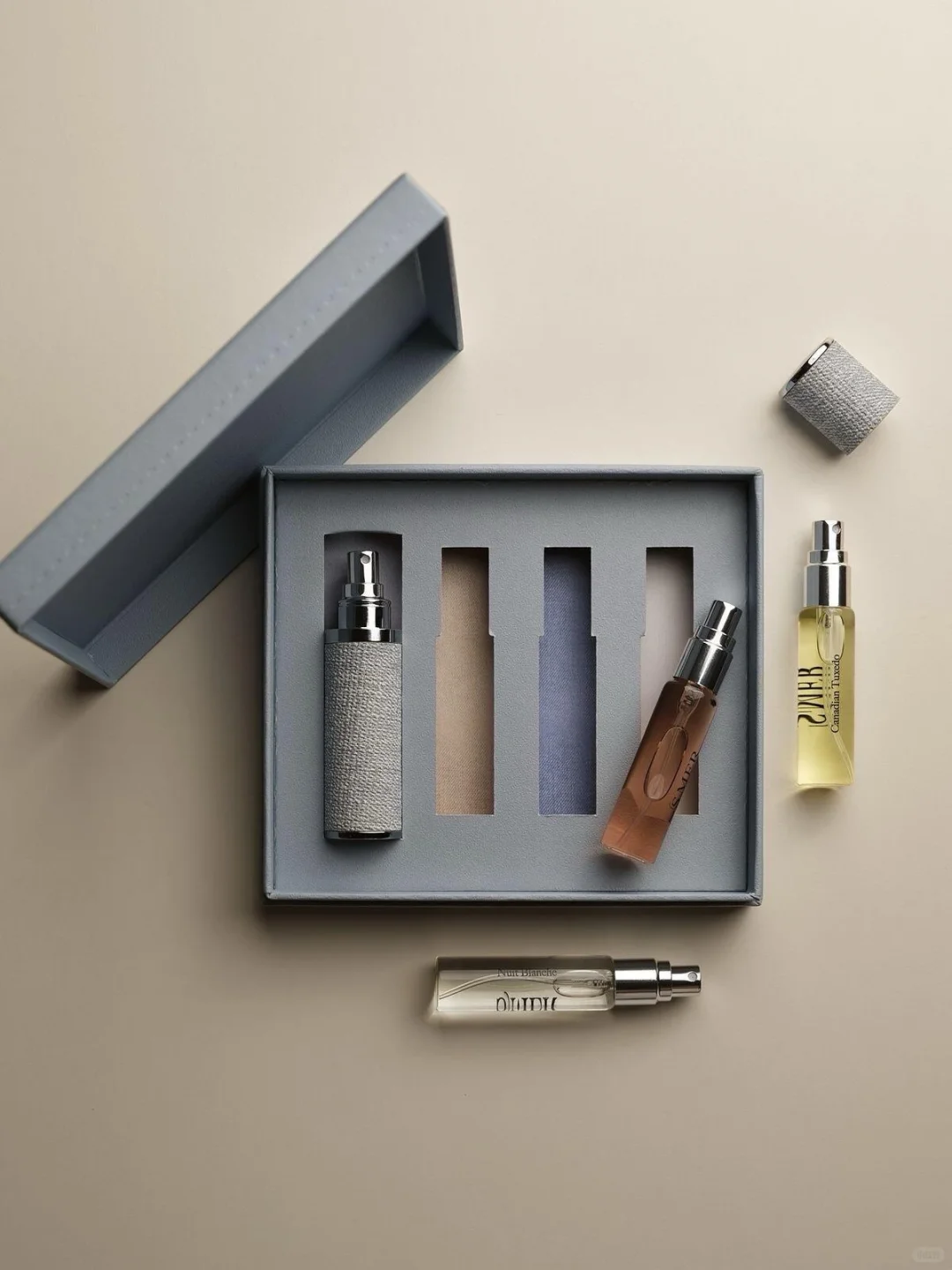
A small carton can provide space for the vial and information, but an outer box does not automatically retain its contents. Establish whether a folded support, insert or another component is needed. Identify the bottle orientation, cap position and finger access. A closed-box photograph cannot demonstrate the internal arrangement.
Check the opening sequence, base closure and packing steps with the intended assembler. Use the complete vial, printed material and sealing components. Look for repeated turning, hidden scent names and closure tabs that interfere with the bottle. Do not treat advertised assembly times as a commitment for the project.
Compare a folded card, sleeve and carton against the same bottle, quantity and delivery scope. Itemise printing, die cutting, joining, retention components, labelling, bottle loading, sealing and shipping packaging. A format using less paper is not automatically the lowest total-cost option once processing and assembly are included.
Decide what information must stay with the vial
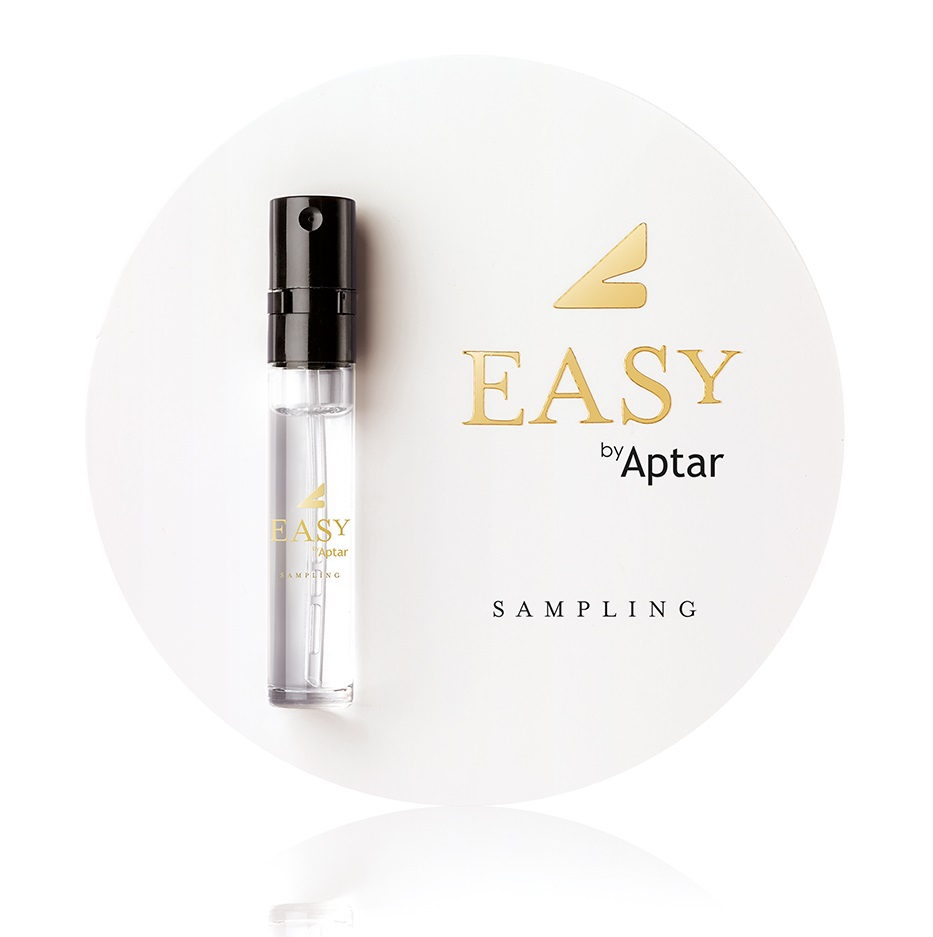
A counter handout, an order insert and a separately sold sample have different information handovers. Someone explaining the product at a counter does not ensure the recipient will remember its scent identity or opening method later. Keep the bottle connected to its card or product schedule through a clear name or code. The brand should confirm final label content against the actual product and sales requirements.
Approve names, codes, languages, dispensing instructions, QR destinations and maintenance responsibilities. Examine the readable space when a card is open, the information remaining after a sleeve is removed and the first panel visible when a carton is opened. Do not fill those areas with unverified scent notes, wear times or numbers of uses.
If different samples accompany different full-size products, document the matching rules for assembly. Several scents may share one structure while requiring separate bottle labels, cards or printed cartons. Correct quantity does not establish correct scent pairing. Define the checking method and responsibility separately.
Finish the decision with identified samples
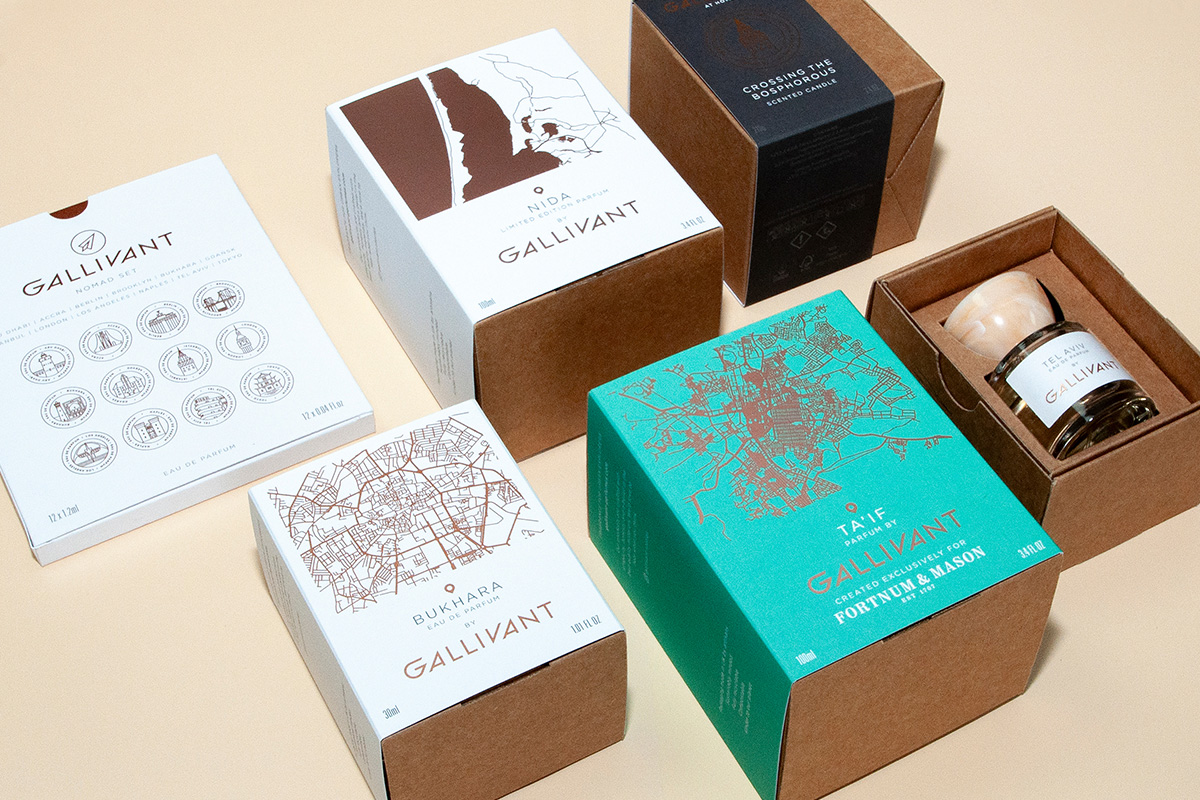
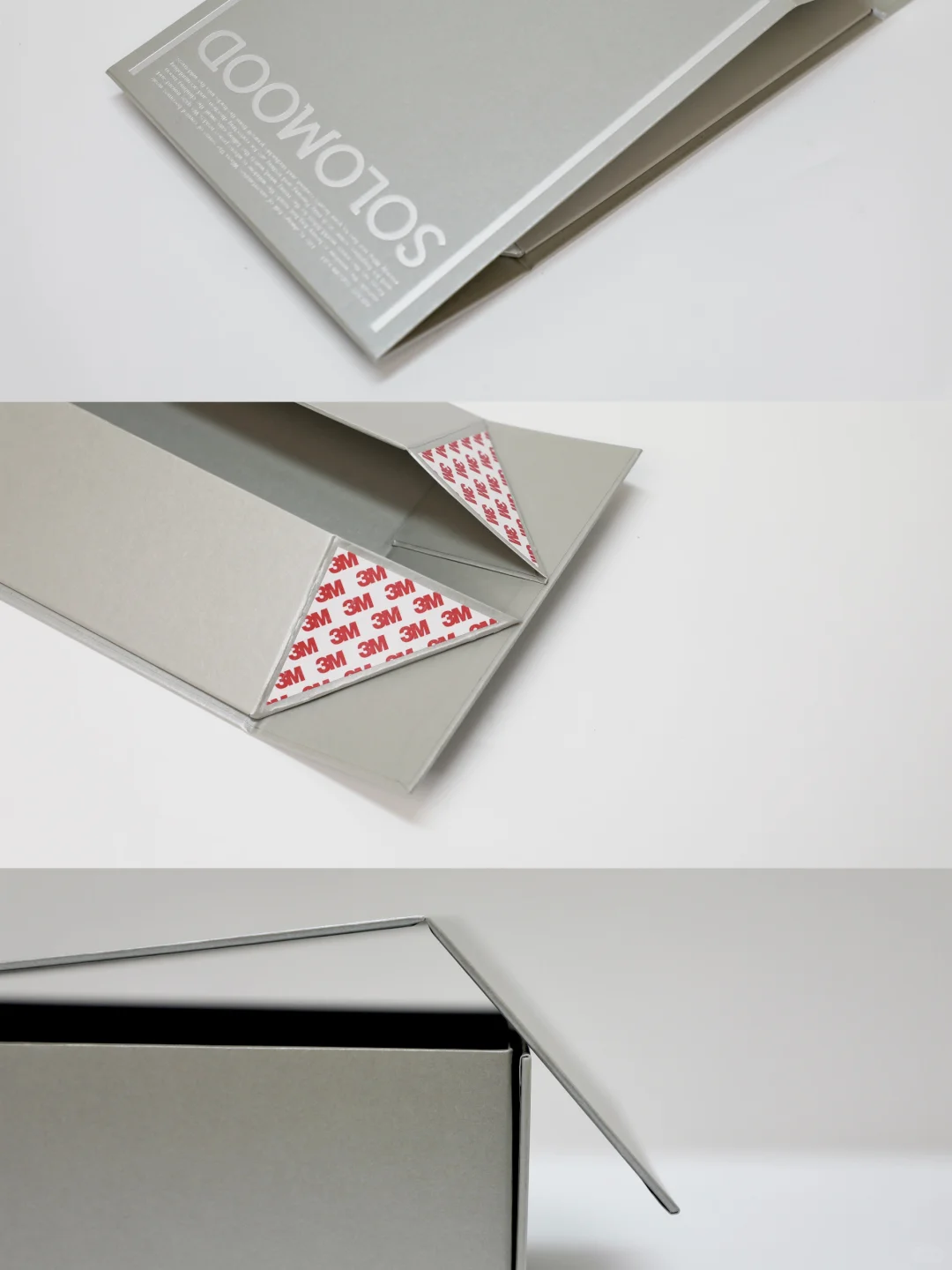
Start with a blank structural sample to review folding, closing and assembly paths. Trial the complete bottle to check retention, removal and identification. Then review the confirmed artwork with the full delivery configuration. State the purpose of each sample; fitting an unlabelled empty bottle is not final pack approval.
Use six approval headings: complete bottle and revision; the object being packed; structure and opening direction; retention and removal; information matched to the bottle; and assembly and delivery scope. Record unresolved items rather than replacing them with “matches the reference image.”
A practical request is: “Please propose folded-card, sleeve and small-carton options against the attached complete vial. Show the retention method, removal path, available print positions and assembly included in the quotation.” If only one format is needed, retain the same approval questions.
The chosen pack should help the recipient identify and remove the vial and give purchasing and assembly teams a clear delivery specification. Confirm the physical product, handling sequence and information before approving the appearance.