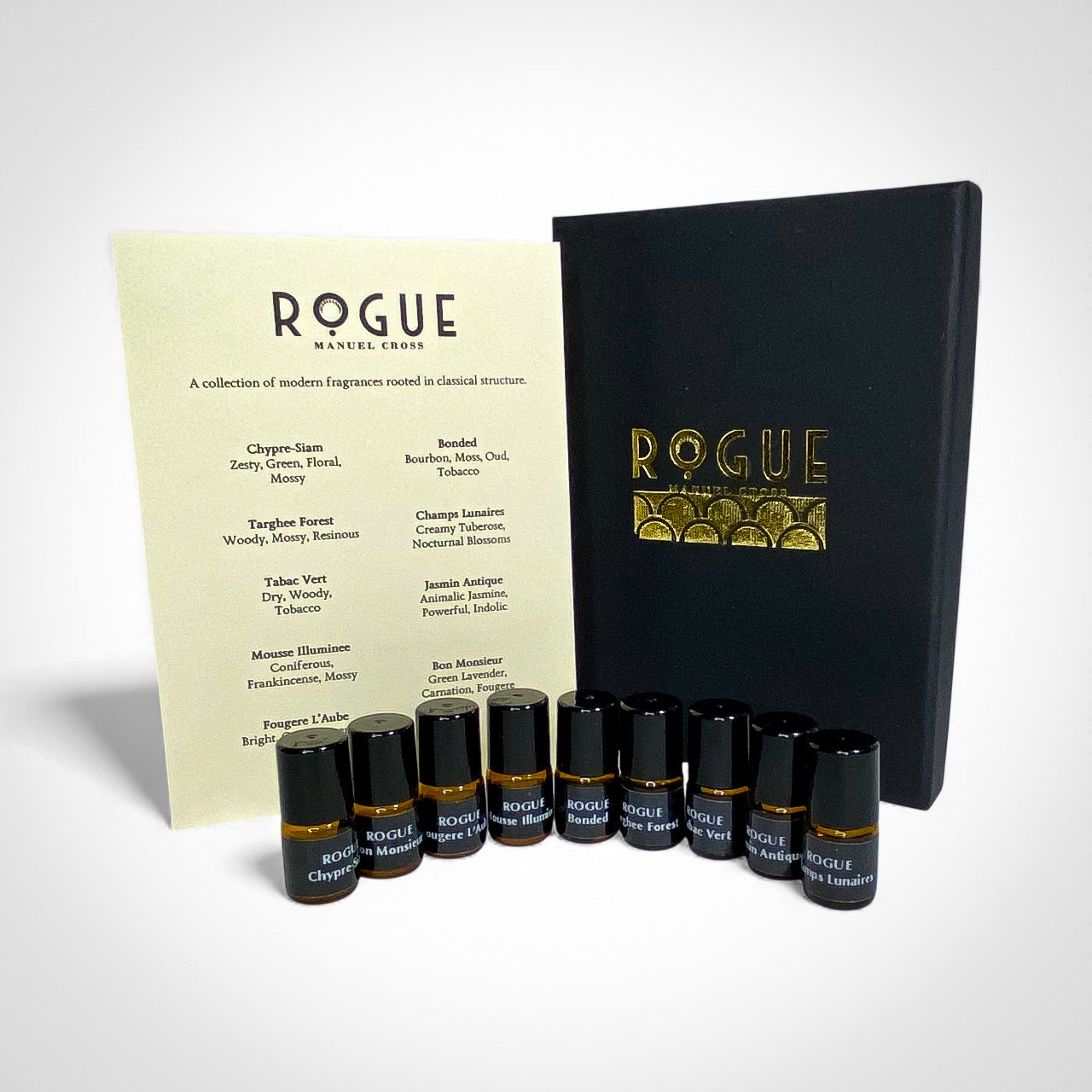
Names appear on individual containers and in the separate guide. Confirm the exact correspondence for the supplied assortment rather than relying on arrangement alone. Third-party reference; not a Bravo Package project.
PERFUME PACKAGING · SAMPLES AND DISCOVERY SETS
Similar sample vials can become difficult to identify once they leave a discovery-set tray. An attractive arrangement does not solve that problem on its own. Plan a matching system that remains understandable when a vial, its card and its original position are separated. The container needs its own identity, while the tray and guide provide a clear route back.
Establish a complete identity for every sample
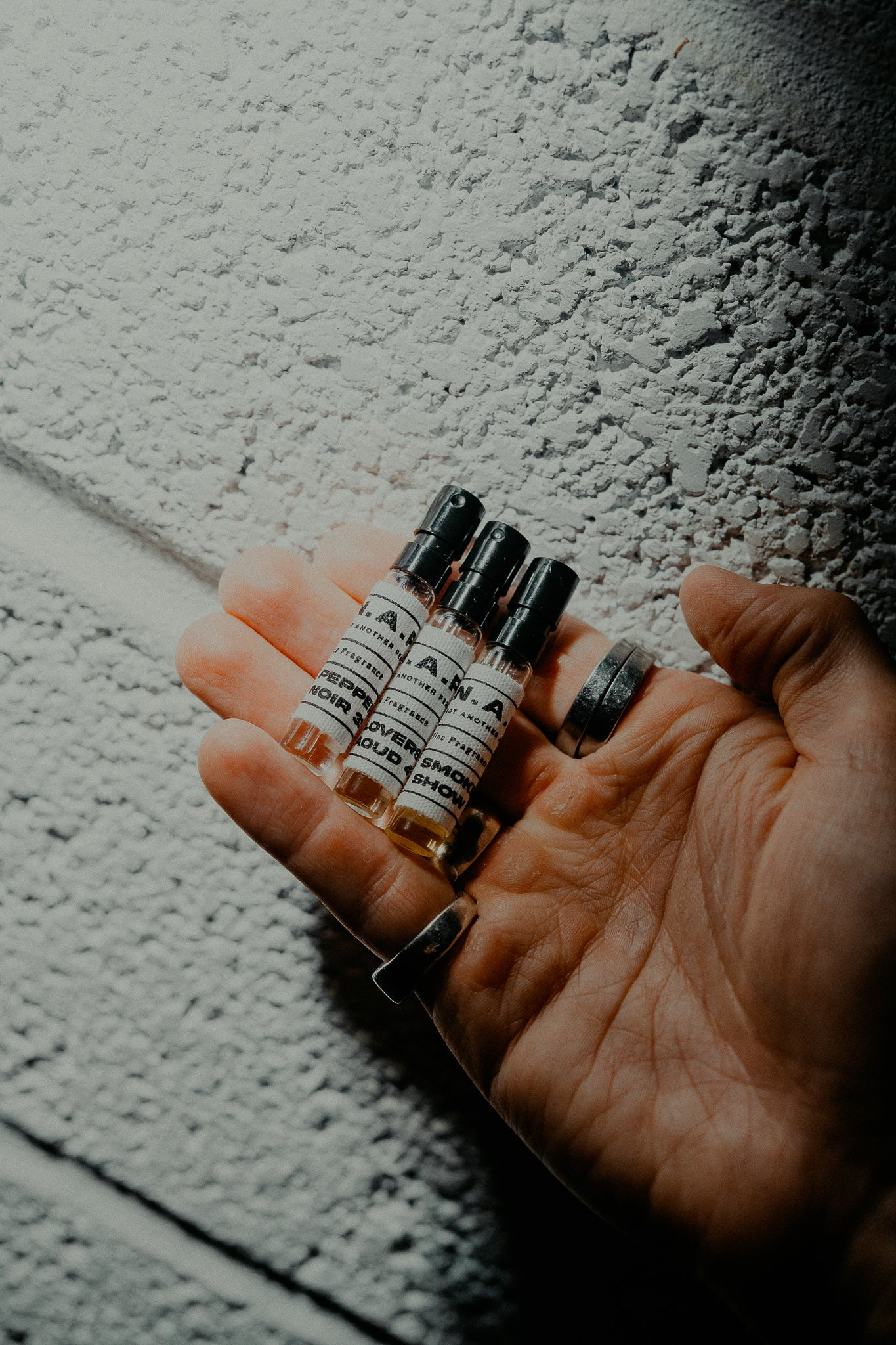

List the actual brand, full fragrance name, version or concentration and supplied format before assigning display names or numbers. Different versions within one fragrance family should not share an ambiguous family name. Internal SKUs, batch references and customer-facing names have different roles. An internal code should not replace the product information a customer needs.
Decide what remains on each vial and what belongs beside a position or on a guide. Customers may retain cards separately, so the only fragrance name should not disappear with the outer card. If space requires a shortened name, agree one recognisable abbreviation and its relationship to the full name. Avoid independently shortening the same product in several different ways.
Match vial, position and guide with one system
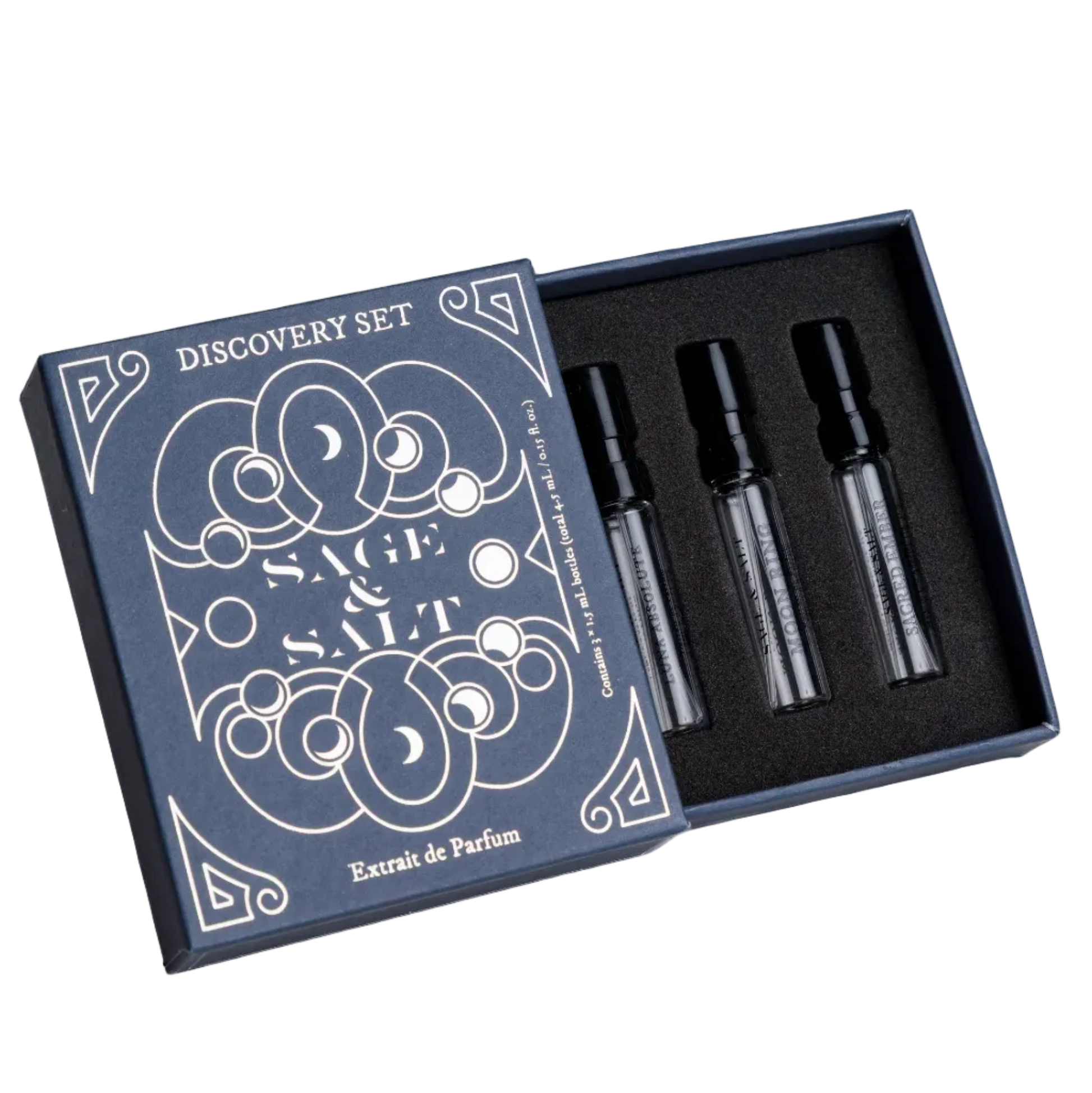
One option to evaluate is a repeated identifier on the vial and its tray position, with a guide mapping that identifier to the full product name. Numbers support navigation; they do not replace required product labelling. Another option places a name directly beside each position where the available space allows clear printing.
Define the reading direction, row sequence and opening orientation. Across two panels or several rows, a visually continuous numbering sequence should follow the actual layout. Check that a position remains identifiable after its vial is removed. Also check the filled tray: the containers should not hide every useful name or identifier before the customer starts.
Use colour as an additional cue
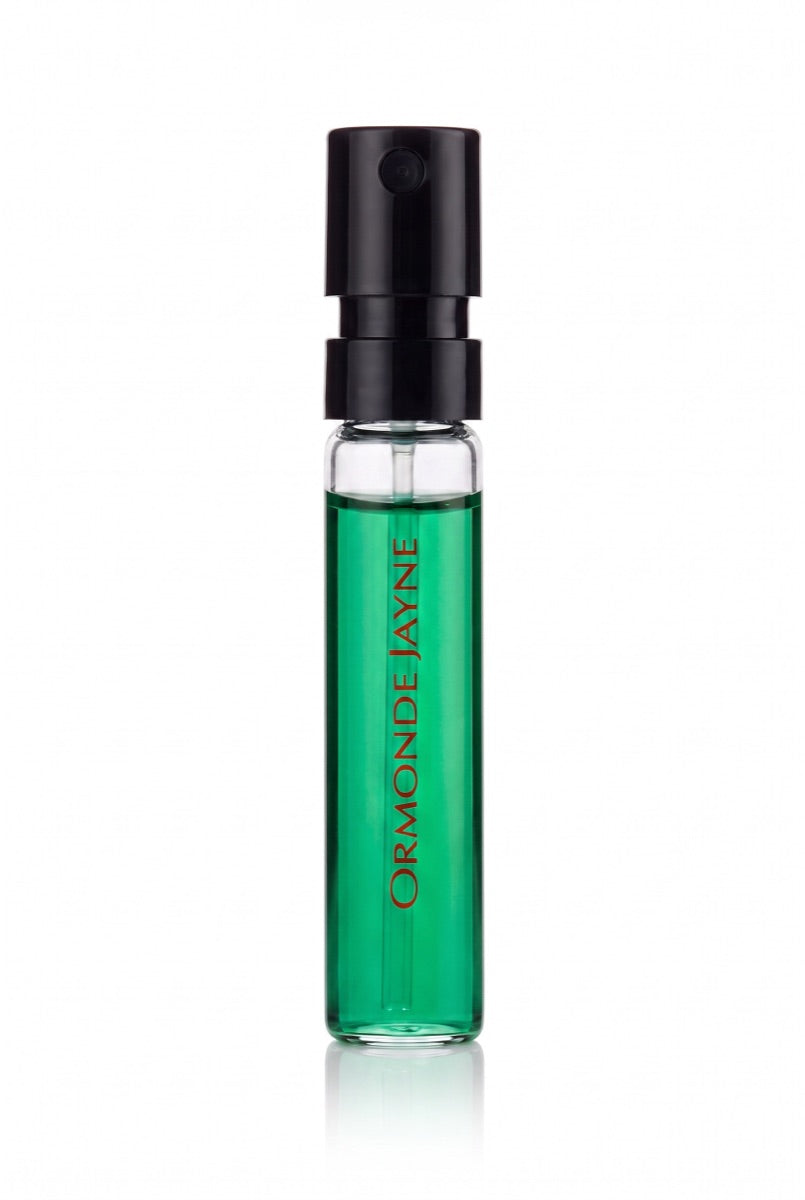
Colour blocks, symbols or illustrations can help distinguish similar vials, but customers should have a text-based route as well. Printing, lighting and viewing conditions vary, and some people find certain colours difficult to distinguish. A readable name or identifier provides another way to make the match.
Print proposed artwork at finished size and review it with actual labels and supports. Small type, low contrast, glare or awkward orientation can make a theoretically complete system difficult to read. Do not align labels only for photography. Recheck them after removal, replacement and closure. If a vial can rotate in its position, confirm how the user can still find its identifier.
Test return after several vials have been removed
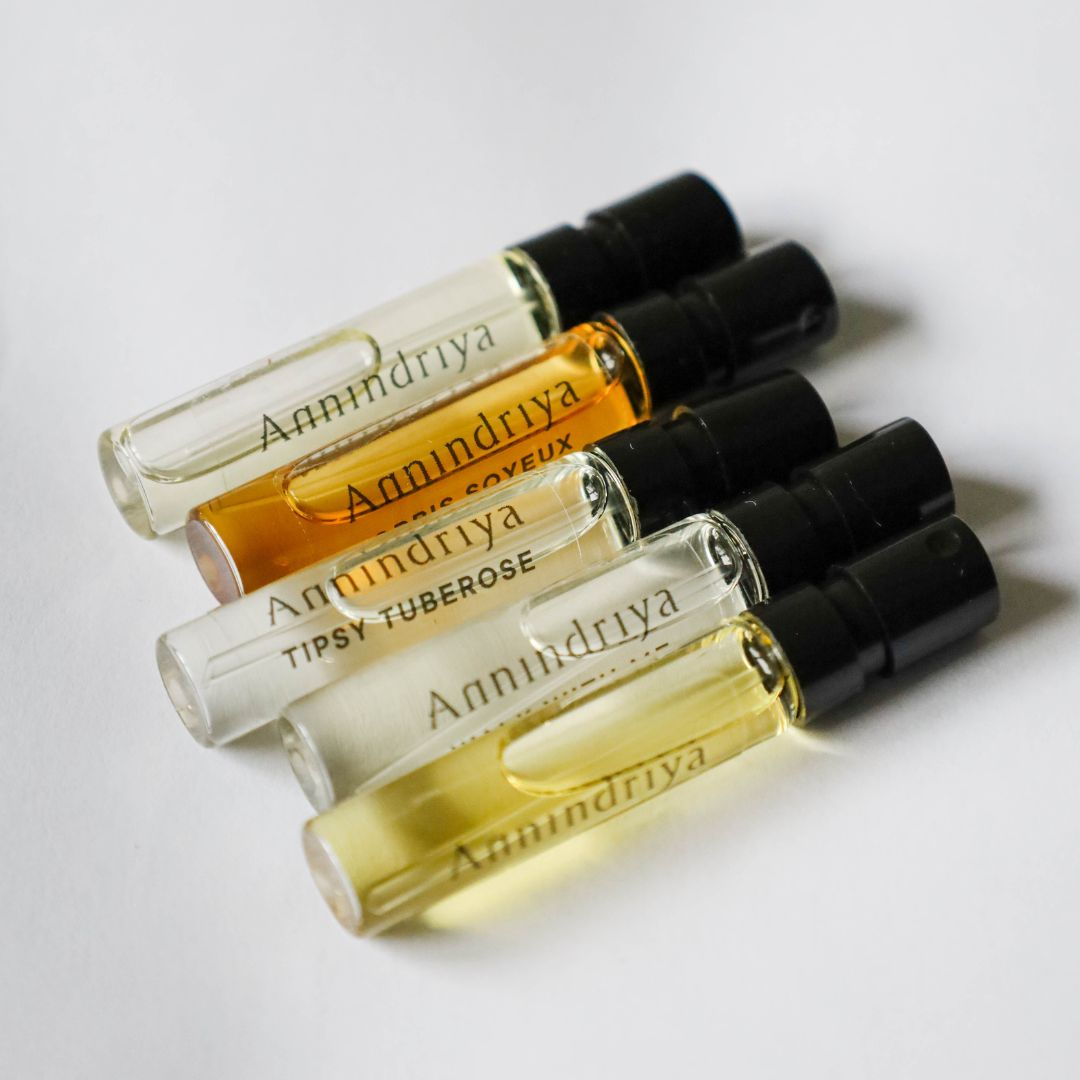
Begin with one vial, then remove several together. Ask a tester to return them using the printed information. Place the guide separately from the tray as well. Check whether the system still works without the original arrangement. Similar names or identical containers may require an additional version reference to avoid ambiguity.
The tester should not need to memorise the sequence beforehand or identify a perfume by smelling it. Record hesitation, mistaken positions and unreadable information, then revise the marking or layout. After replacement, check neighbouring-vial access, label visibility and complete closure. Observed use of the finished set is more useful than an unverified promise that a layout prevents every mistake.
Control assembly sequence and assortment versions
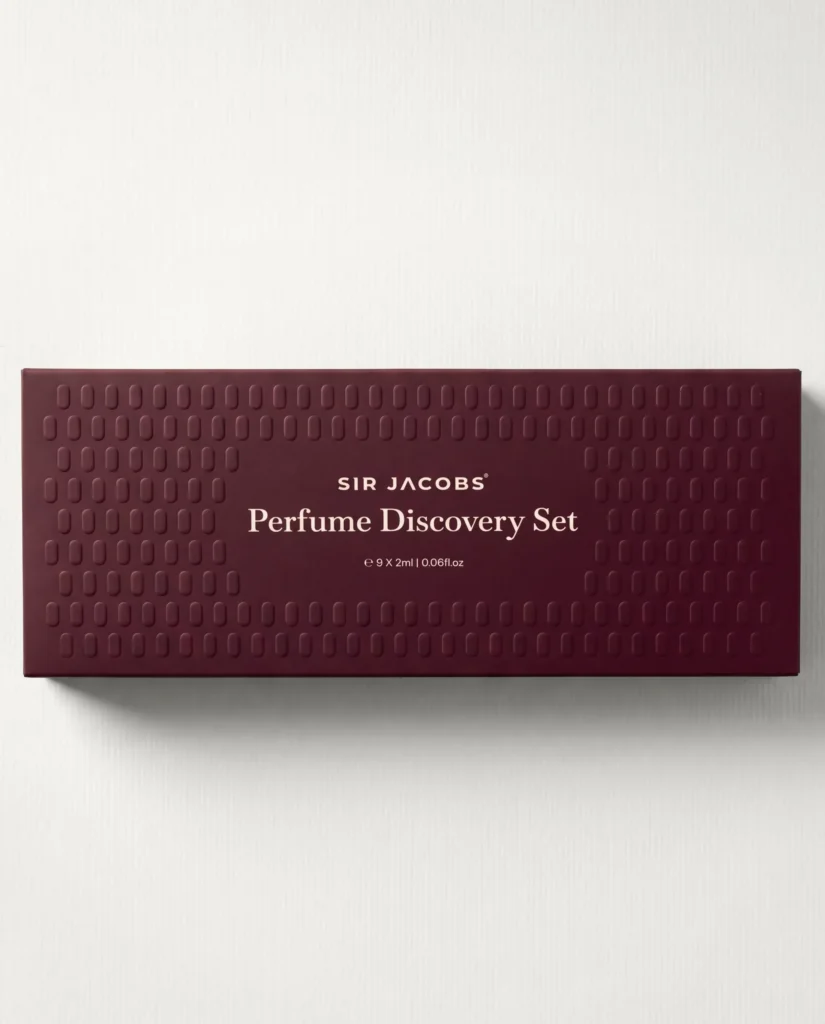
Create an assembly reference listing each position, identifier, product name, vial-label version and matching guide version. The approved sample should agree with that reference. For interchangeable guides or mixed assortments, identify which combinations share the outer box and which marking files belong to each assortment. An updated exterior should not conceal an outdated position guide.
If a fragrance is substituted, update the assortment list before approving the customer-facing information and assembly instructions. Do not place a different fragrance under an old position name as a temporary workaround. Where identifiers are reused across assortments, make the set name or version clear enough to distinguish them. A customer should not accidentally match one box against another box’s guide.
Verify the system with the delivered components
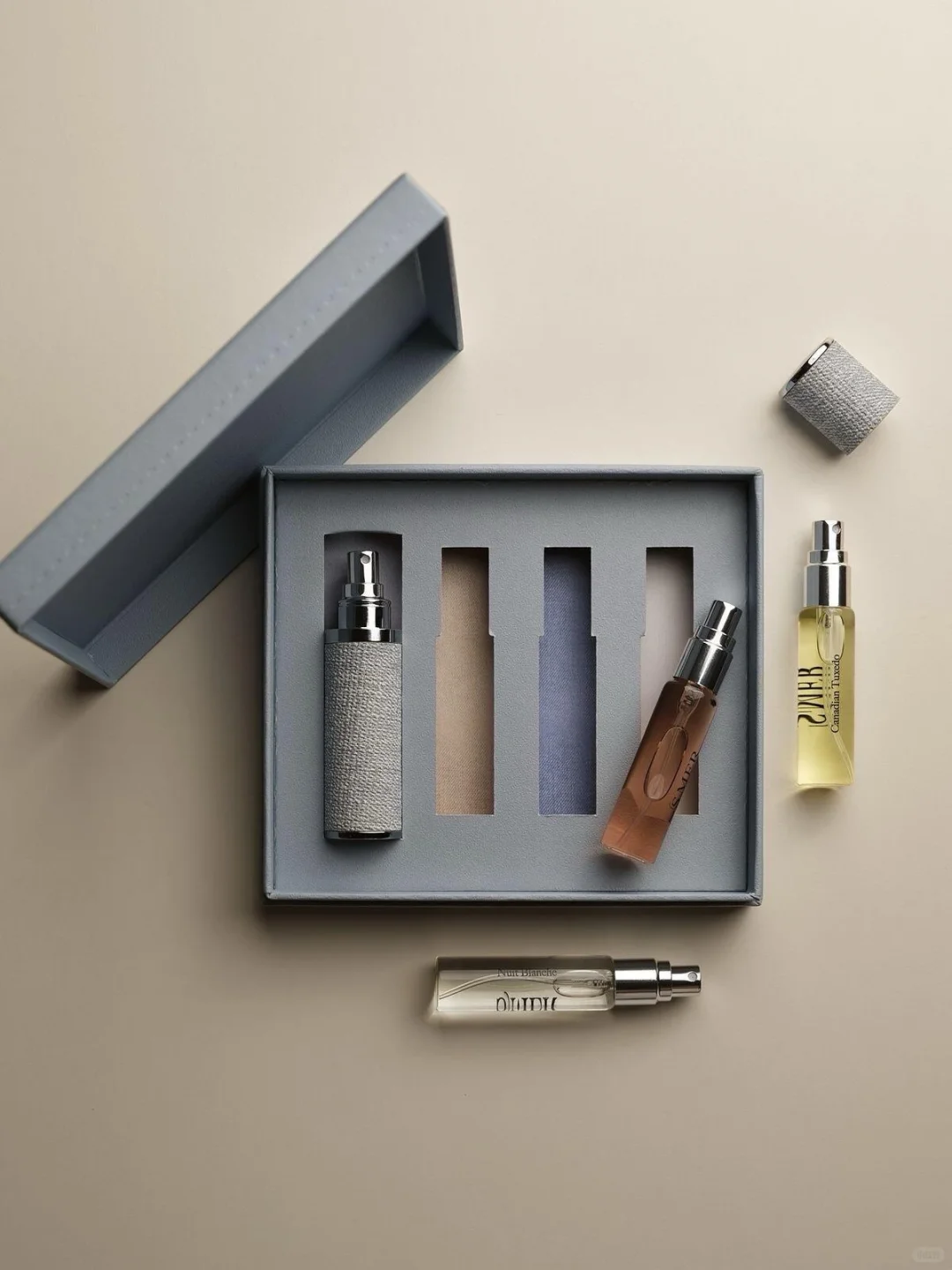
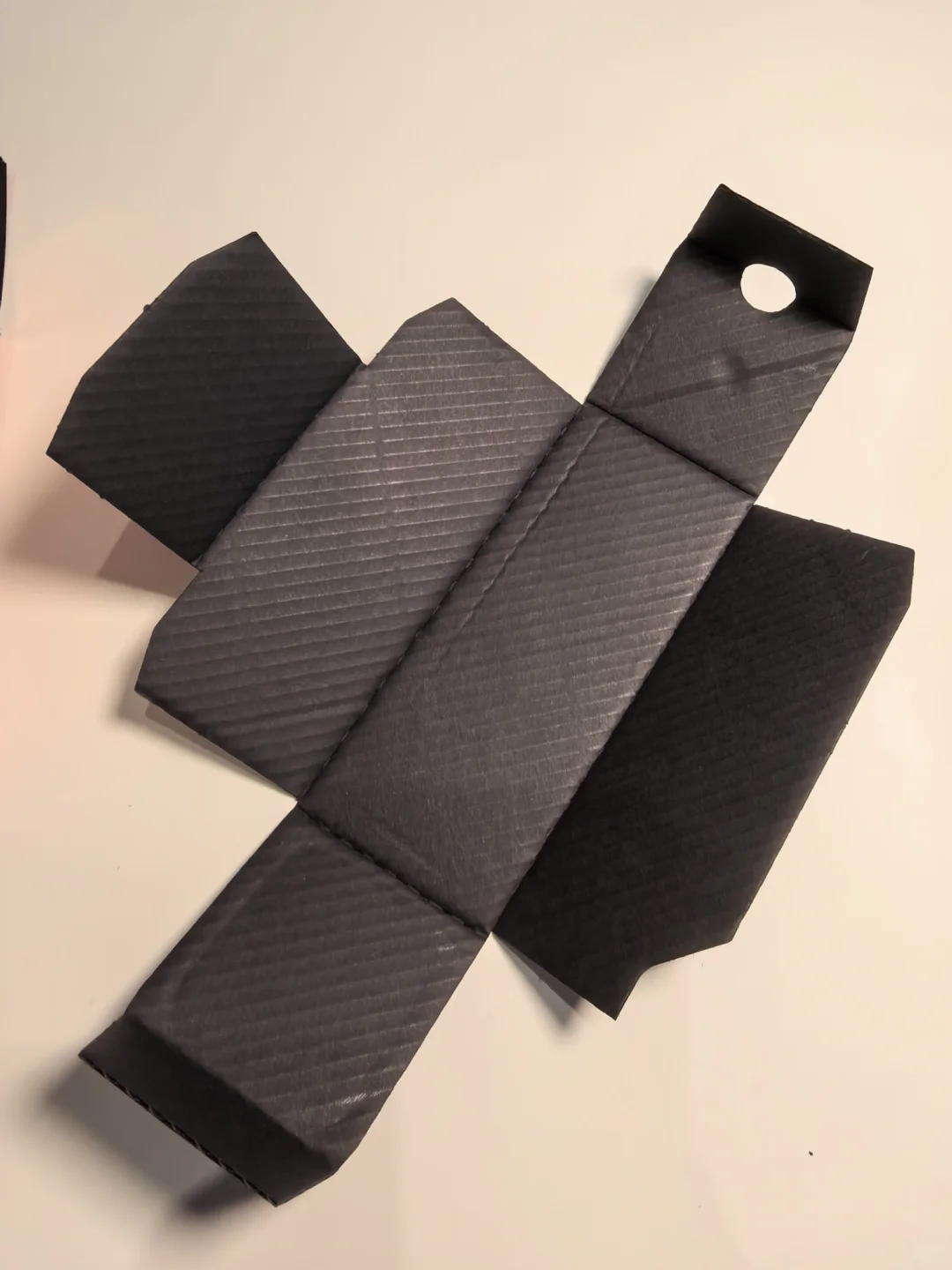
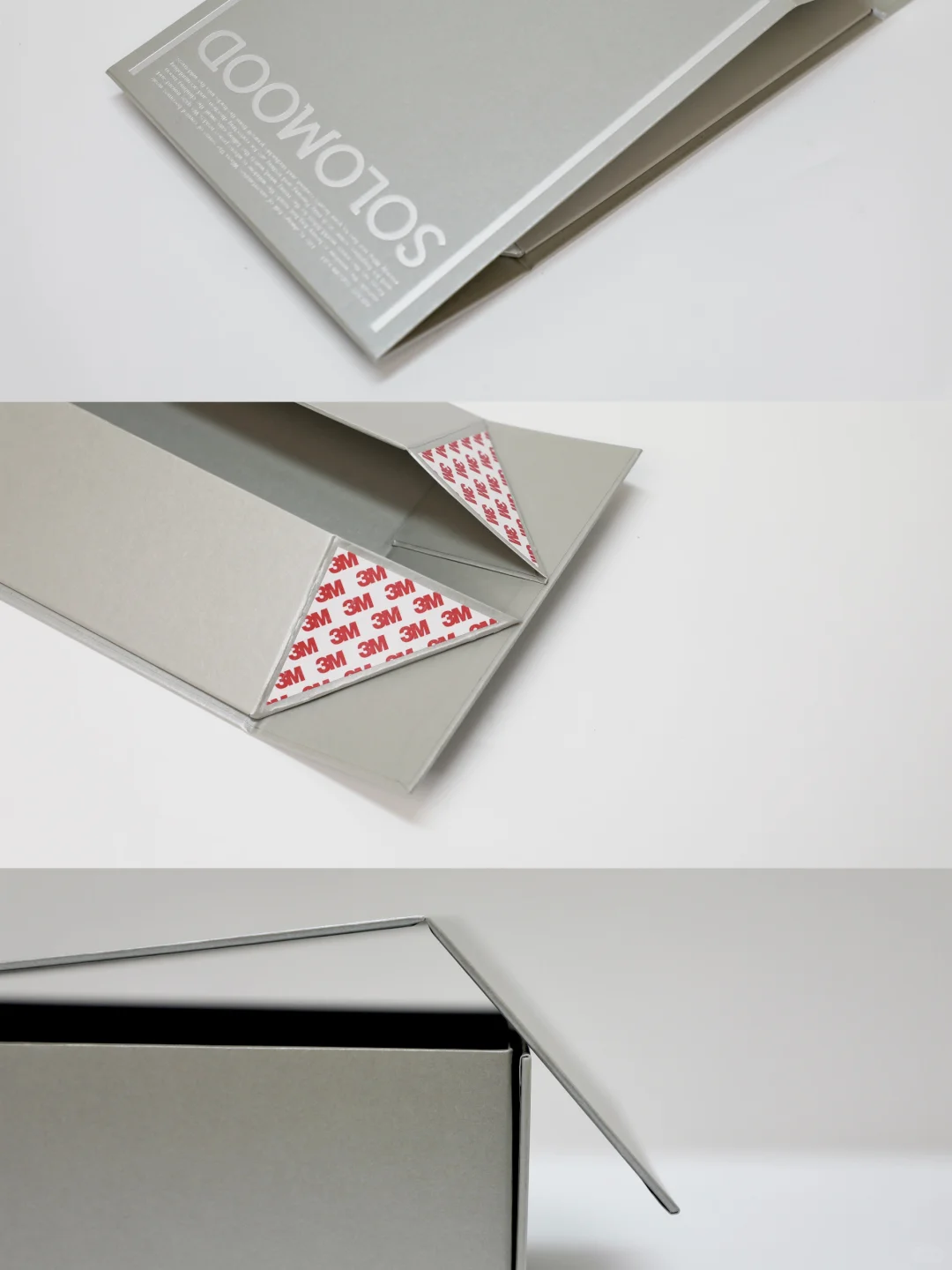
Retain the product list, position map, approved label and guide artwork, assembly-sample photographs and check records. Use the real vials, closures, labels, tray, cards and outer box for the review. A flat artwork file alone cannot show the complete use sequence. After a paper or support change, recheck visibility, access and closure.
State who supplies vial labels, prints position information and checks assembly. Abrasion resistance, adhesion, transit protection and leakage require appropriate verification rather than assumptions from a photograph or material name. A useful matching system keeps each sample identifiable and findable without asking the customer to remember where it originally stood.