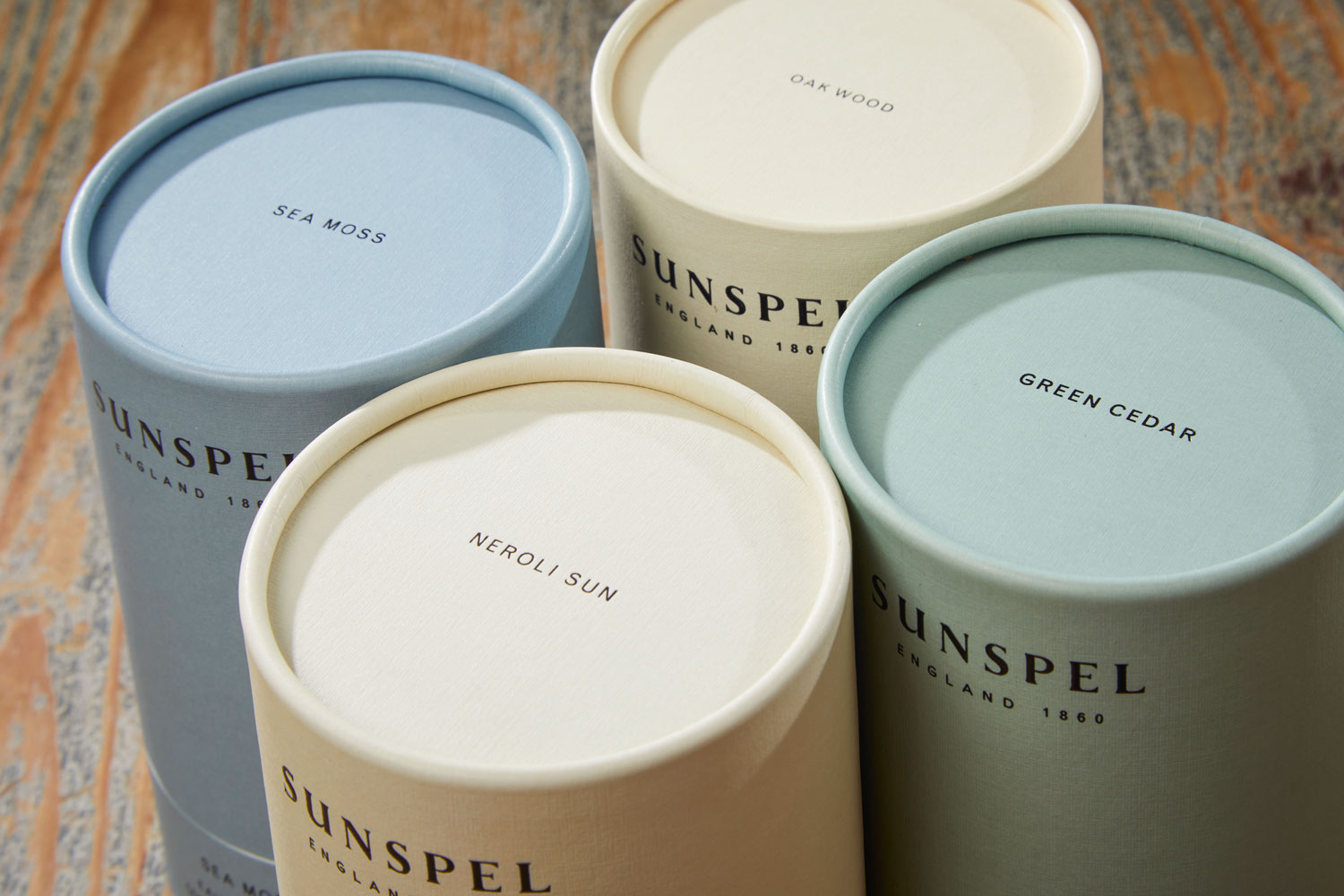
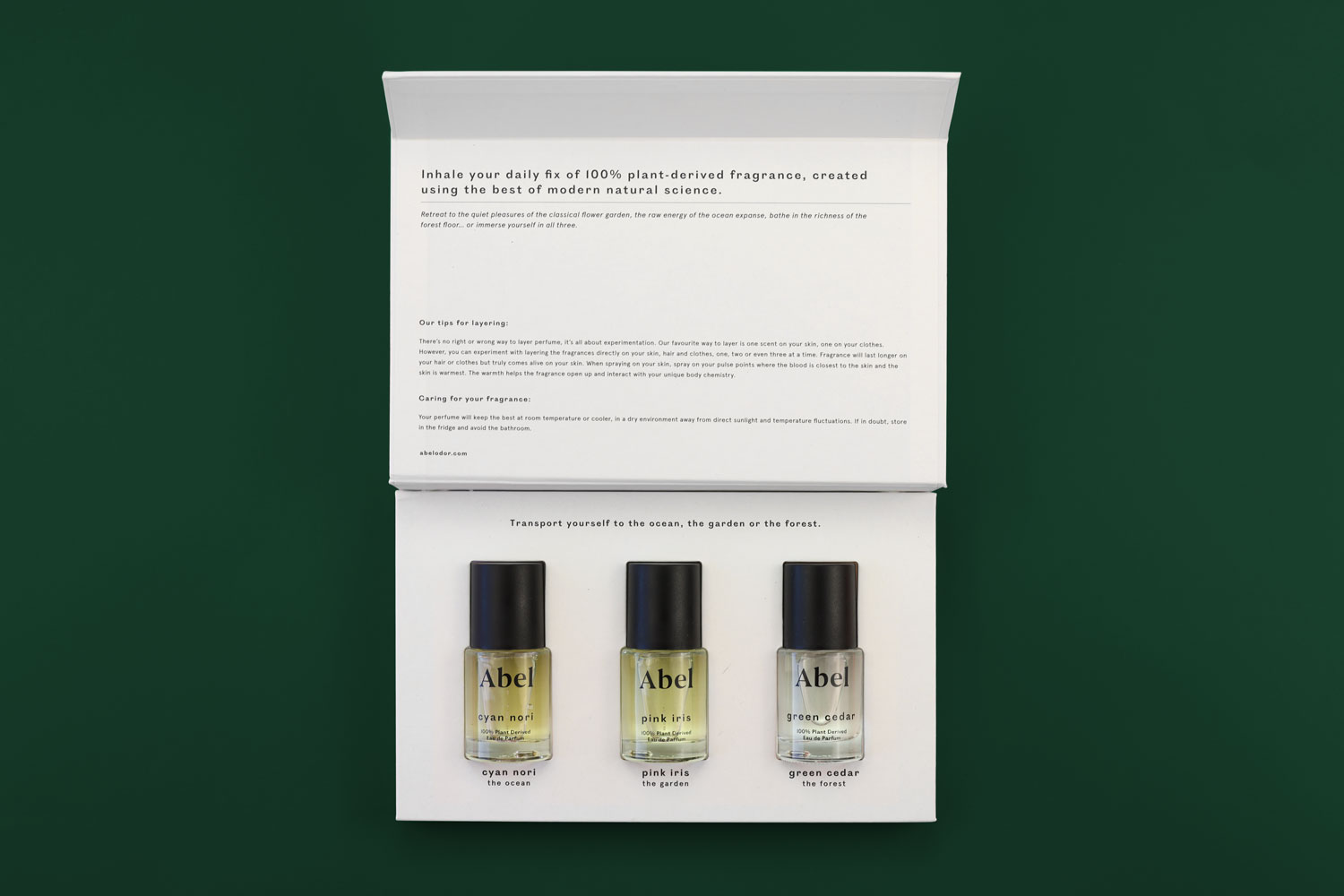
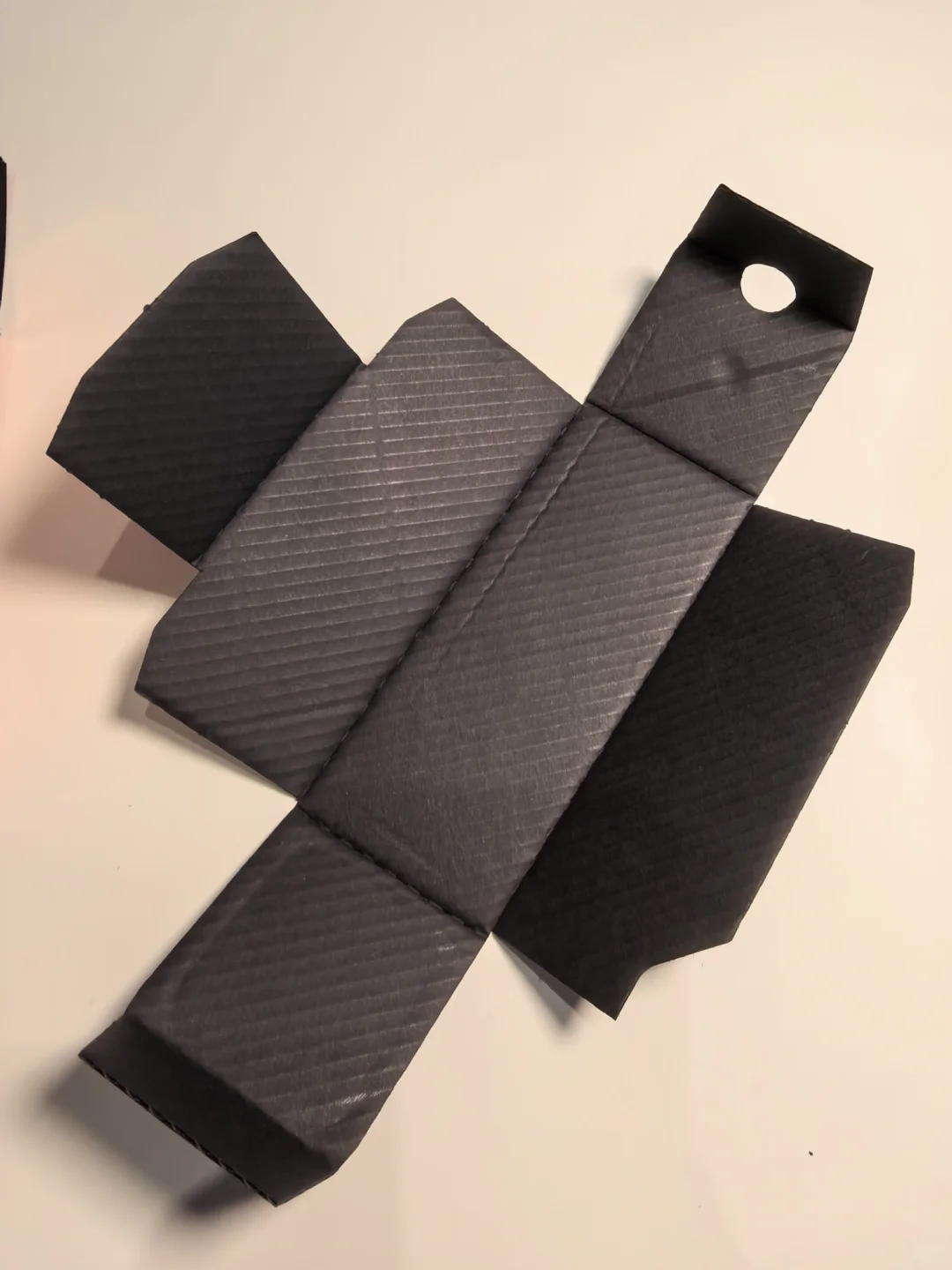
Use to discuss the number of artwork variants and a colour target for each SKU. A photograph is not a controlled digital-versus-offset print comparison. Third-party reference; not a Bravo Package project.
Choosing digital or offset printing for a short perfume-box run takes more than a total quantity. Define the structure, quantity per artwork version, stock, inside and outside printing, and finishing first. Then compare suppliers’ proposed production routes, complete quotations and relevant samples. A launch with several changing designs presents a different cost problem from a stable repeat order. A printing process suited to short runs still has to work with the materials and converting steps of the finished pack.
Define the order by version and component
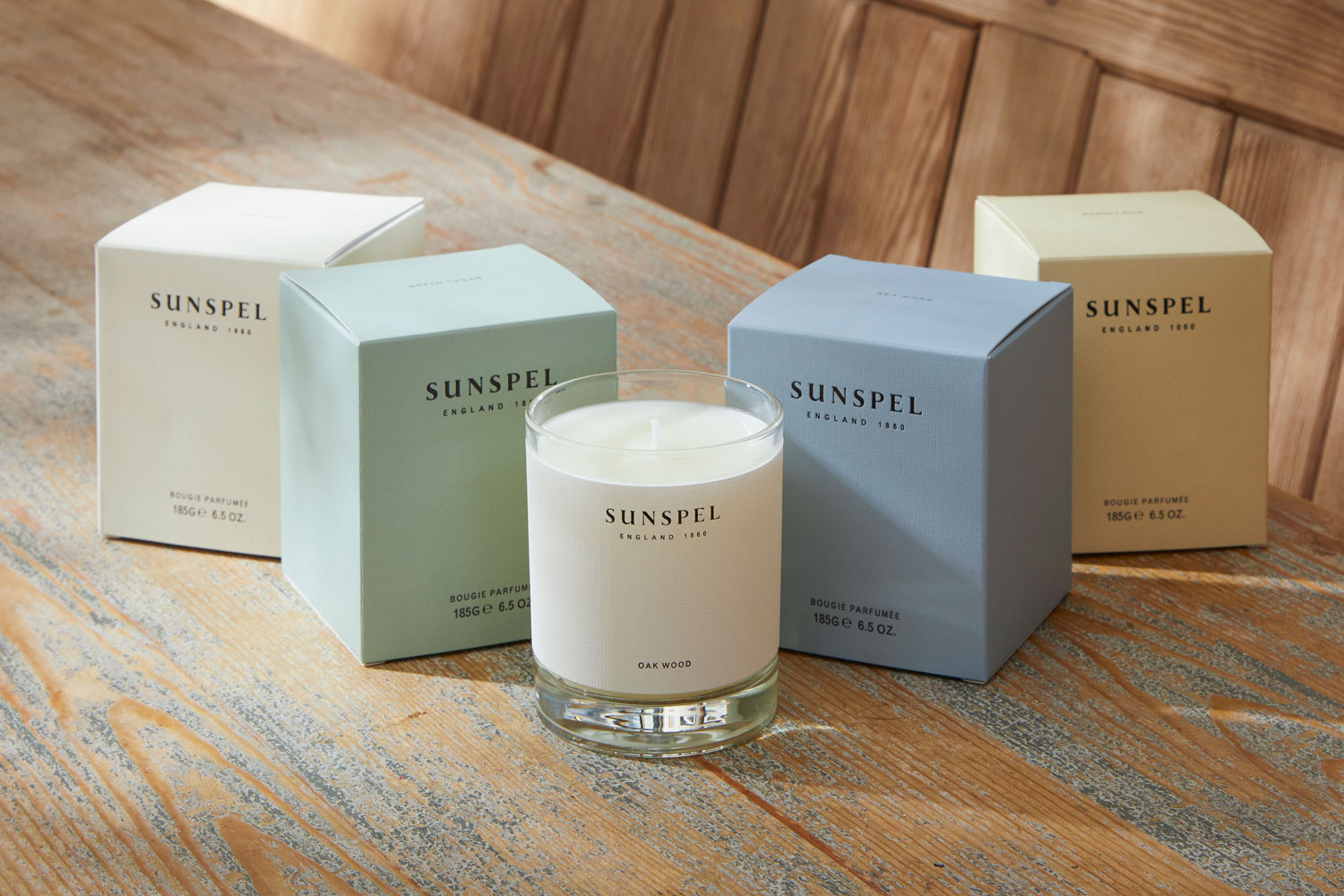
Break the order into quantities for each fragrance, size, language or artwork version. State which versions share the same structure and what changes between them. One repeated design and several small batches of different designs can require different preparation even when the total box count is identical. This is information for a quotation, not a fixed threshold separating digital and offset. Include expected copy changes and the likely pattern of replenishment.
List the actual components: outer carton, covering sheet, printed insert, card and sleeve where applicable. Identify inside printing and any parts that only need forming or assembly. Supply the confirmed structural revision, flat dimensions and intended material for assessment. Identical finished dimensions do not guarantee identical sheet layouts or material yield across presses. “A small perfume-box order” is not a sufficient basis for comparable prices.
Clarify the proposed printing route
Conventional offset transfers ink from a printing plate to a blanket and then to the sheet. Digital printing uses digital data to drive imaging, but it covers different technologies. Dry toner, inkjet and HP Indigo’s liquid electrophotographic process should not be treated as interchangeable. Indigo also uses an intermediate blanket; that does not make its image preparation identical to conventional offset plate preparation.
Ask what production route and equipment conditions are proposed, whether the work will share a press sheet with other jobs, and how versions will be handled. Some components may follow a different route. The process name alone does not establish sharpness, colour accuracy or consistency. Digital is not automatically lower quality, and offset does not mean an absence of halftone screening. Evaluate solids, small type, gradients and pale graphics using the actual file and a relevant sample.
Compare the same finished scope
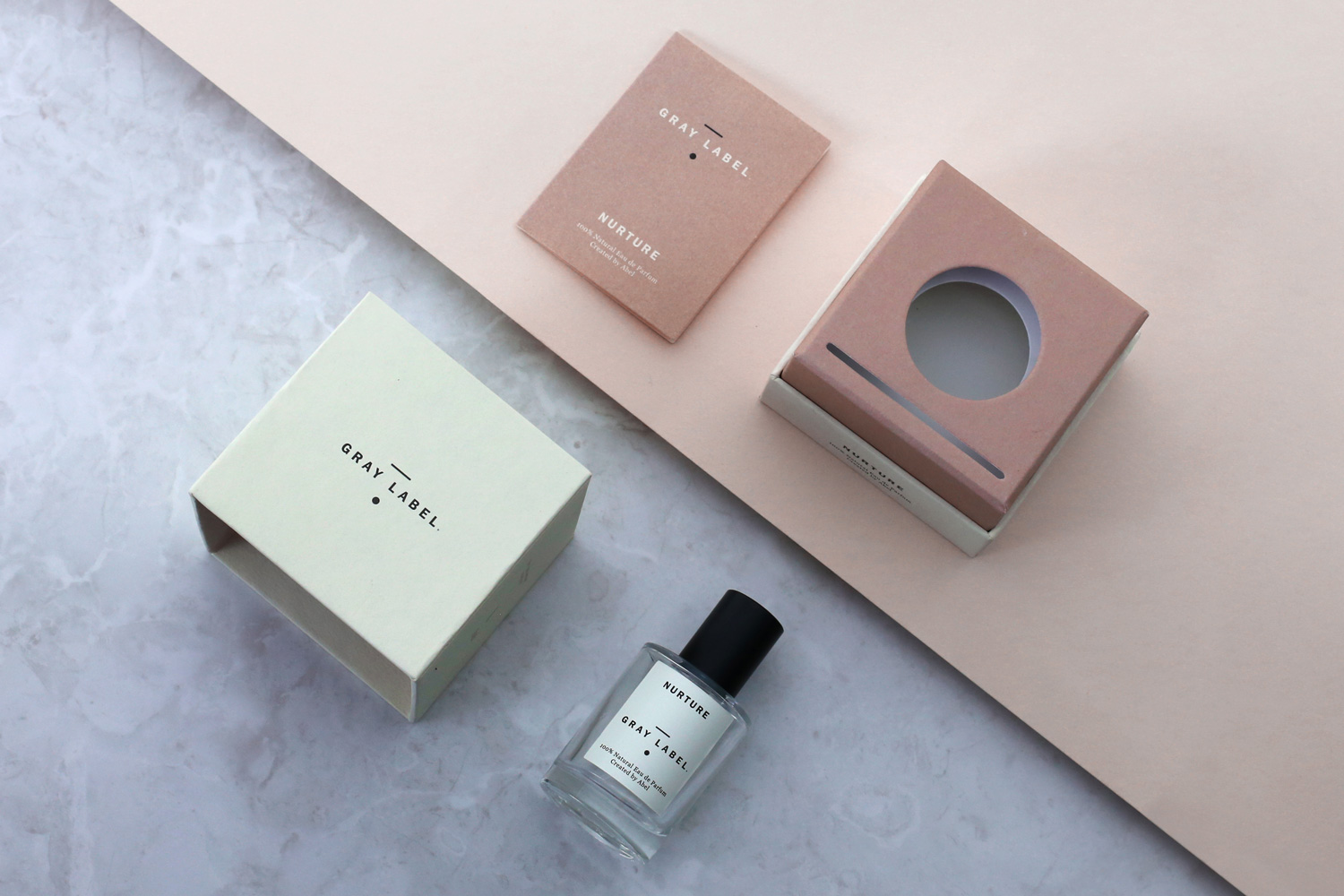
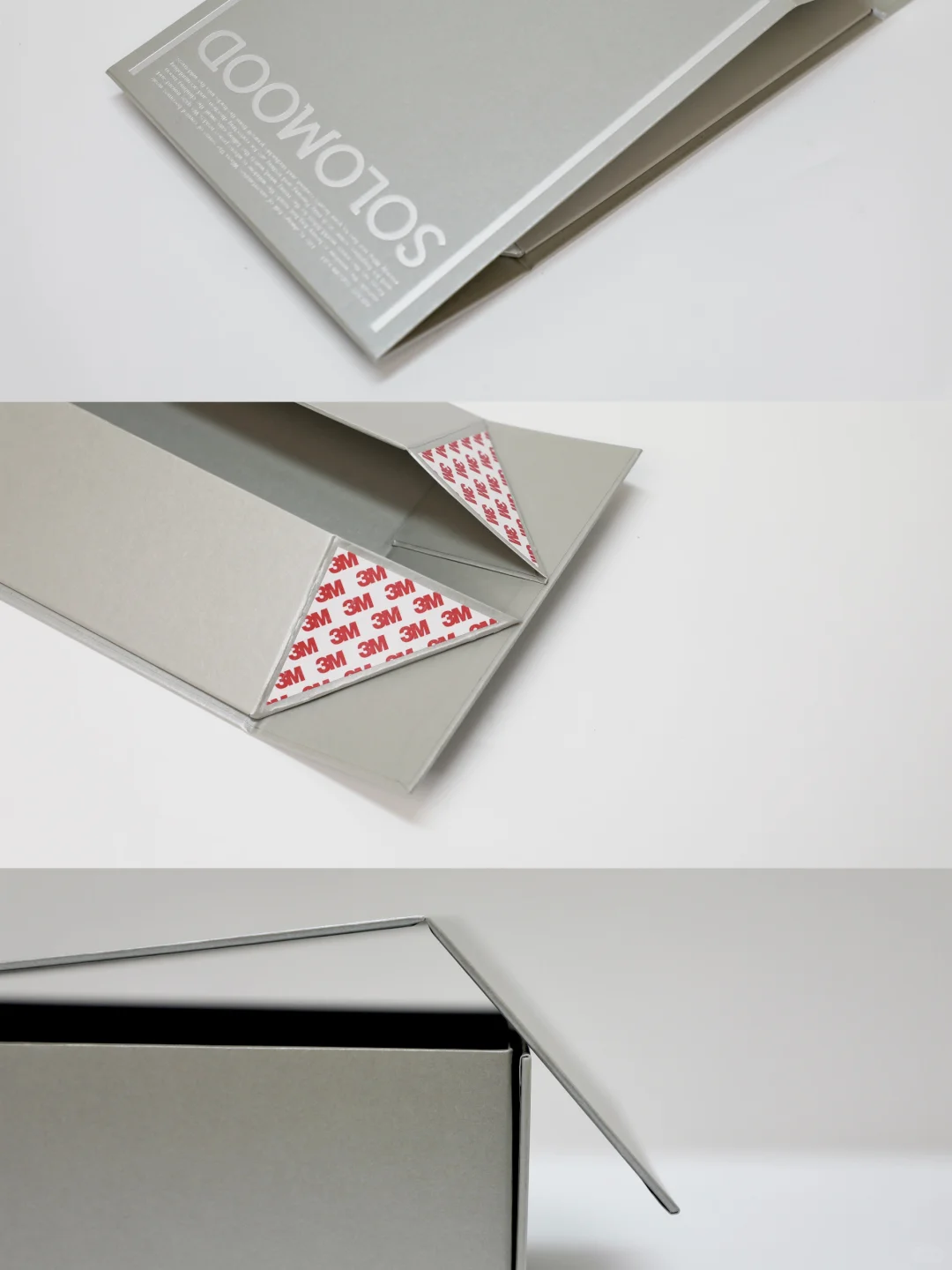
Request prices at the same quantity per version, named stock, number of printed sides, colour target and finishing specification. Establish what is included for file preparation, samples, plates or other tooling, makeready, material, printing, surface treatment, cutting, creasing, gluing and assembly. Avoiding conventional offset plates for each artwork version does not eliminate cutting tools, foil tooling, setup or sampling charges. A finishing operation may also determine the supplier’s minimum order conditions.
Compare the first-order total, cost per acceptable finished unit and replenishment terms rather than only the printed-sheet rate. Ask which preparations a revision changes, what tooling can be reused and what needs approval again. Extra inventory may reduce one unit rate while increasing exposure to obsolete artwork. There is no universal economic crossover quantity for perfume boxes; a manufacturer’s model expressed in A4 impressions cannot simply be read as a box count.
Check the stock and finishing combination
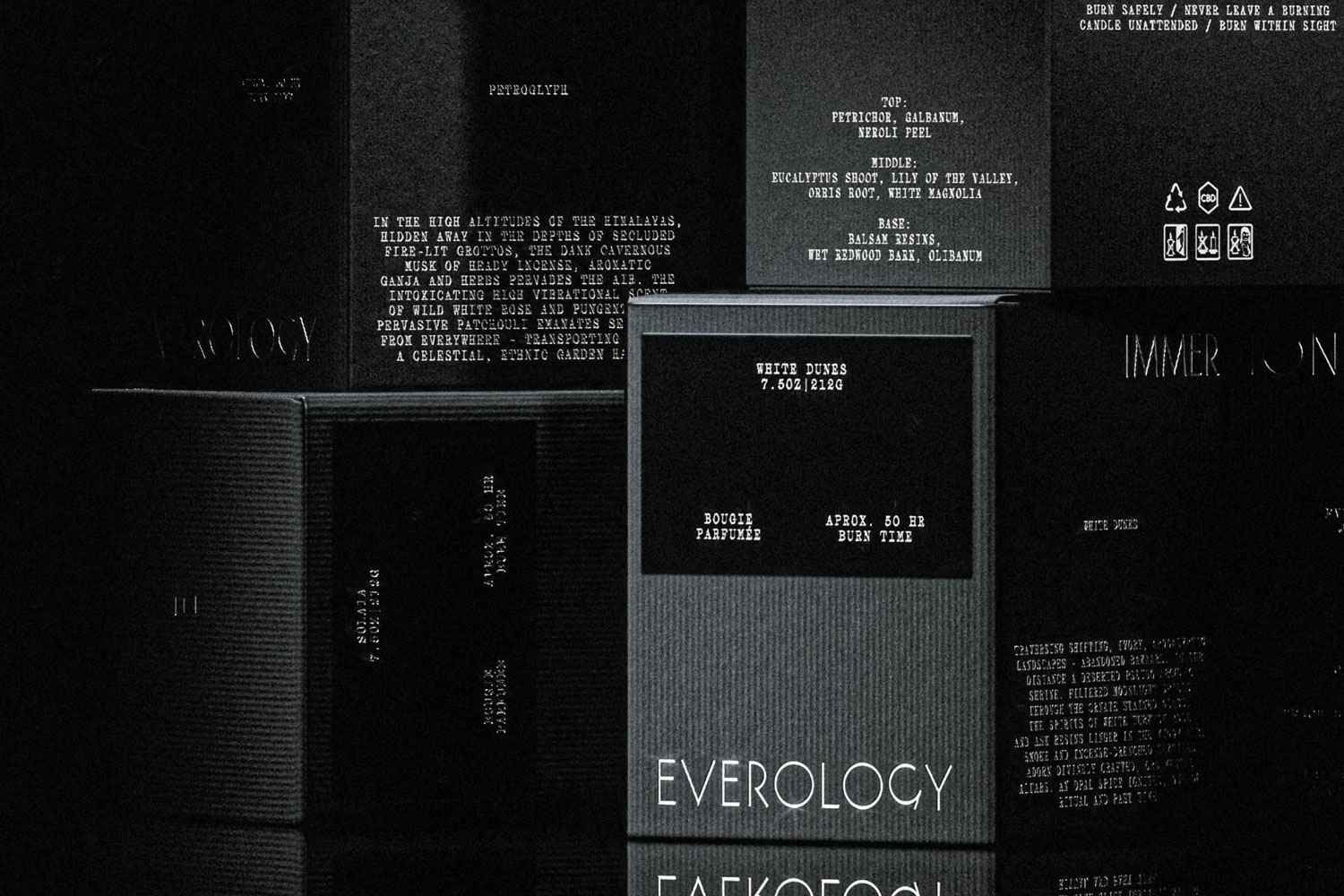
Identify the stock by grade, thickness or grammage, coating, texture and any required pretreatment. The production team must confirm usable sheet size, duplex handling and media restrictions on its equipment. Feeding a sheet successfully does not establish ink adhesion, solid coverage or folding performance. “Textured paper” or “black paper” is not enough information to approve substitution between digital and offset equipment.
Sample the complete combination of lamination, varnish, foil, embossing, cutting, creasing and gluing that the design requires. Ask how the printed layer interacts with surface treatments, whether a primer or particular consumable is needed, and how edges and joints will look after forming. Neither “digital cannot be foiled” nor “every digital sheet accepts every finish” is a reliable rule. Optional white or metallic effects on a press also need visual approval rather than being assumed equivalent to another decoration process.
Give each sample a defined purpose
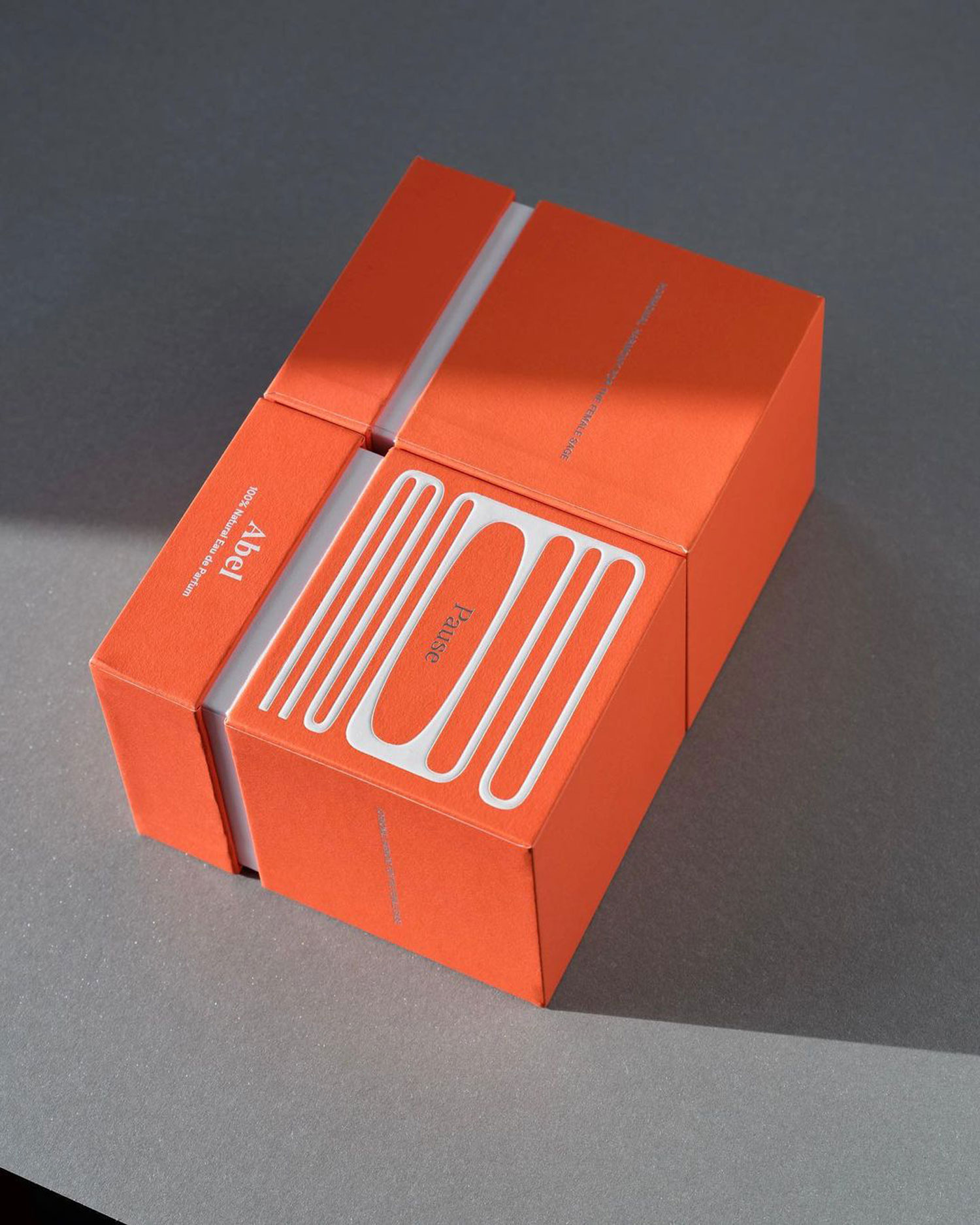
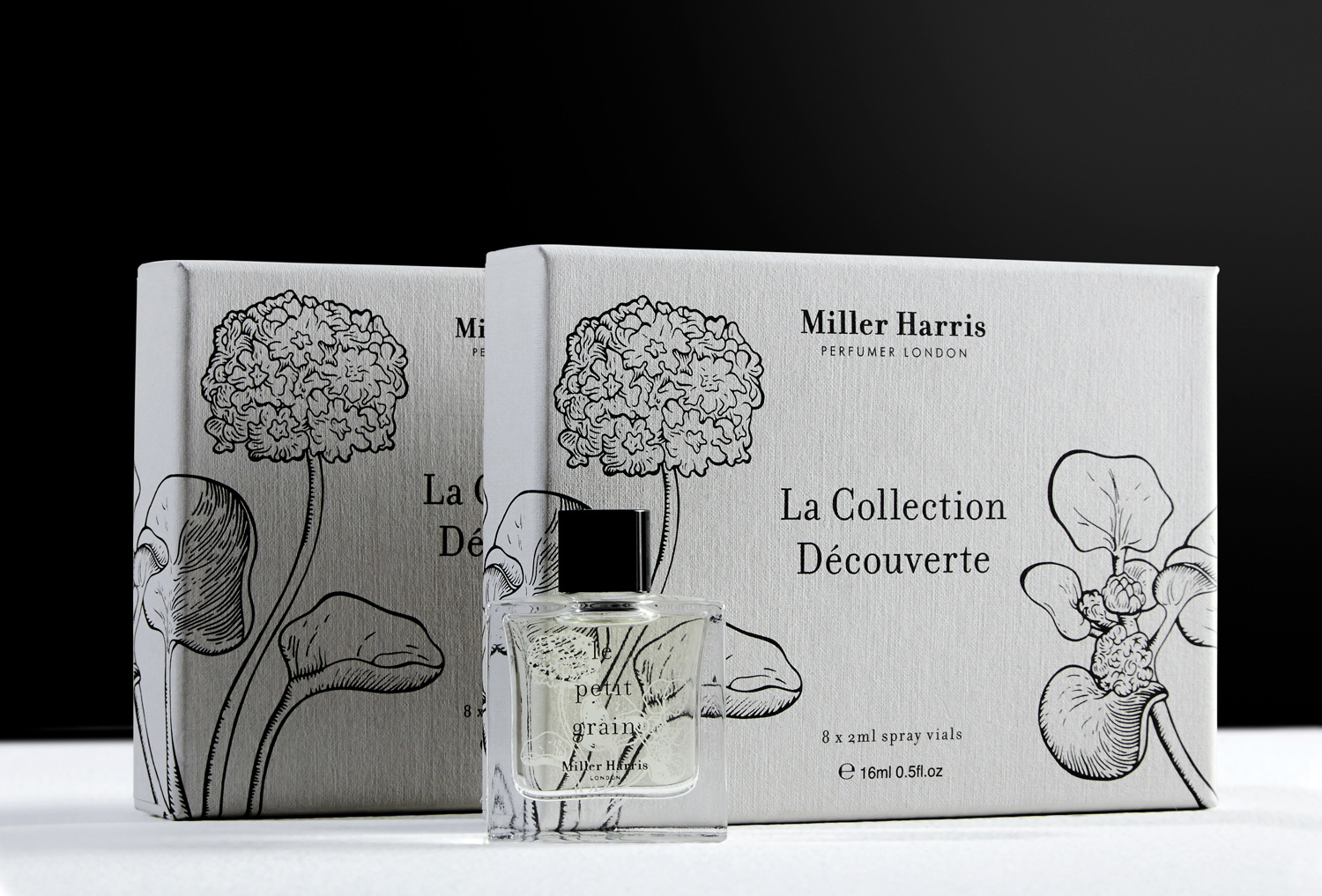
A structural sample helps check dimensions, folding and assembly. An artwork sample can check content and direction. A colour reference needs an identified simulation condition, material and approval method. One sample may serve several purposes, but define each explicitly. Digital samples are not universally limited to checking direction: a contract-proof workflow can include colour verification. Conversely, an ordinary digital print does not automatically represent offset production colour because it is called a proof.
Label the sample with its file revision, stock, production process and approval scope. Review the important solids, small type and graphics, including the effect of the intended lamination or varnish. Fogra’s digital print checks address a combination of printer, substrate and RIP, reinforcing the need to identify the conditions. Agree the assessment rather than inventing a universal colour-difference limit. Screens and third-party photographs communicate an intention but are not production colour masters.
Reconfirm when the production route changes

If an approved first run later moves to offset, or to another digital press, do not carry forward a blanket “approved” status. Recheck stock, file output, colour targets, printed sides and finishing. Identify which features of the old sample remain references and which require a new approval. An unchanged structure does not ensure an unchanged surface appearance; approved content and the result of a new manufacturing route are separate decisions.
Archive quantities per version, comparable quotations, sample identities, accepted features and unresolved issues. If the supplier cannot confirm a material and finishing combination, revise the proposal or arrange a relevant trial before relying on it. The decision rests on how the complete pack will be produced and assessed for this order, and how later changes will be checked, rather than a permanent preference for one printing method.