
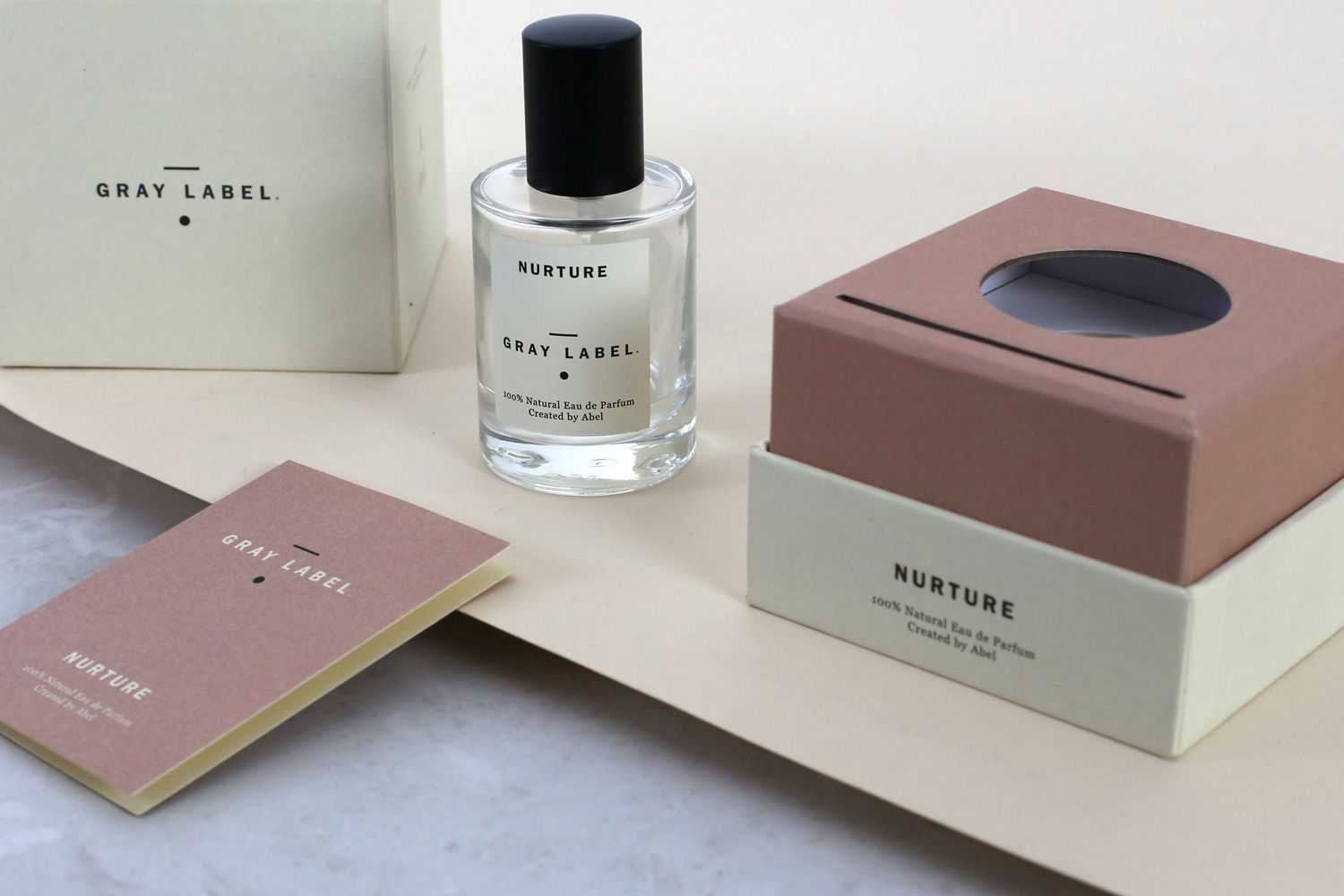
The Gray Label bottle, box components and booklet repeat the mark and Nurture name. This photograph does not establish bottle sourcing, stock-mould status or label adhesion. Third-party reference; not a Bravo Package project.
A stock perfume bottle can provide a starting point, but the label and outer box still need a coherent identity. Begin with the actual bottle, its label area and the conditions for applying a label. Develop original naming, typography and graphic relationships, then adapt them to the carton. Check the bottle-and-box pairing by SKU and confirm the proposal with relevant samples. A reference photograph can show visible design choices; it cannot establish that the photographed bottle came from a stock mould.
Start with the actual bottle and label area
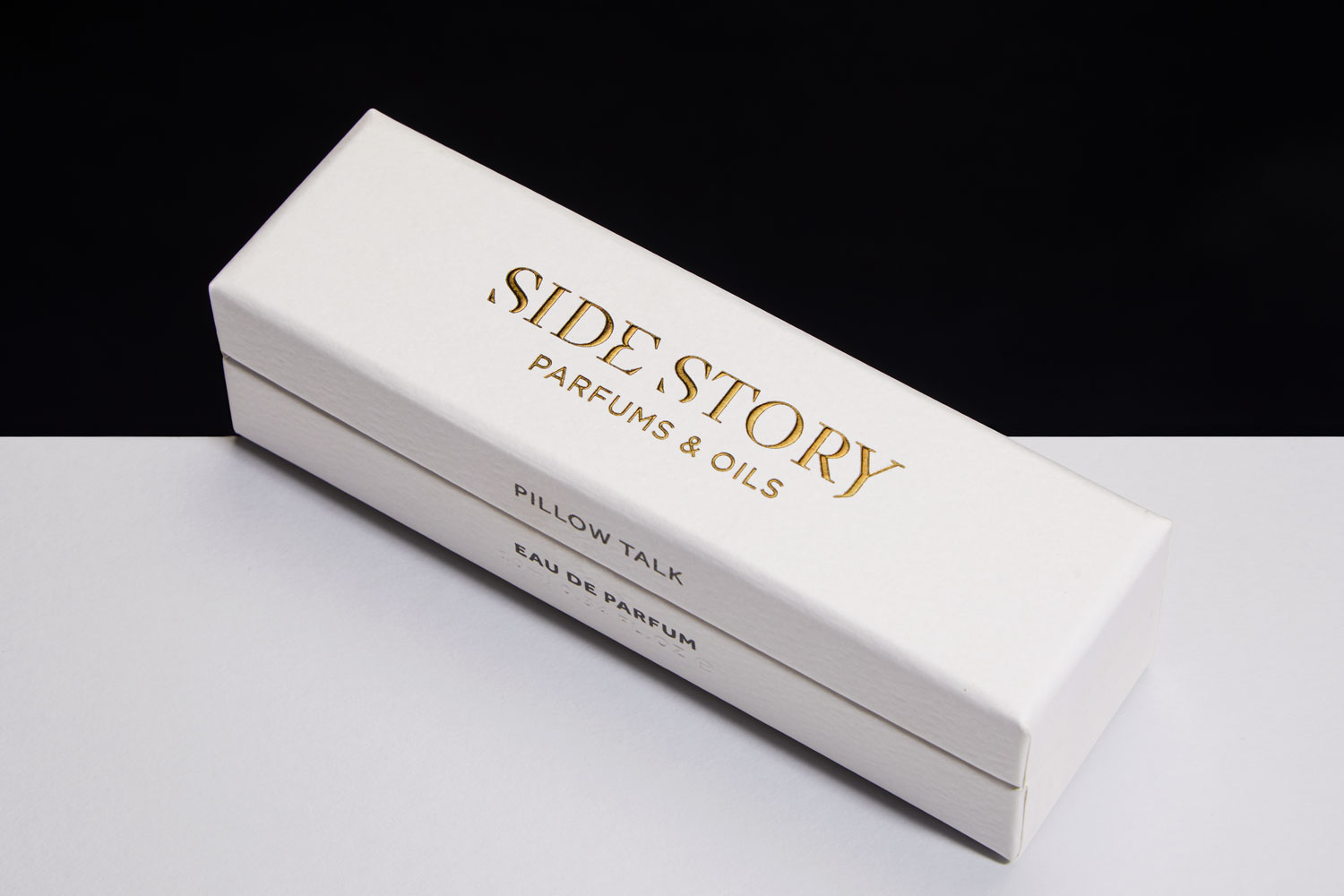
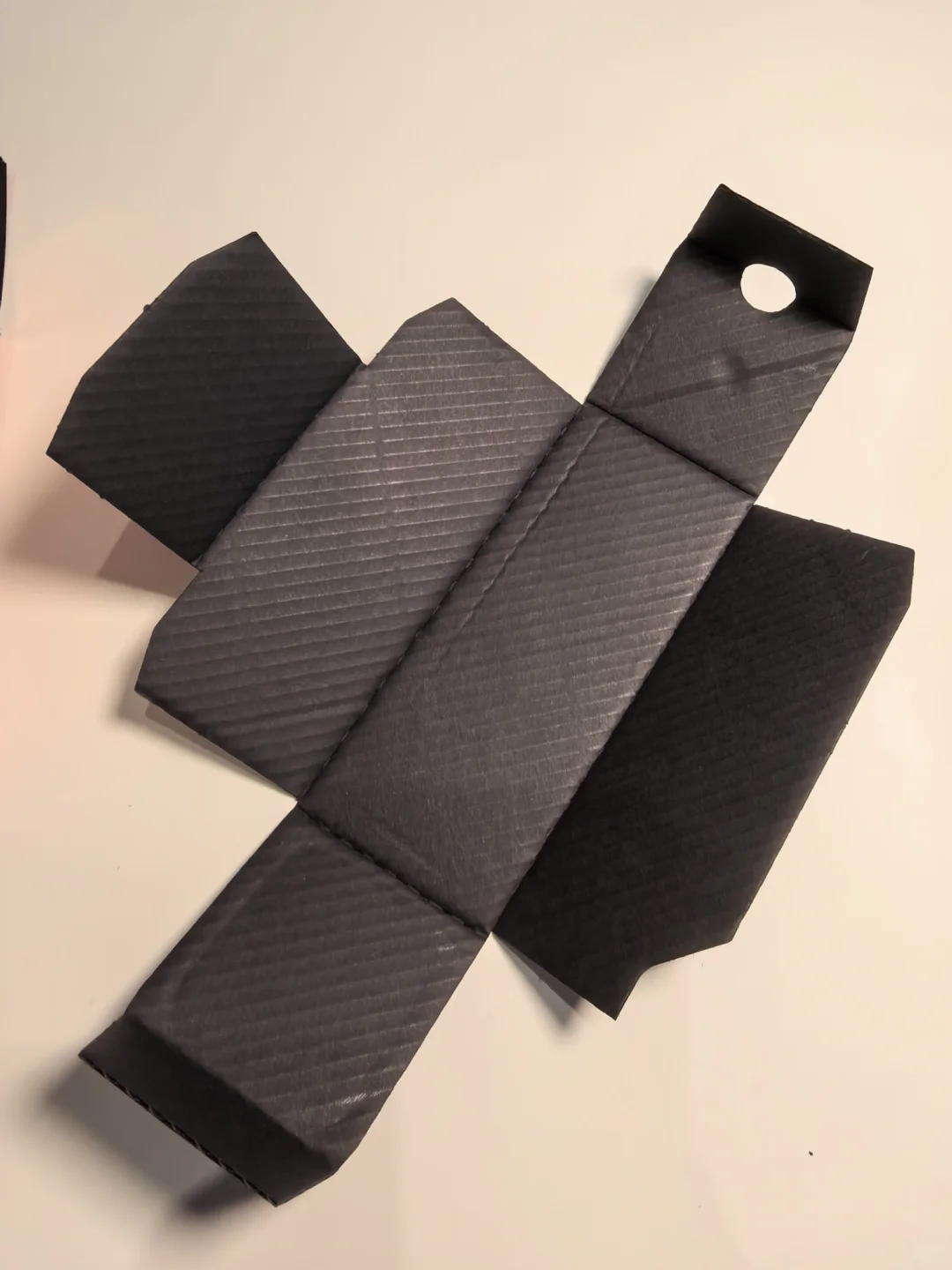
Treat the selected bottle, closure and sprayer as design conditions. Record the usable label area, changes in curvature and intended front view. Do not estimate final label dimensions from a photograph of a similar bottle, or interpret “generic” as meaning that any label will fit. A design extending onto a side, near a corner or across a changing curve needs a trial on the actual bottle.
Separate identity from sourcing. A photograph can show label placement and visual relationships, but cannot prove stock-mould or custom-mould status. Work from the confirmed component records for your project. Check the carton and insert against the actual capped bottle as well; a familiar-looking shape still needs a structural review.
Build an original label language
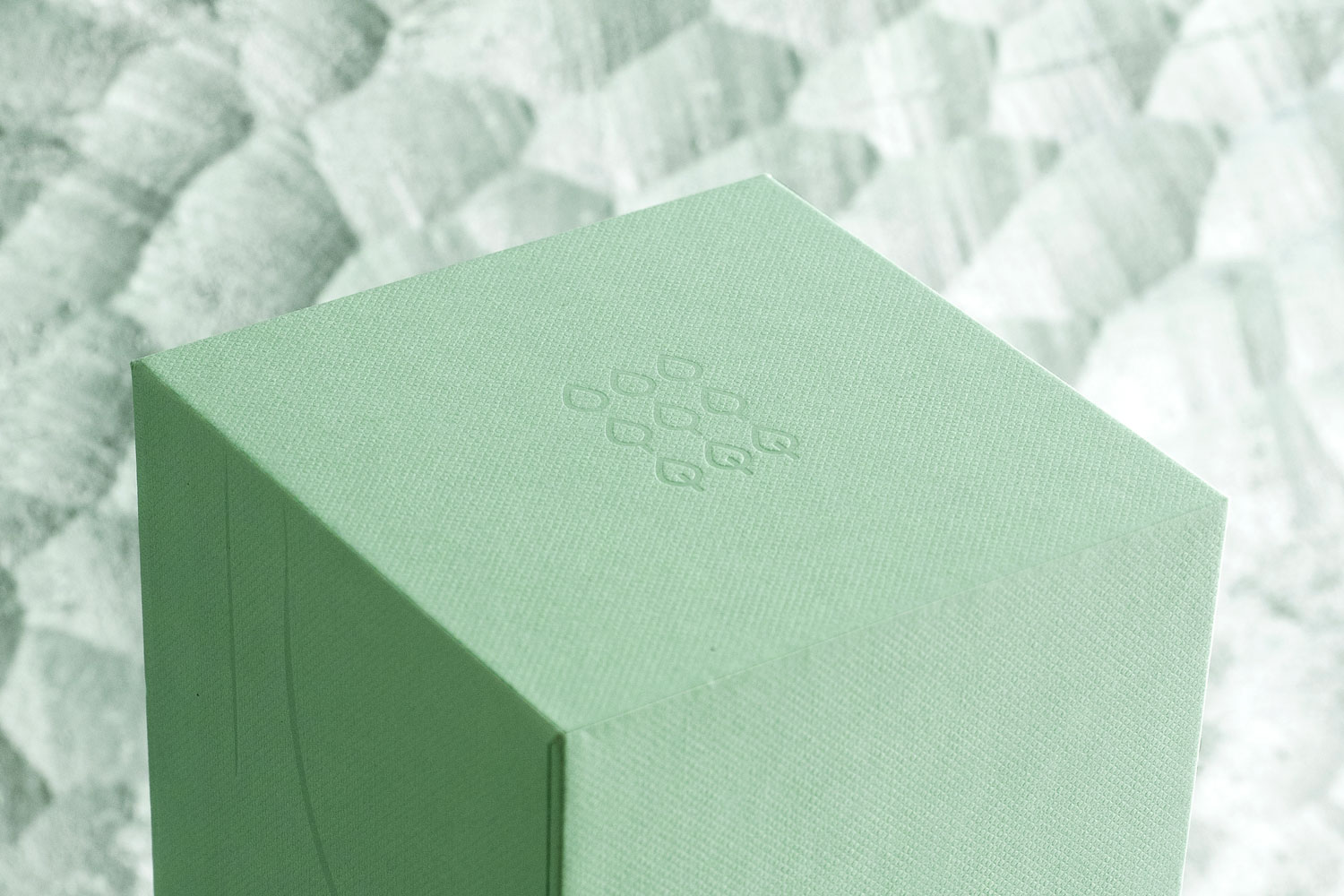
Define what the label needs to make easy to find: brand, scent, size or product form. Typographic roles, grouping, outline, proportions and placement work together. Changing a paper colour alone does not establish an identity. Develop original choices from the brand’s own content rather than borrowing a reference project’s illustration, distinctive outline or wording.
An unusual label shape is neither automatically easier to produce nor clearer to read. Check whether space helps group information, whether long names remain identifiable and whether reflections or turning the curved bottle make text difficult to follow. Treat texture and decoration as proposals to confirm, rather than naming a stock or process from a photograph.
Organize information before adding complexity
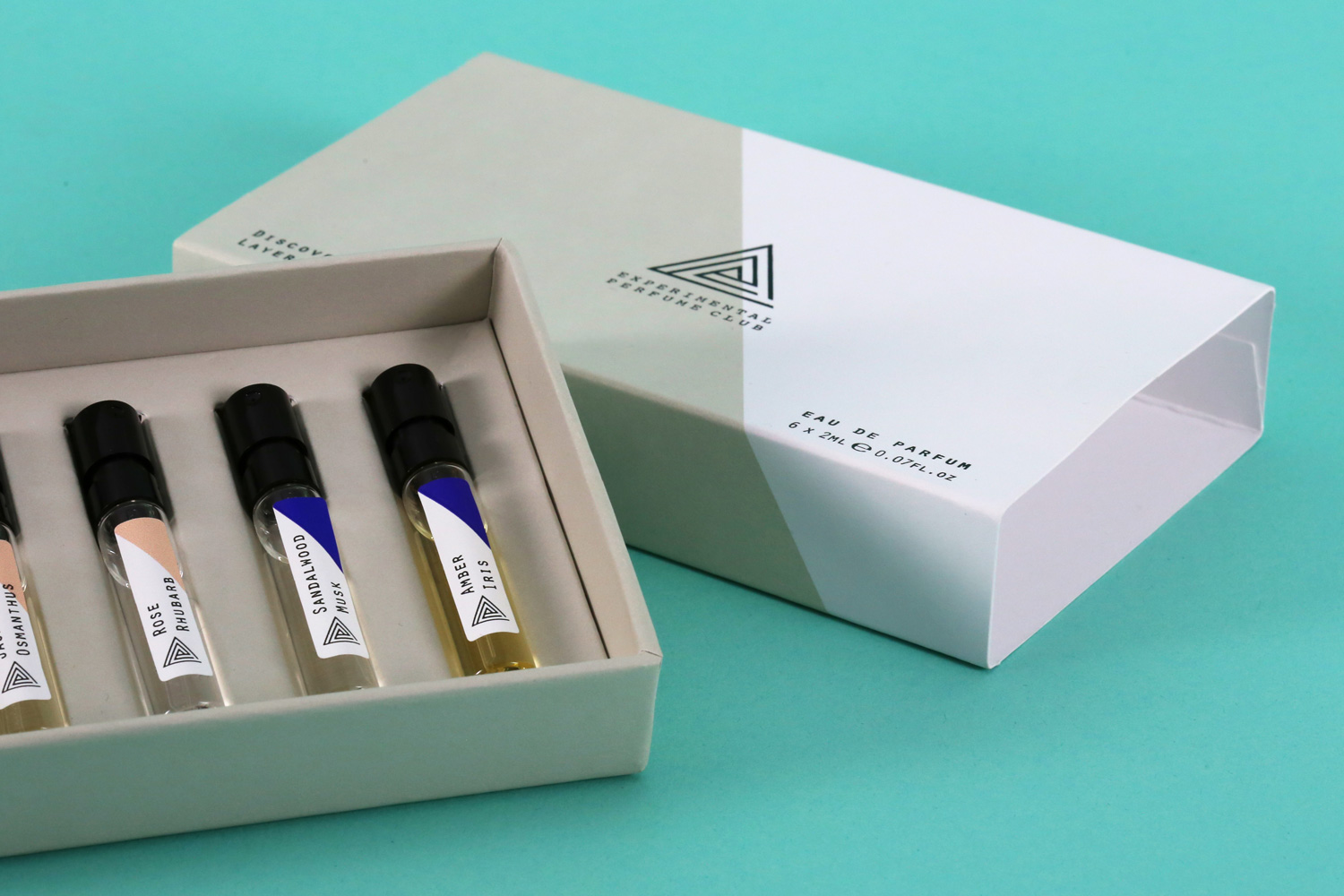
List the full approved content, then distinguish immediate identification from detailed information intended for closer reading. If the label feels crowded, review grouping, placement and the roles of separate components before shrinking the text further. The responsible party should confirm what must accompany the bottle or packaging for the actual product and market. A layout decision cannot authorize deleting or relocating that content.
A multilayer label may be a candidate, but it is not an automatic solution. Review access to the information, opening and reclosing, fit and intended use with the supplier and relevant samples. Promotional claims of compliance or universal suitability do not constitute verification. Editable template fields likewise do not confirm dimensions, colour or brand relationships.
Coordinate the box without duplicating every detail
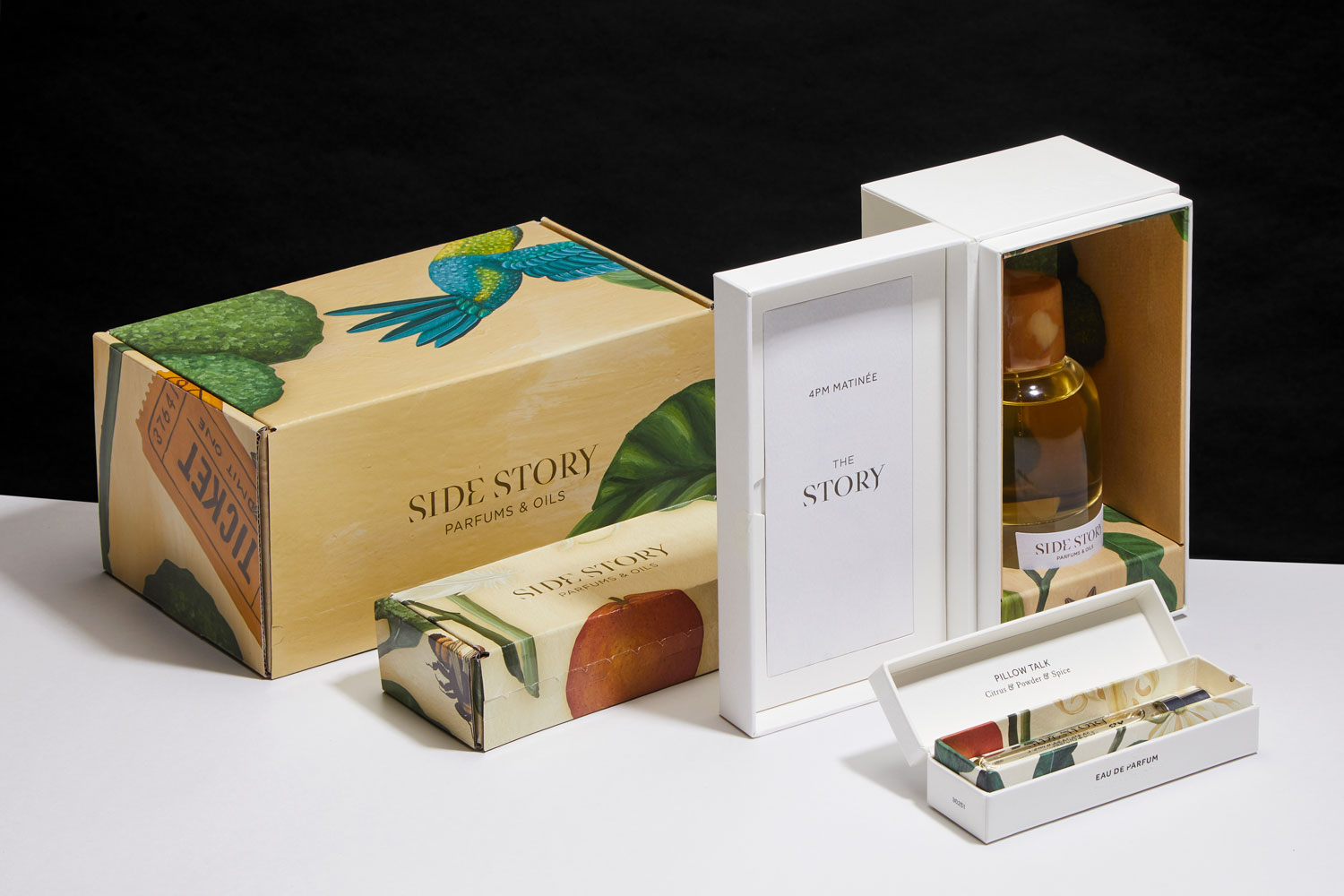
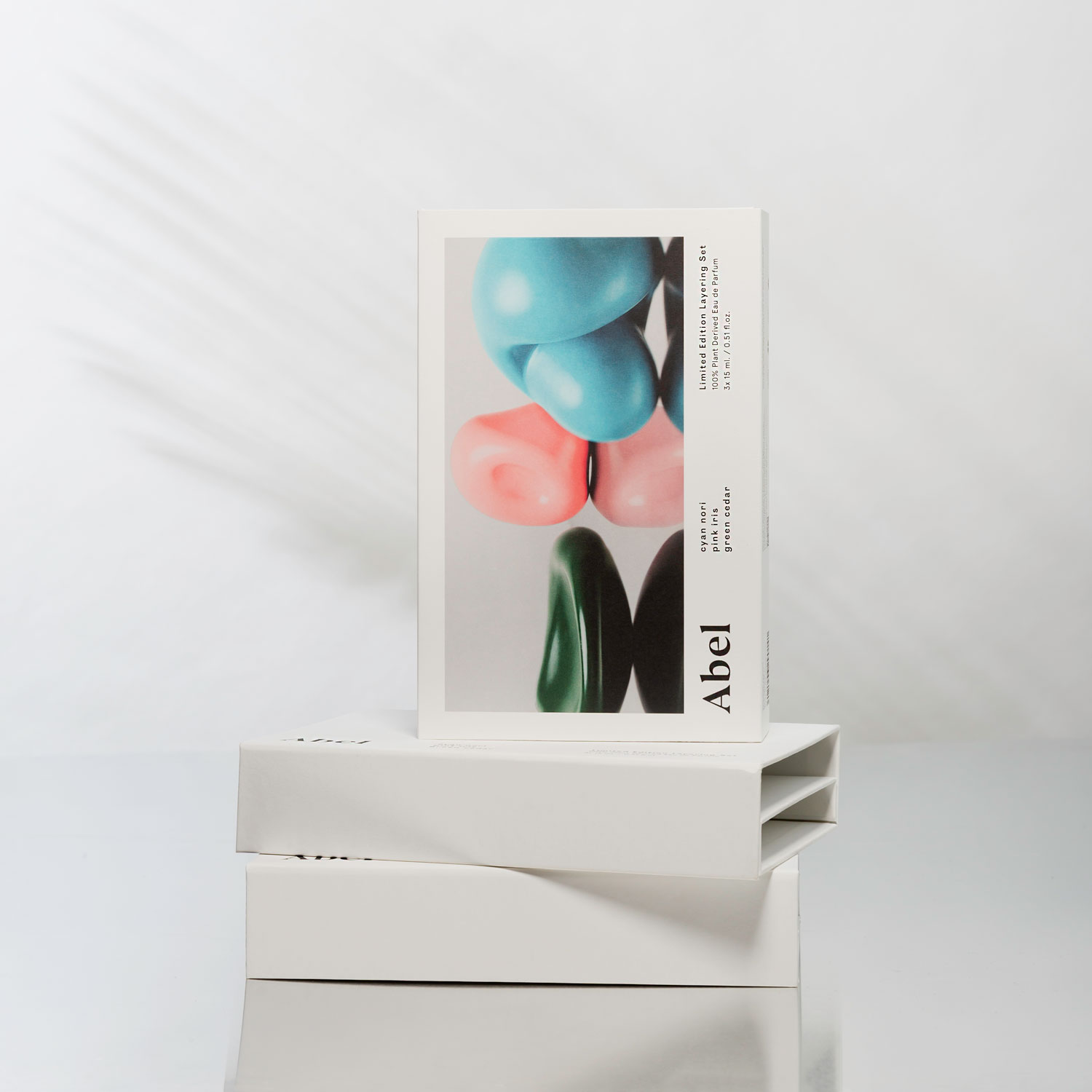
The label and carton can share a mark, naming hierarchy, graphic language or alignment relationship. A larger carton may develop the story or offer a different reading rhythm while retaining the correct name and specification. A restrained label with an illustrated outer pack is one possible arrangement, rather than a mandatory division of roles. Confirm the actual content assigned to each component.
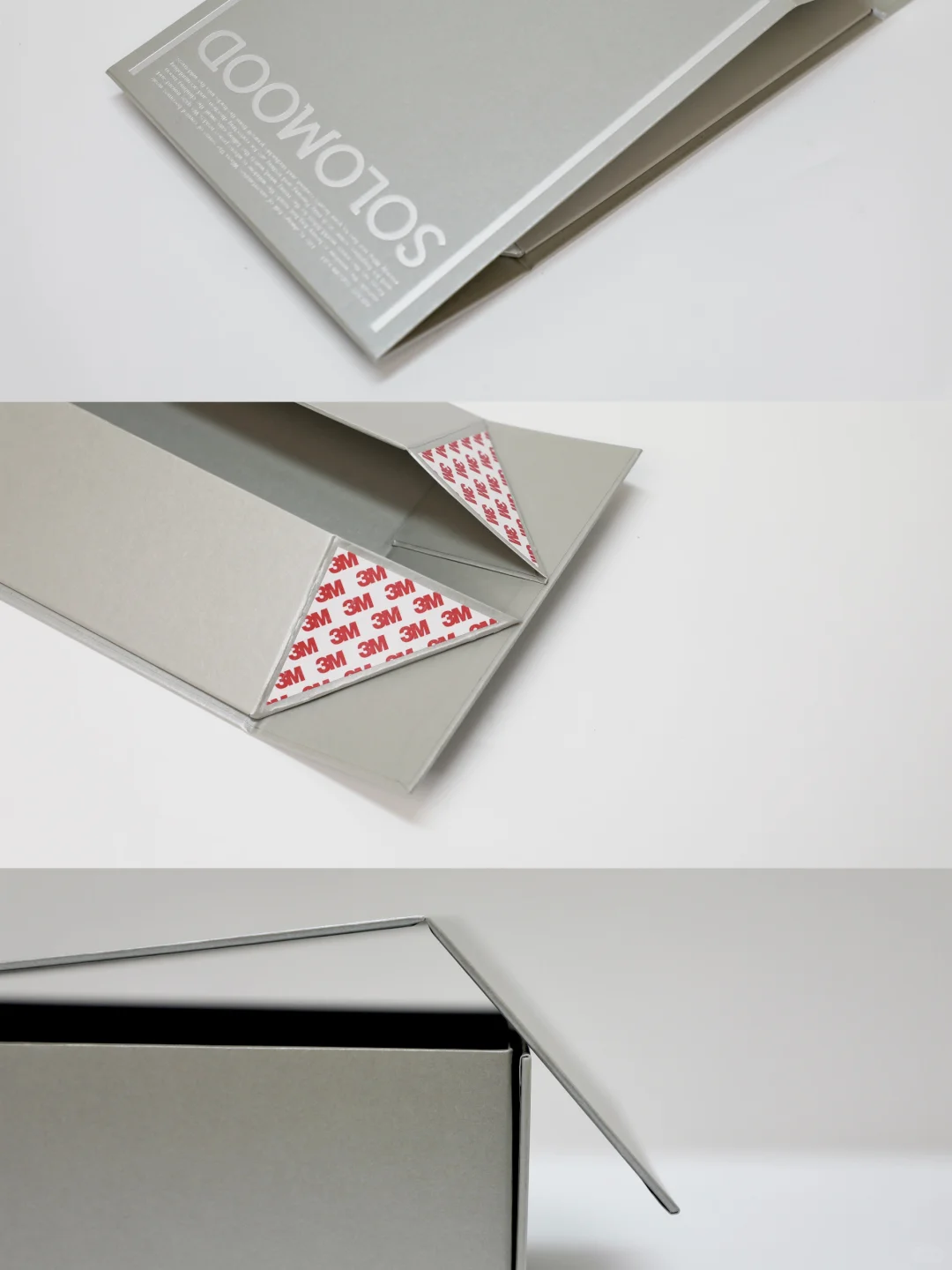
Return flat artwork to the formed box and check the relationship between the name, front face, opening view and actual bottle. Visual coordination does not establish fit, insert retention or protection; these require their own review. A photograph without a bottle supports discussion of the outer pack only, not assumptions about the missing bottle or its source.
Map scent, size and components by SKU
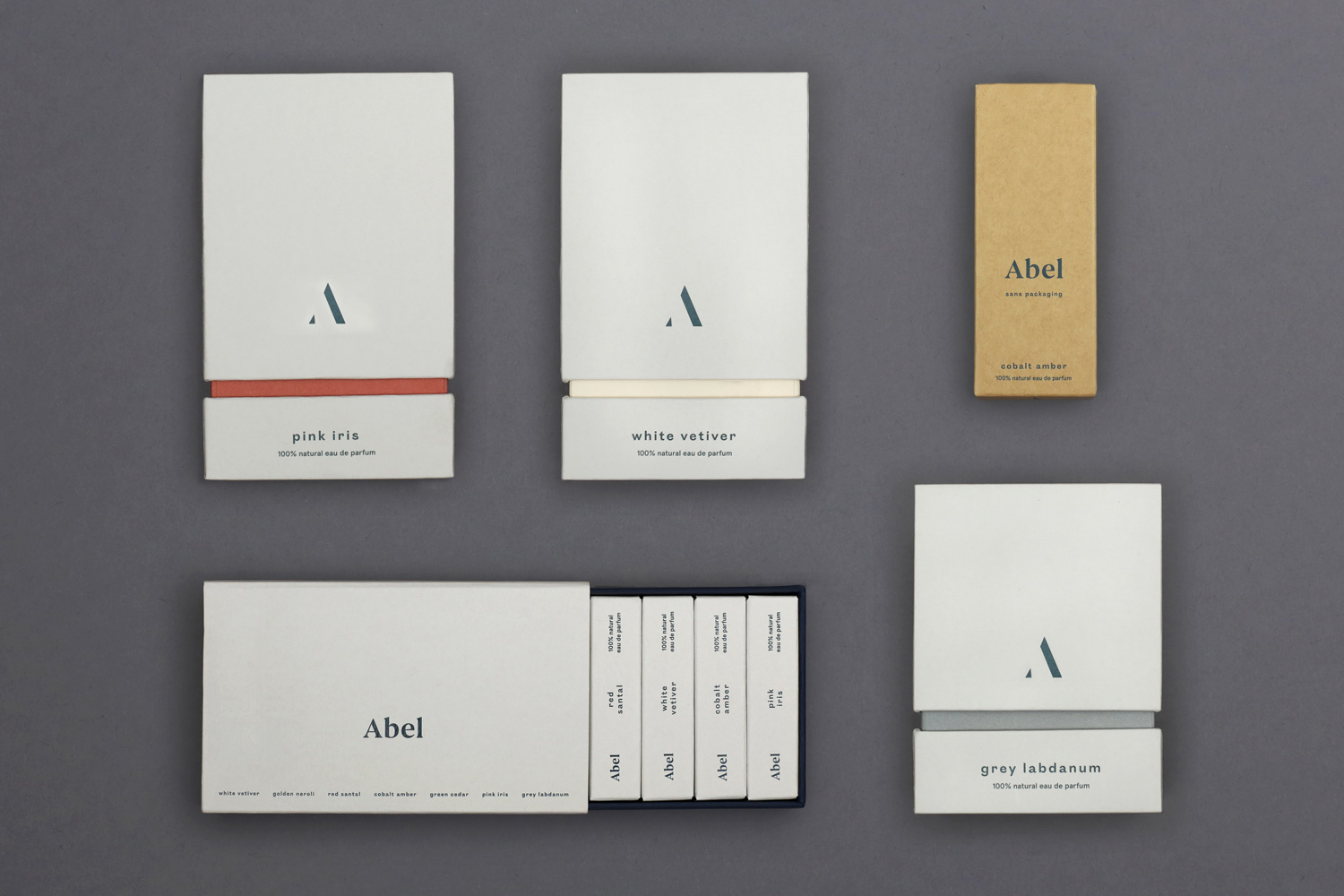
Keep a stable SKU record linking approved names, sizes, languages and file revisions across the bottle label, carton and any accompanying components. Colour or a code can support differentiation but should not replace a clear scent name. Similar bottles or coordinated surfaces do not establish the same capacity or set configuration, and placing components together in a photograph is not a pairing record.
Test the longest and shortest names, languages and specifications on both the label and narrow carton faces. Do not simply reduce a large label for a smaller bottle or leave an old capacity on revised carton artwork. Update the mapping when scents are added, sizes change or products are retired, and check for obsolete files in new handovers.
Review samples and record what was approved
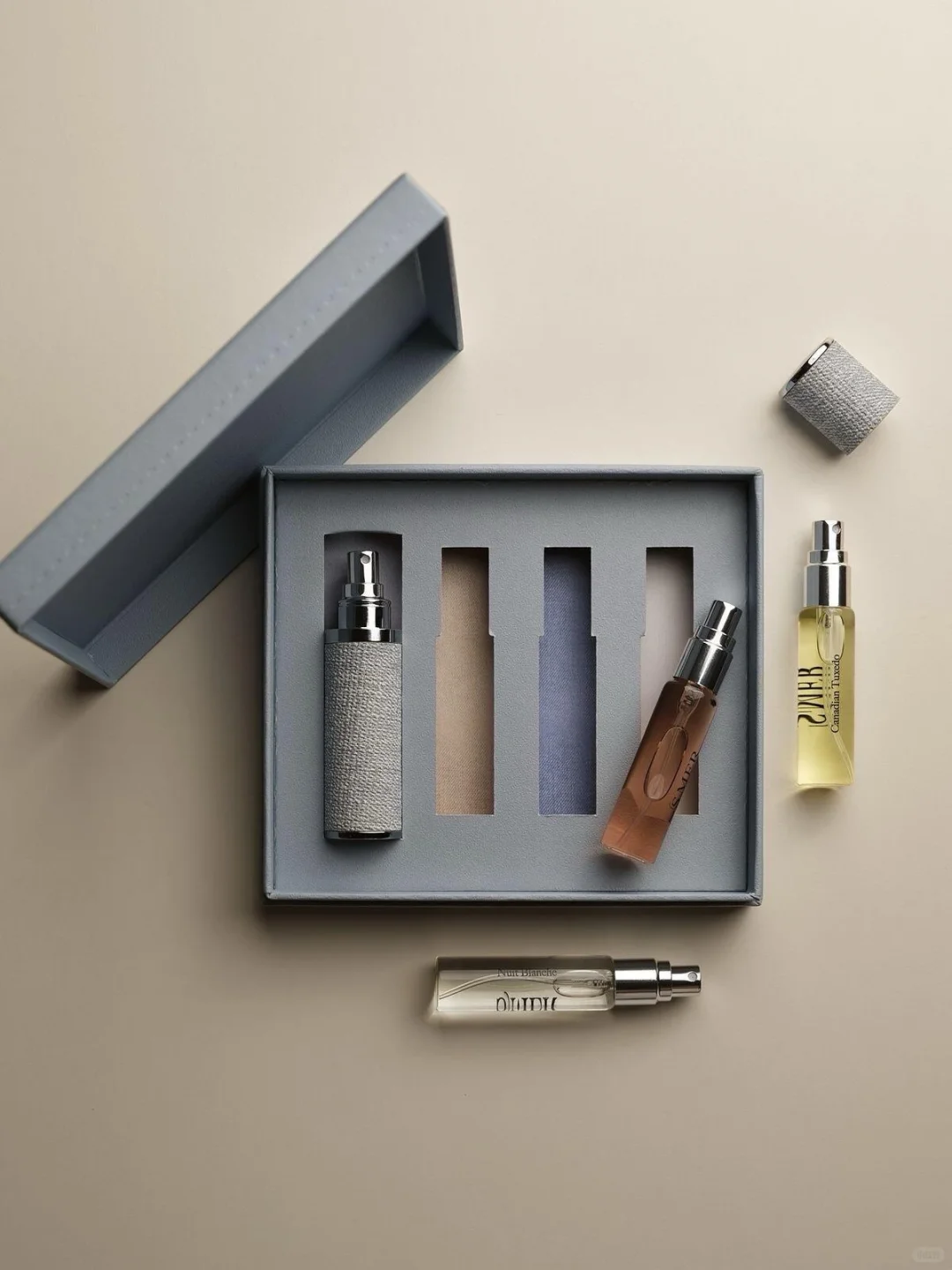
First review text and outlines at actual size, then use a labelled sample on the actual bottle to inspect placement, edges and curved areas. Treat label stock, adhesive, bottle surface and use conditions as items requiring confirmation; a photograph cannot establish durability. Review the carton separately for opening, its relationship to the bottle and the information it presents. One visual approval does not cover every functional question.
Record component revisions, label artwork, sample identifiers, confirmed scope and unresolved items. Recheck affected parts after changes to the bottle, surface, label outline, stock or carton structure. Choosing a stock bottle does not automatically establish minimum quantities, cost or lead time. Base the handover on confirmed specifications and samples rather than another brand’s story.