
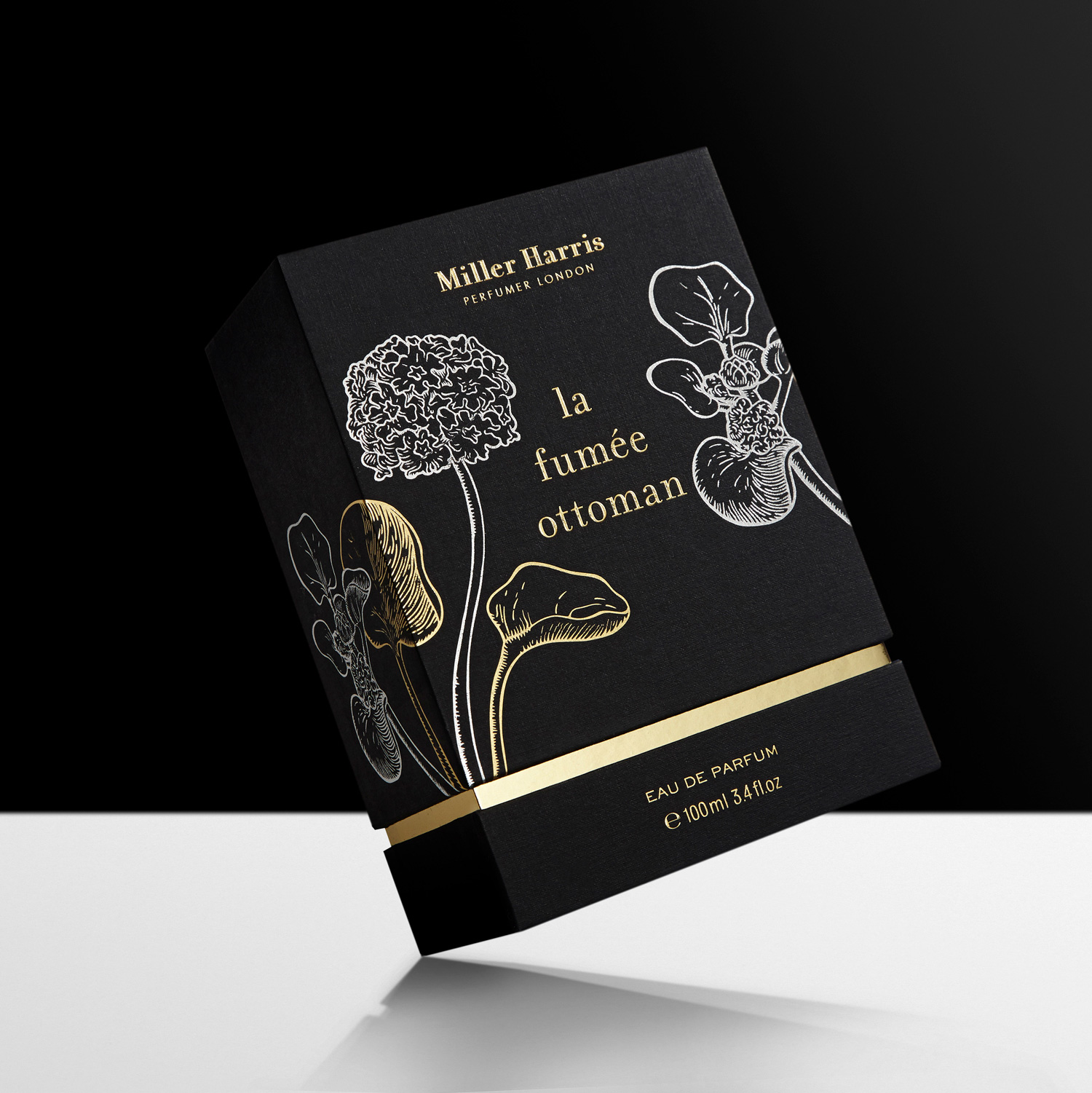
Botanical linework crosses visible adjacent faces of a Miller Harris box. With no matching render supplied, this photograph cannot establish a design-to-production change. Third-party reference; not a Bravo Package project.
A perfume-packaging render brings composition, colour and surface intentions together. A physical sample also introduces actual materials, thickness, seams, assembly and handling. Review differences as specific questions rather than one overall impression. First confirm that the render and sample refer to the same revision and specification, then inspect colour, reflection, surface detail, edges and use. A screen view cannot replace a sample, and an unapproved material or structural change should not be dismissed as a normal presentation difference.
Establish what is being compared
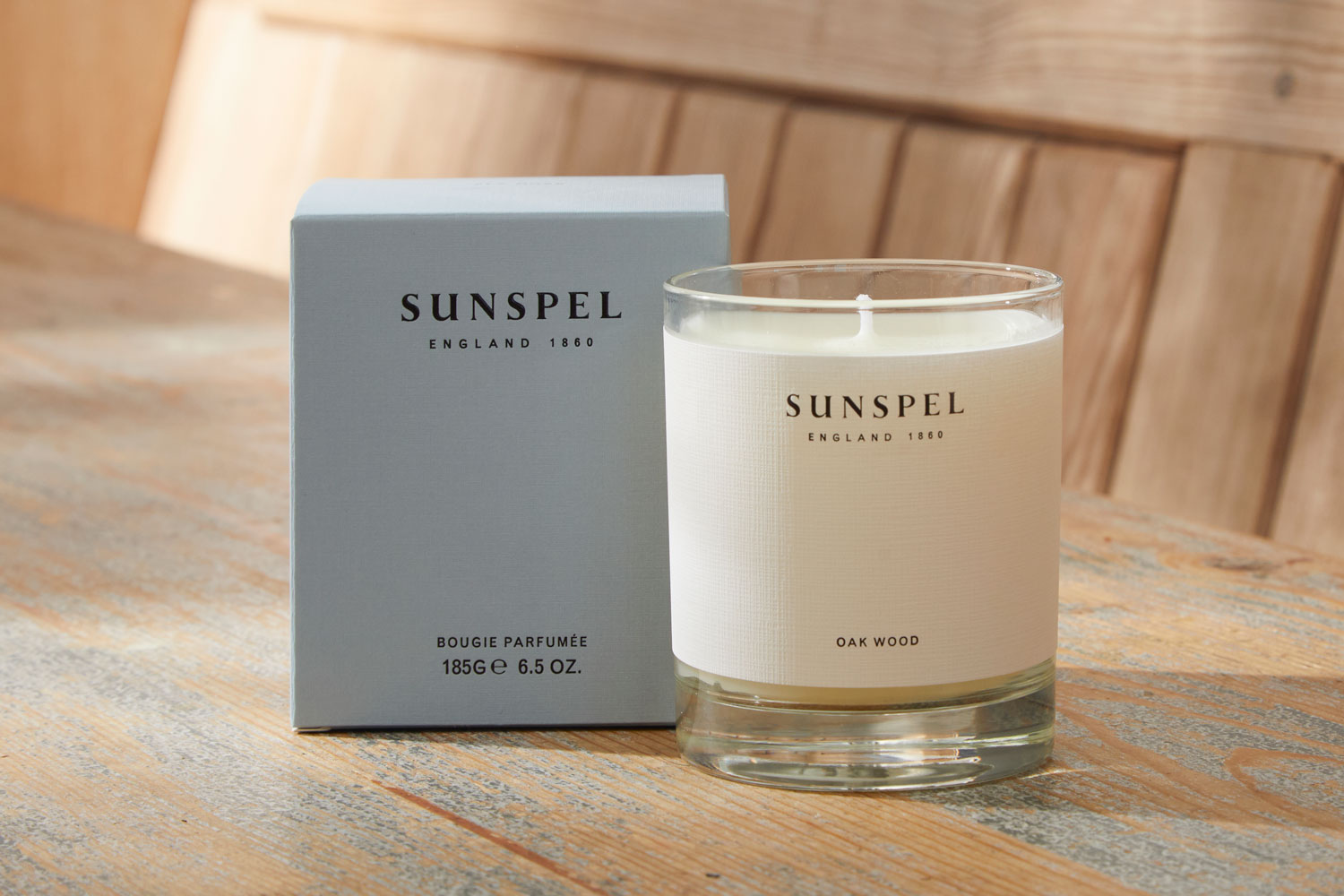
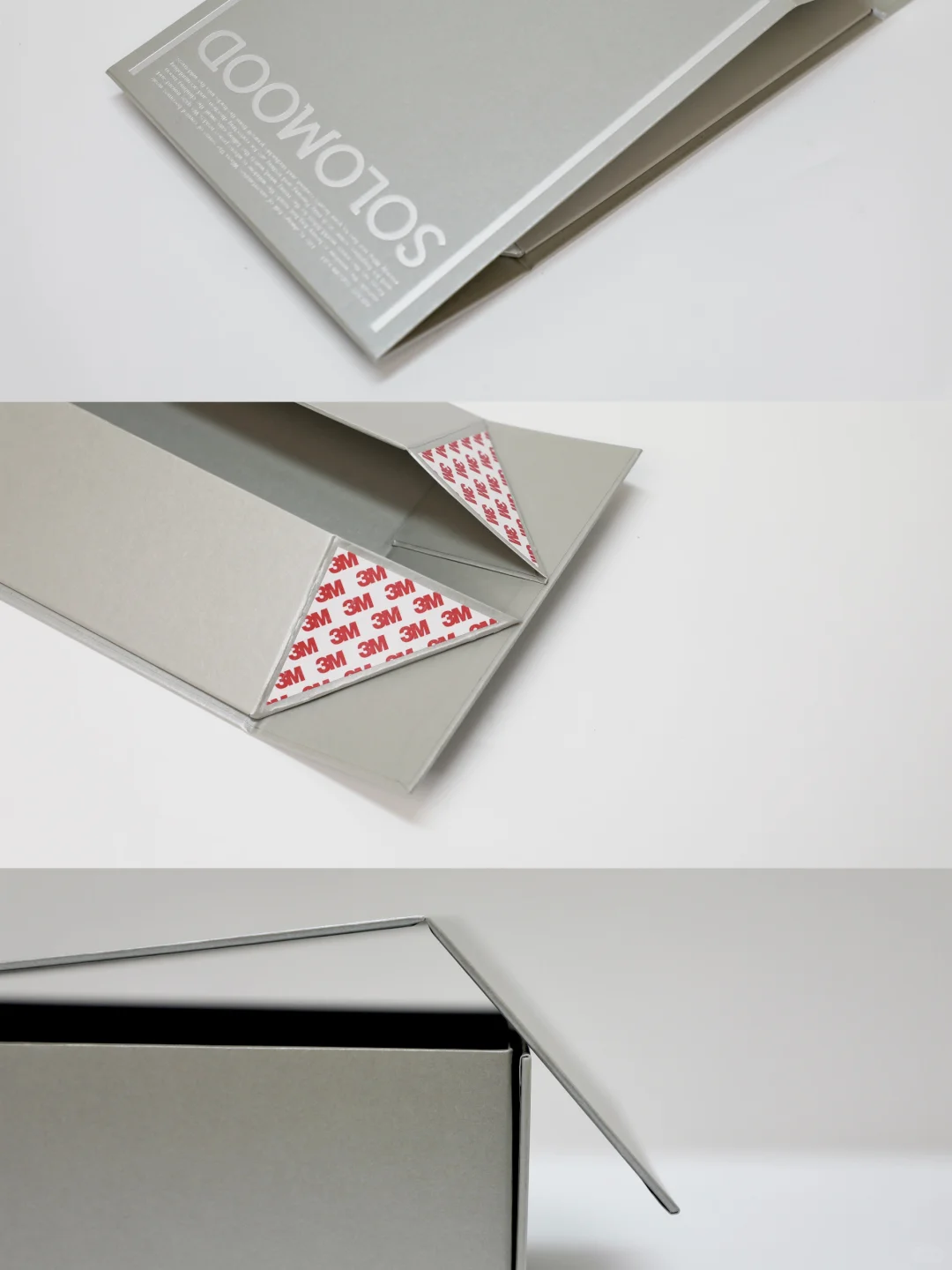
Label the render as a visual intention and connect it to the relevant dieline, artwork and proposed material and process revisions. Record the sample’s actual configuration and purpose separately: structure, colour, surface treatment or full assembly. If the configurations differ, list those differences before describing the result as poor reproduction.
Also distinguish presentation conditions from product changes. Lighting, angle and screens affect appearance, while the photographed bottle, label, box and props need their own identities. The reference photographs here are not controlled render-to-sample pairs. They illustrate visible appearance only and cannot establish a specific manufacturing fault or the cause of a difference.
Review colour and reflection separately
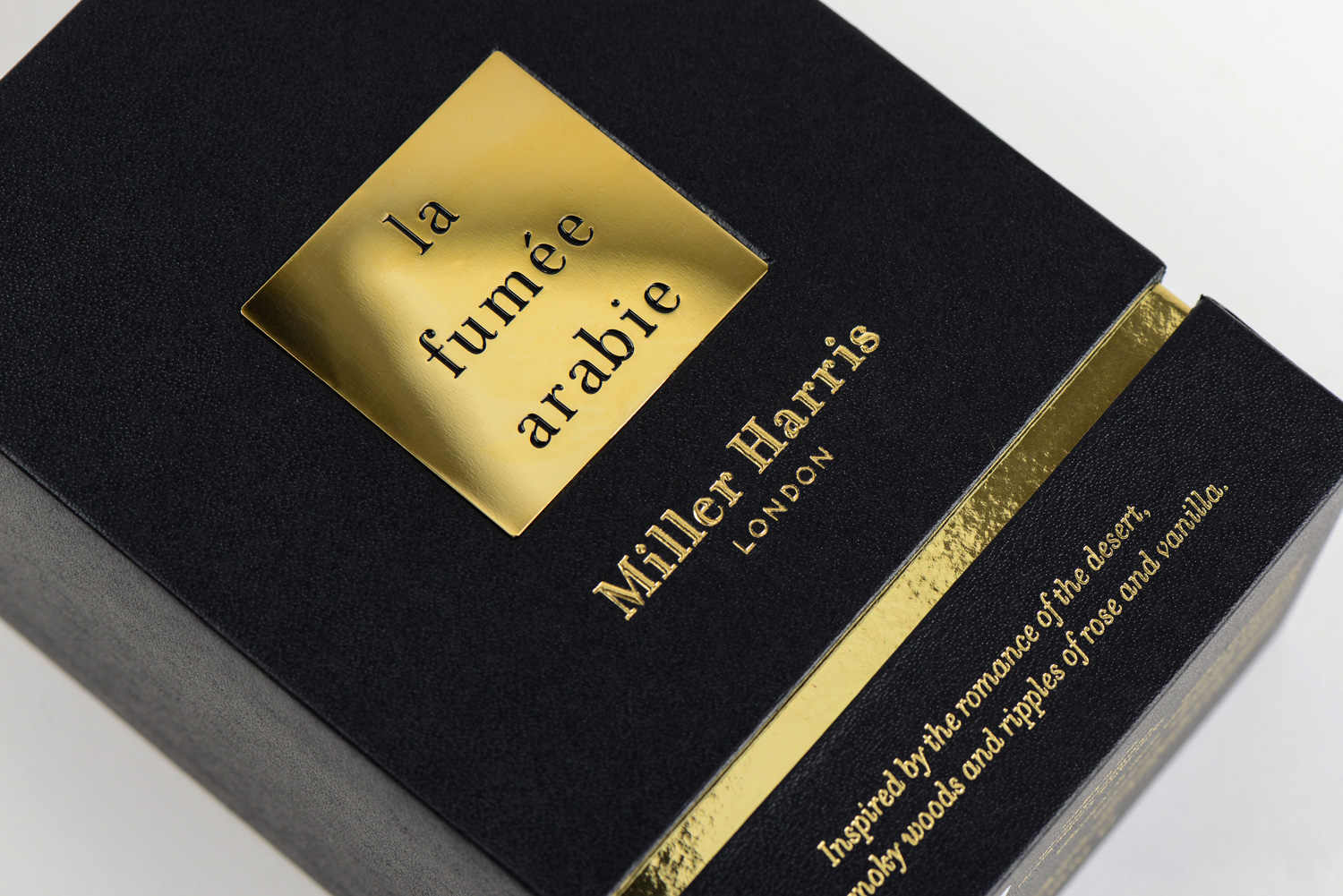
The render’s lighting, background and surface settings affect perceived colour. Photography and screens introduce further changes in lightness and contrast. Bring physical colour decisions back to the agreed reference and stated viewing conditions rather than approving an object from a screen value alone. Record the face, location and conditions associated with a visible difference.
Metallic-looking, glossy or locally reflective areas change as the pack turns. Greater brightness is not automatically an improvement. Turn the physical sample to see whether reflections interfere with the name or small text and whether the intended decoration remains recognizable. A photograph does not identify a process, and no universal colour-difference threshold is assumed here.
Inspect texture, fine lines and small text
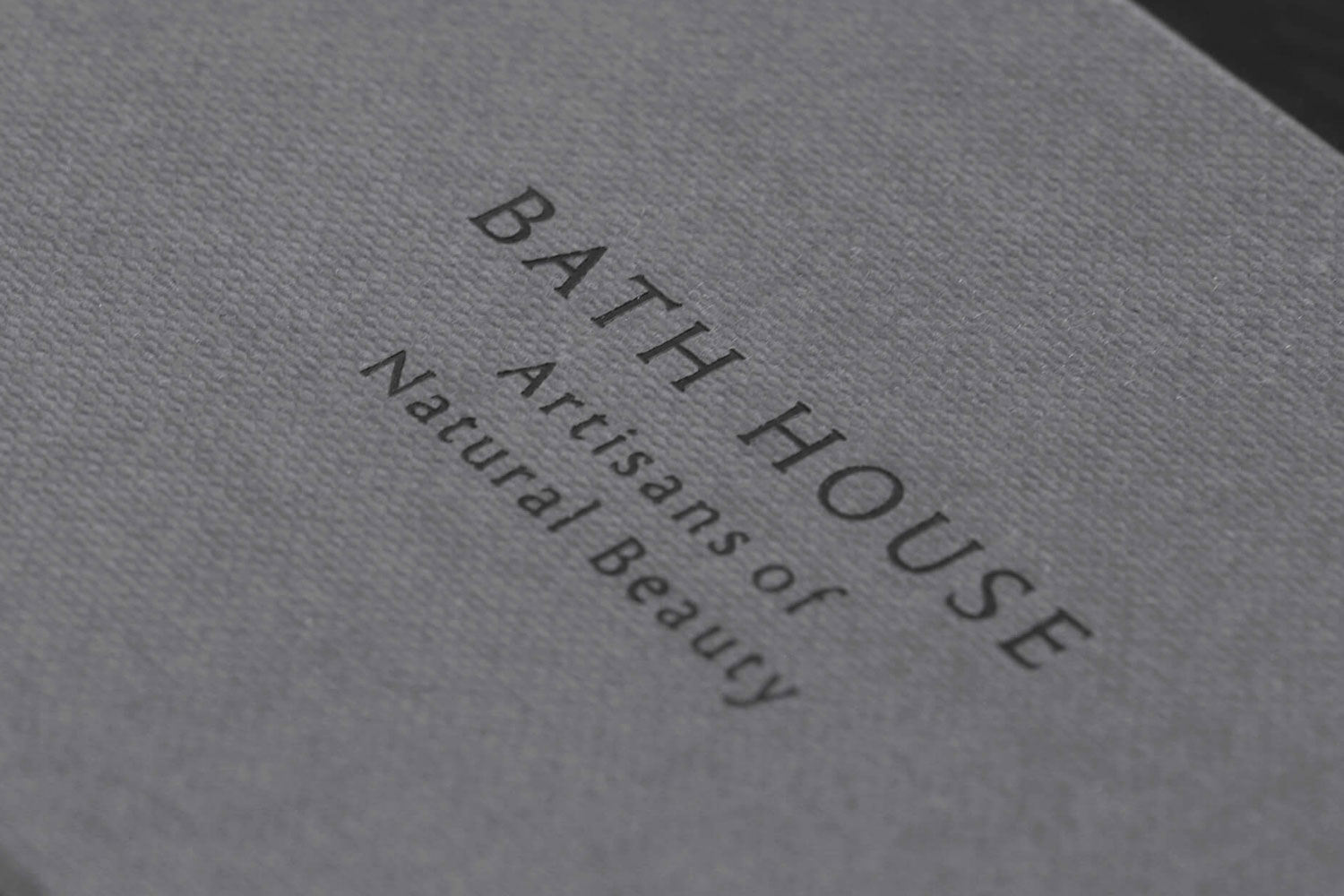
A rendered texture or relief is a surface representation, not proof of the material, feel or depth that will be produced. Identify the actual stock and surface samples separately. A different feel can prompt investigation, but touch alone cannot establish material identity. Review broad colour areas, fine lines and small lettering on the relevant material and process sample.
Text that looks clear when enlarged on screen may be difficult at actual size. Rough-looking surfaces, pale lettering and reflective decoration each need a specific check. Avoid treating a quoted point size, relief depth or ratio as a general standard. Record the area requiring artwork adjustment or another sample instead of asking only for more texture or stronger decoration.
Inspect thickness, seams and assembly
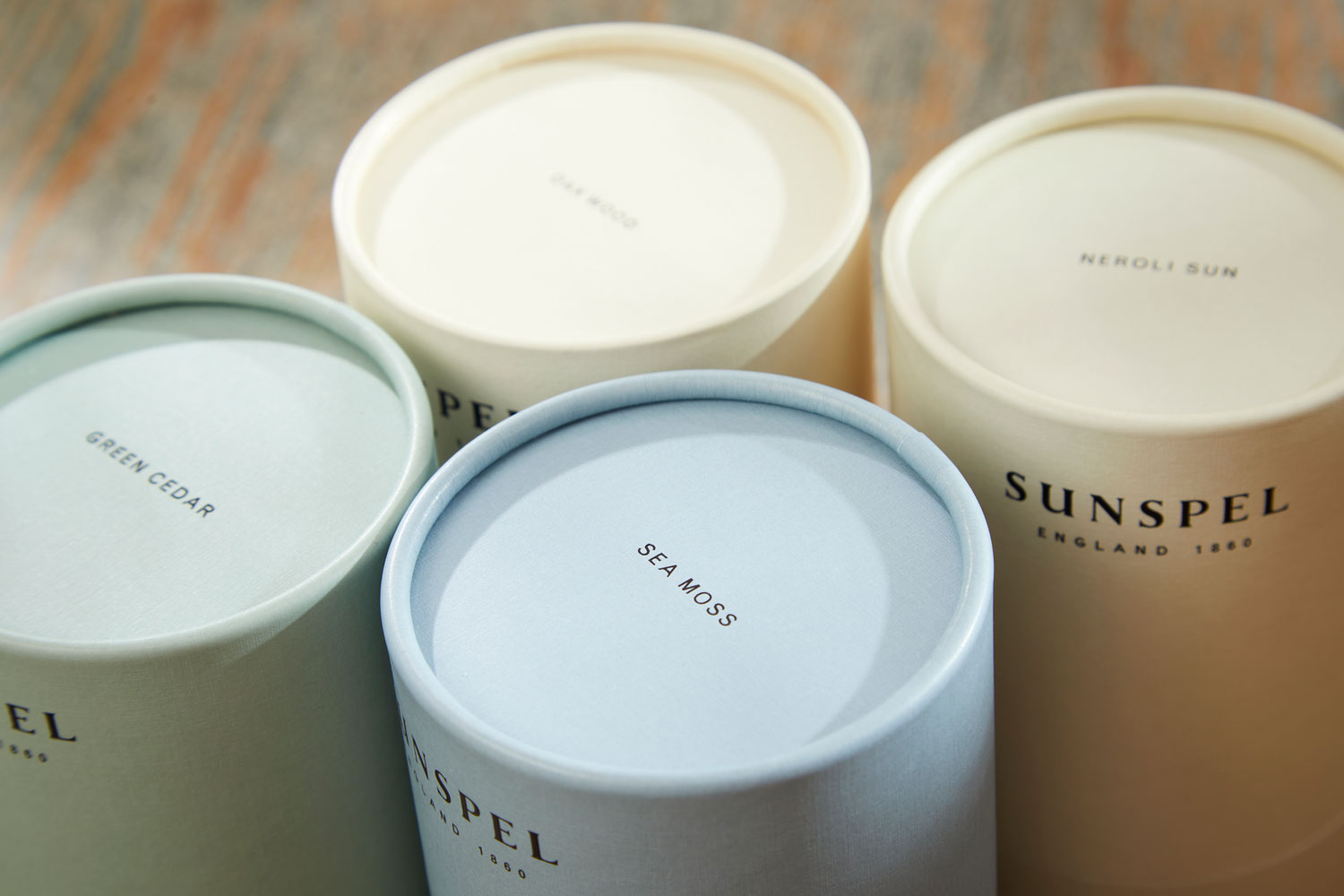
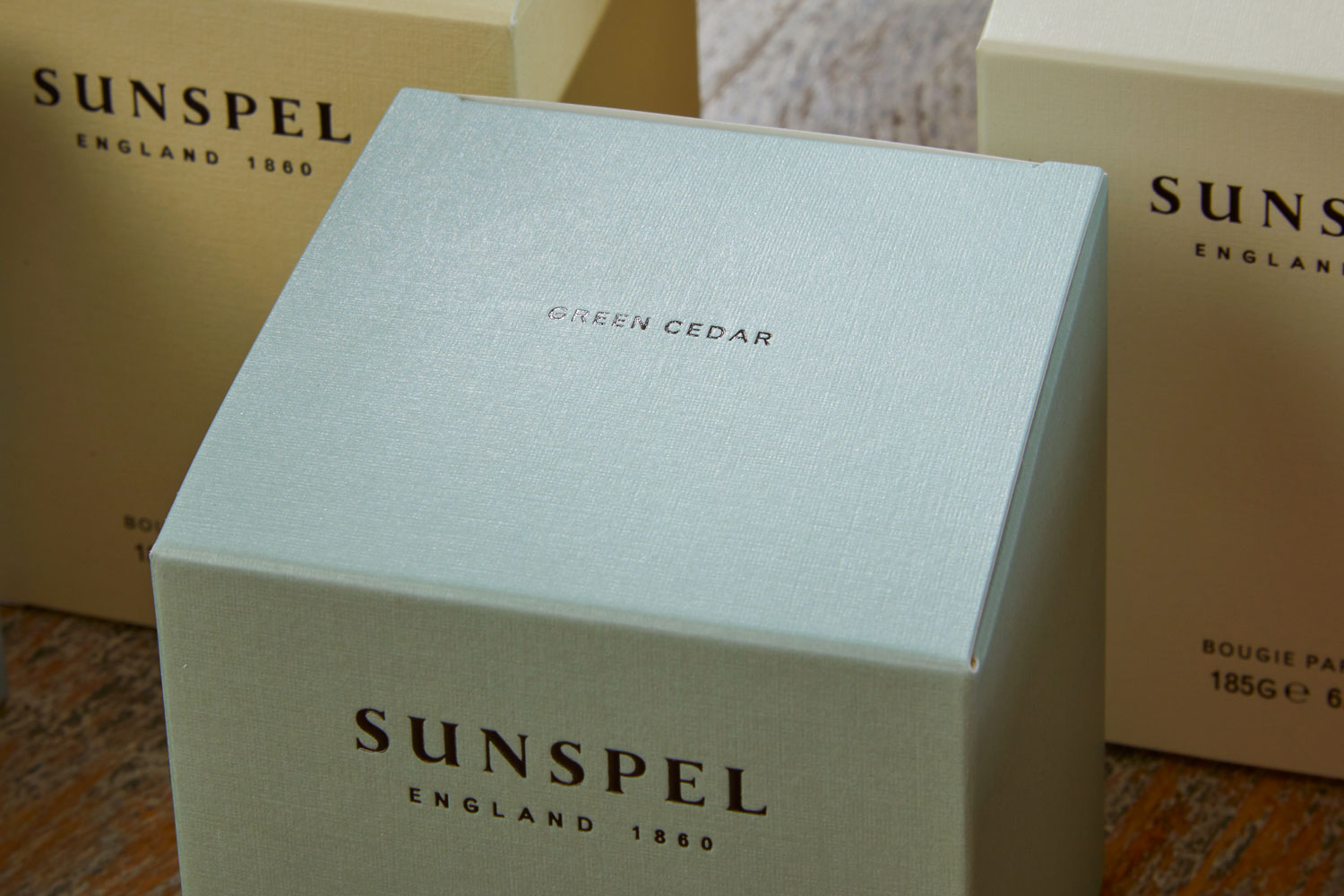
A render may understate edge thickness, wrapped corners, joins or spaces between components. These areas affect the physical appearance and what remains visible, so review them with the structural drawing and actual material configuration. Locate the issue on a named lid, base, sleeve, insert or other component rather than inferring an internal construction from a photograph.
Folding and assembly can change the relationship between graphics, small text and panels. Inspect the formed sample closed, turned and opened; alignment on a flat layout does not establish a seamless assembled result. Without project-specific requirements, do not invent a tolerance or assume that a visible gap is automatically acceptable.
Test actual opening and product removal
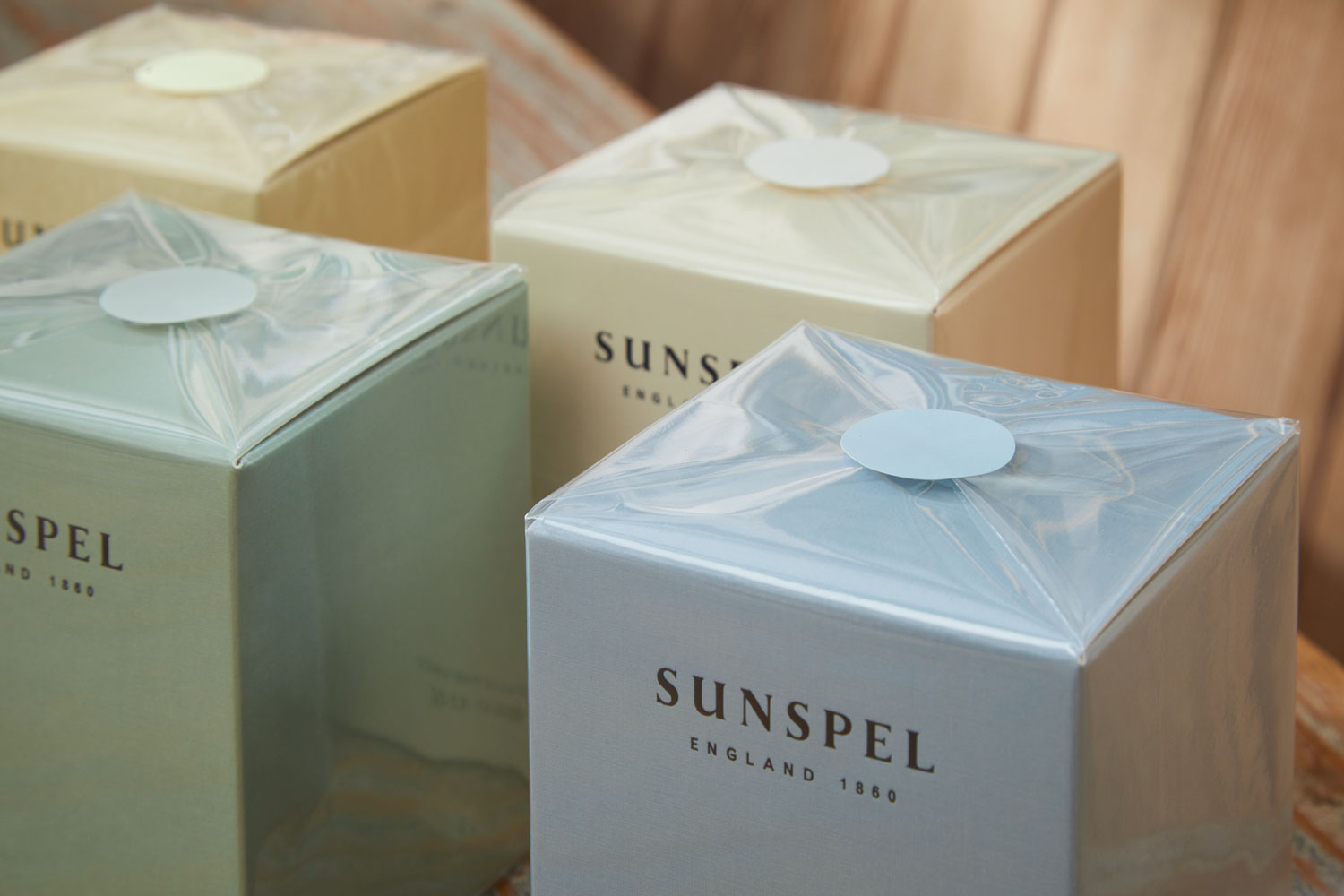
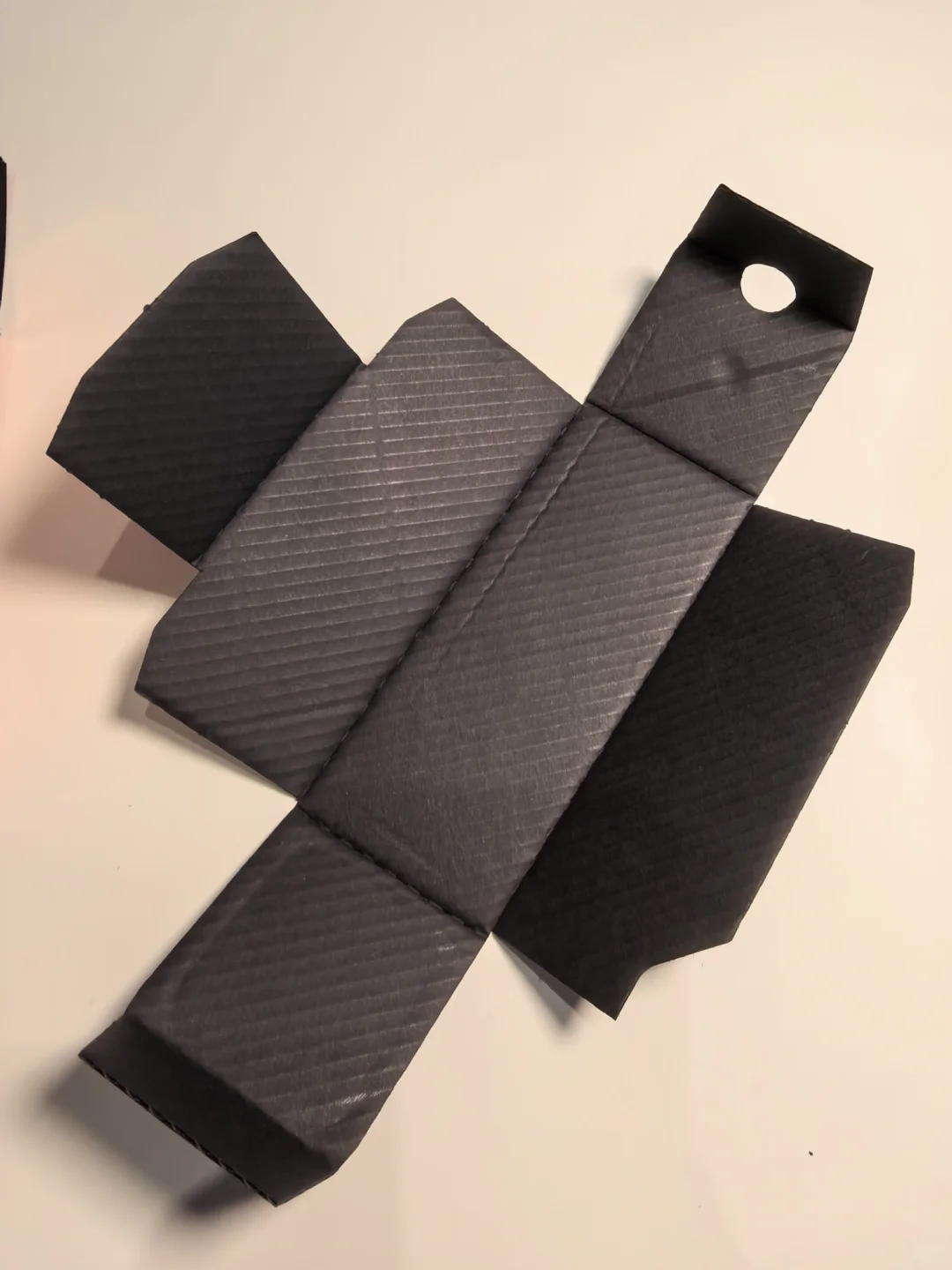
Place the actual bottle, closure and accompanying pieces in the relevant sample and check opening, removal, replacement and closing. Finger access, cap obstruction, card position and insert contact may be absent from the render. Do not review an empty box alone, or treat a light shake or single fold as validation of transport, durability or protection.
Keep visual and functional review records separate. A physical sample can reveal name orientation, the first opening view and product identification. Questions about protection, endurance or use conditions need an appropriate validation method and defined scope. A successful trial fit does not establish compatibility with every future bottle or remove the need to review production changes.
Separate presentation differences from unapproved changes
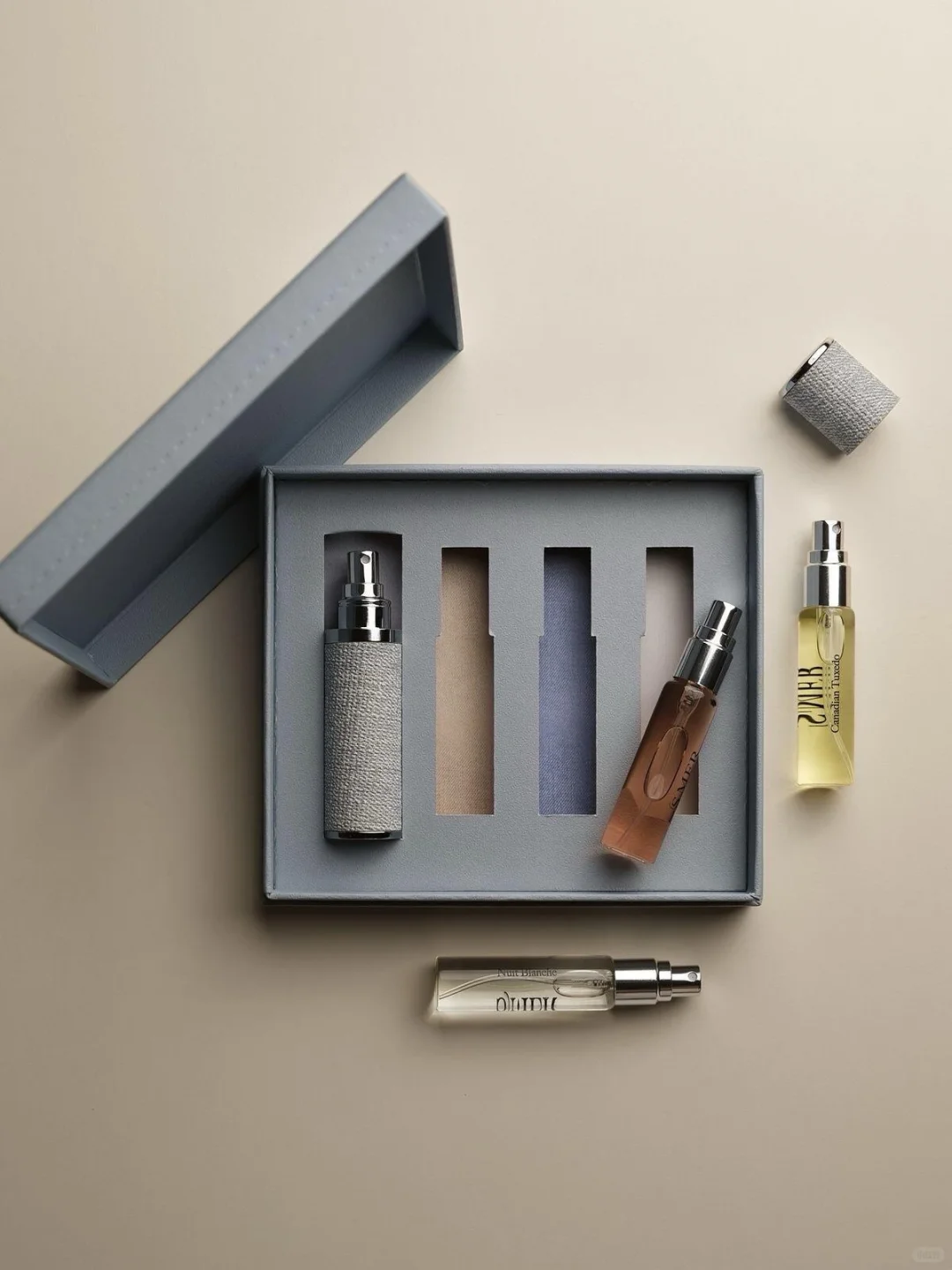
Check whether the sample’s actual materials, processes, structure and files match the approved configuration. A substituted stock, revised structure or different artwork version is a change to record and review; it cannot be explained away merely by saying that screens and objects look different. Comparison photographs can locate an issue, but configuration records, sample identities and approvals are still necessary.
Archive the render, adopted production files, sample identifier, configuration list, viewing conditions, approved scope and open items. Revisit affected areas after a revision and record who confirmed what. Renders communicate a direction; samples confirm particular questions. Neither stage automatically guarantees continuing production consistency, absence of disagreement or a fixed lead time.