
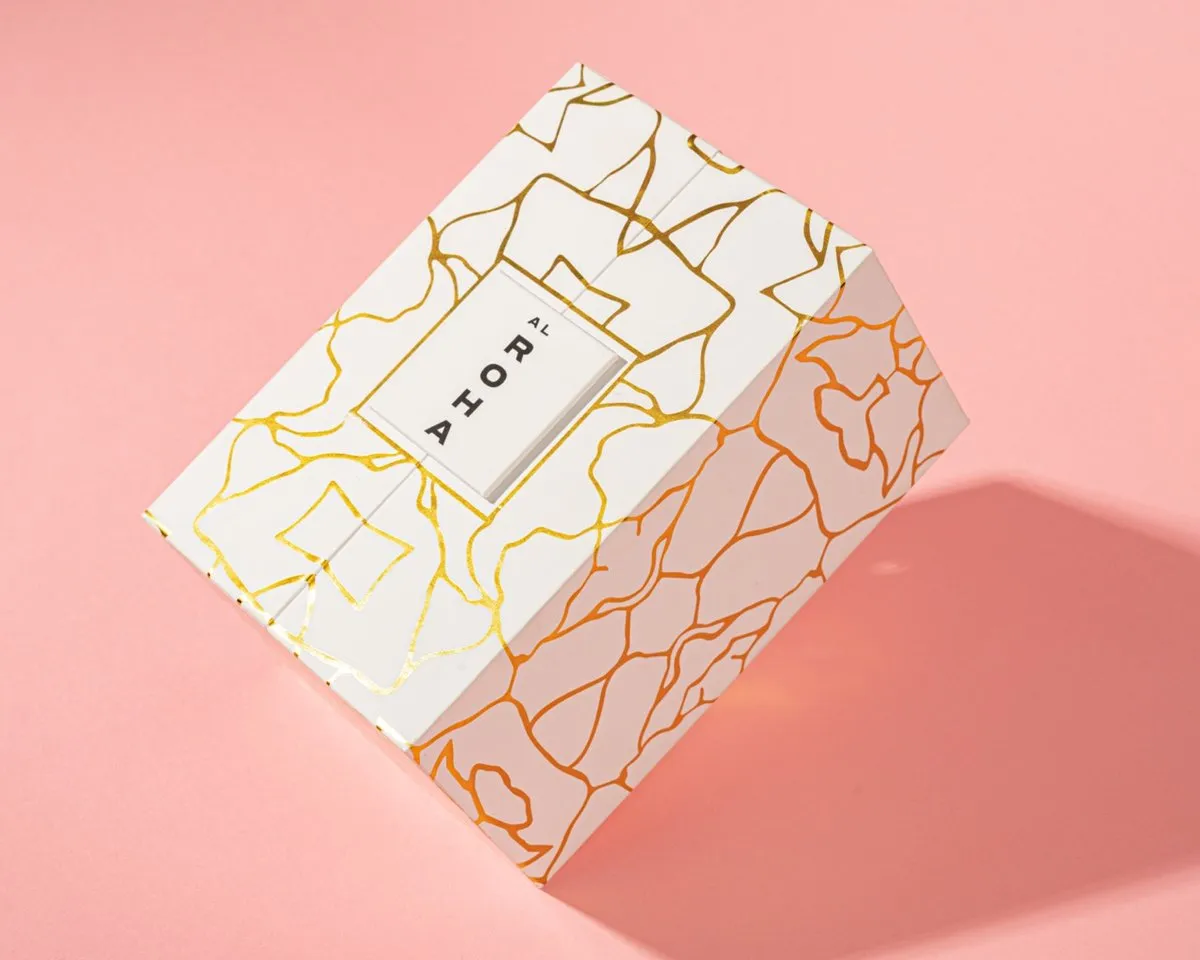
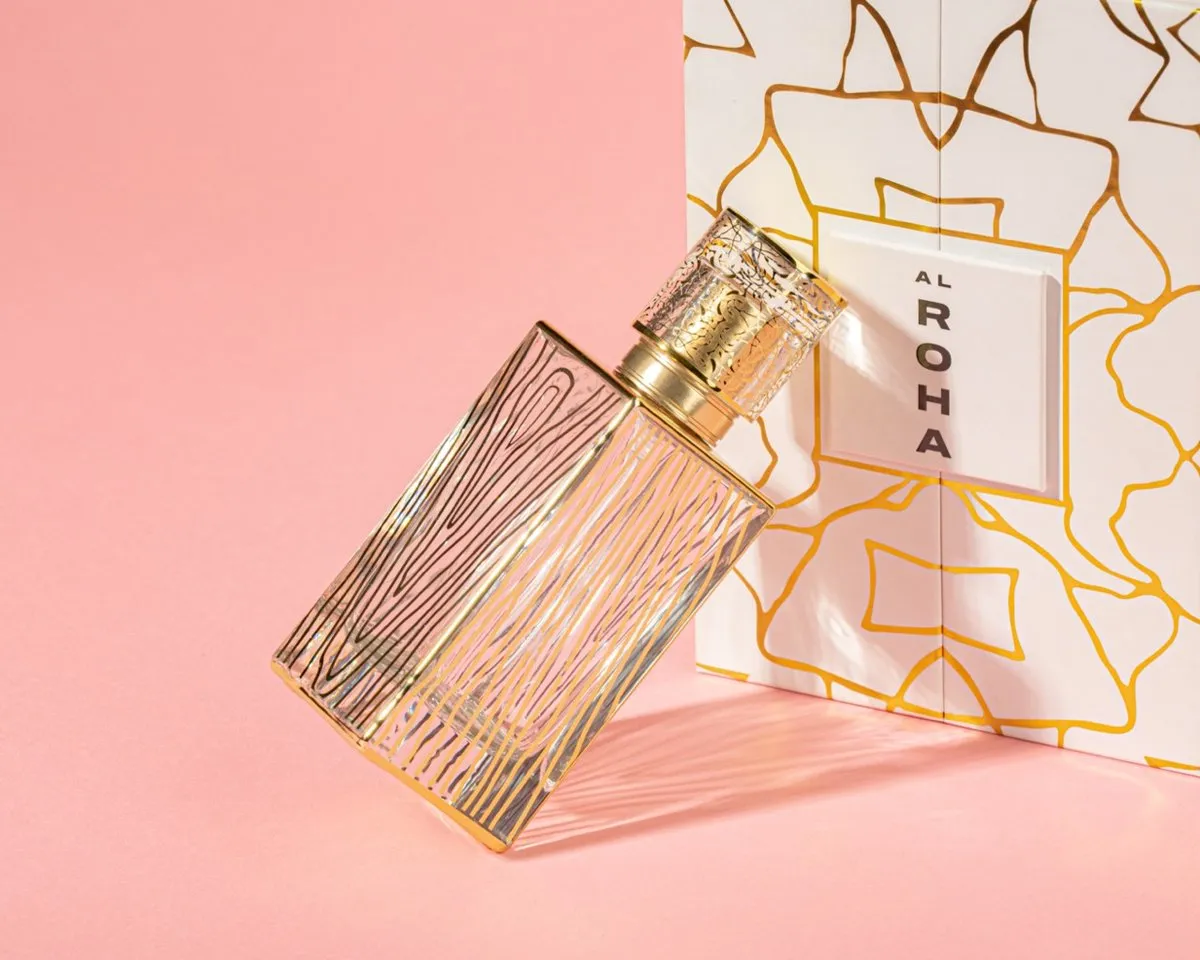
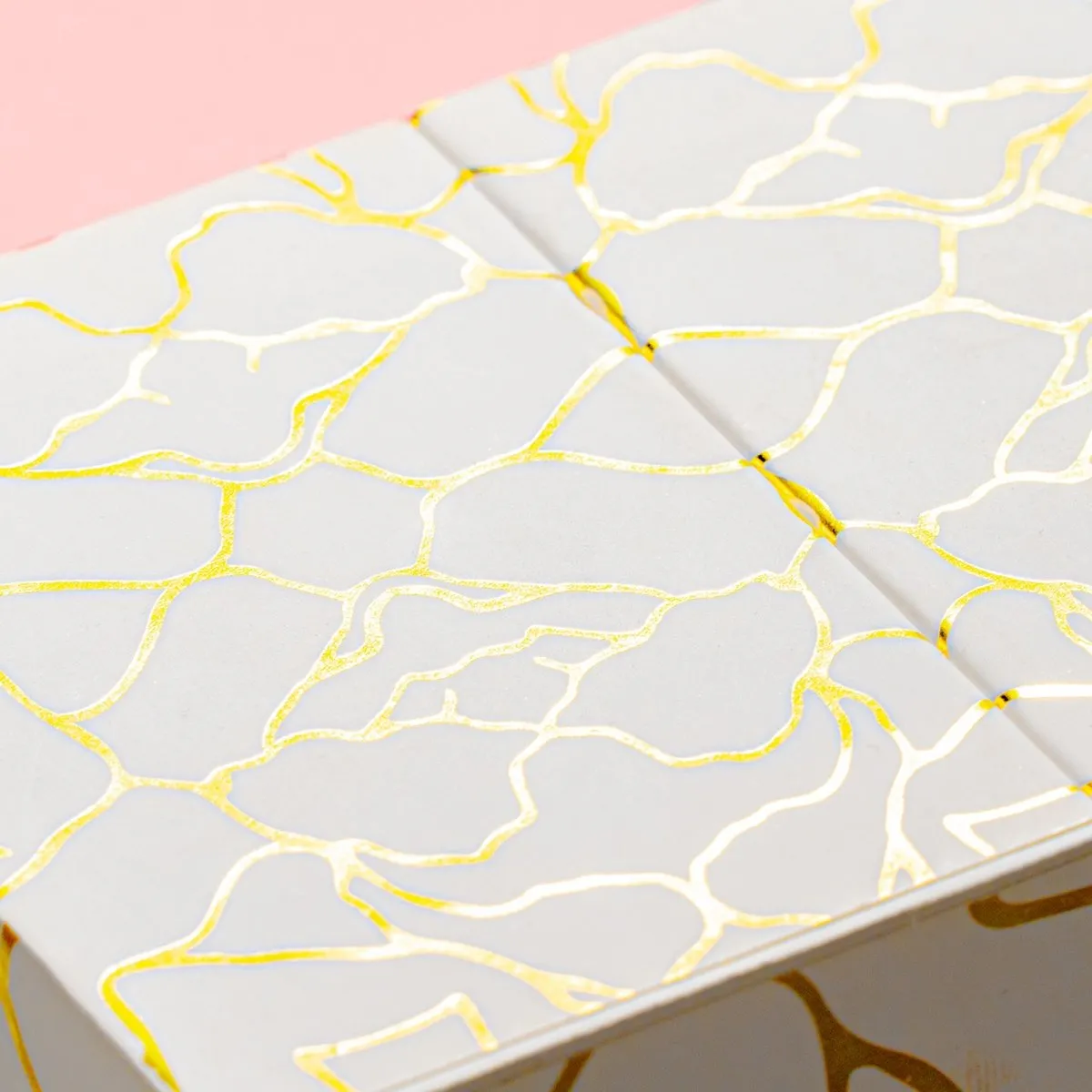
The closed Roha fragrance box shows a patterned front and adjoining face. It is a fragrance-pack reference; the photograph does not establish an exclusively retail or PR channel. Third-party reference; not a Bravo Package project.
Perfume PR gift boxes and regular retail packaging can share a brand language while answering different briefs. Define the purpose, recipient, actual contents and handling sequence for each. A PR presentation may explain a particular launch through its product reveal; retail packaging also needs to identify the sellable SKU and support ordinary use. Both require complete samples, accurate information and a defined review scope. Elaborate opening is a choice, not a prerequisite for PR.
Define purpose and recipient for each brief
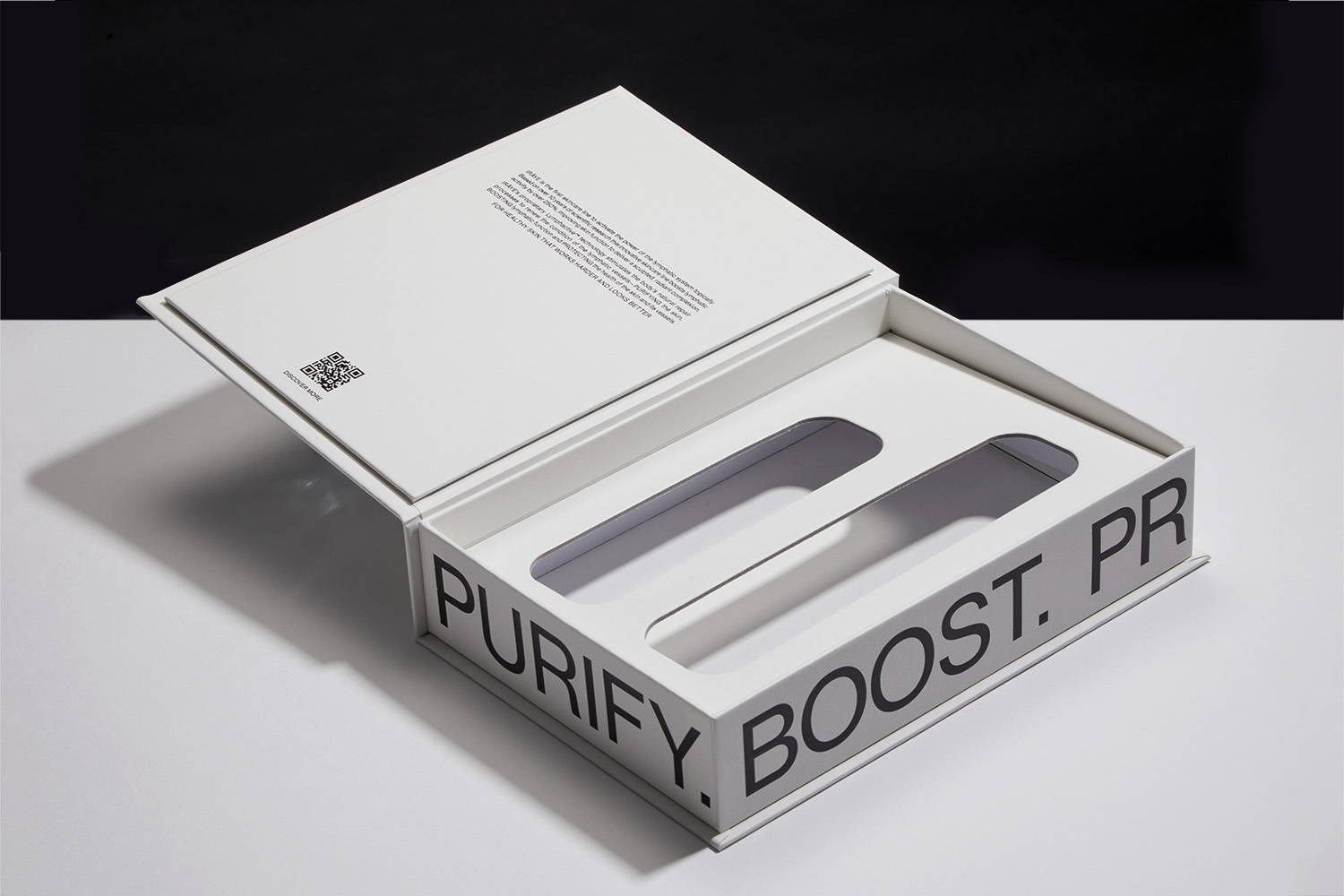
State which project the PR box supports, who receives it and what they need to understand. A brand story, product introduction or content-production setting can inform the brief, but receiving a box does not establish sharing or exposure. Identify the instructions a recipient needs and whether the opening method is understandable without assistance.
For regular retail packaging, begin with the actual channel, purchaser and ordinary use. Define product identification, shelf or online presentation, removal and storage requirements. Do not automatically transfer a PR prop into a retail proposal or assume that PR requires a larger, more complex structure. Compare the tasks before selecting the structure.
Build separate contents lists
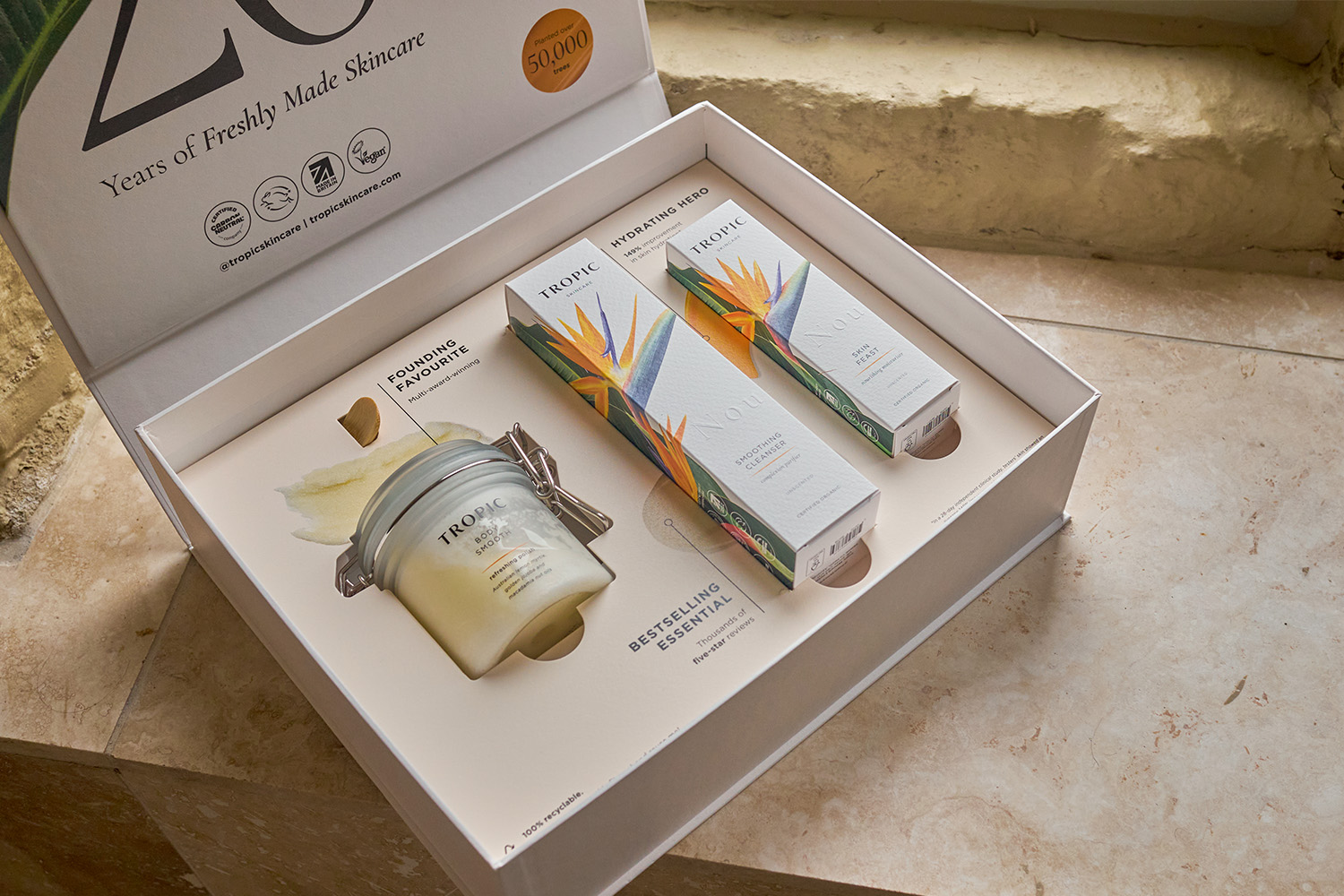
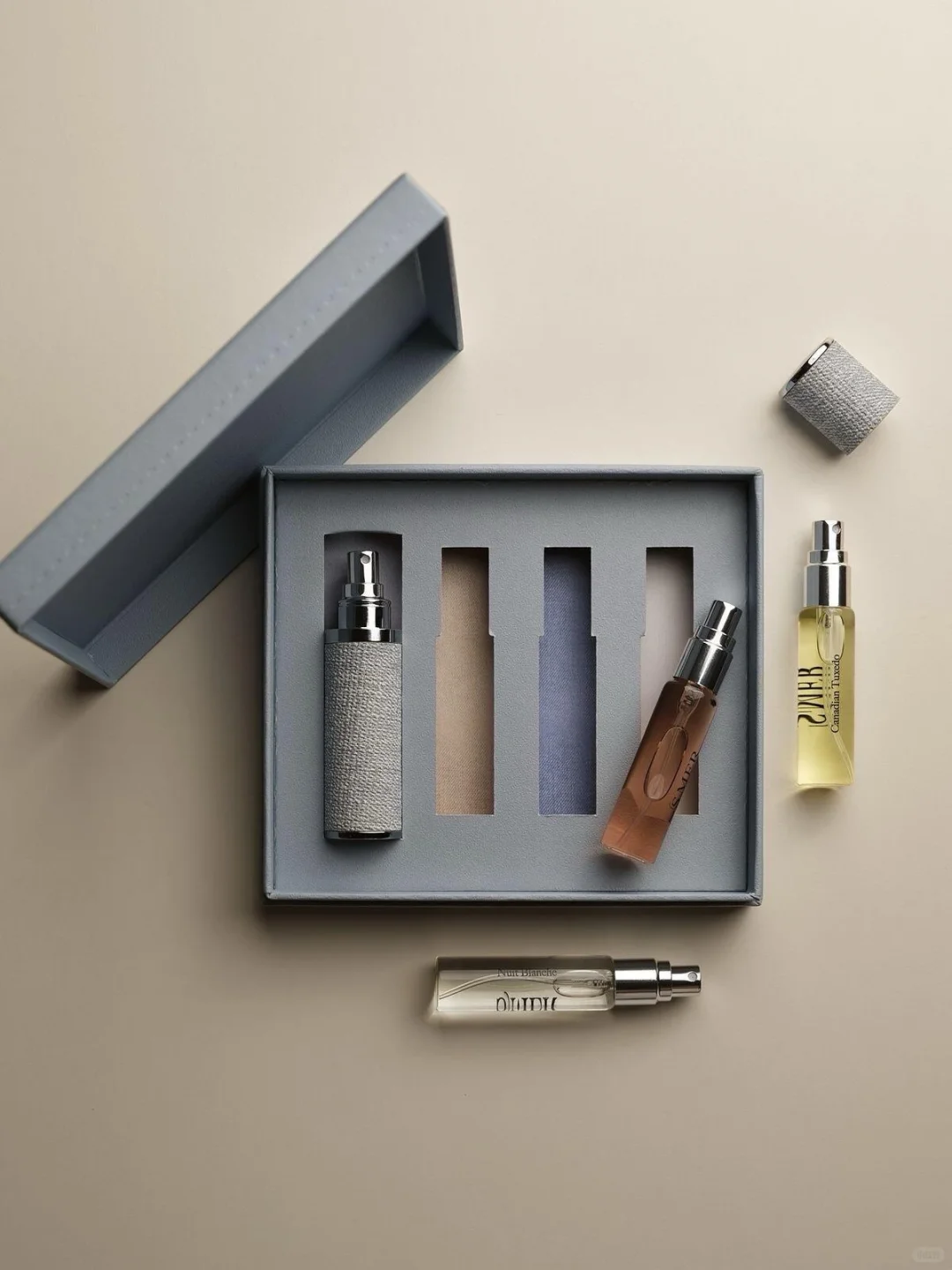
List the perfume, samples, cards, props and other included items separately for PR and retail, with approved names, specifications, quantities and revisions. Distinguish products, gifts, selectable contents and photographic props. An extra PR component should not appear to be included in the retail offer merely because the same photograph is reused.
A shared visual identity does not make the two lists identical. Product positions, cavities, assembly sequence and outer identification should follow the relevant configuration. Review changes to a retail SKU against its own contents rather than adopting the PR sample or its component budget unchanged.
Give the opening and reveal a purpose
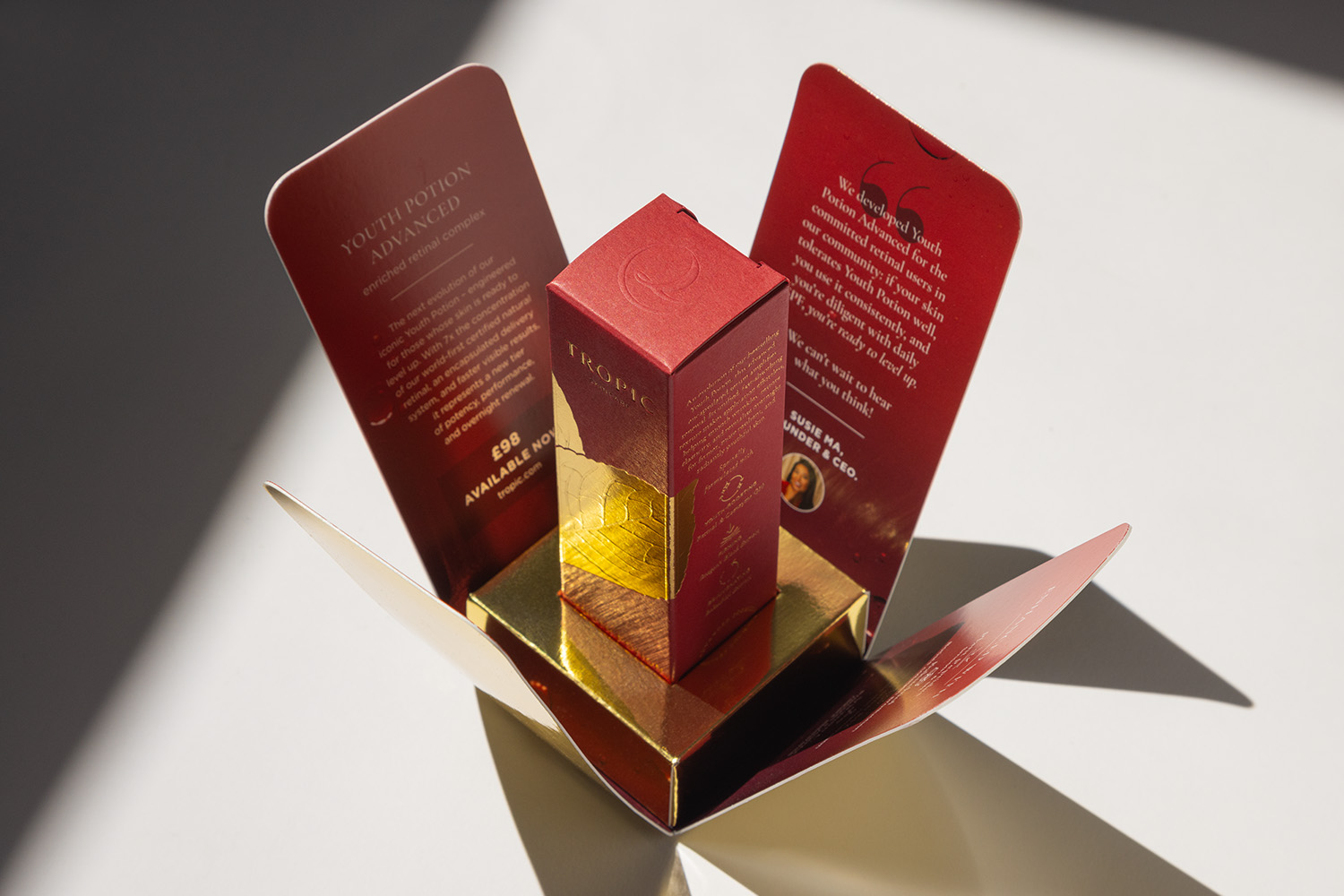
A PR presentation can sequence a cover, story card and product reveal, but each layer should help explain the actual product. Review graphics alongside the pulling, lifting or sliding action: direction, access points and the moment the product becomes visible. Additional layers are not automatically better, and another brand’s interaction is not a verified perfume structure.
Review initial opening and repeated access separately for retail. A photographic reveal should not leave everyday handling unclear. If a removed component must be kept, or a card must move before the bottle is accessible, decide whether that sequence serves the intended use and perform it on a real sample.
Separate story content from product information
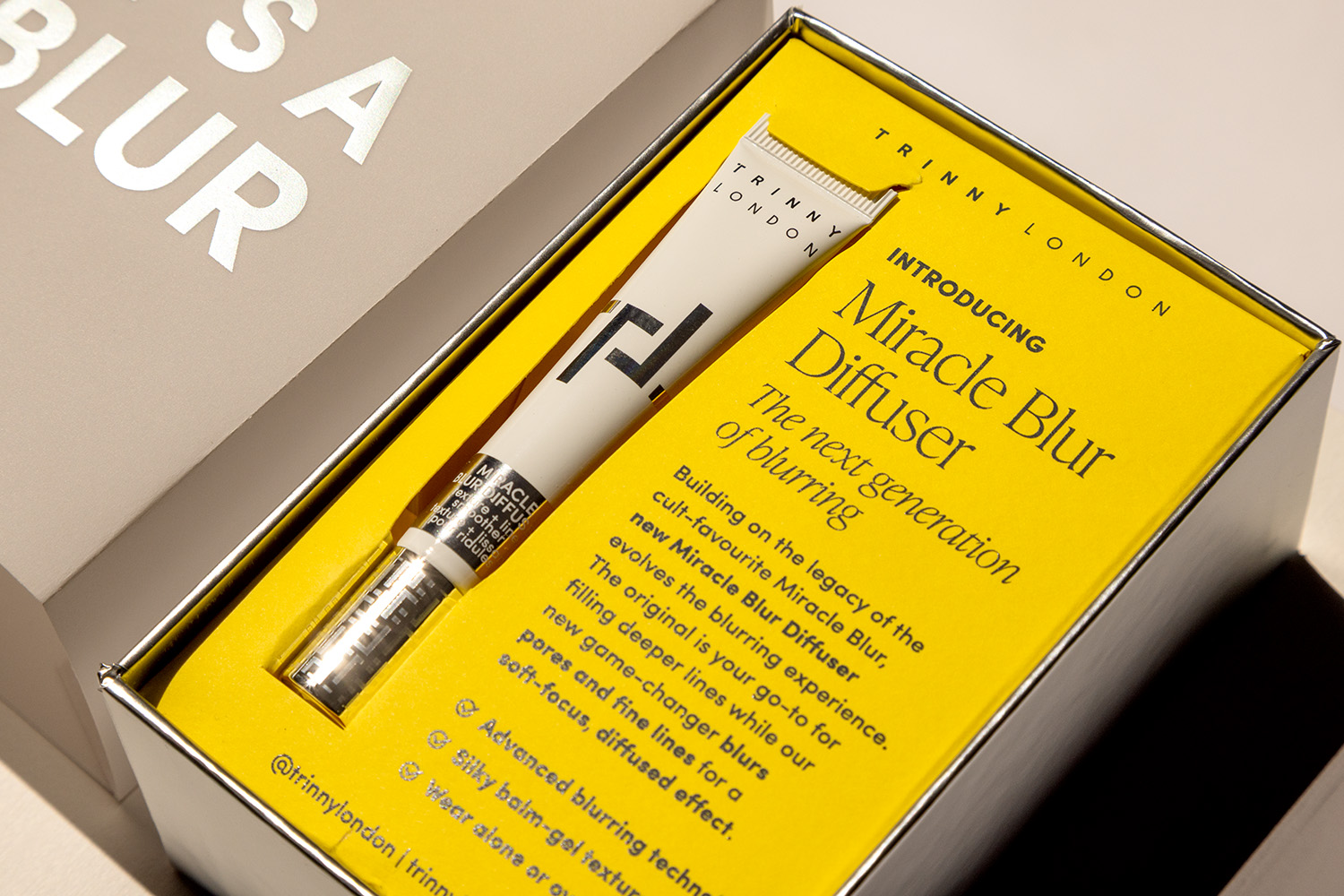
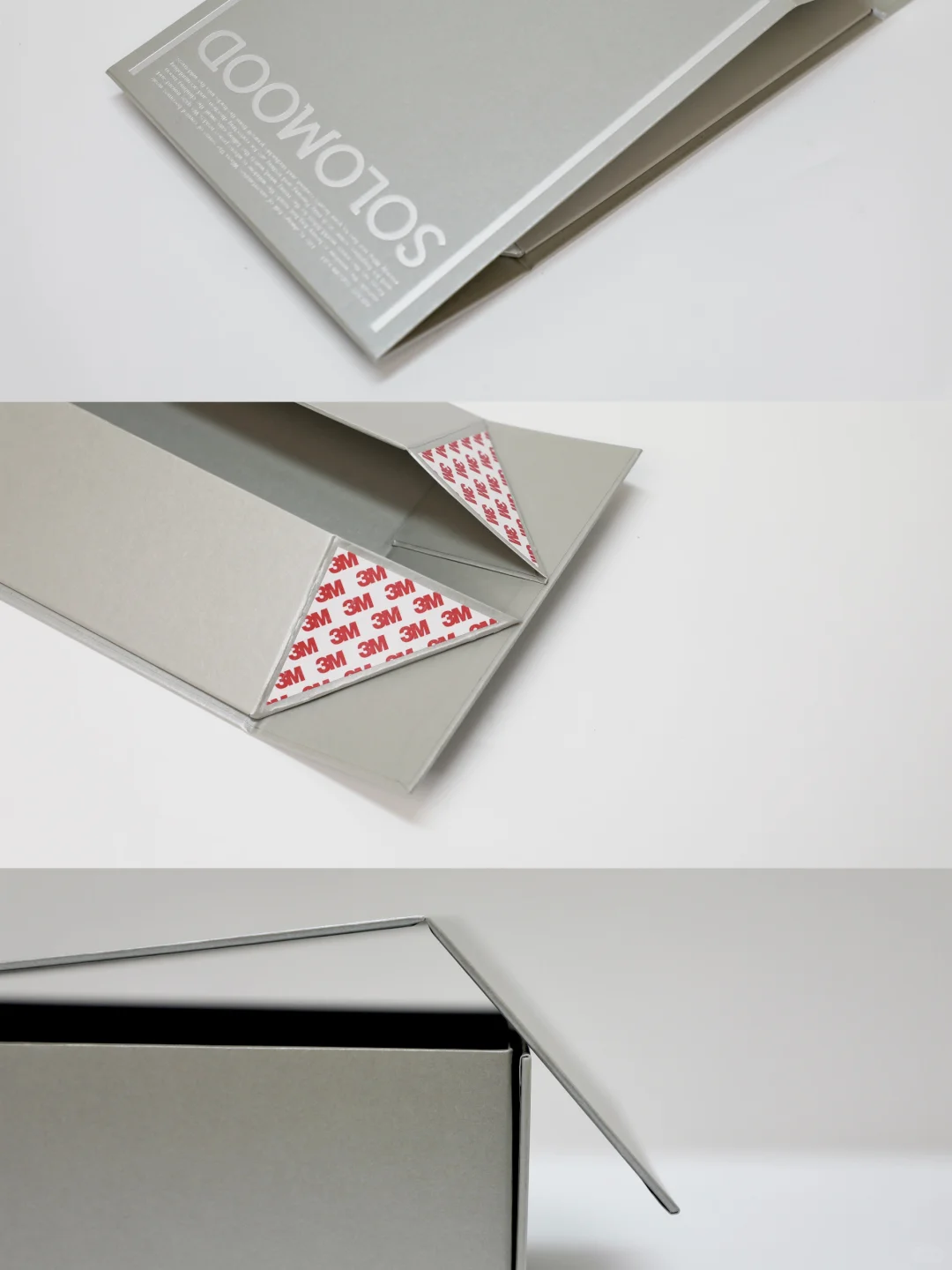
A PR story card can explain the project’s connection to the perfume while clearly identifying the actual product, scent, size and samples. A story does not establish product efficacy, and promotional claims or another company’s collaborations do not establish Bravo Package capabilities. Review retail information against the actual merchandise and intended market; the existence of a story card is not a reason to omit it.
Brand marks, typographic roles and graphic relationships can continue across both versions. Review the location of detailed information on each face, card and component separately. Where PR and retail copy differ, label their purpose and revision so they are not mixed during assembly.
Review complete assemblies for both uses
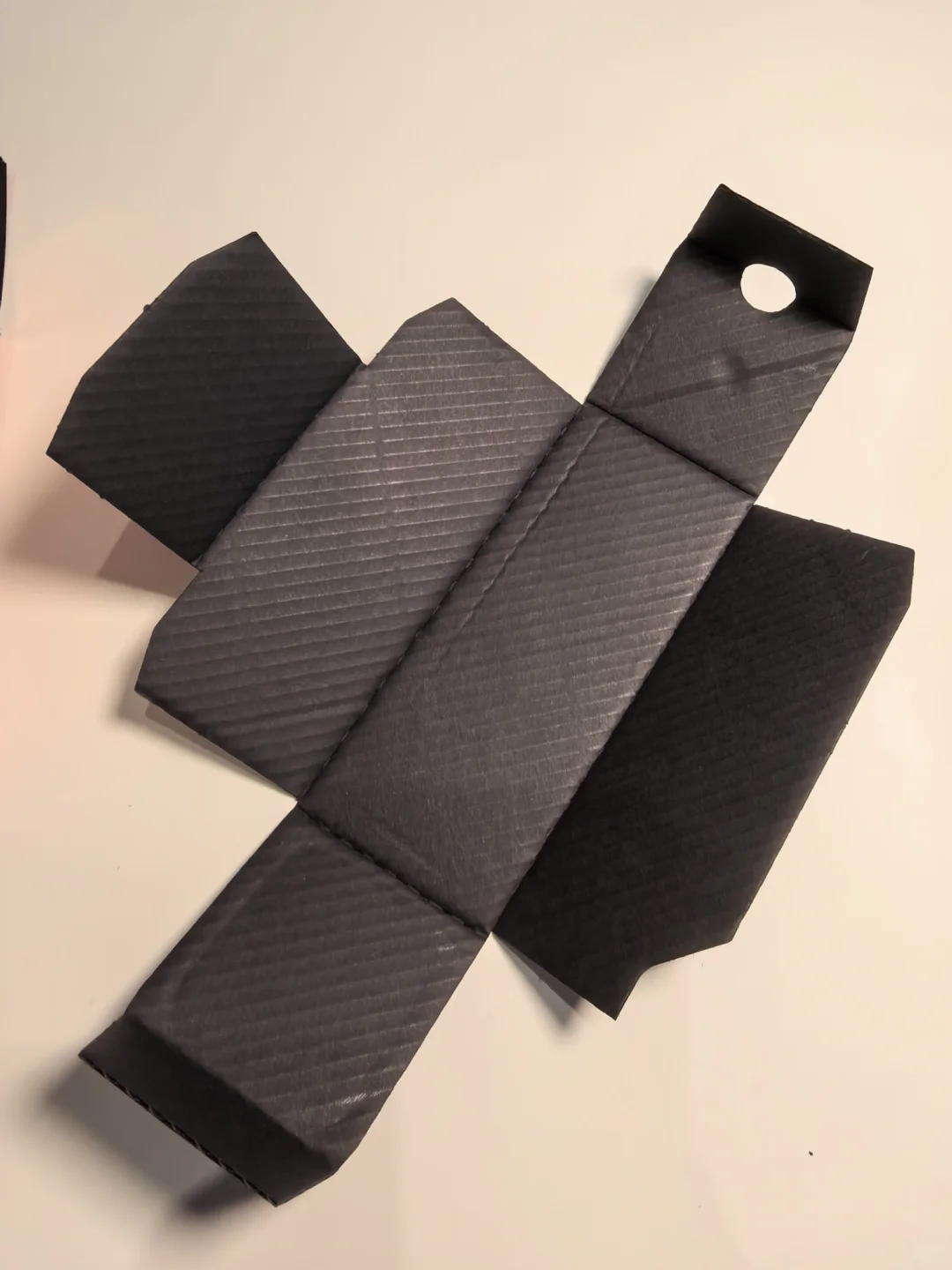
PR packaging still needs review of product positioning, access, closure and lifting of the complete set. A small quantity or display purpose does not remove those tasks. Assemble retail versions against the relevant SKU and check wrong items, shortages, cards, labels and orientation. Empty boxes, isolated photographs and renders do not replace an actual set.
Define the shipping carton, assembly arrangement and review scope separately where delivery is involved. Appearance does not establish protection. No universal material-strength value or test threshold is assumed. Record what the sample approval covers and what remains unconfirmed, retaining separate conclusions for PR and retail.
Keep linked but distinct revisions
Archive the two briefs, contents lists, artwork and structural files, assembly instructions, complete-sample identifiers and approvals. Identify genuinely shared base components and project-specific materials. Remaining stock is not a reason to add PR gifts, personalised names or campaign cards to an ordinary retail set.
When product specifications, cards, inserts or opening layers change, review affected versions and update their lists. Compare costs using the actual components and assembly scope of each proposal rather than treating a PR budget as the basis for a retail unit price. Clear distinctions make it possible to retain appropriate brand elements while identifying the structure and use requirements that need renewed review.