
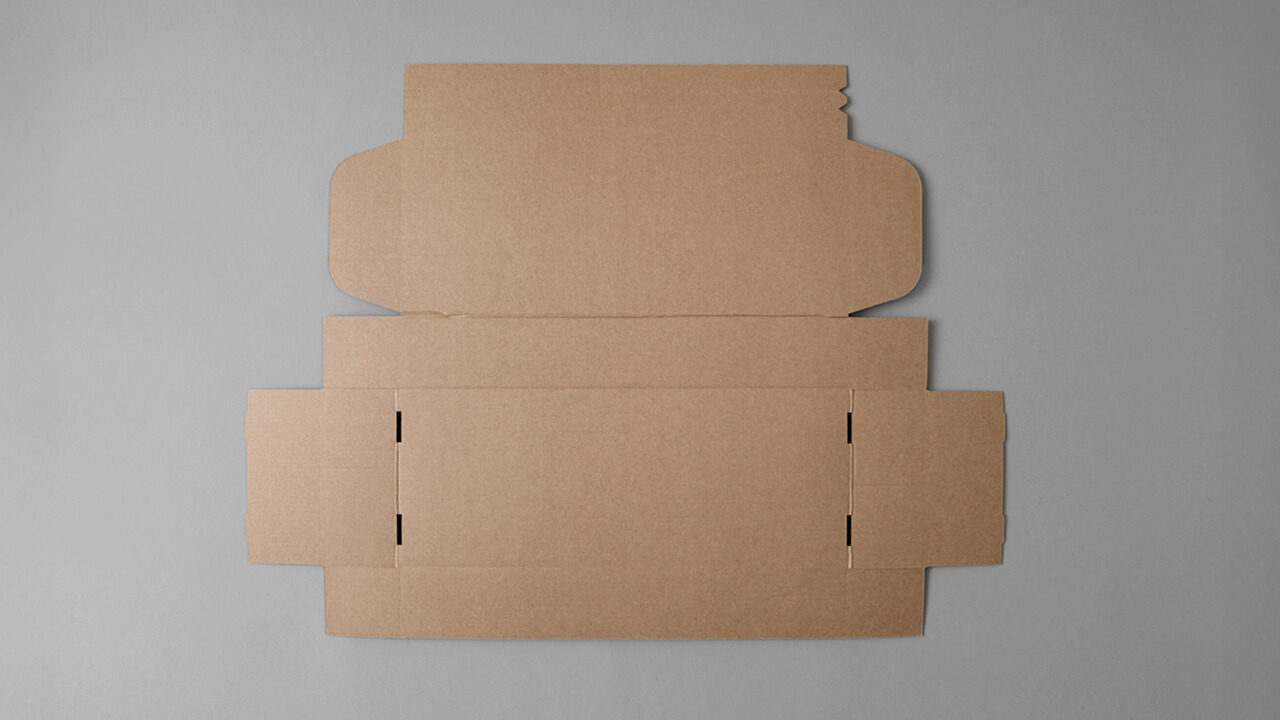
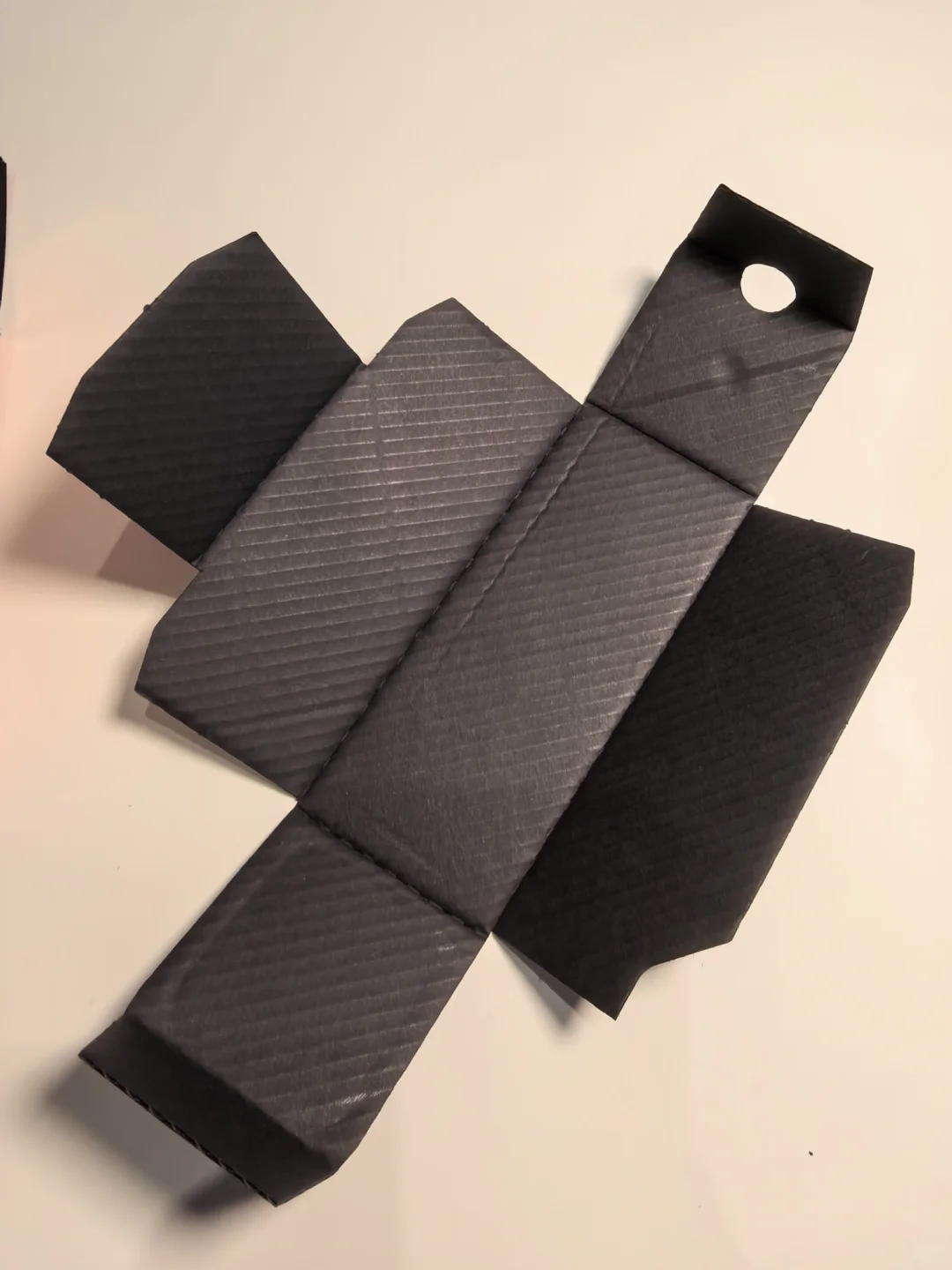
A physical Nebula coffee-mailer blank lies completely flat. This cross-category component illustrates an unfolded state; it is not a measured perfume-box shipment or evidence of a volume reduction. Third-party reference; not a Bravo Package project.
The shipping volume of flat-packed perfume boxes should be measured from the actual packed shipment, rather than inferred from a folding-box name or a promotional reduction claim. Define the same quantity of complete packaging sets, pack the flat and assembled options, and record external carton dimensions, carton counts and contents. Compare their total geometric volumes on that basis. Assembly, surface condition and suitability for use need separate review, while freight cost requires a quote for the actual dispatch route.
Compare the same quantity of complete sets

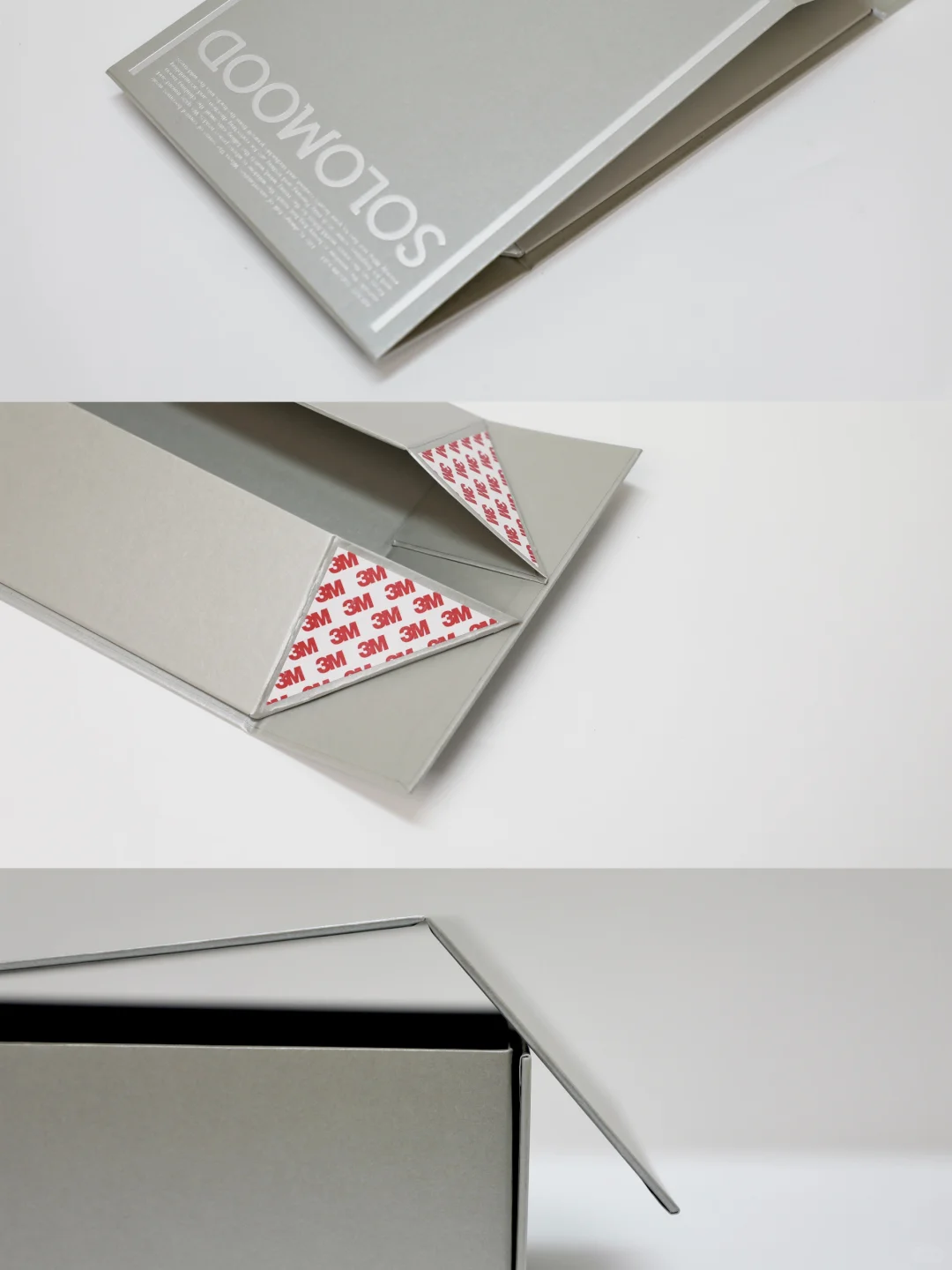
This comparison concerns empty perfume packaging and its accompanying components, rather than shipments containing filled perfume. Define one complete set: body, lid, insert, connection parts, cards, bags or other specified materials. Compare identical quantities and contents. Counting flat box pieces while omitting inserts dispatched in another carton gives an incomplete result.
Identify whether each component ships flat, partly prepared or fully assembled. Continuous folded corrugated stock is a different dispatch item from a complete flat-packed gift-box set. Products called folding boxes may have different unfolded forms, accessories and assembly methods. Link the comparison to the current drawing, physical sample and revision.
Pack each option in its real dispatch condition
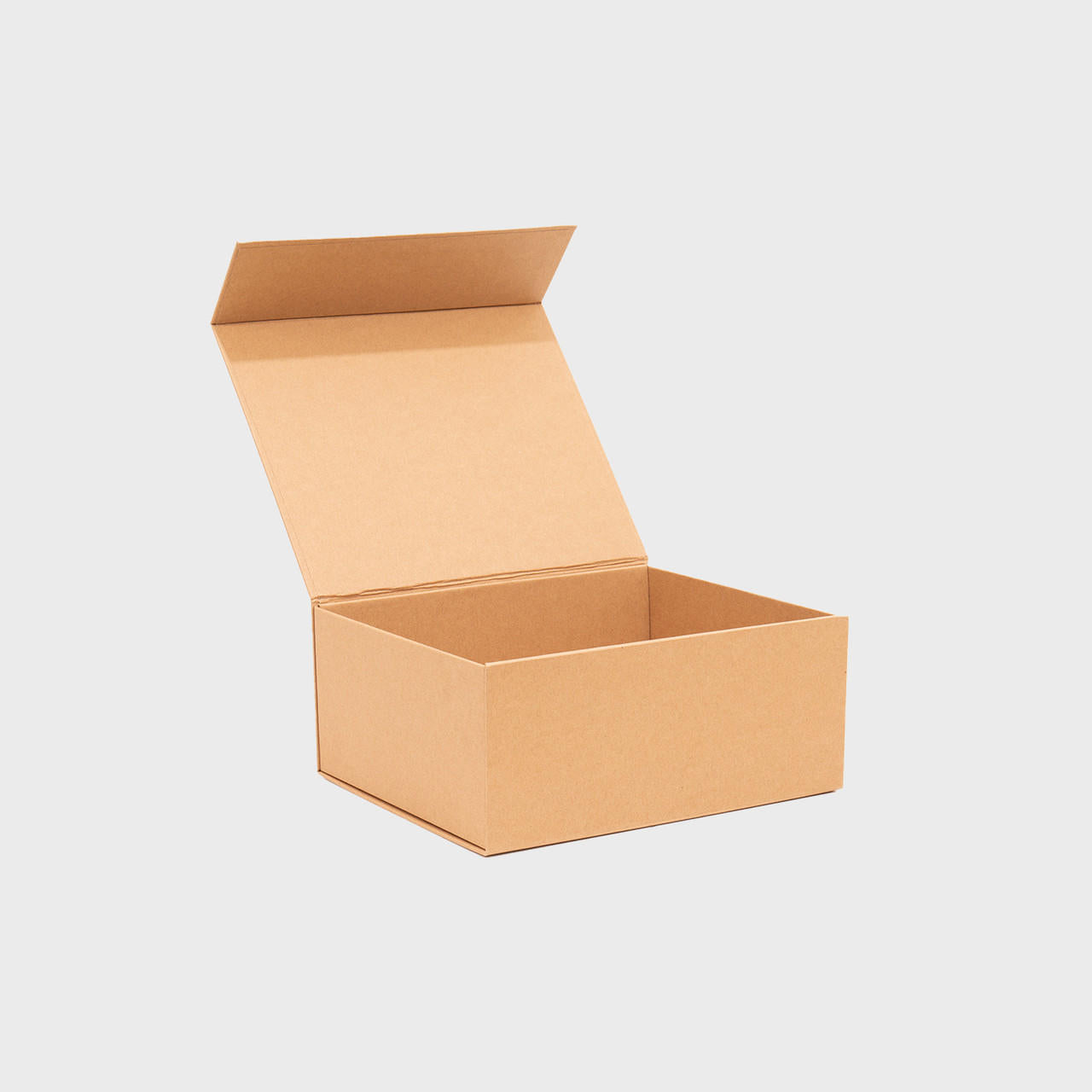
Trial-pack the complete batch according to each option’s specified component quantities, arrangement, interleaving, surrounding packaging and closure. Record the identity and quantity in every carton, distinguishing full cartons from the final partial carton. Include separately packed components within the same batch record. The area or thickness of one unfolded piece is not the shipping volume of the complete batch.
Retain photographs, carton specifications and packing instructions, stating whether dimensions are measured or estimated. Do not remove protection, compress components or cut down cartons simply to obtain a smaller figure. Treat a proposed packing change as a new option requiring confirmation.
Calculate geometric volume in consistent units
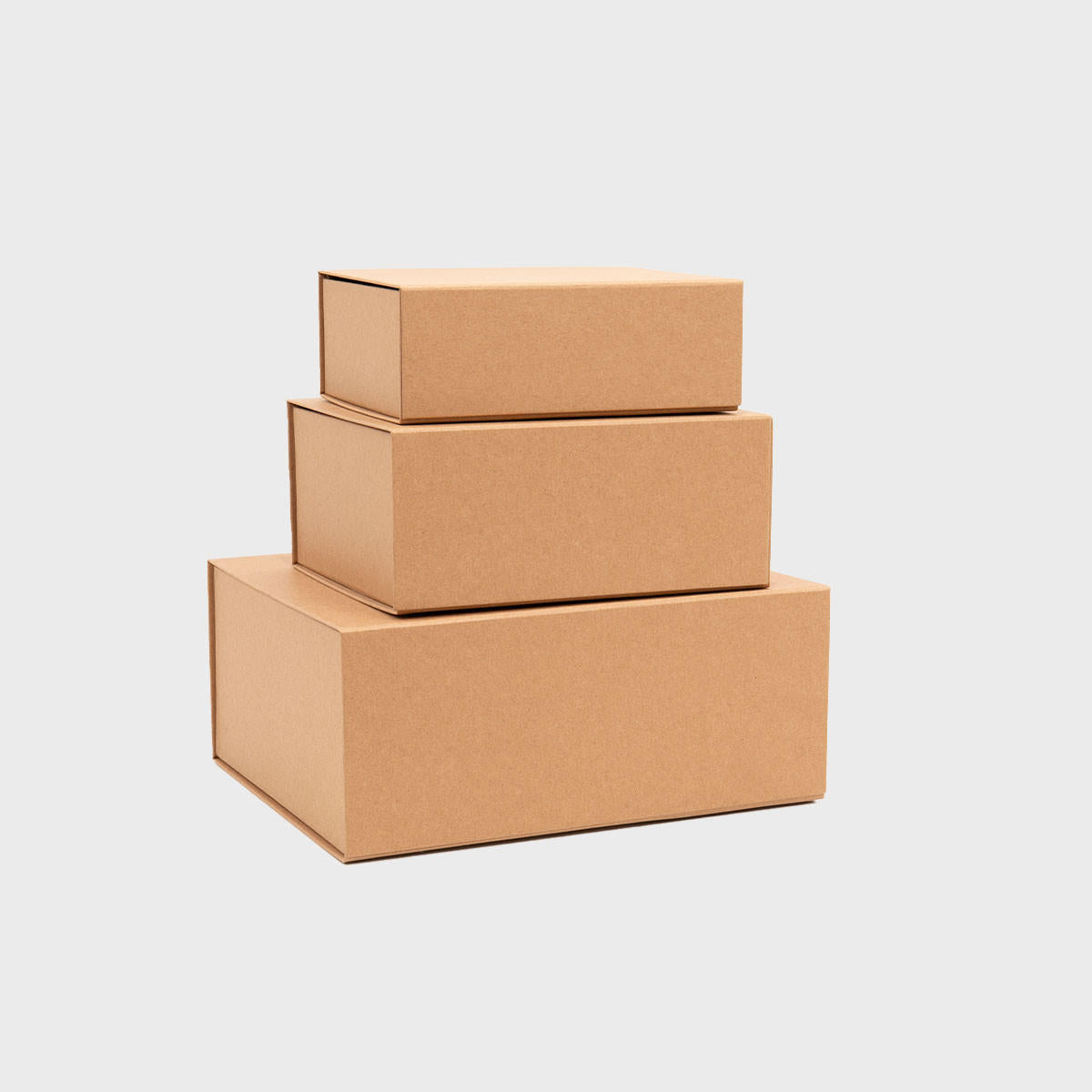
After packing and closing each carton as specified, measure its maximum external length, width and height and record the units. Group cartons only where their measured dimensions match; list different partial cartons or component cartons separately. Associate counts and dimensions with the measurement date and configuration revision. Do not mix designed internal dimensions with closed external dimensions.
For a rectangular carton, geometric volume equals length × width × height. A group of equal-sized cartons has the single-carton volume multiplied by carton count; batch volume is the sum of all groups. Volume per complete set is batch volume divided by complete-set quantity. These are comparison calculations, not a carrier billing formula.
Keep the comparison tied to its measured scope

Compare complete-set quantities, carton counts, dimensions, total volume and volume per set side by side. Compare batch differences directly only when quantities and contents match. If quantities differ, explain that difference and the effect of partial cartons before interpreting per-set figures. One order’s result is not a fixed value for every future order.
The state of an individual flat component, a packed carton and actual warehouse storage are distinct measures. If shelf or pallet occupancy matters, record the relevant stacking arrangement and space separately. This article has no controlled packed comparison data and supplies no universal reduction percentage or measurements inferred from reference photographs.
Review assembly and component condition separately
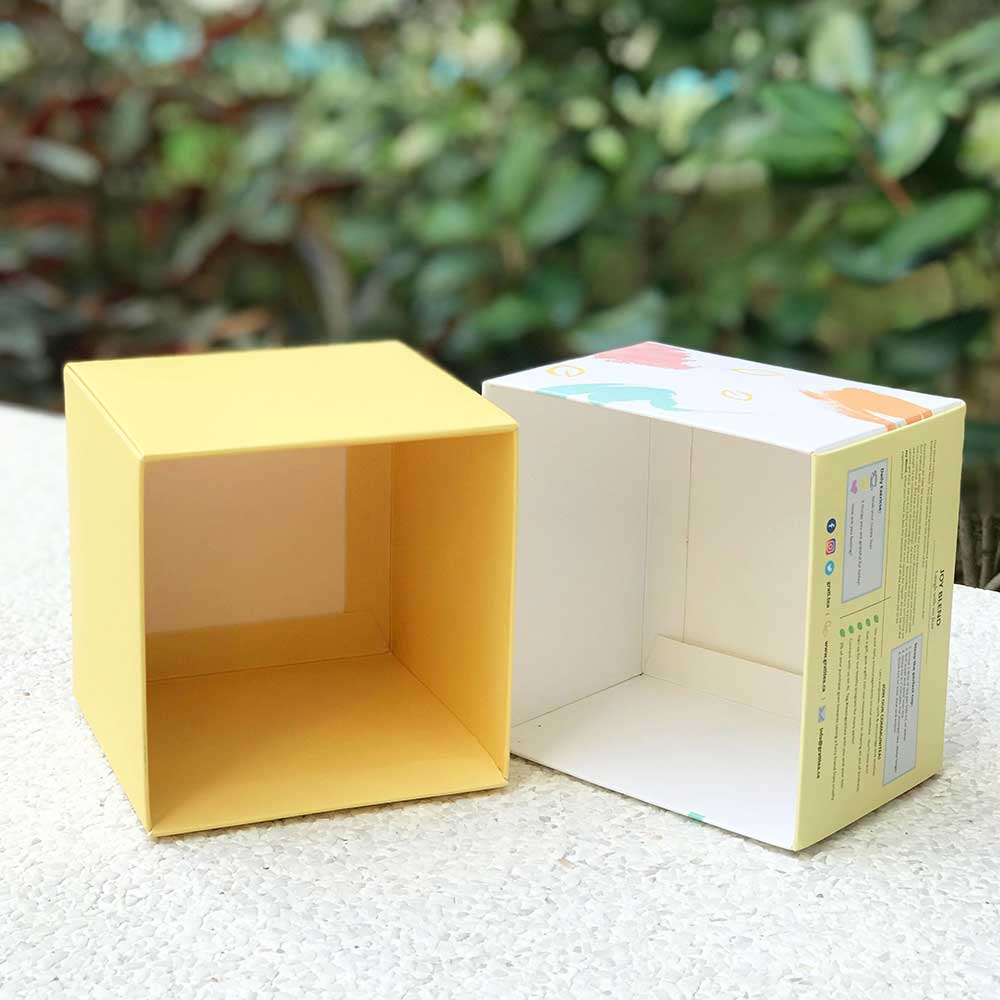
Define who assembles the flat-packed components, where assembly happens and which revision applies. Match inserts and accessories to the box. Perform the full sequence of unfolding, connecting, inserting components, closing and removing the intended item, recording visible surface and connection conditions. A shared product name does not establish repeated folding or disassembly capability.
Check the assembled packaging against the actual product, with protection and dispatch conditions assessed separately for the project. Lower volume does not automatically mean greater reliability, less labour or easier assembly. Include any sorting, additional materials or working space required at the receiving location in the operating plan.
Obtain route-specific quotes and retain revisions
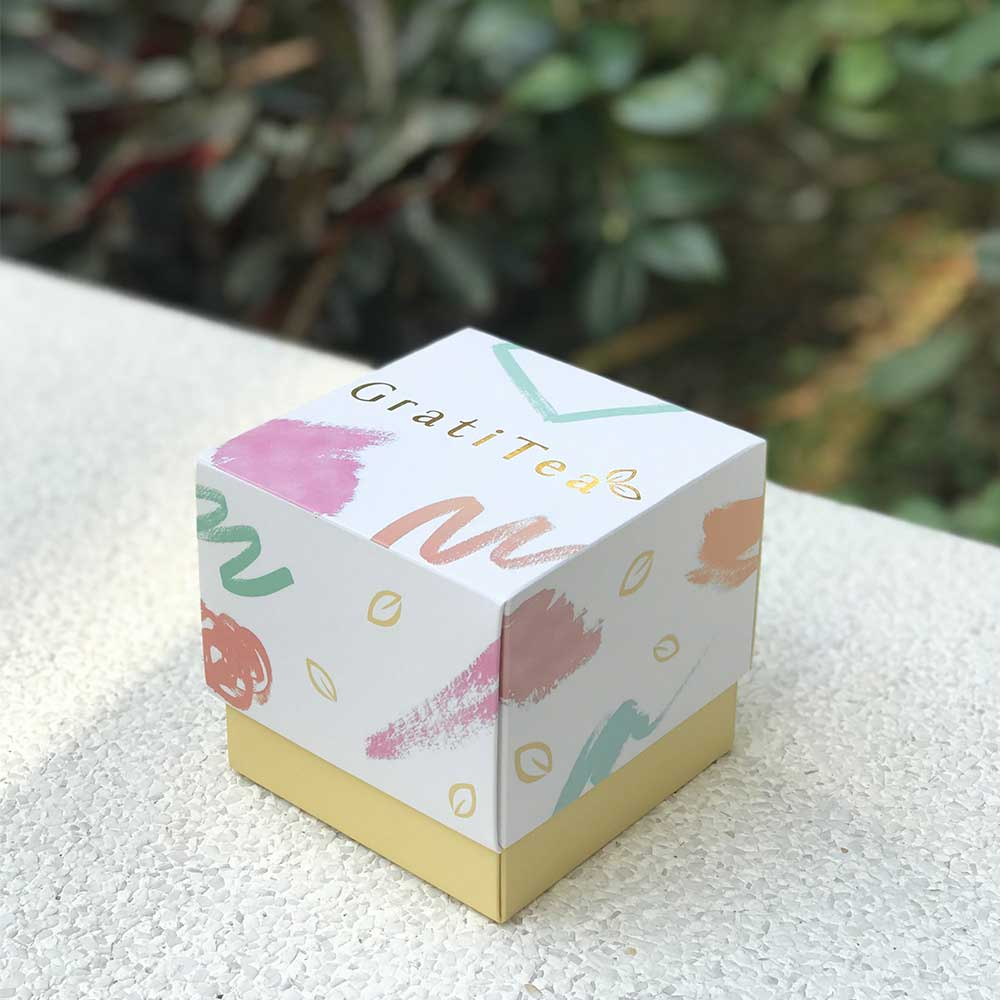

For a freight comparison, provide the measured dimensions, carton counts, actual weight and complete dispatch details to the relevant shipping channel. Identify the option covered by each quote. A geometric volume reduction does not imply the same proportional freight reduction. Consider assembly and storage against their actual work scope rather than deriving conclusions from online divisors or another shipment’s price.
Archive the component list, dispatch state, packing record, calculations, actual samples, assembly review and quote scope. Recheck affected data when the box, insert, quantity, carton or assembly method changes. Keep measured results and their limits in the same controlled revision for later orders.