A raised lid, a base that rocks on a flat surface, and a sidewall that bows after the bottle is inserted deserve attention. They do not necessarily have the same cause. Start by preserving the box as received, identifying the affected area, and establishing when the change first appeared. Asking a supplier to increase board thickness, add more adhesive, or flatten the whole batch before examining samples can remove evidence you still need.
This guide helps perfume brands and packaging buyers prepare a useful troubleshooting brief. It applies to paper packaging during sampling, production, and incoming inspection. Wrapped rigid boxes, folding cartons, and corrugated shipping cases need separate assessments. Acceptance depends on the approved sample, the agreed inspection conditions, and the performance of the actual packed product.
Describe the change before naming a cause
Replace “the box is deformed” with a description someone else can check. Is the centre of the lid raised? Do opposite corners lift from the reference surface? Does a sidewall bow outward, or is there a small blister beneath the wrapping paper? Examine the lid, base, and insert separately and identify the affected direction and location.
Keep film wrinkles, local delamination, shipping crush damage, and a lid that does not fit its base as separate observations. Also record functional changes: whether the lid closes naturally, opens again by itself, or catches at one point. A drawer that sticks needs its own description. Compare the intended opening action with the approved packaging sample. Do not force a closure to make the result look acceptable.
Preserve samples and take comparable photographs
Keep some affected boxes untreated, together with apparently unaffected boxes from the same batch. Give each sample an identifier linked to the order, specification revision, production batch, and receipt date. If the issue appears in particular shipping cases, retain the case numbers and the positions of the affected boxes inside them.
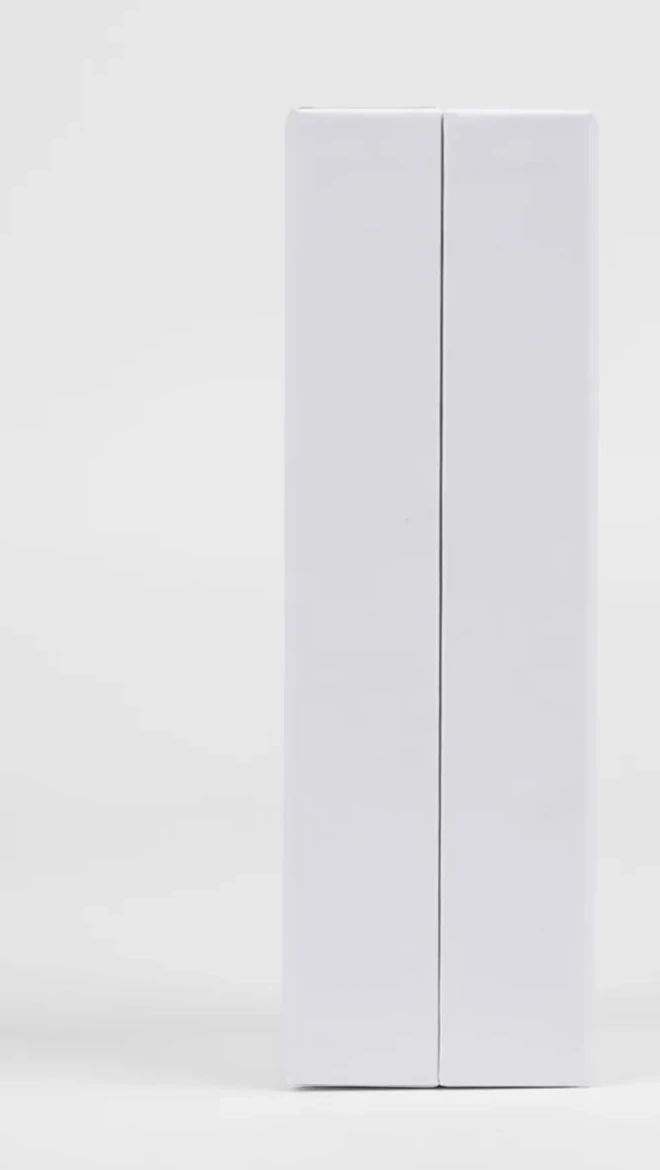
Photograph the complete box, side views, and close details on a flat reference surface, using a consistent orientation. Show the relationship between the lid, base, and surface rather than choosing an overhead angle that conceals a gap. Record the shipping case and its internal packing as received. A ruler in a photograph can help locate a feature; perspective means the photograph is not a substitute for an agreed measurement method.
Avoid spraying, heating, bending backward, or keeping the samples under heavy weights before assessment. These actions can change their shape or introduce new marks. If a wrapped layer needs to be removed for investigation, agree which sample to use and keep an unopened comparison. Record every treatment applied to a sample so it cannot later be mistaken for an untouched arrival sample.

Identify the earliest stage where the change appears
Ask the supplier to connect available records to the production sequence: incoming board and wrapping paper, laminated or finished components, formed empty boxes, the assembled insert and bottle, and the shipping pack. Not every project retains samples from every stage. Mark missing information as unknown rather than turning recollection into a confirmed production record.
Board that is already uneven at receipt calls for a different investigation from an empty box that remains flat until shipment. A wall that changes only after assembly points to a comparison of assembly states. This sequence helps decide what to examine next. It does not, by itself, establish responsibility or prove that a particular material is defective.
Check the material combination and handling history
Confirm the board, wrapping paper, lining, finish, and adhesive actually used against the approved specification. Record material batches, grain direction, and any substitutions or process changes. For a wrapped rigid box, examine the complete construction rather than asking only for the greyboard thickness. Similar appearance does not establish equivalent converting performance.
Holmen’s paperboard handling guidance supports keeping material identification, allowing for temperature adjustment before unwrapping, and protecting unused or converted board from moisture exchange. It also explains that moisture gain or loss can affect sheet shape. These points justify checking handling history; the temperatures and warming schedules for its own board products are not universal instructions for finished perfume rigid boxes.
Request handling advice for the materials in this project and compare it with the recorded moves between storage, production, and finished goods areas. State clearly if continuous environmental data is unavailable. Weather reports, touch, or the direction of a curve alone do not establish moisture as the cause. Avoid selecting an adhesive quantity or drying setting from a generic online recommendation.
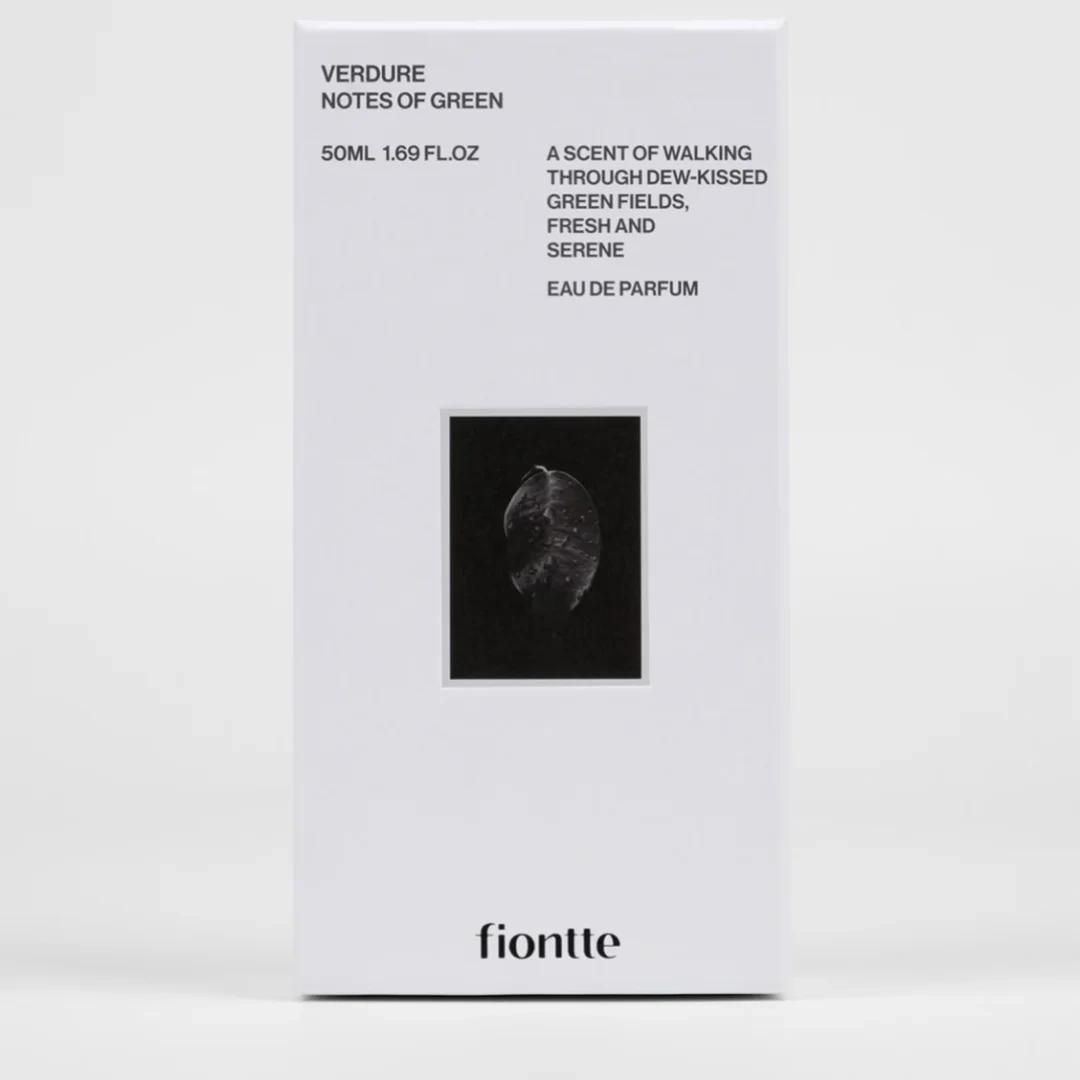
Compare the empty and assembled packaging
Use the correct revisions of the box, insert, bottle, and cap. Record the empty box first, then the box with its insert, and finally the intended bottle fitted and the lid closed normally. For a drawer construction, note where resistance occurs during opening. Keep bottle capacities, cap heights, and insert revisions consistent throughout the comparison.
If the difference appears only after assembly, ask the structural and production teams to check clearance, positioning, and the assembly method. That observation does not automatically prove an insert is too tight. Likewise, a bottle that temporarily holds an already bowed box straight does not establish that the empty box is acceptable. Assess the combination that will actually be delivered under the agreed conditions.
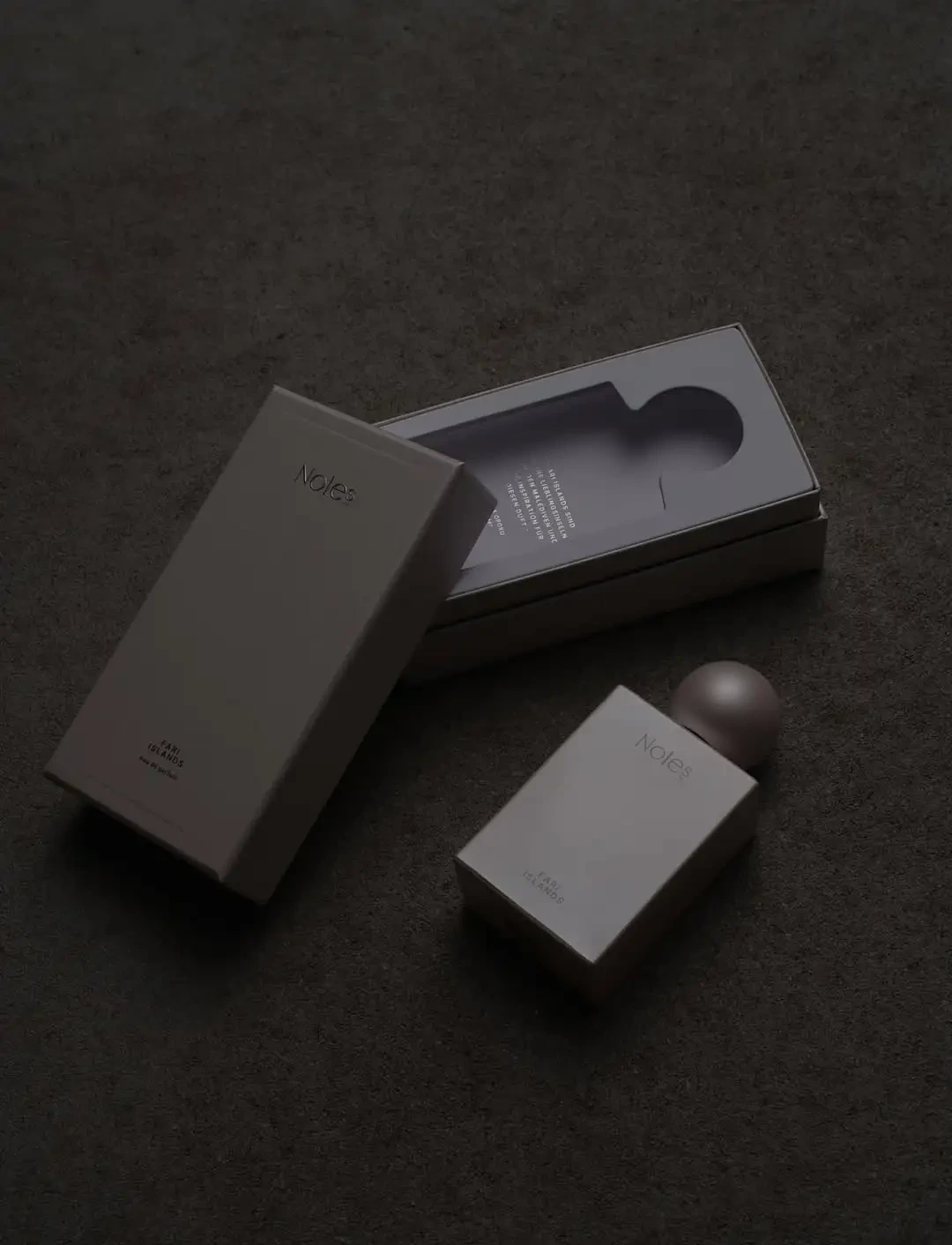
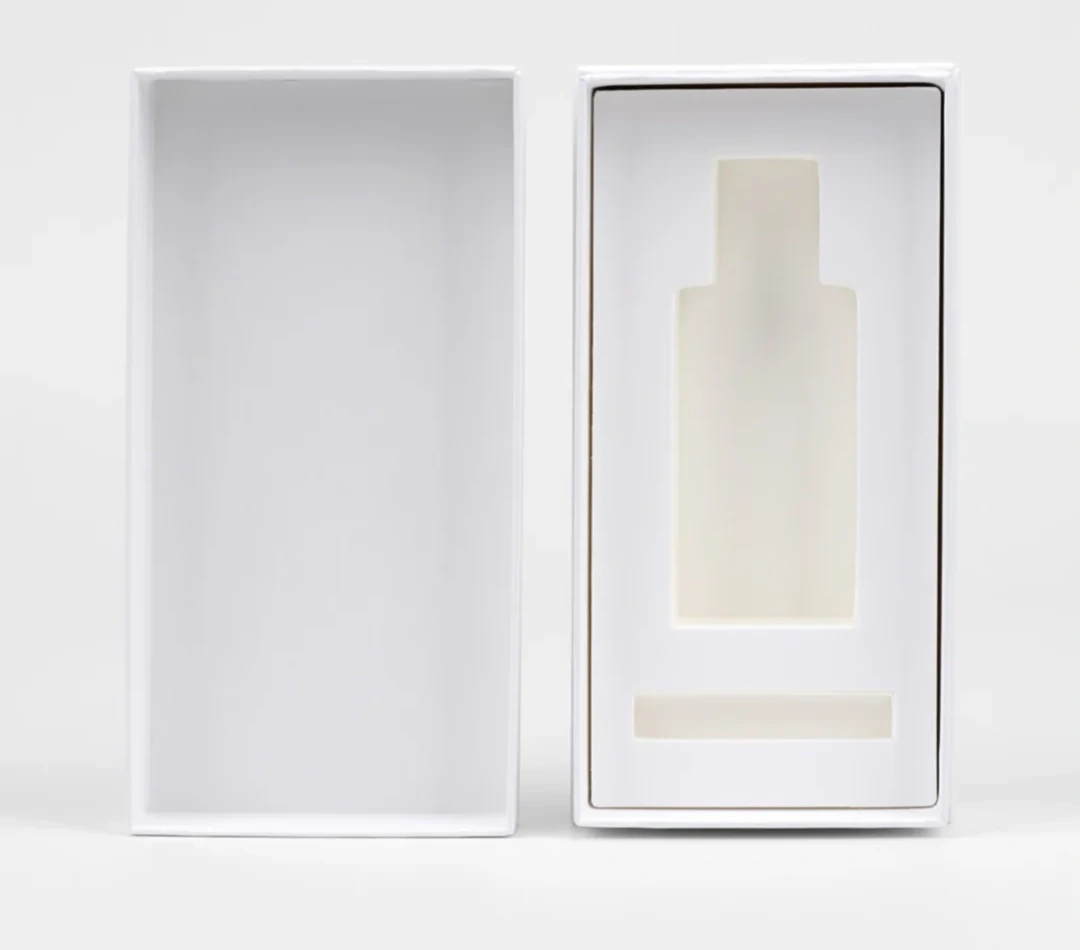
Plan a controlled comparison
Bring together the approved sample, affected samples, and unaffected samples from the same batch. Identify their storage histories and previous treatments. The supplier can then define a comparison that states what will change, what will remain consistent, and how the result will be assessed. Changing the board, adhesive, grain direction, and stacking arrangement together makes an improved result difficult to explain.
A better looking trial sample does not establish stable production. Once the proposed material and process revision is agreed, check subsequent samples, the actual packed bottle, and the delivery configuration against the project requirements. Connect the findings to the perfume packaging quality inspection plan so that approval of a presentation sample leads to a repeatable production check.

Agree how flatness and function will be assessed
Write down the reference surface, orientation, lid position, and whether the bottle is included. Specify the storage and observation conditions before assessment. Use the same measurement positions and reference points, and state whether any force is applied. A gap disappearing under hand pressure is a different observation from a box resting naturally without pressure.
Agree permitted deviation, sample quantities, and the reassessment procedure for this project. Relate the decision to appearance, normal closure, product removal, and the shipping pack. If no applicable limit has been approved, submit the samples and records for review rather than borrowing a millimetre value from an online article. Keep blisters, wrinkles, and other perfume packaging defects as separate inspection items.
| Record | Information to hand over |
|---|---|
| Sample identity | Order specification revision material batch and sample number |
| Observed change | Location direction assembly state and original photographs |
| First detection | Observation time production stage and unknown steps |
| Comparison | Storage and treatment history of approved affected and unaffected samples |
| Acceptance method | Reference surface measurement positions box state and agreed limits |
| Follow up | Owner approved action revised specification and reassessment result |
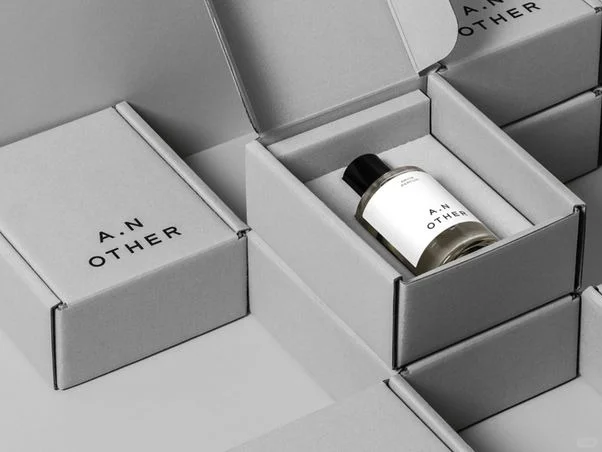
Contain the issue and retain the reassessment evidence
Define the batch or case numbers to hold, separating inspected stock from stock that has not been checked. Agree with the supplier whether the next step is a sample return, an on site review, or further testing. If rework is approved, record its method, scope, and approver. Check for changes in appearance, closure, insert position, and the shipping arrangement afterward.
Reassess using the same agreed method and retain the results. A message saying “flattened” is not a complete inspection record. Link each decision to identified samples, comparable observations, and an approved specification revision. That gives the next order a usable reference and helps the supplier investigate the problem without guessing at a repair before the evidence is available.

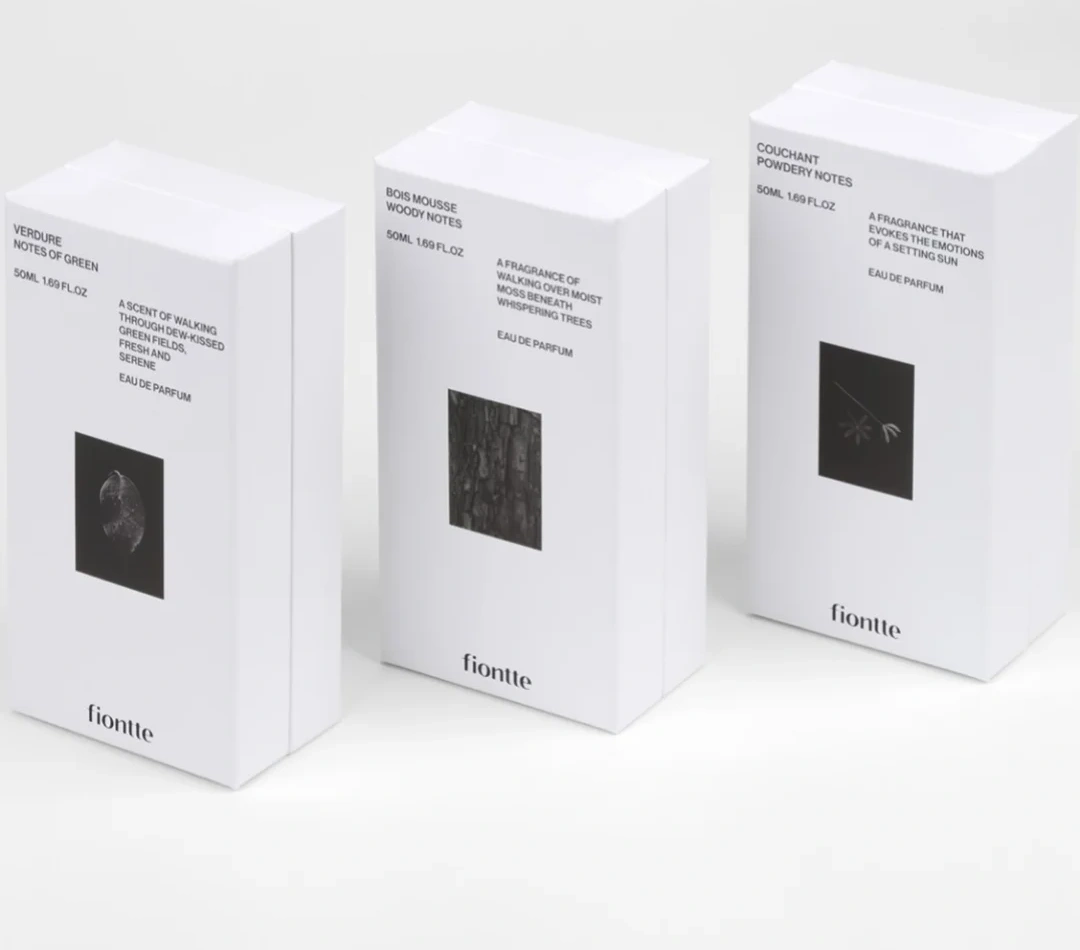
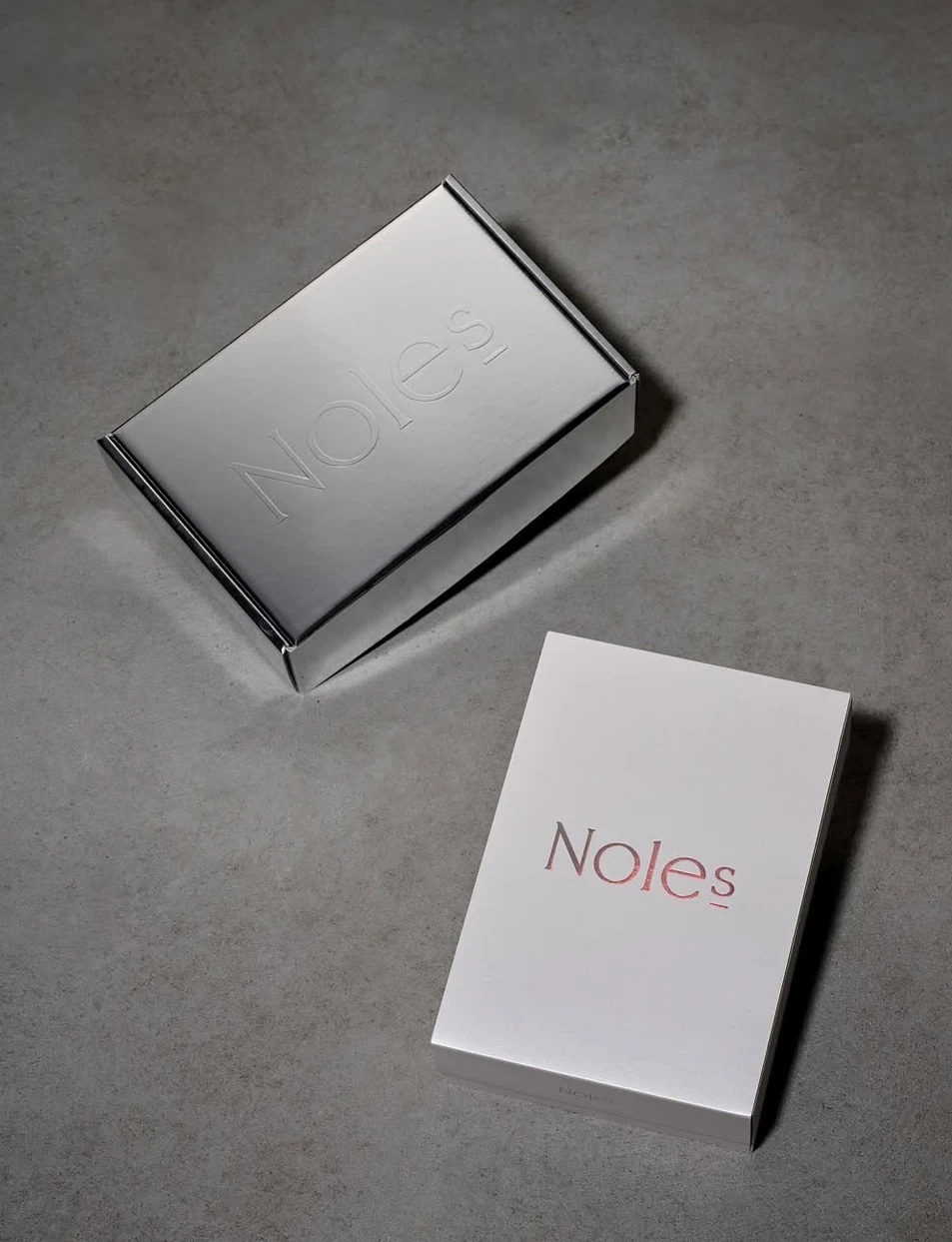
Photographs show third-party packaging configurations for inspection reference. They do not document defects or flatness measurements in the pictured products.