

A foil quote depends on the finish, grade, substrate and stamp position. Compare the intended warm gold, cool silver or muted copper on the actual stock. Give the converter a physical target and the details needed to reproduce it.
Describe the desired reflection
Bright gold and silver change visibly with the viewing angle. Matte gold, bronze and colored metallics give different effects under different light and against different papers. Compare the foil on the intended front and side panels. Check legibility, dominance over the background and ease of comparison between lots. Keep an agreed chip.


Specify foil grade, substrate and image area
Identify paper or printed color, laminate, coating and texture. Foil adhesion varies across smooth, textured and laminated surfaces. Have the printer sample the exact combination. Mark every stamp on the dieline and include the finest stroke, densest type and largest solid. Include designs near folds, seams and bag openings in the first test.


Price tooling, waste and repeat work separately
Request the die, setup, foil, unit decoration and charges for multiple passes. Ask how image direction affects roll usage. A solid and extremely fine detail may need different settings or a split die. Ask whether a wording change or new foil color can use the existing tooling. State trial and expected reorder quantities.
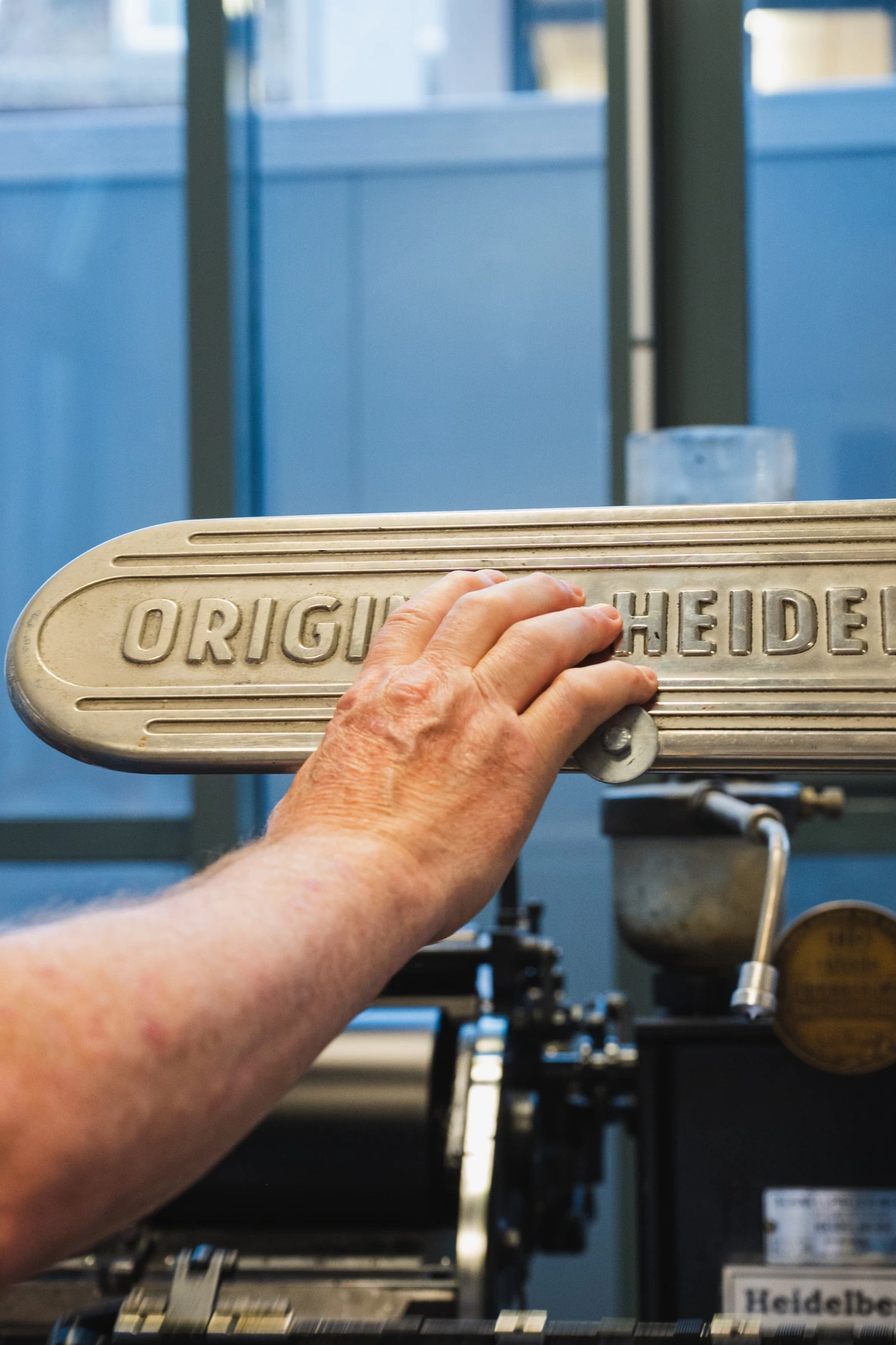
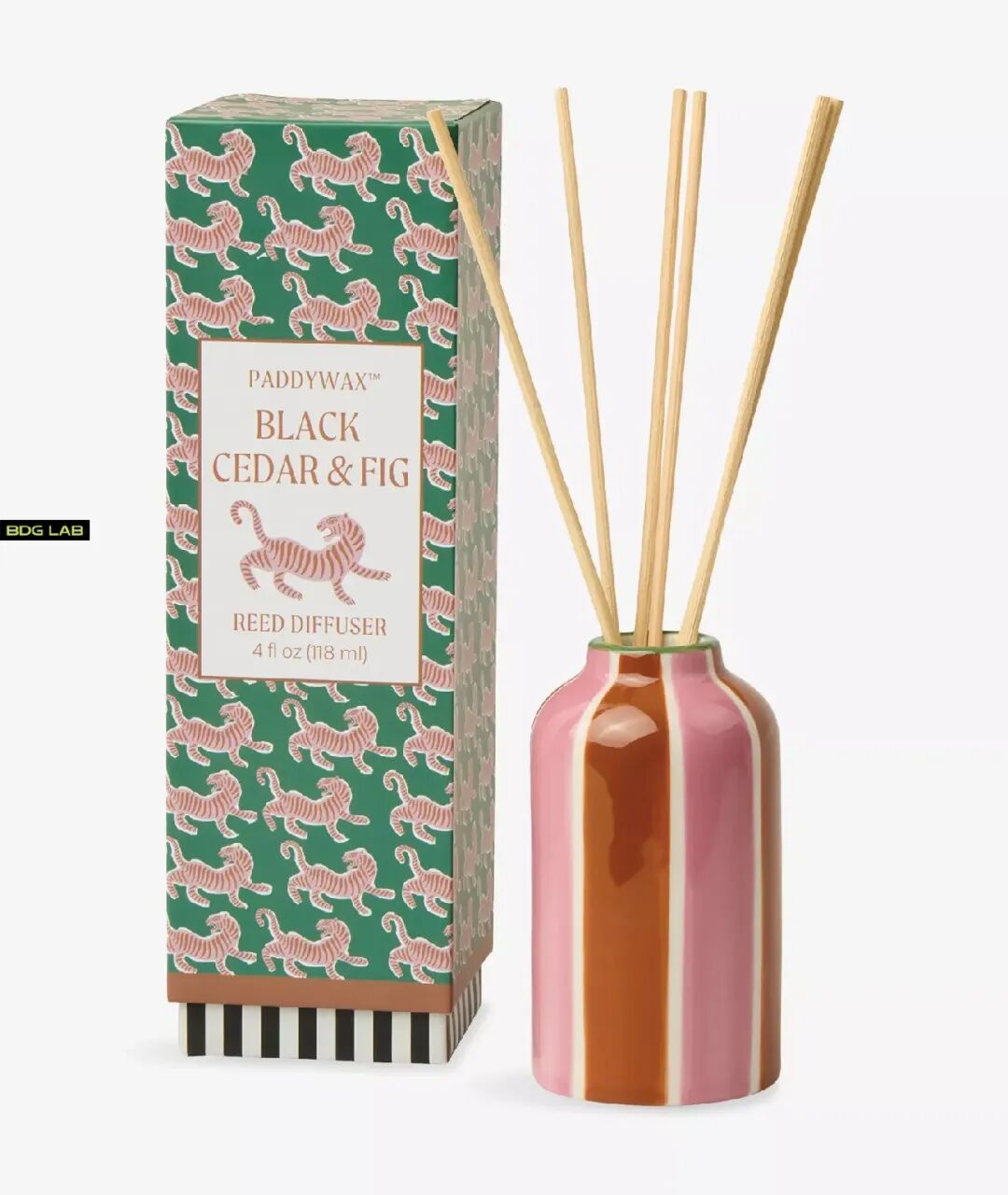
Test appearance and durability together
Compare real samples under diffuse and retail light. Rotate them to check reflections, missed transfer, stray foil and pinholes. Inspect textured recesses with a loupe. Check folded corners and repeat opening or rubbing under agreed conditions. If a flat sample passes and the formed box fails, revise the crease clearance or foil and film combination.
For a BravoPackage candle gift box, try pale gold, warm gold and silver on the production wrap. Use a mark with fine strokes and a small solid and view it under warm display light. Record the acceptable color, edge quality and foil grade for reorders.


Record separate color and workmanship criteria
Document grade, substrate, reference light and acceptable brightness. Mark defects such as show-through in the main logo, unreadable fine letters or misregistration. Sample actual lots at the agreed angles. Reproof a change of supplier, paper or laminate.
