
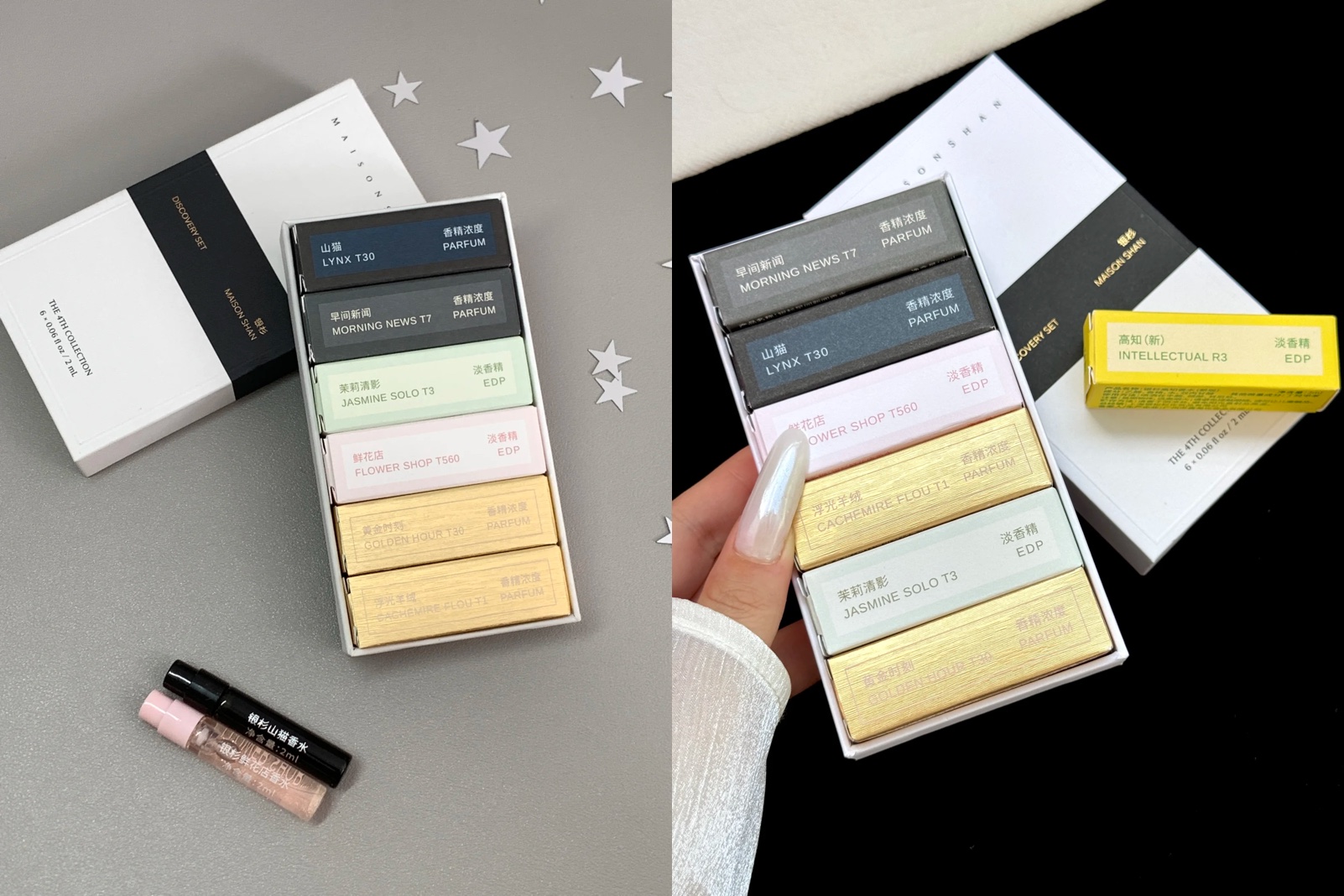
The same logo can have different edges, relief and reflectivity with hot foil, cold foil and foil embossing. Give the supplier the finest line, largest solid, desired relief and order quantity. Compare feasible production options on the proposed stock.
Test critical details with hot foil
Hot foil uses a heated die and pressure to transfer the foil. It suits prominent logos, lettering and accents. Check coverage over the chosen paper and coating. Deep texture can leave unfoiled areas. A large solid and very fine type may call for separate settings. Ask for the planned foil, die and sample conditions and inspect the formed package.


Try cold foil for dense detail and broad metallic areas
Cold foil generally transfers to a printed adhesive. Some equipment can overprint the foil for color and gradients. Ask whether the proposed designs fit the line and verify inks, adhesive, board, curing and coating sequence. Compare the darkest overprint and critical joins for exposed stock or unwanted glare.


Check how foil behaves over relief
Ask whether the converter will foil and emboss in one pass or in separate operations. Specify what the customer should feel and the light in which the mark needs to read. Board caliper, grain and depth can affect creases, reverse impressions and foil stretch. Include the nearest crease, corner or fit point in the sample.


Compare samples and quotations on the same basis
Request the same design, substrate and volume for each quote, with tools, plates, adhesive, transfer stock, passes and waste identified. Compare color and legibility under normal light, then use angled light for the foil and relief. Use the same rub and opening conditions and ask what a proposed change would require retesting.
For a BravoPackage full-size perfume carton, check the stroke edges of a small stamp. If the marking continues onto a spine, include the corner crease and foil continuity. Record trial stock, actual area and tooling on both the sample and quote.

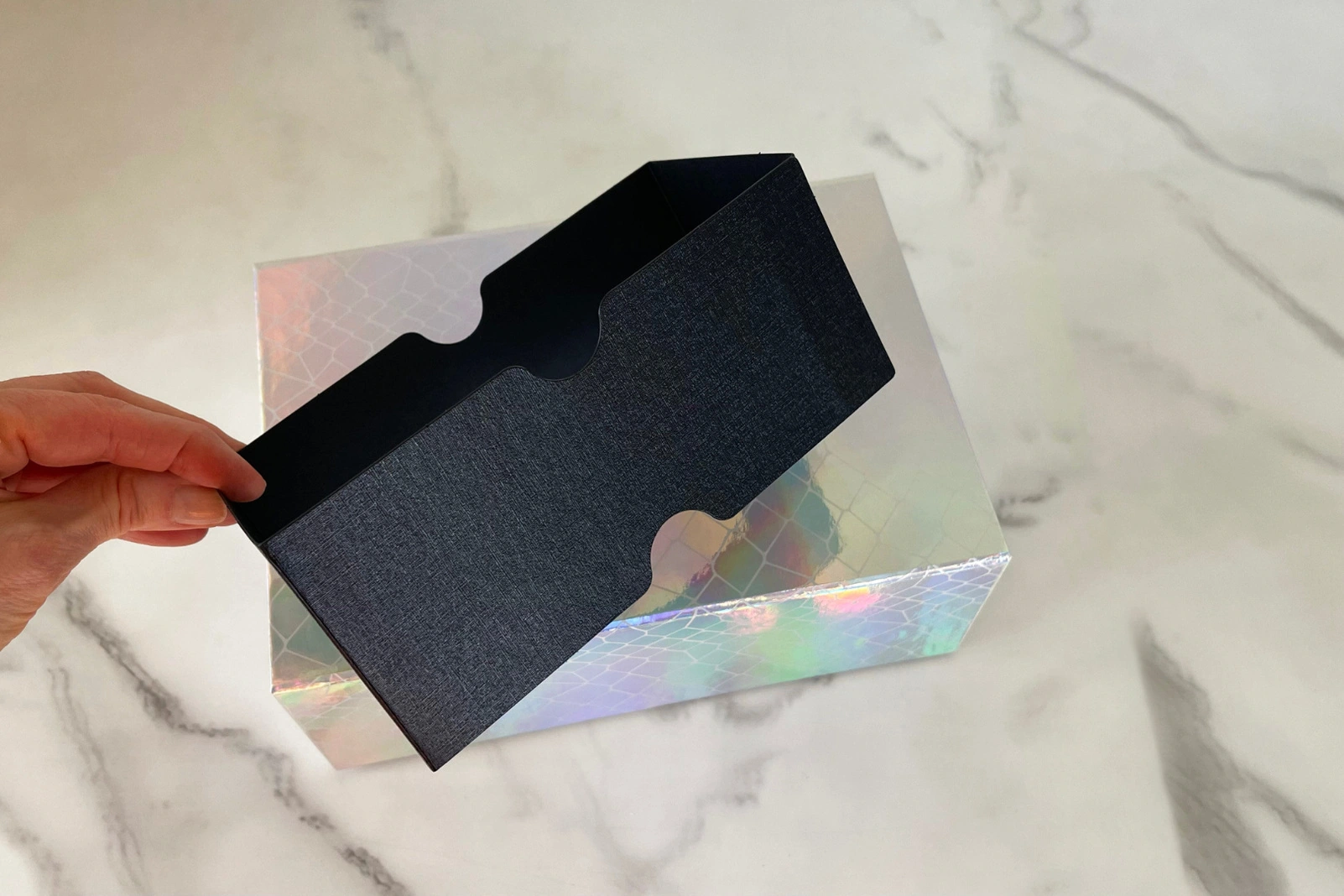
Retain flat and formed references
Label the method, foil, stock and sequence. Use a flat sheet for adhesion and register, and the formed carton for relief, crease quality and opening. Compare the converter's production sample with both and mark critical and acceptable areas for repeat orders.
