
Overall coating protects or changes a wider printed area. Spot coating adds contrast to selected artwork. Rank rub protection, paper feel and visibility under display light. Match the coating and application method to the finished pack and how customers handle it.
Decide what needs protection and what needs emphasis
For cartons that rub in cases, handling or display, ask for an overall protective treatment. Dark print can show pale scuffs clearly. A gloss spot on a matte surface can highlight a brand mark. If both effects matter, compare a protective base with a spot treatment. Map application limits and the areas that need clearance.


Ask which coating and conditions are planned
Options can include aqueous coatings, UV-curable coatings and other overprint finishes. Application weight, drying or curing and the underlying ink affect the result. Confirm the product, equipment, stock and time before further converting. Ask for suitable documentation and a sample check where odor or special contact requirements apply.
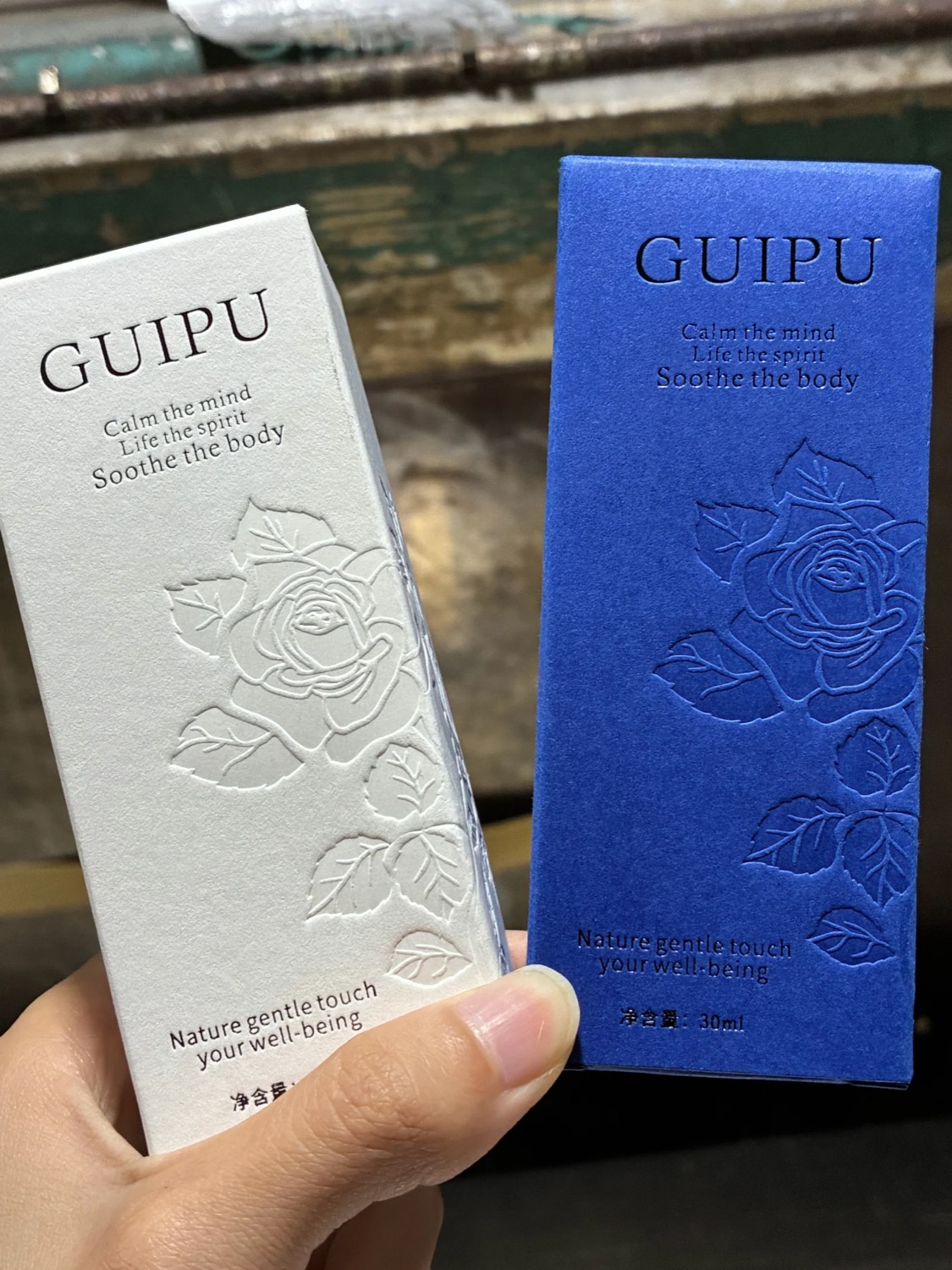

Approve spot coating on finished cartons
Provide a separate coating map and ask for detail and register tolerances. A slight shift around a letter can produce a shiny outline. Try an inset or another edge treatment. Identify folds, cuts, glue flaps and date-code areas. View the sample straight on and in angled light.
For a matte BravoPackage perfume carton, compare the same stock with and without spot gloss. Keep the shine clear of fine text. If the sleeve needs to survive repeated opening, test overall protection at the most frequently rubbed edge as well.


Wear-test the points that customers and cases touch
Use production stock, ink and coating. Choose case contact points, panels that rub in a stack and the most visible glossy area. Compare with an untested sample from the same batch. Agree rubbing material, pressure, repetitions and criteria. Inspect for ink loss, blocking, scratches, whitening and adhesive failure. Try repeated opening where relevant.


Record the finish and its purpose
Keep a flat sheet and a formed sample. Record the coverage, gloss, inspection points and test limits. Compare at receiving under agreed lighting. Recheck rub, cure and contrast after ink, stock or coating changes. Confirm the schedule allows the coating to set before stacking, cutting and packing.