

Gloss, matte and soft-touch laminates can look and feel different with the same base color under different lighting. Identify the areas that need protection and the tactile effect you want, then compare the same artwork across films. Include wear and subsequent finishing in the comparison.
Start with gloss, feel and the selling environment
Gloss reflects strongly and can make graphics appear more vivid. Matte softens reflections under direct display lights. Soft-touch film can reward handling, though it needs checking for fingerprints and scuffs. Compare ordinary matte and a proposed scuff-resistant grade on the same dark print under real handling and shipping conditions.
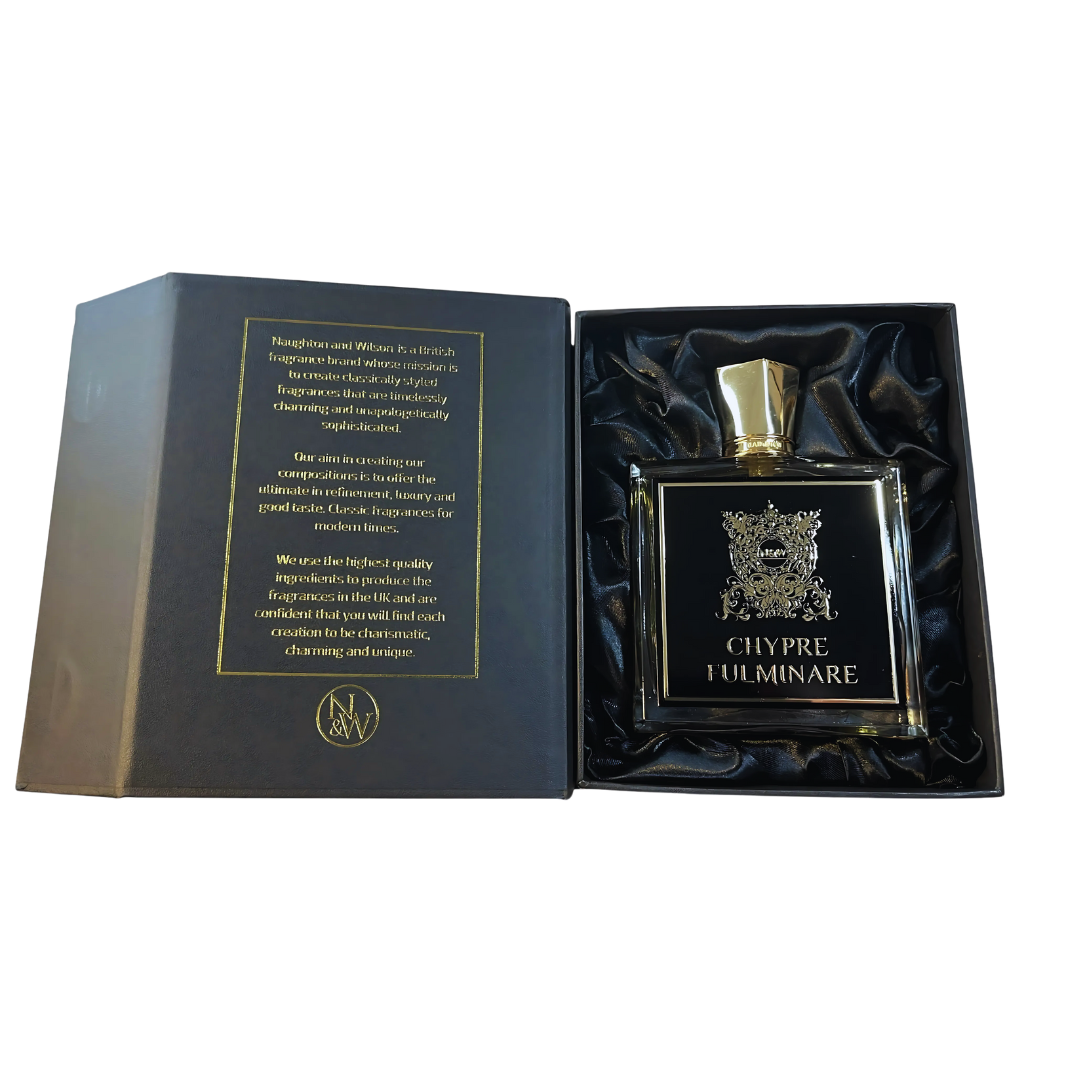
For a BravoPackage perfume carton, put the front, an opening fold and the sleeve contact point in the trial. Judge whether the front preserves the approved paper color and feel. Cycle the sleeve and photograph rub marks. If only the first touchpoint needs the tactile finish, sample the simpler coverage as well.

Verify material and finishing compatibility
Specify film grade, print conditions and performance, and ask how long the laminate needs before converting. Test foil, spot varnish and stamping on the selected film. Check where heat changes feel or transfer, and inspect creases, glue zones and the adhesive face. Obtain the complete construction and applicable supporting details for material or recovery claims.


Compare on production stock and inks
Use the same print with dark solids, reflective text, the foil area and the tightest fold. View from the front, side and under angled light. Record depth, brand color and legibility. Have users handle samples the same way and note where marks start. Pack samples in the planned case and check rubbing during stacking and handling.

Inspect the sheet, fold and seam
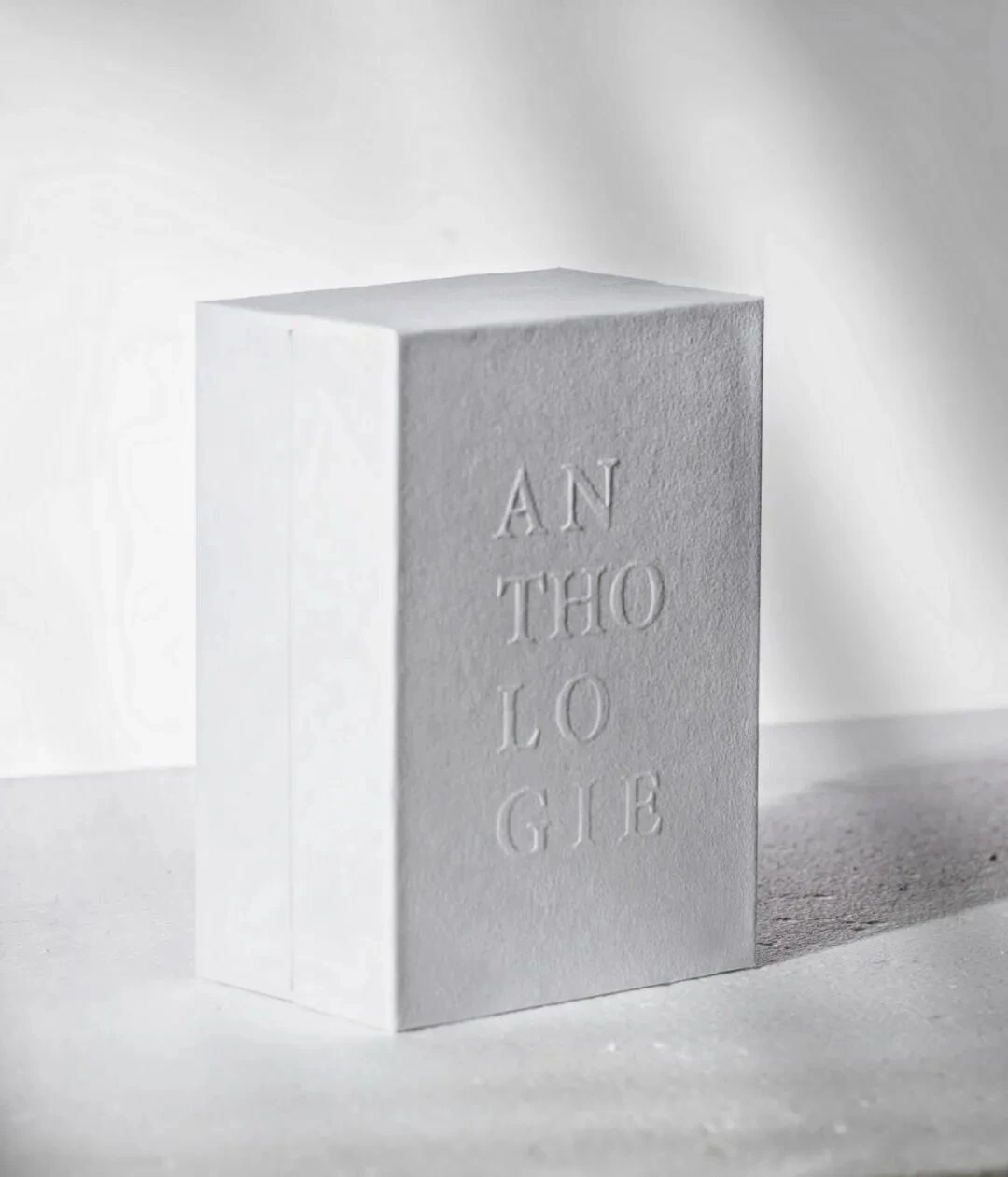
Look for bubbles, particles, uneven bonding and curl on the flat sheet. Check folds for whitening, delamination and lifting. Open the sleeve repeatedly. Agree rubbing materials, pressure, cycles and an untested reference. Use the same lighting and approved sample for retail-facing surfaces.


Specify the approval conditions on the order
Record the grade, color and gloss reference, finishing areas, paper and assembly. A substitute needs checks for color, creasing, foil and adhesion. Put recurring fingerprint and scuff points in first-piece inspection and confirm reorder availability for specialty films.
