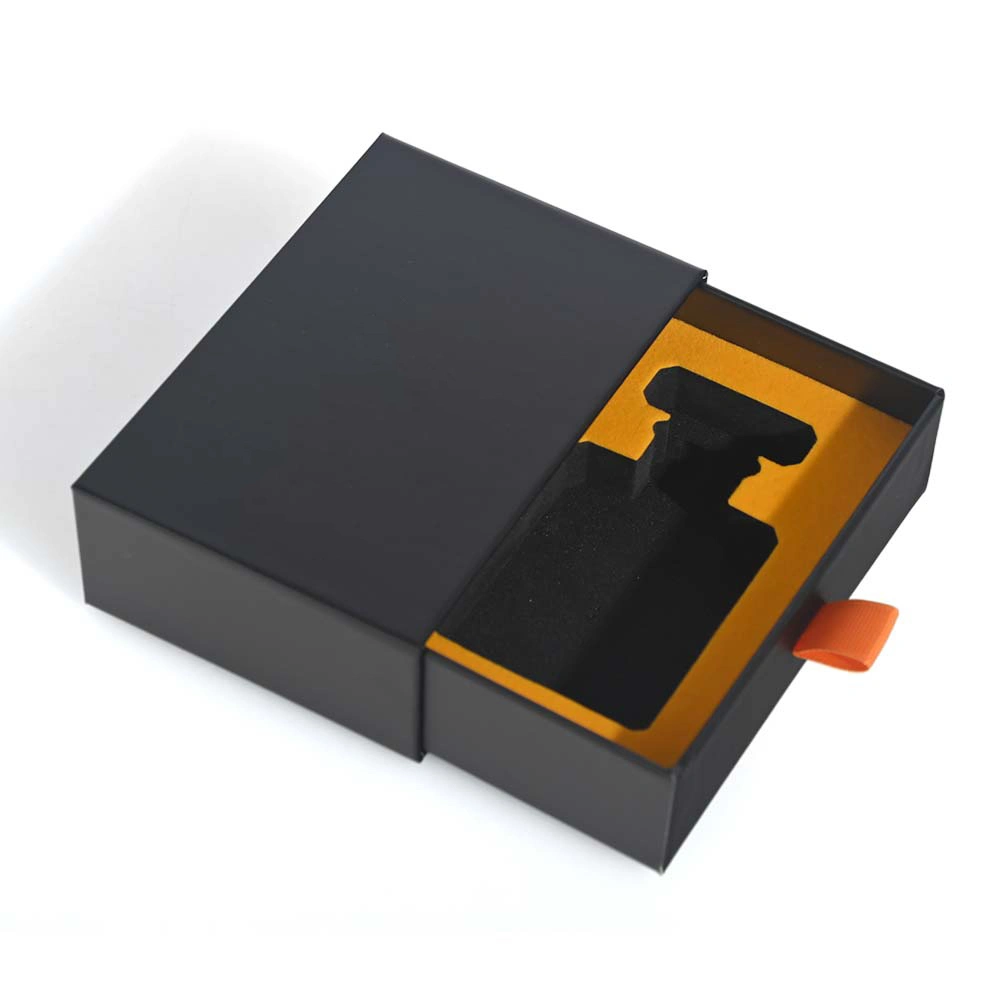
The sleeve, drawer and bottle-shaped opening are separate features to identify and check. Third-party reference; not a Bravo Package project.
PERFUME PACKAGING · DRAWER BOXES
A drawer perfume box needs more than an attractive ribbon. Sleeve fit, the intended stopping point and access to the bottle are separate decisions. Review the complete sequence with the final bottle and insert: hold the sleeve, pull the drawer, remove the bottle, replace it and close the pack. A smooth empty box cannot establish the experience of the finished configuration.
Identify the sleeve, drawer and complete contents
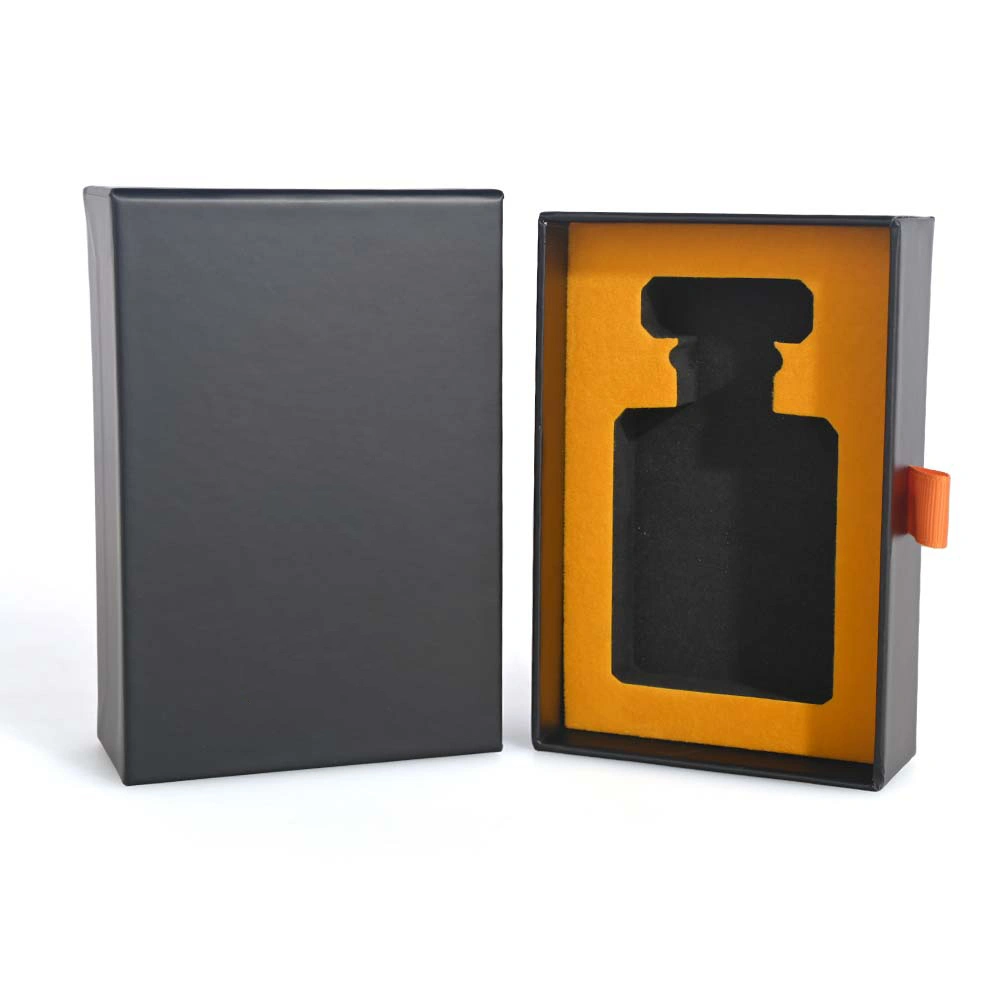
Drawer describes an opening format, not a material specification. A folding-card construction, a corrugated drawer and a wrapped rigid box can use a similar movement while requiring different structural decisions. Do not assign the same clearance simply because all three are called drawer boxes.
List the sleeve, inner drawer, insert and contents separately. Include the pump, cap, label and any decorative bottle components in the product dimensions. For a discovery set, add dividers, information cards, pouches and accessories to the configuration. An empty drawer suitable for jewellery does not demonstrate a suitable fit for a glass perfume bottle.
Label the dimension being supplied. Usable space inside the drawer, its external dimensions, the sleeve opening and the overall closed dimensions mean different things. A small version described by external dimensions cannot be compared directly with a larger version described by internal dimensions. Confirm the finished dimensions and drawing revision after the supplier adjusts the construction.
Describe slide fit through observable actions
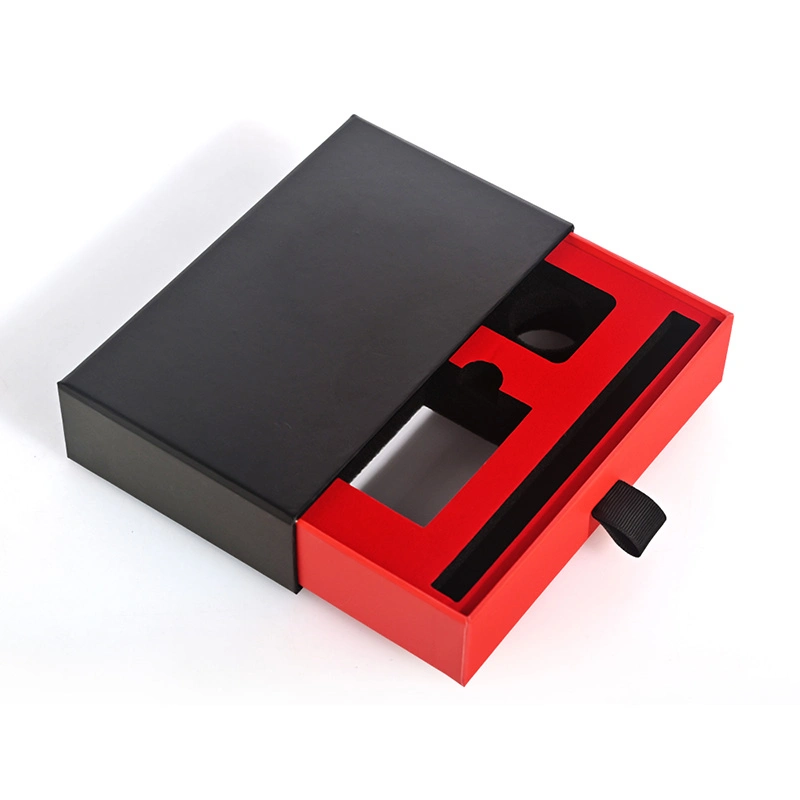
Instead of asking only for premium resistance, record how the pack is held and opened. Which side is the opening side? Is rocking needed? Does one edge catch? Can the drawer be pushed back to the intended closed position? Compare samples containing the actual contents and note whether a problem recurs in the same place.
Sticking, skewing and unintended sliding are observations to investigate. They do not identify a single cause on their own. Ask the supplier to review dimensions, part shape, surface condition, assembly and contact points. A short recording linked to the sample number is more useful than an unexplained instruction to make the fit looser.
Avoid a universal clearance copied from a tutorial, or a paper-weight difference presented as a fit rule. Specify the construction and finished materials for the project, then assess the corresponding sample. Appearance approval does not establish acceptable sliding behaviour.
Decide whether the drawer should come out completely
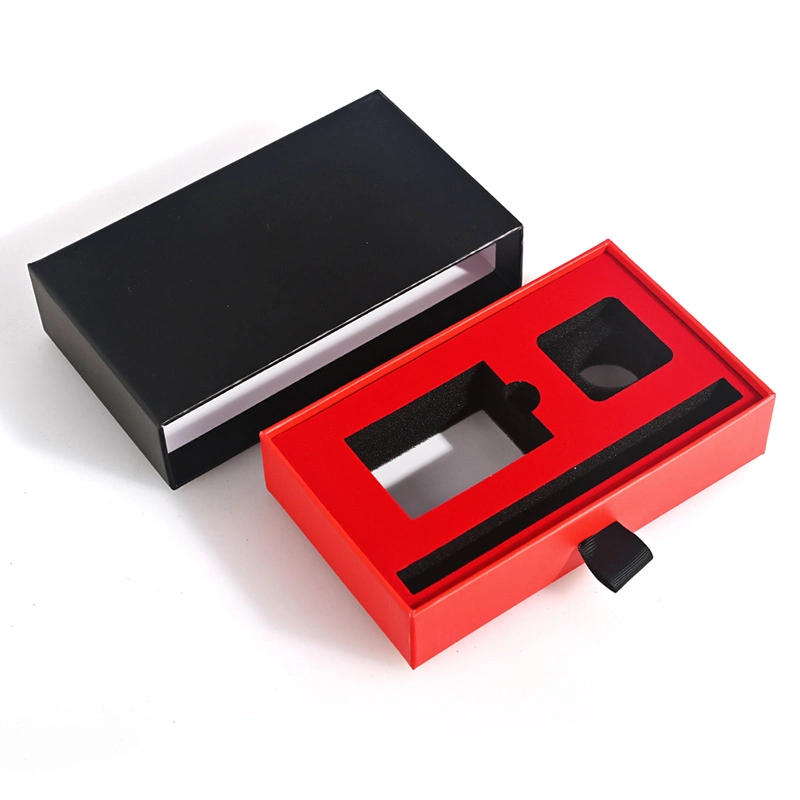
Some designs allow the inner drawer to be removed; others are intended to stop at a defined position. State the intended behaviour in the brief. If the drawer must be retained, ask the supplier to explain the actual stop or connection, where it acts and how opening and assembly should work.
Sliding resistance, a pull tab and a stop serve different purposes. A ribbon provides a place to pull; it does not automatically limit travel. A tight fit is not proof of a retaining feature. Do not claim that a box cannot pull apart when its stopping arrangement has not been identified and checked.
Test the proposed arrangement with the real contents installed. When the drawer stops, there must still be suitable access for removing the bottle. Approval of the stop is also separate from shipping protection. Any requirement to prevent opening during delivery needs review of the closure, outer shipping pack and packing configuration, followed by the agreed validation.
Check the pull tab or finger notch in use
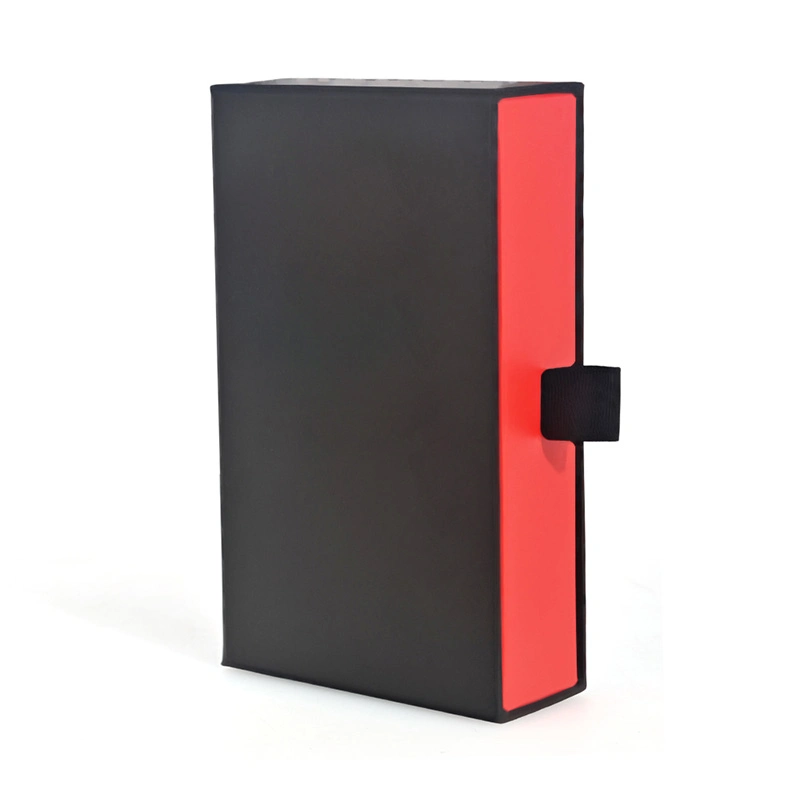
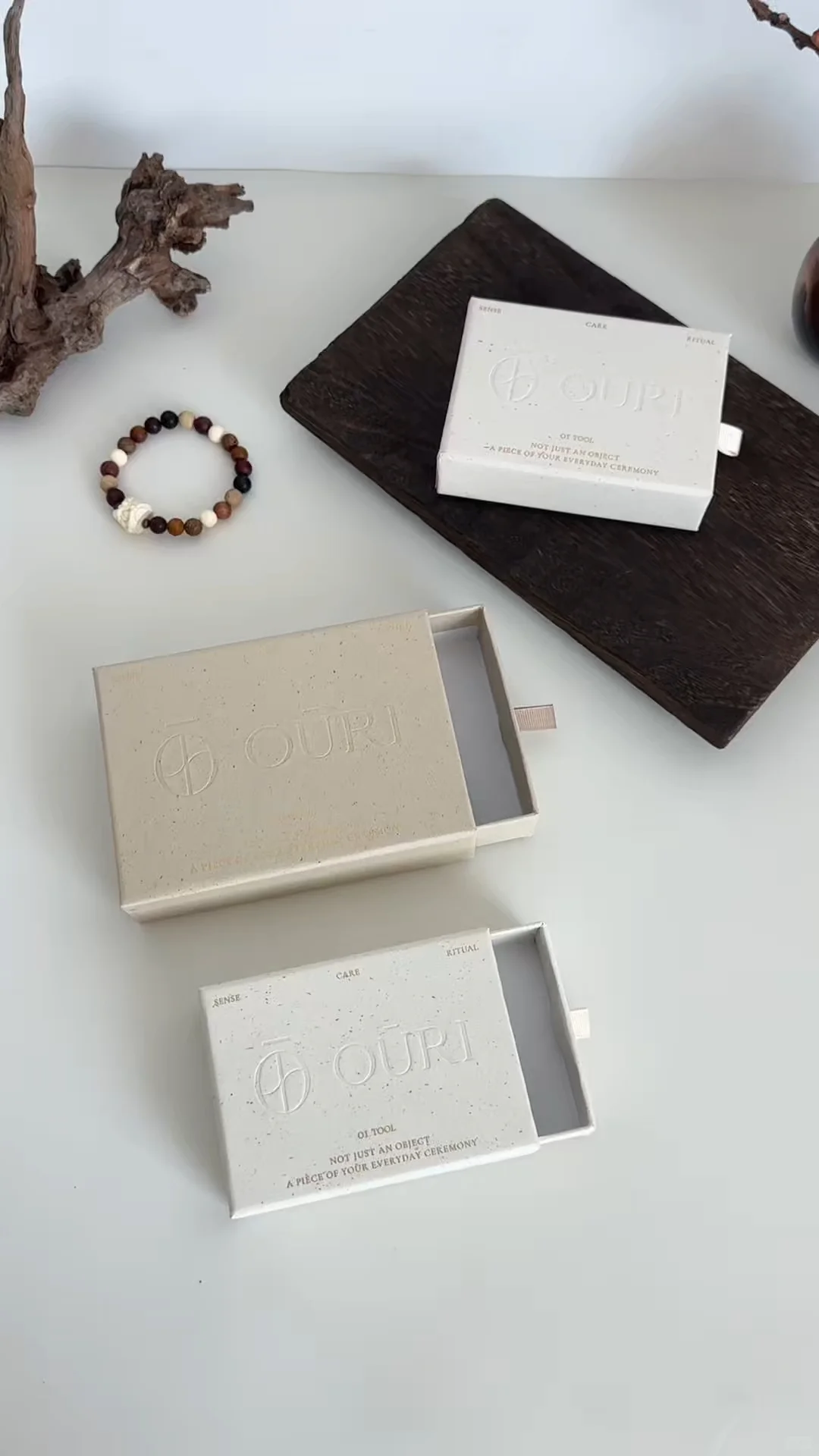
Confirm the pull tab's material, position, exposed portion, attachment and pulling direction with the sample. Can users find the opening and grip it naturally? Does pulling cause rubbing against the sleeve or contact with the product? Those questions are more specific than whether the ribbon colour matches the artwork.
Inspect the connection to the drawer and look for loosening, lifting or visible wear after the agreed handling checks. Do not apply a universal ribbon width, bond length or pulling-force value. Where a measured requirement is needed, agree the method and acceptance conditions for the actual product configuration.
A semicircular notch or a paper pull tongue is another opening interface. Check where the fingers actually make contact and whether the paper edge interferes with use. Record orientation when the sleeve has directional graphics, so that an apparently correct assembly does not put the opening feature at the wrong end.
Review bottle removal and replacement
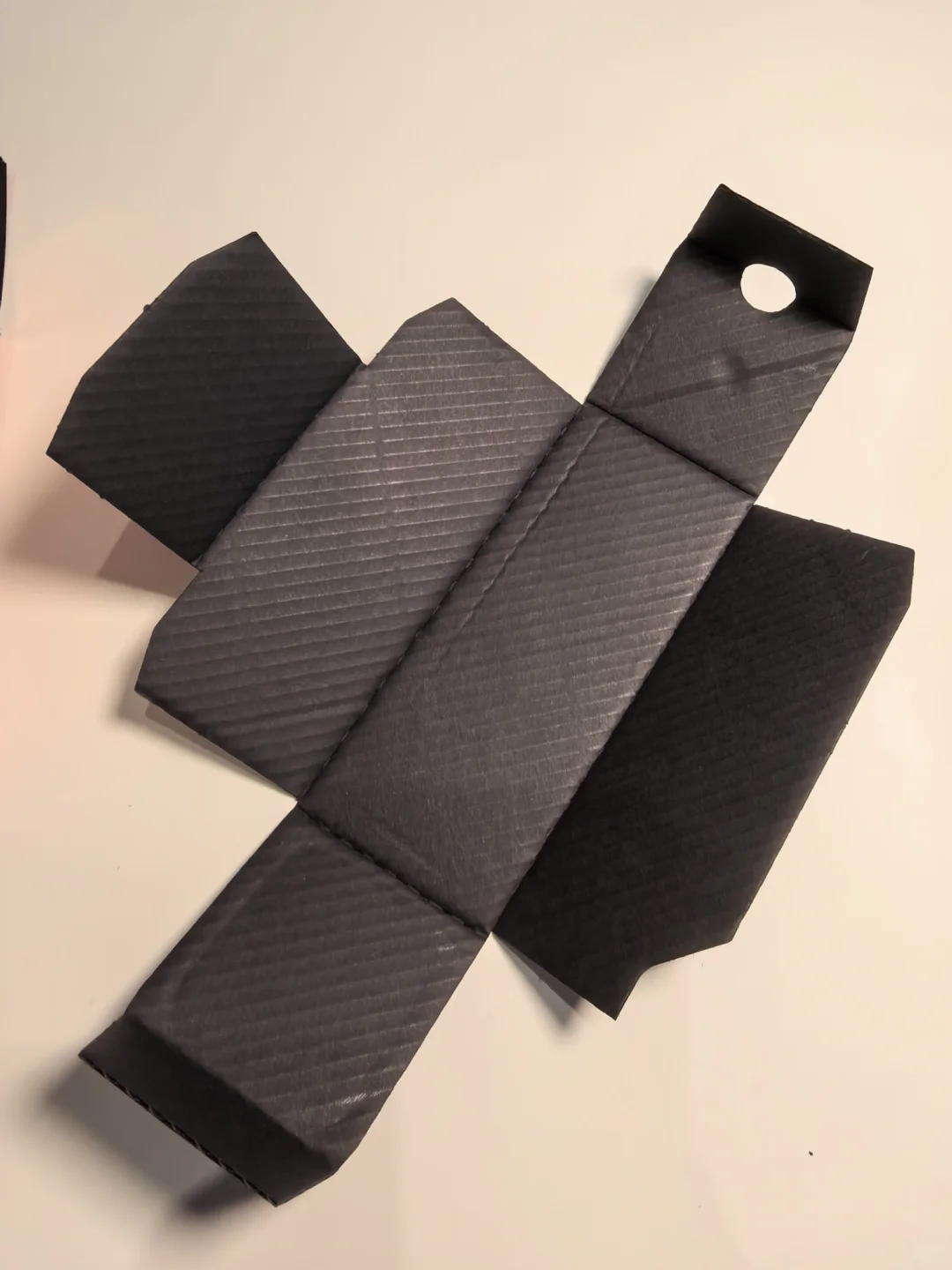
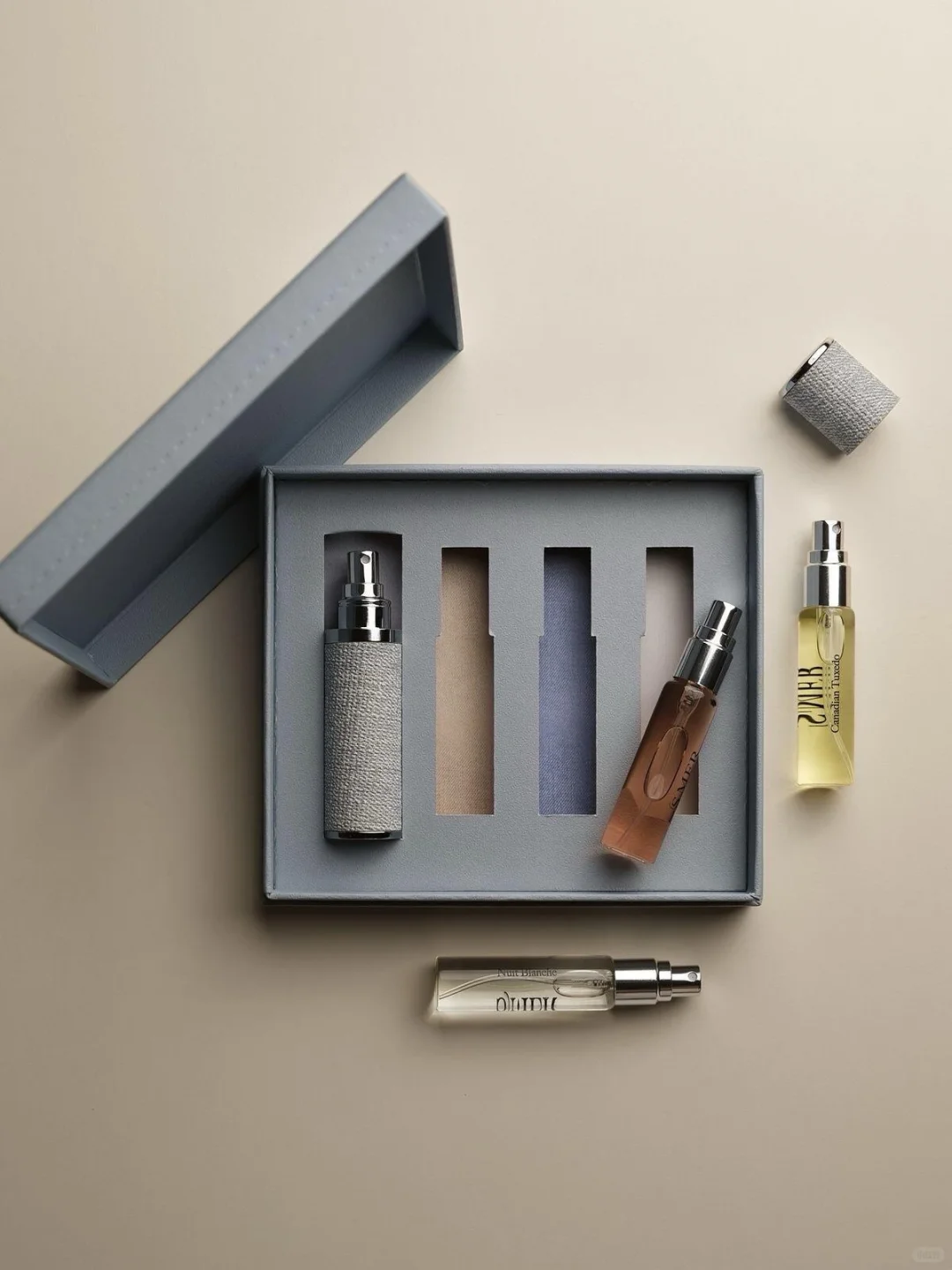
The insert must work with the bottle and the drawer movement. Remove the bottle during sample review. Check whether the user can grip the body rather than pulling only on the cap, whether the label rubs against the opening and whether fingers have enough space. A partially extended drawer may leave the sleeve obstructing the grip area.
Tighter retention is not automatically a better experience. Review display, loading, removal and replacement together. Observe the insert, dividers and information cards in the full configuration, including whether anything presses against the pull-tab connection.
For sets, remove and replace each item. Check whether the remaining items shift and whether replacing them interferes with closing. A supplier's statement that products will not move should become a requirement to validate, rather than an assumed result.
Keep sample, production and reorder versions aligned
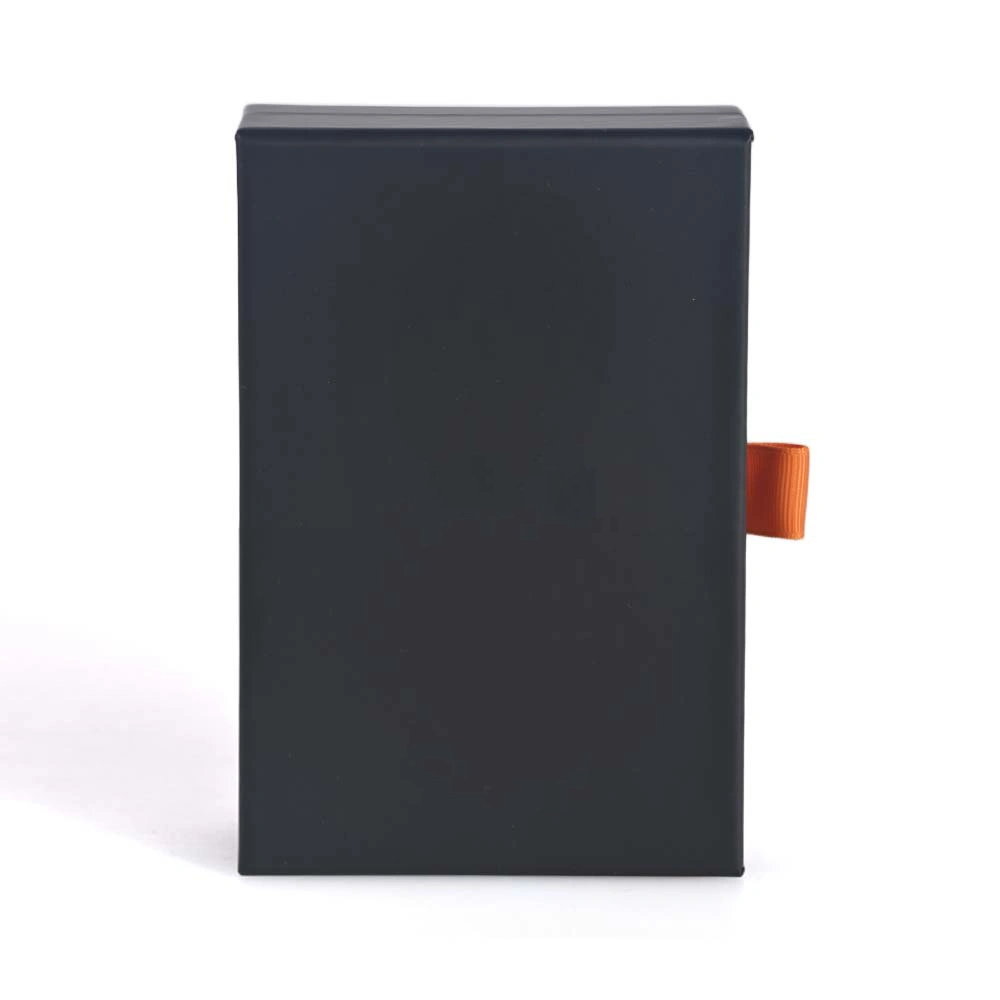
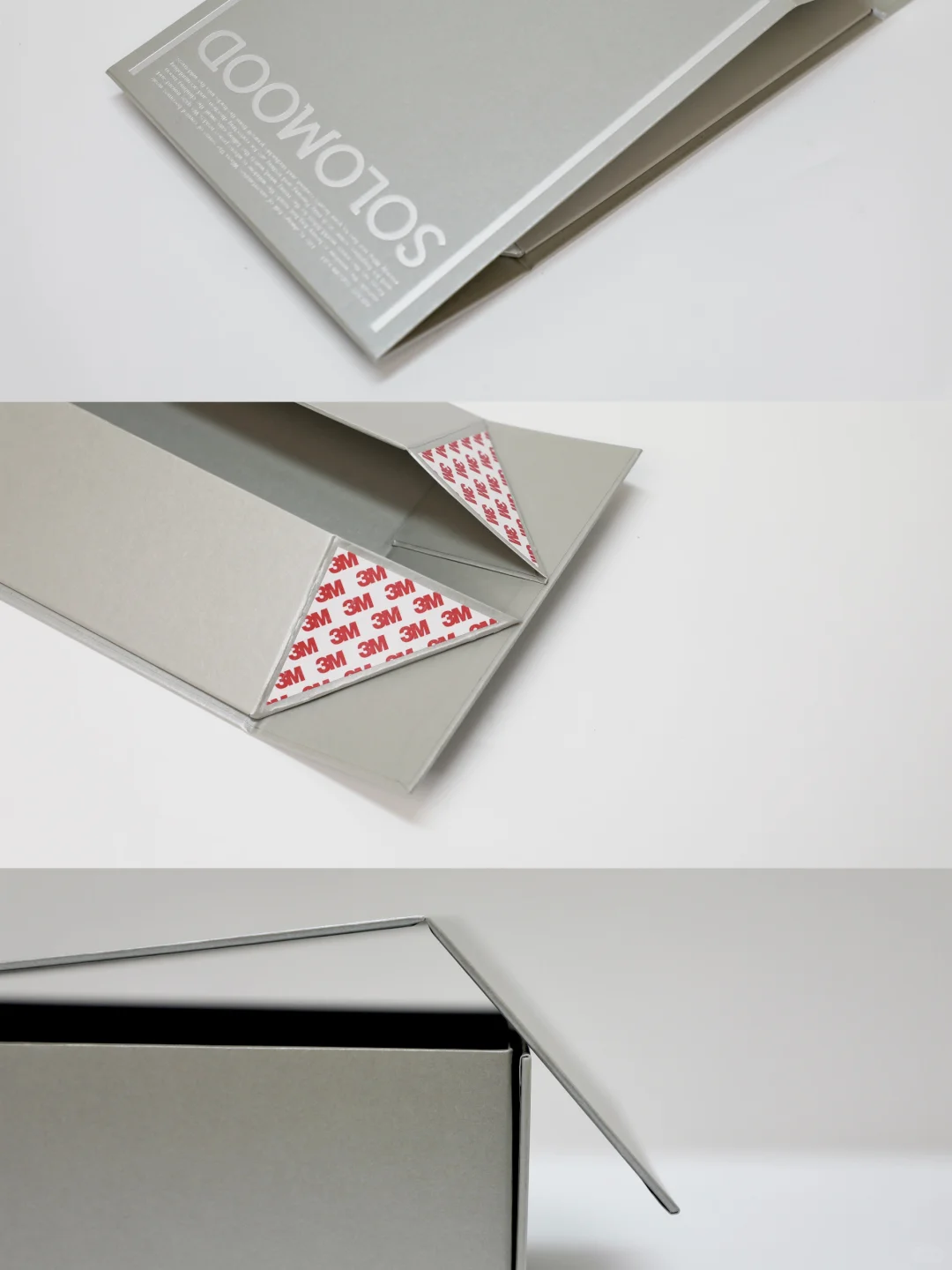
Link the approved sample number to the drawing, contents list, paper and surface specification, insert and pull-tab versions. An early structural sample can help establish the movement. Changes to the final paper surface, insert, tab or assembly may require the opening and removal sequence to be checked again.
Record appearance, dimensions, sliding, connections and product access separately using the configuration and methods agreed for the project. If visible glue, distortion or another irregularity is found, retain its location and sample details for the supplier to investigate. Online sampling numbers and test heights should not replace the agreed acceptance plan.
For reorders, list changes to caps, labels, inserts, paper or pull tabs even when the print artwork stays the same. Keeping revisions and approval records together helps prevent comparisons between samples containing different components.
The useful outcome is a complete operation that works as intended: open the drawer, handle it at the intended travel position and remove the product naturally. Define slide fit, retention and the opening interface separately, then assess them with the final physical configuration.
Photographs are third-party packaging references, not Bravo Package manufacturing projects or test evidence. Confirm construction, materials, dimensions and acceptance methods for the specific project.