
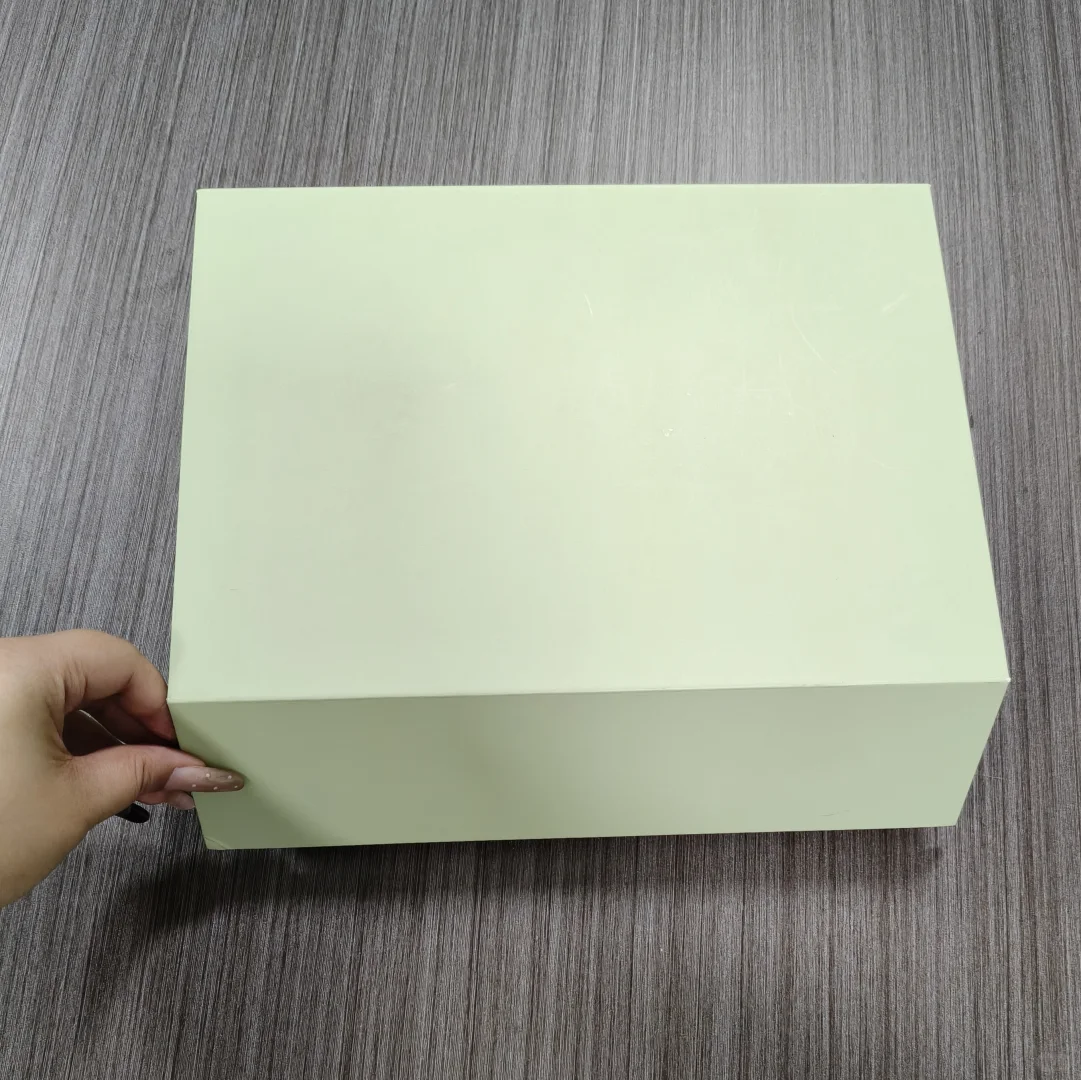
The formed outer box is one state of the proposal. Confirm its corresponding flat state, fixing arrangement and intended contents. Third-party reference; not a Bravo Package project.
PERFUME PACKAGING · FOLD-FLAT STRUCTURES
A fold-flat rigid box brings flat delivery and a formed presentation box into one construction. It can combine panels that give the box its shape with connecting areas that allow those panels to move relative to one another. The user raises or unfolds the walls in a specified sequence, then secures the construction using the arrangement designed for that particular box. “Fold-flat” alone does not tell you the assembly method: ask for the actual sample and instructions.
For perfume packaging, separate three questions: how the body is formed, how the lid closes, and how the bottle is supported. A magnetic flap describes a closing action. It does not establish that magnets also secure the corners. Two similar-looking hinged boxes can have different assembly and fixing methods.
Flat delivery does not identify the construction
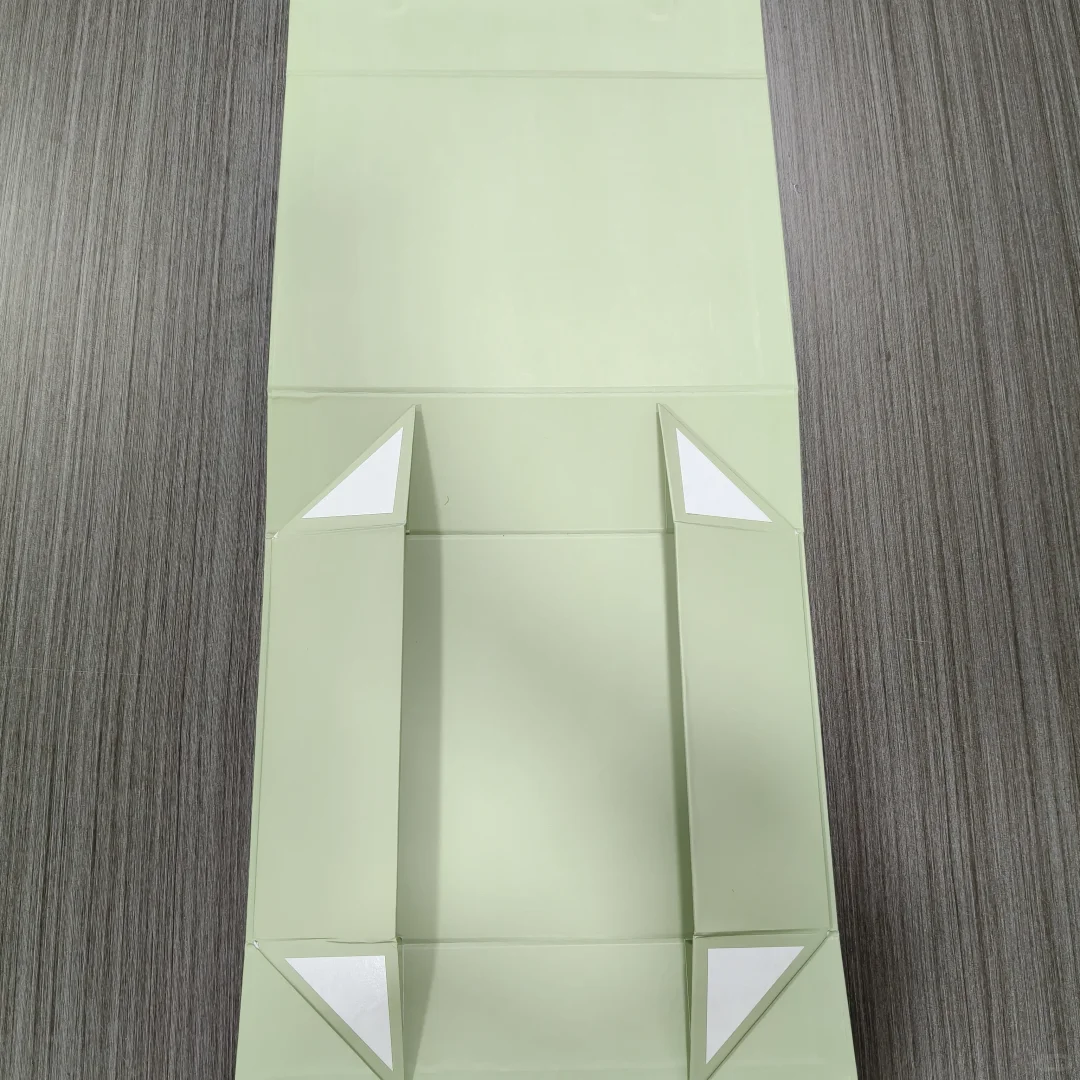
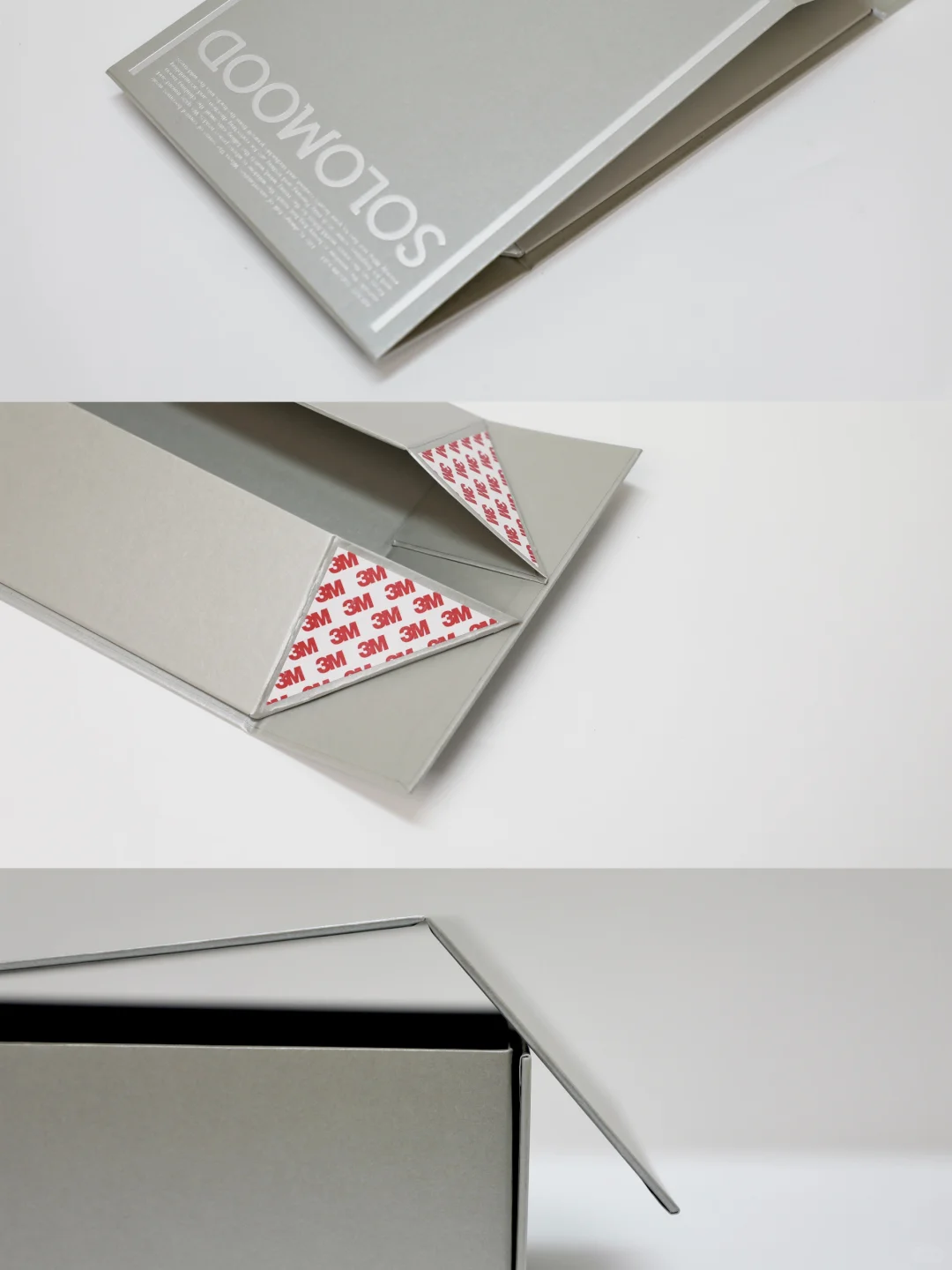
Both a conventional folding carton and a fold-flat rigid box may arrive relatively flat. Delivery state alone does not make them the same construction. Ask the supplier to identify the body panels, covering materials and connecting areas, and show which parts become the base and walls.
Product descriptions can mix “folding box,” “book-style box” and “magnetic box.” Request two sets of photographs for the same proposal: the complete contents as delivered, and the box formed according to its instructions. Identify what is already joined and what must be installed before the bottle is packed.
A box that requires bonded areas to be torn apart to flatten it is different from a design intended to be folded flat again. An unfolded illustration is not permission for repeated disassembly. A dieline is also different from a photograph of the delivered components.
Identify where the panels can move
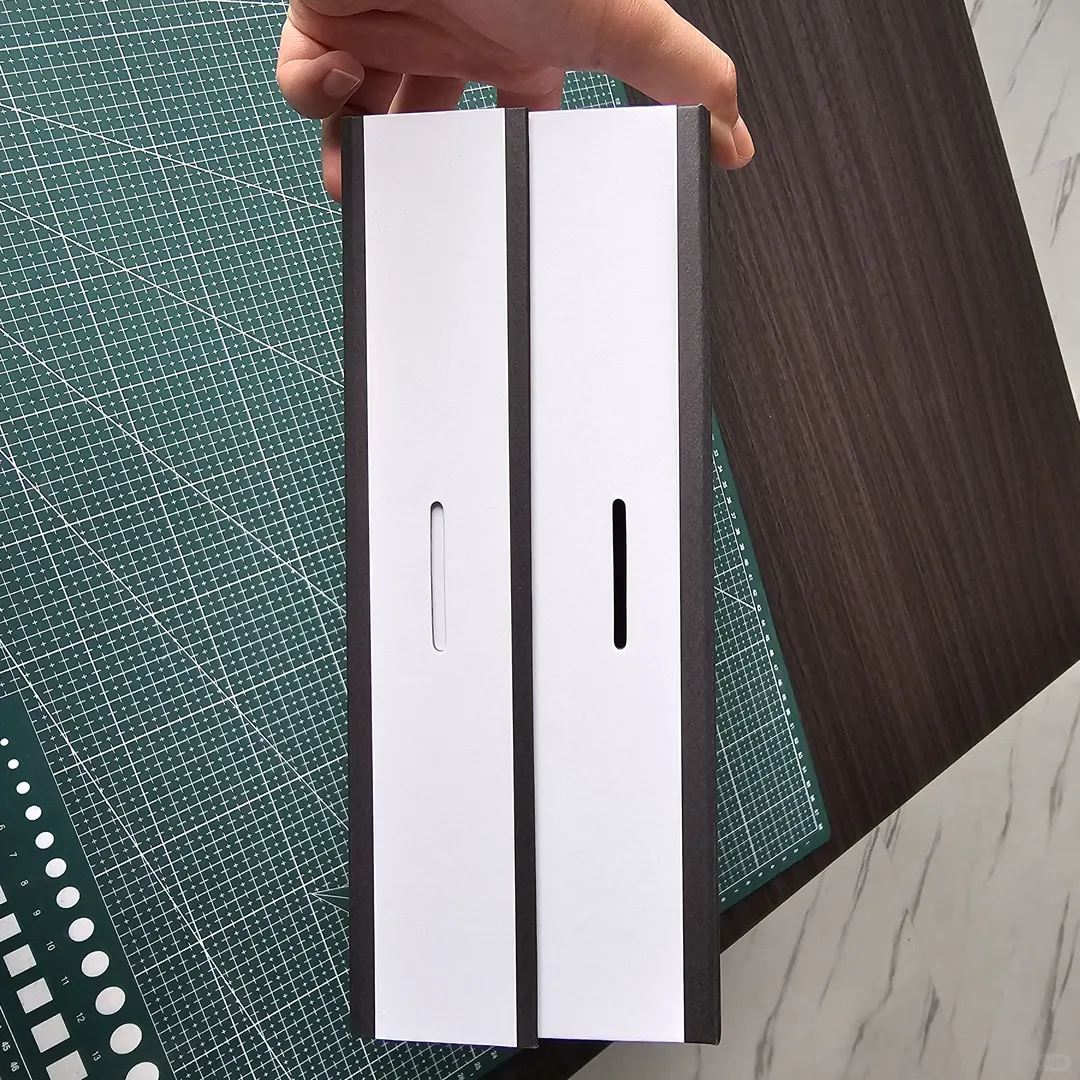
Look at the areas that retain the box shape and the areas that move during assembly. Trace how the base, long and short walls, and cover connect. The supplier's drawings and sample should define the construction; do not assume every fold-flat box uses the same grooves, paper or covering process.
Ask for an annotated layout that maps each panel to a face of the formed box and indicates the folding direction. Follow that layout when trying the sample instead of bending panels backwards by guesswork. If a panel needs force to enter its position, record the issue and check the dimensions, direction and component revision. Forced assembly should not be accepted as the normal sequence.
Inspect connecting areas for visible cracking, lifting, separation or interference with movement. Agree appearance and use conditions against the sample. A board thickness or photograph cannot establish the load capacity, connection life or permitted number of folding cycles.
Separate body fixing from lid closure
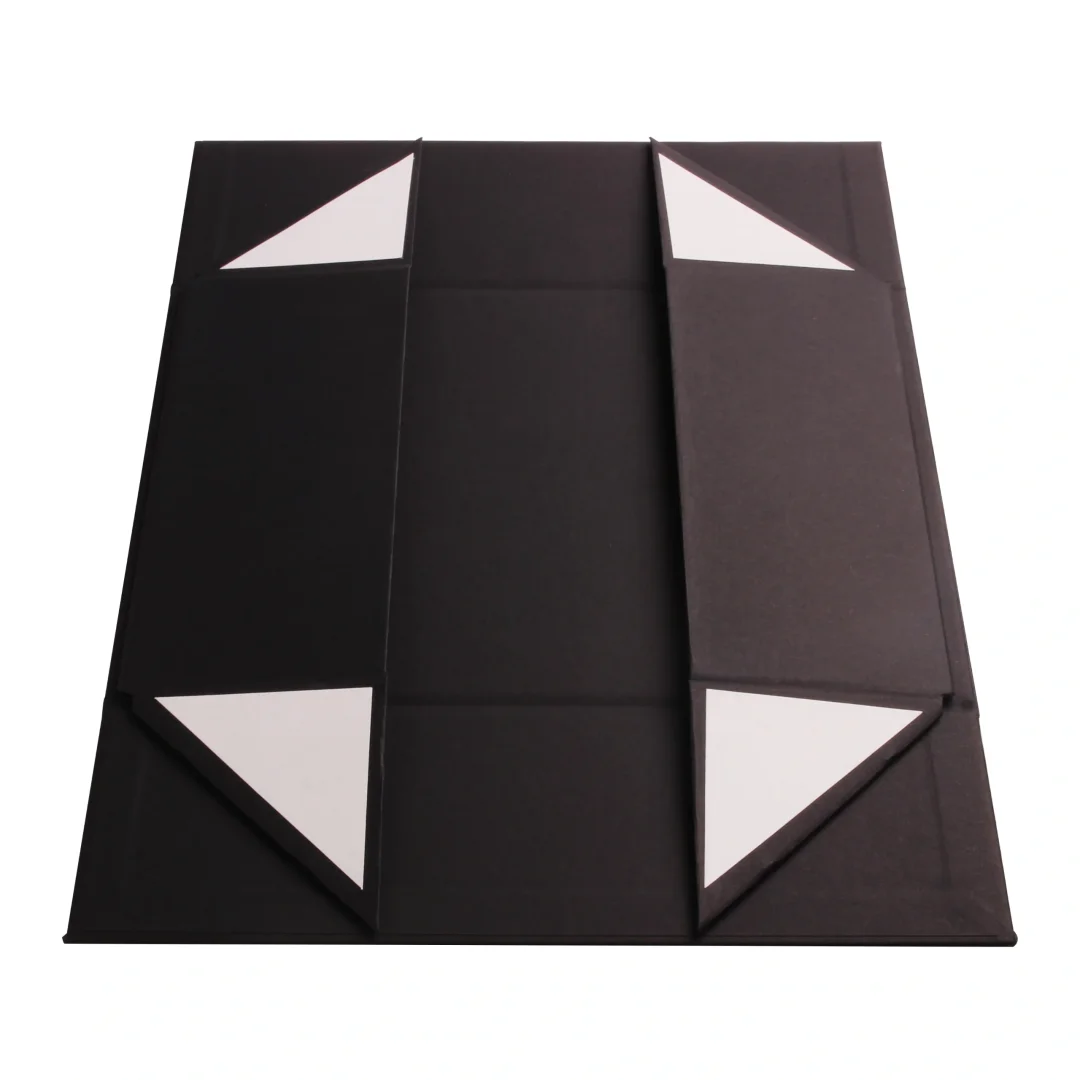

One proposal may include tape at designated fixing points for the packer to use. Another may use magnets or another connection at particular corners. Confirm each proposal separately rather than treating one supplier's arrangement as a rule for all fold-flat rigid boxes.
Where pre-applied tape is specified, establish when the release liner is removed, where the bonding surfaces meet, the positioning sequence and whether disassembly is allowed afterward. “No additional glue application” still needs an explanation of the adhesive materials already included. It does not mean an entirely adhesive-free construction.
Where corner magnets are specified, confirm their positions and the actions that secure the corners. Check the formed body separately from the lid. A closed flap does not show that the walls are correctly positioned. Ribbon, labels and other decoration should not automatically be treated as structural fixing parts.
If the box needs to fold flat again, obtain the disassembly instructions and applicable conditions, then assess the current sample accordingly. Promotional phrases such as “instant assembly” provide neither a measured packing time nor evidence of repeated-use performance.
Include the insert and bottle in the sequence
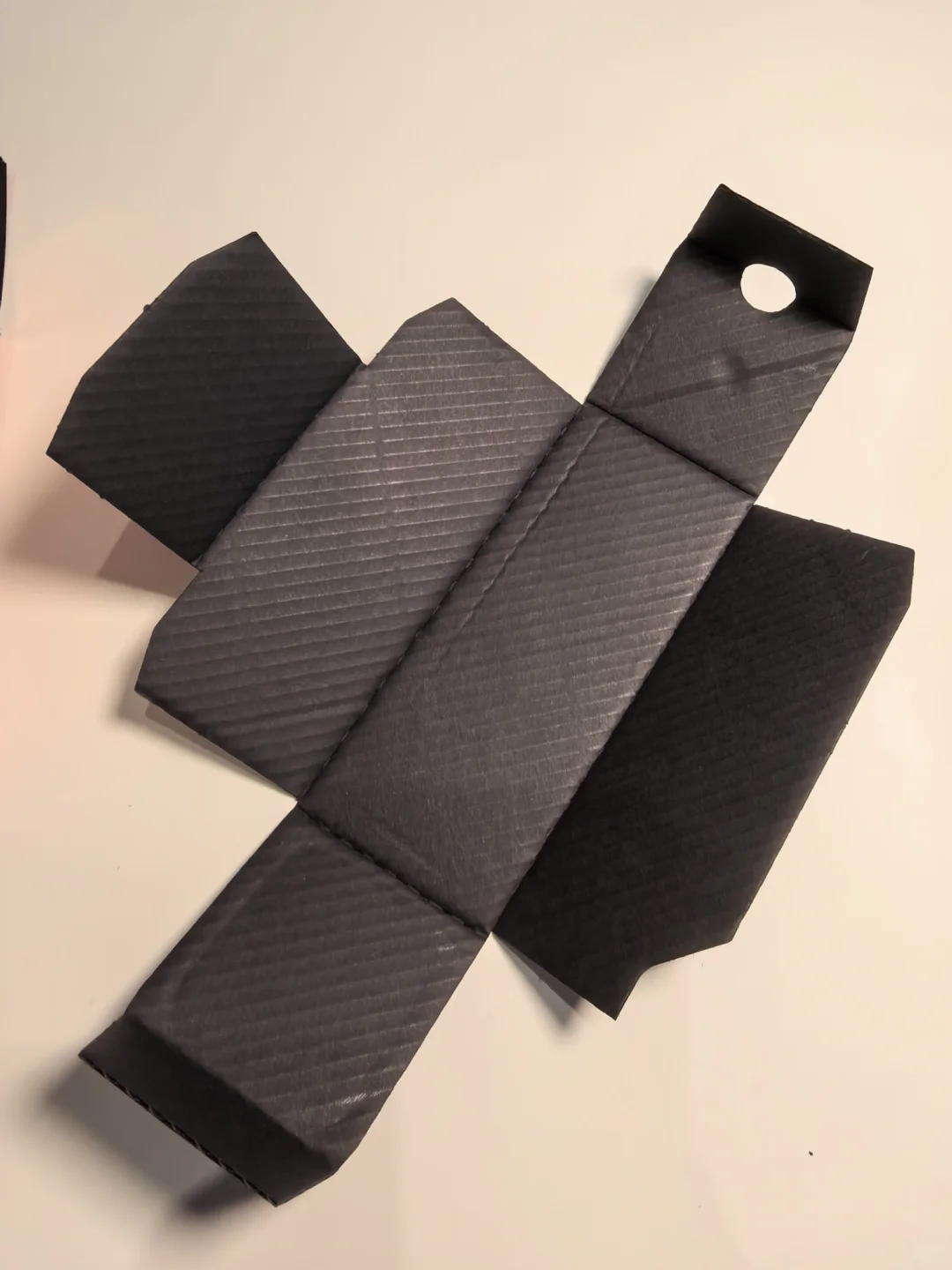
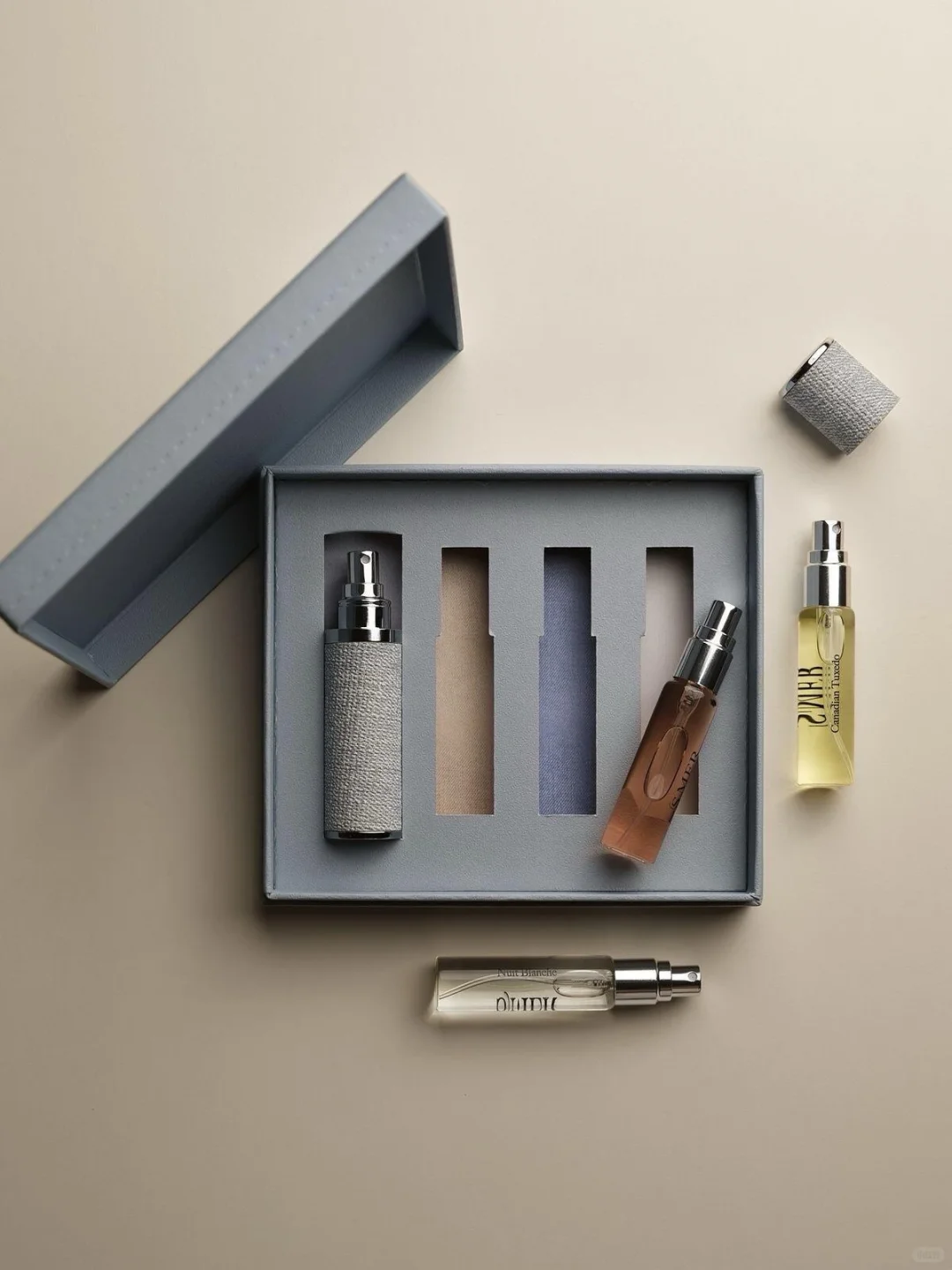
Forming the outer body completes only part of the packing work. The bottle still needs to work with its intended insert, dividers and accessories. Establish whether the insert arrives flat, formed or already attached, then record its installation sequence and orientation.
Use the actual bottle with its final cap, pump and decorative parts for the trial. Review the path for placing, locating and removing it without using projecting components as handles. For several bottles or a set containing sample sprays, review the contact between contents and the order of removal too.
A neat-looking insert opening does not establish distribution suitability. Where the product will be shipped, assess the complete pack with its proposed shipping carton and protective materials. A fold-flat outer box is not a transport approval, and a lid that stays shut is not a substitute for evaluating the whole pack.
Check both flat and formed states
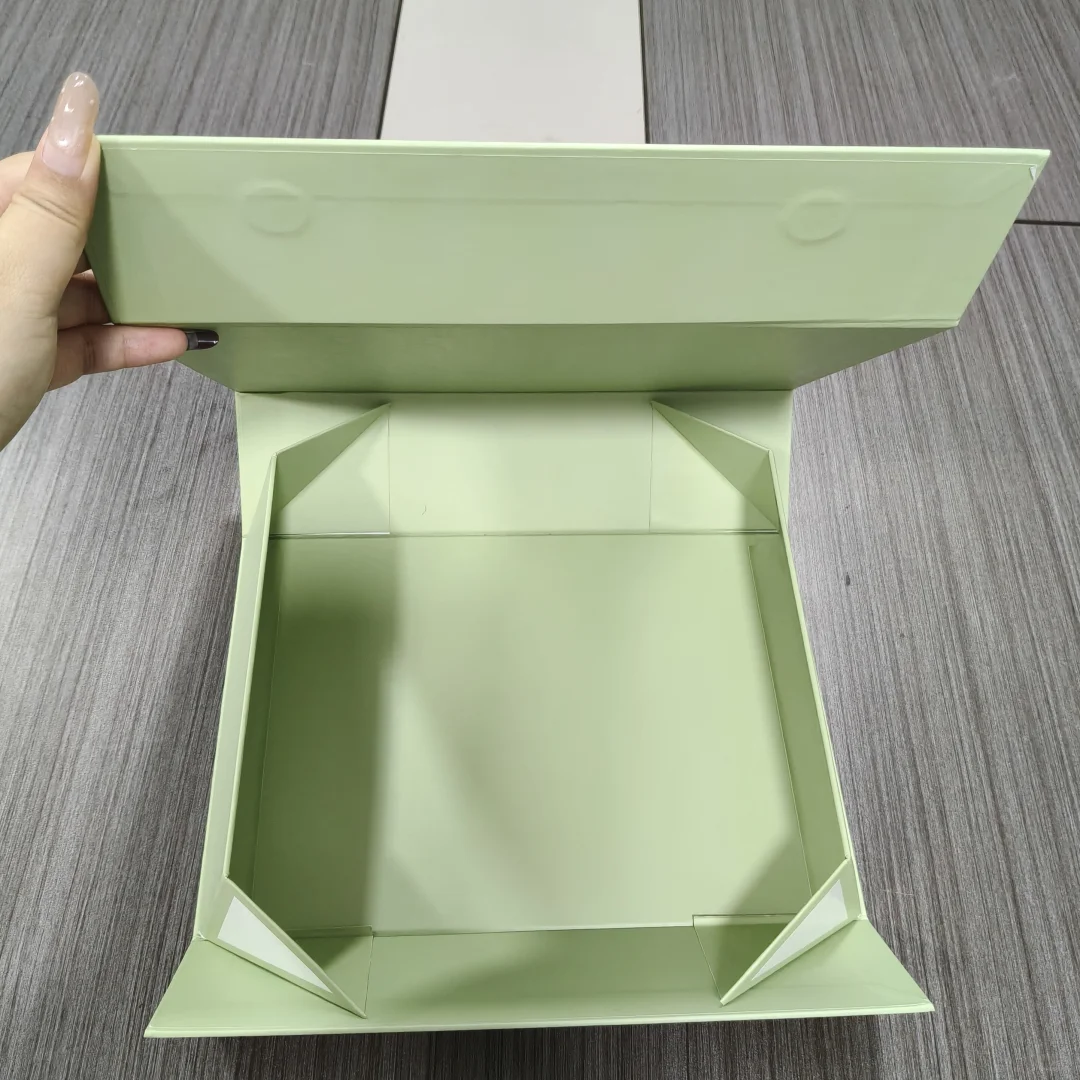
Start by checking the sample against its component list: the body, insert, fixing parts, release liners and information cards should match the same dimensions and artwork revision. Follow the agreed packing and storage conditions while the components are flat. Avoid folding unspecified areas or stacking weights on them without instructions.
After assembly, inspect the relationship between the base, walls, corners and cover. Check closure, product access and artwork orientation. Record where a problem occurs: unclear component identification, an easily reversed direction, a difficult fixing position, or a formed box that does not meet the agreed appearance and handling requirements.
If assembly time matters, have the people responsible for packing follow the instructions and record their trial. For storage and freight planning, obtain the actual packing quantity and shipping-carton data for the proposal. An unfolded picture cannot establish a saving percentage. One successful assembly also does not prove consistent bulk delivery.
Keep the assembly revision with the approvals
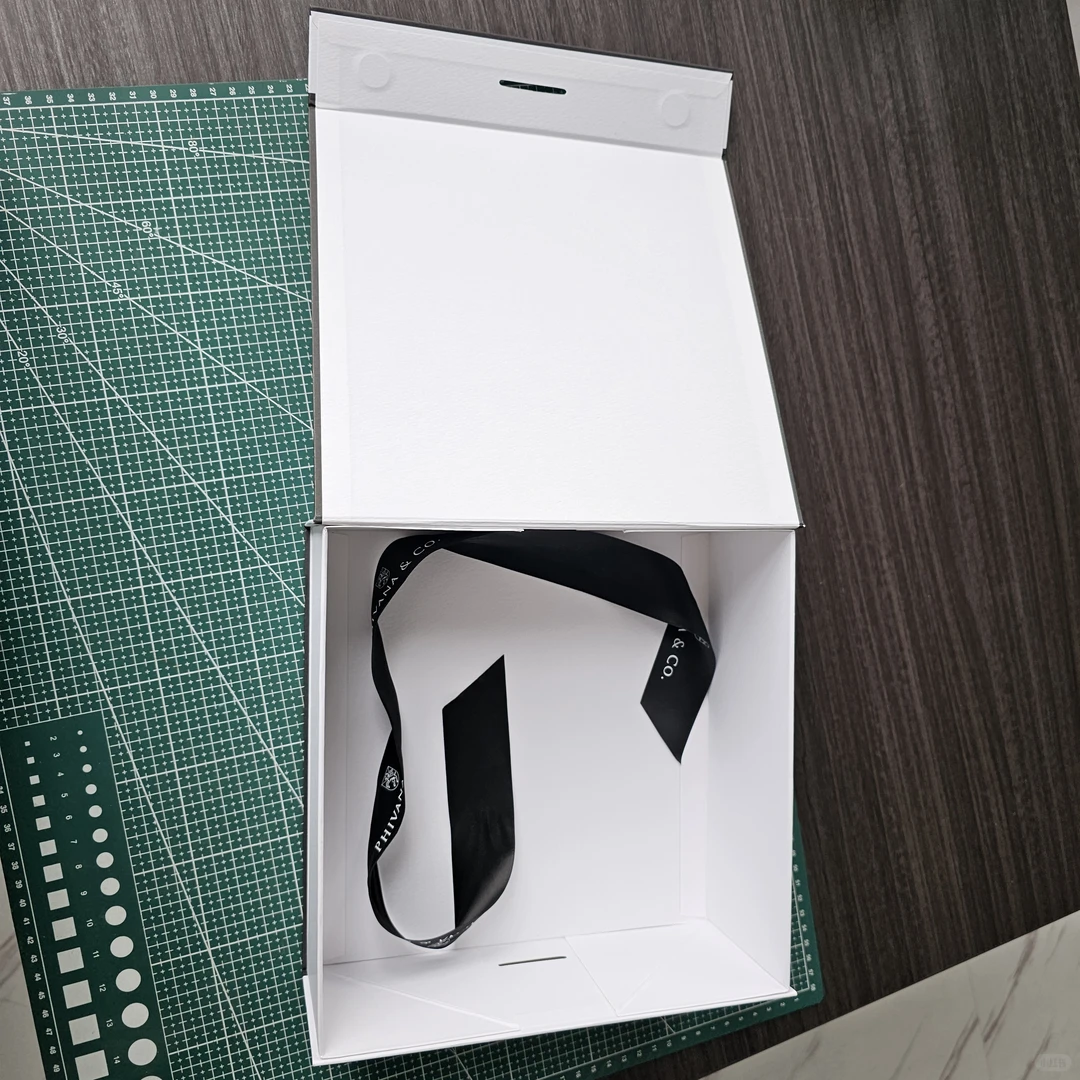
Useful assembly instructions identify the delivered state, component names and orientation, forming steps, fixing actions, insert installation, bottle placement, closure and relevant handling conditions. Explain the role of pre-applied adhesive, corner magnets or other fixing arrangements, including whether the box may be flattened again.
Keep the approved construction and dimension revision, materials, artwork, insert, closure and delivery state together. If panels, connecting materials, tape or the insert change, reconfirm the affected operations and checks. A broadly similar appearance is insufficient reason to inherit every previous approval.
When discussing a fold-flat perfume box with Bravo Package, provide the bottle information, quantity, accessories, intended delivery state and packing responsibility. Ask for matching flat and formed explanations for the proposed construction. Establish how it works before deciding whether it fits your packing and delivery process.