
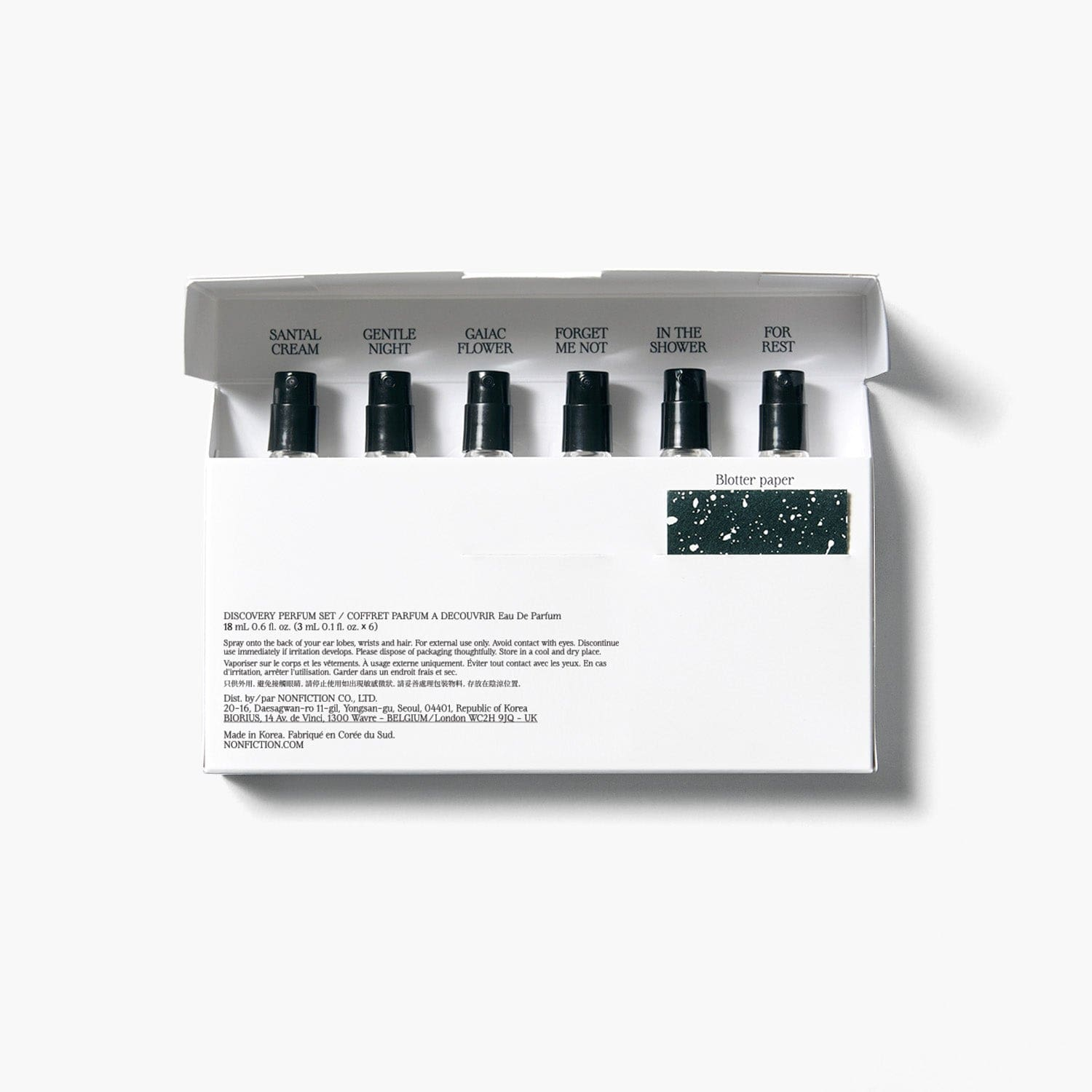
An identified set combines vials with names and supporting information. Specify the actual giveaway or retail use separately; a photograph does not establish the offer terms. Third-party reference; not a Bravo Package project.
PERFUME PACKAGING · SAMPLES AND DISCOVERY SETS
The first difference between a complimentary sample and a paid discovery set is the job each pack must do. A sample may accompany a full-size purchase, leave a store after an event or travel through the post on its own. A retail set is an identified product that someone has ordered. Both need clear identification, usable instructions and a way to match each vial to its fragrance. Decide on cards, boxes and supports from the actual contents and distribution route rather than the selling price alone.
Define the offer and its contents
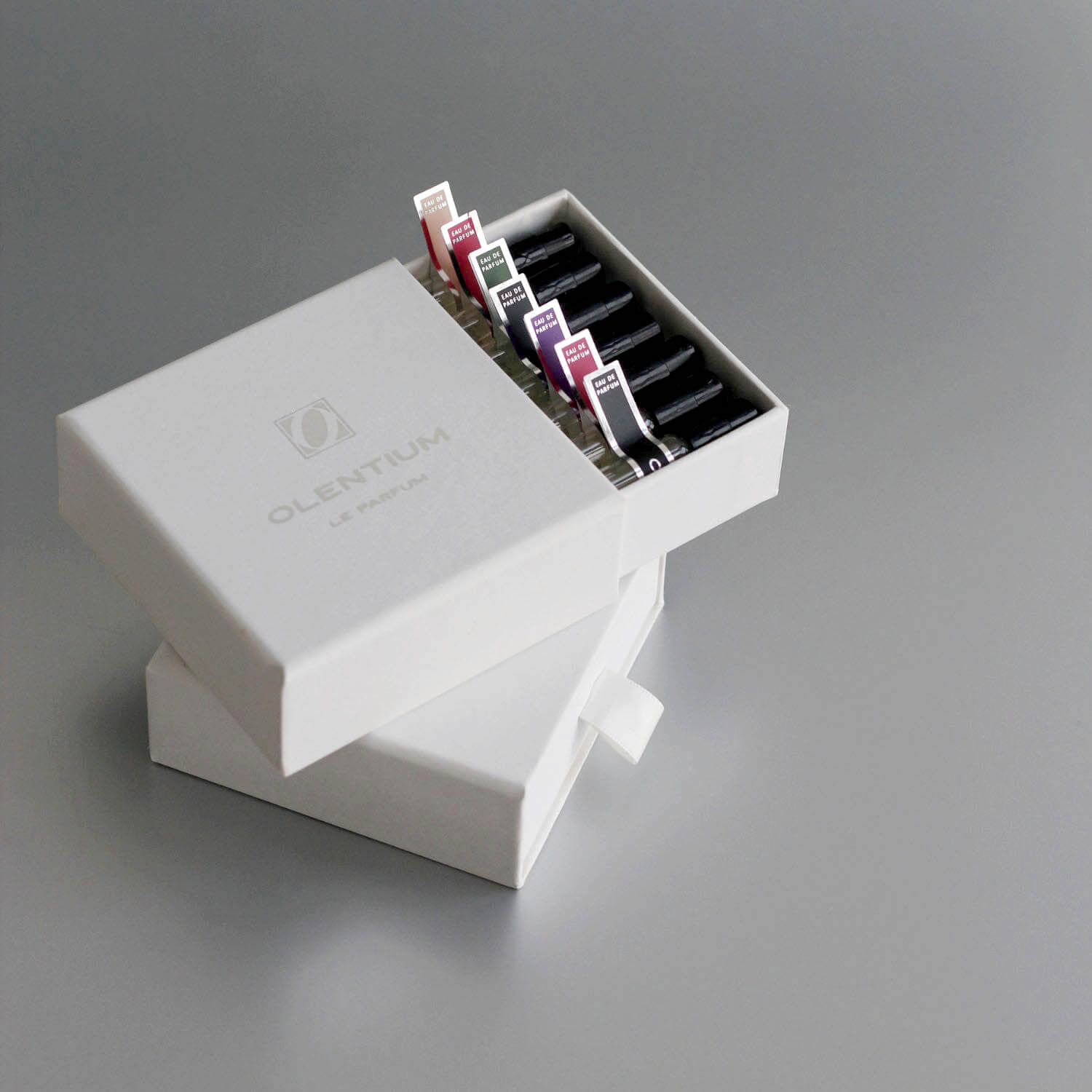
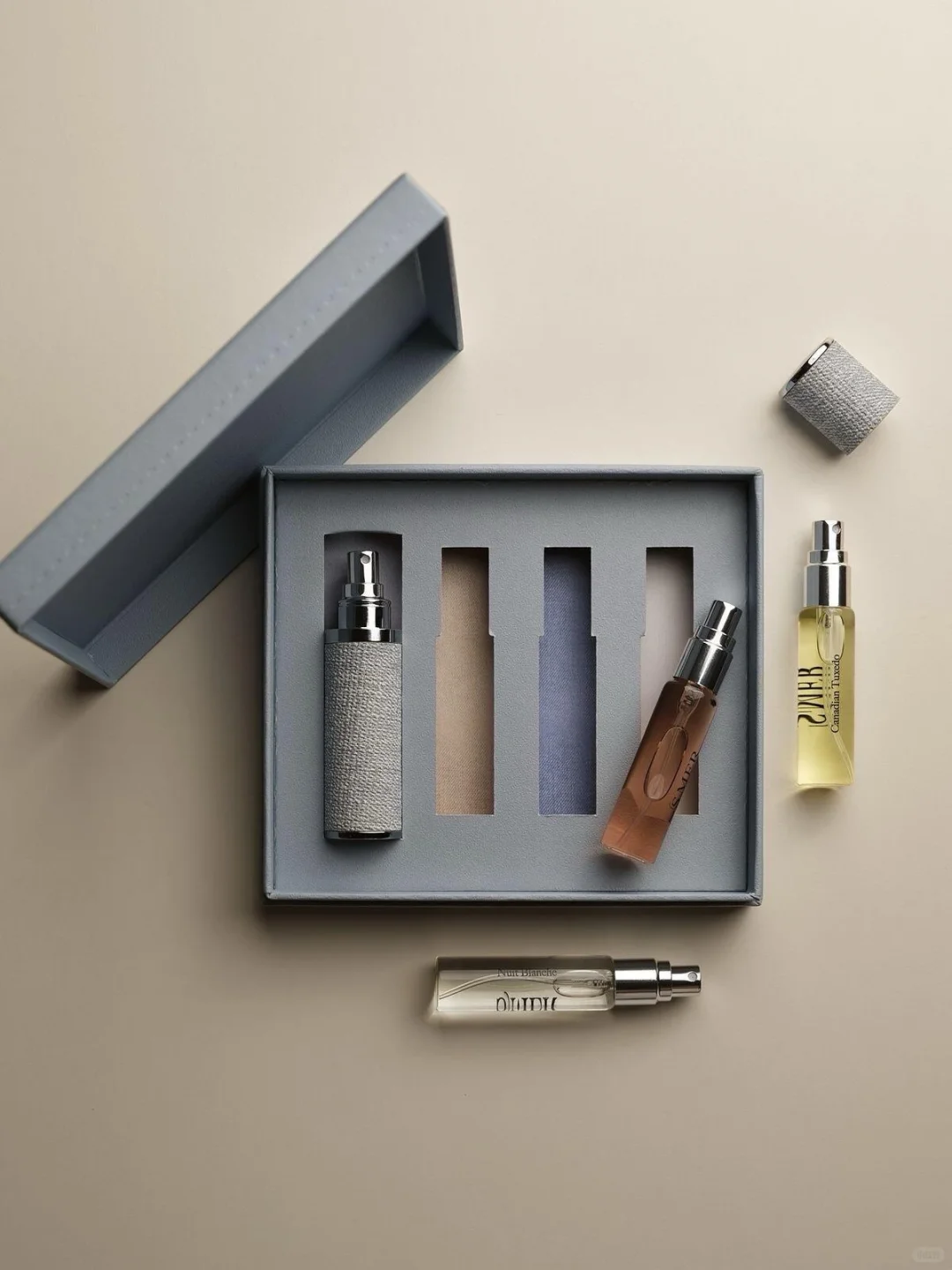
State whether the brief covers a sample added to an order, a store giveaway, a member trial sent by post or a separately sold discovery set. List every vial, its actual container, the fragrance selection and all accessories. Specify whether the assortment is fixed or random. A random giveaway and a fixed retail set may need different packing checks and printed information.
Research included a member receiving a free trial and a buyer reporting that a delivered set differed from the version ordered. These individual accounts do not establish a general problem with either brand. They do highlight the need for an agreed contents list. An attractive unboxing image cannot supply that list. A retail set bought as a present is also different from a complimentary sample supplied by the brand with another purchase.
Keep complimentary packs simple and identifiable
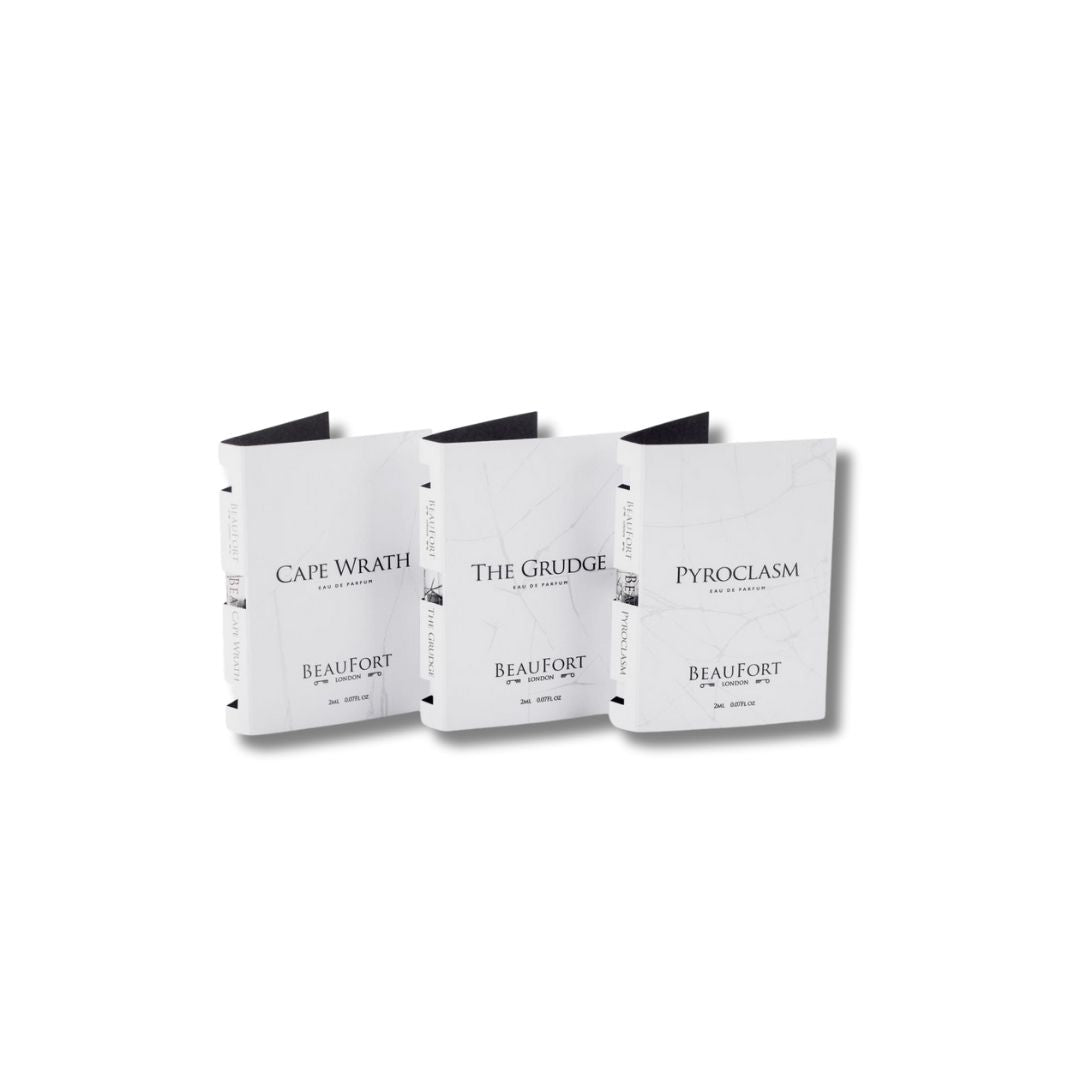
For a single sample added to an order, compare a folded card, sleeve and small carton in the space available beside the main product. Check whether the paper obscures the name, contacts the pump or interferes with removal. Use the actual container to assess these points. Separate the role of the outer card from the vial label: the card can introduce the brand, while the vial still needs identification that remains with it.
Consider what happens after a store visitor takes the sample home. A spoken explanation may not be remembered. Clear names, short instructions and a relevant product or contact destination can help connect the sample with its intended use. A decorative card alone may leave that relationship unclear. If the sample is posted separately, assess the complete mailing pack as well. A presentation card does not establish that shipping protection has been resolved.
Make a retail set easy to check and revisit
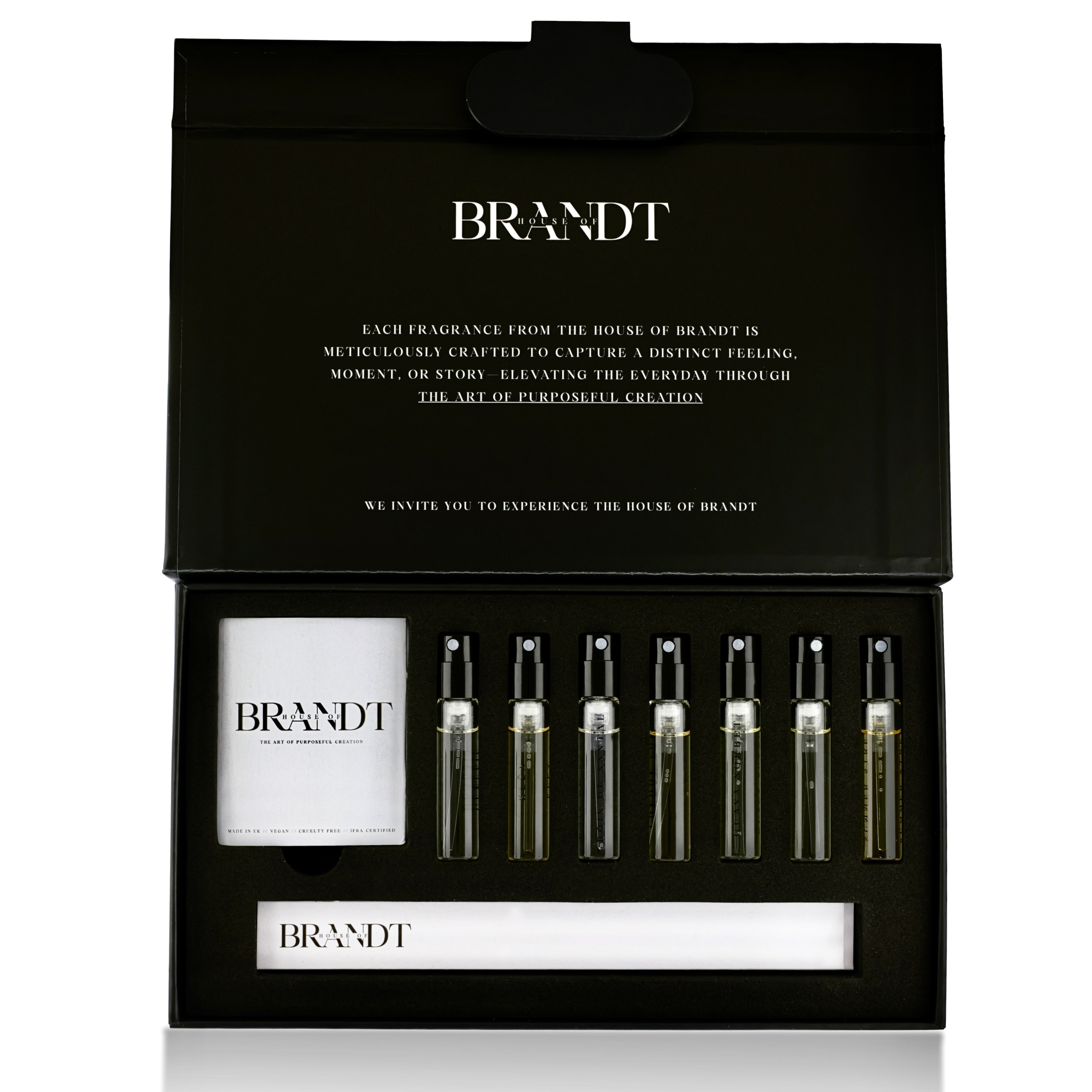
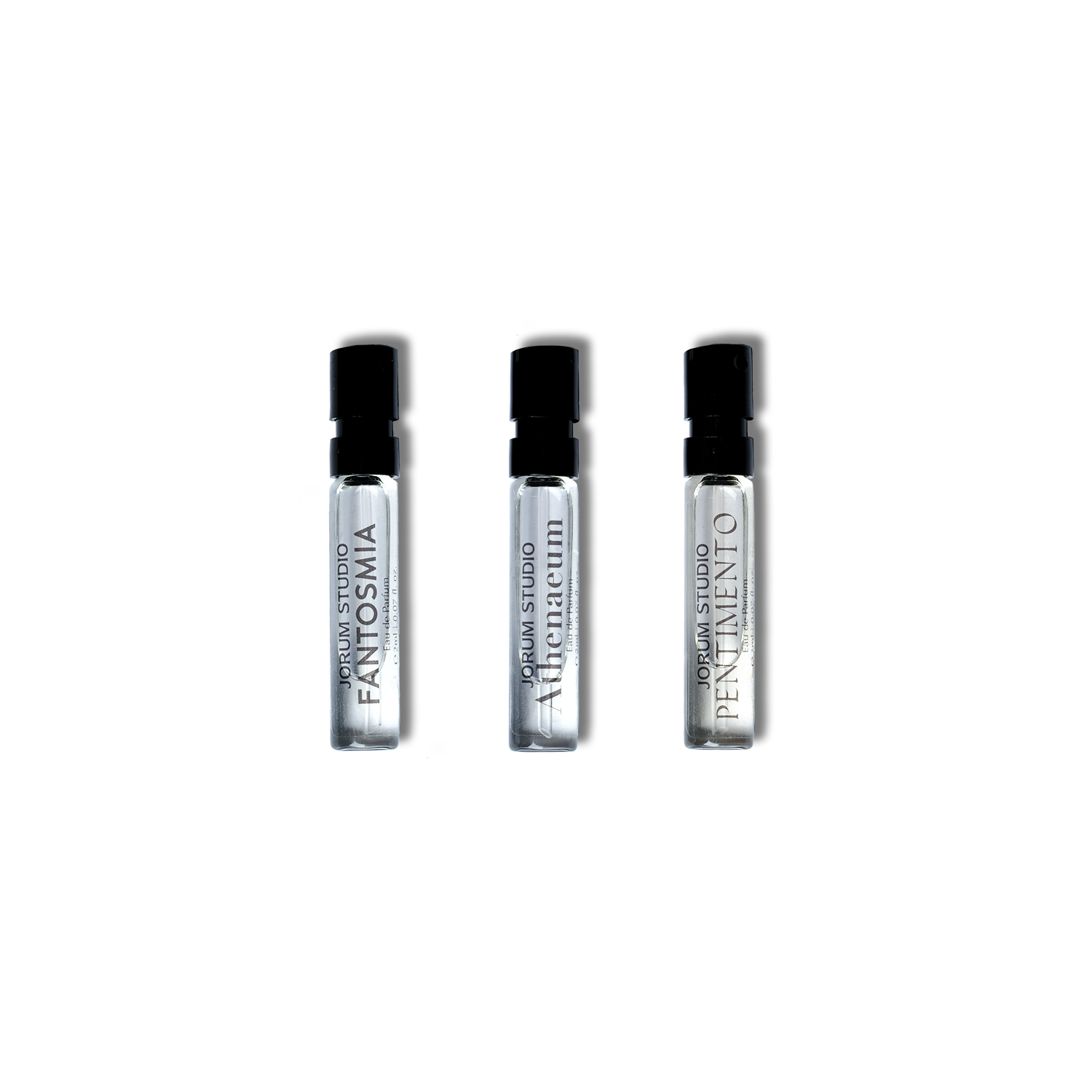
Match the retail set's contents list to the ordered version and product information. Check that vial names, positions and any index card agree. Removing a sample from the middle should not make the remaining fragrances hard to identify. Similar vials should not depend entirely on their position in the box, because users may return them in a different order.
One research diary described trying purchased samples on different days and recording interest in a full-size bottle. That is a useful reminder that discovery may extend beyond the first opening. Include removal, return, storage and note-taking in the brief. Then compare whether an index, writing space or a different closure would support the intended use. These are design options to assess with samples. They do not mean every paid set needs a rigid box or that heavier packaging will improve conversion.
Confirm instructions and redemption information separately
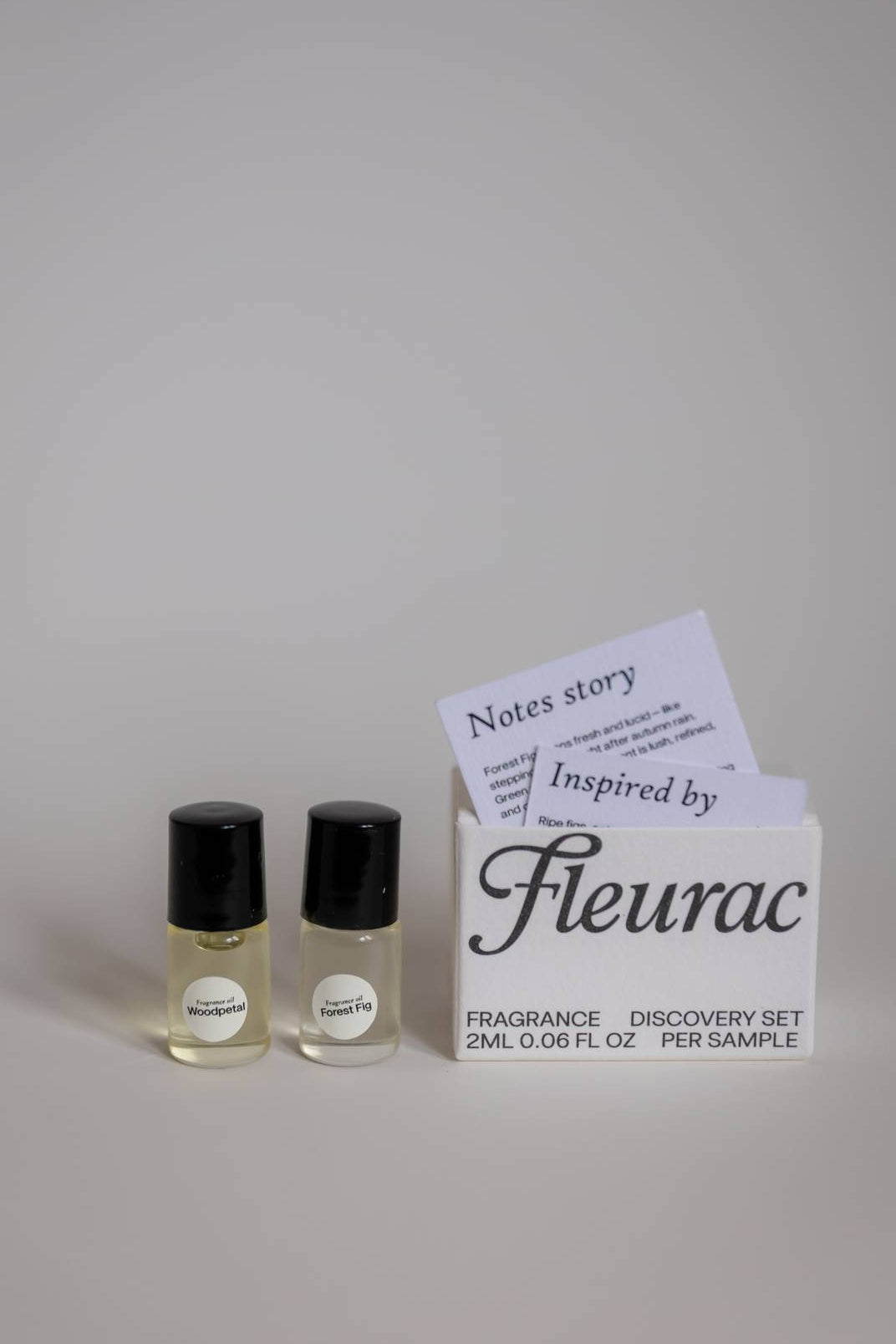
Where the brand offers a voucher, purchase credit or another benefit, obtain its approved information before printing. Check the destination, applicable version, conditions and the location of information that may change. For a QR code, assess readability on an actual-size sample with the intended surface finish. A working link is only one check: the destination must also relate to the set and offer being supplied.
If a complimentary vial is intended for trying a fragrance before opening the main purchase, align that message with the brand's confirmed sales information. Packaging should not invent return conditions. A research question showed disagreement about a charge after supplied samples had been tried. Here it serves only as a reason to make the information clear, without deciding the outcome of that transaction. Complimentary sampling, a retail discovery product and a redemption benefit need distinct descriptions.
Plan protection and packing around the route
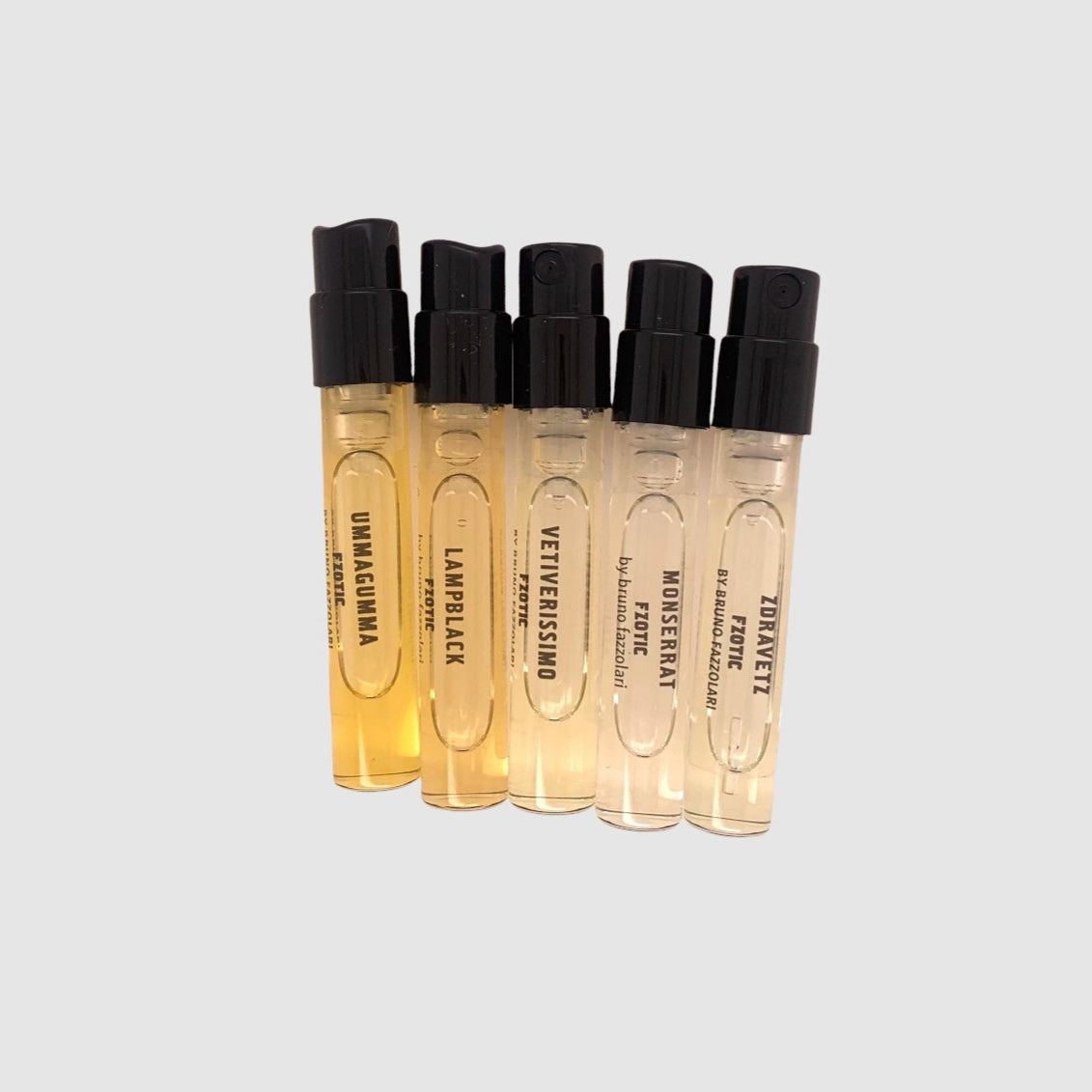
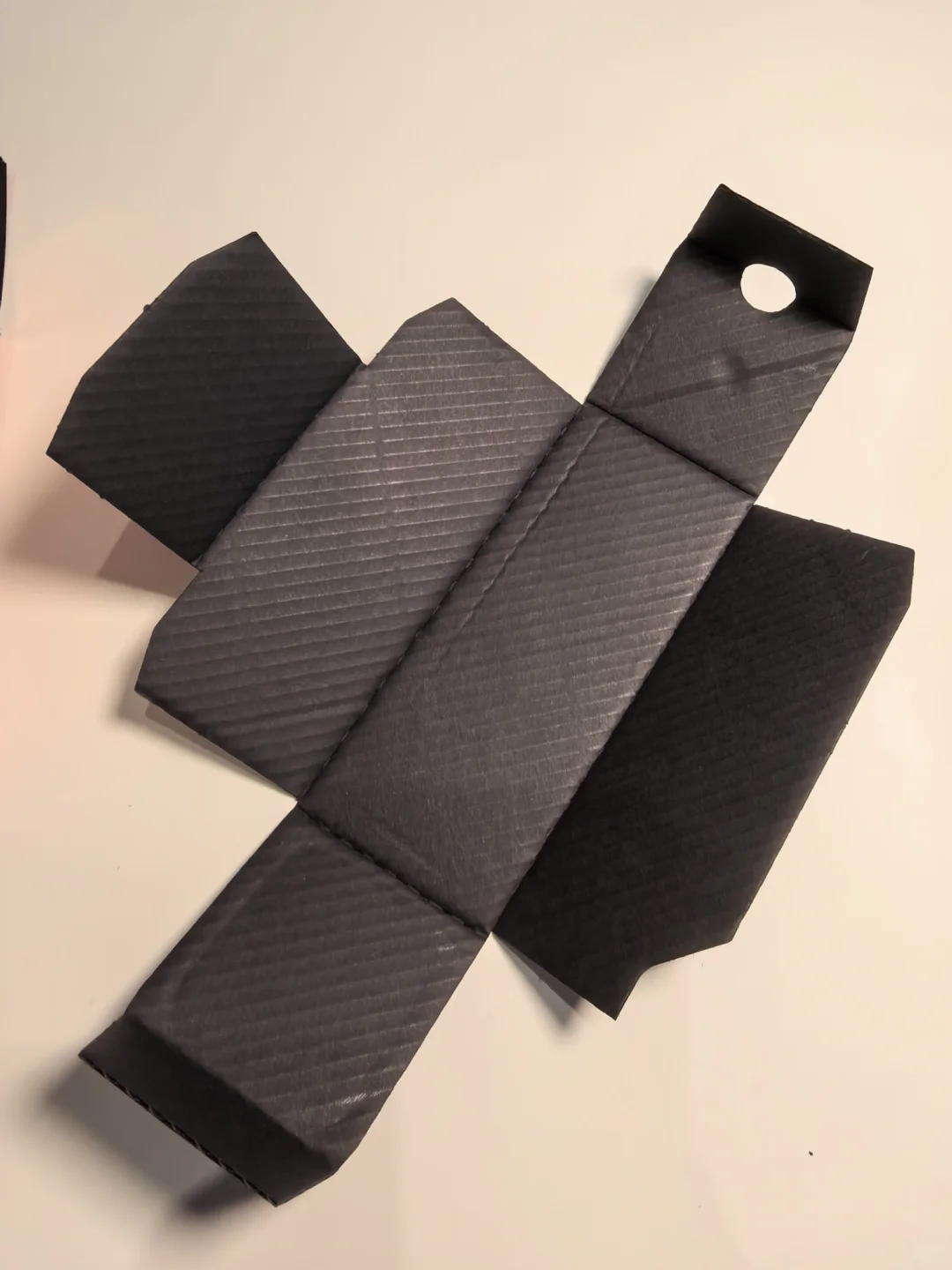
Both complimentary and paid packs need checks of the actual containers, closures, labels and loading arrangement. Cards, boxes and inserts do not replace filling and container checks. A delivery complaint can indicate the need for an inspection and support process, but it does not establish whether the cause was filling, closure, transit or something else. It cannot prove that a particular insert prevents leakage.
Delivery beside a full-size bottle, an individual mailing and a counter handover create different conditions to assess. Define the complete pack for each route and arrange relevant verification. During assembly, check contents, positions and accessories against the correct version list. If giveaways and retail orders share an outer format, verify the version label and information card against what is actually packed. Similar appearance does not make the versions interchangeable.
Compare the complete scope before choosing a format
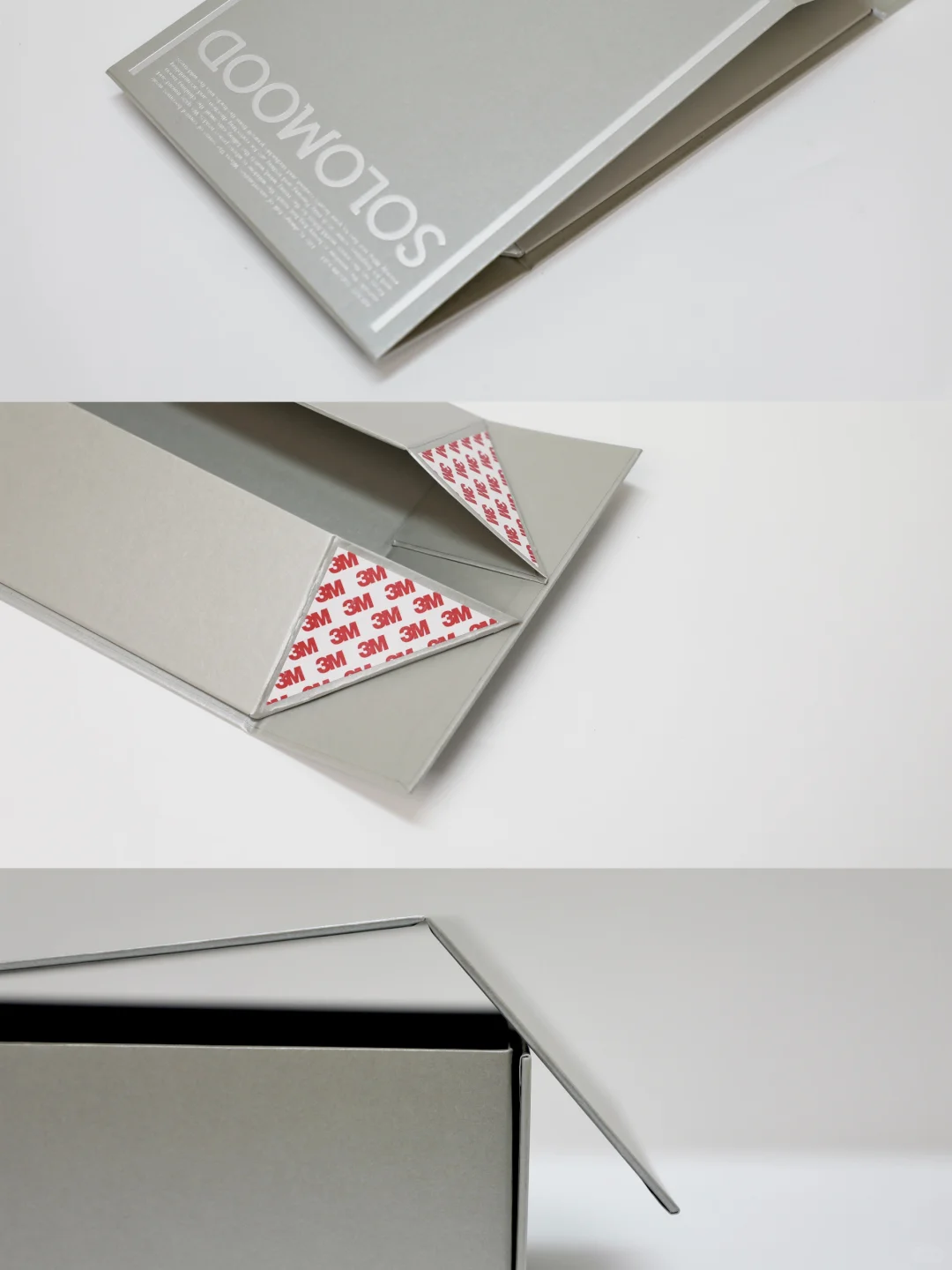
Do not reduce the complimentary sample budget to the price of one paper card, or spend the entire retail budget on the first opening. Compare quotations with the same vial count and containers, paper components, supports, print versions, accessories, assembly responsibilities, supply condition and any mailing outer. A comparison is useful only when the contents and responsibilities are aligned.
For a Bravo Package enquiry, provide actual containers, the giveaway or retail use, a complete contents list, quantities, version changes and the delivery route. Compare essential identification and support first, then arrange samples relevant to the intended production. Clear delivery requirements help the team select a suitable structure. A free sample still has a cost to fulfil, while a paid set does not automatically need additional layers.